
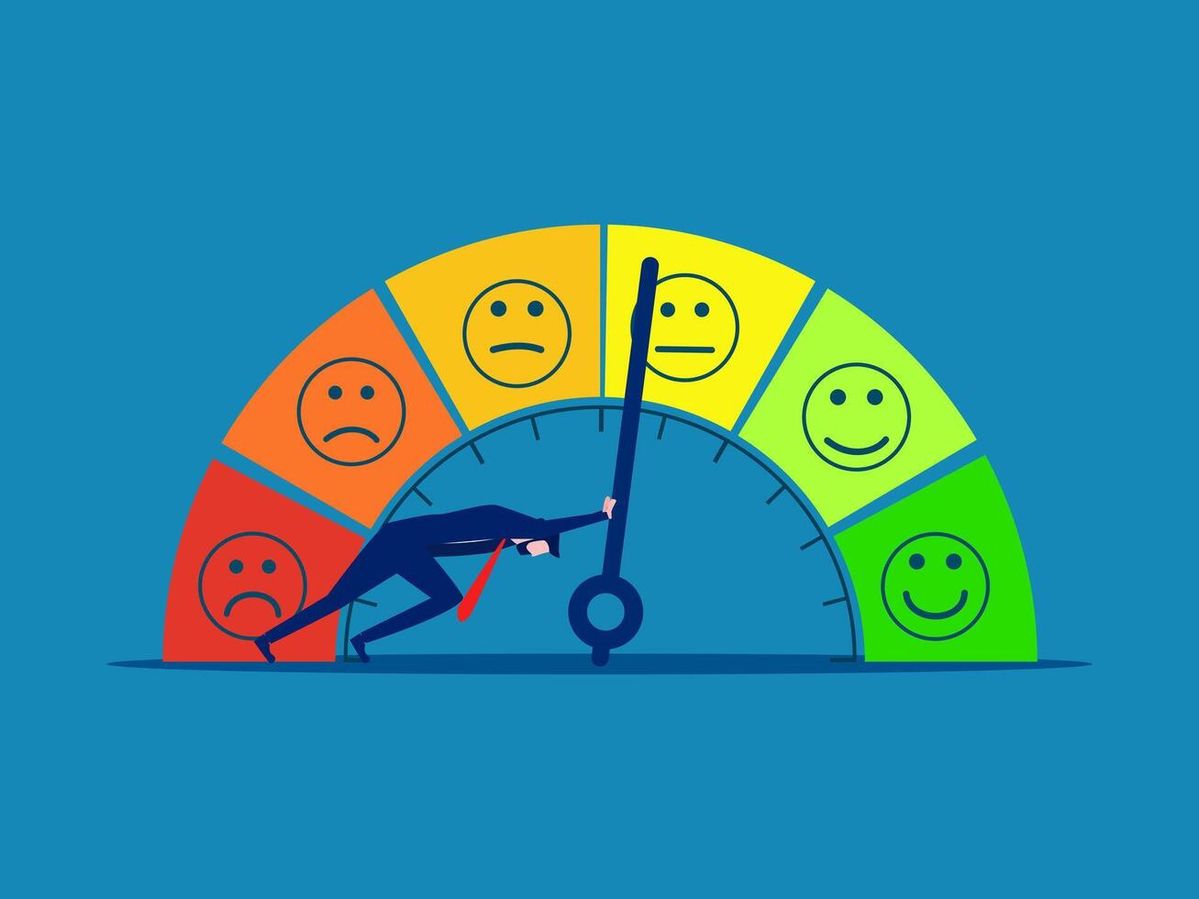

In today’s workplace, employee experience goes far beyond salary and job titles. Employees want purpose, growth, flexibility, and a sense of belonging. Organizations that prioritize employee experience don’t just retain talent—they build motivated, high-performing teams.
Here are five HR practices that significantly improve employee experience and create a workplace people genuinely enjoy being part of.
1. Transparent Communication & Trust-Building
Clear, honest communication is the foundation of a positive employee experience. When employees understand company goals, expectations, and changes, they feel respected and included.
How HR can help:
Encourage open-door policies
Share regular company updates
Create safe spaces for feedback and questions
Transparency builds trust—and trust drives engagement.
2. Personalized Learning & Career Development
Employees want to grow, not stagnate. Offering learning opportunities tailored to individual career goals shows that the organization invests in its people.
Effective HR practices include:
Upskilling and reskilling programs
Mentorship and coaching initiatives
Clear career progression paths
When employees see a future in the company, their motivation naturally increases.
3. Flexible Work Policies
Work-life balance is no longer a “nice-to-have”—it’s an expectation. Flexible work arrangements help employees manage personal and professional responsibilities more effectively.
Examples of flexibility:
Hybrid or remote work options
Flexible working hours
Wellness or mental health days
Flexibility reduces burnout and boosts productivity.
4. Recognition & Appreciation Culture
Feeling valued is a powerful motivator. Regular recognition—both formal and informal—can dramatically improve morale and engagement.
HR-led recognition ideas:
Employee appreciation programs
Peer-to-peer recognition platforms
Celebrating milestones and achievements
A simple “thank you” can go a long way.
5. Strong Onboarding & Employee Support Systems
First impressions matter. A structured onboarding process helps new hires feel confident, welcomed, and prepared from day one.
Key elements of a great onboarding experience:
Clear role expectations
Access to tools and resources
Ongoing support beyond the first week
Continuous support throughout the employee lifecycle keeps experience consistent and positive.
Improving employee experience isn’t about one-time initiatives—it’s about creating a people-first culture. By adopting these HR practices, organizations can foster happier employees, stronger teams, and long-term business success.
After all, when employees thrive, companies grow.