
04May

2026 Labour Laws: Salary Impact

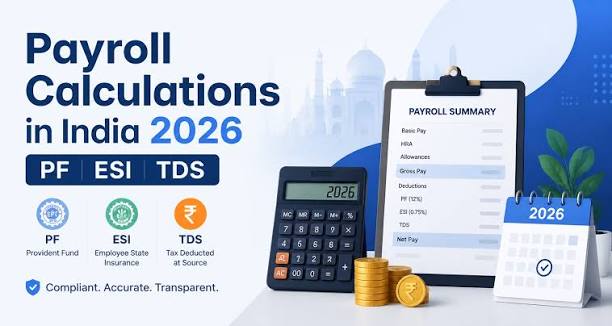
India’s upcoming labour law framework is often discussed in terms of compliance and regulation. However, one of its most immediate and visible effects will be on how employee salaries are structured, calculated, and presented.

For many organisations, this is not a minor adjustment. It is a fundamental redesign of compensation architecture.

The Core Change: Standardised Definition of Wages

At the centre of this shift is a unified definition of “wages” across all labour codes.

In most cases: Basic pay and dearness allowance must constitute at least 50% of total remuneration.

This directly impacts how salaries can be structured. Traditionally, many organisations have designed compensation with a lower basic

pay and higher allowances to optimise take-home salary and reduce statutory contributions.

That approach will no longer be sustainable.

From Flexible Structures to Standardised Models

Earlier Approach

  • Lower basic salary
  • Higher allowances (HRA, special allowance, reimbursements)
  • Reduced statutory contributions

New Reality

  • Higher basic salary component
  • Limited scope to inflate allowances
  • Increased alignment with statutory definitions

The shift is clear:

From flexibility and optimisation To standardisation and compliance

Impact on Key Salary Components

1. Increase in Basic Salary

With the 50% threshold requirement, organisations will need to rebalance salary structures.

Result:

  • Basic salary increases
  • Allowances decrease proportionally

This affects not only payroll but also all benefit-linked calculations.

2. Higher Provident Fund Contributions

Provident fund (PF) is calculated based on wages (primarily basic + DA).

With a higher wage base:

  • Employee PF contributions increase
  • Employer PF contributions increase

Impact:

  • Reduced monthly take-home salary
  • Higher long-term retirement savings

3. Increased Gratuity Liability

Gratuity is directly linked to wages.

With increased basic pay:

  • Gratuity payouts rise
  • Employer liability increases significantly over time

This is particularly important for organisations with long-tenured employees.

4. Changes in Bonus and Overtime Calculations

Bonus eligibility and overtime payments are also linked to wage definitions.

With a higher base:

  • Bonus payouts may increase
  • Overtime compensation becomes higher

This creates both compliance and cost implications.

5. Reduction in Take-Home Salary

One of the most noticeable changes for employees will be:

Lower in-hand salary (in many cases)

This happens because:

  • Higher PF deductions
  • Reduced flexibility in structuring allowances

While total CTC may remain unchanged, the distribution shifts toward long-term benefits.

Illustrative Shift in Salary Structure

While exact figures vary, a typical restructuring may look like:

Before:

  • Basic: 30–35%
  • Allowances: 65–70%

After:

  • Basic + DA: ≥50%
  • Allowances: ≤50%

This rebalancing is mandatory for compliance in most cases.

Impact on Employers

For businesses, the implications go beyond payroll adjustments.

1. Increased Cost-to-Company (CTC) Pressure

Higher statutory contributions and benefit liabilities can increase overall employment costs.

2. Need for Payroll Redesign

Existing salary structures must be:

  • Recalibrated
  • Tested for compliance
  • Aligned with statutory definitions

3. System and Process Alignment

Payroll systems, HR records, and compliance filings must reflect the new structure consistently.

Any mismatch can trigger scrutiny.

4. Employee Communication Challenges

Employees may perceive:

  • Reduced take-home salary
  • Changes in compensation structure

Clear communication becomes critical to manage expectations.

Impact on Employees

Short-Term Effects

  • Lower take-home salary
  • Changes in salary breakup

Long-Term Benefits

  • Higher retirement savings (PF)
  • Increased gratuity
  • More structured and transparent compensation

Common Risks During Transition

Organisations that delay restructuring may face:

  • Non-compliant salary structures
  • Mismatch between payroll and statutory filings
  • Increased audit exposure
  • Retrospective financial liabilities

The challenge is not just making changes—it is ensuring consistency across all systems and records.

A Practical Approach to Transition

To prepare effectively, organisations should:

  • Review existing salary structures
  • Model revised compensation scenarios
  • Align payroll systems with new definitions
  • Update HR documentation
  • Reconcile statutory filings

This should be approached as a structured exercise, not a reactive adjustment.

Conclusion

The 2026 labour law changes will reshape how salaries are designed in India.

They move compensation from:

  • Flexible, allowance-driven structures

To:

  • Standardised, compliance-driven frameworks

For employees, this means a shift toward long-term financial security. For employers, it requires careful planning, system alignment, and proactive execution.

Ultimately, the question is not whether salary structures will change they will.

The real question is:

Will your organisation be prepared to implement those changes smoothly and compliantly?

About Level UP HR Solutions Level UP HR Solutions supports organisations in redesigning salary structures, aligning payroll systems, and ensuring compliance with evolving labour regulations.

17Apr

HR Audit: The Hidden Risk Costing You Money

By Chippy Jayaprakash, Founder & CEO, Level UP HR Solutions

Most business owners think an HR Audit is something only large corporations worry about. That assumption is expensive.

If you run a growing company in India — whether you have 20 employees or 200 — your HR practices are either protecting your business or quietly creating risk. An HR audit tells you exactly which one.

So, what is an HR audit?

An HR audit is a structured, independent review of your company’s HR policies, practices, documentation, and compliance status. It examines everything from employment contracts and leave records to payroll accuracy, statutory contributions, and employee data management.

Think of it as a financial audit — but for your people practices.

A thorough HR audit covers:

  • Employment documentation — Are your offer letters, appointment letters, and contracts legally sound and up to date?
  • Statutory compliance — Are you meeting your obligations under the Shops & Establishments Act, PF, ESI, Gratuity, and labour welfare regulations?
  • Payroll accuracy — Are salaries calculated correctly? Are TDS deductions, PF contributions, and payslips compliant with applicable rules?
  • HR policies and handbooks — Do you have a written policy for leave, code of conduct, POSH, grievance redressal, and disciplinary procedures?
  • Employee records — Is your employee data complete, organised, and accessible during an inspection or audit?
  • Onboarding and exit processes — Are your joining formalities and full-and-final settlements handled correctly?
Why do Indian SMEs avoid HR audits?

Three common reasons:

  1. “We’re too small to need it.” — Size doesn’t exempt you from compliance. A 25-person company is just as liable under the PF Act or the POSH Act as a 250-person one.
  2. “We’ll do it when we scale.” — By the time you scale, the gaps are already there — and harder to fix under pressure.
  3. “Our HR is handled internally.” — An internal review is useful. But it often misses what an experienced external auditor will catch, simply because internal teams are too close to the process.
What happens when you skip it?

Non-compliance with labour laws can result in penalties, legal notices, and reputational damage. Inaccurate payroll creates employee disputes and tax liability. Incomplete documentation means you have no defence in a labour court or during a government inspection.

More quietly: poor HR processes lead to disengaged employees, attrition, and leadership time wasted firefighting instead of growing.

What does an HR audit actually give you?

When done properly, an HR audit gives you three things:

  1. A clear picture of where your HR function stands today — strengths, gaps, and risks.
  2. A prioritised action plan — not a 40-page report that sits in a drawer, but specific steps ranked by urgency and impact.
  3. Peace of mind — knowing that your business is protected before an inspection, a dispute, or a growth event like fundraising or acquisition.
When is the right time for an HR audit?

The honest answer? Right now. But especially if:

  • You’re planning to scale hiring in the next 6–12 months
  • You’ve recently crossed 10, 20, or 50 employees (statutory thresholds often change at these points)
  • You’re preparing for funding, a merger, or due diligence
  • You’ve never done a formal review of your HR documentation
  • You’ve had employee complaints, exits, or disputes in the past year
A note on compliance in Kerala

For businesses in Kerala, compliance requirements include the Kerala Shops and Commercial Establishments Act, state-specific labour welfare contributions, and local municipal employment norms — in addition to central acts like PF, ESI, and the POSH Act. Getting these right requires someone who knows both the state and central regulatory landscape.

An HR audit isn’t a sign that something is wrong. It’s a sign that you’re running your business with intention. The companies that grow well aren’t just the ones with the best products — they’re the ones that build strong foundations early.

At Level UP HR Solutions, we conduct structured HR audits for SMEs across Kerala and India — giving you a clear, actionable compliance report without the jargon.

16Apr

5 Must-Have HR Documents Before Your First Hire

By Chippy Jayaprakash, Founder & CEO — Level UP HR Solutions

Most founders think HR documentation comes after 50 employees. That thinking costs lakhs — sometimes the entire business. Here are the five documents you need before you hire your very first person.

When a business runs into an employee dispute — an unfair dismissal claim, a salary disagreement, a confidentiality breach — the first thing a labour officer or court asks for is documentation. Not intent. Not memory. Not WhatsApp screenshots.

Paper. Signed. Dated.

I’ve seen Kerala SMEs with 30, 40, even 60 employees who couldn’t produce a single signed employment document. The result? Penalties, legal fees, and settlements that could have been avoided entirely with two hours of paperwork at the start.

HR documentation for small businesses isn’t bureaucracy. It’s protection — for your company and for your employees. And it starts on Day 1, not at employee #50.

THE 5 ESSENTIAL HR DOCUMENTS EVERY INDIAN SME NEEDS
1. APPOINTMENT LETTER / EMPLOYMENT CONTRACT

This is the foundation of every employment relationship. A proper employment contract in India must clearly state the role, responsibilities, compensation structure, working hours, probation period, notice period, and termination conditions. Many businesses issue only a basic offer letter — which is not the same thing and does not offer the same legal protection.

Risk without it: No legal basis to enforce notice periods, recover advances, or defend termination decisions.

2. HR POLICY DOCUMENT / EMPLOYEE HANDBOOK

Your HR policy for small businesses is the rulebook that governs how your workplace operates. It covers leave entitlements, attendance expectations, code of conduct, grievance procedures, disciplinary processes, and workplace behaviour standards. Without this, every HR decision you make is open to challenge — because there’s no agreed framework to reference.

Risk without it: Inconsistent decision-making creates discrimination claims and legal liability under the Industrial Disputes Act.

3. LEAVE POLICY

A standalone, written leave policy — covering Earned Leave, Sick Leave, Casual Leave, maternity and paternity provisions, and public holidays — is a statutory requirement under the Shops and Establishments Act in Kerala. It must be communicated to every employee in writing.

Risk without it: Shops & Establishments Act violations, leave encashment disputes, and employee grievances at exit.

4. NON-DISCLOSURE AGREEMENT (NDA) / CONFIDENTIALITY AGREEMENT

If your employees handle client data, pricing information, business processes, or any proprietary knowledge — and every employee does — you need a signed NDA from Day 1. Under Indian contract law, NDAs are enforceable when drafted correctly.

Risk without it: No legal recourse if an employee joins a competitor and uses your confidential business information.

5. STATUTORY COMPLIANCE RECORDS

This covers your PF registration and monthly ECR filings, ESI registration and contributions, Professional Tax enrolment, and the statutory registers required under Kerala labour law. These are legal obligations under the Employees’ Provident Funds Act, ESI Act, and Kerala Shops and Establishments Act.

Risk without it: Penalties, back-payment demands, and potential criminal liability for directors under PF and ESI acts.

THE DIFFERENCE BETWEEN AN OFFER LETTER AND AN APPOINTMENT LETTER

An offer letter is a preliminary document — it expresses the intent to employ and outlines basic terms. It is conditional and not legally binding on its own.

An appointment letter — also called an employment contract — is the binding agreement that comes after the candidate accepts. It contains the full terms of employment, is signed by both parties, and is the document that holds legal weight in any dispute.

“Sending only an offer letter and never following up with a signed appointment letter is one of the most common — and most costly — HR documentation mistakes we find in SME audits across Kerala.”

HOW TO GET YOUR HR DOCUMENTATION IN ORDER — QUICKLY
  • Audit what you currently have — and identify the gaps
  • Draft or update your employment contracts to reflect current roles and compensation
  • Create a written HR policy document and distribute it to all employees
  • Ensure your statutory compliance registrations are current and filings are up to date
  • Get NDAs signed — including with existing employees where possible
  • Store all documents securely with signed acknowledgement from each employee


“The best time to set up your HR documentation was before your first hire. The second best time is today.”

If you’re unsure whether your current HR documentation is complete and compliant, our Free HR Audit will tell you exactly where the gaps are — and what to do about them. No obligation. No sales pitch. Just clarity.

14Apr

Why SMEs Lose Money Without HR Systems

By Chippy Jayaprakash, Founder & CEO — Level UP HR Solutions

72% of small and mid-sized businesses in India overpay or underpay their employees every single month. The reason isn’t greed or carelessness — it’s the absence of a proper HR system.

I’ve worked with dozens of SME owners across Kerala. Talented, hardworking entrepreneurs who’ve built real businesses — retail, trading, manufacturing, services. But when it comes to managing their people, most of them are running on WhatsApp messages, Excel sheets, and gut instinct.

And it’s costing them — quietly, consistently, and in ways they can’t always see on a P&L sheets.

THE HIDDEN COST OF “MANAGING HR MANUALLY”
Here’s what I typically find when we run a Free HR Audit for a first-time client:
  • Leave balances are tracked in someone’s personal notebook — or not tracked at all
  • PF deductions are calculated on the wrong salary component, creating future liability
  • Employees resigned without a proper full-and-final settlement — and the company has no record
  • There’s no signed appointment letter for at least 2–3 employees
  • Overtime is paid inconsistently, or not paid at all, violating the Shops & Establishments Act


None of these feel like emergencies — until a disgruntled employee files a complaint, or a bank asks for compliance records before approving your working capital loan.

IT’S NOT A HEADCOUNT PROBLEM. IT’S A SYSTEMS PROBLEM.

A lot of business owners tell me: “We’re only 15 people — we don’t need formal HR.”

I understand the instinct. HR feels like something you set up when you’ve “made it.” But that thinking gets the sequence wrong. You build the system before you need it — not after the crisis.

“The businesses that grow from 15 to 50 employees smoothly are the ones that treated HR seriously at 10. The ones that don’t, hit a ceiling — and spend the next two years firefighting instead of growing.”

An HR system doesn’t mean hiring a full-time HR manager. For most SMEs, it means three things:

  • A clean, compliant payroll process running on time, every month
  • Basic documentation — offer letters, leave policies, appointment orders — in place
  • Someone accountable for compliance: PF, ESI, PT, gratuity, F&F settlements
WHAT FIXING THIS ACTUALLY LOOKS LIKE

One of our clients — a trading firm in Kozhikode with 22 employees — came to us after a payroll dispute with a long-serving employee. They were running payroll manually, had no written leave policy, and had never filed ESI for 6 employees who were eligible.

Within 60 days of engaging Level UP HR Solutions, they had a structured payroll system in place, all statutory registrations updated, and a basic employee handbook distributed to the team. The dispute? Resolved — because we had documentation to back every decision.

More importantly, the owner told me: “I’m sleeping better now.”

That’s what good HR does. It removes the invisible anxiety of running a business without a safety net.

If you’re an SME owner in Kerala — or managing a business with 10 to 150 employees — and you’re not sure whether your HR house is in order, I’d genuinely encourage you to find out.

We offer a Free HR Audit with no strings attached. We’ll tell you exactly where the risks are — and what to do about them.

05Feb

How Payroll Compliance Impacts Employer Brand

In today’s competitive talent market, employer brand is built on more than culture posts and career pages. One often-overlooked factor plays a powerful role behind the scenes: payroll compliance.

When payroll is accurate, timely, and legally compliant, it silently strengthens trust. When it fails, it damages credibility faster than almost anything else. Let’s explore how payroll compliance directly impacts your employer brand—and why businesses can’t afford to ignore it.

What Is Payroll Compliance?

Payroll compliance refers to following all statutory laws, tax regulations, labor rules, and reporting requirements related to employee compensation. This includes:

Timely salary payments

Accurate tax deductions (TDS, PF, ESI, professional tax, etc.)

Compliance with labor laws and wage acts

Proper payslips and documentation

Timely statutory filings and returns

Compliance isn’t optional—it’s a legal and reputational necessity.

Why Employer Brand Depends on Payroll Compliance

1. Builds Employee Trust and Confidence

Employees trust organizations that pay correctly and on time. Consistent payroll compliance shows professionalism, reliability, and respect for employees.

When trust increases, employees become brand advocates—not just workers.

2. Prevents Negative Employee Experiences

Late salaries, incorrect deductions, or compliance notices create stress and frustration. These experiences often spill into:

Poor online reviews

Low engagement

Higher attrition

One payroll error can undo months of employer branding efforts.

3. Strengthens Reputation in the Talent Market

Candidates research companies before applying. A reputation for clean payroll practices signals stability and ethical leadership.

Strong compliance makes your company attractive to:

High-quality talent

Senior professionals

Long-term employees

4. Reduces Legal Risks and Public Issues

Non-compliance can lead to penalties, audits, and legal disputes. These issues don’t stay internal—they impact public perception.

A legally compliant payroll system protects your brand from:

Government scrutiny

Negative press

Employee disputes

5. Shows Respect for Employee Rights

Payroll compliance reflects how seriously a company values employee rights. Transparent payslips, correct benefits, and lawful deductions send a clear message:

“We care about doing things right.”

That message strengthens employer credibility internally and externally.

payroll

Payroll Compliance and Employee Retention

Employees rarely leave just for salary—they leave due to repeated administrative failures. Clean payroll systems reduce frustration, improve satisfaction, and increase retention.

Retention itself is a powerful employer branding signal.

How Businesses Can Improve Payroll Compliance

Use automated or professional payroll systems

Stay updated with changing labor laws

Conduct regular payroll audits

Maintain clear documentation and records

Consider outsourcing payroll to compliance experts

Proactive compliance is always cheaper than corrective damage control.


Payroll compliance may operate in the background, but its impact on employer brand is front and center. Businesses that prioritize compliant, transparent payroll practices build trust, protect reputation, and attract better talent.

In the long run, how you pay your people says a lot about who you are as an employer.

02Feb

Payroll Basics Every Growing Business Must Get Right

Payroll management is one of the most critical responsibilities for any growing business. Beyond paying salaries, payroll directly impacts employee satisfaction, statutory compliance, and business credibility. Poor payroll practices can lead to legal penalties, financial losses, and low employee trust.

Understanding and implementing payroll basics early helps businesses scale smoothly without compliance risks.

payroll
The concept of business, technology, the Internet and the network. A young entrepreneur working on a virtual screen of the future and sees the inscription: Payroll

1. Correct Employee Classification

Accurate employee classification is the foundation of payroll management.

Businesses must clearly differentiate between:

Full-time and part-time employees

Contract workers and consultants

Interns and trainees

Incorrect classification can result in payroll compliance violations and tax penalties.

2. Well-Defined Salary Structure

A transparent salary structure avoids confusion and payroll disputes.

Every payroll system should clearly define:

Basic salary

Allowances (HRA, conveyance, special allowance)

Incentives and bonuses

Statutory and voluntary deductions

Clear salary breakups simplify payroll processing and improve employee trust.

3. Payroll Statutory Compliance

Payroll compliance is non-negotiable for growing businesses.

Key statutory requirements include:

Provident Fund (PF)

Employee State Insurance (ESI)

Professional Tax (PT)

Income Tax (TDS)

Minimum wage compliance

Failure to comply with payroll laws can lead to fines, audits, and legal action.

4. Timely and Accurate Salary Processing

Timely payroll processing is essential for employee morale.

Businesses should ensure:

Fixed payroll cycles

Accurate calculations

Zero delays in salary credit

Payroll errors, even small ones, can damage employee confidence and workplace culture.

5. Attendance and Leave Management

Payroll accuracy depends on correct attendance data.

A strong payroll system must include:

Attendance tracking

Leave management policies

Overtime and loss-of-pay calculations

Automated attendance-to-payroll integration reduces manual errors.

6. Tax Deductions and Employee Declarations

Payroll must reflect correct income tax deductions based on employee declarations and proofs.

Providing clarity on:

Tax-saving investments

Declaration deadlines

TDS calculations

helps ensure accurate payroll tax compliance.

7. Payslips and Payroll Records

Issuing payslips is a legal and professional requirement.

Payslips should include:

Gross earnings

Deductions

Net pay

PF and ESI contributions

Maintaining payroll records supports audits, compliance checks, and employee queries.

8. Payroll Data Security

Payroll data includes sensitive personal and financial information.

Businesses must ensure:

Secure payroll systems

Restricted access

Data protection compliance

Strong payroll data security protects both employees and the organization.

9. Payroll Software or Outsourcing

Manual payroll becomes inefficient as businesses grow.

Using:

Payroll software

HRMS platforms

Payroll outsourcing services

improves accuracy, compliance, and operational efficiency.

10. Regular Payroll Audits

Periodic payroll audits help identify:

Compliance gaps

Calculation errors

Process inefficiencies

Regular audits ensure payroll systems scale effectively with business growth.


Payroll is more than salary processing—it’s a critical business function. By mastering payroll basics, growing businesses can ensure compliance, build employee trust, and support long-term growth.

Investing in the right payroll systems and expertise today helps avoid costly mistakes tomorrow.