
Growing a business is exciting, but managing people becomes increasingly complex as the organization expands.
When a company has only a few employees, HR activities may be handled informally by business owners or administrative staff. Recruitment decisions happen through conversations, employee records are maintained in spreadsheets, and policies may exist only as verbal instructions.
However, as the workforce grows, these informal practices can create challenges.
Missing employee documents, unclear responsibilities, inconsistent HR policies, payroll-related errors, and compliance gaps can affect business operations and employee experience.
This is why every growing business needs a structured HR framework — not just an HR department, but a system that supports employees and business operations at every stage.
What Is an HR Framework?
An HR framework is a structured system of policies, processes, responsibilities, and documentation used to manage employees throughout their employment journey.
It establishes how a business handles:
- Recruitment and selection
- Employee onboarding
- HR policies and procedures
- Employee documentation
- Attendance and leave management
- Compensation and benefits administration
- Performance management
- Employee development
- Statutory compliance
- Employee exits
A good HR framework creates consistency and helps businesses manage their workforce more effectively as they grow.
1. Start with Clear HR Roles and Responsibilities
One of the first steps in building an HR framework is defining who is responsible for managing people-related activities.
In smaller businesses, the owner or operations manager may handle HR responsibilities. As the organization expands, responsibilities should become more structured.
Clearly identify who handles:
- Recruitment and candidate coordination
- Employee documentation
- Attendance and leave approvals
- Employee queries and grievances
- Performance reviews
- HR policy implementation
- Statutory compliance coordination
- Employee exit procedures
When responsibilities are clearly assigned, important HR activities are less likely to be overlooked.
2. Create a Structured Recruitment Process
Hiring the right employees is essential for business growth. However, recruitment without a consistent process can lead to unsuitable hiring decisions and unnecessary delays.
Businesses should establish a standard recruitment workflow.
Manpower Requirement → Job Description → Candidate Sourcing → Screening → Interview → Selection → Offer → Joining
Maintain relevant records such as:
- Recruitment requests
- Approved job descriptions
- Candidate applications
- Interview feedback
- Selection approvals
- Offer letters
- Candidate communication
A structured recruitment process helps businesses maintain transparency and make more consistent hiring decisions.
3. Build a Strong Employee Onboarding System
Employee onboarding should go beyond collecting documents and introducing someone to the workplace.
A well-organized onboarding process helps employees understand their responsibilities, company expectations, workplace policies, and reporting structure.
Important onboarding activities include:
- Issuing appointment or employment documentation
- Collecting required employee information
- Creating employee records
- Explaining HR policies
- Communicating job responsibilities
- Providing workplace and system access
- Introducing reporting managers and team members
- Explaining attendance and leave procedures
Businesses should use an onboarding checklist to ensure that every new employee follows a consistent process.
4. Establish Essential HR Policies
As a company grows, informal instructions may no longer be sufficient.
Employees need clear guidelines about workplace expectations, responsibilities, and procedures.
Important HR policies may include:
Attendance and Leave Policy: Defines attendance procedures, leave eligibility, approval processes, and related expectations.
Code of Conduct: Establishes professional behaviour and workplace standards.
Workplace Harassment Prevention: Provides appropriate procedures and safeguards, including applicable POSH requirements.
Work From Home Policy: Explains eligibility, communication expectations, and remote working arrangements.
Confidentiality Policy: Protects sensitive company and employee information.
Disciplinary Policy: Explains how workplace misconduct and policy violations are addressed.
Policies should be appropriate for the organization’s size, industry, workforce, and applicable legal requirements. They should also be communicated clearly to employees.
5. Maintain Complete Employee Documentation
Employee documentation is the foundation of an organized HR system.
Every employee should have an appropriately maintained personnel file containing relevant employment records.
Depending on the organization, this may include:
- Resume and application details
- Offer and appointment letters
- Identity and address information, where required
- Educational and experience documents, where relevant
- Job descriptions
- Employee information forms
- Policy acknowledgements
- Salary revision letters
- Promotion and transfer records
- Performance review records
- Exit documentation
Employee information should be accurate, securely maintained, and accessible only to authorized personnel.
Businesses should also establish a process for updating documents whenever an employee’s role, salary, department, or other relevant information changes.
6. Create a Reliable Attendance and Leave Management Process
Attendance and leave management become more complicated as the number of employees increases.
Without a clear process, businesses may face incorrect attendance records, inconsistent leave approvals, and avoidable payroll-related discrepancies.
An effective system should define:
- Attendance recording procedures
- Leave categories and eligibility
- Leave application and approval processes
- Holiday calendars
- Late arrival and absence procedures
- Overtime records, where applicable
- Leave balance tracking
HR should regularly review attendance and leave information and coordinate with the relevant teams to ensure accurate records.
7. Establish Compensation and Payroll Coordination
Compensation management requires coordination between HR, payroll, and finance.
Employee salary information should be properly documented and updated whenever changes occur.
Important records and activities include:
- Approved salary structures
- Salary revision letters
- Increment and promotion approvals
- Attendance and leave inputs
- Incentive and reimbursement details
- Applicable deductions
- Payslip and salary records
- Payroll reconciliation
Businesses should ensure that approved employee changes are communicated to the relevant payroll and finance teams before processing.
This helps reduce discrepancies between employee records, salary calculations, and financial records.
8. Build a Statutory Compliance System
Compliance should be part of regular HR operations rather than something businesses address only when an inspection or notice occurs.
Depending on the organization’s workforce, establishment, location, and applicable legislation, businesses may need to manage requirements relating to:
- Employees’ Provident Fund (PF)
- Employees’ State Insurance (ESI)
- Professional Tax
- Labour Welfare Fund
- Tax Deducted at Source (TDS)
- Applicable labour laws
- Employment-related registers and records
Businesses should maintain a compliance calendar that tracks relevant filing dates, payment deadlines, documentation, and responsibilities.
For companies operating in Kerala, it is particularly important to review applicable state-specific requirements alongside central statutory obligations.
Compliance requirements can change, so businesses should verify current notifications, thresholds, exemptions, and deadlines rather than relying on outdated checklists.
9. Introduce a Performance Management Process
An effective HR framework should help employees understand what is expected of them and how their performance contributes to business objectives.
A structured performance management system may include:
- Clearly defined job responsibilities
- Key Result Areas (KRAs)
- Key Performance Indicators (KPIs)
- Regular manager feedback
- Performance review meetings
- Employee development plans
- Recognition and improvement processes
Performance management should not be limited to an annual appraisal. Regular feedback helps managers identify challenges and support employee development.
10. Develop Employee Training and Growth Plans
As businesses expand, employees need opportunities to improve their skills and adapt to changing responsibilities.
HR can identify training requirements based on:
- Job responsibilities
- Performance gaps
- New technology or systems
- Management requirements
- Future business goals
- Employee career aspirations
Maintain appropriate training records, attendance, completion details, and certificates.
Investing in employee development can help businesses build stronger teams and reduce dependence on external hiring for every new requirement.
11. Establish a Proper Employee Exit Process
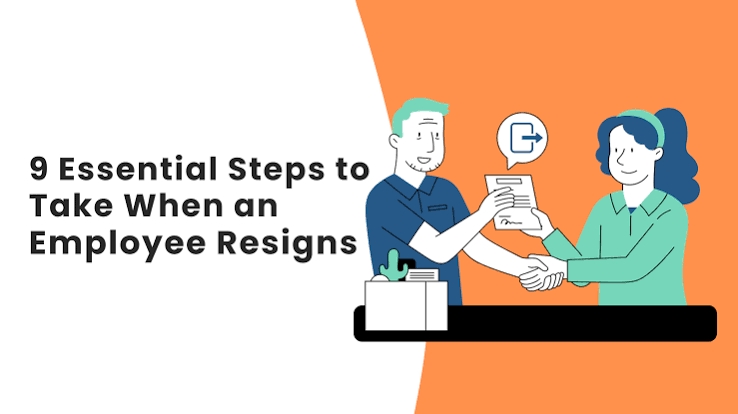
An HR framework should cover the entire employee lifecycle — including resignation and exit.
A structured exit process helps businesses complete documentation, coordinate final payments, and close employee records properly.
Important steps include:
- Recording the resignation.
- Acknowledging the resignation.
- Confirming the notice period and last working date.
- Coordinating the handover.
- Completing asset clearance.
- Reconciling attendance and leave.
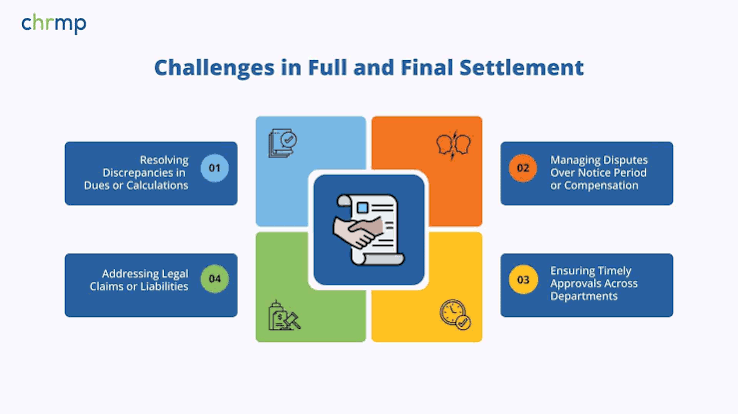
- Coordinating full and final settlement.
- Reviewing applicable statutory updates.
- Issuing relevant exit documents.
- Updating employee records and access.
A consistent exit checklist helps prevent incomplete documentation and unnecessary administrative issues.
12. Use Technology to Organize HR Operations
Managing employee information through multiple spreadsheets, emails, and physical files can become difficult as a business grows.
Appropriate HR technology can help organize employee records and improve process consistency.
Businesses can consider systems for:
- Employee database management
- Attendance and leave tracking
- Document storage
- Recruitment coordination
- Performance management
- Payroll-related information
- Compliance tracking
The objective is not to adopt technology simply because the business is growing. It is to identify repetitive tasks and information gaps that technology can help manage.
13. Conduct Regular HR Audits
Creating an HR framework is only the beginning. Businesses must periodically review whether the processes are actually working.
An HR audit can help identify gaps in documentation, employee records, policies, and compliance-related processes.
A practical HR audit may review:
- Employee personnel files
- Appointment and employment documentation
- HR policies
- Attendance and leave records
- Salary revision approvals
- PF and ESI records, where applicable
- Statutory registers and records
- Employee exit documentation
- HR process effectiveness
Regular reviews help businesses identify issues early and take corrective action before small gaps become larger operational problems.
A Practical HR Framework Implementation Roadmap
Growing businesses do not need to introduce every HR process at once. They can build their framework in stages.
Stage 1: Establish the Foundation
- Define HR responsibilities.
- Create employee master records.
- Organize existing employee documents.
- Establish essential HR policies.
Stage 2: Standardize Daily Processes
- Introduce recruitment and onboarding checklists.
- Establish attendance and leave procedures.
- Standardize salary revision and approval documentation.
- Create employee exit procedures.
Stage 3: Strengthen Compliance
- Identify applicable statutory obligations.
- Create a compliance calendar.
- Review PF, ESI, and other relevant records.
- Establish a document-retention process.
Stage 4: Improve and Monitor
- Introduce performance reviews.
- Identify employee training needs.
- Use suitable HR technology.
- Conduct periodic HR audits.
- Review and improve processes as the organization grows.
Common HR Framework Mistakes Growing Businesses Should Avoid
Even businesses with HR teams can experience process gaps.
Some common mistakes include:
1. Depending entirely on informal communication: Important employee decisions should have appropriate documentation and approval records.
2. Treating documentation as a one-time activity: Employee records must be reviewed and updated throughout the employment lifecycle.
3. Ignoring statutory compliance until deadlines approach: Compliance responsibilities should be tracked continuously.
4. Keeping disconnected HR and payroll records: Relevant employee and compensation information should be consistent across systems.
5. Introducing policies without communicating them: Employees should understand the policies that apply to them.
6. Skipping regular HR reviews: Without periodic audits, outdated records and process gaps may remain unnoticed.
How Level Up HR Solutions Can Help
Building an HR framework requires more than preparing a few documents. It involves creating organized processes that support employee management, documentation, and compliance.
At Level Up HR Solutions, we support growing businesses and SMEs with practical HR services, including:
- HR Consulting: Support in establishing structured HR processes and practices.
- HR Documentation: Employee records, HR policies, appointment documentation, and employee lifecycle records.
- HR Audits: Reviewing HR processes, identifying documentation gaps, and improving audit readiness.
- PF & ESI Compliance: Support with applicable statutory compliance requirements.
- Statutory Compliance Support: Assistance with relevant compliance records, processes, and documentation.
- HR Outsourcing: Practical HR process support for businesses that need professional HR assistance.
Our focus is to help businesses establish more organized HR systems so they can manage their workforce with greater clarity and confidence.
Final Thoughts
Business growth brings new opportunities, but it also increases the responsibility of managing people effectively.
Without structured HR processes, even a successful business can face challenges involving employee documentation, workplace policies, compliance, and administrative coordination.
A strong HR framework provides the foundation for managing these responsibilities.
Start with the essentials. Standardize your processes. Maintain accurate records. Review regularly. Improve as you grow.
Because building a successful business is not just about increasing revenue or expanding operations — it is also about building the right systems to manage the people behind that growth.
Level Up HR Solutions
Compliance Partner for SMEs in India
📞 +91 8714805999
📧 info@leveluphrs.com
🌐 www.leveluphrs.com
#HRFramework #HRManagement #HRConsulting #HRDocumentation #HRCompliance #HRAudit #PayrollCompliance #EmployeeManagement #HROutsourcing #SMEIndia #KeralaBusiness #KochiBusiness #LevelUpHRSolutions