
19Jun

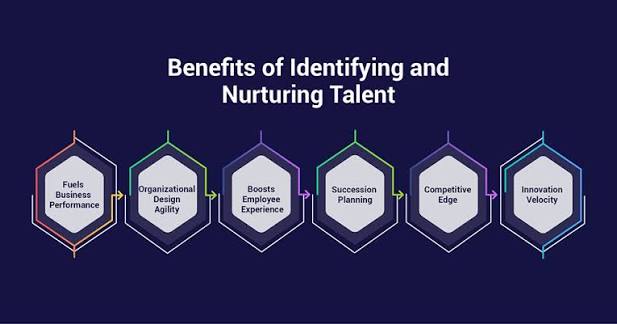
The Role of HR in Developing Future Leaders

By Nandana GS

Digital Marketing Executive

It’s not just a pipeline. It’s a survival strategy.

“Who’s ready to step into my role in 3 years?” Most leaders can’t answer that. HR can change that.

In 2026, the gap between available leadership roles and truly ready internal candidates is widening. Why? Because traditional leadership development is broken. It’s too slow, too theoretical, and too disconnected from real business chaos.

HR is no longer just the “training department”. You are the architect of leadership velocity — the speed at which an organisation turns high-potential employees into high-impact leaders.

Here’s how HR can own future-leader development without wasting millions on fluffy programmes.

1. Stop Identifying “High Potentials” by Gut Feel

Most HiPo programmes are just popularity contests with spreadsheets.

What to do instead: Use skills-based + behavioural data – not just manager nomination.

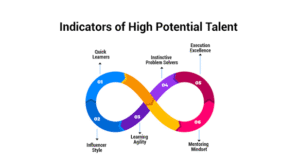
  • Look for learning agility (how fast someone adapts after failure)
  • Look for network centrality (do others naturally seek them out for help?)
  • Look for coaching behaviour (do they make their peers better?)

👉 HR action: Run a lightweight 360° “agility audit” twice a year. Identify 3–5 people who lift team performance, not just individual results.

2. Kill the “Leadership Training Course” (Mostly)

A 2-day offsite on “Situational Leadership” won’t survive a real Friday afternoon crisis. So instead of an annual leadership workshop, run monthly 90‑minute “live case” sessions using a real current problem from your business. Replace generic case studies with rotating shadowing of C‑suite decisions so future leaders see messy reality, not polished theory. And swap certificates for small‑stakes stretch assignments – like leading a cross‑functional fix in four weeks. HR’s real job is to create low‑risk, high‑feedback leadership experiences, not more certificates.

3. Make Managers the Engine, Not the Obstacle

Most managers hoard development because they fear losing their best people.

Fix the incentive:

  • Tie manager bonuses to how many internal promotions happen from their team.
  • Require every director to name two successors before they can apply for a new role themselves.
  • Run “reverse mentoring” – future leaders teach current leaders about AI, Gen Z expectations, or new tools.

✅ HR’s role: Design the rules of the game so developing leaders becomes a business KPI, not a nice-to-have.

4. Use AI to Scale, Not Replace, Your Coaching

You can’t personally coach 200 future leaders. But you can augment yourself.

Try this in 2026:

  • Use an AI coach (like a custom GPT) for daily “What would a good leader do here?” scenarios.
  • Analyse meeting transcripts (anonymised) to spot who is asking questions, who is facilitating, and and who is interrupting.
  • Give future leaders real‑time nudges – “You haven’t spoken in the last three meetings. Try one clarifying question today.”

💡 HR’s new skill: Curating AI‑driven developmental feedback that feels human.

5. Measure What Matters – Retention of Prepared Leaders

It’s not enough to say “we trained 50 people.”

The only two metrics that matter:

  1. Internal promotion rate for your HiPo group (vs. external hires for similar roles)
  2. Voluntary turnover of future leaders – if they leave, you failed.

Build a simple dashboard:

“Of the people we tagged as future leaders 12 months ago, how many are now in a bigger role, and how many quit?”

If the answer hurts, you know where to start.

A Real‑World Example (Short Case)

Problem: A mid‑sized fintech kept losing team leads to competitors after 18 months. HR fix (minimal budget):

  • Cancelled the annual leadership offsite.
  • Created “90‑day sprints” – each future leader picked a real business problem (e.g., reducing onboarding time) and presented a solution to the CEO.
  • Paired each with a peer coach, not a senior mentor.

Result in 9 months: 4 internal promotions, 0 attrition from the HiPo group, and two new products accelerated because of those sprints.

Final Word for HR Pros

You don’t need a bigger budget. You need better design.

Your job is to turn leadership development from a calendar event into a daily habit – where every project, every crisis, and every meeting becomes a leadership classroom.

And when a CEO asks, “Where will our next great leader come from?” – your answer should be confident, data‑backed, and immediate.

How Level Up HR Solutions Can Help

At Level Up HR Solutions, comprehensive HR documentation support is provided to ensure your business remains compliant, organised, and audit-ready.

✔ Policy drafting ✔ Employee file structuring ✔ Compliance documentation ✔ Payroll alignment

18Jun

Documenting Performance Issues Without Creating Legal Risk

By Afla KC

Level up hr solution, Digital marketing exicutive

Every HR professional and manager eventually faces the same uncomfortable task: documenting an employee’s performance problems. The goal is straightforward – to create a record that supports coaching, improvement, or eventual separation. But the risk is equally real. Poorly written documentation has led to countless wrongful termination claims, discrimination lawsuits, and regulatory penalties. One careless phrase can turn a legitimate performance dismissal into a costly legal battle.

The tension is real. You need to document thoroughly enough to defend your decisions, but carefully enough to avoid creating legal exposure. This article explains how to document performance issues correctly – in a way that protects both the employee and the organisation.


WHY POOR DOCUMENTATION CREATES LEGAL RISK

Performance documentation becomes evidence in legal proceedings. When an employee files a claim for wrongful termination, discrimination, or retaliation, the first document a lawyer requests is the employee’s personnel file. That file will be read by judges, arbitrators, and opposing counsel. Every word matters.

Poor documentation creates risk in three specific ways. First, vague or subjective language – such as “bad attitude” or “not a team player” – can be interpreted as bias or pretext for illegal discrimination. Second, inconsistent documentation – where one employee receives written warnings while another with identical issues receives none – supports claims of selective enforcement or retaliation. Third, documentation that includes emotional language, personal opinions, or irrelevant personal details can be used to paint the organisation as unfair or hostile.

The solution is not to avoid documentation. The solution is to document correctly.


THE LEGAL STANDARD: WHAT COURTS LOOK FOR

Courts and labour tribunals evaluate performance documentation against a simple standard: is the documentation honest, specific, and contemporaneous? ‘Honest’ means the document accurately reflects what actually happened, without exaggeration or omission. ‘Specific’ means the document describes observable behaviours and measurable outcomes, not general impressions. ‘Contemporaneous’ means the document was created close in time to the event it describes, not weeks or months later when memories have faded.

When these three elements are present, the documentation carries weight. When they are absent, the documentation becomes a liability. Every performance note, warning letter, or improvement plan should be written with this legal standard in mind.


WHAT TO INCLUDE IN PERFORMANCE DOCUMENTATION

Effective, low-risk performance documentation contains five essential elements. Each element serves a legal and practical purpose.

The first element is the date and time of the incident or performance issue. This establishes contemporaneousness. A document created the same day as the incident is far more credible than one created weeks later.

The second element is a neutral, factual description of the observable behaviour or outcome. Instead of writing “the employee was rude”, write “the employee raised their voice and interrupted the customer three times during a ten-minute call.” Instead of “the employee missed deadlines”, write “the employee submitted the quarterly report two days after the agreed due date on three separate occasions: March 5, April 12, and May 18.”

The third element is the business impact or policy violated. Explain why the behaviour matters. For example: “Missing these deadlines delayed the client billing cycle by five days, resulting in a penalty of ₹15,000.” Or “This behaviour violates section 4.2 of the employee handbook regarding respectful workplace conduct.”

The fourth element is the employee’s response or explanation, if any. After discussing the issue, document what the employee said. This demonstrates that the employee was heard and that the documentation is not one-sided. Use direct quotes when possible, such as: “The employee stated, ‘I was not aware that the deadline had moved.’”

The fifth element is the specific action required to correct the issue and the timeline for improvement. For example: “By June 15, the employee must submit all weekly reports by 5 PM Thursday. The manager will provide a daily checklist reminder for two weeks.” This turns documentation from a record of failure into a tool for improvement.


WHAT TO NEVER INCLUDE IN PERFORMANCE DOCUMENTATION

Certain types of content are legally dangerous and should never appear in performance documentation. These create almost automatic risk.

Never include subjective character judgements. Phrases such as “lazy”, “incompetent”, “disrespectful”, “unreliable”, or “bad attitude” are opinions, not facts. They cannot be proven or disproven. A plaintiff’s lawyer will argue that these words mask illegal bias.

Never include protected characteristic information. Do not mention an employee’s age, race, religion, gender, pregnancy status, disability, medical condition, marital status, or national origin anywhere in performance documentation. Even a seemingly harmless note – “She has been distracted since her maternity leave” – creates a prima facie case for discrimination.

Never include emotional or inflammatory language. Avoid words like “furious”, “shocked”, “disgusted,” or “betrayed”. Documentation should read like a police report, not a diary. Calm, neutral language signals professionalism and fairness.

Never include speculative statements. Do not write “I think the employee is not trying hard enough” or “It seems like she doesn’t care.” If you do not know something as a fact, do not write it.

Never include unrelated past issues that were already resolved. Once a performance issue is closed – meaning the employee corrected it and no further action was taken – it should not be resurrected in new documentation. Doing so looks like piling on or retaliation.


THE RIGHT WAY TO DELIVER PERFORMANCE FEEDBACK

Documentation is not written in isolation. It is created during a conversation between the manager and the employee. How that conversation happens affects the legal defensibility of the documentation.

Always hold the performance discussion in a private setting, not in open office areas or hallways. Begin by stating the specific behaviour or outcome you observed, using the factual language you will later document. Give the employee an opportunity to respond without interruption. Listen to their explanation – it may reveal underlying issues such as unclear expectations, resource shortages, or personal emergencies that change how you proceed.

After the conversation, write the documentation on the same day. Use the five essential elements described above. Then share the documentation with the employee, either by printing a copy or sending it via email. Ask them to acknowledge receipt by signing or replying. If the employee refuses to sign, note that refusal on the document – for example: ‘Employee declined to sign after reading. Copy provided on June 10.”

Giving the employee a copy serves two purposes. It prevents future claims that they never saw the warning. And it gives them an opportunity to provide a written rebuttal, which you must also include in the file. An employee’s rebuttal does not weaken your case – it shows that you followed a fair process.


COMMON DOCUMENTATION MISTAKES AND HOW TO AVOID THEM

Even well-intentioned HR professionals and managers make recurring mistakes. Recognising these patterns helps avoid legal exposure.

The first common mistake is backdating documentation. Some managers, realising they failed to document earlier issues, create documents with past dates. This is fraud. Backdated documents are easily exposed through metadata and email trails. If you missed documenting something, date it today and honestly state: “This document summarises a discussion that occurred on May 15, as recalled on June 1.”

The second mistake is over-documenting minor issues. Not every mistake requires a written note. Document only issues that are serious enough to affect performance ratings, eligibility for promotion, or continued employment. Over-documentation makes it appear that the organisation was searching for reasons to terminate, which supports claims of bad faith.

The third mistake is failing to document positive performance alongside negative. A file containing only warnings and criticisms looks one-sided and punitive. Whenever you document a performance problem, look for an opportunity to also document improvement or positive contributions. This creates a balanced record.

The fourth mistake is using different documentation standards for different employees. If you write formal warnings for one employee’s lateness but only verbal reminders for another employee’s identical lateness, you have created evidence of disparate treatment. Apply the same documentation thresholds to all employees in similar roles.


SPECIAL SITUATIONS: PERFORMANCE IMPROVEMENT PLANS (PIPs)

Performance improvement plans are formal documents that outline specific deficiencies, required improvements, timelines, and consequences of failure. PIPs are high-risk documents because they are often used to build a termination case.

A legally safe PIP must include measurable, objective goals. Avoid goals like “improve communication” or “be more proactive”. Instead use: “Respond to all client emails within 4 hours during business days” or “Complete the monthly reconciliation report by the 5th of each month with fewer than three errors”.

The PIP must also include reasonable support. Document what training, resources, or manager check-ins the employee will receive. A PIP without support is a set-up for failure, which courts view as constructive discharge.

Finally, the PIP must have a clear duration and decision date. Typically 30, 60, or 90 days. At the end of the period, document the outcome – met, partially met, or not met – with specific evidence. Never extend a PIP indefinitely. That signals that the organisation does not truly know what it wants.


WHEN TO INVOLVE LEGAL OR HR EXPERTS

Not all performance documentation should be handled solely by a line manager. Certain situations require review by HR or legal counsel before documentation is finalised. These include documentation involving any protected characteristic mentioned by the employee, documentation created after the employee has filed a complaint or requested an accommodation, documentation of an employee who has recently returned from medical or family leave, and documentation that may lead to termination within the next 60 days.

In these situations, have a neutral party review the documentation for the five dangerous content types described earlier. One extra review can prevent a lawsuit.


CONCLUSION

Documenting performance issues is not optional. Without documentation, you cannot manage performance fairly, defend termination decisions, or demonstrate compliance with labour laws. But documentation done poorly is worse than no documentation at all – it becomes evidence against you.

The key is to write documentation that is specific, factual, contemporaneous, and neutral. Include dates, observable behaviours, business impact, employee responses, and required corrective actions. Exclude subjective judgements, protected characteristics, emotional language, speculation, and unrelated past issues.

When you document this way, you create a tool for improvement, not a weapon for litigation. You protect the employee’s right to fair process and the organisation’s right to manage performance. That is not just legally sound – it is good management.


HOW LEVEL UP HR SOLUTIONS CAN HELP

Performance documentation requires a strong HR foundation. Without clearly written policies, consistent employee files, and compliance-aligned processes, even good documentation can fail under legal scrutiny.

Level Up HR Solutions provides the documentation infrastructure that makes performance management legally defensible.

We offer policy drafting to ensure your performance management policies are clear, compliant, and consistently applied across the organisation. We provide employee file structuring so that performance notes, warnings, and PIPs are stored in audit‑ready order, easily retrievable when needed. Our compliance documentation services help you stay ahead of labour laws, including the Industrial Relations Code, POSH Act, and state‑specific rules. And we offer payroll alignment to ensure that performance‑related pay decisions – such as bonuses, increments, or deductions – are documented and legally sound.

Stop exposing your organisation to legal risk through poor documentation. Let Level Up HR Solutions build the systems that protect you.

17Jun

Managing Remote Burnout – What HR Actually Can Do

By Nandana GS

Digital Marketing Executive

Remote work has become permanent for millions of employees. Alongside its benefits – flexibility, reduced commute, and autonomy – a silent crisis has grown: remote burnout.

Unlike office-based burnout, remote burnout is harder to spot. There are no visible signs of exhaustion at a desk. No commuter fatigue to explain low energy. No casual water-cooler conversations to reveal struggle. Employees suffer alone, in silence, often while appearing productive.

HR teams have responded with wellness webinars, mental health days, and meditation apps. These interventions, while well-intentioned, rarely solve the root causes. This article outlines what HR can actually do – not what sounds good in a policy document – to prevent and manage remote burnout.

Before prescribing solutions, HR must understand the specific drivers of remote burnout. Research from Stanford, Microsoft, and multiple workplace studies identifies five primary causes.

THE REAL DRIVERS OF REMOTE BURNOUT

The first driver is boundary loss, where work and home life blend into a continuous, undefined day. With no physical commute, there is no psychological transition between work and rest. The second driver is digital exhaust – constant video calls, Slack messages, and email notifications create cognitive overload, and back‑to‑back virtual meetings leave no recovery time. The third driver is over-surveillance: micromanagement via tracking software, frequent check-ins, and performance monitoring increase anxiety and reduce employee autonomy. The fourth driver is lack of social recovery – informal social interactions such as lunch chats and hallway conversations that normally replenish energy are absent, leaving employees feeling isolated. The fifth and final driver is unpredictable workloads. Without visible cues of others working, employees tend to overwork to prove their productivity, causing work to expand into evenings and weekends.

Generic wellness programmes do not address these structural drivers. HR must act on systems, not symptoms.

WHAT HR ACTUALLY CAN DO: 6 EVIDENCE-BASED ACTIONS

The following interventions are proven to reduce remote burnout. Each is within HR’s direct control or influence.

1. Establish and Enforce Work Hour Boundaries

Remote burnout often starts when employees never truly stop working. HR can create structural boundaries that protect personal time.

Specific actions:

  • Implement a “no internal meetings after 4 PM” policy (or similar cutoff) to protect focused work and family time.
  • Require that all calendar invitations include a 5-10 minute buffer between meetings. Enforce this in scheduling tools.
  • Prohibit managers from sending Slack or email messages outside core working hours, unless marked as urgent. Model this behaviour from the top.
  • Add a “right to disconnect” clause to the employee handbook, explicitly stating that employees are not expected to respond after hours.

Why this works: Boundaries reduce cognitive load and restore recovery time. Microsoft’s 2022 Work Trend Index found that employees with clear work-hour boundaries reported 42% lower burnout risk.

2. Audit and Restructure Meeting Load

Most remote workers spend excessive time in video calls. The default “put it on the calendar” culture has exploded meeting hours.

Specific actions:

  • Run a meeting audit across teams. Calculate total meeting hours per employee per week. Identify teams in the top 25%.
  • Implement a “no-meeting Wednesday” or a 4-hour daily focus block across the organisation.
  • Require that every recurring meeting be re-approved quarterly with a written agenda and a clear decision/output.
  • Replace status-update meetings with asynchronous check-ins (e.g., a shared document or Loom video).

How to measure: Track average meeting hours per employee month over month. Reduce by 20% as a first target.

Why this works: Each unnecessary meeting is a burnout accelerant. Research from the University of California, Irvine, shows that it takes 23 minutes to refocus after an interruption. Remote workers face dozens of such interruptions daily.

3. Train Managers to Spot Remote Burnout (Not Productivity)

Managers are the first line of defence, but most have been trained to monitor output, not wellbeing. Remote burnout presents differently.

Specific training topics for managers:

  • Changes in communication patterns (slower responses, fewer proactive updates)
  • Decline in meeting participation (video off, minimal speaking)
  • Increased errors or missed deadlines (subtle, not dramatic)
  • Expressions of exhaustion or cynicism in 1:1 conversations

Manager protocols:

  • Weekly 15-minute check-ins that include one specific question: “On a scale of 1-10, how drained do you feel right now?” Track trends.
  • If an employee scores 3 or below for two consecutive weeks, require a workload review and reduction within 5 days.
  • Managers must complete a remote burnout recognition and response module – not optional.

Why this works: Gallup data shows that employees whose managers notice early signs of burnout are 67% less likely to take extended leave or quit.

4. Redesign Asynchronous Communication Norms

The expectation of immediate responses fuels digital exhaust. HR can set organisation-wide norms for asynchronous work.

Specific policies:

  • Declare that Slack/Teams messages are not urgent unless marked with a specific emoji (e.g., :red-flag:). Default response time is 4 hours.
  • Ban the use of “@here” or “@channel” for non-critical messages.
  • Require that all requests longer than two sentences be sent as an email or a documented task, not a chat message.
  • Implement communication-free blocks (e.g., 10 AM – 12 PM daily) where internal messaging is muted.

Why this works: Asynchronous work reduces the constant context-switching that drives mental fatigue. A Harvard Business Review study found that asynchronous-first teams had 35% lower burnout scores.

5. Measure Burnout Directly – Not Through Engagement Surveys

Standard engagement surveys miss burnout because burnout is not the opposite of engagement. Employees can be engaged and burnt out simultaneously.

Specific measurement approach: Add three validated questions to your monthly or quarterly pulse survey:

  1. “In the last two weeks, how often have you felt exhausted at the end of your workday?” (Never / Sometimes / Often / Always)
  2. “I have enough time to recover between workdays.” (Agree/Disagree)
  3. “My workload is sustainable.” (Agree/Disagree)

Track the percentage of employees answering “Often/Always” or “Disagree”. Set a maximum acceptable threshold (e.g., below 25%). When exceeded, trigger a manager-level review.

Why this works: Direct measurement removes guesswork. It tells you which teams, managers, or roles are most at risk.

6. OFFER TARGETED RECOVERY INTERVENTIONS – NOT GENERIC PERKS

Free yoga subscriptions and mental health days are not enough. Recovery interventions must be targeted to the specific drivers.

For boundary loss, the targeted intervention is a company-wide “shutdown ritual” – the last 15 minutes of every Friday where employees close tabs, write their top three tasks for the following week, and log off completely. For digital exhaust, organisations should implement camera-off Wednesdays, meaning all internal meetings are audio-only to reduce video fatigue. When over-surveillance is the driver, the solution is to remove tracking software entirely and replace it with outcome-based goals combined with weekly check-ins. To address lack of social recovery, companies can fund a monthly no-agenda virtual coffee roulette – random pairings of employees, no work talk, for 30 minutes. Finally, for unpredictable workload, implement a workload dashboard where employees indicate their current capacity as green, yellow, or red, and managers must respect red days without question.

What to avoid: one-off webinars, passive wellness content, and opt-in programmes with low participation. These signal awareness but do not reduce burnout.

MEASURING SUCCESS: BURNOUT METRICS FOR HR

HR must track the impact of these interventions using specific monthly metrics. The first metric is the percentage of employees reporting that they feel “often exhausted”. The target for this metric is below 20 per cent. If the result is off target, HR should audit meeting load and response-time expectations across the organisation.

The second metric is the average number of meeting hours per employee per week, with a target of fewer than 15 hours. If this target is exceeded, the organisation should implement a meeting cap per role. The third metric is voluntary turnover among high performers that is attributed to workload. The annual target is less than ten per cent. If turnover exceeds this level, HR must review manager workload distribution for the affected teams.

The fourth metric is sick days taken that are related to mental health. The target is no year-over-year increase greater than 10 per cent. If this threshold is crossed, HR should investigate team-specific causes rather than assuming an organisation-wide problem. Together, these metrics provide a business case for continued investment in burnout prevention.

HOW LEVEL UP HR SOLUTIONS CAN HELP

Managing remote burnout requires clean, accessible employee data and well-documented policies. Without structured HR systems, you cannot track workloads, measure burnout trends, or enforce boundaries consistently.

Level Up HR Solutions provides the documentation and compliance foundation that enables effective remote work management.

Policy draftingEmployee file structuringCompliance documentationPayroll alignment

16Jun

Defending HR Decisions to the C-Suite

By Afla KC, Level Up HR Solutions

HR leaders frequently face a common challenge: explaining and defending people-related decisions to executives who think in terms of revenue, margins, and short-term ROI. A proposal to invest in employee wellbeing, extend parental leave, or implement a new performance system is often met with scepticism, cost objections, or demands for immediate quantitative proof.

The result is that many HR decisions are either rejected, delayed, or implemented in watered-down forms that fail to deliver results. This article provides a practical framework for defending HR decisions to the C-suite – without relying on vague appeals to “culture” or “employee happiness”.


WHY HR DECISIONS ARE OFTEN QUESTIONED

Understanding the root of executive resistance is the first step to overcoming it. C-suite leaders typically challenge HR decisions for three reasons:

Reason: Explanation Language mismatch. HR speaks in engagement, wellbeing, and retention. The C-suite speaks in costs, revenue, risk, and productivity. Lack of financial translation: HR proposals rarely include quantifiable business impact (e.g., “This will save ₹X” or “prevent ₹Y in turnover costs”).Historical mistrust: Past HR initiatives that failed to show measurable results have created a default scepticism.

These barriers are not insurmountable. The solution is to adopt a disciplined, business-first communication framework.


THE FOUR-STEP FRAMEWORK FOR DEFENDING HR DECISIONS

Every HR decision that requires C-suite approval should be presented using the following four steps. This framework translates people issues into business language.

Step 1: Start with the Business Problem – Not the HR Solution

Most HR presentations begin with the proposed solution. For example: “We want to implement a new learning management system.” The executive’s immediate question is, “Why? What’s broken?”

Instead, start with the business problem that already concerns the C-suite.

Examples of business problems (not HR problems):

  • “Our time-to-productivity for new sales hires is 6 months – twice the industry average.”
  • “We are losing 18% of our high-potential employees annually, and replacement costs are ₹25 lakh per person.”
  • “Manager hours spent on manual attendance tracking have increased by 40%, reducing time spent on revenue-generating activities.”

When you frame the decision as a solution to an existing business pain point, the C-suite becomes a partner rather than an adversary.

Step 2: Quantify the Cost of Inaction (COI)

Executives are trained to compare the cost of a proposed action against the cost of doing nothing. Most HR proposals only present the cost of action. This is a strategic error.

Always calculate and present the cost of inaction (COI) – what will happen financially if the decision is rejected.

Example – Proposed decision: Implement skip-level meetings for all teams reporting to high-turnover managers.

Action Cost/Benefit Cost of action 80 manager hours per quarter (≈ ₹4 lakh in productive time) Estimated 15% reduction in voluntary turnover Cost of inaction Current turnover cost: ₹80 lakh annually. 15% of that is ₹12 lakh lost every year. Additional ₹12 lakh loss if nothing changes

The COI (₹12 lakh) exceeds the cost of action (₹4 lakh). The business case is clear.

Formula for COI:

(Current cost of problem × probability of problem worsening) – (Cost of proposed solution)

Present this as a simple table in your deck.

Step 3: Use Three Financial Metrics That Executives Trust

Avoid HR jargon. Use these three universally accepted financial metrics to defend your decision.

Metric 1: Return on Investment (ROI)

(Net benefit of decision ÷ Cost of decision) × 100

For HR decisions, calculate net benefit as follows: Costs avoided (e.g., turnover, overtime, errors) + productivity gains.

Metric 2: Payback Period

Cost of decision ÷ Monthly benefit or savings

Executives want to know: “When will we see the money back?” A payback period of less than 12 months is typically attractive.

Metric 3: Cost-Benefit Ratio

Total quantified benefits ÷ Total costs

A ratio above 1.5 (i.e., ₹1.5 benefit for every ₹1 spent) is generally considered acceptable.

Example – Proposed decision: Introduce a structured onboarding programme.

InputAmountCost of programme (design, materials, manager time): ₹10 lakh Current early turnover cost (30% of new hires leave within 12 months) ₹50 lakh Projected reduction in early turnover (from 30% to 20%) Save ₹16.7 lakhProductivity gain from faster ramp-up (15% improvement in first 6 months)₹12 lakh (estimated)Total benefit: ₹28.7 lakh ROI: 187% Payback period 4.2 months

A table like this is difficult for any executive to reject.

Step 4: Anticipate Objections and Pre-Build Responses

Every HR decision will face predictable objections. Prepare responses in advance using a simple objection-handling matrix.

Common ObjectionTranslationPre-Built Response “We don’t have the budget.” “Convince me this is more important than something else.” “This initiative saves ₹X. Which current budget line has lower ROI? I recommend reallocating from [specific low-impact activity].” “This feels too soft for our culture.” “Show me hard data, not feelings.” “Here are three case studies from companies in our sector. Each achieved [specific financial result]. I can share the methodology.” “Let’s revisit next quarter.” “I don’t see urgency. Make me see it.” “Every quarter of delay costs us ₹X in continued [turnover/errors/lost productivity]. Here is the monthly cost of waiting.” “Can’t we just do a cheaper version?” “Prove that the full version is necessary.” “We tested the cheaper version. It delivered Y% of the benefit. The full version delivers 100% and pays for itself in Z months. Here is the comparison.”

Do not wait to be caught off guard. Embed these responses in your initial presentation.


THREE HIGH-RISK HR DECISIONS AND HOW TO DEFEND THEM

The following HR decisions are frequently challenged. Use the framework above to defend each.

Decision 1: Increasing Employee Benefits (e.g., extended leave, health coverage)

Business problem: High burnout and attrition among employees with caregiving responsibilities (parents, elderly family). Replacement costs and productivity loss are visible.

Cost of inaction: Calculate average replacement cost per departing employee. Multiply by the number of employees who cite lack of benefits in exit interviews.

Key metric to present: Cost of inaction vs. cost of benefit increase. Often, the benefit increase is less than the cost of replacing two or three mid-level employees.

Decision 2: Implementing a Performance Management System

Business problem: Managers spend excessive time on inconsistent, subjective performance ratings. Legal risk from unfair dismissal claims is rising.

Cost of inaction: Hours wasted × average manager hourly cost + historical legal settlement costs for unfair performance disputes.

Key metric to present: Time saved for managers (convert to ₹) plus reduction in legal risk (use industry benchmarks).

Decision 3: Hiring an Additional HR Resource (e.g., HR Business Partner)

Business problem: The existing HR team is unable to provide strategic support because they are overwhelmed by administrative work. Business units are making poor people-decisions without guidance.

Cost of inaction: Calculate the cost of one bad hiring decision made without HR support (e.g., a senior hire who leaves within 6 months). Multiply by estimated frequency.

Key metric to present: ROI of new role based on prevented bad hires and improved manager effectiveness.


WHAT NOT TO DO WHEN DEFENDING HR DECISIONS

Avoid these common mistakes that undermine credibility.

Mistake: Why It Fails Using engagement survey scores as primary justification Executives rarely understand or trust “engagement” as a business metric. It is too vague. Emotional appeals (“Our employees deserve this”) The C-suite is paid to make rational, not emotional, decisions. Emotions weaken the case. Presenting only qualitative benefits “Improved morale” cannot be weighed against a budget line. Always attach a financial proxy. Blaming leadership for past failures Defensiveness shuts down discussion. Focus on forward-looking solutions. Asking for approval without alternatives Executives want choices. Present two or three options with different costs and benefits.


A TEMPLATE FOR YOUR NEXT HR DECISION PRESENTATION

Use the following one-page executive summary template. Limit it to one page. Attach detailed backup slides.


HR DECISION MEMORANDUM

To: C-Suite Leadership From: [Your Name] Subject: [Decision Title]

1. Business problem we are solving [One sentence. No HR jargon. Example: “New sales hires take 6 months to reach quota, compared to the industry average of 3 months. ”]

2. Cost of doing nothing [One number]. Example: “₹24 lakh annually in lost revenue from delayed productivity. ”]

3. Proposed decision [One sentence describing the action.]

4. Financial summary

Item Amount Cost of decision ₹X Quantified benefits (first 12 months)₹YNet benefit (Y – X)₹ZROI Z/X × 100 = ___% Payback period___ months

5. Key assumptions [List 2-3 assumptions, e.g., “Turnover reduction of 15% based on industry benchmark.”]

6. Two alternative options

  • Option A (lower cost, lower benefit): [Summary]
  • Option B (higher cost, higher benefit): [Summary]

7. Recommendation [Proposed decision with 2-3 reasons.]


CONCLUSION

Defending HR decisions to the C-suite is not about being more persuasive or charismatic. It is about translating people’s investments into the language of business: cost, revenue, risk, and return. Executives do not reject HR proposals because they dislike HR. They reject them because the proposal does not answer the only question that matters to them:

“How does this decision improve our business results?”

When you can answer that question with numbers, benchmarks, and a clear cost of inaction, the conversation changes. You move from a supplicant asking for permission to a strategic partner presenting a sound investment.

Build your defence before you enter the room. Use the four-step framework. Avoid emotional appeals. And always show the cost of saying no.

11Jun

How HR Can Move From Administrative To Strategic

By Nandana GS , Levelup HR Solution

Let me paint a picture you might recognise.

It’s 9:47 AM. You’ve already answered twelve emails about leave balances, chased three employees for missing timesheets, and explained to a manager why you can’t “just fire someone” without documentation. Your coffee is cold. Your to-do list has grown instead of shrunk. And somewhere on your desk is a half-read article about “strategic HR transformation” that you saved three months ago.

You want to be strategic. You know HR should be driving business growth, shaping culture, and advising the C-suite. But right now, you’re drowning in spreadsheets, compliance checklists, and someone’s forgotten password.

Here’s the uncomfortable truth: No one will hand you a strategic seat at the table. You have to take it. And you can’t take it by working harder at administrative tasks. You have to work differently.

I’ve watched HR teams make this shift – from order-takers to business partners. It’s not easy. But it is simple. And it starts with understanding one big lie.

The Big Lie That Keeps HR Stuck

The lie is this: “I just need to get through today’s chaos, and then I’ll focus on strategy.”

Tomorrow never comes. There will always be another sick note, another payroll correction, another exit interview. Administrative work expands to fill every available minute. It’s like a hungry plant – water it, and it grows bigger.

So the first step toward strategic HR isn’t a new dashboard or a certification. It’s a decision. A decision to stop treating admin as your primary job and start treating it as infrastructure – necessary, but not noble.

One CHRO I worked with told me: “I realised I was the highest-paid data entry clerk in the company. I was doing work my team could do, or worse, work the software should do.” She stopped. Delegated. Automated. And within six months, she was leading a workforce planning initiative that saved the company ₹2 crore.

That’s the shift.

Step 1: Kill the Sacred Cows (Or At Least Question Them)

Every HR department has sacred cows. Processes that everyone follows because “we’ve always done it this way.” They’re usually born from one compliance scare or one manager’s preference, years ago.

Examples:

  • A three-page travel approval form that takes 20 minutes to fill
  • A weekly attendance report that no one reads
  • A performance review cycle that everyone hates but no one has challenged

Strategic question: If this process disappeared tomorrow, would anyone notice? Would the business suffer?

If the answer is no, kill it. Or radically simplify it.

Human example

A manufacturing company I advised required seven signatures for any training request. Seven. By the time the form came back, the training opportunity was usually gone. Employees stopped asking. Skills stagnated.

The new HR head reduced it to one signature – the employee’s manager – with a monthly audit for compliance. Training participation tripled. And she saved roughly 40 hours of HR admin time per month. Those hours went into building a internal mentorship programme. That programme reduced turnover by 18% in one year.

She didn’t work harder. She removed friction.

Step 2: Automate Everything That Hurts to Do Manually

Here’s a test. Look at your last week. List every task you did that:

  • Follows a predictable rule (if X, then Y)
  • Requires no human judgement
  • Takes more than five minutes

Those tasks are candidates for automation. And if you’re not automating them, you’re choosing to stay administrative.

What can be automated today (even with basic tools):

  • Leave balance calculations and approvals
  • Offer letter generation
  • Onboarding checklists and document collection
  • Reminders for probation review dates
  • Basic employee data updates (address, bank details)

Modern HR software does this. But even with spreadsheets and email rules, you can automate more than you think. One HR generalist I know used Power Automate (free with Microsoft 365) to send automatic birthday, work anniversary, and document expiry alerts. Saved her five hours a month.

The strategic win: Every hour you save on admin is an hour you can spend on workforce planning, manager coaching, or culture initiatives. That’s not fluffy – that’s measurable business value.

Step 3: Learn the Language of Business, Not Just HR

Here’s why many HR leaders stay administrative. They speak HR. But the CEO speaks P&L, margin, cash flow, and customer acquisition cost.

If you want to be strategic, you have to translate. Don’t say: “We need to improve employee engagement.” Say: “Our disengagement rate is costing us ₹1.2 crore in lost productivity and turnover. Here’s a plan to cut that in half.”

Don’t say: “We should offer more L&D programmes.” Say: “Our competitor is hiring people with skills we don’t have. A six-month upskilling programme would cost ₹10 lakh – less than recruiting four external replacements.”

Three business metrics every strategic HR person must know:

  1. Revenue per employee – How much money does each person generate?
  2. Cost of vacancy – What does it cost every day a role is empty?
  3. Manager leverage – How many direct reports does each manager have before productivity drops?

When you can talk about these numbers without googling them, the C-suite listens differently.

Human example

An HR manager at a logistics firm was frustrated that leadership ignored her proposals for better shift scheduling. She stopped talking about “work-life balance” and started talking about “overtime costs and accident rates.” She showed that poor scheduling led to 22% overtime and 14% more delivery errors. The CFO approved a new scheduling system within two weeks.

Same problem. Different language. Completely different outcome.

Step 4: Stop Solving Problems That Aren’t Yours to Solve

Administrative HR is reactive. Someone asks a question; you answer it. Someone makes a mistake; you fix it. Someone wants a policy exception; you write a memo.

Strategic HR is triage. You ask: Is this a one-off problem that I can delegate, automate, or refuse? Or is this a pattern that needs a systemic solution?

The single biggest shift I’ve seen successful HR leaders make is learning to say:

  • “That’s a manager decision. You have the authority. I trust you.”
  • “I won’t process that form until the manager approves it first.”
  • “Let me show you how to find that information in the employee handbook.”

Every time you solve an adult’s basic problem for them, you train them to come back. You become a crutch. Strategic HR builds systems and capability, not dependency.

A litmus test

Before you do any task, ask: “Would a reasonable, well-trained manager be able to do this themselves?” If yes, teach them how. Then refuse to do it for them again.

Yes, it’s uncomfortable at first. Managers will push back. But after two weeks, they adapt. And you have hours back.

Step 5: Plant One Strategic Flag Every Quarter

You can’t transform your entire HR function in a month. That leads to burnout and failure. Instead, commit to one strategic initiative per quarter – something that directly impacts business results.

Examples:

  • Q1: Reduce time-to-productivity for new sales hires from 6 months to 3 months (by fixing onboarding)
  • Q2: Identify the top 5% of high-potential employees and create a retention plan for each
  • Q3: Reduce overtime costs by 15% through better shift design (not cutting hours)
  • Q4: Build a simple succession plan for all critical roles

Each initiative requires admin work. But the purpose is strategic. And at the end of the year, you have four concrete wins to show the CEO – not just “processed 500 leave requests.”

The Real Barrier Isn’t Time. It’s Permission.

Most HR professionals know what they should do. They just believe they don’t have permission.

Let me be clear: Permission is not given. Permission is taken – by proving value with small wins.

You don’t need a board resolution to automate the leave tracker. You don’t need a title change to stop solving trivial problems for managers. And you don’t need a budget to learn the business numbers.

Start tomorrow morning. Pick one administrative task you will stop doing. One process you will automate. One business metric you will learn.

Do that every week for a month. Then look back. You’ll be shocked how much space you’ve created.

And that space? That’s where strategy lives.

A Final Word (From Someone Who Made the Shift)

I was once that HR person drowning in paperwork. I thought if I just worked harder, someone would notice and promote me to “strategic”. No one did. Because no one cares how hard you work. They care what you produce.

When I stopped being the fastest paperwork processor and started being the person who asked “Why are we doing this at all?” – everything changed. I got invited to leadership meetings. My ideas started showing up in the annual plan. People stopped asking me for leave balances (because I built a self-service portal) and started asking me how to retain their best people.

That’s the shift. It’s not magic. It’s not a certification. It’s a choice.

You can make it today.

HOW LEVEL UP HR SOLUTIONS CAN HELP

You can’t be strategic when you’re buried in paperwork, policy drafts, and compliance checklists. That’s where Level Up HR Solutions comes in.

We handle the administrative heavy lifting – so you can focus on what actually moves the needle: talent strategy, culture transformation, and business growth.

What we take off your plate:

Policy drafting – Professionally written, legally sound HR policies (so you don’t spend weeks reinventing the wheel) ✔ Employee file structuring – Audit-ready digital or physical files, organised and compliant ✔ Compliance documentation – Stay ahead of labour laws, POSH, and statutory requirements without the headache ✔ Payroll alignment – Ensure payroll data matches policies and employment contracts, error-free

10Jun

3 HR Metrics That Actually Predict Business Success

By Afla KC, Level Up HR Solutions

Most HR teams are drowning in metrics. Time-to-hire. Cost-per-hire. Training hours per employee. Offer acceptance rate. These are fine. They’re like a car’s dashboard lights – useful, but they won’t tell you if you’re driving toward a cliff.

What actually predicts business success? Not just HR success. Business success.

After working with dozens of companies – from 20 -person startups to 2,000-person enterprises – I’ve found exactly three HR metrics that reliably predict revenue growth, customer satisfaction, and long-term profitability.

Not one more. Not one less.

Let me walk you through them. No spreadsheet anxiety required.


Metric #1: Voluntary vs. Involuntary Turnover Ratio (The “Who Leaves” Number)

Most people track total turnover. That’s like saying “some water leaked from the bucket” without knowing if it was clean water or poison.

The real metric is: Of all the people who left, how many chose to leave vs. were asked to leave?

Here’s why it matters.

When high performers choose to leave voluntarily, your business bleeds. They take relationships, institutional knowledge, and future revenue with them. A stu

dy by the Center for American Progress found that replacing a high-earning employee costs anywhere from 100% to 150% of their annual salary. But the soft cost is worse: teams lose energy, clients feel the shift, and other top performers start wondering if they should also leave.

When low performers leave voluntarily? That’s ac

tually good news. They self-select out. Your culture gets cleaner.

And when you involuntarily let someone go – especially a low performer – that’s also healthy. You’re pruning the garden.

The magic number? A high voluntary turnover among your top 20% of performers is a five-alarm fire. It predicts flat or declining revenue within 6–12 months.

How to track it (without losing your mind)

  1. Run an exit interview for every voluntary leaver. Ask one question: “On a scale of 1–10, how would you rate your manager?” Low scores here predict future voluntary turnover across the team.
  2. Segment your turnover data by performance rating. If your top bucket (e.g., “exceeds expectations”) has a voluntary turnover rate above 10% annually, you have a problem.
  3. Compare voluntary turnover in high-revenue roles vs. support roles. Losing a top salesperson hurts differently than losing an intern.

Humanised example: I worked with a SaaS company that had 18% total turnover – respectable by industry standards. But when we sliced the data, we found that 80% of their voluntary leavers were in the top two performance tiers. They were losing their best engineers to competitors. Revenue growth stalled. Once they fixed the why (no career pat

hs), growth returned. The total turnover number never changed – but the right people stayed.


Metric #2: Internal Mobility Rate (The “Growth Feeling” Number)

Here’s a truth that most HR dashb

oards ignore: People don’t leave companies. They leave a lack of movement.

The internal mobility rate is simple: What percentage of your open roles are filled by internal candidates vs. external hires?

That’s it. But that single number predi

cts more about long-term business success than almost anything else.

Why? Because when employees see someone get promoted from within, they think: “That could be me next year.” When they see only external hires, they think: “I have to leave to grow.”

LinkedIn’s 2023 Workplace Learning Report found that employees who move internally are 3.5x more likely to be engaged than those wh

o don’t. Engaged employees produce higher quality work, stay longer, and refer better friends.

But here’s the business prediction part: Companies with high internal mobility (above 30%) consistently outperform their competitors on profit margins. Why? Because internal hires already know the product, the culture, and the customers. They ramp up in weeks, not months. They don’t need to be “onshored” into the company values.

How to track it (simple version)

  • Every quarter, count how many positions you filled.
  • Count how many went to existing employees (promotion, transfer, or lateral move).
  • Divide internal fills by total fills. Multiply by 100.

That’s your internal mobility rate.

Benchmark: Below 20%? You’re a revolving door for talent. 20–35%? Solid. Above 35%? You’re building a career destination.

Humanized example

A mid-sized logistics company I advised had terrible retention among dispatchers. Turnover was 45% annually. They kept hiring externally because “we need fresh blood.” When they finally calculated their internal mobility rate, it was 7%. Seven percent!

They started small: every team lead role would first be offered to internal dispatchers. Within a year, internal mobility hit 28%. Turnover among dispatchers dropped to 22%. But the real win? Customer complaints fell by 40%. Because experienced internal hires knew the routes, the drivers, and the problems before they happened. That’s business success.


Metric #3: Manager Quality Score (The “Would I Follow You Into Battle?” Number)

This is the most uncomfortable metric. Because it measures… managers. And managers are usually the ones reading the report.

But let’s be honest: people join companies and leave managers.

Gallup has studied this for decades. Their finding is brutal: 50% of employees have left a job at some point to get away from their manager. Not for more money. Not for a better title. To escape a bad boss.

So how do you measure something as squishy as “manager quality”?

You ask the people who report to them. Anonymously. And you ask one specific question that predicts business outcomes better than any other:

“My manager cares about me as a person, not just as an employee.”

That’s it. No 50-question engagement survey. No “rate your manager on a scale of 1–5 on strategic vision.”

Why does this predict business success? Because when people feel cared for as humans – with lives, bad days, doctor’s appointments, and crying kids in the background – they give discretionary effort. They stay late to solve a client problem. They speak up with ideas. They don’t quietly quit.

And the data backs this up: Teams with managers who score in the top quartile on this question have 50% lower turnover, 22% higher profitability, and 38% higher productivity (per Gallup).

How to track it (painlessly)

Once a quarter, send a three-question pulse survey to every employee:

  1. My manager cares about me as a person. (Agree/Disagree scale)
  2. I know what’s expected of me at work. (Agree/Disagree)
  3. If I mess up, my manager helps me learn rather than blames me. (Agree/Disagree)

Aggregate scores by manager. Don’t publish individual names to leadership. But do share each manager their own score, anonymously compared to company average.

The rule: Any manager scoring below 60% agreement on question #1 needs coaching within 30 days. If scores don’t improve in two quarters, that manager is costing the business more than they’re saving.

Humanized example

A retail chain I worked with had two regional managers. Same pay, same territory size, same resources.

Region A’s manager scored 92% on “cares about me as a person.” Region B’s manager scored 38%.

Over one year:

  • Region A turnover: 18% | Sales growth: +12%
  • Region B turnover: 47% | Sales growth: -5%

Same company. Same products. Completely different results. The only variable was the manager’s ability to make people feel human.

They didn’t fire the low-scoring manager. They enrolled her in a 12-week leadership communication program. A year later, her score was 71%. Turnover dropped to 26%. Sales turned positive. That’s the power of measuring the right thing.


Putting It All Together (Without Overwhelm)

You don’t need a 50-metric HR dashboard. You need three numbers that you can check in under 10 minutes each month:

MetricHow Often to CheckWhat It PredictsVoluntary turnover among top 20% of performersMonthlyFuture revenue declineInternal mobility rate (% of roles filled internally)QuarterlyEmployee engagement & retentionManager quality score (cared-for-as-a-person)QuarterlyTeam productivity & profitability

If these three are healthy, your business will almost certainly grow. If they’re sick, no amount of employer branding or free snack bars will save you.


A Final Human Note

I’ve seen HR leaders obsess over perfect spreadsheets while their best people update LinkedIn on their phones under the desk. I’ve seen founders celebrate low “total turnover” while losing their only two product managers who actually understood the codebase.

Metrics are just mirrors. They show you what’s already there.

The three metrics above work because they measure human behavior – who stays, who grows, who feels cared for. And human behavior, unlike quarterly earnings forecasts, doesn’t lie.

So next week, don’t run another engagement survey with 47 questions. Don’t benchmark your time-to-hire against “industry standards.” Just pull three numbers:

  • Who left? (And were they any good?)
  • Who moved up? (Or did we hire outsiders for every open role?)
  • Do people feel seen by their manager? (Or are they silently suffering?)

Answer those three questions honestly, and you won’t just predict business success.

You’ll create it.

09Jun

How to Spot Disengagement Before They Quit

By Nandana GS , Digital Marketing Executive

The moment an employee hands you their resignation letter, it’s tempting to believe it came out of nowhere. But in most cases, the warning signs were there for weeks or even months. You just missed them.

In fact, according to a Gallup study, 87% of employees who leave a job say their organisation could have done something to keep them. That “something” almost always starts with spotting disengagement before it’s too late.

The good news? Disengagement doesn’t happen overnight. It leaks out in small, observable changes in behaviour, communication, and energy. If you know what to look for, you can intervene early—and sometimes reverse the decision entirely.

Here’s exactly how to spot the quiet signals of disengagement before your best people walk out the door.

Part 1: The 5 Most Overlooked Warning Signs

Most managers look for dramatic signs—outbursts, missed deadlines, and visible conflict. But real disengagement is usually silent.

1. The “Just Enough” Performance Shift

Highly engaged employees often go beyond what’s asked. They volunteer for projects, share ideas, and stay late when needed.

When disengagement begins, they stop doing extra—but they don’t stop doing their job. They do exactly what’s in their description, nothing more, nothing less.

How to spot it:

  • They stop speaking up in meetings (even when they know the answer)
  • They no longer volunteer for stretch assignments
  • Their work is correct but not creative or proactive

This is dangerous because it looks like competence. But over time, “just enough” becomes a drag on team morale.

2. Sudden Perfectionism or Indifference

Most disengaged employees fall into one of two extremes:

  • The Ghost: Stops caring about quality. Deadlines slip. Errors increase. They stop apologising.
  • The Robot: Becomes rigidly perfect. They follow every rule to avoid criticism, but never show initiative or emotion.

Both are red flags. A sudden swing toward either extreme—especially if they used to be balanced—suggests they’ve mentally checked out.

3. Withdrawal from Social & Collaborative Spaces

Watch who stops being present—not physically, but psychologically.

Examples:

  • Eating lunch alone instead of with the team
  • Skipping optional team events they used to attend
  • Leaving group chats or muting notifications
  • Giving one-word answers to “How’s it going?”

When an employee stops investing in relationships at work, they’re often preparing to leave them behind entirely.

4. The “Nothing’s Wrong” Conversation

When you ask how they’re doing, they say “fine”—but the energy doesn’t match. Or they deflect with a joke, change the subject, or go silent.

Many managers accept this at face value. Don’t. In a study by the Society for Human Resource Management (SHRM), 62% of soon-to-be-leavers said their manager never asked about their engagement in the three months before they quit.

If someone who used to share openly now gives you nothing, that silence is a signal.

5. Increased Focus on External Opportunities

Subtle signs include:

  • Updating their LinkedIn profile (new skills, new headline)
  • Taking “random” sick days on Mondays or Fridays
  • Asking unusual questions about PTO payout or benefits
  • Sudden interest in company policy around notice periods

These aren’t proof they’re leaving. But they are proof they’re thinking about it.

Part 2: The Data You’re Probably Ignoring

Behavioural signs are important, but data doesn’t lie. If you’re not tracking the right metrics, you’re flying blind.

Attendance & Punctuality Drift

A previously punctual employee who starts arriving 10 minutes late, taking longer lunches, or leaving 15 minutes early is showing you something. It’s not about the time—it’s about the loosening of commitment.

Drop in Meeting Participation

If you use collaboration tools like Slack, Teams, or Zoom, look for:

  • Fewer messages in team channels
  • Longer response times to DMs
  • Turning video off during calls (when it was previously on)

One HR leader told me: “When Sarah turned her camera off three meetings in a row, I knew she was gone. Six weeks later, she resigned.”

Project Completion Without Pride

Review recent work. Does the employee still explain why they made certain choices? Do they still ask for feedback? Or do they simply hand things in like a transaction?

Engaged employees treat work as a craft. Disengaged employees treat it as a chore.

Part 3: Why Employees Check Out (Before They Quit)

You can’t spot disengagement if you don’t understand its root causes. Most employees don’t quit over a single event. They quit because of a slow erosion of one or more of these factors:

Reason: What It Looks Like: Lack of growth No new challenges, no learning, no promotion path in sight Invisible workEfforts go unrecognized while others get creditPoor management: micromanagement, inconsistency, or absence of support Value misalignment: Company says one thing (e.g., “work-life balance”) but lives another. Unfairness: Pay, workload, or recognition feels systematically unequal

When you see early signs of disengagement, don’t assume laziness. Assume something has changed in their environment.

Part 4: An Early Warning System You Can Build This Week

Spotting disengagement isn’t rocket science. It’s routine.

1. Weekly 15-Minute Check-Ins (Not Status Updates)

Most one-on-ones are status meetings: “What are you working on?” That doesn’t reveal disengagement.

Instead, ask three specific questions every week:

  • “On a scale of 1–10, how energised do you feel about your work right now?” (Then ask why.)
  • “Is there anything making you feel stuck or invisible?”
  • “What’s one thing that would make next week better for you?”

Track the scores over time. A consistent drop of 2+ points is a leading indicator of flight risk.

2. A Simple “Stay Interview” Template

Exit interviews are too late. Stay interviews are done while the employee is still there.

Ask every 6–12 months:

  • What do you look forward to when you come to work?
  • What’s one thing that would tempt you to leave?
  • When have you felt most valued here? Least valued?

Don’t ask these in a group. Ask one-on-one, and listen without defending.

3. Monitor Collaboration Patterns (Respectfully)

If you use Slack, Teams, or Jira, look at aggregated, anonymised trends—not individual surveillance.

Example: An employee who used to send 40 messages/day in team channels drops to 10 over two months. That’s a pattern worth a conversation.

Important: Never use this to spy. Tell your team: “We look at team-level collaboration trends to improve support, not to punish anyone.”

Part 5: What to Do When You Spot the Signs

You’ve seen the withdrawal. The data is clear. Now what?

Step 1: Don’t Assume the Worst

Your first conversation should be curious, not confrontational.

“Hey, I’ve noticed you’ve been quieter in meetings lately. I might be reading too much into it, but I wanted to check in. How are things really going?”

This opens the door without putting them on trial.

Step 2: Ask, “What’s One Thing You Wish Were Different?”

This is the single most powerful question for uncovering hidden disengagement.

You’ll often hear things like the following:

  • “I wish my work felt more meaningful.”
  • “I feel like my ideas get ignored.”
  • “I’m just tired of the chaos.”

Those aren’t complaints. They are roadmaps.

Step 3: Act on What You Hear (Within 48 Hours)

The biggest mistake HR and managers make is listening… and then doing nothing.

If an employee says, “I feel invisible,” don’t just nod. By the end of the week, publicly credit them for a specific win. Give them a visible project. Or apologise directly: “You’re right. We haven’t recognised you. I’m going to fix that starting now.”

Speed matters. According to a study by the Achievers Workforce Institute, employees who feel heard are 4.6x more likely to feel empowered to perform their best work.

Step 4: Know When to Let Go

Sometimes disengagement is irreversible. They’ve already accepted another offer emotionally, even if not legally.

In those cases, your goal shifts from retention to respectful separation. Ask:

  • “What would make your remaining time here positive for you?”
  • “What could we learn from your experience to help future employees?”

Letting someone leave well preserves your employer brand—and sometimes leaves the door open for them to return later.

Part 6: A Manager’s Cheat Sheet – Daily, Weekly, Monthly

Frequency: Action: Daily notice one employee’s energy level. If it’s changed, make a mental note. Weekly ask, “How energised are you?” (1-10) in 1:1s. Track changes. Monthly review collaboration data & attendance patterns. Look for 20%+ drops. Quarterly run a stay interview. Document themes. Annually compare engagement survey results with turnover data by team/manager.

Conclusion: Disengagement Is a Gift (If You See It in Time)

Most managers fear disengagement because it feels like failure. But the truth is, early disengagement is one of the most valuable signals you’ll ever get.

It tells you:

  • Where your culture is breaking
  • Which managers need coaching
  • Which policies are silently driving people away

And most importantly, it gives you a window of time—often weeks or months—to make things right.

The employees who eventually quit rarely do so without warning. They send small signals, hoping someone will notice. Hoping someone will ask. Hoping someone will care enough to change something before they have to pack their desk.

Will you be that someone?

HOW LEVEL UP HR SOLUTIONS CAN HELP

At Level Up HR Solutions, comprehensive HR documentation support is provided to ensure your business remains compliant, organised, and audit-ready.

✔ Policy drafting ✔ Employee file structuring ✔ Compliance documentation ✔ Payroll alignment.

08Jun

Why Your DEI Efforts Are Stalling (It’s the Metrics, Stupid)

By Afla KC, Level Up HR Solutions

Let me say something that might make you uncomfortable.

Most DEI programmes don’t fail because of bad intentions, toxic culture, or lack of leadership buy-in.

They fail because of lazy metrics.

We’ve all seen the slide decks. “85% of employees completed unconscious bias training.” “We launched five employee resource groups.” “Our CEO signed the pledge.”

Great. Now tell me: Did any of that actually change who gets hired, promoted, or paid fairly?

Crickets.

It’s time to retire the vanity metrics and get serious. If your DEI efforts are stalling, look at your spreadsheet. The problem isn’t your people. It’s what you’re counting.

The three lies we tell ourselves about DEI progress

Lie #1: “We’re building a pipeline.

Every time I hear this, I ask: How many under-represented candidates did you interview last quarter? How many advanced to final rounds? How many were hired?

Most organisations can’t answer. They focus on “pipeline programs” that never feed into actual hiring decisions.

The truth: A pipeline without a gate is just a hole in the ground.

Lie #2: “Our people feel included.

You ran a survey. 78% said they feel included. Sounds good, right?

But did you break that down by race, gender, disability status, or tenure? Often, the 78% is driven by majority groups. The 22% who don’t feel included are your most marginalised employees. And they’re already updating their CVs.

The truth: Average scores hide the worst problems.

Lie #3: “We have zero pay gaps.

You ran a regression analysis that controlled for role, level, and tenure. No statistically significant gap. High five.

But did you check promotion velocity? Do women and people of colour take longer to reach the same level? Do they get smaller raises even at the same title? Do they start at lower offers?

The truth: pay equity isn’t just about the same role, same pay. It’s about the same opportunity and the same trajectory.

The metrics that actually matter (stop ignoring them)

If you want your DEI efforts to move, you need to measure what moves the needle. Here’s your new dashboard.

1. Hiring funnel conversion rates, not just applicants

Stop celebrating how many diverse candidates apply. Celebrate how many advance.

– Application → screen pass rate (by demographic)

– Screen → interview pass rate

– Interview → offer rate

– Offer → acceptance rate

If diverse candidates drop off at any stage, you’ve found your leak. Fix that before you spend another rupee on branding.

2. Promotion velocity

Take two employees hired in the same year, in the same role, with the same performance rating. One is from an under-represented group; one is not.

– Who gets promoted first?

– Who gets more stretch assignments?

– Who gets more facetime with senior leaders?

Track time to the next level by demographic. If there’s a gap of more than six months, your talent processes are biased—even if your managers don’t think they are.

3. Retention by demographic, not just overall

Overall retention of 85% looks fine. But if retention for Black employees is 65%, and for women in tech is 70%, you have a silent exodus.

Calculate regrettable turnover separately for each group. Then ask those who left—confidentially—why. The answers will be uncomfortable. That’s the point.

4. Manager accountability metrics

DEI only becomes real when managers are measured on it.

– Does every manager have a DEI goal in their performance plan?

– Do you track which managers consistently hire, promote, and retain diverse teams?

– Do you publicly recognise the ones who do—and coach the ones who don’t?

Without accountability, DEI is a hobby.

5. Psychological safety by team, not by company

Run a short survey every quarter, but disaggregate the data to the team level.

Questions like:

– “On this team, can I bring up problems without fear of retaliation?”

– “Does my manager address biased behaviour when they see it?”

If one team scores low while another scores high, your problem isn’t “company culture”. It’s bad management. Fix the manager.

Why most companies refuse to use real metrics

Let’s be honest.

Real metrics are scary because they might expose the truth. And once you know the truth, you have to act on it.

Vanity metrics are safe. They let you post a nice graphic on LinkedIn, collect your likes, and change nothing.

But here’s what I’ve learned after working with dozens of Indian SMEs and MSMEs: The companies that actually improve DEI are the ones willing to look at ugly numbers.

They discover that:

– Their “gender-neutral” hiring process screens out women at the CV stage because of gap years.

– Their high-potential programme is 90% men, not because men are better, but because nominations come from managers who pick people “like them”.

– Their retention problem isn’t salary—it’s microaggressions that no one reports because no one asked.

And then they fix it.

How to start measuring DEI differently (without burning out your HR team)

You don’t need a PhD in statistics. You need discipline and courage.

Step 1: Audit your current metrics.

Pull every DEI number you reported in the last 12 months. Ask: Does this metric actually predict a more equitable outcome? If not, stop reporting it.

Step 2: Choose three leading indicators.

Pick metrics that are within your control and changeable within a quarter. Examples:

– % of diverse slates for interview panels

– % of managers who completed calibration training on promotion criteria

– % of employees who say “I receive actionable feedback about my growth”

Don’t measure 20 things. Measure three well.

Step 3: Create transparency (without blame)

Share the metrics with everyone. Not just leadership. Not just the DEI council. Everyone.

But frame them as learning tools, not scorecards. “Here’s where we are. Here’s where we want to be. Here’s how you can help.”

People rise to transparency when they aren’t punished for it.

Step 4: Tie DEI metrics to business outcomes

This is the secret weapon. Don’t argue that DEI is “the right thing to do”. Show the data.

– Teams with higher psychological safety have 27% lower turnover.

– Companies with diverse management teams make better decisions faster.

– Inclusive teams generate more innovative solutions.

When DEI metrics become business metrics, they stop being optional.

The one question you need to ask right now

Stop reading. Open your DEI dashboard. Look at the metrics you track.

Now ask yourself:

“If I were a woman, a person of colour, a person with a disability, or anyone who doesn’t fit the majority profile at my company, would I feel confident that these metrics will lead to my success?”

If the answer is no, you know what to do.

Burn the vanity metrics. Build a dashboard that hurts a little. And then start fixing.

Because DEI isn’t about feeling good. It’s about changing outcomes.

And you can’t change what you don’t truly measure.

How Level Up HR Solutions Can Help

At Level Up HR Solutions, comprehensive HR documentation support is provided to ensure your business remains compliant, organized, and audit-ready.

But we also help you build DEI metrics that actually work—integrated into your performance management, payroll, and compliance systems.

✔ Policy drafting for equitable hiring and promotion

✔ Employee file structuring to track DEI data safely and legally

✔ Compliance documentation for POSH, equal opportunity, and anti-discrimination

✔ Payroll alignment to audit pay gaps and promotion velocity

Don’t let your DEI efforts stall because of bad metrics. Let’s build a measurement system that drives real change.

05Jun

Performance Reviews Are Dead. Long live continuous feedback

By , Nandana GS , Digital Marketing Exrcutive

For decades, the annual performance review has been a sacred cow of corporate management. The endless forms, the 360-degree feedback, the forced ranking scales, and the “calibration sessions” that feel more like jury duty than leadership.

But here’s the hard truth: The annual review isn’t just broken. It’s actively harming your organisation.

Why? Because feedback is most valuable when it is immediate, specific, and actionable. Waiting 12 months to tell someone they are underperforming—or worse, that they’ve been doing a great job—isn’t management. It’s negligence.

The anatomy of a broken ritual

Think about your last annual review. Was it stressful? Did you feel ambushed by a comment from nine months ago that your manager had been silently holding against you? Did you leave the room confused about what actually matters?

This happens because traditional reviews suffer from three fatal flaws:

  1. The Recency Bias: Managers primarily remember the last two months, not the entire year.
  2. The Feedback Sandwich: Vague praise, a tiny critique, then more vague praise. No one changes behaviour.
  3. The Dread Factor: Employees associate reviews with anxiety and judgement, not growth.

Enter continuous feedback

Continuous feedback flips the script. Instead of a high-stakes, backward-looking event, it becomes a low-friction, forward-looking habit.

It looks like this:

  • Every week: A five-minute check-in on progress and blockers.
  • In the moment: A quick “I noticed you handled that client objection really well—here’s why it worked.”
  • Before a project starts: Clear alignment on what “good” looks like, not after the fact.

Why this shift is urgent in 2026

We are managing knowledge workers, not assembly line workers. Creativity, collaboration, and adaptability cannot be measured on a single score out of five.

  • Gen Z & Millennials expect real-time coaching. They grew up with instant feedback from gaming, social media, and dating apps. Waiting a year feels like a geological age.
  • Agile work demands agile feedback. Teams that iterate weekly need feedback loops that run daily, not annually.
  • Retention is at stake. The number one reason people leave managers? A lack of recognition and unclear expectations. Continuous feedback solves both.

How to actually implement continuous feedback (without burning out)

Managers often hear “continuous feedback” and panic: Do I have to comment on everything my team does?

No. Here is a sustainable playbook.

1. Abolish the “annual review” folder. Replace it with a “working doc”. Keep a live document where managers and employees add notes after every 1-on-1. When a formal review cycle comes (if you must keep one), the document is the review—no surprises.

2. Train for “radical candour”. Most people avoid feedback because they fear being mean. Teach the framework: Care personally, but challenge directly. Silence is not kindness.

3. Use the “2×2” rule for written feedback. When giving async feedback, use two minutes to write and two minutes to edit. Cut adjectives. Add specific examples. Ask: “Would I want to receive this?”

4. Create a feedback charter. Ask your team: How do we want to give feedback? Via chat? In public? Only in private? Document the rules so feedback feels safe, not scary.

What success looks like

Companies that switch from annual reviews to continuous feedback report the following:

  • Higher psychological safety
  • Faster course correction on projects
  • Managers who actually know their people
  • No more “review season” burnout for HR

The funeral is over

Let’s bury the annual review for good. Not because it’s unfixable, but because we’ve outgrown it. Modern work requires modern communication.

So pour one out for the performance review. It had a good run. But continuous feedback isn’t just the future. It’s the only way to build a team that learns, adapts, and grows—together.

Call to action: Try this tomorrow. In your next 1-on-1, ask your direct report: “What’s one piece of feedback you wish you’d gotten last month, but didn’t?” The answer will tell you everything.

  1. PART 2: LinkedIn Version (Optimized for scrolling, engagement, and professional credibility)

Headline: We just fired our annual performance review process. And no one is sad about it.

The old way:

  • 12 months of silence.
  • A form filled with anxiety.
  • One score that defines a year.
  • The dreaded “feedback sandwich”.

The result? Employees feel judged. Managers feel like paper pushers. HR feels stuck in an outdated ritual.

Enter continuous feedback.

Not more meetings. Not micromanagement. Just real-time, specific, human conversations.

What changed when we switched:

Fewer surprises – no one ever says, “Why didn’t you tell me sooner?”

Faster growth – People improve in weeks, not years.

Better retention – Recognition happens when it matters, not 6 months late.

Lower anxiety – Feedback becomes a tool, not a weapon.

The hard truth: If you only talk to your people about performance once a year, you aren’t managing. You’re guessing.

Continuous feedback isn’t a trend. It’s the minimum standard for any team that actually wants to get better.

04Jun

HR’s Next Frontier: Managing the AI-Augmented Workforce

By Afla KC, Level Up HR Solutions

Let me paint you a picture that’s already happening inside your company – whether you know it or not.

It’s Tuesday morning. Sarah, a senior marketing manager, opens her laptop. She doesn’t write the first draft of the campaign brief. An AI tool does it in 12 seconds. She doesn’t summarize the competitor research. Another AI reads 40 PDFs and spits out a bullet-point table. She doesn’t even write her own code snippets anymore – GitHub Copilot finishes her sentences.

Sarah is not a robot. She’s a human. But she now works alongside three or four AI “teammates” that she invited in herself, because they save her four hours a day.

Meanwhile, her HR department still has a policy from 2019 that says “no unauthorized software.” Her manager has no idea how to evaluate her performance when she uses AI. And the company’s data security team is quietly panicking about proprietary information being fed into public AI models.

This is not the future. This is Tuesday.

And if you work in HR, you are already behind.


The Secret Workforce You Didn’t Hire

Let’s start with a hard truth: Your employees are using AI whether you approve it or not.

A 2024 survey by Microsoft and LinkedIn found that 75% of knowledge workers are already using generative AI at work. And here’s the kicker – more than half of them are using their own personal tools, not company-approved ones.

They’re feeding customer emails into ChatGPT to draft responses. They’re asking Midjourney to create presentation images. They’re using Otter.ai to transcribe and summarize meetings they didn’t attend.

This is the shadow AI workforce – and it’s growing faster than any contingent labor pool you’ve ever managed.

Why are they doing it? Not because they’re lazy. Because they’re overwhelmed. Because their to-do lists have doubled while their calendars have shrunk. Because AI is the first tool in years that actually makes them feel competent again.

If HR ignores this, two things happen:

  1. Massive data risk. Proprietary information leaking into public AI models is already a real problem. Samsung employees accidentally leaked sensitive code via ChatGPT within weeks of its launch.
  2. Massive equity problem. The employees who are already confident, tech-savvy, and plugged into online communities get superpowers. The ones who are burned out, less connected, or intimidated? They fall further behind.

Your job as HR is not to ban AI. Your job is to manage the transition – just like you managed the transition to remote work, to Slack, to mobile email.


The Performance Review Breaks (Again)

Remember how performance reviews

broke when everyone went remote? Same thing is happening now – but worse.

Let’s be honest: How do you evaluate someone who uses AI to do 80% of their work in half the time?

Old model: “Sarah wrote a 10-page report. Good output. High effort.” New model: “Sarah prompted an AI to write a 10-page report in 20 minutes, then spent 2 hours fact-checking, adding unique insights, and making it sound like her. Is that less valuable? More valuable?”

I’ve sat in five HR roundtables this year where no one could answer that question cleanly.

Here’s what I’m starting to believe: We need to stop measuring effort and start measuring value-added.

If an AI can do 80% of a task, the human’s job is the 20% that the AI cannot do: judgement, emotional intelligence, ethical reasoning, creativity that breaks patterns, relationships.

But most job descriptions today don’t even mention those things. They say “write reports”, not “curate AI-generated content for strategic accuracy”. They say “analyse data”, not “design prompts and validate AI outputs”.

Your performance management system is built for a world that no longer exists.

And if you don’t redesign it, you’ll end up demoralising your best people – the ones who figured out how to work smarter – while celebrating the ones who grind inefficiently.


The Skills Revolution No One Is Talking About

I want to introduce you to a new term: prompt literacy.

Prompt literacy is the ability to talk to AI in a way that gets useful, accurate, and safe results. It’s not coding. It’s not data science. It’s a new form of communication – part search engine, part negotiation, part creative writing.

Right now, prompt literacy is distributed completely unevenly across your workforce. The 25-year-old who grew up on Reddit? Probably great at it. The 52-year-old operations manager who still prints emails? Probably not.

That gap is not age-related. It’s exposure-related. And left unaddressed, it will become the next digital divide – wider and more corrosive than any we’ve seen.

So what does HR do?

You don’t need to teach everyone Python. But you do need to:

  • Offer hands-on AI literacy workshops (not theory, not ethics lectures – actual prompting exercises)
  • Create internal prompt libraries where teams share effective prompts for common tasks
  • Normalize “AI co-pilot” as a job skill – put it in job descriptions, learning paths, and performance criteria

And here’s the radical part: Encourage people to admit when they use AI.

Right now, many employees hide it. They feel like using AI is cheating. That fear is deadly. It kills transparency, kills learning, and kills the chance to set guardrails.

When someone says “I used ChatGPT to help draft this email,” the right response is: “Great. Show me how. Then let’s talk about what you changed and why.”


Data Privacy, Bias, and the New HR Compliance Nightmare

Okay, let’s talk about the messy stuff.

Every time an employee pastes a customer list into a free AI tool, that data is likely being used to train the model. Every time they ask an AI to summarize a termination discussion, they’re potentially violating privacy laws. Every time they rely on an AI to screen a resume (yes, people are doing this too), they’re inheriting whatever bias the model was trained on.

Most companies have zero policies around this.

I’m not saying you need a 50-page AI governance document. That will gather digital dust. But you do need three things:

1. A simple “stop, think, then prompt” rule

Create a one-page guide with red/yellow/green zones:

  • Red (never enter): PII, trade secrets, HR records, legal documents
  • Yellow (enter only with approved enterprise tool): internal strategy, financial projections, customer data
  • Green (safe): public information, brainstorming, summarizing public articles

2. An approved enterprise AI tool

Instead of banning all AI, buy one enterprise-grade tool (e.g., ChatGPT Enterprise, Microsoft Copilot, Google Gemini for Workspace). It costs money. It also gives you data controls, audit logs, and legal protection. Consider it the cost of not having a data breach.

3. A bias-checking protocol for any AI used in people decisions

If anyone – recruiter, manager, HRBP – uses AI to evaluate candidates, write performance feedback, or suggest promotions, they must also use a second tool or human review to check for bias. Make it a mandatory two-step.

This is not paranoia. This is the same care you already take with spreadsheets and email. AI just amplifies speed – both of good decisions and bad ones.


The Human Skills That Actually Matter Now

Here’s the hopeful part.

For years, we’ve been told that robots will replace us. And some tasks will absolutely be automated. But the more I watch AI evolve, the more I see human skills becoming more valuable, not less.

AI can write a decent email. It cannot build trust after a layoff. AI can summarize a meeting. It cannot read the room and sense that someone is about to cry. AI can suggest a project plan. It cannot inspire a burned-out team to care again. AI can analyze diversity data. It cannot sit with a junior employee and say “I see you, and I’ve got your back.”

The premium on empathy, judgement, ethical courage, and genuine connection is about to skyrocket.

So when you think about “managing the AI-augmented workforce,” don’t think about controlling the machines. Think about liberating the humans – from drudgery, from low-value busy work, from the soul-crushing parts of their jobs – so they have energy for the work that only people can do.

That’s the real frontier.


What HR Leaders Should Do This Quarter

Enough theory. Here’s a 90-day action plan.

Month 1: Listen and learn

  • Run an anonymous survey: “What AI tools are you using for work right now?”
  • Host three brown-bag lunches where people share their AI wins and fears
  • Talk to your legal and security teams – what’s the actual risk level?

Month 2: Create simple guardrails

  • Publish the red/yellow/green data rule (one page, not 50)
  • Pilot one enterprise AI tool with one department (e.g., marketing or customer support)
  • Write a one-paragraph AI use policy – short enough to fit on a sticky note

Month 3: Build capability and culture

  • Run live prompting workshops (not videos, not PDFs – actual hands-on)
  • Update one job description to include “AI literacy as a plus”
  • Start a weekly “AI office hour” where people can ask dumb questions without shame

You don’t have to solve everything. You just have to start. Because your employees already have.


A Letter to the HR Leader Who Feels Overwhelmed

I know what you’re thinking.

“I can’t even get managers to do performance reviews on time. Now I have to manage AI?”

“We have no budget for enterprise tools. Our ATS is from 2016.”

“I’m not a technologist. I barely understand how ChatGPT works.”

I hear you. And I’m not saying this is easy.

But here’s what I also know: You have managed remote work. You have managed hybrid chaos. You have managed return-to-office wars. You have managed a pandemic, a great resignation, a quiet quitting epidemic, and now a raging debate about culture fit and DEI.

You are the most resilient, adaptable, creative function in any organization. You have learned more in the last five years than most professions learn in a decade.

Managing AI is not another crisis. It is the same muscle you’ve been building all along: helping humans work better with new tools.

You’ve got this. Really.


Let’s End With a Question

I want you to close your eyes and imagine your organization two years from now.

Every knowledge worker has an AI co-pilot. Routine tasks are 80% automated. Meetings are shorter. Email volume is down. People have time to think, to connect, to innovate.

What does your HR department need to do today to make that future real – instead of a chaotic mess of shadow AI, burned-out employees, and security breaches?

Now open your eyes.

Pick one thing from this post. Do it this week. Not next quarter. This week.

And then come back and tell me how it went.