
28Apr

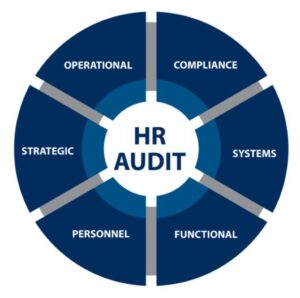
“Kerala SMEs: Audit These 10 HR Areas”

Running a business in Kerala comes with a clear set of compliance obligations. Some fall under central laws, others under state regulations, and a few are shaped by local employment practices.

However, most Kerala SMEs are not intentionally non-compliant. In many cases, they simply lack clarity on what they must maintain, file, and document. This gap usually becomes visible only during an inspection, dispute, or statutory notice.

To address this, use this checklist as a practical guide. It covers ten key areas that every Kerala SME should review at least once a year. Ideally, you should complete this review before major business events such as scaling, fundraising, or ownership changes.

Go through each section honestly. Instead of treating gaps as failures, see them as opportunities to build an HR function that actively protects your business.

Area 1 Kerala Shops and Commercial Establishments Act Compliance

The Kerala Shops and Commercial Establishments Act governs most businesses in the state, including shops, offices, hotels, restaurants, and service providers. Therefore, it forms the foundation of your state-level compliance.

What to review:

  • Register your establishment under the Act and renew it annually where required
  • Ensure working hours comply with limits (8 hours per day, 48 hours per week)
  • Document and follow a weekly rest day
  • Maintain mandatory registers such as attendance, wages, leave, and overtime
  • Issue wage slips to employees regularly
  • Provide written employment terms to all employees

Kerala-specific note:
While the Act applies to municipal and notified areas, panchayat areas may follow different rules. So, confirm the applicable jurisdiction for your business.

Area 2 EPF (Provident Fund) Compliance

Once your workforce crosses 20 employees, EPF compliance becomes mandatory. Therefore, timely registration and accurate contributions are critical.

What to review:

  • Register with EPFO immediately after crossing 20 employees
  • Calculate PF on Basic + DA, not total CTC
  • Deposit contributions before the 15th of every month
  • File monthly ECR accurately and on time
  • Activate and link UAN with Aadhaar for all employees
  • Enrol new employees within the required timeline
  • Check for any delays between eligibility and registration

Penalty risk:
Late payments attract 12% annual interest along with penalties of up to 25% of dues. So, regularly review your EPFO portal for notices.

Area 3 ESI (Employees’ State Insurance) Compliance

ESI ensures medical and social security benefits for eligible employees. Once you cross 10 employees, this becomes applicable.

What to review:

  • Register with ESIC after reaching 10 employees
  • Deduct ESI only for employees earning up to ₹21,000
  • Apply correct contribution rates (0.75% employee, 3.25% employer)
  • Pay contributions before the 15th of each month
  • File returns on time
  • Issue ESI cards and activate IP numbers
  • Submit half-yearly returns within deadlines

Kerala-specific note:
ESI applies to a wide range of establishments, including educational and medical institutions. So, confirm whether your category falls under coverage.

Area 4 Professional Tax Compliance

Professional Tax is a state-level obligation that applies to both employers and businesses.

What to review:

  • Obtain both PTRC and PTEC registrations
  • Deduct PT as per Kerala slabs
  • Pay PT within the due date
  • Pay employer PT (PTEC) every half-year

Current PT slabs:

  • Up to ₹11,999 → Nil
  • ₹12,000 – ₹17,999 → ₹120 (half-yearly)
  • ₹18,000+ → ₹240 (half-yearly)

Since rates may change, always verify with the Kerala Revenue Department.

Area 5 Employment Documentation

Proper documentation strengthens your legal position and reduces disputes.

What to review:

  • Maintain signed appointment letters for all employees
  • Include key clauses such as notice period, confidentiality, and termination
  • Issue clear offer letters reflecting agreed CTC
  • Document salary revisions and promotions
  • Maintain records of warnings and disciplinary actions
  • Complete and sign full & final settlements
  • Keep updated employee files

Risk note:
Missing or unsigned appointment letters often create major issues during disputes.


Area 6 Payroll Records and Salary Compliance

Accurate payroll practices ensure both compliance and employee trust.

What to review:

  • Issue salary slips every month
  • Clearly show all components (Basic, HRA, allowances, deductions)
  • Align payroll with the CTC mentioned in appointment letters
  • Maintain wage registers as required
  • Follow Kerala minimum wage notifications
  • Calculate and pay overtime correctly
  • Use banking channels for salary payments where required

Kerala-specific note:
Since minimum wages are revised periodically, keep your payroll updated with the latest notifications.

Area 7 POSH Act Compliance

The POSH Act ensures a safe workplace and is legally mandatory.

What to review:

  • Maintain a written POSH policy
  • Communicate the policy to all employees
  • Form an Internal Committee (minimum four members)
  • Include an external member
  • Train committee members
  • Submit annual reports
  • Conduct awareness sessions regularly

Penalty risk:
Non-compliance can lead to fines up to ₹1,00,000 and even licence cancellation. More importantly, it increases employer liability in complaints.

Area 8 Gratuity Compliance

Gratuity is a long-term financial obligation that requires planning.

What to review:

  • Provision gratuity liability in accounts
  • Calculate correctly (15 days’ wages per year of service)
  • Track employees nearing eligibility (5 years)
  • Pay gratuity within 30 days
  • Display the Act as required

Important note:
Once applicable (10+ employees), the Act continues even if headcount drops.

Area 9 HR Policy Documentation

Clear HR policies create consistency and reduce confusion.

What to review:

  • Maintain a written HR policy
  • Get employee acknowledgements
  • Align leave policies with legal requirements
  • Define disciplinary procedures
  • Create a grievance redressal system
  • Review policies annually
Area 10 Onboarding and Exit Documentation

Strong processes at entry and exit reduce both legal and operational risks.

What to review:

  • Use structured onboarding forms
  • Collect PF, ESI, and bank details
  • Conduct background checks where needed
  • Follow a documented exit process
  • Complete full & final settlements on time
  • Issue experience and relieving letters promptly
  • Conduct exit interviews
  • Revoke access to systems and data immediately

Risk note:
Poor exit management often leads to disputes and data security issues.

How to Use This Checklist

Mark each area as:

  • Green — Fully compliant
  • Amber — Partially compliant
  • Red — Non-compliant

Prioritize all red items first. Then address amber items with clear timelines. Finally, review green areas annually to maintain compliance.

If you notice more amber and red than green, don’t worry. This is common for growing SMEs. However, it also signals the need for a professional HR audit.

Closing Thought

Compliance does not slow down growth. Instead, it enables sustainable and risk-free expansion.

Businesses in Kerala that scale successfully focus on building strong HR foundations. They don’t aim for perfection, but they ensure systems work properly.

Use this checklist as your starting point. What matters most is how you act on it.

At Level UP HR Solutions, we conduct structured HR audits for Kerala and pan-India SMEs. Our process covers all these areas and more. We provide a clear report, identify compliance gaps, and deliver a practical action plan.

16Apr

5 Must-Have HR Documents Before Your First Hire

By Chippy Jayaprakash, Founder & CEO — Level UP HR Solutions

Most founders think HR documentation comes after 50 employees. That thinking costs lakhs — sometimes the entire business. Here are the five documents you need before you hire your very first person.

When a business runs into an employee dispute — an unfair dismissal claim, a salary disagreement, a confidentiality breach — the first thing a labour officer or court asks for is documentation. Not intent. Not memory. Not WhatsApp screenshots.

Paper. Signed. Dated.

I’ve seen Kerala SMEs with 30, 40, even 60 employees who couldn’t produce a single signed employment document. The result? Penalties, legal fees, and settlements that could have been avoided entirely with two hours of paperwork at the start.

HR documentation for small businesses isn’t bureaucracy. It’s protection — for your company and for your employees. And it starts on Day 1, not at employee #50.

THE 5 ESSENTIAL HR DOCUMENTS EVERY INDIAN SME NEEDS
1. APPOINTMENT LETTER / EMPLOYMENT CONTRACT

This is the foundation of every employment relationship. A proper employment contract in India must clearly state the role, responsibilities, compensation structure, working hours, probation period, notice period, and termination conditions. Many businesses issue only a basic offer letter — which is not the same thing and does not offer the same legal protection.

Risk without it: No legal basis to enforce notice periods, recover advances, or defend termination decisions.

2. HR POLICY DOCUMENT / EMPLOYEE HANDBOOK

Your HR policy for small businesses is the rulebook that governs how your workplace operates. It covers leave entitlements, attendance expectations, code of conduct, grievance procedures, disciplinary processes, and workplace behaviour standards. Without this, every HR decision you make is open to challenge — because there’s no agreed framework to reference.

Risk without it: Inconsistent decision-making creates discrimination claims and legal liability under the Industrial Disputes Act.

3. LEAVE POLICY

A standalone, written leave policy — covering Earned Leave, Sick Leave, Casual Leave, maternity and paternity provisions, and public holidays — is a statutory requirement under the Shops and Establishments Act in Kerala. It must be communicated to every employee in writing.

Risk without it: Shops & Establishments Act violations, leave encashment disputes, and employee grievances at exit.

4. NON-DISCLOSURE AGREEMENT (NDA) / CONFIDENTIALITY AGREEMENT

If your employees handle client data, pricing information, business processes, or any proprietary knowledge — and every employee does — you need a signed NDA from Day 1. Under Indian contract law, NDAs are enforceable when drafted correctly.

Risk without it: No legal recourse if an employee joins a competitor and uses your confidential business information.

5. STATUTORY COMPLIANCE RECORDS

This covers your PF registration and monthly ECR filings, ESI registration and contributions, Professional Tax enrolment, and the statutory registers required under Kerala labour law. These are legal obligations under the Employees’ Provident Funds Act, ESI Act, and Kerala Shops and Establishments Act.

Risk without it: Penalties, back-payment demands, and potential criminal liability for directors under PF and ESI acts.

THE DIFFERENCE BETWEEN AN OFFER LETTER AND AN APPOINTMENT LETTER

An offer letter is a preliminary document — it expresses the intent to employ and outlines basic terms. It is conditional and not legally binding on its own.

An appointment letter — also called an employment contract — is the binding agreement that comes after the candidate accepts. It contains the full terms of employment, is signed by both parties, and is the document that holds legal weight in any dispute.

“Sending only an offer letter and never following up with a signed appointment letter is one of the most common — and most costly — HR documentation mistakes we find in SME audits across Kerala.”

HOW TO GET YOUR HR DOCUMENTATION IN ORDER — QUICKLY
  • Audit what you currently have — and identify the gaps
  • Draft or update your employment contracts to reflect current roles and compensation
  • Create a written HR policy document and distribute it to all employees
  • Ensure your statutory compliance registrations are current and filings are up to date
  • Get NDAs signed — including with existing employees where possible
  • Store all documents securely with signed acknowledgement from each employee


“The best time to set up your HR documentation was before your first hire. The second best time is today.”

If you’re unsure whether your current HR documentation is complete and compliant, our Free HR Audit will tell you exactly where the gaps are — and what to do about them. No obligation. No sales pitch. Just clarity.

14Apr

Why SMEs Lose Money Without HR Systems

By Chippy Jayaprakash, Founder & CEO — Level UP HR Solutions

72% of small and mid-sized businesses in India overpay or underpay their employees every single month. The reason isn’t greed or carelessness — it’s the absence of a proper HR system.

I’ve worked with dozens of SME owners across Kerala. Talented, hardworking entrepreneurs who’ve built real businesses — retail, trading, manufacturing, services. But when it comes to managing their people, most of them are running on WhatsApp messages, Excel sheets, and gut instinct.

And it’s costing them — quietly, consistently, and in ways they can’t always see on a P&L sheets.

THE HIDDEN COST OF “MANAGING HR MANUALLY”
Here’s what I typically find when we run a Free HR Audit for a first-time client:
  • Leave balances are tracked in someone’s personal notebook — or not tracked at all
  • PF deductions are calculated on the wrong salary component, creating future liability
  • Employees resigned without a proper full-and-final settlement — and the company has no record
  • There’s no signed appointment letter for at least 2–3 employees
  • Overtime is paid inconsistently, or not paid at all, violating the Shops & Establishments Act


None of these feel like emergencies — until a disgruntled employee files a complaint, or a bank asks for compliance records before approving your working capital loan.

IT’S NOT A HEADCOUNT PROBLEM. IT’S A SYSTEMS PROBLEM.

A lot of business owners tell me: “We’re only 15 people — we don’t need formal HR.”

I understand the instinct. HR feels like something you set up when you’ve “made it.” But that thinking gets the sequence wrong. You build the system before you need it — not after the crisis.

“The businesses that grow from 15 to 50 employees smoothly are the ones that treated HR seriously at 10. The ones that don’t, hit a ceiling — and spend the next two years firefighting instead of growing.”

An HR system doesn’t mean hiring a full-time HR manager. For most SMEs, it means three things:

  • A clean, compliant payroll process running on time, every month
  • Basic documentation — offer letters, leave policies, appointment orders — in place
  • Someone accountable for compliance: PF, ESI, PT, gratuity, F&F settlements
WHAT FIXING THIS ACTUALLY LOOKS LIKE

One of our clients — a trading firm in Kozhikode with 22 employees — came to us after a payroll dispute with a long-serving employee. They were running payroll manually, had no written leave policy, and had never filed ESI for 6 employees who were eligible.

Within 60 days of engaging Level UP HR Solutions, they had a structured payroll system in place, all statutory registrations updated, and a basic employee handbook distributed to the team. The dispute? Resolved — because we had documentation to back every decision.

More importantly, the owner told me: “I’m sleeping better now.”

That’s what good HR does. It removes the invisible anxiety of running a business without a safety net.

If you’re an SME owner in Kerala — or managing a business with 10 to 150 employees — and you’re not sure whether your HR house is in order, I’d genuinely encourage you to find out.

We offer a Free HR Audit with no strings attached. We’ll tell you exactly where the risks are — and what to do about them.

13Mar

What Makes Employees Stay Even When Pay Isn’t the Best (Complete Guide for Employers)

In today’s competitive job market, many companies assume that higher salaries are the only way to retain employees. While compensation is important, research consistently shows that people often stay in jobs even when pay isn’t the highest available.

So what really keeps employees loyal to a company?

For business owners, HR professionals, and managers, understanding these factors can significantly reduce employee turnover, improve workplace culture, and boost long-term productivity.

This article explores the real reasons employees stay with companies even when the salary isn’t the best.

Why Employee Retention Matters

Employee retention is one of the most critical factors for business success. When employees leave frequently, companies face:

  • High recruitment costs
  • Training and onboarding expenses
  • Loss of productivity
  • Decreased team morale

According to HR studies, replacing an employee can cost 50%–200% of their annual salary.

That’s why organizations that focus on employee satisfaction, growth, and workplace culture often retain talent even without offering the highest salaries.

1. Positive Workplace Culture

A healthy workplace culture is one of the strongest retention drivers.

Employees are more likely to stay in environments where they feel:

  • Respected
  • Included
  • Valued
  • Comfortable sharing ideas

Toxic workplaces push employees away, even if the pay is high. On the other hand, a supportive environment encourages loyalty and long-term commitment.

How Companies Can Improve Culture

  • Encourage open communication
  • Promote teamwork and collaboration
  • Address conflicts quickly
  • Celebrate employee achievements

A positive culture makes employees feel emotionally connected to the organization.

2. Supportive Leadership and Management

Employees rarely leave companies — they leave bad managers.

Leaders who provide guidance, respect, and recognition create a work environment where employees feel supported.

Traits of Good Leaders

  • Transparent communication
  • Fair decision-making
  • Empathy toward employee challenges
  • Encouraging professional development

When managers genuinely care about their teams, employees develop trust and loyalty, which often outweigh salary differences.

3. Opportunities for Career Growth

One of the biggest reasons employees stay is career advancement opportunities.

People want to know their job is not a dead end. They prefer workplaces that provide:

  • Skill development programs
  • Promotions and internal mobility
  • Training workshops
  • Mentorship opportunities

Employees who see a clear career path are less likely to leave for slightly higher pay elsewhere.

4. Work-Life Balance

Today’s workforce values flexibility and balance more than ever before.

Many employees prefer jobs that allow them to manage their personal lives alongside their careers.

Key work-life balance benefits include:

  • Flexible working hours
  • Remote or hybrid work options
  • Reasonable workloads
  • Generous leave policies

Even if another company offers a higher salary, employees may stay where their mental health and personal life are respected.

5. Recognition and Appreciation

Feeling appreciated is a powerful motivator.

Employees want to know that their efforts matter. Recognition doesn’t always require money.

Simple actions like:

  • Public acknowledgment
  • Employee of the month programs
  • Thank-you messages from leadership
  • Celebrating milestones

can significantly improve employee satisfaction.

When employees feel valued, they develop strong emotional loyalty to their workplace.

Business People Meeting Conference Seminar Sharing Strategy Concept

6. Job Security and Stability

In uncertain economic times, job security becomes extremely important.

Employees may stay in a stable organization rather than risk moving to a higher-paying job that feels less secure.

Companies that demonstrate:

  • Financial stability
  • Long-term vision
  • Transparent communication about company performance

tend to retain employees longer.

7. Meaningful Work and Purpose

People want their work to matter.

Employees are more engaged when they feel their role contributes to:

  • A meaningful mission
  • Positive impact on customers
  • Growth of the organization

Purpose-driven work increases motivation and makes employees emotionally invested in their job.

8. Strong Team Relationships

Workplace friendships play a surprisingly large role in employee retention.

Employees often stay because they enjoy working with their colleagues and feel a sense of belonging.

Strong teams create:

  • Collaboration
  • Support systems
  • Shared goals

When employees feel like they are part of a community rather than just a workforce, they are more likely to stay.

9. Learning and Skill Development

Continuous learning opportunities keep employees engaged.

Organizations that invest in employee growth through:

  • Online courses
  • Certifications
  • Training programs
  • Industry workshops

create a culture of development.

Employees stay longer in companies that help them improve their skills and advance their careers.

10. Trust and Transparency

Trust is a foundation of employee loyalty.

Employees stay when companies communicate openly about:

  • Company goals
  • Business performance
  • Organizational changes

Transparency builds confidence and reduces uncertainty.

When employees trust leadership, they are more willing to commit to the company long term.

Key Takeaway

Salary matters, but it is not the only factor that keeps employees loyal.

Employees stay with companies that offer:

  • Positive workplace culture
  • Supportive leadership
  • Career growth opportunities
  • Work-life balance
  • Recognition and appreciation
  • Job security
  • Meaningful work
  • Strong team relationships
  • Continuous learning
  • Trust and transparency

Organizations that focus on these elements create workplaces where employees feel valued, motivated, and committed.

Retaining great employees isn’t just about offering the highest salary — it’s about creating an environment where people want to stay and grow.

Companies that prioritize employee experience, professional growth, and workplace culture often outperform competitors in both retention and productivity.

If your organization wants to keep its best talent, start by focusing on what employees truly value beyond pay.

06Mar

Why Exit Interviews Rarely Tell the Full Story

For many organizations, exit interviews are considered a valuable tool for understanding why employees leave. HR teams often rely on them to gather feedback, identify workplace issues, and improve retention strategies.

However, the reality is that exit interviews rarely reveal the complete truth behind an employee’s departure. While they provide useful insights, they often capture only a portion of the real story.

Understanding the limitations of exit interviews can help organizations build better feedback systems and improve workplace culture.

1. Employees Often Avoid Complete Honesty

One of the biggest limitations of exit interviews is that employees may not feel comfortable sharing their true reasons for leaving.

Even when they are exiting the company, employees may worry about:

  • Burning bridges
  • Future references
  • Professional reputation
  • Industry relationships

Because of this, many employees give safe or neutral answers instead of addressing deeper issues such as poor management, toxic culture, or unfair treatment.

2. The Real Decision Happened Months Earlier

In many cases, the decision to leave was made months before the resignation letter was submitted.

Employees often go through stages such as:

  • Frustration with management
  • Lack of growth opportunities
  • Workload stress
  • Feeling undervalued

By the time the exit interview happens, the emotional distance has already formed. The interview may capture the final reason for leaving, but not the full journey that led to it.

3. Some Employees Prefer to Leave Quietly

Not every employee wants to revisit negative experiences during their last days at the company.

Some simply prefer to:

  • Move on quickly
  • Avoid uncomfortable conversations
  • Maintain professionalism

As a result, their feedback may be short, generic, or overly polite, which limits the value of the information collected.

4. Exit Interviews Capture the Past, Not the Pattern

An exit interview reflects the experience of one employee at one moment in time.

However, organizational problems usually appear as patterns across multiple employees.

For example:

  • Multiple resignations from the same department
  • Consistent complaints about workload
  • Recurring feedback about management style

Without analyzing broader data trends, a single exit interview may not reveal the deeper organizational issue.

5. Employees May Not Want to Criticize Their Manager

Direct criticism of managers is one of the most sensitive areas in exit interviews.

Employees often hesitate to openly discuss issues like:

  • Poor leadership
  • Lack of support
  • Micromanagement
  • Favoritism

Even if these are the real reasons for leaving, employees may choose to phrase their feedback more diplomatically.

6. Exit Interviews Happen Too Late

Perhaps the most important limitation is timing.

By the time HR conducts an exit interview:

  • The employee has already accepted another opportunity.
  • The relationship with the company has already ended.
  • The chance to retain that employee is gone.

In many cases, organizations would benefit more from ongoing employee feedback systems rather than relying only on exit interviews.

What Organizations Should Do Instead

Exit interviews should be just one part of a broader employee feedback strategy.

Organizations can gain deeper insights by implementing:

Stay Interviews
Regular conversations with employees about their satisfaction, challenges, and career goals.

Employee Pulse Surveys
Short and frequent surveys that capture real-time employee sentiment.

Open Communication Culture
Encouraging employees to share feedback without fear of negative consequences.

Manager Training
Equipping leaders with the skills to identify early signs of disengagement.

Exit interviews can provide helpful information, but they rarely tell the full story behind employee turnover. Employees may filter their responses, avoid difficult conversations, or simplify complex experiences.

To truly understand why employees leave, organizations must look beyond exit interviews and build a culture where feedback happens before employees decide to walk away.

When companies listen earlier and more consistently, they gain the opportunity not just to understand exits—but to prevent them.

05Mar

One Small Culture Change That Made a Big Impact

In many organizations, culture transformation is often imagined as a massive initiative—new policies, big budgets, and months of planning. But sometimes, the most meaningful change begins with something surprisingly small.

A few years ago, our team introduced a simple habit: starting every weekly meeting by recognizing one team member’s contribution.

At first, it felt like a minor adjustment. But over time, this small culture shift created a ripple effect that changed the way our team worked together.

The Small Change

Previously, meetings jumped straight into agendas, deadlines, and problem-solving. While productive, they often felt transactional.

So we introduced a simple rule:

Before discussing work, we spend two minutes appreciating someone’s effort.

Anyone in the meeting can highlight a colleague who helped them, solved a problem, supported the team, or simply went the extra mile.

No long speeches. Just a short, genuine acknowledgment.

What Happened Next

The impact was noticeable within weeks.

1. Stronger Team Connections

Team members started noticing each other’s work more closely. Contributions that previously went unnoticed were now celebrated openly.

People felt seen—and that matters more than many leaders realize.

2. Higher Engagement

Something interesting happened: people began showing up to meetings with more energy. Recognition created a positive tone that carried through the rest of the discussion.

Meetings became less about pressure and more about collaboration.

3. A Culture of Appreciation

Recognition stopped being limited to meetings. Team members began appreciating each other in messages, emails, and informal conversations.

A culture of appreciation started to grow organically.

Why Small Changes Work

Large culture programs often fail because they feel imposed. Small changes, however, are easier to adopt and easier to sustain.

They work because they:

  • Fit naturally into daily routines
  • Require little effort to start
  • Encourage consistent behavior
  • Spread through example rather than instruction

Culture isn’t built through slogans on a wall. It’s built through repeated behaviors.

The Leadership Lesson

Leaders often underestimate the power of small signals.

When leaders consistently highlight appreciation, respect, and collaboration, they communicate what truly matters in the organization.

And people follow what leaders do, not just what they say.

Start Small

If you’re looking to strengthen your team culture, you don’t need a massive initiative.

Try something small:

  • Start meetings with appreciation
  • Encourage peer recognition
  • Celebrate small wins
  • Ask one extra question about someone’s effort

Small habits, repeated consistently, shape culture over time.

And sometimes, the smallest changes create the biggest impact.

02Mar

Why HR Is No Longer Just a Support Function

For many years, Human Resources (HR) was viewed primarily as an administrative or support department—handling payroll, recruitment paperwork, employee records, and compliance tasks. While these responsibilities are still important, the role of HR has evolved dramatically. Today, HR is a strategic driver of business success, shaping company culture, improving employee experience, and directly influencing organizational growth.

Businesses that recognize HR as a strategic partner are more agile, productive, and competitive in today’s rapidly changing work environment.

The Shift from Administrative to Strategic

Traditionally, HR teams focused on operational tasks such as hiring employees, managing payroll, maintaining employee files, and ensuring labor law compliance. However, modern organizations now expect HR professionals to actively contribute to business strategy.

HR leaders are now involved in:

Workforce planning

  • Talent development strategies
  • Organizational culture building
  • Leadership development
  • Employee engagement initiatives

This shift has transformed HR into a key decision-making function rather than a back-office support system.

Talent Management as a Competitive Advantage

In today’s knowledge-driven economy, employees are a company’s most valuable asset. HR plays a crucial role in identifying, attracting, and retaining top talent.

Modern HR teams focus on:

  • Building strong employer branding
  • Creating effective recruitment strategies
  • Developing employee skills through training programs
  • Designing career growth paths

Companies that invest in strong HR strategies often see higher productivity, lower turnover, and stronger team performance.

HR’s Role in Building Workplace Culture

Workplace culture has become one of the most important factors influencing employee satisfaction and retention. HR departments now lead initiatives that shape company values, promote diversity and inclusion, and encourage collaboration.

A positive work culture improves:

  • Employee motivation
  • Team collaboration
  • Innovation and creativity
  • Overall job satisfaction

By fostering a supportive environment, HR helps organizations build workplaces where employees feel valued and empowered.

Data-Driven HR Decisions

Technology and analytics have also transformed HR operations. Modern HR teams use data to make informed decisions about hiring, employee performance, engagement, and retention.

HR analytics helps organizations:

  • Identify skill gaps in teams
  • Predict employee turnover
  • Measure productivity and engagement levels
  • Improve recruitment strategies

This data-driven approach allows HR to contribute directly to business planning and long-term strategy.

Supporting Business Growth

As companies scale, managing people effectively becomes more complex. HR plays a critical role in ensuring that the organization grows sustainably by implementing structured processes, leadership development programs, and clear performance management systems.

From onboarding new employees to developing future leaders, HR ensures that the workforce remains aligned with the company’s vision and goals.

The Future of HR

The future of HR lies in its ability to balance people management with business strategy. With the rise of remote work, digital transformation, and changing employee expectations, HR professionals must continue to adapt and innovate.

Organizations that empower their HR departments as strategic partners will be better positioned to attract top talent, maintain strong company cultures, and achieve long-term success.


HR is no longer just a support function—it is a strategic pillar of modern organizations. By focusing on talent development, workplace culture, data-driven decision-making, and employee engagement, HR plays a vital role in shaping the future of businesses.

Companies that embrace this shift will not only build stronger teams but also gain a significant competitive advantage in the marketplace.

23Jan

5 HR Best Practices to Improve Employee Experience and Engagement

In today’s workplace, employee experience goes far beyond salary and job titles. Employees want purpose, growth, flexibility, and a sense of belonging. Organizations that prioritize employee experience don’t just retain talent—they build motivated, high-performing teams.

Here are five HR practices that significantly improve employee experience and create a workplace people genuinely enjoy being part of.

1. Transparent Communication & Trust-Building

Clear, honest communication is the foundation of a positive employee experience. When employees understand company goals, expectations, and changes, they feel respected and included.

How HR can help:

Encourage open-door policies

Share regular company updates

Create safe spaces for feedback and questions

Transparency builds trust—and trust drives engagement.

2. Personalized Learning & Career Development

Employees want to grow, not stagnate. Offering learning opportunities tailored to individual career goals shows that the organization invests in its people.

Effective HR practices include:

Upskilling and reskilling programs

Mentorship and coaching initiatives

Clear career progression paths

When employees see a future in the company, their motivation naturally increases.

3. Flexible Work Policies

Work-life balance is no longer a “nice-to-have”—it’s an expectation. Flexible work arrangements help employees manage personal and professional responsibilities more effectively.

Examples of flexibility:

Hybrid or remote work options

Flexible working hours

Wellness or mental health days

Flexibility reduces burnout and boosts productivity.

4. Recognition & Appreciation Culture

Feeling valued is a powerful motivator. Regular recognition—both formal and informal—can dramatically improve morale and engagement.

HR-led recognition ideas:

Employee appreciation programs

Peer-to-peer recognition platforms

Celebrating milestones and achievements

A simple “thank you” can go a long way.

5. Strong Onboarding & Employee Support Systems

First impressions matter. A structured onboarding process helps new hires feel confident, welcomed, and prepared from day one.

Key elements of a great onboarding experience:

Clear role expectations

Access to tools and resources

Ongoing support beyond the first week

Continuous support throughout the employee lifecycle keeps experience consistent and positive.

Improving employee experience isn’t about one-time initiatives—it’s about creating a people-first culture. By adopting these HR practices, organizations can foster happier employees, stronger teams, and long-term business success.

After all, when employees thrive, companies grow.