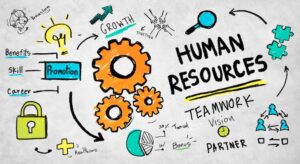

For many years, Human Resources (HR) was viewed primarily as an administrative or support department—handling payroll, recruitment paperwork, employee records, and compliance tasks. While these responsibilities are still important, the role of HR has evolved dramatically. Today, HR is a strategic driver of business success, shaping company culture, improving employee experience, and directly influencing organizational growth.
Businesses that recognize HR as a strategic partner are more agile, productive, and competitive in today’s rapidly changing work environment.
The Shift from Administrative to Strategic
Traditionally, HR teams focused on operational tasks such as hiring employees, managing payroll, maintaining employee files, and ensuring labor law compliance. However, modern organizations now expect HR professionals to actively contribute to business strategy.
HR leaders are now involved in:
Workforce planning
- Talent development strategies
- Organizational culture building
- Leadership development
- Employee engagement initiatives
This shift has transformed HR into a key decision-making function rather than a back-office support system.
Talent Management as a Competitive Advantage
In today’s knowledge-driven economy, employees are a company’s most valuable asset. HR plays a crucial role in identifying, attracting, and retaining top talent.
Modern HR teams focus on:
- Building strong employer branding
- Creating effective recruitment strategies
- Developing employee skills through training programs
- Designing career growth paths
Companies that invest in strong HR strategies often see higher productivity, lower turnover, and stronger team performance.
HR’s Role in Building Workplace Culture
Workplace culture has become one of the most important factors influencing employee satisfaction and retention. HR departments now lead initiatives that shape company values, promote diversity and inclusion, and encourage collaboration.
A positive work culture improves:
- Employee motivation
- Team collaboration
- Innovation and creativity
- Overall job satisfaction
By fostering a supportive environment, HR helps organizations build workplaces where employees feel valued and empowered.
Data-Driven HR Decisions
Technology and analytics have also transformed HR operations. Modern HR teams use data to make informed decisions about hiring, employee performance, engagement, and retention.
HR analytics helps organizations:
- Identify skill gaps in teams
- Predict employee turnover
- Measure productivity and engagement levels
- Improve recruitment strategies
This data-driven approach allows HR to contribute directly to business planning and long-term strategy.
Supporting Business Growth
As companies scale, managing people effectively becomes more complex. HR plays a critical role in ensuring that the organization grows sustainably by implementing structured processes, leadership development programs, and clear performance management systems.
From onboarding new employees to developing future leaders, HR ensures that the workforce remains aligned with the company’s vision and goals.
The Future of HR
The future of HR lies in its ability to balance people management with business strategy. With the rise of remote work, digital transformation, and changing employee expectations, HR professionals must continue to adapt and innovate.
Organizations that empower their HR departments as strategic partners will be better positioned to attract top talent, maintain strong company cultures, and achieve long-term success.
HR is no longer just a support function—it is a strategic pillar of modern organizations. By focusing on talent development, workplace culture, data-driven decision-making, and employee engagement, HR plays a vital role in shaping the future of businesses.
Companies that embrace this shift will not only build stronger teams but also gain a significant competitive advantage in the marketplace.