
29Jan

The Hiring Decision That Taught Me the Most Valuable HR Lesson

Hiring the right person isn’t just about matching a resume to a job description. Sometimes, the most important lessons come from the hires that didn’t work out as planned. I learned this lesson the hard way—and it changed how I approach recruitment forever.

hiring

When “Perfect on Paper” Isn’t Enough

A few years ago, I interviewed a candidate for a critical role in our operations team. Their resume was flawless, references glowing, and past achievements impressive. On paper, they were the perfect fit.

Excited, I made the offer—and the candidate accepted. I expected a smooth onboarding and quick wins for the team.

The Reality of the Workplace

Within weeks, it became clear that things weren’t working. While technically skilled, the new hire struggled to communicate with the team, adapt to our processes, and handle feedback constructively. Productivity suffered, and team morale dipped.

It was a tough reality check. I realized that technical skills alone aren’t enough—how someone interacts with the team, embraces feedback, and aligns with the company culture is just as important.

hiring

The HR Lesson I Learned

This experience taught me a fundamental truth in hiring:

You can teach skills, but you can’t teach cultural fit or emotional intelligence.

From that point on, I shifted my approach to hiring:

Behavioral Interviews Matter: I started asking situational questions that reveal how a candidate reacts under pressure, collaborates with others, and approaches challenges.

Team Fit is Key: I include team members in interviews to see how well candidates interact with potential coworkers.

Look for a Growth Mindset: Adaptability, curiosity, and willingness to learn became essential criteria.

Align with Core Values: Candidates must share the company’s mission and culture, not just the job description.

How Our Hiring Strategy Changed

Since embracing this holistic approach, we’ve noticed:

Higher retention rates among new hires

Faster integration into teams

Stronger collaboration and communication

Greater long-term employee satisfaction

What could have been a costly hiring mistake turned into a pivotal learning moment for our HR team.

hiring

Hiring is more than checking boxes—it’s about finding people who can thrive in your company’s environment. A perfect resume doesn’t guarantee success. The right hire is someone who not only has the skills but also fits your team, embraces your culture, and grows with your organization.

Invest time in understanding candidates beyond their resumes. The result? Stronger teams, happier employees, and a healthier workplace culture.

28Jan

HR Policies That Look Good on Paper but Fail in Reality

In today’s competitive workplace, HR policies are designed to reflect fairness, transparency, and employee-centric values. On paper, many of these policies sound impressive. But in real-world execution, some fail to deliver the promised impact.

When policies are created without considering day-to-day realities, organizational culture, or employee needs, they can do more harm than good. Let’s explore some common HR policies that look great in theory—but often fail in practice.

HR Policies

1. Open Door PolicyWhat it promises:
Open communication, approachability, and trust between employees and management.

Reality check:
Many employees hesitate to speak up due to fear of being labeled “difficult” or facing indirect consequences. When leaders are not genuinely receptive or fail to act on feedback, the policy becomes symbolic rather than functional.

Why it fails:

Lack of psychological safety

No follow-up on raised concerns

Hierarchical workplace culture

How to fix it:
Train managers in active listening and ensure confidentiality and visible action on feedback.

2. Flexible Work Policy

What it promises:
Better work-life balance, increased productivity, and employee satisfaction.

Reality check:
Employees may technically have flexibility, but are still expected to be constantly available. Unclear guidelines often result in burnout rather than balance.

Why it fails:

Micromanagement

Undefined expectations

Bias toward employees who work longer hours

How to fix it:
Set clear boundaries, outcome-based performance metrics, and lead by example.


3. Performance-Based Appraisal Systems

What it promises:
Fair evaluations, merit-based growth, and motivation.

Reality check:
Appraisals often depend on manager bias, visibility, or last-minute performance rather than consistent contribution.

Why it fails:

Subjective evaluation criteria

Poor documentation

Infrequent feedback cycles

How to fix it:
Use measurable KPIs, continuous feedback, and multi-source evaluations.

4. Learning and Development (L&D) Policies

What it promises:
Upskilling, career growth, and long-term employee retention.

Reality check:
Training programs may be generic, irrelevant, or inaccessible due to workload pressure. Employees attend sessions but rarely apply what they learn.

Why it fails:

No alignment with career paths

Lack of time and managerial support

No post-training implementation plan

How to fix it:
Personalize learning paths and link training outcomes to real business needs.

5. Employee Wellness Programs

What it promises:
Improved mental health, reduced stress, and a healthier workforce.

Reality check:
Offering yoga sessions or wellness emails means little if employees are overworked, underpaid, or afraid to take leave.

Why it fails:

Focus on optics, not root causes

Stigma around mental health

Workload imbalance

How to fix it:
Address workload, encourage time off, and normalize conversations around mental health.

6. Equal Opportunity & Inclusion Policies

What it promises:
Fair treatment, diversity, and inclusive growth.

Reality check:
Policies exist, but unconscious bias still affects hiring, promotions, and daily interactions.

Why it fails:

Lack of awareness and training

No accountability

Token diversity initiatives

How to fix it:
Introduce bias-awareness training, track diversity metrics, and hold leaders accountable.

Why Execution Matters More Than Documentation

A well-written HR policy is only the first step. The real impact comes from how consistently and sincerely it is implemented. Employees quickly recognize the gap between what is written and what is practiced—and that gap directly affects trust, engagement, and retention.

HR policies should be living frameworks, not just documents for compliance or branding. When policies are aligned with organizational culture, leadership behavior, and employee realities, they become powerful tools for growth.

23Jan

5 HR Best Practices to Improve Employee Experience and Engagement

In today’s workplace, employee experience goes far beyond salary and job titles. Employees want purpose, growth, flexibility, and a sense of belonging. Organizations that prioritize employee experience don’t just retain talent—they build motivated, high-performing teams.

Here are five HR practices that significantly improve employee experience and create a workplace people genuinely enjoy being part of.

1. Transparent Communication & Trust-Building

Clear, honest communication is the foundation of a positive employee experience. When employees understand company goals, expectations, and changes, they feel respected and included.

How HR can help:

Encourage open-door policies

Share regular company updates

Create safe spaces for feedback and questions

Transparency builds trust—and trust drives engagement.

2. Personalized Learning & Career Development

Employees want to grow, not stagnate. Offering learning opportunities tailored to individual career goals shows that the organization invests in its people.

Effective HR practices include:

Upskilling and reskilling programs

Mentorship and coaching initiatives

Clear career progression paths

When employees see a future in the company, their motivation naturally increases.

3. Flexible Work Policies

Work-life balance is no longer a “nice-to-have”—it’s an expectation. Flexible work arrangements help employees manage personal and professional responsibilities more effectively.

Examples of flexibility:

Hybrid or remote work options

Flexible working hours

Wellness or mental health days

Flexibility reduces burnout and boosts productivity.

4. Recognition & Appreciation Culture

Feeling valued is a powerful motivator. Regular recognition—both formal and informal—can dramatically improve morale and engagement.

HR-led recognition ideas:

Employee appreciation programs

Peer-to-peer recognition platforms

Celebrating milestones and achievements

A simple “thank you” can go a long way.

5. Strong Onboarding & Employee Support Systems

First impressions matter. A structured onboarding process helps new hires feel confident, welcomed, and prepared from day one.

Key elements of a great onboarding experience:

Clear role expectations

Access to tools and resources

Ongoing support beyond the first week

Continuous support throughout the employee lifecycle keeps experience consistent and positive.

Improving employee experience isn’t about one-time initiatives—it’s about creating a people-first culture. By adopting these HR practices, organizations can foster happier employees, stronger teams, and long-term business success.

After all, when employees thrive, companies grow.

07Jan

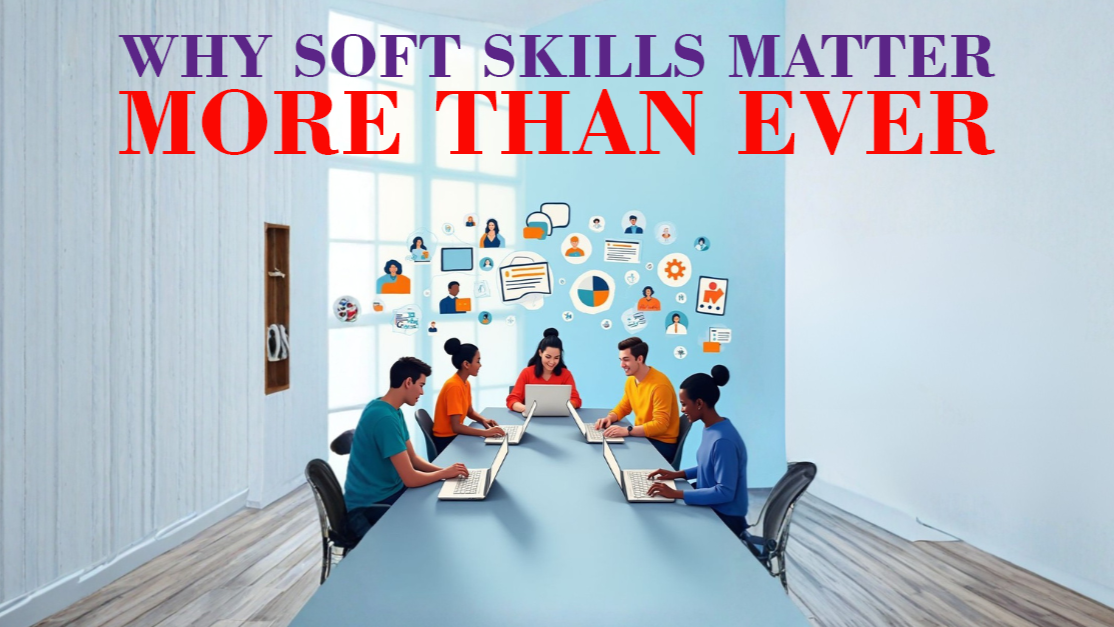
Why Soft Skills Matter More Than Ever

In today’s fast-evolving world of work, technical expertise alone no longer guarantees success. While hard skills certainly open doors, it’s soft skills — emotional intelligence, communication, adaptability, collaboration, problem-solving, and leadership — that determine whether you thrive, lead and grow.

1. Technology Can’t Replace the Human Factor

As AI and automation become more capable of handling routine, technical t