
14Apr

Why SMEs Lose Money Without HR Systems

By Chippy Jayaprakash, Founder & CEO — Level UP HR Solutions

72% of small and mid-sized businesses in India overpay or underpay their employees every single month. The reason isn’t greed or carelessness — it’s the absence of a proper HR system.

I’ve worked with dozens of SME owners across Kerala. Talented, hardworking entrepreneurs who’ve built real businesses — retail, trading, manufacturing, services. But when it comes to managing their people, most of them are running on WhatsApp messages, Excel sheets, and gut instinct.

And it’s costing them — quietly, consistently, and in ways they can’t always see on a P&L sheets.

THE HIDDEN COST OF “MANAGING HR MANUALLY”
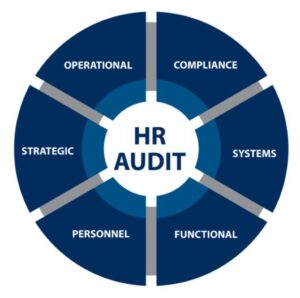
Here’s what I typically find when we run a Free HR Audit for a first-time client:
  • Leave balances are tracked in someone’s personal notebook — or not tracked at all
  • PF deductions are calculated on the wrong salary component, creating future liability
  • Employees resigned without a proper full-and-final settlement — and the company has no record
  • There’s no signed appointment letter for at least 2–3 employees
  • Overtime is paid inconsistently, or not paid at all, violating the Shops & Establishments Act


None of these feel like emergencies — until a disgruntled employee files a complaint, or a bank asks for compliance records before approving your working capital loan.

IT’S NOT A HEADCOUNT PROBLEM. IT’S A SYSTEMS PROBLEM.

A lot of business owners tell me: “We’re only 15 people — we don’t need formal HR.”

I understand the instinct. HR feels like something you set up when you’ve “made it.” But that thinking gets the sequence wrong. You build the system before you need it — not after the crisis.

“The businesses that grow from 15 to 50 employees smoothly are the ones that treated HR seriously at 10. The ones that don’t, hit a ceiling — and spend the next two years firefighting instead of growing.”

An HR system doesn’t mean hiring a full-time HR manager. For most SMEs, it means three things:

  • A clean, compliant payroll process running on time, every month
  • Basic documentation — offer letters, leave policies, appointment orders — in place
  • Someone accountable for compliance: PF, ESI, PT, gratuity, F&F settlements
WHAT FIXING THIS ACTUALLY LOOKS LIKE

One of our clients — a trading firm in Kozhikode with 22 employees — came to us after a payroll dispute with a long-serving employee. They were running payroll manually, had no written leave policy, and had never filed ESI for 6 employees who were eligible.

Within 60 days of engaging Level UP HR Solutions, they had a structured payroll system in place, all statutory registrations updated, and a basic employee handbook distributed to the team. The dispute? Resolved — because we had documentation to back every decision.

More importantly, the owner told me: “I’m sleeping better now.”

That’s what good HR does. It removes the invisible anxiety of running a business without a safety net.

If you’re an SME owner in Kerala — or managing a business with 10 to 150 employees — and you’re not sure whether your HR house is in order, I’d genuinely encourage you to find out.

We offer a Free HR Audit with no strings attached. We’ll tell you exactly where the risks are — and what to do about them.

11Mar

The Hidden Cost of Poor Onboarding: Why First Impressions Matter for Business Growth

Employee onboarding is more than just paperwork and orientation meetings. It is the process that shapes how new hires perceive your company, understand their roles, and integrate into the workplace. Yet many organizations underestimate its importance. Poor onboarding can silently drain productivity, increase employee turnover, and negatively affect company culture.

In this article, we’ll explore the hidden costs of ineffective onboarding and why investing in a structured onboarding program is essential for long-term business success.

What Is Employee Onboarding?

Employee onboarding is the structured process of introducing new hires to a company’s culture, expectations, tools, and team members. Effective onboarding helps employees become productive faster while building confidence and engagement from day one.

A well-designed onboarding program typically includes:

  • Role clarity and expectations
  • Training and skill development
  • Cultural integration
  • Mentorship and support
  • Performance goals and feedback

Without these elements, new hires may struggle to adapt and perform effectively.

The Hidden Costs of Poor Onboarding

Many companies focus heavily on recruitment but overlook the onboarding experience. This oversight can create several hidden costs that impact both employees and the organization.

1. Increased Employee Turnover

One of the most significant consequences of poor onboarding is higher employee turnover. When new hires feel confused, unsupported, or disconnected, they are far more likely to leave within the first few months.

Replacing an employee can cost anywhere from 50% to 200% of their annual salary, considering recruitment, training, and lost productivity.

A strong onboarding program helps employees feel welcomed, valued, and confident in their roles—reducing the likelihood of early resignation.

2. Reduced Productivity

Without clear guidance and training, new employees take longer to reach full productivity. They may spend weeks or even months figuring out processes that should have been explained during onboarding.

Poor onboarding can lead to:

  • Delayed project completion
  • Repeated mistakes
  • Increased dependency on managers
  • Lower team efficiency

A structured onboarding program shortens the learning curve and helps employees contribute faster.

3. Negative Impact on Company Culture

First impressions matter. If a new employee’s first experience is disorganized or unwelcoming, it can shape their perception of the entire company.

Poor onboarding can create feelings of:

  • Isolation
  • Confusion
  • Lack of belonging

Over time, this can weaken workplace culture and reduce employee engagement.

Effective onboarding, on the other hand, helps build strong relationships and a sense of belonging from the beginning.

4. Higher Training and Support Costs

When onboarding is unstructured, managers and team members often spend extra time answering basic questions or correcting mistakes. This reactive approach consumes valuable resources.

Instead of focusing on strategic tasks, experienced employees end up repeatedly guiding new hires through issues that should have been addressed during onboarding.

A standardized onboarding process reduces these inefficiencies.

5. Damage to Employer Brand

In today’s digital world, employee experiences quickly become public. Platforms like review sites and social media allow employees to share their workplace experiences openly.

If new hires consistently report negative onboarding experiences, it can harm your employer brand and make it harder to attract top talent in the future.

Positive onboarding experiences, however, encourage employees to advocate for your company.

Benefits of a Strong Onboarding Process

Investing in a well-structured onboarding program delivers measurable benefits, including:

  • Faster employee productivity
  • Higher retention rates
  • Improved employee engagement
  • Stronger workplace culture
  • Better long-term performance

Companies that prioritize onboarding often see better overall business outcomes and stronger team cohesion.

Best Practices for Effective Employee Onboarding

To avoid the hidden costs of poor onboarding, organizations should implement a structured and supportive onboarding strategy.

1. Start Before Day One

Send welcome emails, company resources, and onboarding schedules before the employee’s first day.

2. Provide Clear Role Expectations

Ensure new hires understand their responsibilities, goals, and performance metrics.

3. Offer Structured Training

Provide training sessions, documentation, and tools to help employees learn efficiently.

4. Assign a Mentor or Buddy

Pairing new hires with experienced team members helps them adapt quickly and build relationships.

5. Schedule Regular Check-Ins

Managers should conduct regular meetings during the first few months to address concerns and provide feedback.


Poor onboarding may seem like a small operational issue, but its impact on productivity, retention, and company culture can be significant. Businesses that invest in a thoughtful onboarding experience not only support their employees but also strengthen their long-term growth.

By creating a structured onboarding process, companies can turn new hires into confident, productive team members—setting the stage for lasting success.

06Mar

Why Exit Interviews Rarely Tell the Full Story

For many organizations, exit interviews are considered a valuable tool for understanding why employees leave. HR teams often rely on them to gather feedback, identify workplace issues, and improve retention strategies.

However, the reality is that exit interviews rarely reveal the complete truth behind an employee’s departure. While they provide useful insights, they often capture only a portion of the real story.

Understanding the limitations of exit interviews can help organizations build better feedback systems and improve workplace culture.

1. Employees Often Avoid Complete Honesty

One of the biggest limitations of exit interviews is that employees may not feel comfortable sharing their true reasons for leaving.

Even when they are exiting the company, employees may worry about:

  • Burning bridges
  • Future references
  • Professional reputation
  • Industry relationships

Because of this, many employees give safe or neutral answers instead of addressing deeper issues such as poor management, toxic culture, or unfair treatment.

2. The Real Decision Happened Months Earlier

In many cases, the decision to leave was made months before the resignation letter was submitted.

Employees often go through stages such as:

  • Frustration with management
  • Lack of growth opportunities
  • Workload stress
  • Feeling undervalued

By the time the exit interview happens, the emotional distance has already formed. The interview may capture the final reason for leaving, but not the full journey that led to it.

3. Some Employees Prefer to Leave Quietly

Not every employee wants to revisit negative experiences during their last days at the company.

Some simply prefer to:

  • Move on quickly
  • Avoid uncomfortable conversations
  • Maintain professionalism

As a result, their feedback may be short, generic, or overly polite, which limits the value of the information collected.

4. Exit Interviews Capture the Past, Not the Pattern

An exit interview reflects the experience of one employee at one moment in time.

However, organizational problems usually appear as patterns across multiple employees.

For example:

  • Multiple resignations from the same department
  • Consistent complaints about workload
  • Recurring feedback about management style

Without analyzing broader data trends, a single exit interview may not reveal the deeper organizational issue.

5. Employees May Not Want to Criticize Their Manager

Direct criticism of managers is one of the most sensitive areas in exit interviews.

Employees often hesitate to openly discuss issues like:

  • Poor leadership
  • Lack of support
  • Micromanagement
  • Favoritism

Even if these are the real reasons for leaving, employees may choose to phrase their feedback more diplomatically.

6. Exit Interviews Happen Too Late

Perhaps the most important limitation is timing.

By the time HR conducts an exit interview:

  • The employee has already accepted another opportunity.
  • The relationship with the company has already ended.
  • The chance to retain that employee is gone.

In many cases, organizations would benefit more from ongoing employee feedback systems rather than relying only on exit interviews.

What Organizations Should Do Instead

Exit interviews should be just one part of a broader employee feedback strategy.

Organizations can gain deeper insights by implementing:

Stay Interviews
Regular conversations with employees about their satisfaction, challenges, and career goals.

Employee Pulse Surveys
Short and frequent surveys that capture real-time employee sentiment.

Open Communication Culture
Encouraging employees to share feedback without fear of negative consequences.

Manager Training
Equipping leaders with the skills to identify early signs of disengagement.

Exit interviews can provide helpful information, but they rarely tell the full story behind employee turnover. Employees may filter their responses, avoid difficult conversations, or simplify complex experiences.

To truly understand why employees leave, organizations must look beyond exit interviews and build a culture where feedback happens before employees decide to walk away.

When companies listen earlier and more consistently, they gain the opportunity not just to understand exits—but to prevent them.

27Feb

Future of Payroll & HR Outsourcing: What Businesses Should Prepare For 

In today’s rapidly evolving business landscape, companies are constantly looking for smarter ways to manage their workforce, stay compliant, and reduce operational costs. One of the biggest trends shaping modern businesses is Payroll and HR Outsourcing.

As technology advances and regulations become more complex, outsourcing HR and payroll functions is no longer just a cost-saving option — it is becoming a strategic business decision.

In this article, we explore the future of payroll and HR outsourcing and what businesses should prepare for in the coming years.

1. Increased Automation and AI in HR & Payroll

Automation is transforming HR and payroll management. Tasks that once required hours of manual work — such as salary calculations, tax deductions, and attendance tracking — are now handled through intelligent systems.

In the future, AI-powered HR tools will help businesses:

  • Automate payroll processing
  • Reduce human errors
  • Improve reporting and analytics
  • Manage employee data efficiently

Companies that adopt automated payroll solutions will save time and ensure accurate and timely salary processing.

2. Stronger Focus on Compliance and Regulations 📑

Labour laws and statutory regulations are constantly changing. For businesses, keeping up with these changes can be challenging.

Payroll outsourcing providers are expected to play a bigger role in ensuring compliance with:

  • Tax regulations
  • Labour laws
  • PF, ESI, and statutory requirements
  • Employee documentation

Businesses will increasingly rely on outsourcing partners to avoid legal risks and penalties.

3. Cloud-Based HR Systems ☁️

The future of HR management lies in cloud technology. Cloud-based HR and payroll platforms allow companies to manage employees from anywhere.

Benefits include:

  • Real-time payroll access
  • Secure employee data storage
  • Easy document management
  • Integration with attendance and accounting systems

Cloud systems also help HR teams collaborate and work more efficiently.

4. Data-Driven HR Decision Making 📊

Modern HR is no longer just administrative — it is becoming data-driven.

Advanced payroll and HR systems provide insights such as:

  • Employee performance trends
  • Workforce costs
  • Attendance patterns
  • Productivity analysis

These insights help business leaders make smarter workforce decisions.

5. Growing Demand from Small and Medium Businesses 🏢

Earlier, HR outsourcing was mainly used by large corporations. Today, small and medium-sized businesses (SMEs) are increasingly adopting outsourced HR solutions.

Why?

Because outsourcing helps them:

  • Reduce HR infrastructure costs
  • Access HR expertise
  • Focus on business growth
  • Improve employee management

This trend will continue to grow in the coming years.

6. Enhanced Employee Experience 👩‍💼👨‍💼

Future HR outsourcing will focus more on employee experience. Modern HR platforms will allow employees to:

  • Access payslips online
  • Apply for leave digitally
  • Update personal information
  • Track attendance

A smooth HR system improves employee satisfaction and engagement.

7. Integration with Business Tools 🔗

Future HR systems will integrate seamlessly with other business tools like:

  • Accounting software
  • Attendance systems
  • Recruitment platforms
  • Performance management systems

This integration will create a fully connected HR ecosystem.


The future of payroll and HR outsourcing is driven by technology, automation, and strategic workforce management. Businesses that adapt to these changes will gain a competitive advantage.

By partnering with reliable HR outsourcing providers, companies can reduce administrative burden, stay compliant, and focus on growth.

As workforce management becomes more complex, outsourcing HR and payroll will continue to be a smart and scalable solution for modern businesses.

20Feb

The Real Cost of Managing Payroll Without Experts

Managing payroll might seem like a routine administrative task. After all, how hard can it be to calculate salaries, deduct taxes, and process payments on time? Many small and medium-sized businesses try to handle payroll internally to save money. However, the real cost of managing payroll without experts often goes far beyond basic calculations.

In this article, we’ll break down the hidden risks, financial consequences, and operational challenges businesses face when they choose to manage payroll without professional support.

Why Payroll Is More Complex Than It Looks

Payroll is not just about paying employees. It includes:

  • Accurate salary calculations
  • Tax withholdings and filings
  • Compliance with labor laws
  • Benefits administration
  • Record keeping and reporting

In countries like the United States, businesses must comply with regulations from agencies such as the Internal Revenue Service and the Department of Labor. Failure to meet compliance standards can result in audits, penalties, and legal complications.

1. Financial Penalties and Compliance Risks

One of the biggest risks of managing payroll without experts is non-compliance.

Tax Filing Errors

Incorrect tax calculations or missed deadlines can result in penalties and interest charges. Even small miscalculations can accumulate into significant financial losses over time.

Labor Law Violations

Misclassifying employees, failing to calculate overtime properly, or not maintaining accurate records can lead to costly lawsuits and fines.

Real Cost:

  • Government penalties
  • Legal fees
  • Back payments
  • Reputation damage

2. Time Drain on Core Business Activities

Payroll management is time-consuming. Business owners or HR staff may spend hours each pay cycle:

  • Calculating wages
  • Tracking leave balances
  • Updating tax rates
  • Preparing reports

That’s valuable time taken away from growth-focused activities like sales, strategy, and customer service.

Hidden Cost: Lost productivity and missed business opportunities.

3. Increased Risk of Payroll Errors

Without payroll experts or dedicated systems, manual processing increases the likelihood of errors such as:

  • Overpayments or underpayments
  • Incorrect tax deductions
  • Missed bonuses or commissions
  • Late salary payments

Errors don’t just affect finances — they impact employee trust and morale. Repeated payroll mistakes can reduce engagement and increase turnover.

4. Data Security Vulnerabilities

Payroll data contains highly sensitive information:

  • Social Security numbers
  • Bank account details
  • Salary records
  • Home addresses

Without proper cybersecurity measures, businesses risk data breaches. A single breach can result in regulatory penalties and long-term reputational damage.

Real Cost: Legal liability, compensation claims, and loss of employee trust.

5. Technology and Software Expenses

Many companies attempt to manage payroll using spreadsheets or basic software. However:

  • Spreadsheets increase error risk
  • Software requires updates
  • Systems require maintenance
  • Staff need training

Investing in the wrong tools or failing to use them properly can end up costing more than hiring payroll professionals.

6. Employee Dissatisfaction and Turnover

Employees expect to be paid:

  • Accurately
  • On time
  • With correct deductions

Payroll mistakes quickly erode trust. If employees repeatedly experience pay issues, they may start looking for opportunities elsewhere.

Replacing an employee can cost anywhere from 50% to 200% of their annual salary — a significant hidden expense tied directly to payroll mismanagement.

7. Lack of Strategic Insight

Payroll experts don’t just process payments — they provide:

  • Payroll analytics
  • Cost forecasting
  • Compliance updates
  • Workforce planning insights

Without expert guidance, businesses miss valuable data that can help optimize labor costs and improve financial planning.

Is Outsourcing Payroll Worth It?

Outsourcing payroll to professionals or specialized firms can:

  • Ensure compliance with changing regulations
  • Reduce errors
  • Improve data security
  • Save time and internal resources
  • Provide expert guidance

While outsourcing involves a fee, it often costs far less than the potential penalties, legal issues, and productivity losses associated with in-house payroll mismanagement.

At first glance, managing payroll internally may seem like a cost-saving strategy. But when you consider compliance risks, employee dissatisfaction, time consumption, and potential financial penalties, the real cost of managing payroll without experts becomes clear.

Payroll is not just an administrative task — it’s a critical business function that directly affects your finances, reputation, and workforce stability.

If you’re looking to protect your business and scale confidently, partnering with payroll professionals could be one of the smartest investments you make.