
14Apr

Why SMEs Lose Money Without HR Systems

By Chippy Jayaprakash, Founder & CEO — Level UP HR Solutions

72% of small and mid-sized businesses in India overpay or underpay their employees every single month. The reason isn’t greed or carelessness — it’s the absence of a proper HR system.

I’ve worked with dozens of SME owners across Kerala. Talented, hardworking entrepreneurs who’ve built real businesses — retail, trading, manufacturing, services. But when it comes to managing their people, most of them are running on WhatsApp messages, Excel sheets, and gut instinct.

And it’s costing them — quietly, consistently, and in ways they can’t always see on a P&L sheets.

THE HIDDEN COST OF “MANAGING HR MANUALLY”
Here’s what I typically find when we run a Free HR Audit for a first-time client:
  • Leave balances are tracked in someone’s personal notebook — or not tracked at all
  • PF deductions are calculated on the wrong salary component, creating future liability
  • Employees resigned without a proper full-and-final settlement — and the company has no record
  • There’s no signed appointment letter for at least 2–3 employees
  • Overtime is paid inconsistently, or not paid at all, violating the Shops & Establishments Act


None of these feel like emergencies — until a disgruntled employee files a complaint, or a bank asks for compliance records before approving your working capital loan.

IT’S NOT A HEADCOUNT PROBLEM. IT’S A SYSTEMS PROBLEM.

A lot of business owners tell me: “We’re only 15 people — we don’t need formal HR.”

I understand the instinct. HR feels like something you set up when you’ve “made it.” But that thinking gets the sequence wrong. You build the system before you need it — not after the crisis.

“The businesses that grow from 15 to 50 employees smoothly are the ones that treated HR seriously at 10. The ones that don’t, hit a ceiling — and spend the next two years firefighting instead of growing.”

An HR system doesn’t mean hiring a full-time HR manager. For most SMEs, it means three things:

  • A clean, compliant payroll process running on time, every month
  • Basic documentation — offer letters, leave policies, appointment orders — in place
  • Someone accountable for compliance: PF, ESI, PT, gratuity, F&F settlements
WHAT FIXING THIS ACTUALLY LOOKS LIKE

One of our clients — a trading firm in Kozhikode with 22 employees — came to us after a payroll dispute with a long-serving employee. They were running payroll manually, had no written leave policy, and had never filed ESI for 6 employees who were eligible.

Within 60 days of engaging Level UP HR Solutions, they had a structured payroll system in place, all statutory registrations updated, and a basic employee handbook distributed to the team. The dispute? Resolved — because we had documentation to back every decision.

More importantly, the owner told me: “I’m sleeping better now.”

That’s what good HR does. It removes the invisible anxiety of running a business without a safety net.

If you’re an SME owner in Kerala — or managing a business with 10 to 150 employees — and you’re not sure whether your HR house is in order, I’d genuinely encourage you to find out.

We offer a Free HR Audit with no strings attached. We’ll tell you exactly where the risks are — and what to do about them.

02Mar

Why HR Is No Longer Just a Support Function

For many years, Human Resources (HR) was viewed primarily as an administrative or support department—handling payroll, recruitment paperwork, employee records, and compliance tasks. While these responsibilities are still important, the role of HR has evolved dramatically. Today, HR is a strategic driver of business success, shaping company culture, improving employee experience, and directly influencing organizational growth.

Businesses that recognize HR as a strategic partner are more agile, productive, and competitive in today’s rapidly changing work environment.

The Shift from Administrative to Strategic

Traditionally, HR teams focused on operational tasks such as hiring employees, managing payroll, maintaining employee files, and ensuring labor law compliance. However, modern organizations now expect HR professionals to actively contribute to business strategy.

HR leaders are now involved in:

Workforce planning

  • Talent development strategies
  • Organizational culture building
  • Leadership development
  • Employee engagement initiatives

This shift has transformed HR into a key decision-making function rather than a back-office support system.

Talent Management as a Competitive Advantage

In today’s knowledge-driven economy, employees are a company’s most valuable asset. HR plays a crucial role in identifying, attracting, and retaining top talent.

Modern HR teams focus on:

  • Building strong employer branding
  • Creating effective recruitment strategies
  • Developing employee skills through training programs
  • Designing career growth paths

Companies that invest in strong HR strategies often see higher productivity, lower turnover, and stronger team performance.

HR’s Role in Building Workplace Culture

Workplace culture has become one of the most important factors influencing employee satisfaction and retention. HR departments now lead initiatives that shape company values, promote diversity and inclusion, and encourage collaboration.

A positive work culture improves:

  • Employee motivation
  • Team collaboration
  • Innovation and creativity
  • Overall job satisfaction

By fostering a supportive environment, HR helps organizations build workplaces where employees feel valued and empowered.

Data-Driven HR Decisions

Technology and analytics have also transformed HR operations. Modern HR teams use data to make informed decisions about hiring, employee performance, engagement, and retention.

HR analytics helps organizations:

  • Identify skill gaps in teams
  • Predict employee turnover
  • Measure productivity and engagement levels
  • Improve recruitment strategies

This data-driven approach allows HR to contribute directly to business planning and long-term strategy.

Supporting Business Growth

As companies scale, managing people effectively becomes more complex. HR plays a critical role in ensuring that the organization grows sustainably by implementing structured processes, leadership development programs, and clear performance management systems.

From onboarding new employees to developing future leaders, HR ensures that the workforce remains aligned with the company’s vision and goals.

The Future of HR

The future of HR lies in its ability to balance people management with business strategy. With the rise of remote work, digital transformation, and changing employee expectations, HR professionals must continue to adapt and innovate.

Organizations that empower their HR departments as strategic partners will be better positioned to attract top talent, maintain strong company cultures, and achieve long-term success.


HR is no longer just a support function—it is a strategic pillar of modern organizations. By focusing on talent development, workplace culture, data-driven decision-making, and employee engagement, HR plays a vital role in shaping the future of businesses.

Companies that embrace this shift will not only build stronger teams but also gain a significant competitive advantage in the marketplace.

27Feb

Future of Payroll & HR Outsourcing: What Businesses Should Prepare For 

In today’s rapidly evolving business landscape, companies are constantly looking for smarter ways to manage their workforce, stay compliant, and reduce operational costs. One of the biggest trends shaping modern businesses is Payroll and HR Outsourcing.

As technology advances and regulations become more complex, outsourcing HR and payroll functions is no longer just a cost-saving option — it is becoming a strategic business decision.

In this article, we explore the future of payroll and HR outsourcing and what businesses should prepare for in the coming years.

1. Increased Automation and AI in HR & Payroll

Automation is transforming HR and payroll management. Tasks that once required hours of manual work — such as salary calculations, tax deductions, and attendance tracking — are now handled through intelligent systems.

In the future, AI-powered HR tools will help businesses:

  • Automate payroll processing
  • Reduce human errors
  • Improve reporting and analytics
  • Manage employee data efficiently

Companies that adopt automated payroll solutions will save time and ensure accurate and timely salary processing.

2. Stronger Focus on Compliance and Regulations 📑

Labour laws and statutory regulations are constantly changing. For businesses, keeping up with these changes can be challenging.

Payroll outsourcing providers are expected to play a bigger role in ensuring compliance with:

  • Tax regulations
  • Labour laws
  • PF, ESI, and statutory requirements
  • Employee documentation

Businesses will increasingly rely on outsourcing partners to avoid legal risks and penalties.

3. Cloud-Based HR Systems ☁️

The future of HR management lies in cloud technology. Cloud-based HR and payroll platforms allow companies to manage employees from anywhere.

Benefits include:

  • Real-time payroll access
  • Secure employee data storage
  • Easy document management
  • Integration with attendance and accounting systems

Cloud systems also help HR teams collaborate and work more efficiently.

4. Data-Driven HR Decision Making 📊

Modern HR is no longer just administrative — it is becoming data-driven.

Advanced payroll and HR systems provide insights such as:

  • Employee performance trends
  • Workforce costs
  • Attendance patterns
  • Productivity analysis

These insights help business leaders make smarter workforce decisions.

5. Growing Demand from Small and Medium Businesses 🏢

Earlier, HR outsourcing was mainly used by large corporations. Today, small and medium-sized businesses (SMEs) are increasingly adopting outsourced HR solutions.

Why?

Because outsourcing helps them:

  • Reduce HR infrastructure costs
  • Access HR expertise
  • Focus on business growth
  • Improve employee management

This trend will continue to grow in the coming years.

6. Enhanced Employee Experience 👩‍💼👨‍💼

Future HR outsourcing will focus more on employee experience. Modern HR platforms will allow employees to:

  • Access payslips online
  • Apply for leave digitally
  • Update personal information
  • Track attendance

A smooth HR system improves employee satisfaction and engagement.

7. Integration with Business Tools 🔗

Future HR systems will integrate seamlessly with other business tools like:

  • Accounting software
  • Attendance systems
  • Recruitment platforms
  • Performance management systems

This integration will create a fully connected HR ecosystem.


The future of payroll and HR outsourcing is driven by technology, automation, and strategic workforce management. Businesses that adapt to these changes will gain a competitive advantage.

By partnering with reliable HR outsourcing providers, companies can reduce administrative burden, stay compliant, and focus on growth.

As workforce management becomes more complex, outsourcing HR and payroll will continue to be a smart and scalable solution for modern businesses.

25Feb

How HR Outsourcing Lets Leaders Focus on Business Growth

In today’s competitive market, business leaders are under constant pressure to scale operations, improve profitability, and drive innovation. Yet many executives find themselves buried in administrative HR tasks instead of focusing on strategic growth.

HR outsourcing offers a powerful solution. By delegating human resources functions to specialized experts, companies can streamline operations, reduce risk, and free up leadership time to focus on what truly matters — growing the business.

In this blog, we’ll explore how HR outsourcing fuels business growth and why it’s becoming an essential strategy for modern organizations.

What Is HR Outsourcing?

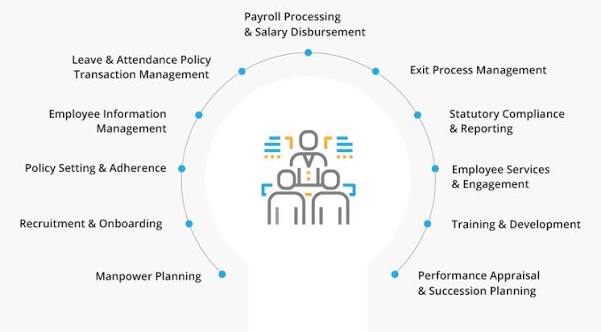
HR outsourcing (HRO) is the practice of partnering with an external provider to manage some or all human resource functions. These services may include:

  • Payroll processing
  • Employee benefits administration
  • Recruitment and onboarding
  • Compliance management
  • Performance management
  • Training and development
  • Risk and safety management

Some businesses work with Professional Employer Organizations (PEOs) such as ADP or Insperity, while others partner with specialized HR consulting firms depending on their needs.

Why HR Tasks Slow Down Business Leaders

As companies grow, HR responsibilities become increasingly complex. Leaders often spend hours dealing with:

  • Changing labor laws and compliance regulations
  • Employee disputes and documentation
  • Benefits negotiations
  • Payroll errors
  • Hiring challenges

Instead of working on strategic initiatives like market expansion, partnerships, or product development, executives are pulled into operational HR issues.

This creates a hidden cost: lost growth opportunity.

1. Frees Up Leadership Time for Strategic Growth

One of the biggest benefits of HR outsourcing is time.

When administrative HR tasks are handled externally, executives can focus on:

  • Revenue generation
  • Business development
  • Strategic planning
  • Customer acquisition
  • Innovation and product strategy

Time is a leader’s most valuable asset. Outsourcing HR ensures it’s invested where it produces the highest return.

2. Reduces Compliance Risk and Legal Exposure

Employment laws change frequently at federal, state, and local levels. Non-compliance can result in:

  • Costly fines
  • Lawsuits
  • Reputational damage

HR outsourcing providers stay updated on labor regulations, ensuring proper documentation, reporting, and employee classification. This proactive compliance management protects the business from unnecessary risk.

For growing companies entering new states or markets, this expertise is especially valuable.

3. Improves Talent Acquisition and Retention

Strong talent drives growth. However, recruiting, onboarding, and retention require specialized knowledge and systems.

HR outsourcing firms offer:

  • Structured hiring processes
  • Competitive compensation benchmarking
  • Benefits strategy optimization
  • Employee engagement programs

With expert HR support, companies can attract top talent and reduce turnover — two critical factors for scaling successfully.

4. Provides Scalable HR Infrastructure

As businesses expand, HR complexity increases. What works for a 10-person startup won’t work for a 100-person organization.

Outsourced HR providers offer scalable systems and technology platforms that grow with your company. For example, enterprise platforms from companies like Workday and BambooHR support workforce analytics, performance tracking, and workforce planning.

This infrastructure enables smarter, data-driven decision-making.

5. Enhances Cost Efficiency

Hiring a full in-house HR department can be expensive. Salaries, benefits, software, and training costs add up quickly.

HR outsourcing allows businesses to:

  • Convert fixed HR costs into predictable service fees
  • Eliminate expensive HR technology investments
  • Reduce costly hiring mistakes
  • Lower turnover expenses

For small and mid-sized businesses, outsourcing provides enterprise-level HR capabilities at a fraction of the cost.

6. Supports Culture and Employee Experience

Growth isn’t just about revenue — it’s about people.

A well-managed HR function helps build:

  • Clear performance expectations
  • Strong onboarding experiences
  • Professional development pathways
  • Fair and consistent policies

Outsourcing partners often bring best practices from multiple industries, helping leaders shape a high-performance culture without micromanaging HR operations.

When Should a Business Consider HR Outsourcing?

HR outsourcing is particularly beneficial when:

  • The company is growing rapidly
  • Leadership feels overwhelmed by HR compliance
  • Employee count exceeds 20–30 people
  • Expansion into new markets is planned
  • Turnover or hiring challenges are increasing

If HR tasks are distracting leadership from core business objectives, it’s time to evaluate outsourcing.

The Strategic Advantage of HR Outsourcing

High-growth companies understand a simple truth: leaders should focus on vision and strategy — not paperwork.

By outsourcing HR functions, businesses gain:

  • Expert compliance protection
  • Scalable systems
  • Improved hiring outcomes
  • Reduced administrative burden
  • More time for strategic growth initiatives

In a competitive landscape, the ability to focus on innovation, customers, and expansion can be the difference between stagnation and success.


HR outsourcing isn’t just about delegation — it’s about transformation. It shifts HR from a reactive administrative function to a strategic growth enabler.

For business leaders who want to maximize productivity, minimize risk, and accelerate growth, HR outsourcing provides a clear path forward.

If your leadership team is spending more time on HR paperwork than business strategy, it may be time to explore a smarter solution.

19Feb

How Outsourced HR Improves HR Response Time & Accuracy

In today’s fast-paced business environment, delays in HR responses and errors in payroll or compliance can cost companies more than just money — they impact employee trust and organizational efficiency. That’s where outsourced HR services step in as a strategic advantage.

If your internal HR team is overwhelmed with administrative tasks, outsourcing can significantly improve HR response time and accuracy, while allowing your business to scale confidently.

Why HR Response Time Matters More Than Ever

Employees expect quick answers regarding:

  • Payroll queries
  • Leave approvals
  • Policy clarifications
  • Benefits administration
  • Compliance documentation

Delayed responses create frustration and reduce productivity. An outsourced HR partner ensures that employee concerns are addressed promptly through structured processes, dedicated support teams, and technology-driven systems.

1. Dedicated HR Support Teams

When you outsource HR, you gain access to specialists who focus exclusively on:

  • Payroll management
  • Statutory compliance
  • Employee documentation
  • Attendance & leave management
  • Benefits processing

Unlike in-house HR teams juggling multiple responsibilities, outsourced HR providers operate with defined Service Level Agreements (SLAs), ensuring faster turnaround times.

Result: Reduced response delays and improved employee satisfaction.

2. Technology-Driven Accuracy

Professional HR outsourcing firms use advanced HRMS and payroll automation tools that:

  • Minimize manual data entry errors
  • Automate salary calculations
  • Track compliance deadlines
  • Generate real-time reports

Automation significantly reduces human error — especially in payroll processing and compliance filings — improving overall accuracy.

Result: Fewer payroll disputes and compliance risks.

3. Standardized Processes & Compliance Expertise

Outsourced HR partners implement standardized workflows that reduce inconsistencies in:

  • Leave calculations
  • Overtime policies
  • Tax deductions
  • Statutory reporting

Because compliance regulations frequently change, having experts dedicated to tracking updates ensures your company remains compliant at all times.

Result: Error-free documentation and timely regulatory submissions.

4. Faster Payroll Processing

Payroll errors damage employee trust. Outsourced HR teams use structured validation processes including:

  • Multi-level payroll checks
  • Automated attendance integration
  • Real-time reconciliation

This reduces discrepancies and ensures salaries are processed accurately and on time.

Result: Improved employee confidence and reduced HR workload.

5. Scalability Without Delays

As your company grows, internal HR teams often struggle to keep up with increased employee queries and documentation. Outsourcing provides scalable resources that adjust to your business needs without affecting response time or service quality.

Result: Consistent HR performance even during rapid expansion.

6. Improved Employee Experience

Quick and accurate HR responses directly impact employee engagement. When employees receive timely clarification on policies or salary matters, it builds trust and transparency.

Outsourced HR providers often offer:

  • Employee self-service portals
  • Ticket-based query management systems
  • Real-time status tracking

These systems improve visibility and accountability.

Key Benefits of Outsourced HR for Response Time & Accuracy

✔ Faster employee query resolution
✔ Reduced payroll errors
✔ Improved statutory compliance
✔ Standardized HR processes
✔ Technology-enabled tracking
✔ Better documentation management
✔ Enhanced employee satisfaction

Is Your Business Ready to Improve HR Efficiency?

If your HR team is overwhelmed with repetitive administrative tasks, outsourcing can transform your response time and operational accuracy. Instead of reacting to HR issues, your organization can proactively manage people operations with precision.

Outsourced HR is not just a cost-saving strategy — it’s a performance-enhancing solution that ensures your workforce receives consistent, reliable, and timely support.

Accurate HR processes and fast response times are no longer optional — they are essential for business credibility and employee retention. By partnering with an experienced HR outsourcing provider, businesses can streamline operations, reduce risks, and focus on strategic growth initiatives.