
By Afla KC , Digital Marketing Executive
Introduction
When an employee leaves an organisation, HR’s responsibility does not end with accepting the resignation.
The exit process involves several important steps, including notice-period management, handover, access removal, payroll closure, statutory updates, and the preparation of employment-related documents.
Among the most commonly discussed documents are the Relieving Letter, Experience Letter, and Full and Final Settlement documents.
Although these documents are often mentioned together, they serve different purposes.
A relieving letter confirms that an employee has been formally released from their responsibilities. An experience letter records the employee’s work experience with the organisation. Settlement documents, on the other hand, deal primarily with the financial and administrative closure of the employment relationship.
Understanding the difference is important for both HR teams and employees. It helps organisations maintain a professional exit process and ensures that employees receive the documentation they may need for future employment, background verification, financial records, or other purposes.
In this guide, we will explain what each document means, when it is issued, what information it generally contains, and how HR teams can manage the employee exit process more effectively.
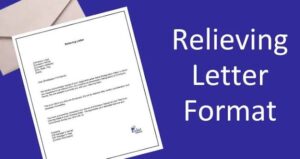
What Is a Relieving Letter?
A Relieving Letter i
s a document issued by an employer confirming that an employee has been formally relieved from their duties.
It generally indicates that the employee has completed the required exit formalities and that their employment with the organisation has ended.
A relieving letter may contai
n:
-
Employee name
-
Designation
-
Employee ID
-
Date of joining
-
Last working day
-
Confirmation of being relieved
-
Reference to resignation, where appropriate
-
Company details
-
Authorised signatory
The document primarily focuses on the employee’s release from employment.
Why Is a Relieving Letter Important?
A relieving letter can be useful when an employee joins another organisation.
A new employer may request it as part of their employment verification process.
It can help confirm t
hat:
-
The employee worked for the previous organisation
-
The employee has formally left
-
The previous employment relationship has ended
However, the exact docu
mentation requirements can vary between employers.
A relieving letter should therefore not be confused with a document that describes the employee’s complete work experience.
What Is an Experience Letter?
An Experience Letter is a document that confirms an employee’s work experience with an organisation.
It generally focuses on the employee’s employment history and may mention:
-
Employee name
-
Designation
-
Department
-
Date of joining
-
Last working date
-
Duration of employment
-
Nature of role or responsibilities
-
Overall employment confirmation
An experience letter is particularly useful when an employee applies for another job and needs to demonstrate previous professional experience.
Relieving Letter vs Experience Letter
The easiest way to understand the difference is:
Relieving Letter = Confirms the employee has been formally released.
Experience Letter = Confirms the employee’s work experience with the organisation.
Although some organisations combine both into a single document, they are conceptually different.
For example, an experience letter may explain that an employee worked as a Marketing Executive from a particular date to another date.
A relieving letter may state that the employee was formally relieved from their duties on their last working day after completing the required exit process.
What Are Settlement Documents?
Settlement documents relate to the financial and administrative closure of an employee’s employment.
The most commonly used term is Full and Final Settlement (FnF).
When an employee leaves, the organisation needs to calculate the amounts payable to and recoverable from the employee.
Depending on the employee’s circumstances and company policies, the settlement may include:
-
Salary payable
-
Leave encashment, where applicable
-
Incentives
-
Bonus, where applicable
-
Reimbursements
-
Deductions
-
Notice-period recovery, where applicable
-
Advances
-
Other recoveries
-
Statutory deductions
The exact components depend on the employment contract, company policies, applicable laws, and the employee’s circumstances.
What Is Full and Final Settlement?
Full and Final Settlement is the process of closing the employee’s financial account with the organisation after the employment relationship ends.
The payroll team generally reviews:
Earnings
-
Salary for the final period
-
Eligible incentives
-
Leave encashment
-
Reimbursements
-
Other applicable payments
Deductions
-
Notice-period recovery, where applicable
-
Salary advances
-
Loans
-
Asset recovery
-
Statutory deductions
-
Other authorised deductions
The final amount is then calculated and processed according to the applicable company procedure and legal requirements.
Why Is Full and Final Settlement Important?
A properly managed settlement helps both the employer and employee close the employment relationship clearly.
For employees, it provides clarity about:
-
Amount payable
-
Deductions
-
Leave balance
-
Pending reimbursements
-
Other financial components
For employers, it creates a documented record of the financial closure of employment.
A clear settlement process can also reduce misunderstandings and disputes after an employee leaves.
Are Relieving and Experience Letters the Same as Full and Final Settlement?
No.
These documents serve different purposes.
DocumentPrimary PurposeRelieving LetterConfirms formal release from employmentExperience LetterConfirms employment experience and tenureFull & Final SettlementCloses financial dues and recoveriesSalary/Tax DocumentsProvide payroll or tax-related information
They may be issued around the same time, but they are not interchangeable.
What Information Should an HR Exit File Contain?
A well-maintained employee exit file may include:
-
Resignation letter
-
Resignation acceptance
-
Notice-period details
-
Handover confirmation
-
Last working day confirmation
-
Exit interview records
-
Asset-return confirmation
-
Access clearance
-
Relieving letter
-
Experience letter
-
Full and Final Settlement statement
-
Salary records
-
Applicable statutory records
-
Other relevant exit documentation
The exact documents will depend on the organisation’s policies and applicable legal requirements.
The Employee Exit Process
A structured exit process can make documentation easier.
Step 1: Receive Resignation
HR formally records the employee’s resignation.
Step 2: Confirm Notice Period
The applicable notice period is reviewed based on the employment contract and company policy.
Step 3: Plan Handover
The employee completes the required knowledge and responsibility transfer.
Step 4: Complete Clearance
HR and relevant departments confirm the return of company assets and completion of required formalities.
Step 5: Confirm Last Working Day
The organisation records the employee’s official final working date.
Step 6: Process Payroll
The payroll team calculates salary and other payable or recoverable amounts.
Step 7: Complete Full and Final Settlement
The final settlement is prepared and processed.
Step 8: Issue Employment Documents
The organisation issues applicable relieving, experience, and other documents according to its process.
What Should a Relieving Letter Include?
A professional relieving letter should generally be concise.
It may include:
Employee name
Designation
Employee ID
Date of joining
Last working date
Confirmation of relief
Authorised signatory
The document does not normally need to contain a detailed description of the employee’s responsibilities.
That information is generally more appropriate for an experience or employment certificate.
What Should an Experience Letter Include?
An experience letter may provide slightly more detail.
It can mention:
-
Employee’s full name
-
Position held
-
Department
-
Employment period
-
Key responsibilities, where appropriate
-
General statement regarding employment
-
Date of issue
-
Company details
-
Authorised signatory
Some organisations issue a simple experience certificate, while others provide a more detailed employment certificate.
What Should a Full and Final Statement Include?
A settlement statement should clearly show the relevant financial components.
It may include:
Earnings
-
Salary
-
Leave encashment
-
Incentives
-
Bonus
-
Reimbursements
Deductions
-
Statutory deductions
-
Notice-period recovery
-
Advances
-
Loans
-
Other authorised recoveries
Final Amount
The statement should clearly show the net amount payable or recoverable after applicable calculations.
Employees should be able to understand how the final amount was calculated.
When Should These Documents Be Issued?
There is no single universal timeline that applies identically to every organisation and situation.
The timing may depend on:
-
Company policy
-
Employment contract
-
Applicable labour laws
-
Completion of clearance
-
Payroll processing
-
Full-and-final settlement
-
Statutory requirements
HR teams should establish a clear internal process and communicate expected timelines to employees.
Avoid leaving employees uncertain about when they will receive their exit documentation.
Common HR Mistakes During Employee Exit
1. Treating All Documents as the Same
Relieving letters, experience letters, and settlement statements serve different purposes.
2. Incomplete Exit Records
Missing resignation acceptance, clearance, or settlement documentation can create future complications.
3. Delayed Communication
Employees should understand the exit process and expected timelines.
4. Incorrect Final Payroll
Salary, leave, incentives, recoveries, and deductions should be reviewed carefully.
5. Poor Documentation
Important exit records should be stored securely and systematically.
6. Inconsistent Processes
Different employees should not receive completely different exit treatment without a valid reason.
Common Employee Questions
Can an Experience Letter Replace a Relieving Letter?
Not necessarily.
An experience letter confirms employment experience, while a relieving letter generally confirms formal release from employment.
Some organisations may combine the two into a single document, but employees should check what documentation their next employer requires.
Is a Full and Final Settlement the Same as a Relieving Letter?
No.
Full and Final Settlement deals with financial closure. A relieving letter deals with the employee’s formal release from employment.
Can an Employee Request These Documents?
Employees can request relevant employment documents from their employer, subject to the organisation’s processes and applicable requirements.
Does Every Company Use Separate Documents?
No.
Some organisations issue separate relieving and experience letters, while others provide a combined employment or relieving-and-experience letter.
How HRMS Can Simplify Employee Exit Management
Employee exits involve multiple departments and several documents.
An HRMS can help organisations manage:
-
Resignation records
-
Notice periods
-
Exit approvals
-
Clearance
-
Asset tracking
-
Leave balances
-
Payroll calculations
-
Full-and-final settlement
-
Document generation
-
Employee records
A structured digital workflow reduces manual follow-ups and makes it easier for HR teams to track the status of each employee’s exit.
Employee Exit Checklist for HR Teams
Before closing an employee’s file, HR teams can check:
✓ Resignation received
✓ Resignation accepted
✓ Notice period confirmed
✓ Handover completed
✓ Company assets returned
✓ Access removed
✓ Leave balance verified
✓ Final salary calculated
✓ Statutory deductions reviewed
✓ Full and Final Settlement completed
✓ Relieving Letter prepared
✓ Experience Letter prepared
✓ Other applicable documents issued
✓ Exit records securely maintained
This checklist can help create a consistent employee exit process.
Why a Professional Exit Process Matters
An employee’s final experience with a company can influence how they remember the organisation.
A well-managed exit demonstrates professionalism.
Even when an employee is leaving for another opportunity, the organisation can maintain a positive relationship through:
-
Clear communication
-
Timely documentation
-
Accurate settlement
-
Respectful exit discussions
-
Proper handover
-
Professional closure
Former employees can also become future clients, business partners, referrals, or even potential rehires.
Therefore, employee offboarding should be treated as an important part of the overall employee experience.
Conclusion
Relieving Letters, Experience Letters, and Full and Final Settlement documents are all important parts of employee offboarding, but they serve different purposes.
A Relieving Letter primarily confirms that an employee has been formally released from their employment.
An Experience Letter records the employee’s professional experience and period of employment.
Full and Final Settlement documents deal with the financial closure of the employment relationship, including applicable earnings, deductions, recoveries, and other settlement components.
For HR teams, understanding these differences helps create a more structured and transparent exit process. It also reduces confusion for employees who may need these documents when joining a new organisation.
The best approach is to establish a standard exit checklist, clearly assign responsibilities, maintain accurate payroll records, and communicate timelines to employees. Using HRMS and payroll systems can further simplify document management and reduce manual errors.
Employee exits are a normal part of business operations. What matters is how professionally the organisation manages them.
A smooth exit process protects the company’s records, provides employees with appropriate documentation, and ensures that the employment relationship ends with clarity and professionalism.
A good employee journey should include a good beginning—and a professional ending.