
18May

“Why Informal HR Systems Fail”

AARATHY N A
Digital Marketing Executive
LevelUp HR Solutions

In the early stages of a business, informal HR systems often feel efficient. Conversations replace contracts, trust replaces policies, and decisions are made quickly without paperwork. For many SMEs, this flexibility appears to be a strength.

However, as organizations grow, what once felt agile begins to create confusion, inconsistency, and risk. The absence of proper documentation is not just an administrative gap—it is a structural weakness that can lead to legal disputes, employee dissatisfaction, and operational inefficiencies.

This article explores why informal HR systems fail over time and how proper documentation transforms HR from reactive firefighting into a stable, scalable function.

What Are Informal HR Systems?

Informal HR systems are people management practices that rely on:

  • Verbal agreements instead of written contracts
  • Unstructured policies or inconsistent rule enforcement
  • Ad hoc decision-making without documented processes
  • Limited or no record-keeping

While these systems may work in very small teams, they become increasingly unsustainable as headcount, complexity, and compliance requirements grow.

The Core Problem: Lack of Documentation

At the heart of most HR failures is a simple issue—nothing is clearly recorded.

Without documentation:

  • Expectations are unclear
  • Decisions cannot be justified
  • Policies cannot be enforced consistently
  • Legal protection is minimal

Documentation is not bureaucracy—it is the backbone of accountability and clarity.

Key Reasons Informal HR Systems Fail

1. Ambiguity Leads to Employee Disputes

When roles, responsibilities, and compensation structures are not formally documented, misunderstandings are inevitable.

Common Scenarios:

  • “This wasn’t part of my role.”
  • “I was promised a salary revision.”
  • “My leave was approved verbally.”

Without written records, these disputes become difficult to resolve fairly.

2. Inconsistent Decision-Making

In informal setups, decisions often depend on who is managing or the situation at hand.

Impact:

  • Two employees may receive different treatment for similar issues
  • Promotions and salary hikes may appear biased
  • Disciplinary actions may seem arbitrary

This inconsistency erodes trust and creates a perception of favoritism.

3. Weak Legal Defensibility

In the absence of documented policies and employee records, organizations have limited protection in legal or compliance disputes.

High-Risk Areas:

  • Termination without documented cause
  • Lack of employment contracts
  • Missing attendance or wage records
  • No formal grievance mechanisms

In such cases, the burden of proof often falls on the employer—and without documentation, that defense is weak.

4. Poor Employee Experience

Employees today expect clarity and professionalism.

Without Documentation:

  • Policies feel unclear or change frequently
  • Leave and benefits are confusing
  • Career growth paths are undefined

This leads to frustration, reduced engagement, and higher attrition.

5. Scaling Becomes Chaotic

What works for a team of 5 rarely works for a team of 50.

Scaling Challenges:

  • New hires receive inconsistent onboarding
  • Managers interpret policies differently
  • Institutional knowledge remains undocumented

The result is operational chaos and dependency on a few individuals.

6. Compliance Gaps and Penalties

Labour law compliance requires documented proof—not verbal assurances.

Examples:

  • Missing registers (attendance, wages, leave)
  • No documented wage structures
  • Absence of statutory policies

Even if a company is “doing the right thing,” failure to document it can still result in penalties.

7. Knowledge Loss and Dependency Risks

In informal systems, critical information often resides with specific individuals.

Risk:

  • If a key employee leaves, processes collapse
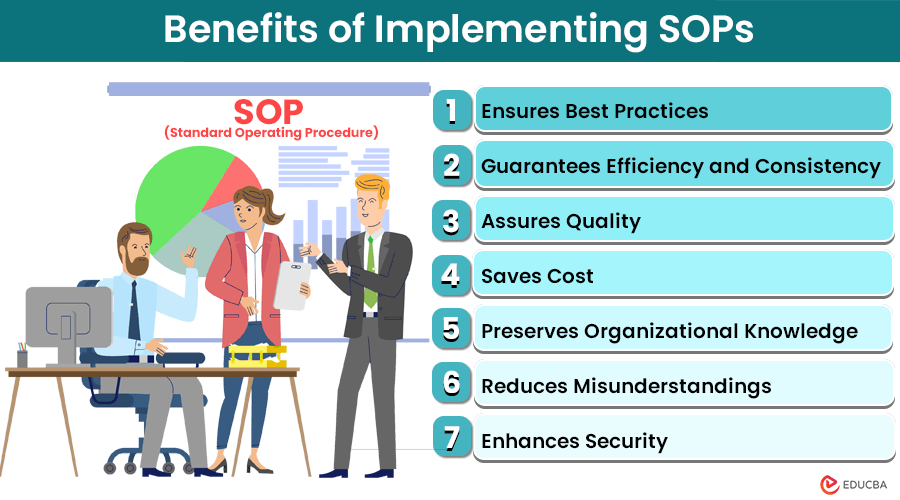
  • No standard operating procedures (SOPs) to guide replacements
  • Repeated errors due to lack of historical records

Documentation ensures continuity and reduces dependency on individuals.

What Proper HR Documentation Should Include

To move from informal to structured HR systems, SMEs should prioritize the following:

1. Employee-Level Documentation
  • Appointment letters
  • Employment contracts
  • Compensation structures
  • KYC documents
2. Policy Framework
  • Leave policy
  • Attendance and working hours policy
  • Code of conduct
  • POSH policy
3. Process Documentation
  • Hiring and onboarding procedures
  • Performance management systems
  • Disciplinary and termination processes
  • Grievance redressal mechanisms
4. Statutory Records
  • Attendance registers
  • Wage and payroll records
  • Leave and overtime logs
  • Compliance filings

Transitioning from Informal to Structured HR

Shifting to a documented HR system does not require overnight transformation. A phased approach works best.

Step 1: Audit Existing Practices Identify what is currently being followed informally.

Step 2: Prioritize High-Risk Areas Start with contracts, payroll, and compliance documentation.

Step 3: Standardize Policies Create clear, written policies and communicate them to employees.

Step 4: Digitize Records Use HR software or centralized systems to maintain documentation.

Step 5: Train Managers Ensure consistent implementation across teams.

Common Misconception: Documentation Reduces Flexibility

Many founders believe that documentation creates rigidity.

In reality:

  • Documentation creates clarity, not restriction
  • Well-defined policies reduce confusion and decision fatigue
  • Structured systems allow controlled flexibility

The goal is not to eliminate flexibility—but to ensure it operates within a consistent framework.

Final Thought: Documentation Is Organizational Memory

Informal HR systems rely on memory, assumptions, and goodwill. Structured HR systems rely on clarity, consistency, and accountability.

As businesses grow, memory fails—but documentation scales.

In 2026, organizations that invest in proper HR documentation will:

  • Resolve conflicts faster
  • Stay compliant with evolving regulations
  • Build stronger employee trust
  • Scale without operational breakdowns

The difference between a struggling SME and a scalable organization often comes down to one thing:

What is written down—and what is not.

If our assessment uncovers areas that require attention, we can work with you to define a clear, practical roadmap for resolution. Alternatively, if you prefer to implement the recommendations internally, you will have a structured set of insights to guide your actions.

18May

“2026 Labour Laws & Small Businesses”


12May

Is Your Company Ready for a Labour Inspection in 2026?

By, Rose Maria Francis

Digital Marketing Executive,

Level Up HR Solutions

Most businesses do not fail labour inspections because they intentionally break the law. They fail because they are unprepared.

A missing register. An outdated policy. An incorrect wage calculation.

Small gaps  with large consequences.

With increasing digitisation and stricter enforcement, labour inspections in 2026 are not just procedural — they are precise, data-driven, and documentation-focused.

This article outlines what inspectors typically look for, where SMEs go wrong, and how to ensure your business is fully prepared.

What Has Changed in Labour Inspections

Labour inspections today are no longer random, paper-based checks.

They are:

  • Data-driven — triggered by filings, complaints, or inconsistencies
  • Digitally supported — cross-verification with PF, ESI, and payroll records
  • Documentation-heavy — emphasis on records, not explanations

The expectation is simple: If it is not documented, it does not exist.

What Inspectors Typically Check

While requirements vary by establishment, most inspections focus on three areas:

1. Employee Documentation
  • Appointment letters issued and signed
  • Employee identity and KYC records
  • Attendance and leave records
  • Wage structure and salary breakup

Risk area: Missing or unsigned documents.

2. Payroll & Statutory Compliance
  • Salary payments aligned with minimum wage laws
  • PF and ESI registration and contributions
  • TDS deductions and filings
  • Bonus calculations and payments

Risk area: Incorrect calculations or delayed filings.

3. Registers & Records
  • Statutory registers (wages, attendance, overtime, etc.)
  • Leave records and holiday lists
  • Inspection registers
  • Digital or physical record maintenance

Risk area: Incomplete or outdated registers.

4. Policies & Workplace Compliance
  • Leave policy
  • Code of conduct
  • POSH compliance (Internal Committee, policy, records)
  • Working hours and overtime compliance

Risk area: Policies exist but are not implemented or documented.

Common Mistakes SMEs Make

1. “We’ll fix it if inspection happens” mindset Compliance cannot be created overnight.

2. Partial documentation Some employees fully documented, others not.

3. Payroll errors Incorrect PF, ESI, or bonus calculations.

4. No audit trail No record of updates, approvals, or changes.

5. Ignoring digital compliance Mismatch between filed data and internal records.

Manual vs Digital Readiness

Many SMEs still rely on:

  • Excel payroll
  • Physical registers
  • Scattered employee files

This creates risk during inspections.

Digitally structured systems provide:

  • Instant access to records
  • Accurate calculations
  • Audit-ready documentation
  • Consistency across all employees

The goal is not just digitisation — but organised, verifiable data.

A Practical Labour Inspection Checklist

If your company is inspection-ready, you should be able to confidently answer “yes” to all of the following:

  • Are all employee files complete and updated?
  • Are appointment letters issued and signed?
  • Are payroll records accurate and consistent with filings?
  • Are PF, ESI, and TDS properly calculated and filed?
  • Are statutory registers maintained and updated?
  • Are policies documented and acknowledged by employees?
  • Is your data consistent across systems and filings?

If the answer to any of these is “no” — there is a gap.

How to Prepare — The Right Approach

1. Conduct an internal HR audit Identify gaps before an inspector does.

2. Standardise documentation Ensure consistency across all employees.

3. Digitise with structure Centralised, accessible, and secure records.

4. Align payroll with compliance No manual approximations — only accurate calculations.

5. Train your HR/admin team Awareness is as important as documentation.

6. Review regularly Compliance is ongoing, not one-time.

The Cost of Being Unprepared

Labour inspections do not just result in penalties.

They can lead to:

  • Financial liabilities
  • Legal complications
  • Operational disruption
  • Reputation damage

In contrast, a well-prepared company handles inspections with confidence and clarity.

Closing Thought

Labour inspection readiness is not about fear. It is about discipline.

The businesses that pass inspections smoothly are not the ones scrambling at the last moment — they are the ones that treat compliance as a continuous process.

Because when everything is documented, updated, and aligned — inspection is no longer a risk. It is just a formality.

At Level UP HR Solutions, we help businesses audit, structure, and manage HR compliance systems to ensure they are always inspection-ready.

24Apr

Build an Employee Handbook from Scratch (SME Guide)

Most small businesses operate on unwritten rules. At first, this works well. Everyone understands how things function—until something changes.

For example, a new employee joins. Or a senior team member leaves. Sometimes, a disagreement arises. At that point, there is nothing documented to rely on.

That’s when most founders realise they should have created an employee handbook much earlier.

The good news is that building one is simpler than it sounds. You don’t need a legal team or a long document. Instead, you need clarity. Specifically, you must define what your business expects, what employees can rely on, and how the relationship works in practice.

So, this guide will help you get started.

What Is an Employee Handbook—and What Is It Not?

An employee handbook is a document that explains your company’s policies, expectations, and procedures. In simple terms, it acts as a go-to guide for employees when they have questions.

For instance, they may need clarity on leave, working hours, behaviour, or grievances.

However, it is equally important to understand what it is not.

First, it is not a legal contract. It does not replace employment agreements or appointment letters. Instead, it supports them by explaining day-to-day operations.

Second, it is not a one-time document. In fact, an outdated handbook can create more problems than having none. As your business grows, your policies must also change.

Finally, it is not optional for growing businesses. Once your team grows beyond 10 employees, informal systems start to fail. As a result, inconsistencies appear—and that often leads to disputes.

Why Most SMEs Avoid It—and Why That Must Change

Many founders believe they are too small to need a handbook. On the other hand, some feel their culture is strong enough without written rules.

While these views are common, they rarely hold up in real situations.

For example, issues arise during disciplinary actions. Similarly, problems occur when an employee challenges a termination. In some cases, inspectors may ask for documentation. In all these situations, informal practices fall short.

Therefore, relying only on culture is risky.

Instead, a well-written handbook strengthens your culture. It turns values into clear, fair, and consistent actions.

What Your Employee Handbook Must Cover

Now, let’s look at a practical structure. While not every section applies to all businesses, this framework covers the essentials for most SMEs in India.

1. Welcome and Company Overview

To begin with, this section sets the tone.

Include a short message from the founder or CEO. Also, explain your mission, values, and what your company does.

Keep it simple. More importantly, keep it honest. This is not marketing content. Instead, it helps employees understand your purpose and workplace culture.

2. Employment Basics

Next, outline the key terms employees should know.

For example:

  • Employment types (full-time, part-time, contract, probation)
  • Probation and confirmation process
  • Working hours and flexibility
  • Attendance expectations
  • Dress code (if needed)
  • Remote work rules

Above all, avoid vague language. Instead of saying “reasonable hours,” clearly define them.

3. Compensation and Benefits

This section explains how pay works.

You don’t need to include salaries. However, you should explain the process clearly.

For instance:

  • Payroll cycle and salary date
  • Payslip process
  • Statutory deductions (PF, ESI, PT, TDS)
  • Bonus or variable pay
  • Reimbursements
  • Additional benefits

As a result, employees will have fewer doubts and questions.

4. Leave Policy

Leave policies often create confusion. Therefore, clarity is essential.

Make sure to include:

  • Casual leave
  • Sick leave
  • Earned leave
  • Maternity and paternity leave
  • Public holidays
  • Leave application process
  • Leave without pay

In addition, ensure compliance with Kerala laws and central regulations.

5. Code of Conduct

This section explains expected behaviour.

It should cover:

  • Workplace behaviour
  • Confidentiality
  • Conflict of interest
  • Use of company assets
  • Social media rules
  • Moonlighting policy
  • Anti-bribery guidelines

Rather than sounding strict, this section should reflect your company’s values.

6. POSH Policy (Anti-Sexual Harassment)

This section is mandatory for companies with 10 or more employees.

It must include:

  • Definition of sexual harassment
  • Zero-tolerance policy
  • Internal Committee details
  • Complaint process
  • Confidentiality rules
  • Protection from retaliation

Most importantly, communicate this clearly. Do not treat it as a formality.

7. Disciplinary Policy

A clear process ensures fairness.

Include:

  • Types of misconduct
  • Step-by-step process
  • Employee rights
  • Gross misconduct definition
  • Roles of HR and management

This way, both the company and employees stay protected.

8. Grievance Redressal

Employees should always have a way to raise concerns.

Therefore, include:

  • What counts as a grievance
  • How to report it
  • Investigation steps
  • Resolution timelines
  • Escalation options
  • Protection from retaliation

Without this, small issues can grow into major problems.

9. Separation Policy

Finally, explain what happens when someone leaves.

Include:

  • Notice period
  • Resignation steps
  • Exit interviews
  • Final settlement timeline
  • Return of assets
  • Post-employment obligations

As a result, exits become smoother and more professional.

How to Implement It Effectively

Creating the handbook is only the first step. Execution matters just as much.

First, get it reviewed by an expert in Indian labour laws.

Next, share it formally with all employees. Make sure they understand it and acknowledge it.

Then, update it regularly. Assign someone to manage this process.

Finally, keep it accessible. Employees should always know where to find it.

Final Thought

Not all successful businesses offer the highest salaries or best perks.

However, the most stable ones share one thing in common: clarity.

In other words, they define expectations, document policies, and apply rules consistently.

So, an employee handbook is not bureaucracy. Instead, it is the foundation of a fair and scalable workplace.

19Feb

How Outsourced HR Improves HR Response Time & Accuracy

In today’s fast-paced business environment, delays in HR responses and errors in payroll or compliance can cost companies more than just money — they impact employee trust and organizational efficiency. That’s where outsourced HR services step in as a strategic advantage.

If your internal HR team is overwhelmed with administrative tasks, outsourcing can significantly improve HR response time and accuracy, while allowing your business to scale confidently.

Why HR Response Time Matters More Than Ever

Employees expect quick answers regarding:

  • Payroll queries
  • Leave approvals
  • Policy clarifications
  • Benefits administration
  • Compliance documentation

Delayed responses create frustration and reduce productivity. An outsourced HR partner ensures that employee concerns are addressed promptly through structured processes, dedicated support teams, and technology-driven systems.

1. Dedicated HR Support Teams

When you outsource HR, you gain access to specialists who focus exclusively on:

  • Payroll management
  • Statutory compliance
  • Employee documentation
  • Attendance & leave management
  • Benefits processing

Unlike in-house HR teams juggling multiple responsibilities, outsourced HR providers operate with defined Service Level Agreements (SLAs), ensuring faster turnaround times.

Result: Reduced response delays and improved employee satisfaction.

2. Technology-Driven Accuracy

Professional HR outsourcing firms use advanced HRMS and payroll automation tools that:

  • Minimize manual data entry errors
  • Automate salary calculations
  • Track compliance deadlines
  • Generate real-time reports

Automation significantly reduces human error — especially in payroll processing and compliance filings — improving overall accuracy.

Result: Fewer payroll disputes and compliance risks.

3. Standardized Processes & Compliance Expertise

Outsourced HR partners implement standardized workflows that reduce inconsistencies in:

  • Leave calculations
  • Overtime policies
  • Tax deductions
  • Statutory reporting

Because compliance regulations frequently change, having experts dedicated to tracking updates ensures your company remains compliant at all times.

Result: Error-free documentation and timely regulatory submissions.

4. Faster Payroll Processing

Payroll errors damage employee trust. Outsourced HR teams use structured validation processes including:

  • Multi-level payroll checks
  • Automated attendance integration
  • Real-time reconciliation

This reduces discrepancies and ensures salaries are processed accurately and on time.

Result: Improved employee confidence and reduced HR workload.

5. Scalability Without Delays

As your company grows, internal HR teams often struggle to keep up with increased employee queries and documentation. Outsourcing provides scalable resources that adjust to your business needs without affecting response time or service quality.

Result: Consistent HR performance even during rapid expansion.

6. Improved Employee Experience

Quick and accurate HR responses directly impact employee engagement. When employees receive timely clarification on policies or salary matters, it builds trust and transparency.

Outsourced HR providers often offer:

  • Employee self-service portals
  • Ticket-based query management systems
  • Real-time status tracking

These systems improve visibility and accountability.

Key Benefits of Outsourced HR for Response Time & Accuracy

✔ Faster employee query resolution
✔ Reduced payroll errors
✔ Improved statutory compliance
✔ Standardized HR processes
✔ Technology-enabled tracking
✔ Better documentation management
✔ Enhanced employee satisfaction

Is Your Business Ready to Improve HR Efficiency?

If your HR team is overwhelmed with repetitive administrative tasks, outsourcing can transform your response time and operational accuracy. Instead of reacting to HR issues, your organization can proactively manage people operations with precision.

Outsourced HR is not just a cost-saving strategy — it’s a performance-enhancing solution that ensures your workforce receives consistent, reliable, and timely support.

Accurate HR processes and fast response times are no longer optional — they are essential for business credibility and employee retention. By partnering with an experienced HR outsourcing provider, businesses can streamline operations, reduce risks, and focus on strategic growth initiatives.