
19Jun

The Role of HR in Developing Future Leaders

By Nandana GS

Digital Marketing Executive

It’s not just a pipeline. It’s a survival strategy.

“Who’s ready to step into my role in 3 years?” Most leaders can’t answer that. HR can change that.

In 2026, the gap between available leadership roles and truly ready internal candidates is widening. Why? Because traditional leadership development is broken. It’s too slow, too theoretical, and too disconnected from real business chaos.

HR is no longer just the “training department”. You are the architect of leadership velocity — the speed at which an organisation turns high-potential employees into high-impact leaders.

Here’s how HR can own future-leader development without wasting millions on fluffy programmes.

1. Stop Identifying “High Potentials” by Gut Feel

Most HiPo programmes are just popularity contests with spreadsheets.

What to do instead: Use skills-based + behavioural data – not just manager nomination.

  • Look for learning agility (how fast someone adapts after failure)
  • Look for network centrality (do others naturally seek them out for help?)
  • Look for coaching behaviour (do they make their peers better?)

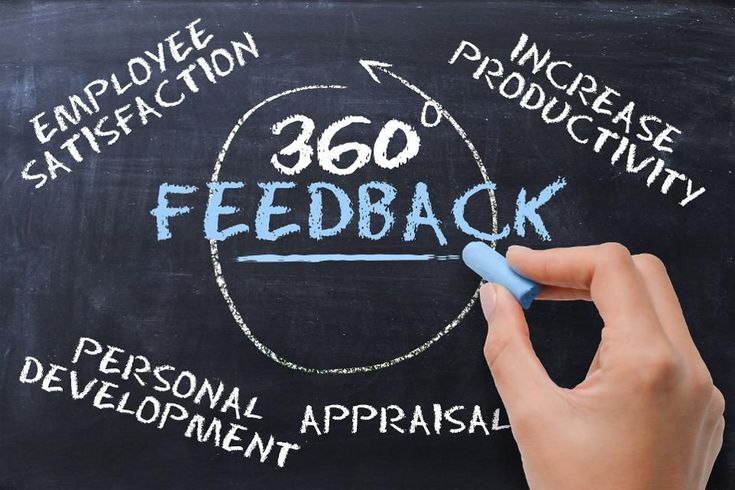
👉 HR action: Run a lightweight 360° “agility audit” twice a year. Identify 3–5 people who lift team performance, not just individual results.

2. Kill the “Leadership Training Course” (Mostly)

A 2-day offsite on “Situational Leadership” won’t survive a real Friday afternoon crisis. So instead of an annual leadership workshop, run monthly 90‑minute “live case” sessions using a real current problem from your business. Replace generic case studies with rotating shadowing of C‑suite decisions so future leaders see messy reality, not polished theory. And swap certificates for small‑stakes stretch assignments – like leading a cross‑functional fix in four weeks. HR’s real job is to create low‑risk, high‑feedback leadership experiences, not more certificates.

3. Make Managers the Engine, Not the Obstacle

Most managers hoard development because they fear losing their best people.

Fix the incentive:

  • Tie manager bonuses to how many internal promotions happen from their team.
  • Require every director to name two successors before they can apply for a new role themselves.
  • Run “reverse mentoring” – future leaders teach current leaders about AI, Gen Z expectations, or new tools.

✅ HR’s role: Design the rules of the game so developing leaders becomes a business KPI, not a nice-to-have.

4. Use AI to Scale, Not Replace, Your Coaching

You can’t personally coach 200 future leaders. But you can augment yourself.

Try this in 2026:

  • Use an AI coach (like a custom GPT) for daily “What would a good leader do here?” scenarios.
  • Analyse meeting transcripts (anonymised) to spot who is asking questions, who is facilitating, and and who is interrupting.
  • Give future leaders real‑time nudges – “You haven’t spoken in the last three meetings. Try one clarifying question today.”

💡 HR’s new skill: Curating AI‑driven developmental feedback that feels human.

5. Measure What Matters – Retention of Prepared Leaders

It’s not enough to say “we trained 50 people.”

The only two metrics that matter:

  1. Internal promotion rate for your HiPo group (vs. external hires for similar roles)
  2. Voluntary turnover of future leaders – if they leave, you failed.

Build a simple dashboard:

“Of the people we tagged as future leaders 12 months ago, how many are now in a bigger role, and how many quit?”

If the answer hurts, you know where to start.

A Real‑World Example (Short Case)

Problem: A mid‑sized fintech kept losing team leads to competitors after 18 months. HR fix (minimal budget):

  • Cancelled the annual leadership offsite.
  • Created “90‑day sprints” – each future leader picked a real business problem (e.g., reducing onboarding time) and presented a solution to the CEO.
  • Paired each with a peer coach, not a senior mentor.

Result in 9 months: 4 internal promotions, 0 attrition from the HiPo group, and two new products accelerated because of those sprints.

Final Word for HR Pros

You don’t need a bigger budget. You need better design.

Your job is to turn leadership development from a calendar event into a daily habit – where every project, every crisis, and every meeting becomes a leadership classroom.

And when a CEO asks, “Where will our next great leader come from?” – your answer should be confident, data‑backed, and immediate.

How Level Up HR Solutions Can Help

At Level Up HR Solutions, comprehensive HR documentation support is provided to ensure your business remains compliant, organised, and audit-ready.

✔ Policy drafting ✔ Employee file structuring ✔ Compliance documentation ✔ Payroll alignment

17Jun

Managing Remote Burnout – What HR Actually Can Do

By Nandana GS

Digital Marketing Executive

Remote work has become permanent for millions of employees. Alongside its benefits – flexibility, reduced commute, and autonomy – a silent crisis has grown: remote burnout.

Unlike office-based burnout, remote burnout is harder to spot. There are no visible signs of exhaustion at a desk. No commuter fatigue to explain low energy. No casual water-cooler conversations to reveal struggle. Employees suffer alone, in silence, often while appearing productive.

HR teams have responded with wellness webinars, mental health days, and meditation apps. These interventions, while well-intentioned, rarely solve the root causes. This article outlines what HR can actually do – not what sounds good in a policy document – to prevent and manage remote burnout.

Before prescribing solutions, HR must understand the specific drivers of remote burnout. Research from Stanford, Microsoft, and multiple workplace studies identifies five primary causes.

THE REAL DRIVERS OF REMOTE BURNOUT

The first driver is boundary loss, where work and home life blend into a continuous, undefined day. With no physical commute, there is no psychological transition between work and rest. The second driver is digital exhaust – constant video calls, Slack messages, and email notifications create cognitive overload, and back‑to‑back virtual meetings leave no recovery time. The third driver is over-surveillance: micromanagement via tracking software, frequent check-ins, and performance monitoring increase anxiety and reduce employee autonomy. The fourth driver is lack of social recovery – informal social interactions such as lunch chats and hallway conversations that normally replenish energy are absent, leaving employees feeling isolated. The fifth and final driver is unpredictable workloads. Without visible cues of others working, employees tend to overwork to prove their productivity, causing work to expand into evenings and weekends.

Generic wellness programmes do not address these structural drivers. HR must act on systems, not symptoms.

WHAT HR ACTUALLY CAN DO: 6 EVIDENCE-BASED ACTIONS

The following interventions are proven to reduce remote burnout. Each is within HR’s direct control or influence.

1. Establish and Enforce Work Hour Boundaries

Remote burnout often starts when employees never truly stop working. HR can create structural boundaries that protect personal time.

Specific actions:

  • Implement a “no internal meetings after 4 PM” policy (or similar cutoff) to protect focused work and family time.
  • Require that all calendar invitations include a 5-10 minute buffer between meetings. Enforce this in scheduling tools.
  • Prohibit managers from sending Slack or email messages outside core working hours, unless marked as urgent. Model this behaviour from the top.
  • Add a “right to disconnect” clause to the employee handbook, explicitly stating that employees are not expected to respond after hours.

Why this works: Boundaries reduce cognitive load and restore recovery time. Microsoft’s 2022 Work Trend Index found that employees with clear work-hour boundaries reported 42% lower burnout risk.

2. Audit and Restructure Meeting Load

Most remote workers spend excessive time in video calls. The default “put it on the calendar” culture has exploded meeting hours.

Specific actions:

  • Run a meeting audit across teams. Calculate total meeting hours per employee per week. Identify teams in the top 25%.
  • Implement a “no-meeting Wednesday” or a 4-hour daily focus block across the organisation.
  • Require that every recurring meeting be re-approved quarterly with a written agenda and a clear decision/output.
  • Replace status-update meetings with asynchronous check-ins (e.g., a shared document or Loom video).

How to measure: Track average meeting hours per employee month over month. Reduce by 20% as a first target.

Why this works: Each unnecessary meeting is a burnout accelerant. Research from the University of California, Irvine, shows that it takes 23 minutes to refocus after an interruption. Remote workers face dozens of such interruptions daily.

3. Train Managers to Spot Remote Burnout (Not Productivity)

Managers are the first line of defence, but most have been trained to monitor output, not wellbeing. Remote burnout presents differently.

Specific training topics for managers:

  • Changes in communication patterns (slower responses, fewer proactive updates)
  • Decline in meeting participation (video off, minimal speaking)
  • Increased errors or missed deadlines (subtle, not dramatic)
  • Expressions of exhaustion or cynicism in 1:1 conversations

Manager protocols:

  • Weekly 15-minute check-ins that include one specific question: “On a scale of 1-10, how drained do you feel right now?” Track trends.
  • If an employee scores 3 or below for two consecutive weeks, require a workload review and reduction within 5 days.
  • Managers must complete a remote burnout recognition and response module – not optional.

Why this works: Gallup data shows that employees whose managers notice early signs of burnout are 67% less likely to take extended leave or quit.

4. Redesign Asynchronous Communication Norms

The expectation of immediate responses fuels digital exhaust. HR can set organisation-wide norms for asynchronous work.

Specific policies:

  • Declare that Slack/Teams messages are not urgent unless marked with a specific emoji (e.g., :red-flag:). Default response time is 4 hours.
  • Ban the use of “@here” or “@channel” for non-critical messages.
  • Require that all requests longer than two sentences be sent as an email or a documented task, not a chat message.
  • Implement communication-free blocks (e.g., 10 AM – 12 PM daily) where internal messaging is muted.

Why this works: Asynchronous work reduces the constant context-switching that drives mental fatigue. A Harvard Business Review study found that asynchronous-first teams had 35% lower burnout scores.

5. Measure Burnout Directly – Not Through Engagement Surveys

Standard engagement surveys miss burnout because burnout is not the opposite of engagement. Employees can be engaged and burnt out simultaneously.

Specific measurement approach: Add three validated questions to your monthly or quarterly pulse survey:

  1. “In the last two weeks, how often have you felt exhausted at the end of your workday?” (Never / Sometimes / Often / Always)
  2. “I have enough time to recover between workdays.” (Agree/Disagree)
  3. “My workload is sustainable.” (Agree/Disagree)

Track the percentage of employees answering “Often/Always” or “Disagree”. Set a maximum acceptable threshold (e.g., below 25%). When exceeded, trigger a manager-level review.

Why this works: Direct measurement removes guesswork. It tells you which teams, managers, or roles are most at risk.

6. OFFER TARGETED RECOVERY INTERVENTIONS – NOT GENERIC PERKS

Free yoga subscriptions and mental health days are not enough. Recovery interventions must be targeted to the specific drivers.

For boundary loss, the targeted intervention is a company-wide “shutdown ritual” – the last 15 minutes of every Friday where employees close tabs, write their top three tasks for the following week, and log off completely. For digital exhaust, organisations should implement camera-off Wednesdays, meaning all internal meetings are audio-only to reduce video fatigue. When over-surveillance is the driver, the solution is to remove tracking software entirely and replace it with outcome-based goals combined with weekly check-ins. To address lack of social recovery, companies can fund a monthly no-agenda virtual coffee roulette – random pairings of employees, no work talk, for 30 minutes. Finally, for unpredictable workload, implement a workload dashboard where employees indicate their current capacity as green, yellow, or red, and managers must respect red days without question.

What to avoid: one-off webinars, passive wellness content, and opt-in programmes with low participation. These signal awareness but do not reduce burnout.

MEASURING SUCCESS: BURNOUT METRICS FOR HR

HR must track the impact of these interventions using specific monthly metrics. The first metric is the percentage of employees reporting that they feel “often exhausted”. The target for this metric is below 20 per cent. If the result is off target, HR should audit meeting load and response-time expectations across the organisation.

The second metric is the average number of meeting hours per employee per week, with a target of fewer than 15 hours. If this target is exceeded, the organisation should implement a meeting cap per role. The third metric is voluntary turnover among high performers that is attributed to workload. The annual target is less than ten per cent. If turnover exceeds this level, HR must review manager workload distribution for the affected teams.

The fourth metric is sick days taken that are related to mental health. The target is no year-over-year increase greater than 10 per cent. If this threshold is crossed, HR should investigate team-specific causes rather than assuming an organisation-wide problem. Together, these metrics provide a business case for continued investment in burnout prevention.

HOW LEVEL UP HR SOLUTIONS CAN HELP

Managing remote burnout requires clean, accessible employee data and well-documented policies. Without structured HR systems, you cannot track workloads, measure burnout trends, or enforce boundaries consistently.

Level Up HR Solutions provides the documentation and compliance foundation that enables effective remote work management.

Policy draftingEmployee file structuringCompliance documentationPayroll alignment

11Jun

How HR Can Move From Administrative To Strategic

By Nandana GS , Levelup HR Solution

Let me paint a picture you might recognise.

It’s 9:47 AM. You’ve already answered twelve emails about leave balances, chased three employees for missing timesheets, and explained to a manager why you can’t “just fire someone” without documentation. Your coffee is cold. Your to-do list has grown instead of shrunk. And somewhere on your desk is a half-read article about “strategic HR transformation” that you saved three months ago.

You want to be strategic. You know HR should be driving business growth, shaping culture, and advising the C-suite. But right now, you’re drowning in spreadsheets, compliance checklists, and someone’s forgotten password.

Here’s the uncomfortable truth: No one will hand you a strategic seat at the table. You have to take it. And you can’t take it by working harder at administrative tasks. You have to work differently.

I’ve watched HR teams make this shift – from order-takers to business partners. It’s not easy. But it is simple. And it starts with understanding one big lie.

The Big Lie That Keeps HR Stuck

The lie is this: “I just need to get through today’s chaos, and then I’ll focus on strategy.”

Tomorrow never comes. There will always be another sick note, another payroll correction, another exit interview. Administrative work expands to fill every available minute. It’s like a hungry plant – water it, and it grows bigger.

So the first step toward strategic HR isn’t a new dashboard or a certification. It’s a decision. A decision to stop treating admin as your primary job and start treating it as infrastructure – necessary, but not noble.

One CHRO I worked with told me: “I realised I was the highest-paid data entry clerk in the company. I was doing work my team could do, or worse, work the software should do.” She stopped. Delegated. Automated. And within six months, she was leading a workforce planning initiative that saved the company ₹2 crore.

That’s the shift.

Step 1: Kill the Sacred Cows (Or At Least Question Them)

Every HR department has sacred cows. Processes that everyone follows because “we’ve always done it this way.” They’re usually born from one compliance scare or one manager’s preference, years ago.

Examples:

  • A three-page travel approval form that takes 20 minutes to fill
  • A weekly attendance report that no one reads
  • A performance review cycle that everyone hates but no one has challenged

Strategic question: If this process disappeared tomorrow, would anyone notice? Would the business suffer?

If the answer is no, kill it. Or radically simplify it.

Human example

A manufacturing company I advised required seven signatures for any training request. Seven. By the time the form came back, the training opportunity was usually gone. Employees stopped asking. Skills stagnated.

The new HR head reduced it to one signature – the employee’s manager – with a monthly audit for compliance. Training participation tripled. And she saved roughly 40 hours of HR admin time per month. Those hours went into building a internal mentorship programme. That programme reduced turnover by 18% in one year.

She didn’t work harder. She removed friction.

Step 2: Automate Everything That Hurts to Do Manually

Here’s a test. Look at your last week. List every task you did that:

  • Follows a predictable rule (if X, then Y)
  • Requires no human judgement
  • Takes more than five minutes

Those tasks are candidates for automation. And if you’re not automating them, you’re choosing to stay administrative.

What can be automated today (even with basic tools):

  • Leave balance calculations and approvals
  • Offer letter generation
  • Onboarding checklists and document collection
  • Reminders for probation review dates
  • Basic employee data updates (address, bank details)

Modern HR software does this. But even with spreadsheets and email rules, you can automate more than you think. One HR generalist I know used Power Automate (free with Microsoft 365) to send automatic birthday, work anniversary, and document expiry alerts. Saved her five hours a month.

The strategic win: Every hour you save on admin is an hour you can spend on workforce planning, manager coaching, or culture initiatives. That’s not fluffy – that’s measurable business value.

Step 3: Learn the Language of Business, Not Just HR

Here’s why many HR leaders stay administrative. They speak HR. But the CEO speaks P&L, margin, cash flow, and customer acquisition cost.

If you want to be strategic, you have to translate. Don’t say: “We need to improve employee engagement.” Say: “Our disengagement rate is costing us ₹1.2 crore in lost productivity and turnover. Here’s a plan to cut that in half.”

Don’t say: “We should offer more L&D programmes.” Say: “Our competitor is hiring people with skills we don’t have. A six-month upskilling programme would cost ₹10 lakh – less than recruiting four external replacements.”

Three business metrics every strategic HR person must know:

  1. Revenue per employee – How much money does each person generate?
  2. Cost of vacancy – What does it cost every day a role is empty?
  3. Manager leverage – How many direct reports does each manager have before productivity drops?

When you can talk about these numbers without googling them, the C-suite listens differently.

Human example

An HR manager at a logistics firm was frustrated that leadership ignored her proposals for better shift scheduling. She stopped talking about “work-life balance” and started talking about “overtime costs and accident rates.” She showed that poor scheduling led to 22% overtime and 14% more delivery errors. The CFO approved a new scheduling system within two weeks.

Same problem. Different language. Completely different outcome.

Step 4: Stop Solving Problems That Aren’t Yours to Solve

Administrative HR is reactive. Someone asks a question; you answer it. Someone makes a mistake; you fix it. Someone wants a policy exception; you write a memo.

Strategic HR is triage. You ask: Is this a one-off problem that I can delegate, automate, or refuse? Or is this a pattern that needs a systemic solution?

The single biggest shift I’ve seen successful HR leaders make is learning to say:

  • “That’s a manager decision. You have the authority. I trust you.”
  • “I won’t process that form until the manager approves it first.”
  • “Let me show you how to find that information in the employee handbook.”

Every time you solve an adult’s basic problem for them, you train them to come back. You become a crutch. Strategic HR builds systems and capability, not dependency.

A litmus test

Before you do any task, ask: “Would a reasonable, well-trained manager be able to do this themselves?” If yes, teach them how. Then refuse to do it for them again.

Yes, it’s uncomfortable at first. Managers will push back. But after two weeks, they adapt. And you have hours back.

Step 5: Plant One Strategic Flag Every Quarter

You can’t transform your entire HR function in a month. That leads to burnout and failure. Instead, commit to one strategic initiative per quarter – something that directly impacts business results.

Examples:

  • Q1: Reduce time-to-productivity for new sales hires from 6 months to 3 months (by fixing onboarding)
  • Q2: Identify the top 5% of high-potential employees and create a retention plan for each
  • Q3: Reduce overtime costs by 15% through better shift design (not cutting hours)
  • Q4: Build a simple succession plan for all critical roles

Each initiative requires admin work. But the purpose is strategic. And at the end of the year, you have four concrete wins to show the CEO – not just “processed 500 leave requests.”

The Real Barrier Isn’t Time. It’s Permission.

Most HR professionals know what they should do. They just believe they don’t have permission.

Let me be clear: Permission is not given. Permission is taken – by proving value with small wins.

You don’t need a board resolution to automate the leave tracker. You don’t need a title change to stop solving trivial problems for managers. And you don’t need a budget to learn the business numbers.

Start tomorrow morning. Pick one administrative task you will stop doing. One process you will automate. One business metric you will learn.

Do that every week for a month. Then look back. You’ll be shocked how much space you’ve created.

And that space? That’s where strategy lives.

A Final Word (From Someone Who Made the Shift)

I was once that HR person drowning in paperwork. I thought if I just worked harder, someone would notice and promote me to “strategic”. No one did. Because no one cares how hard you work. They care what you produce.

When I stopped being the fastest paperwork processor and started being the person who asked “Why are we doing this at all?” – everything changed. I got invited to leadership meetings. My ideas started showing up in the annual plan. People stopped asking me for leave balances (because I built a self-service portal) and started asking me how to retain their best people.

That’s the shift. It’s not magic. It’s not a certification. It’s a choice.

You can make it today.

HOW LEVEL UP HR SOLUTIONS CAN HELP

You can’t be strategic when you’re buried in paperwork, policy drafts, and compliance checklists. That’s where Level Up HR Solutions comes in.

We handle the administrative heavy lifting – so you can focus on what actually moves the needle: talent strategy, culture transformation, and business growth.

What we take off your plate:

Policy drafting – Professionally written, legally sound HR policies (so you don’t spend weeks reinventing the wheel) ✔ Employee file structuring – Audit-ready digital or physical files, organised and compliant ✔ Compliance documentation – Stay ahead of labour laws, POSH, and statutory requirements without the headache ✔ Payroll alignment – Ensure payroll data matches policies and employment contracts, error-free

09Jun

How to Spot Disengagement Before They Quit

By Nandana GS , Digital Marketing Executive

The moment an employee hands you their resignation letter, it’s tempting to believe it came out of nowhere. But in most cases, the warning signs were there for weeks or even months. You just missed them.

In fact, according to a Gallup study, 87% of employees who leave a job say their organisation could have done something to keep them. That “something” almost always starts with spotting disengagement before it’s too late.

The good news? Disengagement doesn’t happen overnight. It leaks out in small, observable changes in behaviour, communication, and energy. If you know what to look for, you can intervene early—and sometimes reverse the decision entirely.

Here’s exactly how to spot the quiet signals of disengagement before your best people walk out the door.

Part 1: The 5 Most Overlooked Warning Signs

Most managers look for dramatic signs—outbursts, missed deadlines, and visible conflict. But real disengagement is usually silent.

1. The “Just Enough” Performance Shift

Highly engaged employees often go beyond what’s asked. They volunteer for projects, share ideas, and stay late when needed.

When disengagement begins, they stop doing extra—but they don’t stop doing their job. They do exactly what’s in their description, nothing more, nothing less.

How to spot it:

  • They stop speaking up in meetings (even when they know the answer)
  • They no longer volunteer for stretch assignments
  • Their work is correct but not creative or proactive

This is dangerous because it looks like competence. But over time, “just enough” becomes a drag on team morale.

2. Sudden Perfectionism or Indifference

Most disengaged employees fall into one of two extremes:

  • The Ghost: Stops caring about quality. Deadlines slip. Errors increase. They stop apologising.
  • The Robot: Becomes rigidly perfect. They follow every rule to avoid criticism, but never show initiative or emotion.

Both are red flags. A sudden swing toward either extreme—especially if they used to be balanced—suggests they’ve mentally checked out.

3. Withdrawal from Social & Collaborative Spaces

Watch who stops being present—not physically, but psychologically.

Examples:

  • Eating lunch alone instead of with the team
  • Skipping optional team events they used to attend
  • Leaving group chats or muting notifications
  • Giving one-word answers to “How’s it going?”

When an employee stops investing in relationships at work, they’re often preparing to leave them behind entirely.

4. The “Nothing’s Wrong” Conversation

When you ask how they’re doing, they say “fine”—but the energy doesn’t match. Or they deflect with a joke, change the subject, or go silent.

Many managers accept this at face value. Don’t. In a study by the Society for Human Resource Management (SHRM), 62% of soon-to-be-leavers said their manager never asked about their engagement in the three months before they quit.

If someone who used to share openly now gives you nothing, that silence is a signal.

5. Increased Focus on External Opportunities

Subtle signs include:

  • Updating their LinkedIn profile (new skills, new headline)
  • Taking “random” sick days on Mondays or Fridays
  • Asking unusual questions about PTO payout or benefits
  • Sudden interest in company policy around notice periods

These aren’t proof they’re leaving. But they are proof they’re thinking about it.

Part 2: The Data You’re Probably Ignoring

Behavioural signs are important, but data doesn’t lie. If you’re not tracking the right metrics, you’re flying blind.

Attendance & Punctuality Drift

A previously punctual employee who starts arriving 10 minutes late, taking longer lunches, or leaving 15 minutes early is showing you something. It’s not about the time—it’s about the loosening of commitment.

Drop in Meeting Participation

If you use collaboration tools like Slack, Teams, or Zoom, look for:

  • Fewer messages in team channels
  • Longer response times to DMs
  • Turning video off during calls (when it was previously on)

One HR leader told me: “When Sarah turned her camera off three meetings in a row, I knew she was gone. Six weeks later, she resigned.”

Project Completion Without Pride

Review recent work. Does the employee still explain why they made certain choices? Do they still ask for feedback? Or do they simply hand things in like a transaction?

Engaged employees treat work as a craft. Disengaged employees treat it as a chore.

Part 3: Why Employees Check Out (Before They Quit)

You can’t spot disengagement if you don’t understand its root causes. Most employees don’t quit over a single event. They quit because of a slow erosion of one or more of these factors:

Reason: What It Looks Like: Lack of growth No new challenges, no learning, no promotion path in sight Invisible workEfforts go unrecognized while others get creditPoor management: micromanagement, inconsistency, or absence of support Value misalignment: Company says one thing (e.g., “work-life balance”) but lives another. Unfairness: Pay, workload, or recognition feels systematically unequal

When you see early signs of disengagement, don’t assume laziness. Assume something has changed in their environment.

Part 4: An Early Warning System You Can Build This Week

Spotting disengagement isn’t rocket science. It’s routine.

1. Weekly 15-Minute Check-Ins (Not Status Updates)

Most one-on-ones are status meetings: “What are you working on?” That doesn’t reveal disengagement.

Instead, ask three specific questions every week:

  • “On a scale of 1–10, how energised do you feel about your work right now?” (Then ask why.)
  • “Is there anything making you feel stuck or invisible?”
  • “What’s one thing that would make next week better for you?”

Track the scores over time. A consistent drop of 2+ points is a leading indicator of flight risk.

2. A Simple “Stay Interview” Template

Exit interviews are too late. Stay interviews are done while the employee is still there.

Ask every 6–12 months:

  • What do you look forward to when you come to work?
  • What’s one thing that would tempt you to leave?
  • When have you felt most valued here? Least valued?

Don’t ask these in a group. Ask one-on-one, and listen without defending.

3. Monitor Collaboration Patterns (Respectfully)

If you use Slack, Teams, or Jira, look at aggregated, anonymised trends—not individual surveillance.

Example: An employee who used to send 40 messages/day in team channels drops to 10 over two months. That’s a pattern worth a conversation.

Important: Never use this to spy. Tell your team: “We look at team-level collaboration trends to improve support, not to punish anyone.”

Part 5: What to Do When You Spot the Signs

You’ve seen the withdrawal. The data is clear. Now what?

Step 1: Don’t Assume the Worst

Your first conversation should be curious, not confrontational.

“Hey, I’ve noticed you’ve been quieter in meetings lately. I might be reading too much into it, but I wanted to check in. How are things really going?”

This opens the door without putting them on trial.

Step 2: Ask, “What’s One Thing You Wish Were Different?”

This is the single most powerful question for uncovering hidden disengagement.

You’ll often hear things like the following:

  • “I wish my work felt more meaningful.”
  • “I feel like my ideas get ignored.”
  • “I’m just tired of the chaos.”

Those aren’t complaints. They are roadmaps.

Step 3: Act on What You Hear (Within 48 Hours)

The biggest mistake HR and managers make is listening… and then doing nothing.

If an employee says, “I feel invisible,” don’t just nod. By the end of the week, publicly credit them for a specific win. Give them a visible project. Or apologise directly: “You’re right. We haven’t recognised you. I’m going to fix that starting now.”

Speed matters. According to a study by the Achievers Workforce Institute, employees who feel heard are 4.6x more likely to feel empowered to perform their best work.

Step 4: Know When to Let Go

Sometimes disengagement is irreversible. They’ve already accepted another offer emotionally, even if not legally.

In those cases, your goal shifts from retention to respectful separation. Ask:

  • “What would make your remaining time here positive for you?”
  • “What could we learn from your experience to help future employees?”

Letting someone leave well preserves your employer brand—and sometimes leaves the door open for them to return later.

Part 6: A Manager’s Cheat Sheet – Daily, Weekly, Monthly

Frequency: Action: Daily notice one employee’s energy level. If it’s changed, make a mental note. Weekly ask, “How energised are you?” (1-10) in 1:1s. Track changes. Monthly review collaboration data & attendance patterns. Look for 20%+ drops. Quarterly run a stay interview. Document themes. Annually compare engagement survey results with turnover data by team/manager.

Conclusion: Disengagement Is a Gift (If You See It in Time)

Most managers fear disengagement because it feels like failure. But the truth is, early disengagement is one of the most valuable signals you’ll ever get.

It tells you:

  • Where your culture is breaking
  • Which managers need coaching
  • Which policies are silently driving people away

And most importantly, it gives you a window of time—often weeks or months—to make things right.

The employees who eventually quit rarely do so without warning. They send small signals, hoping someone will notice. Hoping someone will ask. Hoping someone will care enough to change something before they have to pack their desk.

Will you be that someone?

HOW LEVEL UP HR SOLUTIONS CAN HELP

At Level Up HR Solutions, comprehensive HR documentation support is provided to ensure your business remains compliant, organised, and audit-ready.

✔ Policy drafting ✔ Employee file structuring ✔ Compliance documentation ✔ Payroll alignment.

05Jun

Performance Reviews Are Dead. Long live continuous feedback

By , Nandana GS , Digital Marketing Exrcutive

For decades, the annual performance review has been a sacred cow of corporate management. The endless forms, the 360-degree feedback, the forced ranking scales, and the “calibration sessions” that feel more like jury duty than leadership.

But here’s the hard truth: The annual review isn’t just broken. It’s actively harming your organisation.

Why? Because feedback is most valuable when it is immediate, specific, and actionable. Waiting 12 months to tell someone they are underperforming—or worse, that they’ve been doing a great job—isn’t management. It’s negligence.

The anatomy of a broken ritual

Think about your last annual review. Was it stressful? Did you feel ambushed by a comment from nine months ago that your manager had been silently holding against you? Did you leave the room confused about what actually matters?

This happens because traditional reviews suffer from three fatal flaws:

  1. The Recency Bias: Managers primarily remember the last two months, not the entire year.
  2. The Feedback Sandwich: Vague praise, a tiny critique, then more vague praise. No one changes behaviour.
  3. The Dread Factor: Employees associate reviews with anxiety and judgement, not growth.

Enter continuous feedback

Continuous feedback flips the script. Instead of a high-stakes, backward-looking event, it becomes a low-friction, forward-looking habit.

It looks like this:

  • Every week: A five-minute check-in on progress and blockers.
  • In the moment: A quick “I noticed you handled that client objection really well—here’s why it worked.”
  • Before a project starts: Clear alignment on what “good” looks like, not after the fact.

Why this shift is urgent in 2026

We are managing knowledge workers, not assembly line workers. Creativity, collaboration, and adaptability cannot be measured on a single score out of five.

  • Gen Z & Millennials expect real-time coaching. They grew up with instant feedback from gaming, social media, and dating apps. Waiting a year feels like a geological age.
  • Agile work demands agile feedback. Teams that iterate weekly need feedback loops that run daily, not annually.
  • Retention is at stake. The number one reason people leave managers? A lack of recognition and unclear expectations. Continuous feedback solves both.

How to actually implement continuous feedback (without burning out)

Managers often hear “continuous feedback” and panic: Do I have to comment on everything my team does?

No. Here is a sustainable playbook.

1. Abolish the “annual review” folder. Replace it with a “working doc”. Keep a live document where managers and employees add notes after every 1-on-1. When a formal review cycle comes (if you must keep one), the document is the review—no surprises.

2. Train for “radical candour”. Most people avoid feedback because they fear being mean. Teach the framework: Care personally, but challenge directly. Silence is not kindness.

3. Use the “2×2” rule for written feedback. When giving async feedback, use two minutes to write and two minutes to edit. Cut adjectives. Add specific examples. Ask: “Would I want to receive this?”

4. Create a feedback charter. Ask your team: How do we want to give feedback? Via chat? In public? Only in private? Document the rules so feedback feels safe, not scary.

What success looks like

Companies that switch from annual reviews to continuous feedback report the following:

  • Higher psychological safety
  • Faster course correction on projects
  • Managers who actually know their people
  • No more “review season” burnout for HR

The funeral is over

Let’s bury the annual review for good. Not because it’s unfixable, but because we’ve outgrown it. Modern work requires modern communication.

So pour one out for the performance review. It had a good run. But continuous feedback isn’t just the future. It’s the only way to build a team that learns, adapts, and grows—together.

Call to action: Try this tomorrow. In your next 1-on-1, ask your direct report: “What’s one piece of feedback you wish you’d gotten last month, but didn’t?” The answer will tell you everything.

  1. PART 2: LinkedIn Version (Optimized for scrolling, engagement, and professional credibility)

Headline: We just fired our annual performance review process. And no one is sad about it.

The old way:

  • 12 months of silence.
  • A form filled with anxiety.
  • One score that defines a year.
  • The dreaded “feedback sandwich”.

The result? Employees feel judged. Managers feel like paper pushers. HR feels stuck in an outdated ritual.

Enter continuous feedback.

Not more meetings. Not micromanagement. Just real-time, specific, human conversations.

What changed when we switched:

Fewer surprises – no one ever says, “Why didn’t you tell me sooner?”

Faster growth – People improve in weeks, not years.

Better retention – Recognition happens when it matters, not 6 months late.

Lower anxiety – Feedback becomes a tool, not a weapon.

The hard truth: If you only talk to your people about performance once a year, you aren’t managing. You’re guessing.

Continuous feedback isn’t a trend. It’s the minimum standard for any team that actually wants to get better.

03Jun

Your ATS Is Rejecting Your Future Leaders

By, Nandana GS , Digital Marketing Executive

Let me ask you something uncomfortable.

When was the last time you actually looked at the candidates your Applicant Tracking System (ATS) silently filtered out?

Not the ones who made it to your inbox. Not the ones who got a polite “We’ll keep your resume on file.” I mean the ones your ATS auto-rejected – often within seconds – because they didn’t have the “right” keyword, the “right” job title, or the “right” graduation year.

Here’s the hard truth that most HR leaders don’t want to admit:

Your ATS is not a neutral gatekeeper. It is a high-speed, bias-reinforcing machine that is systematically rejecting your company’s future leaders.

And if you don’t fix it, your competitors will happily hire them instead.

The False Comfort of Automation

I get it. You’re drowning in applications. For every open role, you might receive 250+ resumes. You can’t read them all manually. So you turn to your ATS to “help.”

You set up keyword filters:

  • Must have “Salesforce”
  • Must have “5+ years of people management”
  • Must have “MBA or equivalent”
  • Must have “agile” and “Scrum”

And just like that, you’ve built a digital wall that lets through the safe candidates – the ones who look exactly like the last person who held the job.

But here’s what you’ve also done:

You’ve rejected the career-changer who spent four years as a military logistics officer. She has never used Salesforce, but she led 200 people through a supply chain crisis in a combat zone. Your ATS gave her a 14% match.

You’ve rejected the self-taught coder who dropped out of college to care for a sick parent. He doesn’t have a degree, but he built an app that 50,000 people use. Your ATS gave him 0 points for “education”.

You’ve rejected the neurodivergent project manager who took a two-year gap after burnout. Her resume doesn’t follow the standard reverse-chronological format. Your ATS couldn’t parse it at all.

None of these people are “unqualified”. They just failed an automated test that was never designed to measure real leadership potential.

Why ATS Bias Is Worse Than You Think

Let’s talk about the data, because this isn’t just a feeling – it’s a measurable problem.

A famous Harvard Business School study found that 88% of resumes from older, highly qualified workers are rejected by ATS systems because of date-related filters (e.g., “graduation year after 2010”).

Another study from the Technology & Engineering Management Conference revealed that ATS keyword matching algorithms are wrong up to 75% of the time when evaluating candidates with non-traditional career paths.

And here’s the kicker: Most ATS vendors train their algorithms on historical hiring data – which means they learn and amplify your company’s past biases. If you’ve historically hired mostly white male graduates from top 20 universities, your ATS will systematically prioritize resumes that look like that.

It’s not “artificial intelligence.” It’s automated groupthink.

The “Future Leader” Profile Your ATS Can’t See

Think about the best leader you’ve ever worked with. Was it the person with the most linear resume? The one who checked every single box?

Probably not.

Great leaders often have messy, non-linear paths. They’ve changed industries. They’ve started failed side businesses. They’ve taken sabbaticals. They’ve worked in roles with weird titles that don’t match standard taxonomies.

These are precisely the people your ATS is trained to discard.

Let me give you a real example.

A few years ago, a Fortune 500 company was hiring for a Head of Innovation. Their ATS filtered 1,200 applications down to 47 based on keywords: “innovation,” “disruption,” “patents,” “startup,” “PhD.”

One of the rejected candidates was a former high school teacher who had never worked in corporate. She had no “innovation” keyword. But she had redesigned the entire science curriculum for her district, launched a grant-funded maker space, and convinced 12 other schools to adopt her model – all on a shoestring budget.

A human finally saw her resume by accident. She was hired. Within 18 months, she had launched three new product lines that generated $40M in revenue.

The ATS said no. A human said yes. And the company made millions.

How many of those people are you saying no to every single week?

The Hidden Costs of ATS Rejection

You’re probably thinking: “But we can’t possibly review every resume.”

I’m not suggesting you should. What I am suggesting is that you quantify what you’re losing.

Let’s do the math.

Assume you post one senior-level role. You get 300 applications. Your ATS filters out 80% based on keyword mismatches, formatting issues, and date cutoffs. That leaves 60 candidates for a human to review.

Of the 240 rejected, let’s say just 5% (12 people) were genuinely high-potential – future leaders who could have grown into the role or adjacent roles.

Now multiply that by 50 roles per year. That’s 600 future leaders rejected annually – people who could have become your top performers, your succession pipeline, your culture carriers.

What does it cost to lose 600 high-potential people? Recruiting costs. Training costs. Lost productivity. Turnover from the mediocre hires who did get through. And the hardest cost of all: the innovation and fresh thinking that never enters your building.

How to Fix Your ATS – Without Ditching It Entirely

I’m not naïve enough to tell you to throw out your ATS. You need some kind of system.

But you can dramatically reduce the false negatives with five practical changes.

1. Kill the “must-have” keyword list – replace it with a “nice-to-have” tier

Most ATS systems let you weight keywords. Stop using binary filters (must have / reject). Instead, create a three-tier system:

  • Core required (maximum 3 items – e.g., “legal right to work in this country”)
  • Strongly preferred (up to 5 items – assign points, not knockout)
  • Nice to have (everything else)

Resumes that miss all “core required” get auto-rejected. Everything else goes to a human for review, with a score not a gate.

2. Remove graduation years and GPA requirements

Unless you’re hiring for a role where age is a bona fide occupational qualification (almost never), graduation year is a bias machine. It screens out career-changers, late-degree completers, and anyone over 40.

Similarly, GPA correlates poorly with leadership potential. Remove it entirely from ATS filters.

3. Audit your ATS every quarter with “test resumes”

Create 10 fictional resumes that represent non-traditional but high-potential candidates:

  • A military veteran with no corporate experience
  • A stay-at-home parent returning after 6 years
  • A candidate with a degree from an unknown international university
  • A self-taught professional with certificates instead of degrees

Run them through your ATS. See what score they get. If any fall below 20%, your system is broken.

4. Turn off “auto-reject” for formatting errors

Many ATS systems reject resumes that use tables, columns, graphics, or non-standard fonts (common in creative fields, academic CVs, and international formats). Change your settings to flag formatting issues but not auto-reject. A human can glance at a funky PDF in 3 seconds and decide if the content matters.

5. Implement a “blind human review” pilot for all senior roles

For any role above a certain level (say, director or above), require that every single application be reviewed by at least one human – even if only for 10 seconds.

Why? Because senior roles are where unconventional backgrounds shine brightest. And because the cost of a false negative (missing your next VP) is astronomical compared to the cost of 10 extra minutes of recruiter time.

But What About Scale? (The Startup vs. Enterprise Question)

I can already hear the pushback: “We get 10,000 applications a month. We can’t manually review everything.”

Fair. But here’s a distinction most people miss:

Volume filtering is different from leadership filtering.

For high-volume frontline roles (retail associates, customer support agents), aggressive ATS filtering may be necessary – though still problematic.

But for leadership roles – manager, director, VP, or any role that will eventually manage others or shape strategy – you must use a lighter touch.

You are not hiring for keywords. You are hiring for judgement, resilience, curiosity, and influence. None of those things appear in a boolean search string.

So segment your ATS rules by role type:

  • High volume, low complexity → tighter filters
  • Leadership potential roles → minimal filters + guaranteed human review

This isn’t about perfection. It’s about not rejecting your future CEO because she used the word “spearheaded” instead of “led.”

A Challenge for Every HR Leader Reading This

I want you to do something this week.

Go into your ATS and pull the last 200 auto-rejected applications for a single mid-level or senior role. Don’t look at the reasons yet.

Pick 20 at random. Download the original resumes.

Read them. Actually read them – not for keywords, but for signal.

Does this person show:

  • Problem-solving in an unusual context?
  • The ability to learn something hard without formal training?
  • Resilience through a career setback?
  • The desire to grow into a role, not just check boxes?

I’ll bet you find at least 3 out of those 20 that make you say, “Why did we reject this person?”

That’s your evidence. That’s your mandate to change.

The Bottom Line

Your ATS is not your enemy. But it is a blunt instrument.

And blunt instruments have no place identifying future leaders – people whose value will never be captured by keyword matching, gap-year algorithms, or rigid format requirements.

The companies that win the next decade of talent will not be the ones with the most sophisticated ATS. They will be the ones brave enough to trust humans after the filter, not instead of it.

So here’s my question for you:

How many future leaders did your ATS reject today?

If you can’t answer that question, your system is broken.

And it’s time to fix it.

02Jun

How to conduct a layoff with dignity

By, Nandana GS , Digital Marketing Executive , Levelup HR Solutions

If you have been in management long enough, you know the statistics.

70% of employees who survive a layoff report a drop in morale and trust. But the damage isn’t just about productivity. It is about human dignity.

I have sat in that chair across the table. I have had to deliver the news that someone’s pay cheque is ending. It is awful. It is uncomfortable. But how you handle that thirty-minute conversation will define your reputation—and the company’s culture—for years.

Here is how to conduct a layoff with genuine dignity, not just corporate spin.

1. The “Why” must be bulletproof (and impersonal)

The worst layoffs feel arbitrary. Before you call the meeting, ensure you can answer one question without flinching: “Why me and not the person next to me?”

If the answer is “performance”, that is a firing, not a layoff. A layoff is a strategic elimination of a role.

  • Do: Blame the business strategy, the budget, or the market shift.
  • Don’t: Blame their performance. If you pivot to performance reviews in a layoff meeting, you are lying.
2. The Private Room & The “No Phone” Rule

Never do this over Slack, Zoom, or a Friday afternoon email.

Conduct the meeting in a private space where they can react without an audience. Ask for their phone before you speak (or ask them to put it away).

  • Why: No one wants to receive a “So sorry” text from a coworker while they are still processing the news. You control the narrative and the timing.
3. The 7-Minute Window

The brain stops processing information after about seven minutes of acute stress.

You have a very short window to land the most important facts. Do not ramble. Do not apologise for the weather. Say this:

Stop. Let the silence sit. Do not fill the void with “positive spin”.

4. Severance is the only language that matters

When someone is losing their livelihood, empathy is nice, but money is dignity.

They should not have to haggle or cry to get a fair deal. A dignified layoff includes the following:

  • A severance package that gives them breathing room (minimum 2-4 weeks per year served).
  • Outplacement services (resume help and coaching).
  • Continuation of benefits for a specific period.

If you cannot afford severance, be honest. But do not expect them to feel “valued” if you offer nothing.

5. The “What do I tell my team?” Script

The survivor’s guilt is real. When the laid-off employee walks out the door, they will wonder how you will talk about them.

Give them a joint script.

  • Wrong: “We had to let Sarah go to save costs.”
  • Right: “We eliminated Sarah’s role due to a strategic shift. She did excellent work here, and we are supporting her transition with a full severance package. I will personally write her a recommendation.”
6. The Recommendation Letter (Before they leave)

This is the gold standard of dignity.

Before their last day, ask them to send you a draft of a recommendation letter. Edit it and sign it. Give them a physical copy (or a PDF).

  • Why: Applying for a job while you are reeling from a layoff is terrifying. Taking the friction out of the “references” step is the greatest gift a leader can give.
What to avoid at all costs
  • The “Pizza Party” layoff: Do not lay people off on a Friday afternoon after a week of team building.
  • The Security Escort: Unless there is a threat of violence, walking them out like a criminal is cowardly. Let them gather their things privately.
  • Vague language: “Things just aren’t working out.” Be specific about the role, not the person.
The Bottom Line

A layoff is a surgical wound. It hurts, but it can heal cleanly.

Or it is blunt-force trauma. If you lie, ghost, or rush the process, that person will tell their story to every recruiter, every friend, and every future prospect. And they should.

Your brand is not your logo. It is how you treat people on their worst day.

Lead with honesty. Pay fairly. And walk them to the door with their head held high.

29May

Employee Satisfaction Isn’t Employee Engagement

By Nandana G.S Level Up HR Solutions

In many organizations, employee engagement and employee satisfaction are often used interchangeably. However, this assumption is fundamentally flawed. While both concepts are related, they represent very different outcomes and business impacts.

Therefore, it is essential that this distinction is clearly understood—especially by HR leaders and business decision-makers.

What Is Employee Satisfaction?

Employee satisfaction refers to how comfortable and content employees feel in their workplace.

It is typically influenced by factors such as:

  • Salary and benefits
  • Work environment
  • Job security
  • Policies and perks

As a result, satisfied employees are generally happy with their conditions. However, satisfaction does not necessarily translate into performance or contribution.

What Is Employee Engagement?

Employee engagement, on the other hand, refers to the emotional commitment and involvement an employee has toward their work and the organization.

Engaged employees:

  • Take initiative
  • Go beyond assigned responsibilities
  • Actively contribute to business goals

Therefore, engagement is directly linked to performance, productivity, and growth.

The Key Difference

The distinction between satisfaction and engagement can be summarized as follows:

  • A satisfied employee may say: “I’m comfortable here.”
  • An engaged employee is more likely to say: “I want to contribute and make an impact.”

Consequently, satisfaction is passive, while engagement is active.

Why This Difference Matters

Many organizations invest heavily in improving satisfaction—through perks, benefits, and workplace facilities.

However, if engagement is not addressed:

  • Productivity may remain low
  • Innovation may be limited
  • Employees may stay, but not perform

As a result: businesses may struggle to achieve real growth despite having “happy” employees.

Common Misconceptions

Several misconceptions lead to confusion between the two concepts:

  • Higher salaries automatically create engagement ❌
  • Happy employees are always productive ❌
  • Perks and benefits drive long-term commitment ❌

In reality, these factors improve satisfaction but do not guarantee engagement.

What Actually Drives Engagement

To move beyond satisfaction, organizations must focus on deeper drivers:

✔️ Meaningful Work

Employees must feel that their work has purpose and impact.

✔️ Recognition and Appreciation

Consistent acknowledgment strengthens motivation and commitment.

✔️ Growth Opportunities

Learning and career progression are essential for sustained engagement.

✔️ Strong Leadership

Transparent and supportive leadership builds trust and alignment.

✔️ Open Communication

Employees must feel heard, informed, and involved.

The Risk of Focusing Only on Satisfaction

If organizations focus only on satisfaction:

  • Employees may become comfortable but disengaged
  • Performance may plateau
  • Accountability may decline

Therefore, satisfaction alone is not sufficient for business success.

How HR Can Bridge the Gap

HR must take a strategic approach to shift from satisfaction to engagement:

  • Design performance-driven systems
  • Align roles with organizational goals
  • Build recognition and feedback mechanisms
  • Train leaders to drive engagement

As a result: employees move from passive participation to active contribution.

Final Thoughts

In conclusion, while employee satisfaction ensures that employees are comfortable, employee engagement ensures that they are committed, productive, and aligned with business goals.

Therefore, organizations must not stop at making employees happy—they must focus on making them involved, motivated, and driven.

Because in the end: 👉 Satisfied employees stay. Engaged employees perform.

How Level Up HR Solutions Can Help

At Level Up HR Solutions, strategic HR frameworks are designed to help organizations move beyond satisfaction and build true engagement.

From performance management to employee experience design and leadership alignment, end-to-end solutions are provided to drive measurable results.

27May

Employee Engagement Hacks for Small Businesses

By Nandana G.S , Digital Marketing Executive , Level Up HR Solutions

Employee engagement is often associated with large organizations that have extensive resources, perks, and dedicated HR teams. However, this assumption is misleading. In reality, engagement is not driven by budget—it is driven by culture, leadership, and consistency.

Therefore, even small businesses with limited resources can build a highly engaged workforce by focusing on the right fundamentals.

Why Engagement Matters for Small Businesses

For small businesses, every employee plays a critical role. Consequently, disengagement can have a more immediate and visible impact.

When engagement is low:

  • Productivity is reduced
  • Employee turnover increases
  • Customer experience may suffer

On the other hand, high engagement leads to:

  • Stronger team collaboration
  • Better performance
  • Higher retention

Hence, investing in engagement is not optional—it is essential for growth.

The Biggest Misconception: Engagement Requires Money

Many small business owners believe that engagement requires expensive perks, bonuses, or large-scale initiatives.

However, research and practical experience show that employees value:

  • Recognition
  • Respect
  • Growth opportunities
  • Clear communication

These factors can be implemented with minimal or no financial investment.

High-Impact, Low-Cost Engagement Strategies
1. Build Strong Communication Practices

Firstly, clear and consistent communication must be established.

This can be achieved through:

  • Weekly team check-ins
  • Open discussions with leadership
  • Encouraging employee feedback

As a result: employees feel heard, valued, and connected.

2. Recognize and Appreciate Employees Regularly

Recognition does not need to be expensive to be effective.

Simple actions such as:

  • Public appreciation during meetings
  • Personalized thank-you messages
  • Highlighting achievements

can significantly boost morale.

Therefore: consistency matters more than cost.

3. Offer Growth and Learning Opportunities

Even without large training budgets, development can be supported.

Practical approaches include:

  • Internal knowledge-sharing sessions
  • Mentorship within the team
  • Assigning new responsibilities

Consequently: employees feel invested in and motivated to grow.

4. Create a Positive Work Environment

Workplace culture plays a major role in engagement.

This includes:

  • Respectful communication
  • Supportive leadership
  • A sense of belonging

Hence: a positive environment can be built without financial investment.

5. Provide Flexibility Where Possible

Flexibility is one of the most valued benefits today.

Even small businesses can offer:

  • Flexible working hours
  • Work-from-home options (where feasible)
  • Understanding of personal needs

As a result: employee satisfaction and loyalty are improved.

6. Involve Employees in Decision-Making

Employees feel more engaged when they are included in decisions.

This can be done by:

  • Asking for input on processes
  • Involving teams in problem-solving
  • Encouraging idea sharing

Therefore: ownership and accountability are increased.

7. Build Strong Manager-Employee Relationships

In small businesses, leadership accessibility is an advantage.

Managers should:

  • Have regular one-on-one conversations
  • Provide constructive feedback
  • Show genuine interest in employees

Consequently: trust and engagement are strengthened.

8. Celebrate Small Wins

Celebrations do not need to be large or expensive.

Examples include:

  • Team appreciation moments
  • Acknowledging milestones
  • Informal team gatherings

As a result: motivation and team spirit are maintained.

Common Mistakes Small Businesses Should Avoid

Even with good intentions, certain mistakes can reduce engagement:

  • Ignoring employee feedback
  • Being inconsistent in communication
  • Recognizing only top performers
  • Overloading employees without support

Hence: consistency and fairness must be maintained.

A Simple Engagement Framework for Small Businesses

To make implementation easier, a structured approach can be followed:

  1. Assess current engagement levels
  2. Identify key challenges
  3. Focus on 2–3 high-impact initiatives
  4. Implement consistently
  5. Collect feedback and improve
Final Thoughts

In conclusion, employee engagement is not determined by the size of the budget—it is shaped by the quality of leadership and workplace culture.

Small businesses, in fact, have a unique advantage: closer teams, faster communication, and more flexibility. When these strengths are effectively utilized, a highly engaged workforce can be built without significant financial investment.

Therefore, the focus should not be on spending more, but on doing the right things consistently.

How Level Up HR Solutions Can Help

At Level Up HR Solutions, tailored HR strategies are designed specifically for small and growing businesses.

From employee engagement frameworks to HR policy design and performance management systems, practical and cost-effective solutions are provided to drive real results.

18May

“Why Informal HR Systems Fail”

AARATHY N A
Digital Marketing Executive
LevelUp HR Solutions

In the early stages of a business, informal HR systems often feel efficient. Conversations replace contracts, trust replaces policies, and decisions are made quickly without paperwork. For many SMEs, this flexibility appears to be a strength.

However, as organizations grow, what once felt agile begins to create confusion, inconsistency, and risk. The absence of proper documentation is not just an administrative gap—it is a structural weakness that can lead to legal disputes, employee dissatisfaction, and operational inefficiencies.

This article explores why informal HR systems fail over time and how proper documentation transforms HR from reactive firefighting into a stable, scalable function.

What Are Informal HR Systems?

Informal HR systems are people management practices that rely on:

  • Verbal agreements instead of written contracts
  • Unstructured policies or inconsistent rule enforcement
  • Ad hoc decision-making without documented processes
  • Limited or no record-keeping

While these systems may work in very small teams, they become increasingly unsustainable as headcount, complexity, and compliance requirements grow.

The Core Problem: Lack of Documentation

At the heart of most HR failures is a simple issue—nothing is clearly recorded.

Without documentation:

  • Expectations are unclear
  • Decisions cannot be justified
  • Policies cannot be enforced consistently
  • Legal protection is minimal

Documentation is not bureaucracy—it is the backbone of accountability and clarity.

Key Reasons Informal HR Systems Fail

1. Ambiguity Leads to Employee Disputes

When roles, responsibilities, and compensation structures are not formally documented, misunderstandings are inevitable.

Common Scenarios:

  • “This wasn’t part of my role.”
  • “I was promised a salary revision.”
  • “My leave was approved verbally.”

Without written records, these disputes become difficult to resolve fairly.

2. Inconsistent Decision-Making

In informal setups, decisions often depend on who is managing or the situation at hand.

Impact:

  • Two employees may receive different treatment for similar issues
  • Promotions and salary hikes may appear biased
  • Disciplinary actions may seem arbitrary

This inconsistency erodes trust and creates a perception of favoritism.

3. Weak Legal Defensibility

In the absence of documented policies and employee records, organizations have limited protection in legal or compliance disputes.

High-Risk Areas:

  • Termination without documented cause
  • Lack of employment contracts
  • Missing attendance or wage records
  • No formal grievance mechanisms

In such cases, the burden of proof often falls on the employer—and without documentation, that defense is weak.

4. Poor Employee Experience

Employees today expect clarity and professionalism.

Without Documentation:

  • Policies feel unclear or change frequently
  • Leave and benefits are confusing
  • Career growth paths are undefined

This leads to frustration, reduced engagement, and higher attrition.

5. Scaling Becomes Chaotic

What works for a team of 5 rarely works for a team of 50.

Scaling Challenges:

  • New hires receive inconsistent onboarding
  • Managers interpret policies differently
  • Institutional knowledge remains undocumented

The result is operational chaos and dependency on a few individuals.

6. Compliance Gaps and Penalties

Labour law compliance requires documented proof—not verbal assurances.

Examples:

  • Missing registers (attendance, wages, leave)
  • No documented wage structures
  • Absence of statutory policies

Even if a company is “doing the right thing,” failure to document it can still result in penalties.

7. Knowledge Loss and Dependency Risks

In informal systems, critical information often resides with specific individuals.

Risk:

  • If a key employee leaves, processes collapse
  • No standard operating procedures (SOPs) to guide replacements
  • Repeated errors due to lack of historical records

Documentation ensures continuity and reduces dependency on individuals.

What Proper HR Documentation Should Include

To move from informal to structured HR systems, SMEs should prioritize the following:

1. Employee-Level Documentation
  • Appointment letters
  • Employment contracts
  • Compensation structures
  • KYC documents
2. Policy Framework
  • Leave policy
  • Attendance and working hours policy
  • Code of conduct
  • POSH policy
3. Process Documentation
  • Hiring and onboarding procedures
  • Performance management systems
  • Disciplinary and termination processes
  • Grievance redressal mechanisms
4. Statutory Records
  • Attendance registers
  • Wage and payroll records
  • Leave and overtime logs
  • Compliance filings

Transitioning from Informal to Structured HR

Shifting to a documented HR system does not require overnight transformation. A phased approach works best.

Step 1: Audit Existing Practices Identify what is currently being followed informally.

Step 2: Prioritize High-Risk Areas Start with contracts, payroll, and compliance documentation.

Step 3: Standardize Policies Create clear, written policies and communicate them to employees.

Step 4: Digitize Records Use HR software or centralized systems to maintain documentation.

Step 5: Train Managers Ensure consistent implementation across teams.

Common Misconception: Documentation Reduces Flexibility

Many founders believe that documentation creates rigidity.

In reality:

  • Documentation creates clarity, not restriction
  • Well-defined policies reduce confusion and decision fatigue
  • Structured systems allow controlled flexibility

The goal is not to eliminate flexibility—but to ensure it operates within a consistent framework.

Final Thought: Documentation Is Organizational Memory

Informal HR systems rely on memory, assumptions, and goodwill. Structured HR systems rely on clarity, consistency, and accountability.

As businesses grow, memory fails—but documentation scales.

In 2026, organizations that invest in proper HR documentation will:

  • Resolve conflicts faster
  • Stay compliant with evolving regulations
  • Build stronger employee trust
  • Scale without operational breakdowns

The difference between a struggling SME and a scalable organization often comes down to one thing:

What is written down—and what is not.

If our assessment uncovers areas that require attention, we can work with you to define a clear, practical roadmap for resolution. Alternatively, if you prefer to implement the recommendations internally, you will have a structured set of insights to guide your actions.