
By Nandana G.S , Digital Marketing Executive
Professional Tax (PT) is a state-level tax on professions, trades, callings, and employment. Despite its name, it is not limited to professionals such as doctors, lawyers, or consultants. Salaried employees can also be subject to Professional Tax where the applicable state law provides for it.
For HR and payroll teams, PT compliance is an important part of monthly payroll management. The employer may be responsible for deducting the tax from eligible employees’ salaries, depositing it with the relevant state authority, and completing applicable registrations and returns.
The challenge is that Professional Tax is not imposed uniformly across India. Some states levy it, while others do not. Even among states that levy PT, the applicable rates, exemptions, payment schedules, and compliance procedures can differ.
What Is Professional Tax?
Professional Tax is a tax imposed by certain state governments on income earned through employment or professional activity.
It is generally deducted from an employee’s salary by the employer and deposited with the state government.
For self-employed professionals and certain businesses, the person carrying on the profession or business may have a direct payment obligation, depending on the applicable state law.
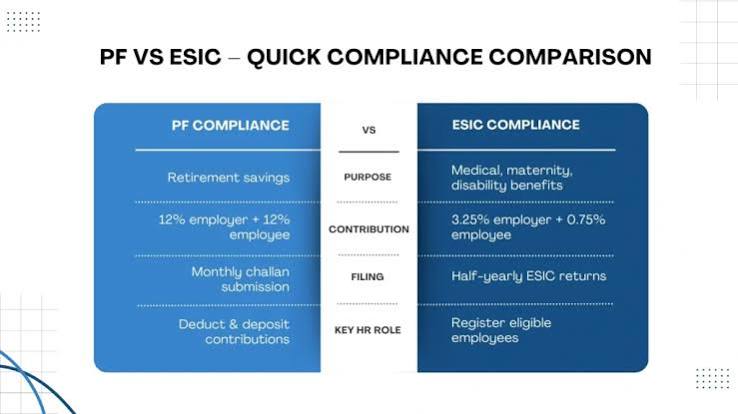
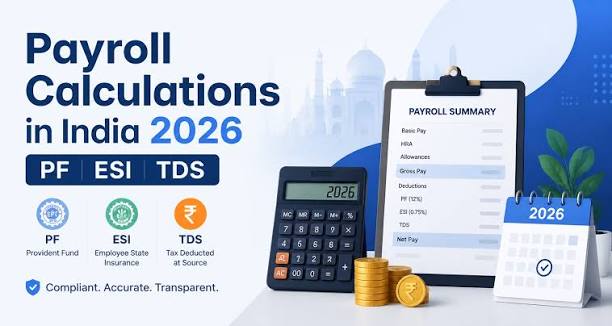
Professional Tax should therefore be treated as a separate statutory payroll responsibility alongside requirements such as PF, ESI, TDS, and LWF.
Which States Levy Professional Tax in India?
Professional Tax is currently levied in certain states and Union Territories, while several others do not impose it.
States/UTs commonly associated with Professional Tax include:
- Andhra Pradesh
- Assam
- Bihar
- Chhattisgarh
- Gujarat
- Jharkhand
- Karnataka
- Kerala
- Madhya Pradesh
- Maharashtra
- Manipur
- Meghalaya
- Mizoram
- Odisha
- Sikkim
- Tamil Nadu
- Telangana
- Tripura
- West Bengal
The exact applicability and compliance requirements should always be verified against the current legislation and notifications of the relevant state, because state rules can change.
States Where Professional Tax Is Not Generally Levied
Several states and Union Territories do not currently impose a state Professional Tax in the same manner.
These include, for example:
- Delhi
- Haryana
- Himachal Pradesh
- Rajasthan
- Uttar Pradesh
- Uttarakhand
- Punjab
- Goa
- Arunachal Pradesh
- Nagaland
This distinction is particularly important for companies operating in multiple states.
A business should not assume that its Professional Tax process can simply be copied from one location to another.
Who Is Responsible for Paying Professional Tax?
Responsibility depends on whether the person is a salaried employee or is earning income through a profession or business.
1. Salaried Employees
Where Professional Tax applies, the employer generally deducts the applicable amount from the employee’s salary and deposits it with the relevant state authority.
For example, if an employee’s salary falls within a particular PT slab, the employer calculates the applicable deduction and reflects it in the payroll.
The employee ultimately bears the deduction, while the employer generally handles the collection and remittance.
2. Self-Employed Professionals
Individuals such as:
- Consultants
- Doctors
- Lawyers
- Chartered accountants
- Contractors
- Business owners
may have direct Professional Tax obligations where the applicable state law requires registration or enrolment.
The exact requirements depend on the profession, establishment, income level, and state legislation.
Employer’s Role in Professional Tax Compliance
HR and payroll teams generally need to manage several important responsibilities.
Employee Eligibility
Determine which employees are covered under the applicable state PT law.
Correct Deduction
Calculate Professional Tax according to the relevant state slab or prescribed amount.
Payroll Processing
Ensure the deduction appears correctly in the employee’s salary records.
Timely Remittance
Deposit the collected amount with the appropriate state authority within the prescribed timeline.
Registration
Where required, obtain and maintain the relevant employer registration or enrolment.
Returns and Records
Complete applicable filings and maintain supporting documentation.
Professional Tax Is Not the Same as TDS
A common payroll mistake is confusing Professional Tax with TDS.
They are two different statutory deductions.
Professional TaxTDS on SalaryState-level taxIncome-tax requirementGoverned by applicable state lawGoverned by central income-tax lawRates/slabs vary by stateCalculated according to applicable income-tax provisionsCollected by state authoritiesDeposited with the Central GovernmentApplies only where PT is imposedSalary TDS can apply based on taxable income
Both deductions may appear on the same employee’s salary slip.
How Professional Tax Is Calculated
Professional Tax is generally based on state-prescribed salary or income slabs.
The applicable amount can depend on factors such as:
- Monthly salary
- Annual income
- Employee category
- State legislation
- Applicable exemptions
Some states may have different deduction schedules or special provisions.
Therefore, HR teams should avoid using a single PT formula for employees across all locations.
Professional Tax in Kerala
For businesses operating in Kerala, including Kochi, Professional Tax compliance is particularly relevant because the state has its own statutory framework governing the levy.
Employers should ensure that employee salary records, applicable PT slabs, deductions, remittances, and required documentation are maintained correctly according to the prevailing Kerala requirements.
For organizations with employees across Kerala and other states, maintaining a state-wise payroll compliance matrix can help prevent incorrect deductions and missed statutory obligations.
Common Professional Tax Compliance Mistakes
1. Applying PT in a Non-Applicable State
Some businesses use the same payroll configuration across all locations without checking state applicability.
Solution: Maintain state-specific payroll rules.
2. Using Outdated PT Slabs
State governments can modify applicable rates or provisions.
Solution: Review statutory notifications and payroll settings periodically.
3. Incorrect Employee Classification
Employees may be incorrectly included or excluded from PT deductions.
Solution: Verify eligibility based on the applicable state legislation.
4. Missing PT Registration
Employers may fail to obtain required registration or enrolment.
Solution: Include PT registration in the organization’s statutory compliance checklist.
5. Delayed Payment
Even when deductions are calculated correctly, late remittance can create compliance issues.
Solution: Maintain a statutory payment calendar with clear responsibility.
6. Incorrect Payroll Configuration
Manual spreadsheets or outdated payroll software can result in:
- Wrong deductions
- Incorrect slabs
- Missed employees
- Duplicate deductions
Solution: Review payroll configurations regularly and automate wherever practical.
7. Poor Documentation
Businesses sometimes fail to maintain:
- PT registration records
- Salary registers
- Deduction records
- Payment challans
- Returns
- Employee information
Proper documentation is essential during audits and inspections.
Why Multi-State Businesses Need Stronger PT Controls
Managing Professional Tax becomes significantly more complicated when an organization has employees in multiple states.
For example, an organization may have employees in Kerala, Karnataka, Maharashtra, and Tamil Nadu, with each location potentially having different compliance requirements.
HR teams therefore need to track:
State → Applicability → Employee eligibility → Rate/slab → Deduction frequency → Due date → Return requirement → Documentation
A centralized compliance matrix can make this process much easier to manage.
How HR Can Prevent Professional Tax Errors
Maintain a State-Wise Compliance Calendar
Track registration, deduction, payment, and filing deadlines separately for each state.
Review Payroll Before Processing
Verify employee location, salary, applicable slab, and deduction.
Keep Employee Data Updated
Changes in salary, location, employment status, or exemption status can affect payroll processing.
Reconcile Monthly Payroll
Compare PT deductions with payment records before closing payroll.
Conduct Periodic Compliance Audits
Audits can identify missed deductions, incorrect calculations, and documentation gaps.
Keep Teams Updated
HR and payroll professionals should regularly monitor changes in state-specific requirements.
Why Professional Tax Compliance Matters for Growing Businesses
As businesses grow, payroll processes become more complex. New branches, employees relocating between states, remote employees, and multiple salary structures can all create additional compliance challenges.
For growing businesses in Kochi and across Kerala, as well as organizations expanding into other Indian states, Professional Tax should be included as part of a broader statutory payroll compliance framework.
Treating PT as an afterthought can result in avoidable corrections and compliance risks.
Final Thoughts
Professional Tax may appear to be a small payroll deduction, but managing it correctly requires careful attention to state-specific legislation, employee eligibility, rates, payment deadlines, registrations, and documentation.
For HR teams, the most important principle is simple:
Do not assume that Professional Tax works the same way across India.
Businesses should maintain accurate state-wise compliance records, regularly review payroll configurations, monitor statutory updates, and conduct periodic audits.
A proactive approach can help organizations reduce payroll errors, improve statutory compliance, and remain prepared for audits and inspections.
How Level Up HR Solutions Can Help
At Level Up HR Solutions, we help businesses manage payroll and statutory compliance through structured HR and compliance support.
Our Services Include:
- Professional Tax Compliance
- Payroll Processing & Compliance
- PF & ESI Compliance
- TDS Compliance
- LWF Compliance
- HR Compliance Audits
- Payroll Audits
- Labour Law Compliance
- HR Documentation
- Statutory Compliance Reviews
📞 +91 8714805999 📧 info@leveluphrs.com 🌐 www.leveluphrs.com