
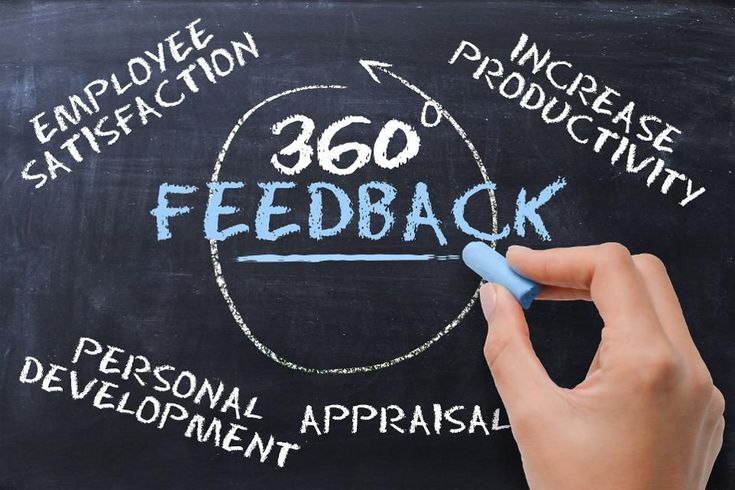
Why Continuous Feedback Is the Foundation of High-Performing Teams
In today’s fast-paced business environment, organizations are expected to innovate faster, adapt to constant change, and consistently deliver exceptional results. Achieving these goals depends not only on hiring talented employees but also on creating an environment where people can continuously learn, improve, and perform at their best.
For many years, organizations relied on annual performance reviews as the primary method of evaluating employees. However, waiting twelve months to discuss performance is no longer sufficient. Employees need timely guidance, constructive coaching, and meaningful recognition throughout the year to stay motivated and aligned with business objectives.
This is where continuous feedback becomes essential. Rather than treating performance management as a once-a-year event, continuous feedback transforms it into an ongoing conversation between managers and employees. It encourages regular check-ins, real-time coaching, open communication, and continuous development.
Organizations that embrace continuous feedback often experience higher employee engagement, stronger collaboration, improved productivity, and lower turnover. More importantly, they build high-performance teams that are agile, accountable, and committed to achieving organizational success.
This article explores why continuous feedback matters, how it contributes to building high-performance teams, and the practical HR strategies organizations can implement to create a feedback-driven culture.
What Is Continuous Feedback?
Continuous feedback is an ongoing process of providing employees with timely, constructive, and meaningful input about their performance rather than waiting for formal annual appraisals.
It includes:
- Regular one-on-one meetings
- Weekly or monthly check-ins
- Coaching conversations
- Recognition of achievements
- Constructive improvement discussions
- Goal progress reviews
- Career development conversations
The primary objective is not to evaluate employees but to help them continuously improve.
Why Continuous Feedback Matters
The modern workforce expects frequent communication.
Employees want to know:
- How they are performing
- What they are doing well
- Where improvements are needed
- How they can grow professionally
Without regular feedback, uncertainty increases, motivation decreases, and performance often suffers.
Continuous feedback creates clarity, confidence, and accountability.
Characteristics of High-Performance Teams
High-performing teams consistently demonstrate:
- Clear goals
- Strong collaboration
- Open communication
- Mutual trust
- Accountability
- Continuous learning
- Adaptability
- Shared ownership
Continuous feedback strengthens every one of these characteristics.
How Continuous Feedback Builds High-Performance Teams
1. Creates Clear Performance Expectations
Employees perform better when expectations are clearly communicated.
Regular feedback helps employees understand:
- Performance standards
- Business priorities
- Individual responsibilities
- Team objectives
Clarity reduces confusion and improves consistency.
2. Encourages Continuous Learning
Learning should never stop after onboarding.
Continuous feedback identifies:
- Skill gaps
- Training opportunities
- Development needs
- Career aspirations
Employees improve faster when coaching becomes part of everyday work.
3. Strengthens Employee Engagement
Employees who receive regular feedback feel valued.
Frequent conversations demonstrate that managers care about employee success rather than simply evaluating performance.
Engaged employees contribute more ideas, solve problems proactively, and remain committed to organizational goals.
4. Improves Team Communication
Feedback encourages open conversations.
Employees become more comfortable discussing:
- Challenges
- New ideas
- Project updates
- Workplace concerns
Better communication strengthens collaboration across teams.
5. Builds Trust Between Managers and Employees
Trust develops through consistent communication.
When managers provide honest, respectful, and constructive feedback, employees are more likely to:
- Accept guidance
- Share concerns
- Seek support
- Remain engaged
Trust becomes the foundation of high performance.
6. Increases Accountability
Continuous feedback keeps employees aligned with expectations.
Instead of waiting until year-end reviews, managers can immediately address:
- Missed deadlines
- Quality concerns
- Productivity issues
- Collaboration challenges
Employees understand their responsibilities and take greater ownership of results.
7. Recognizes Good Performance Quickly
Recognition loses impact when delayed.
Continuous feedback allows managers to celebrate achievements immediately.
Recognition can include:
- Appreciation during meetings
- Public acknowledgment
- Positive feedback
- Reward programs
Timely recognition boosts motivation.
8. Supports Faster Problem Solving
Small performance issues can become major problems if ignored.
Regular feedback enables organizations to identify challenges early and implement solutions before they affect business outcomes.
9. Improves Employee Confidence
Employees perform better when they know they are moving in the right direction.
Constructive feedback provides:
- Direction
- Encouragement
- Clarity
- Confidence
Confident employees take greater initiative.
10. Strengthens Organizational Performance
When every employee continuously improves, the entire organization benefits.
High-performance teams typically achieve:
- Better productivity
- Higher quality work
- Improved customer satisfaction
- Greater innovation
- Stronger business growth
Best Practices for Creating a Continuous Feedback Culture
Schedule Regular One-on-One Meetings
Managers should hold consistent check-ins to discuss:
- Progress
- Challenges
- Goals
- Development opportunities
Short, regular conversations are often more effective than lengthy annual reviews.
Make Feedback Timely
Feedback should be provided as close as possible to the event.
Immediate feedback helps employees:
- Correct mistakes quickly
- Reinforce positive behaviors
- Improve performance faster
Focus on Development, Not Criticism
Effective feedback should encourage improvement.
Managers should:
- Highlight strengths
- Discuss solutions
- Offer coaching
- Set clear action plans
The goal is employee growth.
Encourage Two-Way Communication
Feedback should never be one-sided.
Employees should also have opportunities to:
- Share ideas
- Ask questions
- Discuss concerns
- Provide feedback to managers
Open dialogue strengthens workplace relationships.
Recognize Success Frequently
Recognition should become part of everyday leadership.
Simple appreciation often has a greater impact than expensive rewards.
Employees who feel appreciated remain motivated.
Use Data to Support Feedback
Performance discussions should be based on measurable outcomes.
Managers can use:
- KPIs
- OKRs
- Project milestones
- Customer feedback
- Productivity metrics
Objective feedback increases fairness.
Common Mistakes Organizations Should Avoid
To maximize the value of continuous feedback, organizations should avoid:
- Waiting for annual reviews
- Giving only negative feedback
- Micromanaging employees
- Ignoring employee achievements
- Providing vague suggestions
- Failing to follow up on feedback
- Treating feedback as criticism rather than coaching
The Role of HR in Building a Feedback Culture
HR plays a critical role by:
- Designing performance management systems
- Training managers on effective coaching
- Creating structured feedback processes
- Implementing employee recognition programs
- Monitoring employee engagement
- Measuring performance outcomes
- Supporting leadership development
HR ensures that feedback becomes part of the organization’s culture rather than an occasional activity.
Future Trends in Performance Management
Modern organizations are increasingly adopting:
- AI-powered performance insights
- Continuous coaching platforms
- Skills-based development
- Personalized learning plans
- Real-time recognition systems
- Employee experience analytics
The future of performance management focuses on continuous improvement rather than annual evaluation.
Final Thoughts
Building a high-performance team requires more than setting ambitious goals or conducting annual appraisals. It requires a culture where feedback is continuous, constructive, and centered on employee growth. When managers provide timely guidance, recognize achievements, and encourage open communication, employees become more engaged, confident, and accountable.
Continuous feedback transforms performance management from a yearly event into an ongoing partnership that benefits both employees and the organization. It strengthens trust, improves collaboration, accelerates learning, and creates teams capable of consistently delivering exceptional results.
Organizations that invest in continuous feedback are not simply improving performance—they are building resilient, high-performing teams prepared to meet the challenges of today’s evolving workplace.
How Level Up HR Solutions Can Help
At Level Up HR Solutions, we help organizations build high-performing workplaces through modern HR strategies and performance management solutions.
Our services include:
- Performance Management System Design
- Continuous Feedback Frameworks
- Employee Engagement Programs
- Leadership & Manager Coaching
- HR Policy Development
- Learning & Development
- HR Audits
- Organizational Development
- HR Consulting for SMEs and Growing Businesses
Whether you’re redesigning your performance management process or creating a culture of continuous feedback, our HR experts can help your organization improve employee performance and drive long-term business success.