
By Nandana G.S , Digital Marketing Executive
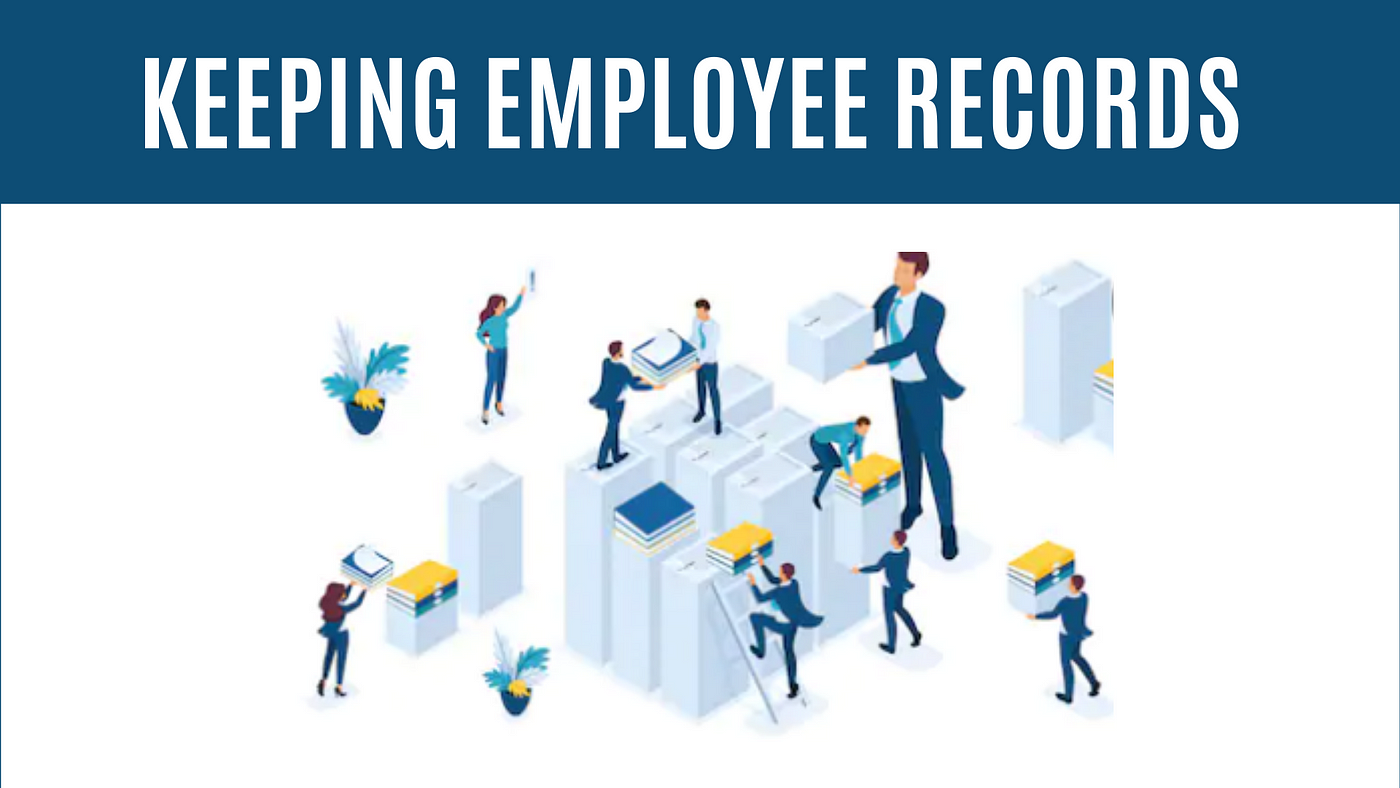
Employee onboarding is more than introducing a new employee to the organization. It is also the stage where HR needs to establish accurate employee records, verify essential information, and complete the documentation required for payroll and compliance.
A well-structured document collection process can reduce data errors, prevent payroll issues, and make future HR audits much easier.
1. Personal Information
HR should collect and verify the basic information required to create the employee’s official record.
This may include:
-
Full name
-
Date of birth
-
Contact details
-
Current and permanent address
-
Emergency contact details
-
Other information required under the organization’s onboarding process
HR should ensure that important details are consistent across the documents provided.
2. Identity and Address Verification
Where required and appropriate, HR may collect documents for identity and address verification.
The organization should:
✔️ Collect only documents that are necessary ✔️ Verify information against the relevant records ✔️ Maintain documents securely ✔️ Restrict access to authorized personnel ✔️ Follow applicable privacy and data-protection requirements
HR should avoid collecting unnecessary personal information simply because it is part of an old checklist.
3. Educational and Professional Documents
For roles where qualifications are relevant, HR may verify:
-
Educational certificates
-
Professional certifications
-
Previous employment-related qualifications
-
Professional licenses, where applicable
The level of verification should depend on the role and the organization’s recruitment process.
4. Previous Employment Details
Where applicable, HR should document previous employment information such as:
✔️ Previous employer details ✔️ Designation ✔️ Employment period ✔️ Relevant experience ✔️ Relieving or experience documentation, where required ✔️ Previous employment information needed for payroll/tax purposes
These records can also help HR identify information required for salary and statutory processing.
5. Bank and Payroll Information
Accurate payroll information is essential before the first salary cycle.
HR/payroll should verify the information needed for salary processing, such as:
-
Bank account details
-
Account holder name
-
Required payroll declarations
-
Salary structure and approved compensation details
Incorrect bank or payroll information can result in payment delays and reconciliation issues.
6. PF and UAN Details
For employees covered under applicable EPF requirements, HR should check whether the employee already has a UAN and ensure relevant information is correctly recorded.
HR should:
✔️ Check for an existing UAN ✔️ Avoid unnecessary duplicate UAN creation ✔️ Verify relevant employee details ✔️ Ensure appropriate PF records are linked to the employment ✔️ Coordinate with payroll for accurate contribution processing
7. ESI and Other Statutory Information
Depending on applicability, HR may need to collect or verify information required for ESI, Professional Tax, Labour Welfare Fund, TDS, and other statutory processes.
The exact requirements can vary depending on the employee, establishment, location, salary, and applicable legislation.
Therefore, HR should maintain a state- and organization-specific onboarding checklist rather than using the same checklist for every business.
8. Employment Documentation
Before the employee officially starts, HR should ensure that key employment documents are completed.
These may include:
-
Offer letter
-
Appointment letter
-
Employment agreement, where applicable
-
Job description
-
Compensation details
-
Confidentiality or other agreements, where relevant
-
Employee handbook or policy acknowledgement
The employee should understand the key terms and conditions applicable to the employment.
9. Policy Acknowledgements
Employees should be informed about important workplace policies applicable to them.
Depending on the organization, this may include:
✔️ Code of conduct ✔️ Leave and attendance policy ✔️ POSH policy ✔️ Information security policy ✔️ Work-from-home policy ✔️ Disciplinary policy ✔️ Other company policies
HR should maintain evidence that relevant policies were communicated and acknowledged.
10. Emergency and Contact Information
Emergency contact information should be collected where necessary for workplace administration and employee safety.
HR should ensure that:
-
Contact details are accurate
-
Information is updated when necessary
-
Access is limited to appropriate personnel
11. Background Verification
If the organization conducts background verification, HR should ensure the process is handled consistently and in accordance with applicable requirements.
Depending on the role, verification may cover areas such as:
-
Employment history
-
Educational qualifications
-
References
-
Other role-specific checks
Any required consent and supporting documentation should be maintained appropriately.
12. Create a Standard Onboarding Checklist
Instead of collecting documents randomly, HR can create a standardized onboarding workflow:
Offer → Document Collection → Verification → Employment Documentation → Statutory Setup → Payroll Setup → Policy Acknowledgement → HRMS Entry → Onboarding Completion
Each stage should have a responsible person and a clear completion status.
Common Employee Document Collection Mistakes
HR teams often face problems when they:
❌ Collect documents without verifying them ❌ Request unnecessary personal information ❌ Create duplicate PF/UAN records ❌ Enter inconsistent employee data into HRMS and payroll ❌ Forget policy acknowledgements ❌ Keep incomplete onboarding files ❌ Store employee documents without proper access controls ❌ Fail to update records when employee information changes
Employee Onboarding Document Checklist
A practical checklist can cover:
CategoryWhat HR Should CheckPersonal DetailsName, DOB, contact and addressIdentityRequired identity verificationEducationRelevant qualificationsEmploymentPrevious employment informationPayrollBank and compensation detailsPFUAN/PF information, where applicableStatutoryESI, PT, TDS and other applicable detailsEmploymentOffer/appointment documentationPoliciesRequired policy acknowledgementsVerificationBackground checks, where applicableHRMSAccurate employee master data
How Level Up HR Solutions Can Help
At Level Up HR Solutions, we help businesses create more structured HR systems through HR documentation, employee record management, payroll compliance, statutory compliance, HR audits, and policy support.
A standardized onboarding documentation process helps businesses maintain accurate employee records from Day One and reduces avoidable HR and payroll errors.
Final Thoughts
Employee document collection should not be treated as a routine paperwork exercise. It is an important part of building a reliable employee record and compliance framework.
By collecting only necessary information, verifying it properly, maintaining documents securely, and connecting onboarding with payroll and statutory processes, HR teams can create a smoother and more organized employee experience.
The goal is simple: collect what is necessary, verify what matters, protect employee information, and maintain accurate records.
Level Up HR Solutions 📞 +91 8714805999 📧 info@leveluphrs.com 🌐 www.leveluphrs.com
#EmployeeOnboarding #HRDocumentation #EmployeeRecords #HRCompliance #OnboardingChecklist #PayrollCompliance #HRManagement #StatutoryCompliance #HRIndia #EmployeeOnboardingProcess #KeralaBusiness #KochiBusiness #LevelUpHRSolutions