
14Jul

10 Proven Employee Retention Strategies That Actually Work

How Businesses Can Retain Top Talent, Reduce Turnover, and Build a More Engaged Workforce

Employee retention has become one of the biggest challenges facing organizations today. As industries become more competitive and employee expectations continue to evolve, retaining skilled professionals has become just as important as attracting them.

Many organizations invest significant time and resources in recruiting top talent. However, without a strong employee retention strategy, those investments can quickly be lost. High employee turnover not only increases recruitment and training costs but also affects productivity, employee morale, customer satisfaction, and business continuity.

Employees no longer remain with organizations solely because of salary. They seek meaningful work, supportive leadership, career growth, recognition, flexibility, and a workplace culture where they feel valued. Organizations that understand these changing expectations are better positioned to build loyal, engaged, and high-performing teams.

Employee retention is not achieved through a single initiative. Instead, it requires a combination of effective HR practices, strong leadership, continuous employee engagement, and a commitment to creating an exceptional employee experience.

This article explores ten proven employee retention strategies that help organizations retain their best talent while strengthening overall business performance.

Why Employee Retention Matters

Employee retention refers to an organization’s ability to keep talented employees for an extended period.

High retention benefits businesses by:

  • Reducing recruitment costs
  • Minimizing onboarding and training expenses
  • Preserving organizational knowledge
  • Improving team stability
  • Increasing employee engagement
  • Enhancing customer satisfaction
  • Building stronger employer branding

Conversely, high turnover creates disruption, increases operational costs, and places additional pressure on existing employees.

Therefore, employee retention should be viewed as a strategic business priority rather than simply an HR responsibility.

The Real Reasons Employees Leave

Before discussing retention strategies, organizations should understand why employees choose to resign.

Common reasons include:

  • Limited career growth opportunities
  • Poor leadership
  • Lack of employee recognition
  • Inadequate compensation
  • Workplace stress and burnout
  • Poor work-life balance
  • Toxic workplace culture
  • Limited learning opportunities
  • Weak communication
  • Lack of trust in leadership

Most employees leave because of their overall workplace experience—not just because of salary.

1. Build a Positive Workplace Culture

Culture influences how employees feel every day they come to work.

Organizations with positive workplace cultures encourage:

  • Respect
  • Collaboration
  • Inclusion
  • Transparency
  • Trust
  • Shared values

Employees who enjoy their work environment are more likely to remain committed to the organization.

HR should regularly assess workplace culture through employee feedback, engagement surveys, and leadership evaluations.

2. Invest in Career Development

One of the strongest drivers of employee retention is career growth.

Employees want to know:

  • What opportunities exist within the organization?
  • What skills should they develop?
  • How can they prepare for future leadership roles?

HR should provide:

  • Career development plans
  • Internal promotion opportunities
  • Learning programs
  • Mentorship initiatives
  • Leadership development

When employees see a future within the organization, they are less likely to seek opportunities elsewhere.

3. Recognize and Reward Employee Contributions

Recognition is a powerful motivator.

Employees who consistently feel appreciated are more engaged and productive.

Recognition may include:

  • Public appreciation
  • Performance awards
  • Financial incentives
  • Personalized appreciation messages
  • Peer recognition programs

Recognition should be timely, meaningful, and aligned with organizational values.

4. Strengthen Leadership at Every Level

Employees often stay because of good managers and leave because of poor leadership.

Effective managers:

  • Communicate openly
  • Support employee development
  • Provide regular feedback
  • Build trust
  • Resolve conflicts fairly

Organizations should invest in leadership development to improve managerial effectiveness and employee relationships.

5. Offer Competitive Compensation and Benefits

While compensation is not the only factor influencing retention, it remains an important one.

Organizations should regularly review:

  • Salary structures
  • Performance bonuses
  • Health insurance
  • Retirement benefits
  • Flexible benefits
  • Wellness initiatives

Competitive rewards demonstrate that employees are valued.

6. Promote Work-Life Balance

Employees perform best when they have time to recharge.

Organizations can support work-life balance through:

  • Flexible working hours
  • Hybrid work arrangements
  • Remote work opportunities
  • Wellness programs
  • Mental health support
  • Reasonable workloads

Reducing burnout improves both employee well-being and retention.

7. Improve Employee Engagement

Engaged employees are emotionally connected to their work and organization.

HR can improve engagement by:

  • Conducting regular feedback surveys
  • Encouraging employee participation
  • Celebrating achievements
  • Involving employees in decision-making
  • Supporting team collaboration

Employees who feel heard are more likely to remain committed.

8. Create Strong Onboarding Experiences

Employee retention begins on the first day—not after six months.

A structured onboarding program should include:

  • Clear role expectations
  • Company culture orientation
  • Manager introductions
  • Training and support
  • Regular check-ins during the first 90 days

A positive onboarding experience helps employees integrate successfully and reduces early turnover.

9. Encourage Open Communication

Employees should feel comfortable sharing ideas, concerns, and feedback.

Organizations should promote:

  • Regular one-on-one meetings
  • Town hall discussions
  • Anonymous feedback channels
  • Employee surveys
  • Open-door leadership policies

Transparent communication builds trust and strengthens workplace relationships.

10. Use HR Analytics to Predict Turnover

Modern HR relies on data rather than assumptions.

Organizations should monitor key retention metrics such as:

  • Employee turnover rate
  • Voluntary resignation rate
  • Employee engagement scores
  • Internal promotion rate
  • Absenteeism trends
  • Exit interview findings
  • Performance data

These insights enable HR teams to identify potential risks and take proactive action before employees decide to leave.

The Role of HR in Employee Retention

Employee retention extends far beyond hiring and payroll administration.

HR professionals play a strategic role by:

  • Designing employee engagement programs
  • Developing career pathways
  • Supporting leadership development
  • Improving workplace culture
  • Monitoring employee well-being
  • Implementing recognition programs
  • Measuring retention outcomes

A proactive HR function helps organizations build workplaces where employees choose to stay.

Measuring Employee Retention Success

Organizations should regularly evaluate the effectiveness of their retention strategies using measurable HR metrics, including:

  • Employee Retention Rate
  • Employee Turnover Rate
  • Voluntary Resignation Rate
  • Internal Promotion Rate
  • Employee Engagement Score
  • Employee Satisfaction Score
  • Average Employee Tenure
  • New Hire Retention Rate
  • Absenteeism Rate

Tracking these indicators enables organizations to identify trends, measure progress, and continuously improve retention initiatives.

Common Mistakes That Increase Employee Turnover

Even well-intentioned organizations can lose valuable employees by making avoidable mistakes.

These include:

  • Ignoring employee feedback
  • Delaying recognition
  • Providing limited career opportunities
  • Failing to train managers
  • Overloading high-performing employees
  • Offering inflexible work arrangements
  • Conducting exit interviews without acting on feedback

Avoiding these mistakes is just as important as implementing retention strategies.

Future Trends in Employee Retention

Employee retention strategies are evolving as workplace expectations continue to change.

Forward-thinking organizations are investing in:

  • Skills-based career development
  • AI-powered employee experience platforms
  • Personalized learning journeys
  • Flexible work models
  • Mental health initiatives
  • Continuous feedback systems
  • Leadership coaching
  • Internal talent marketplaces

Organizations that adapt to these trends will be better equipped to attract and retain top talent.

Final Thoughts

Employee retention is not achieved through higher salaries alone. It is built by creating an environment where employees feel respected, supported, recognized, and inspired to grow.

Organizations that invest in career development, employee engagement, effective leadership, workplace well-being, and meaningful recognition create cultures where employees are motivated to stay and contribute their best work.

Retaining great employees requires consistent effort, strategic HR practices, and a genuine commitment to employee success. Businesses that prioritize retention not only reduce turnover costs but also strengthen productivity, innovation, and long-term organizational performance.

Ultimately, the best retention strategy is creating a workplace where employees choose to build their careers—not just work.

How Level Up HR Solutions Can Help

At Level Up HR Solutions, we help organizations build high-performing workplaces through strategic HR solutions that improve employee engagement, strengthen retention, and support sustainable business growth.

Our services include:

  • Employee Engagement Programs
  • Retention Strategy Development
  • HR Consulting
  • HR Policy Development
  • Performance Management Systems
  • Career Development Frameworks
  • Leadership Development
  • Recruitment & Talent Acquisition
  • HR Compliance & Audits
  • HR Outsourcing Solutions

Whether you’re facing high employee turnover or looking to strengthen your workforce, our HR experts can help you implement practical, results-driven retention strategies.

02Jul

The Future of Work: Top HR Trends for 2026

By Nandana GS

Digital Marketing Executive

How HR Leaders Can Stay Ahead in an AI-Driven, Skills-First Workplace

The workplace is evolving at an unprecedented pace. Artificial intelligence, changing employee expectations, hybrid work models, and evolving labour regulations are reshaping how businesses attract, manage, and retain talent. Consequently, the traditional role of Human Resources is no longer sufficient. HR is now expected to act as a strategic business partner that drives organizational growth, workforce resilience, and long-term competitiveness.

As businesses move into 2026, organizations that proactively adapt to emerging HR trends will be better positioned to attract top talent, improve employee engagement, and maintain compliance. On the other hand, companies that fail to evolve may struggle with higher turnover, skills shortages, and declining productivity.

This article explores the most significant HR trends that will define the future of work in 2026 and explains how businesses can prepare for the changing workplace.

Why the Future of Work Matters More Than Ever

The business landscape has changed dramatically over the past few years. Technology has transformed the way employees work, communicate, and collaborate. At the same time, employees are seeking more than just competitive salaries. They expect flexibility, meaningful work, career development, and supportive leadership.

Furthermore, businesses are facing increasing pressure to improve productivity while managing costs and maintaining compliance with evolving employment regulations.

Therefore, HR leaders must focus not only on managing people but also on building future-ready organizations.

Trend 1: AI Will Become HR’s Biggest Business Partner

Artificial Intelligence is no longer a futuristic concept. It is already transforming recruitment, onboarding, performance management, payroll, and employee engagement.

In 2026, AI will be used to:

  • Screen resumes more efficiently
  • Schedule interviews automatically
  • Analyze employee performance data
  • Predict employee turnover
  • Personalize employee learning programs
  • Improve workforce planning
  • Answer HR queries through AI assistants

However, AI should not replace human judgment.

Instead, HR professionals should use AI to automate repetitive administrative tasks while spending more time on strategic initiatives such as leadership development, employee engagement, and organizational culture.

Key Takeaway: Businesses should invest in AI-powered HR technology while ensuring ethical and responsible implementation.

Trend 2: Skills Will Matter More Than Degrees

Traditional hiring practices are rapidly changing.

Organizations are increasingly hiring based on demonstrated skills rather than academic qualifications alone.

Companies are prioritizing candidates who can:

  • Solve problems
  • Adapt quickly
  • Learn continuously
  • Work collaboratively
  • Use digital tools effectively

Consequently, HR teams must redesign recruitment strategies to evaluate practical competencies instead of relying solely on educational credentials.

Businesses should also invest heavily in internal upskilling and reskilling programs to address future skill shortages.

Trend 3: Continuous Learning Will Replace Traditional Training

Annual training programs are becoming outdated.

Instead, organizations are adopting continuous learning models that provide employees with regular opportunities to improve their knowledge and skills.

Successful companies will:

  • Offer micro-learning sessions
  • Provide online certification programs
  • Encourage cross-functional learning
  • Support leadership development
  • Build personalized learning paths

As technology continues to evolve, continuous learning will become essential for maintaining workforce competitiveness.

Trend 4: Employee Experience Will Become a Business Priority

Employee experience extends far beyond salary and benefits.

It includes every interaction employees have with the organization, including:

  • Recruitment
  • Onboarding
  • Daily work experience
  • Performance reviews
  • Career growth
  • Recognition
  • Exit process

Organizations that create positive employee experiences generally achieve:

  • Higher engagement
  • Better retention
  • Stronger employer branding
  • Increased productivity

Therefore, HR must design employee journeys that prioritize trust, communication, and development.

Trend 5: Hybrid and Flexible Work Will Continue to Grow

Although many organizations have returned to offices, flexibility remains a key employee expectation.

Businesses are increasingly adopting:

  • Hybrid work models
  • Flexible working hours
  • Remote collaboration
  • Results-based performance measurement

However, flexibility should be supported by clear HR policies, cybersecurity measures, and effective communication systems.

Organizations that successfully balance flexibility with accountability are more likely to retain top talent.

Trend 6: Employee Well-Being Will Become a Strategic Investment

Employee well-being is no longer viewed as an optional benefit.

Instead, it has become a strategic business priority.

Organizations are increasingly investing in:

  • Mental health support
  • Employee Assistance Programs (EAPs)
  • Flexible leave policies
  • Wellness initiatives
  • Burnout prevention strategies

Research consistently shows that healthier employees are more productive, engaged, and loyal.

Consequently, HR leaders should integrate well-being into overall workforce planning.

Trend 7: Data-Driven HR Will Shape Better Decisions

HR decisions are becoming increasingly data-driven.

Rather than relying on assumptions, organizations are using workforce analytics to improve decision-making.

Important HR metrics include:

  • Employee turnover rate
  • Time-to-hire
  • Employee engagement scores
  • Absenteeism
  • Training effectiveness
  • Performance ratings
  • Cost per hire

These insights enable businesses to identify risks early and make informed workforce decisions.

Trend 8: HR Compliance Will Become More Complex

Employment laws and labour regulations continue to evolve.

Businesses must remain compliant with requirements related to:

  • Employment contracts
  • Wage and payroll regulations
  • Working hours
  • Employee documentation
  • Social security contributions
  • Data privacy
  • Workplace safety
  • POSH compliance

Failure to maintain proper compliance may result in legal disputes, financial penalties, and reputational damage.

Therefore, regular HR audits and policy reviews should become standard business practices.

Trend 9: Leadership Development Will Be More Important Than Ever

Employees often leave managers—not organizations.

Therefore, leadership quality will become one of the strongest drivers of employee engagement and retention.

Organizations should focus on developing leaders who can:

  • Communicate effectively
  • Coach employees
  • Manage change
  • Build trust
  • Resolve conflicts
  • Inspire innovation

Strong leadership directly contributes to stronger organizational performance.

Trend 10: HR Will Become a Strategic Business Function

Perhaps the biggest shift in 2026 is the changing role of HR itself.

Modern HR is no longer limited to payroll, recruitment, and administration.

Instead, HR leaders are expected to contribute to:

  • Business strategy
  • Organizational transformation
  • Digital adoption
  • Workforce planning
  • Change management
  • Talent development
  • Business continuity

Companies that empower HR as a strategic function are more likely to achieve sustainable growth.

How Businesses Can Prepare for the Future of Work

Preparing for 2026 requires more than adopting new technology.

Organizations should:

✔ Conduct regular HR audits

Identify compliance gaps before they become legal issues.

✔ Upgrade HR technology

Invest in HRMS platforms, AI-powered recruitment tools, and digital employee management systems.

✔ Review HR policies

Update workplace policies to reflect hybrid work, AI usage, employee well-being, and changing labour regulations.

✔ Invest in leadership development

Equip managers with modern leadership and people management skills.

✔ Prioritize employee engagement

Develop continuous feedback systems, recognition programs, and career development initiatives.

✔ Build a learning culture

Encourage employees to continuously develop future-ready skills.

Final Thoughts

The future of work is not a distant concept—it is already transforming today’s workplace. In 2026, organizations that embrace innovation, invest in their people, and strengthen their HR capabilities will gain a significant competitive advantage.

Rather than reacting to change, businesses should prepare proactively by modernizing HR practices, leveraging technology responsibly, prioritizing employee experience, and maintaining strong compliance standards.

Ultimately, the organizations that place people at the center of their strategy will be the ones best equipped to thrive in the future of work.

How Level Up HR Solutions Can Help

At Level Up HR Solutions, we help businesses prepare for the future with modern, compliant, and people-centric HR solutions.

Our services include:

  • HR Consulting & Strategy
  • HR Compliance & Labour Law Support
  • HR Policy Development
  • Payroll Management
  • HR Documentation
  • HR Audits
  • Recruitment & Talent Acquisition
  • Performance Management Systems
  • Employee Engagement Strategies
  • HR Outsourcing Solutions

Whether you’re a startup, SME, or growing enterprise, our experts can help you build a future-ready workforce.

📞 Phone: +91 8714805999 📧 Email: info@leveluphrs.com 🌐 Website: www.leveluphrs.com

#FutureOfWork #HRTrends2026 #HRStrategy #HumanResources #EmployeeExperience #EmployeeEngagement #Leadership #ArtificialIntelligence #HRCompliance #DigitalTransformation #TalentManagement #WorkplaceCulture #FutureReady #BusinessGrowth #LevelUpHRSolutions

29Jun

HR Lessons Every Startup Founder Should Know

By Nandana GS , Digital Marketing Executive

Founder A hired her first five employees on handshakes and WhatsApp messages. No offer letters. No policies. No PF registration. “We’re a family,” she said.

Eighteen months later, one employee quit and claimed unpaid overtime. Another filed a POSH complaint with no internal committee in place. A labour inspector showed up asking for registers that didn’t exist.

She spent three months and ₹4 lakhs on lawyers. The startup survived, but barely.

Founder B spent one weekend with an HR partner setting up basic documentation before his first hire. Offer letter template. Leave policy. POSH compliance. Simple payroll process.

Two years later, he scaled to 40 people without a single compliance notice. When an employee left on bad terms, the signed documents protected him.

Same ambition. Different outcomes. The difference? HR literacy.

Here are the HR lessons I wish every startup founder learned on day one.

Lesson 1: The handshake is not a contract

In a startup, speed feels like survival. So you hire a friend of a friend, tell them the salary over coffee, and start working the next day.

This is a trap.

Indian labour law requires certain documents to be provided to employees – appointment letters, wage details, and leave policies. Without them, you have no written record of terms. If a dispute arises, it’s your word against theirs.

What you must do before day one:

  • Issue a signed offer letter (even for interns and consultants)
  • Get an employee information form with address, PAN, and bank details
  • Provide a one-page summary of key policies (hours, leave, code of conduct)
  • Take an acknowledgement of receipt – physical signature or digital

The cost of skipping this: In a wrongful termination or unpaid wage claim, courts often side with the employee if no written contract exists.

Lesson 2: Compliance isn’t optional – even for a 5-person team

Many founders believe labour laws only apply after 10, 20, or 50 employees. That’s dangerously wrong.

Some registrations are mandatory regardless of size (e.g., POSH Act if you have 10+ employees – but in some states, even fewer). Others kick in at specific thresholds, but you need to register before you cross them.

The non-negotiable basics for any startup:

  • Shops and Establishment Act registration – required as soon as you have a physical office (even co-working)
  • POSH compliance – if you have 10+ employees, you must form an Internal Committee and file an annual report
  • Professional Tax – state-dependent but applies to most businesses with employees
  • PF and ESI – apply once you cross thresholds (PF at 20+ employees, ESI based on wage limit). But many startups register voluntarily for credibility.

What founders get wrong: “We’ll register when we grow.” By then, you have years of noncompliance. Penalties can be backdated.

Lesson 3: Your first employee sets your HR culture

Before you have policies, you have patterns. The way you treat employee #1 becomes the precedent for everyone who follows.

If you pay late once, it becomes expected. If you skip giving an offer letter, later employees will ask why they didn’t get one. If you allow one person to work from anywhere but deny another, you’ve created a fairness problem.

The rule: Document everything you do with employee #1. That document becomes your first policy. Then formalise it before employee #2.

Pro tip: Even before you hire, write down your answers to these questions:

  • What are our working hours?
  • How do we approve leave?
  • How do we give feedback?
  • How do we handle poor performance?
  • What happens when someone wants to quit?

If you can’t answer clearly, you’re not ready to hire.

Lesson 4: Payroll isn’t just “paying people”

Founders often treat payroll as a banking task. “I’ll just transfer the salary on the 1st.” Then they forget TDS, PF, ESI, professional tax, and labour welfare fund deductions.

Each deduction has its own due date, return filing, and penalty structure. A missed PF deposit for three months can attract 25% interest plus a fine.

The safer path:

  • Use a proper payroll system (even a basic one) from month one
  • Or outsource to a partner who handles compliance
  • Never mix personal and salary accounts

The cost of a mistake: One delayed PF return can lead to a notice, a personal visit from an inspector, and weeks of distraction. Your time as a founder is worth more than the few thousand rupees you save by doing payroll manually.

Lesson 5: The POSH Act applies to you – yes, even your start-up

I cannot stress this enough. Under the Sexual Harassment of Women at Workplace (Prevention, Prohibition and Redressal) Act, 2013, any workplace with 10 or more employees must:

  • Constitute an Internal Committee (IC)
  • Have at least half the IC members as women
  • Include an external member (NGO or legal expert)
  • Conduct annual awareness training
  • File an annual return

What founders say: “We have a good culture. We don’t need a committee.”

What lawyers say: One complaint without a valid IC means you are in violation. Penalties include fines up to ₹50,000, cancellation of business registration, and personal liability for directors.

Even if you have fewer than 10 employees, you must still follow the law’s basic requirements – namely, a grievance process and no retaliation.

Action step: If you have 10+ employees and no IC, stop reading and fix this today.

Lesson 6: Hiring fast is not the same as hiring well

In a startup, every open role feels urgent. So you skip reference checks, ignore red flags, and hire someone who “seems fine”.

Then you spend six months managing them out, cleaning up their mistakes, and explaining to investors why you missed the milestone.

A better process, even when you’re busy:

  • Define the role’s must-haves vs. nice-to-haves before you post
  • Use the same 3–4 interview questions for every candidate (reduces bias)
  • Always take at least one reference – even for junior roles
  • Have a paid trial week or small project before full offer

The cost of a bad hire: For a startup, it’s not just salary. It’s founder time, team morale, lost momentum, and sometimes the difference between hitting a round or missing it.

Lesson 7: Remote and hybrid work need written rules

Post-2020, most startups operate with some flexibility. But flexibility without rules creates chaos.

Who pays for internet? Can someone work from Goa for a month? What are core hours for meetings? How do you track attendance if you don’t use a tool?

Your remote policy doesn’t need to be 20 pages. It does need to answer the following:

  • Expected online availability (e.g., 10 AM – 4 PM IST)
  • Procedure for taking leave or logging off early
  • Data security rules (VPN, device usage, file sharing)
  • Reimbursement for home office expenses (if any)

Without written rules, disputes are inevitable. Someone will claim they were “always available” when they weren’t. Another will expense a ₹50,000 chair.

Lesson 8: Exit documentation is as important as hiring

Founders spend days recruiting someone but minutes on their exit. Then six months later, the ex-employee claims they were forced to resign or that full and final settlement was unpaid.

Every exit must include:

  • A signed resignation letter (or termination letter if company-initiated)
  • A full and final settlement statement with all calculations
  • A relieving letter or experience letter
  • A signed acknowledgement of no outstanding dues or claims

The golden rule: Never make the final salary payment without collecting all signed exit documents.

Lesson 9: You don’t need a full-time HR – but you need HR support

Early-stage startups often can’t afford a dedicated HR head. That’s fine. But “no HR budget” is not the same as “no HR”.

You can outsource specific HR functions for a fraction of a salary:

  • Policy drafting and employee handbooks
  • Statutory compliance and audit support
  • Payroll processing
  • POSH committee formation and training

Many MSME-focused HR firms (including us) offer affordable monthly or project-based plans.

The mistake: Doing nothing until a crisis happens. By then, the cost is 10x higher.

Lesson 10: HR is not anti-founders. Bad documentation is.

Some founders see HR as bureaucratic overhead – something that slows them down.

But think of it this way: Good HR documentation protects your vision. It ensures that when someone leaves, your IP stays. When a dispute happens, you have evidence. When you raise funds, due diligence doesn’t turn into a nightmare.

HR isn’t about controlling people. It’s about creating clarity so everyone – including you – can focus on building.

One final thought for every founder

You wouldn’t build a product without a spec. You wouldn’t raise money without a term sheet. So why would you build a team without documentation?

Startups fail not because of bad ideas, but because of avoidable execution risks. HR compliance is one of the most avoidable – and most ignored – risks.

Fix it now. Before your first hire. Before your first complaint. Before your first inspection.

Because the best time to plant a compliance tree was yesterday. The second best time is today.

How Level Up HR Solutions Can Help

At Level Up HR Solutions, comprehensive HR documentation support is provided to ensure your business remains compliant, organised, and audit-ready.

✔ Policy drafting ✔ Employee file structuring ✔ Compliance documentation ✔ Payroll alignment

24Jun

Career Growth Strategies HR Teams Should Implement

By Nandana GS , Levelup HR Solutions

Your best employee just resigned. They said they found “a better opportunity”. Their manager is shocked. Performance was great. The salary was competitive. Culture was friendly.

What went wrong?

Here’s what they didn’t tell you: They couldn’t see their future at your company.

Most HR teams obsess over recruitment, compliance, and payroll. But career growth? That’s treated as a once-a-year conversation during the annual review.

That’s a fatal mistake.

In 2026, employees don’t just want jobs. They want trajectories. They want to know: If I give my best years to this company, where will I be in three years?

If you can’t answer that clearly, your best people will find someone who can.

This blog covers 7 career growth strategies every HR team should implement – starting tomorrow.

Why career growth is no longer optional

Let’s look at the data (and the reality).

  • 72% of employees say career development opportunities influence their decision to stay at a job.
  • Millennials and Gen Z expect to see a clear progression path within 6–12 months of joining.
  • Companies with strong internal mobility retain employees for nearly twice as long.

Yet most HR teams still operate on an outdated model: Work hard; wait for a vacancy; hope your manager notices.

That’s not a strategy. That’s a gamble.

Employees today want:

  • Transparency on how growth happens
  • Regular feedback on what they need to improve
  • Opportunities to stretch without waiting for a promotion
  • Skills development that makes them more valuable (inside or outside the company)

If your career growth strategy is “we have a training budget,” you’re already losing.

Strategy #1: Build transparent career pathways (not just job titles)

Most companies have job levels: Associate → Senior Associate → Manager → Senior Manager.

That’s not a career pathway. That’s a ladder with no instructions.

What to do instead:

Create competency-based career maps for every role. For each level, clearly document:

  • What skills are required
  • What results are expected
  • What behaviours are demonstrated
  • What training or certification is recommended

Then share this map with every employee on day one. Not as a secret HR document. As a living tool.

Example – Marketing role:

  • Level 1: Can execute campaigns with supervision → Needs basic analytics
  • Level 2: Can manage campaigns independently → Needs budget management
  • Level 3: Can lead strategy → Needs team leadership and cross-functional influence

When employees see exactly what’s needed for the next level, they stop guessing and start growing.

Strategy #2: Replace the annual review with quarterly growth conversations

Waiting 12 months to discuss career growth is cruel. And ineffective.

By the time the review happens, the employee has already checked out, or the promotion budget is already allocated, or the manager has already formed an irreversible opinion.

What to do instead:

Schedule four dedicated growth conversations per year – separate from performance reviews or project updates.

Each conversation has three questions:

  1. What progress have you made toward your career goals this quarter?
  2. What support do you need from me to reach the next level?
  3. What’s one skill you want to build in the next 90 days?

No ratings. No surprises. Just forward-looking dialogue.

Pro tip: Document these conversations in the employee’s file. Over time, you’ll have a rich record of growth that makes promotion decisions easy – not political ones.

Strategy #3: Create internal mobility as a default, not an exception

Most companies claim to support internal mobility. Then they block every transfer because “we can’t lose you from this team.”

That’s how you lose employees entirely.

What to do instead:

Implement a “90-day internal application” policy:

  • Employees can apply for any internal role after 12 months in their current position
  • Managers cannot block applications without HR approval (and a clear reason)
  • Hiring managers interview internal candidates before opening roles externally

Also create short-term stretch assignments:

  • A 6-week project in another department
  • A rotation as a team lead for a small initiative
  • A shadowing opportunity with a senior leader

These low-risk experiences let employees test new skills without quitting.

Case example: An accounts executive spends 6 weeks helping marketing with customer research. They discover a passion for product. Six months later, they transfer internally. You retain talent, save recruitment costs, and gain a motivated employee.

Strategy #4: Make learning visible and rewarded

Training budgets are useless if no one uses them. And no one uses them if learning isn’t recognised.

What to do instead:

Create a learning currency system:

  • Employees earn points for completing courses, attending workshops, or mentoring others
  • Points can be redeemed for rewards (gift cards, extra leave, conference tickets)

Or keep it simpler: Add a “learning goal” to every employee’s quarterly OKRs.

When learning is measured, it happens.

Also create skill showcases – monthly 30-minute sessions where employees teach something they’ve learned. The presenter gets visibility. The team gets free training. The culture gets a learning mindset.

Strategy #5: Train managers to be career coaches (not just task assigners)

This is the biggest gap I see. Managers are promoted because they were good at their individual contributor jobs. They receive zero training on how to develop people.

Then we’re surprised when they ignore career growth.

What to do instead:

Roll out a mandatory manager training on three topics:

  1. How to run effective growth conversations
  2. How to identify high-potential employees
  3. How to advocate for promotions (with evidence, not favouritism)

Then hold managers accountable. Add a “team career progression” metric to their performance review. Ask their direct reports: Does your manager actively support your growth?

Managers who can’t develop people shouldn’t stay managers.

Strategy #6: Democratise mentorship and sponsorship

Traditional mentorship relies on luck. Lucky to be noticed by a senior leader. Lucky to be assigned a good mentor.

That’s not fair. And it’s not scalable.

What to do instead:

Create structured mentorship programmes:

  • Speed mentoring (10-minute sessions with multiple leaders)
  • Reverse mentoring (junior employees teach seniors about new trends)
  • Group mentoring (one senior mentor works with 4–5 junior employees)

But mentorship is only half the equation. Sponsorship is more powerful.

A sponsor is someone who advocates for you in promotion discussions, gives you stretch assignments, and puts their reputation behind you.

Identify high-potential employees and explicitly assign them sponsors. Don’t leave it to chance.

Strategy #7: Use data to track career growth equity

Here’s a question most HR teams can’t answer: Does career growth happen at the same rate for all demographic groups?

If women take longer to get promoted than men, or people from certain backgrounds receive fewer stretch assignments, you have an equity problem.

What to do instead:

Track these three metrics quarterly:

  1. Promotion velocity – Average time to next level by gender, tenure, and department
  2. Stretch assignment distribution – Who gets the high-visibility projects?
  3. Training completion rates – Are all groups accessing learning equally?

When you find gaps, investigate. Is it manager bias? Lack of access? Different aspirations?

Then fix the root cause, not the symptom.

How to implement these strategies without overwhelming your HR team

You don’t need to do all seven at once. Pick three that match your company size and maturity.

For small companies (under 50 employees):

  • Start with quarterly growth conversations (Strategy #2)
  • Create simple career pathways for your top 3 roles (Strategy #1)
  • Train your few managers to be coaches (Strategy #5)

For medium companies (50–250 employees):

  • Add internal mobility policy (Strategy #3)
  • Build structured mentorship (Strategy #6)
  • Start tracking promotion equity (Strategy #7)

For larger companies:

  • Implement all seven, starting with the learning currency system (Strategy #4)

The key is consistency, not complexity. A simple system followed every quarter beats a perfect system that’s never used.

The ROI of career growth strategies

Still need to convince leadership? Here’s the business case.

  • Reduced turnover – Replacing a mid-level employee costs 150% of their annual salary. Keeping them for one more year saves lakhs.
  • Lower recruitment costs – Internal hires cost 50–70% less than external hires.
  • Higher engagement – Employees who see growth opportunities are 2.5x more likely to be engaged.
  • Stronger succession pipeline – No more panic when a key leader leaves.

Career growth isn’t a perk. It’s a retention strategy with measurable returns.How Level Up HR Solutions Can Help

How Level Up HR Solutions Can Help

At Level Up HR Solutions, comprehensive HR documentation support is provided to ensure your business remains compliant, organised, and audit-ready.

✔ Policy drafting ✔ Employee file structuring ✔ Compliance documentation ✔ Payroll alignment

But we also help you design career growth frameworks that work for Indian SMEs and MSMEs. From competency maps to promotion policies to manager training – we build the systems that keep your best people growing.

05Jun

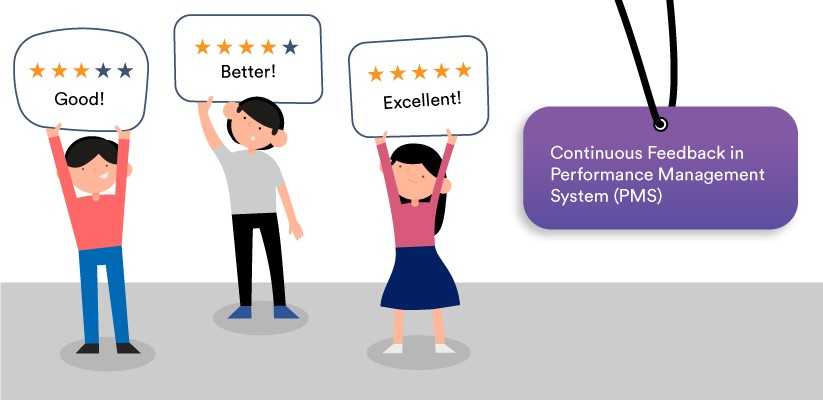
Performance Reviews Are Dead. Long live continuous feedback

By , Nandana GS , Digital Marketing Exrcutive

For decades, the annual performance review has been a sacred cow of corporate management. The endless forms, the 360-degree feedback, the forced ranking scales, and the “calibration sessions” that feel more like jury duty than leadership.

But here’s the hard truth: The annual review isn’t just broken. It’s actively harming your organisation.

Why? Because feedback is most valuable when it is immediate, specific, and actionable. Waiting 12 months to tell someone they are underperforming—or worse, that they’ve been doing a great job—isn’t management. It’s negligence.

The anatomy of a broken ritual

Think about your last annual review. Was it stressful? Did you feel ambushed by a comment from nine months ago that your manager had been silently holding against you? Did you leave the room confused about what actually matters?

This happens because traditional reviews suffer from three fatal flaws:

  1. The Recency Bias: Managers primarily remember the last two months, not the entire year.
  2. The Feedback Sandwich: Vague praise, a tiny critique, then more vague praise. No one changes behaviour.
  3. The Dread Factor: Employees associate reviews with anxiety and judgement, not growth.

Enter continuous feedback

Continuous feedback flips the script. Instead of a high-stakes, backward-looking event, it becomes a low-friction, forward-looking habit.

It looks like this:

  • Every week: A five-minute check-in on progress and blockers.
  • In the moment: A quick “I noticed you handled that client objection really well—here’s why it worked.”
  • Before a project starts: Clear alignment on what “good” looks like, not after the fact.

Why this shift is urgent in 2026

We are managing knowledge workers, not assembly line workers. Creativity, collaboration, and adaptability cannot be measured on a single score out of five.

  • Gen Z & Millennials expect real-time coaching. They grew up with instant feedback from gaming, social media, and dating apps. Waiting a year feels like a geological age.
  • Agile work demands agile feedback. Teams that iterate weekly need feedback loops that run daily, not annually.
  • Retention is at stake. The number one reason people leave managers? A lack of recognition and unclear expectations. Continuous feedback solves both.

How to actually implement continuous feedback (without burning out)

Managers often hear “continuous feedback” and panic: Do I have to comment on everything my team does?

No. Here is a sustainable playbook.

1. Abolish the “annual review” folder. Replace it with a “working doc”. Keep a live document where managers and employees add notes after every 1-on-1. When a formal review cycle comes (if you must keep one), the document is the review—no surprises.

2. Train for “radical candour”. Most people avoid feedback because they fear being mean. Teach the framework: Care personally, but challenge directly. Silence is not kindness.

3. Use the “2×2” rule for written feedback. When giving async feedback, use two minutes to write and two minutes to edit. Cut adjectives. Add specific examples. Ask: “Would I want to receive this?”

4. Create a feedback charter. Ask your team: How do we want to give feedback? Via chat? In public? Only in private? Document the rules so feedback feels safe, not scary.

What success looks like

Companies that switch from annual reviews to continuous feedback report the following:

  • Higher psychological safety
  • Faster course correction on projects
  • Managers who actually know their people
  • No more “review season” burnout for HR

The funeral is over

Let’s bury the annual review for good. Not because it’s unfixable, but because we’ve outgrown it. Modern work requires modern communication.

So pour one out for the performance review. It had a good run. But continuous feedback isn’t just the future. It’s the only way to build a team that learns, adapts, and grows—together.

Call to action: Try this tomorrow. In your next 1-on-1, ask your direct report: “What’s one piece of feedback you wish you’d gotten last month, but didn’t?” The answer will tell you everything.

  1. PART 2: LinkedIn Version (Optimized for scrolling, engagement, and professional credibility)

Headline: We just fired our annual performance review process. And no one is sad about it.

The old way:

  • 12 months of silence.
  • A form filled with anxiety.
  • One score that defines a year.
  • The dreaded “feedback sandwich”.

The result? Employees feel judged. Managers feel like paper pushers. HR feels stuck in an outdated ritual.

Enter continuous feedback.

Not more meetings. Not micromanagement. Just real-time, specific, human conversations.

What changed when we switched:

Fewer surprises – no one ever says, “Why didn’t you tell me sooner?”

Faster growth – People improve in weeks, not years.

Better retention – Recognition happens when it matters, not 6 months late.

Lower anxiety – Feedback becomes a tool, not a weapon.

The hard truth: If you only talk to your people about performance once a year, you aren’t managing. You’re guessing.

Continuous feedback isn’t a trend. It’s the minimum standard for any team that actually wants to get better.

27May

Employee Engagement Hacks for Small Businesses

By Nandana G.S , Digital Marketing Executive , Level Up HR Solutions

Employee engagement is often associated with large organizations that have extensive resources, perks, and dedicated HR teams. However, this assumption is misleading. In reality, engagement is not driven by budget—it is driven by culture, leadership, and consistency.

Therefore, even small businesses with limited resources can build a highly engaged workforce by focusing on the right fundamentals.

Why Engagement Matters for Small Businesses

For small businesses, every employee plays a critical role. Consequently, disengagement can have a more immediate and visible impact.

When engagement is low:

  • Productivity is reduced
  • Employee turnover increases
  • Customer experience may suffer

On the other hand, high engagement leads to:

  • Stronger team collaboration
  • Better performance
  • Higher retention

Hence, investing in engagement is not optional—it is essential for growth.

The Biggest Misconception: Engagement Requires Money

Many small business owners believe that engagement requires expensive perks, bonuses, or large-scale initiatives.

However, research and practical experience show that employees value:

  • Recognition
  • Respect
  • Growth opportunities
  • Clear communication

These factors can be implemented with minimal or no financial investment.

High-Impact, Low-Cost Engagement Strategies
1. Build Strong Communication Practices

Firstly, clear and consistent communication must be established.

This can be achieved through:

  • Weekly team check-ins
  • Open discussions with leadership
  • Encouraging employee feedback

As a result: employees feel heard, valued, and connected.

2. Recognize and Appreciate Employees Regularly

Recognition does not need to be expensive to be effective.

Simple actions such as:

  • Public appreciation during meetings
  • Personalized thank-you messages
  • Highlighting achievements

can significantly boost morale.

Therefore: consistency matters more than cost.

3. Offer Growth and Learning Opportunities

Even without large training budgets, development can be supported.

Practical approaches include:

  • Internal knowledge-sharing sessions
  • Mentorship within the team
  • Assigning new responsibilities

Consequently: employees feel invested in and motivated to grow.

4. Create a Positive Work Environment

Workplace culture plays a major role in engagement.

This includes:

  • Respectful communication
  • Supportive leadership
  • A sense of belonging

Hence: a positive environment can be built without financial investment.

5. Provide Flexibility Where Possible

Flexibility is one of the most valued benefits today.

Even small businesses can offer:

  • Flexible working hours
  • Work-from-home options (where feasible)
  • Understanding of personal needs

As a result: employee satisfaction and loyalty are improved.

6. Involve Employees in Decision-Making

Employees feel more engaged when they are included in decisions.

This can be done by:

  • Asking for input on processes
  • Involving teams in problem-solving
  • Encouraging idea sharing

Therefore: ownership and accountability are increased.

7. Build Strong Manager-Employee Relationships

In small businesses, leadership accessibility is an advantage.

Managers should:

  • Have regular one-on-one conversations
  • Provide constructive feedback
  • Show genuine interest in employees

Consequently: trust and engagement are strengthened.

8. Celebrate Small Wins

Celebrations do not need to be large or expensive.

Examples include:

  • Team appreciation moments
  • Acknowledging milestones
  • Informal team gatherings

As a result: motivation and team spirit are maintained.

Common Mistakes Small Businesses Should Avoid

Even with good intentions, certain mistakes can reduce engagement:

  • Ignoring employee feedback
  • Being inconsistent in communication
  • Recognizing only top performers
  • Overloading employees without support

Hence: consistency and fairness must be maintained.

A Simple Engagement Framework for Small Businesses

To make implementation easier, a structured approach can be followed:

  1. Assess current engagement levels
  2. Identify key challenges
  3. Focus on 2–3 high-impact initiatives
  4. Implement consistently
  5. Collect feedback and improve
Final Thoughts

In conclusion, employee engagement is not determined by the size of the budget—it is shaped by the quality of leadership and workplace culture.

Small businesses, in fact, have a unique advantage: closer teams, faster communication, and more flexibility. When these strengths are effectively utilized, a highly engaged workforce can be built without significant financial investment.

Therefore, the focus should not be on spending more, but on doing the right things consistently.

How Level Up HR Solutions Can Help

At Level Up HR Solutions, tailored HR strategies are designed specifically for small and growing businesses.

From employee engagement frameworks to HR policy design and performance management systems, practical and cost-effective solutions are provided to drive real results.

18May

“Why Informal HR Systems Fail”

AARATHY N A
Digital Marketing Executive
LevelUp HR Solutions

In the early stages of a business, informal HR systems often feel efficient. Conversations replace contracts, trust replaces policies, and decisions are made quickly without paperwork. For many SMEs, this flexibility appears to be a strength.

However, as organizations grow, what once felt agile begins to create confusion, inconsistency, and risk. The absence of proper documentation is not just an administrative gap—it is a structural weakness that can lead to legal disputes, employee dissatisfaction, and operational inefficiencies.

This article explores why informal HR systems fail over time and how proper documentation transforms HR from reactive firefighting into a stable, scalable function.

What Are Informal HR Systems?

Informal HR systems are people management practices that rely on:

  • Verbal agreements instead of written contracts
  • Unstructured policies or inconsistent rule enforcement
  • Ad hoc decision-making without documented processes
  • Limited or no record-keeping

While these systems may work in very small teams, they become increasingly unsustainable as headcount, complexity, and compliance requirements grow.

The Core Problem: Lack of Documentation

At the heart of most HR failures is a simple issue—nothing is clearly recorded.

Without documentation:

  • Expectations are unclear
  • Decisions cannot be justified
  • Policies cannot be enforced consistently
  • Legal protection is minimal

Documentation is not bureaucracy—it is the backbone of accountability and clarity.

Key Reasons Informal HR Systems Fail

1. Ambiguity Leads to Employee Disputes

When roles, responsibilities, and compensation structures are not formally documented, misunderstandings are inevitable.

Common Scenarios:

  • “This wasn’t part of my role.”
  • “I was promised a salary revision.”
  • “My leave was approved verbally.”

Without written records, these disputes become difficult to resolve fairly.

2. Inconsistent Decision-Making

In informal setups, decisions often depend on who is managing or the situation at hand.

Impact:

  • Two employees may receive different treatment for similar issues
  • Promotions and salary hikes may appear biased
  • Disciplinary actions may seem arbitrary

This inconsistency erodes trust and creates a perception of favoritism.

3. Weak Legal Defensibility

In the absence of documented policies and employee records, organizations have limited protection in legal or compliance disputes.

High-Risk Areas:

  • Termination without documented cause
  • Lack of employment contracts
  • Missing attendance or wage records
  • No formal grievance mechanisms

In such cases, the burden of proof often falls on the employer—and without documentation, that defense is weak.

4. Poor Employee Experience

Employees today expect clarity and professionalism.

Without Documentation:

  • Policies feel unclear or change frequently
  • Leave and benefits are confusing
  • Career growth paths are undefined

This leads to frustration, reduced engagement, and higher attrition.

5. Scaling Becomes Chaotic

What works for a team of 5 rarely works for a team of 50.

Scaling Challenges:

  • New hires receive inconsistent onboarding
  • Managers interpret policies differently
  • Institutional knowledge remains undocumented

The result is operational chaos and dependency on a few individuals.

6. Compliance Gaps and Penalties

Labour law compliance requires documented proof—not verbal assurances.

Examples:

  • Missing registers (attendance, wages, leave)
  • No documented wage structures
  • Absence of statutory policies

Even if a company is “doing the right thing,” failure to document it can still result in penalties.

7. Knowledge Loss and Dependency Risks

In informal systems, critical information often resides with specific individuals.

Risk:

  • If a key employee leaves, processes collapse
  • No standard operating procedures (SOPs) to guide replacements
  • Repeated errors due to lack of historical records

Documentation ensures continuity and reduces dependency on individuals.

What Proper HR Documentation Should Include

To move from informal to structured HR systems, SMEs should prioritize the following:

1. Employee-Level Documentation
  • Appointment letters
  • Employment contracts
  • Compensation structures
  • KYC documents
2. Policy Framework
  • Leave policy
  • Attendance and working hours policy
  • Code of conduct
  • POSH policy
3. Process Documentation
  • Hiring and onboarding procedures
  • Performance management systems
  • Disciplinary and termination processes
  • Grievance redressal mechanisms
4. Statutory Records
  • Attendance registers
  • Wage and payroll records
  • Leave and overtime logs
  • Compliance filings

Transitioning from Informal to Structured HR

Shifting to a documented HR system does not require overnight transformation. A phased approach works best.

Step 1: Audit Existing Practices Identify what is currently being followed informally.

Step 2: Prioritize High-Risk Areas Start with contracts, payroll, and compliance documentation.

Step 3: Standardize Policies Create clear, written policies and communicate them to employees.

Step 4: Digitize Records Use HR software or centralized systems to maintain documentation.

Step 5: Train Managers Ensure consistent implementation across teams.

Common Misconception: Documentation Reduces Flexibility

Many founders believe that documentation creates rigidity.

In reality:

  • Documentation creates clarity, not restriction
  • Well-defined policies reduce confusion and decision fatigue
  • Structured systems allow controlled flexibility

The goal is not to eliminate flexibility—but to ensure it operates within a consistent framework.

Final Thought: Documentation Is Organizational Memory

Informal HR systems rely on memory, assumptions, and goodwill. Structured HR systems rely on clarity, consistency, and accountability.

As businesses grow, memory fails—but documentation scales.

In 2026, organizations that invest in proper HR documentation will:

  • Resolve conflicts faster
  • Stay compliant with evolving regulations
  • Build stronger employee trust
  • Scale without operational breakdowns

The difference between a struggling SME and a scalable organization often comes down to one thing:

What is written down—and what is not.

If our assessment uncovers areas that require attention, we can work with you to define a clear, practical roadmap for resolution. Alternatively, if you prefer to implement the recommendations internally, you will have a structured set of insights to guide your actions.

12May

Is Your Company Ready for a Labour Inspection in 2026?

By, Rose Maria Francis

Digital Marketing Executive,

Level Up HR Solutions

Most businesses do not fail labour inspections because they intentionally break the law. They fail because they are unprepared.

A missing register. An outdated policy. An incorrect wage calculation.

Small gaps  with large consequences.

With increasing digitisation and stricter enforcement, labour inspections in 2026 are not just procedural — they are precise, data-driven, and documentation-focused.

This article outlines what inspectors typically look for, where SMEs go wrong, and how to ensure your business is fully prepared.

What Has Changed in Labour Inspections

Labour inspections today are no longer random, paper-based checks.

They are:

  • Data-driven — triggered by filings, complaints, or inconsistencies
  • Digitally supported — cross-verification with PF, ESI, and payroll records
  • Documentation-heavy — emphasis on records, not explanations

The expectation is simple: If it is not documented, it does not exist.

What Inspectors Typically Check

While requirements vary by establishment, most inspections focus on three areas:

1. Employee Documentation
  • Appointment letters issued and signed
  • Employee identity and KYC records
  • Attendance and leave records
  • Wage structure and salary breakup

Risk area: Missing or unsigned documents.

2. Payroll & Statutory Compliance
  • Salary payments aligned with minimum wage laws
  • PF and ESI registration and contributions
  • TDS deductions and filings
  • Bonus calculations and payments

Risk area: Incorrect calculations or delayed filings.

3. Registers & Records
  • Statutory registers (wages, attendance, overtime, etc.)
  • Leave records and holiday lists
  • Inspection registers
  • Digital or physical record maintenance

Risk area: Incomplete or outdated registers.

4. Policies & Workplace Compliance
  • Leave policy
  • Code of conduct
  • POSH compliance (Internal Committee, policy, records)
  • Working hours and overtime compliance

Risk area: Policies exist but are not implemented or documented.

Common Mistakes SMEs Make

1. “We’ll fix it if inspection happens” mindset Compliance cannot be created overnight.

2. Partial documentation Some employees fully documented, others not.

3. Payroll errors Incorrect PF, ESI, or bonus calculations.

4. No audit trail No record of updates, approvals, or changes.

5. Ignoring digital compliance Mismatch between filed data and internal records.

Manual vs Digital Readiness

Many SMEs still rely on:

  • Excel payroll
  • Physical registers
  • Scattered employee files

This creates risk during inspections.

Digitally structured systems provide:

  • Instant access to records
  • Accurate calculations
  • Audit-ready documentation
  • Consistency across all employees

The goal is not just digitisation — but organised, verifiable data.

A Practical Labour Inspection Checklist

If your company is inspection-ready, you should be able to confidently answer “yes” to all of the following:

  • Are all employee files complete and updated?
  • Are appointment letters issued and signed?
  • Are payroll records accurate and consistent with filings?
  • Are PF, ESI, and TDS properly calculated and filed?
  • Are statutory registers maintained and updated?
  • Are policies documented and acknowledged by employees?
  • Is your data consistent across systems and filings?

If the answer to any of these is “no” — there is a gap.

How to Prepare — The Right Approach

1. Conduct an internal HR audit Identify gaps before an inspector does.

2. Standardise documentation Ensure consistency across all employees.

3. Digitise with structure Centralised, accessible, and secure records.

4. Align payroll with compliance No manual approximations — only accurate calculations.

5. Train your HR/admin team Awareness is as important as documentation.

6. Review regularly Compliance is ongoing, not one-time.

The Cost of Being Unprepared

Labour inspections do not just result in penalties.

They can lead to:

  • Financial liabilities
  • Legal complications
  • Operational disruption
  • Reputation damage

In contrast, a well-prepared company handles inspections with confidence and clarity.

Closing Thought

Labour inspection readiness is not about fear. It is about discipline.

The businesses that pass inspections smoothly are not the ones scrambling at the last moment — they are the ones that treat compliance as a continuous process.

Because when everything is documented, updated, and aligned — inspection is no longer a risk. It is just a formality.

At Level UP HR Solutions, we help businesses audit, structure, and manage HR compliance systems to ensure they are always inspection-ready.

20Apr

Offer Letter vs Employment Contract

Most Indian SMEs send an offer letter when hiring. Far fewer follow it up with a properly drafted employment contract. And almost none realise that this gap — between a letter and a contract — is where most employment disputes begin.

This is not a technicality. It is one of the most practical things you can do to protect your business.

First — are they the same thing?

No. They are two separate documents that serve two very different purposes. In practice, they are often confused, merged, or one is skipped entirely. Here is how to think about each one.

The Offer Letter

An offer letter is a pre-employment document. It is issued after a candidate is selected but before they join. It communicates intent — yours as an employer, and theirs as a prospective employee.

A well-drafted offer letter should cover:

  • Designation and department
  • Offered CTC (Cost to Company) and basic salary breakup
  • Joining date and reporting location
  • Whether the offer is conditional (subject to background verification, document submission, etc.)
  • Offer validity period
  • A brief note on probation period

What it is NOT: An offer letter is not legally binding as a contract of employment. It does not govern the ongoing employment relationship. It is an invitation to join — not the terms under which someone works for you.

The moment the candidate joins, the offer letter has served its purpose. What governs the relationship from that point is the employment contract — or appointment letter, as it is commonly called in India.

The Employment Contract (Appointment Letter)

The employment contract — or appointment letter — is the document that actually defines the employment relationship. It is issued on or after the date of joining and is signed by both parties.

A comprehensive employment contract should cover:

Core terms:
  • Full designation, department, and reporting structure
  • Detailed compensation structure (Basic, HRA, allowances, variables)
  • Working hours, leave entitlement, and holiday policy
  • Probation period and confirmation process
Protective clauses:
  • Notice period obligations (both employer and employee)
  • Confidentiality and non-disclosure obligations
  • Intellectual property ownership (especially critical for tech, creative, and consulting roles)
  • Non-solicitation clause (preventing former employees from poaching your clients or team)
  • Moonlighting policy
  • Termination conditions — for cause and without cause
Compliance terms:
  • Reference to applicable company policies (HR handbook, code of conduct, POSH policy)
  • Governing law and jurisdiction for disputes
  • PF, ESI, and other statutory deduction consent
Why the gap between them matters

Here is a scenario that plays out regularly across Indian SMEs:

An employee joins on the strength of an offer letter alone. No formal appointment letter is issued — or a generic one is used that does not cover notice period, confidentiality, or IP. Six months later, the employee resigns with one week’s notice instead of the stipulated 30 days, takes a client list with them, and joins a competitor.

What can you do? Very little — if the terms were never formally agreed to in writing.

The employment contract is your evidence. It is what you produce in a labour dispute, a civil claim, or an EPFO/ESIC inspection. Without it, you are relying on verbal understanding and goodwill.

Three documents, not two

In a well-structured onboarding process, there are actually three key documents:

1. Offer Letter — Pre-joining. Communicates the offer. Signed by employer only (or by candidate as acknowledgement).

2. Appointment Letter / Employment Contract — Issued on joining day. Signed by both parties. This is the governing document.

3. Joining Form / Onboarding Checklist — Captures the employee’s declaration of personal details, previous employment, bank account, nominee information, and acknowledgement of company policies.

Each serves a distinct purpose. Each should exist as a separate, properly executed document.

Common mistakes Indian SMEs make

Using a template downloaded from the internet — Generic templates miss jurisdiction-specific clauses, do not reflect your business model, and often contain outdated legal language. An employment contract should be drafted for your business, not borrowed from someone else’s.

Issuing the offer letter as the only document — Some employers issue a detailed offer letter and consider the job done. This leaves every protective clause unaddressed.

Not getting it signed — A contract that exists but has never been signed by the employee is extremely difficult to enforce.

Using the same contract across all roles — A sales executive and a software developer have very different IP, confidentiality, and non-compete considerations. One-size contracts fail both.

Not updating contracts when roles change — A promotion, a role change, or a salary revision that is not documented creates ambiguity about the current terms of employment.

What does this cost you if you get it wrong?

The cost is not always immediate. It shows up when:

  • An employee disputes a notice period and walks out
  • A former employee approaches your clients directly
  • A labour court proceeding requires you to prove the terms of employment
  • A potential investor or acquirer conducts due diligence and finds incomplete employment records
  • A statutory inspection requests employee documentation


At that point, a poorly drafted or missing employment contract stops being a paperwork issue and becomes a financial and legal one.

A note on Indian law

India does not have a single statute that mandates the form of an employment contract for all sectors. However, several laws create implied or explicit documentation obligations — the Shops and Establishments Act (state-specific), the Contract Labour Act, the Industrial Employment (Standing Orders) Act, and the Indian Contract Act, 1872 all interact with how employment terms are interpreted.

In Kerala, for instance, the Kerala Shops and Commercial Establishments Act requires employers to maintain registers and issue specific documentation to employees. Compliance starts with having the right documents in place.

Contemporary young accountant working with papers in office

The difference between an offer letter and an employment contract is the difference between communicating intent and creating legal clarity. Both matter. Neither replaces the other.

If your business has been running on offer letters alone — or on generic appointment letters that haven’t been reviewed in years — an HR audit is the right place to start. We review your existing documentation, identify gaps, and help you build an employment documentation framework that actually protects your business.

At Level UP HR Solutions, HR documentation is one of our core service lines — from offer letters and appointment letters to full HR policy handbooks.

17Apr

HR Audit: The Hidden Risk Costing You Money

By Chippy Jayaprakash, Founder & CEO, Level UP HR Solutions

Most business owners think an HR Audit is something only large corporations worry about. That assumption is expensive.

If you run a growing company in India — whether you have 20 employees or 200 — your HR practices are either protecting your business or quietly creating risk. An HR audit tells you exactly which one.

So, what is an HR audit?

An HR audit is a structured, independent review of your company’s HR policies, practices, documentation, and compliance status. It examines everything from employment contracts and leave records to payroll accuracy, statutory contributions, and employee data management.

Think of it as a financial audit — but for your people practices.

A thorough HR audit covers:

  • Employment documentation — Are your offer letters, appointment letters, and contracts legally sound and up to date?
  • Statutory compliance — Are you meeting your obligations under the Shops & Establishments Act, PF, ESI, Gratuity, and labour welfare regulations?
  • Payroll accuracy — Are salaries calculated correctly? Are TDS deductions, PF contributions, and payslips compliant with applicable rules?
  • HR policies and handbooks — Do you have a written policy for leave, code of conduct, POSH, grievance redressal, and disciplinary procedures?
  • Employee records — Is your employee data complete, organised, and accessible during an inspection or audit?
  • Onboarding and exit processes — Are your joining formalities and full-and-final settlements handled correctly?
Why do Indian SMEs avoid HR audits?

Three common reasons:

  1. “We’re too small to need it.” — Size doesn’t exempt you from compliance. A 25-person company is just as liable under the PF Act or the POSH Act as a 250-person one.
  2. “We’ll do it when we scale.” — By the time you scale, the gaps are already there — and harder to fix under pressure.
  3. “Our HR is handled internally.” — An internal review is useful. But it often misses what an experienced external auditor will catch, simply because internal teams are too close to the process.
What happens when you skip it?

Non-compliance with labour laws can result in penalties, legal notices, and reputational damage. Inaccurate payroll creates employee disputes and tax liability. Incomplete documentation means you have no defence in a labour court or during a government inspection.

More quietly: poor HR processes lead to disengaged employees, attrition, and leadership time wasted firefighting instead of growing.

What does an HR audit actually give you?

When done properly, an HR audit gives you three things:

  1. A clear picture of where your HR function stands today — strengths, gaps, and risks.
  2. A prioritised action plan — not a 40-page report that sits in a drawer, but specific steps ranked by urgency and impact.
  3. Peace of mind — knowing that your business is protected before an inspection, a dispute, or a growth event like fundraising or acquisition.
When is the right time for an HR audit?

The honest answer? Right now. But especially if:

  • You’re planning to scale hiring in the next 6–12 months
  • You’ve recently crossed 10, 20, or 50 employees (statutory thresholds often change at these points)
  • You’re preparing for funding, a merger, or due diligence
  • You’ve never done a formal review of your HR documentation
  • You’ve had employee complaints, exits, or disputes in the past year
A note on compliance in Kerala

For businesses in Kerala, compliance requirements include the Kerala Shops and Commercial Establishments Act, state-specific labour welfare contributions, and local municipal employment norms — in addition to central acts like PF, ESI, and the POSH Act. Getting these right requires someone who knows both the state and central regulatory landscape.

An HR audit isn’t a sign that something is wrong. It’s a sign that you’re running your business with intention. The companies that grow well aren’t just the ones with the best products — they’re the ones that build strong foundations early.

At Level UP HR Solutions, we conduct structured HR audits for SMEs across Kerala and India — giving you a clear, actionable compliance report without the jargon.