02Sep

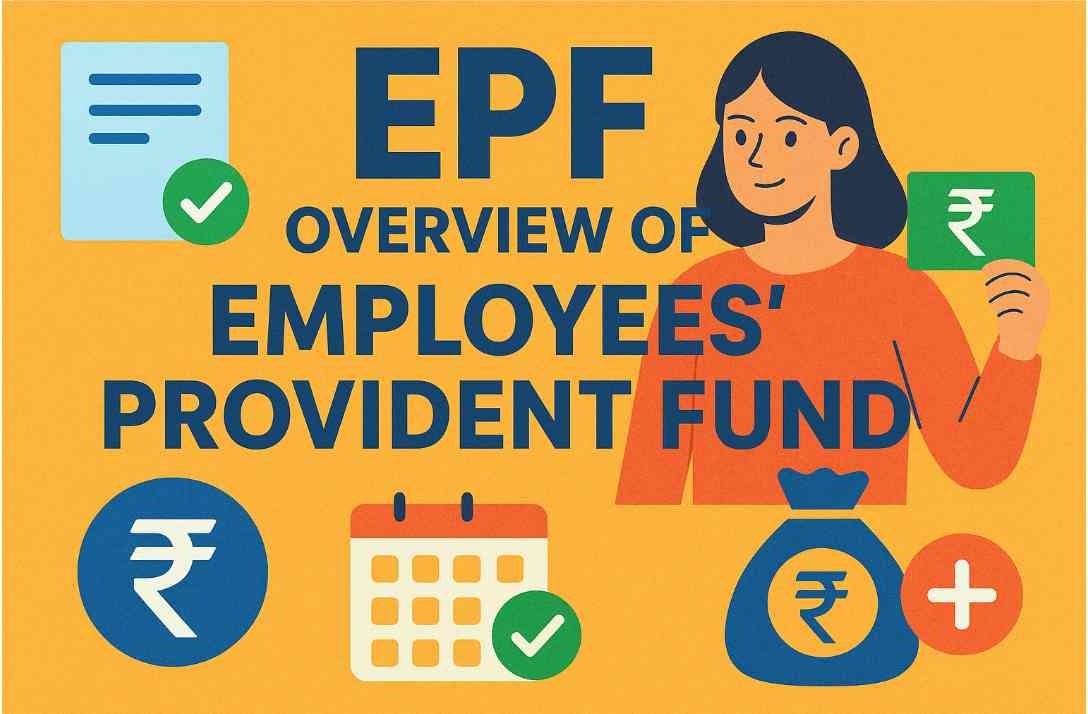
EPF Wage Components Explained: Basic Salary, DA and PF Contributions

by Naziha , Digital Marketing Executive

Payroll and statutory compliance can be confusing, especially when it comes to calculating Employees’ Provident Fund (EPF) contributions. One of the most common questions asked by employers and employees is simple:

Which salary components are actually considered for PF contributions?

Is PF calculated on the entire salary? Does House Rent Allowance (HRA) count? What about special allowances, bonuses, Dearness Allowance (DA), or other benefits?

Understanding EPF wage components is essential for accurate payroll processing and statutory compliance. Incorrect calculations can result in contribution shortages, compliance issues, and difficulties during inspections or audits.

In this guide, we explain the key wage components used for EPF calculations, including Basic Salary, Dearness Allowance (DA), Retaining Allowance, and PF contributions, in simple terms.

Understanding EPF Contributions

The Employees’ Provident Fund (EPF) is a social security scheme designed to help employees build long-term financial savings.

Both the employee and employer contribute a percentage of eligible wages to the EPF system.

According to the Employees’ Provident Fund Organisation (EPFO), the standard contribution rate for most covered establishments is 12% of the applicable wage components. These generally include:

  • Basic wages

  • Dearness Allowance (DA)

  • Retaining Allowance, if applicable

The employee normally contributes 12% of eligible wages. The employer also contributes 12%, although the employer’s contribution is distributed between the EPF and Employees’ Pension Scheme (EPS) according to applicable rules.

What Are the Main Wage Components for PF?

For a simple understanding, the PF calculation base can generally be represented as:

PF Wages = Basic Wages + Dearness Allowance + Retaining Allowance (if applicable)

Let’s examine each component.

1. What Is Basic Salary?

Basic salary, often referred to as Basic Pay or Basic Wages, is one of the most important components of an employee’s salary structure.

It is generally the fixed core portion of an employee’s salary before adding allowances, incentives, bonuses, or other benefits.

For example, an employee’s monthly salary structure may look like this:

  • Basic Salary: ₹20,000

  • HRA: ₹8,000

  • Special Allowance: ₹7,000

  • Other Benefits: ₹5,000

In a straightforward PF calculation, the basic salary forms an important part of the wage base used to calculate contributions.

However, HR and payroll teams should not assume that simply labelling a salary component as an “allowance” automatically excludes it from PF considerations. The actual nature and structure of wage components can matter for compliance purposes.

This is why businesses should review their salary structures carefully rather than relying only on the names assigned to different components.

2. What Is Dearness Allowance (DA)?

Dearness Allowance (DA) is an allowance traditionally provided to help employees manage increases in the cost of living.

For EPF contribution purposes, DA is included along with basic wages when determining the applicable contribution base.

For example:

  • Basic Salary: ₹15,000

  • Dearness Allowance: ₹3,000

PF Wage Base = ₹18,000

If the applicable contribution is calculated on the full eligible wage amount, the contribution calculation would be based on the relevant rules and limits applicable to that employee and establishment.

EPFO’s guidance states that PF contributions are based on basic wages, DA, and retaining allowance, where applicable.

3. What Is Retaining Allowance?

Retaining Allowance is less common than Basic Salary or DA, but it is specifically relevant under EPF provisions.

It generally refers to an allowance paid to retain the services of an employee during a period when a factory or establishment is not working.

This type of allowance is particularly relevant in industries where operations may be seasonal or temporarily suspended.

For example, certain employees may receive a retaining allowance during an off-season to ensure they remain associated with the organization.

Where applicable, retaining allowance forms part of the wage components considered for PF contribution purposes.

The Basic EPF Calculation Formula

For most employees, a simplified calculation can be shown as:

Employee PF Contribution = 12% of eligible PF wages

Employer PF Contribution = 12% of eligible PF wages

However, the employer’s 12% contribution is not always credited entirely to the employee’s EPF account.

According to EPFO guidance, a portion of the employer’s contribution is allocated towards the Employees’ Pension Scheme (EPS), subject to applicable rules and limits, with the remaining portion credited to EPF.

Example: Understanding PF Contributions

Let’s consider a simple example.

Employee Salary Structure

Salary ComponentAmountBasic Salary₹15,000Dearness Allowance₹2,000HRA₹6,000Special Allowance₹5,000Gross Salary₹28,000

For illustration:

Basic Salary + DA = ₹17,000

Therefore, the starting point for determining the PF wage base would include the Basic Salary and DA.

The actual contribution calculation may depend on factors such as applicable wage limits, the employee’s PF membership status, establishment practices, and other statutory requirements.

Is PF Calculated on Gross Salary?

No, PF is not automatically calculated on the entire gross salary.

Gross salary can include several components, such as:

  • Basic Salary

  • Dearness Allowance

  • HRA

  • Bonuses

  • Incentives

  • Other allowances

EPF rules identify specific wage components for contribution purposes. Simply taking 12% of an employee’s total gross salary without reviewing the salary structure can lead to incorrect calculations.

This is why payroll teams must clearly understand how each salary component is structured.

What About HRA?

House Rent Allowance (HRA) is commonly provided to employees as part of their salary package.

HRA is generally treated separately from the basic wage components specifically identified for standard EPF contribution calculations.

EPFO materials discussing the EPF wage structure list HRA among allowances excluded from the basic wage definition, subject to the applicable legal interpretation of wage components.

However, employers should ensure that their overall salary structures are designed genuinely and consistently, rather than artificially restructuring wages simply to reduce statutory liability.

What About Bonuses and Incentives?

Employees may receive additional payments such as:

  • Annual bonuses

  • Performance bonuses

  • Sales commissions

  • Incentives

  • Overtime payments

These payments do not automatically form part of the standard PF calculation base in every situation.

EPFO materials identify items such as bonus, commission, HRA, and overtime allowance among exclusions from the basic wage definition.

However, payroll compliance can become complex when organizations use multiple allowances as part of their regular compensation structures. Businesses should review the nature of each payment and obtain professional compliance advice where necessary.

The ₹15,000 PF Wage Ceiling Explained

The ₹15,000 figure is one of the most commonly misunderstood aspects of EPF compliance.

EPFO states that an employee drawing monthly wages up to ₹15,000 in a covered establishment is generally required to become a member, subject to applicable provisions. EPFO guidance also explains that, where a member’s monthly pay exceeds ₹15,000, contributions may be limited to the amounts payable on ₹15,000 per month, subject to applicable provisions and exceptions.

This does not mean every employee earning more than ₹15,000 automatically has no PF considerations.

PF eligibility and contribution requirements can depend on factors such as:

  • Whether the employee was already an EPF member

  • The employee’s wages at the relevant time

  • Whether contributions are restricted to the statutory ceiling

  • Whether higher-wage contributions are being made according to applicable provisions

  • Establishment and employee arrangements

Because of these factors, HR teams should avoid using the ₹15,000 figure as a one-size-fits-all rule.

Common PF Wage Calculation Mistakes

1. Calculating PF on the Wrong Salary Component

One of the most common payroll mistakes is calculating PF on the gross salary without reviewing individual wage components.

Every salary structure should be examined carefully.

2. Assuming Every Allowance Is Excluded

Some organizations assume that any payment labelled as an “allowance” can automatically be excluded from PF calculations.

This approach can create compliance risks.

The substance and nature of the payment may be more important than simply the name used in the salary structure.

3. Ignoring Dearness Allowance

DA is specifically included in the wage components used for PF contribution calculations.

Failing to include applicable DA can result in incorrect contribution calculations.

4. Misunderstanding the ₹15,000 Ceiling

The statutory wage ceiling is frequently misunderstood.

HR and payroll teams should understand the difference between:

  • PF membership eligibility

  • The statutory wage ceiling

  • Contribution calculations

  • Higher-wage or voluntary contributions

5. Failing to Review Salary Structures Regularly

Salary structures can change due to:

  • Promotions

  • Salary increments

  • Compensation restructuring

  • New allowances

  • Changes in employment terms

Every significant change should be reviewed to ensure continued payroll compliance.

Why Accurate PF Calculations Matter

Incorrect PF calculations can create several challenges for businesses.

These include:

  • Contribution shortfalls

  • Interest and damages where applicable

  • Compliance notices

  • Employee complaints

  • Payroll discrepancies

  • Difficulties during audits and inspections

Accurate calculations protect both the employer and employees.

A Simple PF Compliance Checklist for HR Teams

Before finalizing monthly payroll, HR and payroll teams should check:

✔ Is the employee’s Basic Salary correctly recorded?

✔ Has applicable DA been included?

✔ Is there any Retaining Allowance that needs to be considered?

✔ Has the salary structure been reviewed for changes?

✔ Are PF contributions being calculated according to applicable limits and rules?

✔ Are employee and employer contributions correctly recorded?

✔ Are monthly filings and payments completed within the required timeline?

A regular internal review can help organizations identify mistakes before they become larger compliance issues.

How Payroll Technology Can Help

Modern payroll and HR systems can simplify PF management by helping organizations:

  • Maintain employee salary records

  • Automate PF calculations

  • Track salary revisions

  • Generate payroll reports

  • Reduce manual calculation errors

  • Maintain compliance records

However, technology is only as accurate as the information and rules configured within the system.

Organizations should therefore periodically audit payroll settings and salary structures.

Final Thoughts

Understanding EPF wage components is essential for accurate payroll management.

The basic framework is straightforward: PF contributions are generally connected to Basic Wages, Dearness Allowance, and Retaining Allowance, where applicable. But real-world payroll compliance can become more complex when employees have multiple allowances, changing salary structures, or wages above the statutory ceiling.

For HR teams, the key is not simply to apply a percentage every month. It is to understand the salary structure, classify wage components correctly, maintain accurate records, and review compliance regularly.

A well-managed PF process protects employees’ long-term financial interests while helping businesses avoid unnecessary compliance risks.

When in doubt, it is always better to review the applicable EPF provisions and seek qualified professional guidance rather than relying on assumptions.


20Aug

PF Inspection Notice? Here’s What HR Should Do First

A Practical Guide for HR Teams to Handle EPFO Inspections with Confidence

Receiving a Provident Fund (PF) Inspection Notice can create anxiety for HR, payroll, and management teams. Questions immediately arise: Are our records complete? Have all contributions been deposited correctly? Is our documentation audit-ready? What if the inspector identifies compliance gaps?

The reality is that a PF inspection notice does not necessarily mean your organization has violated any regulations. In many cases, inspections are conducted as part of routine compliance verification, employee complaints, data discrepancies, or sector-wide reviews initiated by the Employees’ Provident Fund Organisation (EPFO).

However, how an organization responds to the notice can significantly influence the outcome of the inspection. A structured and proactive approach helps minimize risks, avoid penalties, and demonstrate compliance readiness.

This guide outlines the first steps HR teams should take after receiving a PF inspection notice and how organizations can prepare effectively.

Understanding a PF Inspection Notice

A PF inspection is conducted by EPFO authorities to verify whether an organization is complying with the provisions of the Employees’ Provident Funds and Miscellaneous Provisions Act.

The inspection may review:

  • Employee enrollment records

  • PF contributions

  • UAN details

  • Payroll records

  • Salary registers

  • Employee classifications

  • Contractor compliance

  • PF returns and filings

  • Statutory records

The objective is to ensure that eligible employees are covered and contributions are being deducted and deposited correctly.

Why Organizations Receive PF Inspection Notices

Inspections may be triggered due to:

Routine Compliance Verification

EPFO periodically conducts inspections to ensure compliance.

Employee Complaints

Employee grievances regarding PF deductions or benefits may lead to scrutiny.

Payroll Discrepancies

Differences between filings and payroll records can attract attention.

Delayed Contributions

Late PF remittances may trigger compliance reviews.

Business Expansion

Organizations experiencing rapid growth often undergo compliance verification.

Contractor Compliance Issues

Third-party workforce management can create additional inspection risks.

First Step: Stay Calm and Review the Notice Carefully

The most common mistake organizations make is reacting without fully understanding the notice.

Review:

✔ Inspection date

✔ Scope of inspection

✔ Documents requested

✔ Reporting timelines

✔ Period under review

✔ Contact details of the inspecting authority

Avoid assumptions and focus on understanding exactly what information has been requested.

Step 2: Inform Key Stakeholders Immediately

PF inspections should not be handled by HR alone.

Notify:

  • Management

  • Payroll Team

  • Finance Team

  • Compliance Officers

  • HR Leadership

  • External Compliance Consultants (if applicable)

A coordinated response ensures information is collected efficiently and accurately.

Step 3: Conduct an Internal Compliance Review

Before the inspection takes place, perform an internal assessment of PF compliance.

Review:

Employee Coverage

Verify that all eligible employees have been enrolled.

UAN Records

Ensure employee UAN details are accurate and active.

Payroll Records

Cross-check PF deductions against payroll reports.

Contribution Deposits

Confirm all contributions have been remitted on time.

Filing Records

Review ECR filings and statutory submissions.

An internal review helps identify issues before the inspector does.

Step 4: Gather Required Documentation

Documentation is often the most critical part of any PF inspection.

Prepare:

Employee Records
  • Appointment Letters

  • Employee Master Data

  • Joining Forms

  • Identity Documents

Payroll Records
  • Salary Registers

  • Wage Sheets

  • Attendance Records

  • Payroll Reports

PF Compliance Documents
  • UAN Records

  • ECR Filings

  • Contribution Reports

  • Challans

  • Payment Confirmations

Statutory Registers
  • Employee Registers

  • Contractor Records

  • Compliance Reports

Maintain documents in an organized and easily accessible format.

Step 5: Reconcile Payroll and PF Data

One of the most common inspection findings involves mismatches between payroll and PF records.

Verify:

  • PF wages

  • Employee contributions

  • Employer contributions

  • Salary revisions

  • Bonus payments

  • Arrear payments

Any discrepancies should be investigated immediately.

Step 6: Review New Joiners and Exits

Inspectors frequently review employee movement records.

Ensure:

  • New employees are enrolled correctly

  • Exit dates are updated

  • PF transfers are processed

  • Employee records are complete

Incomplete onboarding or exit documentation can create compliance concerns.

Step 7: Verify Contractor Compliance

Organizations using contract labour should review:

  • Contractor PF registrations

  • Contribution records

  • Compliance certificates

  • Employee coverage details

Principal employers may be held accountable for contractor non-compliance in certain situations.

Step 8: Identify Potential Compliance Gaps

During your internal review, pay close attention to:

Missing Employee Enrollments

Employees who should have been covered but were not enrolled.

Contribution Errors

Incorrect deductions or remittances.

Documentation Gaps

Missing employee or payroll records.

Filing Discrepancies

Differences between payroll data and statutory filings.

If issues are identified, seek professional guidance before the inspection.

Common Mistakes HR Teams Make During PF Inspections

Providing Incomplete Information

Never submit documents without reviewing them for accuracy.

Delaying Responses

Missed deadlines can create additional compliance concerns.

Hiding Compliance Issues

Transparency is always preferable to concealment.

Poor Documentation Management

Disorganized records create unnecessary complications.

Lack of Coordination

HR, payroll, and finance teams should work together throughout the process.

Why Growing Businesses Face Higher Inspection Risks

As businesses expand, workforce management becomes increasingly complex.

For many organizations in Kochi and across Kerala, rapid growth in sectors such as IT, healthcare, retail, logistics, and professional services has increased the importance of payroll governance and statutory compliance. Growing employee numbers often result in more complex PF administration, making regular compliance reviews essential for maintaining inspection readiness.

How HR Audits Help Prevent Inspection Issues

Organizations that conduct regular HR and payroll audits are generally better prepared for PF inspections.

A comprehensive audit can help identify:

  • Missing enrollments

  • Payroll inconsistencies

  • Documentation gaps

  • Filing errors

  • Compliance risks

Regular audits reduce surprises during inspections and improve compliance confidence.

Best Practices to Stay Inspection-Ready

Organizations should:

✔ Conduct periodic PF compliance reviews

✔ Maintain accurate employee records

✔ Reconcile payroll and PF data regularly

✔ Monitor contribution timelines

✔ Organize statutory documentation

✔ Review contractor compliance

✔ Conduct annual HR audits

✔ Train HR and payroll teams on compliance requirements

Being inspection-ready should be an ongoing process rather than a reaction to receiving a notice.

What Happens After the Inspection?

Following the inspection, EPFO authorities may:

  • Request additional information

  • Issue observations

  • Recommend corrective actions

  • Conduct further verification

  • Close the inspection if compliance is satisfactory

Organizations should respond promptly and maintain complete records of all communications.

Final Thoughts

Receiving a PF inspection notice can be stressful, but it does not have to become a crisis. The key is responding quickly, conducting an internal review, organizing documentation, and addressing potential compliance gaps before the inspection takes place.

HR teams play a critical role in ensuring payroll accuracy, employee record management, and statutory compliance. Organizations that maintain strong compliance practices throughout the year are far better equipped to handle inspections confidently and efficiently.

In 2026, proactive compliance management is no longer optional—it is essential for protecting your business, your employees, and your reputation.

How Level Up HR Solutions Can Help

At Level Up HR Solutions, we help businesses prepare for inspections and strengthen statutory compliance through expert HR and payroll consulting services.

Our Services Include:
  • PF Compliance Management

  • PF Inspection Readiness Support

  • Payroll Audits

  • HR Audits

  • ESI Compliance

  • Labour Law Compliance

  • HR Documentation

  • Statutory Compliance Reviews

  • Employee Record Management

  • End-to-End HR Consulting

12May

Is Your Company Ready for a Labour Inspection in 2026?

By, Rose Maria Francis

Digital Marketing Executive,

Level Up HR Solutions

Most businesses do not fail labour inspections because they intentionally break the law. They fail because they are unprepared.

A missing register. An outdated policy. An incorrect wage calculation.

Small gaps  with large consequences.

With increasing digitisation and stricter enforcement, labour inspections in 2026 are not just procedural — they are precise, data-driven, and documentation-focused.

This article outlines what inspectors typically look for, where SMEs go wrong, and how to ensure your business is fully prepared.

What Has Changed in Labour Inspections

Labour inspections today are no longer random, paper-based checks.

They are:

  • Data-driven — triggered by filings, complaints, or inconsistencies
  • Digitally supported — cross-verification with PF, ESI, and payroll records
  • Documentation-heavy — emphasis on records, not explanations

The expectation is simple: If it is not documented, it does not exist.

What Inspectors Typically Check

While requirements vary by establishment, most inspections focus on three areas:

1. Employee Documentation
  • Appointment letters issued and signed
  • Employee identity and KYC records
  • Attendance and leave records
  • Wage structure and salary breakup

Risk area: Missing or unsigned documents.

2. Payroll & Statutory Compliance
  • Salary payments aligned with minimum wage laws
  • PF and ESI registration and contributions
  • TDS deductions and filings
  • Bonus calculations and payments

Risk area: Incorrect calculations or delayed filings.

3. Registers & Records
  • Statutory registers (wages, attendance, overtime, etc.)
  • Leave records and holiday lists
  • Inspection registers
  • Digital or physical record maintenance

Risk area: Incomplete or outdated registers.

4. Policies & Workplace Compliance
  • Leave policy
  • Code of conduct
  • POSH compliance (Internal Committee, policy, records)
  • Working hours and overtime compliance

Risk area: Policies exist but are not implemented or documented.

Common Mistakes SMEs Make

1. “We’ll fix it if inspection happens” mindset Compliance cannot be created overnight.

2. Partial documentation Some employees fully documented, others not.

3. Payroll errors Incorrect PF, ESI, or bonus calculations.

4. No audit trail No record of updates, approvals, or changes.

5. Ignoring digital compliance Mismatch between filed data and internal records.

Manual vs Digital Readiness

Many SMEs still rely on:

  • Excel payroll
  • Physical registers
  • Scattered employee files

This creates risk during inspections.

Digitally structured systems provide:

  • Instant access to records
  • Accurate calculations
  • Audit-ready documentation
  • Consistency across all employees

The goal is not just digitisation — but organised, verifiable data.

A Practical Labour Inspection Checklist

If your company is inspection-ready, you should be able to confidently answer “yes” to all of the following:

  • Are all employee files complete and updated?
  • Are appointment letters issued and signed?
  • Are payroll records accurate and consistent with filings?
  • Are PF, ESI, and TDS properly calculated and filed?
  • Are statutory registers maintained and updated?
  • Are policies documented and acknowledged by employees?
  • Is your data consistent across systems and filings?

If the answer to any of these is “no” — there is a gap.

How to Prepare — The Right Approach

1. Conduct an internal HR audit Identify gaps before an inspector does.

2. Standardise documentation Ensure consistency across all employees.

3. Digitise with structure Centralised, accessible, and secure records.

4. Align payroll with compliance No manual approximations — only accurate calculations.

5. Train your HR/admin team Awareness is as important as documentation.

6. Review regularly Compliance is ongoing, not one-time.

The Cost of Being Unprepared

Labour inspections do not just result in penalties.

They can lead to:

  • Financial liabilities
  • Legal complications
  • Operational disruption
  • Reputation damage

In contrast, a well-prepared company handles inspections with confidence and clarity.

Closing Thought

Labour inspection readiness is not about fear. It is about discipline.

The businesses that pass inspections smoothly are not the ones scrambling at the last moment — they are the ones that treat compliance as a continuous process.

Because when everything is documented, updated, and aligned — inspection is no longer a risk. It is just a formality.

At Level UP HR Solutions, we help businesses audit, structure, and manage HR compliance systems to ensure they are always inspection-ready.

29Apr

How to Handle Payroll During Employee Notice Periods — The Right Way


By Afla Kc – Digital Marketing Executive

27Apr

Is HR Outsourcing Worth It?

Recruitment Consulting Venn Diagram

Every growing business reaches a point where someone — usually the founder, sometimes a finance manager, occasionally an office administrator — is spending a significant portion of their week managing HR tasks they were never trained for.

Payroll processing. PF and ESI filings. Leave tracking. Offer letters. Compliance registers. Salary slips. Show cause notices. Exit settlements.

None of these are simple. All of them carry risk if done incorrectly. And all of them pull the person handling them away from the work they were actually hired to do.

This is the moment when HR outsourcing becomes worth a serious conversation.

What is HR outsourcing?

HR outsourcing is the practice of engaging an external specialist — an HR consulting firm or managed HR services provider — to handle some or all of your HR functions on your behalf.

It is not the same as hiring a staffing agency or a contractual HR executive. It is a service relationship in which a dedicated team manages defined HR functions for your business, with accountability, process, and expertise built in.

What gets outsourced varies by business. The most common model for Indian SMEs involves outsourcing payroll processing and compliance — PF, ESI, PT, TDS, monthly filings, and salary slip generation. Beyond payroll, businesses also outsource HR documentation, HR audits, policy drafting, onboarding administration, and exit management.

Some businesses outsource everything HR-related. Others outsource only the parts they find most complex or time-consuming. Both approaches are valid — what matters is that the outsourced work is handled by people who do it every day, not by someone who does it in addition to three other jobs.

What HR outsourcing is not

Before going further, it is worth being clear about what HR outsourcing does not mean.

It does not mean losing control of your people decisions. Hiring, promoting, managing performance, and building culture remain entirely in your hands. What an outsourcing partner handles is the administration and compliance behind those decisions — not the decisions themselves.

It does not mean your employees deal with a third party for everything. A good HR outsourcing partner works in the background. Your employees still experience your brand, your culture, and your management team. The outsourcing relationship is largely invisible to them — except in the quality of the output. Accurate payslips. Correct deductions. Timely settlements.

It does not mean you need a minimum number of employees. HR outsourcing is often most valuable for businesses with 10 to 150 employees — precisely because this range is too large to manage casually but too small to justify a full in-house HR team.

The business case for HR outsourcing

Let me be direct about the economics.

A dedicated in-house HR executive in Kerala, with the experience and knowledge to handle payroll compliance, statutory filings, documentation, and employee relations competently, costs between ₹25,000 and ₹50,000 per month in salary — plus PF, ESI, gratuity provisioning, leaves, and the cost of the tools they need. That is before accounting for the time it takes to hire, train, and retain them.

A well-structured HR outsourcing engagement covering the same scope of work — payroll processing, statutory compliance, documentation support, and HR advisory — typically costs a fraction of that for a business in the 20 to 75 employee range.

But cost is not the only consideration. The more important question is quality and risk.

An in-house generalist handles HR among other responsibilities. An outsourcing partner specialises. Their entire team does nothing but HR and payroll compliance, day after day. They keep up with regulatory changes — amendments to PF rules, ESI circulars, state labour law updates — because staying current is their core responsibility, not an extra task to fit in between other work.

What can be outsourced — and what cannot

Functions well-suited to outsourcing:

  • Payroll processing — end-to-end salary calculation, statutory deductions, bank transfer inputs, payslip generation, and monthly reconciliation.
  • Statutory compliance — PF, ESI, and PT filings; ECR submission; ESIC monthly returns; annual PF returns; Form 16 coordination.
  • HR documentation — drafting and reviewing offer letters, appointment letters, increment letters, warning letters, full and final settlement calculations, and experience certificates.
  • HR audits — periodic review of your HR practices, documentation, and compliance posture against current legal requirements.
  • Policy drafting — creating or updating your employee handbook, leave policy, code of conduct, POSH policy, and other HR documents.
  • Onboarding and exit administration — joining formalities, document collection, background verification coordination, and exit process management.

Functions that should stay in-house:

  • Performance management — appraisals, feedback conversations, and performance improvement plans require the context and relationship that only internal managers can provide.
  • Culture and engagement — team building, values communication, and employee experience are leadership responsibilities that cannot be delegated outward.
  • Hiring decisions — while sourcing and screening support can be outsourced, the decision about who joins your organisation should remain yours.
  • Conflict resolution involving sensitive interpersonal matters — these situations require someone with direct organisational context and authority.

The distinction is straightforward: outsource the process, retain the people decisions.

Signs that HR outsourcing is right for your business

You do not need to be in crisis to consider HR outsourcing. But certain patterns are strong signals that the current arrangement is not working:

Your founder or finance manager is doing payroll — and spending four to six hours on it every month, plus additional time on queries and corrections. That time has a cost, and it is rarely the best use of a senior person’s attention.

You have received a statutory notice or query — from EPFO, ESIC, or a state labour department. This is a signal that your compliance process has gaps.

Your payroll generates queries every month — employees raising questions about deductions, missing reimbursements, or incorrect components. Frequent payroll queries are a symptom of a process problem, not just a communication problem.

You are about to scale significantly — adding 10 or 20 employees in a short period changes your compliance obligations, your documentation requirements, and the complexity of your payroll. It is far easier to onboard an outsourcing partner before the scaling happens than after.

You are preparing for due diligence — investors, acquirers, and lenders increasingly scrutinise HR compliance as part of due diligence. Clean payroll records, filed returns, and documented HR practices materially affect how your business is perceived.

You have had a compliance finding in an audit — and recognise that fixing it requires more than good intentions. It requires a process run by people who know what compliant looks like.

How to evaluate an HR outsourcing partner

Not all HR outsourcing providers are equal. When evaluating a partner, ask:

What is their statutory compliance track record? Can they demonstrate on-time filing records, zero-penalty history, and familiarity with both central and state-level regulations relevant to your business?

Who actually does the work? Some providers sell the engagement and hand it to a junior team member with limited experience. Understand who your day-to-day point of contact will be and what their background is.

How do they handle errors? Every payroll process, however good, will occasionally produce an error. How the provider responds — how quickly, how transparently, and how they prevent recurrence — tells you more about their culture than their pitch deck.

What does the contract actually cover? Ensure the scope of work is specific — not broad language about “HR support” but defined deliverables, turnaround times, and escalation paths.

Are they familiar with your industry and state? HR compliance in Kerala has state-specific dimensions — the Kerala Shops and Commercial Establishments Act, state labour welfare contributions, and local norms — that a provider unfamiliar with the region may not handle correctly.

Is HR outsourcing right for your business?

Here is an honest answer: it depends on where you are.

If you have 10 to 150 employees and HR is being handled by someone who is not an HR specialist — outsourcing is almost certainly worth evaluating seriously. The cost of getting it wrong compounds faster than most businesses expect.

If you have more than 150 employees and a partial in-house team — a hybrid model, where an outsourcing partner handles specific functions such as payroll compliance and auditing alongside your in-house HR person, is often the right structure.

The question is not whether outsourcing is right in the abstract. It is whether the current arrangement is actually working — for your compliance posture, for your employees, and for the time of the people currently managing it.

Closing thought

HR is not a back-office function. Done well, it protects your business, supports your team, and frees your leadership to focus on growth.

At Level UP HR Solutions, we work with Indian SMEs across Kerala and beyond to deliver payroll outsourcing, HR compliance, documentation, and audit services — with the responsiveness of a dedicated team and the expertise of specialists.

If you would like to understand what an outsourcing engagement would look like for your business, we are happy to start with a no-obligation conversation.

23Apr

Payroll Mistakes Are Killing Employee Trust

There is a moment every HR professional and business owner dreads. It is not a statutory notice or a labour inspection. It is far quieter than that.

It is the moment an employee walks up to their manager — or worse, goes straight to HR — and says: “My salary is wrong. Again.”

That word — again — is where the damage happens.

A single payroll error, handled promptly and with a genuine apology, is recoverable. It happens. Payroll is complex, and even well-run systems occasionally produce a mistake.

But repeated payroll errors — or errors that are dismissed, delayed, or explained away — do something far more damaging than creating a financial inconvenience. They erode the one thing that is hardest to rebuild in any employment relationship: trust.

Why payroll is not just a finance function

Most businesses treat payroll as an accounting task. Numbers go in, money comes out, taxes are filed. Done.

But employees do not experience payroll as an accounting task. They experience it as a signal.

When the salary hits on time and in the right amount, the signal is: this organisation is reliable. It values me enough to get the basics right.

When the salary is wrong — short by ₹3,000, missing an allowance, deducting the wrong PF amount — the signal is: I am not a priority. My details are not important enough to get right.

Multiply that signal across months, and you have an employee who has mentally started looking elsewhere — even if they have not opened a job portal yet.

The most common payroll errors we see in Indian SMEs

After working with businesses across Kerala and India on payroll outsourcing and HR compliance, these are the errors that appear most consistently:

1. Incorrect salary components The CTC structure on the offer letter does not match what is actually processed in payroll. Basic salary, HRA, special allowances — the numbers do not add up. The employee notices. They say nothing for a while. Then they stop trusting the system.

2. Wrong PF deduction PF is calculated on Basic + DA. When payroll calculates it on CTC, or on a flat number, or forgets to update it after a salary revision — the error compounds month after month. The employee either loses money they should have received, or discovers later that their PF account does not reflect what they expected.

3. TDS calculated incorrectly or without declaration Employees submit their investment declarations. Payroll processes them late, or not at all. The result is excess TDS deduction in the last quarter, causing financial stress exactly when many employees are managing major personal expenses.

4. Reimbursements paid late or not at all Medical reimbursements, travel claims, and telephone allowances are processed inconsistently. Some months they appear. Some months they do not. No communication. No explanation. Just silence — which employees fill in with their own conclusions.

5. Salary revision not reflected on time An employee receives a letter confirming a salary hike effective from a particular date. Three payroll cycles later, the revised amount has still not been processed. The arrears are owed. The employee has asked twice. Nothing has happened. This is not a payroll error anymore — it is a breach of a written commitment.

6. Salary slip not issued or incorrect The salary slip is the only formal record an employee has of their monthly earnings and deductions. When it is not issued, issued late, or contains figures that do not match the actual transfer, the employee has no way to verify what they were paid — and no document to use for loans, visa applications, or tax filing.

What payroll errors actually cost your business

The direct cost is often small. A wrong deduction. A missed reimbursement. Usually correctable in the next cycle.

The indirect cost is where businesses underestimate the damage:

Attrition. Payroll errors are consistently among the top five reasons employees cite when leaving — not always as the stated reason, but as the final straw. The employee who resigned citing “better opportunity” often left because they stopped feeling valued. Payroll errors were part of that story.

Management time. Every payroll query that reaches a manager is time that manager is not spending on something productive. In organisations with frequent payroll errors, HR and finance teams spend significant hours every month fielding, investigating, and resolving salary complaints.

Statutory exposure. Incorrect PF, ESI, or TDS deductions do not just affect the employee — they create compliance liability for the employer. Under-deduction or under-remittance attracts interest and penalties regardless of whether it was intentional.

Reputation. In a city like Kozhikode, or in any tight professional community, word travels. Employers known for getting salaries wrong find it harder to attract talent — particularly mid-career professionals who have options and have learned to ask the right questions before joining.

The trust equation

Here is what I have observed across years of working with businesses on payroll and HR compliance:

Employees do not expect perfection. They expect transparency, promptness, and respect.

When a payroll error occurs and the employer communicates proactively — acknowledges it, explains what happened, confirms when it will be corrected, and follows through — most employees move on. The incident becomes a footnote, not a pattern.

When a payroll error is met with silence, deflection, or a promise that is not kept — the employee does not forget. They recalibrate their assessment of the organisation. And that recalibration rarely goes in the employer’s favour.

The payroll process is one of the few interactions an employee has with their employer every single month, without exception. It is a recurring opportunity to signal reliability, care, and competence. Or to signal the opposite.

What to do about it

1. Audit your current payroll process Map every step — from salary inputs to bank transfer to payslip generation. Identify where errors enter. In most SMEs, errors come from manual data entry, last-minute changes, and the absence of a verification step before processing.

2. Standardise your salary structure Every employee should have a documented, approved salary structure that payroll processes against. Ad hoc components, verbal agreements, and unrecorded revisions are where errors breed.

3. Build a payroll calendar Define the input deadline, processing date, approval date, transfer date, and payslip issuance date for every month — and treat these as commitments, not targets.

4. Create a simple query resolution process Every payroll query should have a named owner, a response timeline, and a resolution timeline. Employees should know who to contact and when to expect a response. Silence is never acceptable.

5. Consider payroll outsourcing For many SMEs, payroll outsourcing is not just a cost decision — it is a quality decision. A dedicated payroll team with the right systems, statutory knowledge, and accountability structure will produce fewer errors than an in-house process handled by someone wearing three other hats.

6. Communicate proactively When something goes wrong — and occasionally it will — tell the employee before they have to ask. A proactive message saying “we identified an error in this month’s processing, it will be corrected by [date]” does more for trust than a perfect salary slip the next month without acknowledgement.

Payroll accuracy is not a back-office concern. It is a front-line trust issue.

The businesses I have seen retain their best people — through downturns, through competition, through uncertainty — are the ones that treat the basics with seriousness. Salaries paid right. On time. Every month. With a payslip that makes sense.

It sounds simple. Doing it consistently, at scale, while managing everything else a growing business demands — that is where professional support makes a measurable difference.

If your payroll process is creating more queries than confidence, it is worth a conversation.

18Apr

PF, ESI, PT: Costly Mistakes SMEs Must Avoid

If you run a small or mid-sized business in India, three acronyms will follow you through every payroll cycle — PF, ESI, and PT (Statutory Compliance). Most business owners know they exist. Far fewer understand exactly what they require, when they apply, and what happens when they’re not done right.

This article breaks it down — clearly, without the legal jargon.

1. PF — Provident Fund (EPF)

What it is: The Employees’ Provident Fund is a retirement savings scheme governed by the Employees’ Provident Funds and Miscellaneous Provisions Act, 1952. It is administered by the Employees’ Provident Fund Organisation (EPFO).

When it applies: Every establishment with 20 or more employees is required to register under the EPF Act. Once registered, the obligation continues even if employee count drops below 20.

  • The employee contributes 12% of Basic + DA to the EPF account
  • The employer contributes a matching 12%, split as:3.67% → EPF (employee’s retirement corpus)8.33% → EPS (Employee Pension Scheme)
  • Employees earning a basic salary above ₹15,000/month can be treated as exempt from mandatory coverage — but many employers extend PF to all employees as a best practice

Common mistakes SMEs make:

  • Delaying registration past the 20-employee threshold
  • Calculating PF on CTC instead of Basic + DA
  • Not depositing contributions by the due date (15th of the following month)
  • Failing to file monthly ECR (Electronic Challan cum Return)

Penalty for non-compliance: Interest at 12% per annum on delayed deposits, plus damages ranging from 5% to 25% depending on the delay period. Repeated non-compliance can lead to prosecution.

2. ESI — Employees’ State Insurance

What it is: The Employees’ State Insurance scheme is a self-financing social security and health insurance scheme governed by the ESI Act, 1948, managed by ESIC (Employees’ State Insurance Corporation).

When it applies: Establishments with 10 or more employees (in most states) engaged in manufacturing, shops, hotels, restaurants, cinemas, road transport, newspaper establishments, and educational/medical institutions.

How it works:
  • Applies to employees drawing a gross salary up to ₹21,000/month (₹25,000 for persons with disabilities)
  • Employee contributes 0.75% of gross wages
  • Employer contributes 3.25% of gross wages
  • Total contribution: 4% of gross wages

What employees get: Medical care for the employee and family, sickness benefit (up to 70% of wages for 91 days), maternity benefit, disablement benefit, and dependent benefit.

Common mistakes SMEs make:

  • Not registering when the 10-employee threshold is crossed
  • Excluding certain allowances from gross wages that should be included
  • Not updating employee details when salaries cross ₹21,000 (ESIC exemption threshold)
  • Missing the monthly contribution deadline (15th of the following month)

Penalty for non-compliance: Prosecution under Section 85 of the ESI Act, with imprisonment up to 2 years and/or fine up to ₹10,000. Repeated violations attract heavier penalties.

3. PT — Professional Tax

What it is: Professional Tax is a state-level tax levied on individuals earning an income through employment, trade, or profession. Despite the name, it applies to all salaried employees — not just professionals.

When it applies: PT applicability depends entirely on the state your business operates in. States that levy Professional Tax include Karnataka, Maharashtra, Andhra Pradesh, Telangana, Tamil Nadu, West Bengal, Gujarat, Madhya Pradesh, and Kerala (among others). Some states — including Delhi, Rajasthan, Haryana, and Uttar Pradesh — do not levy PT.

How it works:
  • The employer deducts PT from the employee’s salary based on a slab structure defined by the state government
  • The employer also pays a separate PT on the business itself (Employer’s Professional Tax / PTEC)
  • Frequency of payment varies by state — monthly, quarterly, or annually
  • In Kerala, for example, PT slabs range from ₹0 to ₹1,200 per half-year based on income
Common mistakes SMEs make:
  • Assuming PT doesn’t apply because they’re a small business (it’s based on headcount and salary, not business size)
  • Not registering separately for PTRC (Professional Tax Registration Certificate) and PTEC
  • Incorrect slab application when salary bands change mid-year

Penalty for non-compliance: Penalties and interest vary by state but are consistent — late payment attracts interest (typically 1–2% per month), and non-registration can lead to arrears with backdated liability.

Business person giving partnership agreement to coworker

Statutory compliance is not a one-time exercise. It is an ongoing obligation that runs with every payroll cycle, every new hire, and every salary revision.

The three most common compliance failure points for Indian SMEs are:

  • Registration delays — not registering when the legal threshold is crossed, creating backdated liability
  • Calculation errors — using the wrong wage base (CTC vs Basic, gross vs basic) for contributions
  • Deadline misses — missing the 15th of the month consistently, compounding interest and penalty exposure

Getting these right requires more than awareness — it requires a payroll process built around compliance, not added on top of it.

Where Level UP HR Solutions comes in

We help Indian SMEs set up and manage PF, ESI, and PT compliance as part of a complete payroll outsourcing solution — from registration and monthly filing to employee communication and audit readiness.

If you’re unsure about your current compliance status, an HR audit is the right starting point. It will tell you exactly where you stand — and what needs to be fixed.

27Feb

Future of Payroll & HR Outsourcing: What Businesses Should Prepare For 

In today’s rapidly evolving business landscape, companies are constantly looking for smarter ways to manage their workforce, stay compliant, and reduce operational costs. One of the biggest trends shaping modern businesses is Payroll and HR Outsourcing.

As technology advances and regulations become more complex, outsourcing HR and payroll functions is no longer just a cost-saving option — it is becoming a strategic business decision.

In this article, we explore the future of payroll and HR outsourcing and what businesses should prepare for in the coming years.

1. Increased Automation and AI in HR & Payroll

Automation is transforming HR and payroll management. Tasks that once required hours of manual work — such as salary calculations, tax deductions, and attendance tracking — are now handled through intelligent systems.

In the future, AI-powered HR tools will help businesses:

  • Automate payroll processing
  • Reduce human errors
  • Improve reporting and analytics
  • Manage employee data efficiently

Companies that adopt automated payroll solutions will save time and ensure accurate and timely salary processing.

2. Stronger Focus on Compliance and Regulations 📑

Labour laws and statutory regulations are constantly changing. For businesses, keeping up with these changes can be challenging.

Payroll outsourcing providers are expected to play a bigger role in ensuring compliance with:

  • Tax regulations
  • Labour laws
  • PF, ESI, and statutory requirements
  • Employee documentation

Businesses will increasingly rely on outsourcing partners to avoid legal risks and penalties.

3. Cloud-Based HR Systems ☁️

The future of HR management lies in cloud technology. Cloud-based HR and payroll platforms allow companies to manage employees from anywhere.

Benefits include:

  • Real-time payroll access
  • Secure employee data storage
  • Easy document management
  • Integration with attendance and accounting systems

Cloud systems also help HR teams collaborate and work more efficiently.

4. Data-Driven HR Decision Making 📊

Modern HR is no longer just administrative — it is becoming data-driven.

Advanced payroll and HR systems provide insights such as:

  • Employee performance trends
  • Workforce costs
  • Attendance patterns
  • Productivity analysis

These insights help business leaders make smarter workforce decisions.

5. Growing Demand from Small and Medium Businesses 🏢

Earlier, HR outsourcing was mainly used by large corporations. Today, small and medium-sized businesses (SMEs) are increasingly adopting outsourced HR solutions.

Why?

Because outsourcing helps them:

  • Reduce HR infrastructure costs
  • Access HR expertise
  • Focus on business growth
  • Improve employee management

This trend will continue to grow in the coming years.

6. Enhanced Employee Experience 👩‍💼👨‍💼

Future HR outsourcing will focus more on employee experience. Modern HR platforms will allow employees to:

  • Access payslips online
  • Apply for leave digitally
  • Update personal information
  • Track attendance

A smooth HR system improves employee satisfaction and engagement.

7. Integration with Business Tools 🔗

Future HR systems will integrate seamlessly with other business tools like:

  • Accounting software
  • Attendance systems
  • Recruitment platforms
  • Performance management systems

This integration will create a fully connected HR ecosystem.


The future of payroll and HR outsourcing is driven by technology, automation, and strategic workforce management. Businesses that adapt to these changes will gain a competitive advantage.

By partnering with reliable HR outsourcing providers, companies can reduce administrative burden, stay compliant, and focus on growth.

As workforce management becomes more complex, outsourcing HR and payroll will continue to be a smart and scalable solution for modern businesses.

23Feb

Payroll Outsourcing for SMEs: Is It Worth the Investment?

For small and medium-sized enterprises (SMEs), managing operations efficiently is essential for sustainable growth. One function that often consumes valuable time and resources is payroll management. From calculating salaries and tax deductions to ensuring legal compliance, payroll can become complex and time-consuming.

This leads many business owners to ask: Is payroll outsourcing worth the investment for SMEs? Let’s explore the advantages, potential drawbacks, and long-term value of outsourcing payroll services.

What Is Payroll Outsourcing?

Payroll outsourcing refers to hiring a third-party provider to handle payroll-related tasks on behalf of your business. These services typically include:

Salary calculations

Tax deductions and filings

Payslip generation

Direct bank transfers

Statutory compliance

Record maintenance

Year-end reporting

By outsourcing payroll, SMEs can reduce administrative workload and ensure accuracy in employee compensation.

Why Payroll Management Is Challenging for SMEs

Unlike large corporations with dedicated HR and finance departments, SMEs often rely on limited internal staff to manage payroll. This can lead to several challenges:

Frequent changes in tax and labor regulations

Risk of calculation errors

Compliance penalties

Data security risks

Employee dissatisfaction due to payment delays

Even minor payroll mistakes can damage employee trust and result in costly fines.

Key Benefits of Payroll Outsourcing for SMEs
1. Cost Efficiency

Although outsourcing payroll involves a service fee, it can be more affordable than maintaining an in-house payroll team. Costs such as salaries, software subscriptions, training, and compliance management often exceed the cost of outsourcing.

2. Improved Compliance

Payroll providers stay updated with tax laws and labor regulations. This reduces the risk of non-compliance and helps SMEs avoid legal complications and financial penalties.

3. Time Savings

Payroll processing can take hours each month. By outsourcing this function, business owners and HR teams can focus on core business activities like customer acquisition, sales growth, and strategic planning.

4. Enhanced Accuracy

Professional payroll providers use advanced systems and experienced specialists to minimize calculation errors, ensuring employees are paid accurately and on time.

5. Data Security

Payroll information contains sensitive employee data, including bank details and tax information. Reputable providers use secure technology and encryption systems to protect this information from breaches.

6. Scalability

As your business grows, payroll becomes more complex. Outsourcing allows your payroll system to scale easily when you hire new employees, expand operations, or manage remote teams.

When Should an SME Consider Payroll Outsourcing?

Payroll outsourcing may be the right choice if:

You are spending too much time managing payroll

Your business is growing rapidly

You have experienced compliance issues

Your HR team feels overwhelmed

You operate across multiple regions

If payroll is distracting you from focusing on growth, outsourcing can be a practical solution.

Potential Drawbacks to Consider

While payroll outsourcing offers many benefits, SMEs should also consider:

Reduced direct control over payroll processes

Dependence on an external provider

The importance of selecting a reliable and experienced partner

Choosing a trusted payroll service provider can significantly reduce these concerns.

How to Choose the Right Payroll Outsourcing Provider

When selecting a payroll outsourcing partner, look for:

Proven industry experience

Strong compliance knowledge

Advanced data security measures

Transparent pricing structure

Responsive customer support

Flexible and scalable solutions

Always review service agreements carefully and check client testimonials before making a decision.

Is Payroll Outsourcing Worth It?

For most SMEs, the answer is yes. Payroll outsourcing improves efficiency, ensures compliance, reduces risk, and frees up time for strategic growth. While it requires an investment, the long-term savings and operational benefits often outweigh the costs.

Payroll is a critical business function that directly impacts employee satisfaction and regulatory compliance. For SMEs looking to grow efficiently and reduce administrative stress, payroll outsourcing can be a smart strategic move.

If payroll management is consuming valuable time and resources, it may be time to consider outsourcing and focus on what truly matters—growing your business.

20Feb

The Real Cost of Managing Payroll Without Experts

Managing payroll might seem like a routine administrative task. After all, how hard can it be to calculate salaries, deduct taxes, and process payments on time? Many small and medium-sized businesses try to handle payroll internally to save money. However, the real cost of managing payroll without experts often goes far beyond basic calculations.

In this article, we’ll break down the hidden risks, financial consequences, and operational challenges businesses face when they choose to manage payroll without professional support.

Why Payroll Is More Complex Than It Looks

Payroll is not just about paying employees. It includes:

  • Accurate salary calculations
  • Tax withholdings and filings
  • Compliance with labor laws
  • Benefits administration
  • Record keeping and reporting

In countries like the United States, businesses must comply with regulations from agencies such as the Internal Revenue Service and the Department of Labor. Failure to meet compliance standards can result in audits, penalties, and legal complications.

1. Financial Penalties and Compliance Risks

One of the biggest risks of managing payroll without experts is non-compliance.

Tax Filing Errors

Incorrect tax calculations or missed deadlines can result in penalties and interest charges. Even small miscalculations can accumulate into significant financial losses over time.

Labor Law Violations

Misclassifying employees, failing to calculate overtime properly, or not maintaining accurate records can lead to costly lawsuits and fines.

Real Cost:

  • Government penalties
  • Legal fees
  • Back payments
  • Reputation damage

2. Time Drain on Core Business Activities

Payroll management is time-consuming. Business owners or HR staff may spend hours each pay cycle:

  • Calculating wages
  • Tracking leave balances
  • Updating tax rates
  • Preparing reports

That’s valuable time taken away from growth-focused activities like sales, strategy, and customer service.

Hidden Cost: Lost productivity and missed business opportunities.

3. Increased Risk of Payroll Errors

Without payroll experts or dedicated systems, manual processing increases the likelihood of errors such as:

  • Overpayments or underpayments
  • Incorrect tax deductions
  • Missed bonuses or commissions
  • Late salary payments

Errors don’t just affect finances — they impact employee trust and morale. Repeated payroll mistakes can reduce engagement and increase turnover.

4. Data Security Vulnerabilities

Payroll data contains highly sensitive information:

  • Social Security numbers
  • Bank account details
  • Salary records
  • Home addresses

Without proper cybersecurity measures, businesses risk data breaches. A single breach can result in regulatory penalties and long-term reputational damage.

Real Cost: Legal liability, compensation claims, and loss of employee trust.

5. Technology and Software Expenses

Many companies attempt to manage payroll using spreadsheets or basic software. However:

  • Spreadsheets increase error risk
  • Software requires updates
  • Systems require maintenance
  • Staff need training

Investing in the wrong tools or failing to use them properly can end up costing more than hiring payroll professionals.

6. Employee Dissatisfaction and Turnover

Employees expect to be paid:

  • Accurately
  • On time
  • With correct deductions

Payroll mistakes quickly erode trust. If employees repeatedly experience pay issues, they may start looking for opportunities elsewhere.

Replacing an employee can cost anywhere from 50% to 200% of their annual salary — a significant hidden expense tied directly to payroll mismanagement.

7. Lack of Strategic Insight

Payroll experts don’t just process payments — they provide:

  • Payroll analytics
  • Cost forecasting
  • Compliance updates
  • Workforce planning insights

Without expert guidance, businesses miss valuable data that can help optimize labor costs and improve financial planning.

Is Outsourcing Payroll Worth It?

Outsourcing payroll to professionals or specialized firms can:

  • Ensure compliance with changing regulations
  • Reduce errors
  • Improve data security
  • Save time and internal resources
  • Provide expert guidance

While outsourcing involves a fee, it often costs far less than the potential penalties, legal issues, and productivity losses associated with in-house payroll mismanagement.

At first glance, managing payroll internally may seem like a cost-saving strategy. But when you consider compliance risks, employee dissatisfaction, time consumption, and potential financial penalties, the real cost of managing payroll without experts becomes clear.

Payroll is not just an administrative task — it’s a critical business function that directly affects your finances, reputation, and workforce stability.

If you’re looking to protect your business and scale confidently, partnering with payroll professionals could be one of the smartest investments you make.