
By Afla KC , Digital marketing executive
How Clear, Measurable Goals Help Employees and Organizations Succeed
In every successful organization, employee performance is driven by more than talent and hard work. Employees perform at their best when they understand what is expected of them, how their work contributes to organizational success, and how their progress will be measured. Without clear direction, even the most capable employees may struggle to prioritize tasks, stay motivated, or achieve consistent results.
One of the most effective ways to improve employee performance is by setting SMART goals. Rather than assigning vague objectives such as “improve productivity” or “work harder,” SMART goals provide employees with a structured roadmap that defines exactly what needs to be accomplished, when it should be completed, and how success will be measured.
For HR professionals and business leaders, SMART goal setting is much more than a performance management technique. It is a strategic approach that improves employee engagement, strengthens accountability, enhances collaboration, and aligns individual performance with organizational objectives.
When implemented effectively, SMART goals help employees stay focused, managers provide better coaching, and organizations build a high-performance culture where continuous improvement becomes part of everyday work.
This article explores what SMART goals are, why they matter, and how HR leaders can use them to improve employee performance and business success.
What Are SMART Goals?
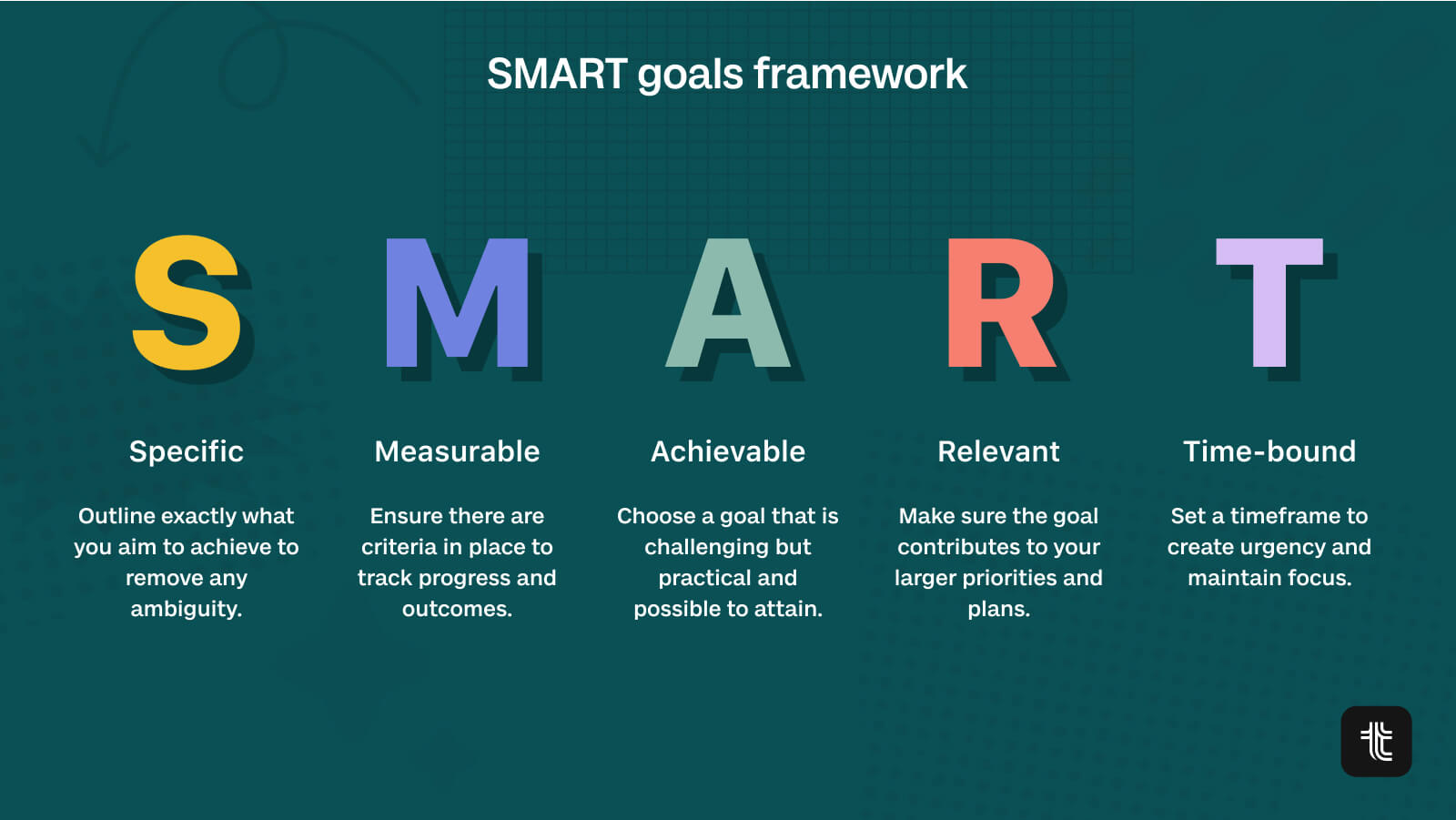
SMART is a goal-setting framework that ensures objectives are clear, realistic, and measurable.
SMART stands for:
- S – Specific
- M – Measurable
- A – Achievable
- R – Relevant
- T – Time-Bound
Instead of setting broad expectations, SMART goals provide employees with clear performance targets that support both individual and organizational success.
Why Goal Setting Matters
Employees perform better when expectations are clearly defined.
Without structured goals, employees may experience:
- Confusion about priorities
- Reduced motivation
- Inconsistent performance
- Difficulty measuring progress
- Lower accountability
On the other hand, clear goals provide direction, purpose, and confidence.
Goal setting also enables managers to deliver meaningful feedback and recognize achievements based on measurable outcomes.
Understanding the SMART Goal Framework
S – Specific
Goals should clearly define what needs to be accomplished.
Instead of:
❌ Improve customer service.
Use:
✅ Reduce average customer response time from 24 hours to 12 hours.
Specific goals eliminate ambiguity and improve focus.
M – Measurable
Progress should be measurable.
Employees should know exactly how success will be evaluated.
Examples include:
- Sales revenue
- Customer satisfaction score
- Project completion rate
- Attendance percentage
- Productivity metrics
Measurable goals create accountability.
A – Achievable
Goals should be challenging but realistic.
Unrealistic expectations reduce motivation and increase frustration.
Managers should consider:
- Employee skills
- Available resources
- Business priorities
- Workload
Achievable goals encourage confidence and continuous improvement.
R – Relevant
Goals should support both employee development and organizational objectives.
Employees perform better when they understand how their work contributes to business success.
Relevant goals create stronger alignment across teams.
T – Time-Bound
Every goal should include a deadline.
Deadlines encourage focus and prevent unnecessary delays.
Examples:
- Complete training within 30 days.
- Increase sales by 15% this quarter.
- Reduce customer complaints within six months.
Time-bound goals improve accountability.
Benefits of SMART Goals
1. Improve Employee Performance
Employees perform more effectively when they know exactly what is expected.
Clear goals reduce uncertainty and improve execution.
2. Increase Employee Motivation
Achievable milestones provide employees with a sense of accomplishment.
Regular progress motivates employees to continue improving.
3. Strengthen Accountability
Employees take greater ownership when responsibilities and expectations are clearly defined.
Managers can also evaluate performance more objectively.
4. Improve Performance Reviews
SMART goals provide measurable evidence during performance discussions.
Instead of relying on opinions, managers can review actual results.
5. Enhance Employee Engagement
Employees who understand their purpose remain more engaged.
Goal clarity helps employees feel connected to organizational success.
6. Encourage Continuous Feedback
Managers can discuss:
- Progress
- Challenges
- Adjustments
- Development opportunities
Regular conversations replace annual surprises.
7. Support Career Development
SMART goals can include:
- Learning objectives
- Leadership development
- Skill improvement
- Professional certifications
Development goals encourage long-term growth.
8. Align Individual and Business Goals
Every employee contributes to organizational success.
SMART goals help connect daily responsibilities with company objectives.
Examples of SMART Goals
Sales Team
Goal: Increase monthly sales revenue by 15% within the next six months through improved customer follow-ups and lead conversion.
HR Department
Goal: Reduce employee turnover by 10% over the next 12 months by implementing improved onboarding and employee engagement initiatives.
Customer Service
Goal: Increase customer satisfaction scores from 85% to 92% by the end of the quarter through faster response times and enhanced service quality.
Marketing Team
Goal: Generate 30% more qualified leads through digital campaigns during the next quarter.
Learning & Development
Goal: Ensure 100% of managers complete leadership training within the next 90 days.
HR Best Practices for Setting SMART Goals
Collaborate with Employees
Goals should be developed together rather than imposed.
Employee involvement increases commitment.
Align Goals with Business Strategy
Every goal should contribute to organizational priorities.
Alignment improves productivity and focus.
Conduct Regular Check-Ins
Managers should review goals monthly or quarterly.
Progress discussions encourage continuous improvement.
Recognize Achievements
Celebrating milestones motivates employees to maintain high performance.
Recognition strengthens engagement.
Adjust Goals When Necessary
Business priorities change.
Goals should remain flexible while maintaining accountability.
Use Performance Data
Measure progress using:
- KPIs
- OKRs
- Productivity reports
- Customer feedback
- Performance dashboards
Data-driven decisions improve fairness.
Common Goal-Setting Mistakes
Organizations should avoid:
- Setting vague goals
- Creating unrealistic expectations
- Ignoring employee input
- Measuring only outcomes instead of progress
- Failing to provide regular feedback
- Forgetting to celebrate achievements
SMART goals are most effective when supported by coaching and continuous communication.
The Role of HR in SMART Goal Implementation
HR teams play a vital role by:
- Designing performance management systems
- Training managers on effective goal setting
- Aligning goals with organizational strategy
- Monitoring employee progress
- Supporting career development
- Measuring performance outcomes
- Creating a culture of accountability
Strong HR leadership ensures goal setting becomes part of everyday performance management.
Future Trends in Goal Setting
Modern organizations are increasingly adopting:
- AI-powered performance tracking
- Continuous goal management platforms
- Real-time performance dashboards
- Skills-based performance objectives
- Personalized development plans
- Data-driven employee coaching
These innovations help organizations remain agile while supporting employee growth.
Final Thoughts
Setting SMART goals is one of the most effective ways to improve employee performance and create a culture of accountability, engagement, and continuous improvement. Clear, measurable, achievable, relevant, and time-bound objectives give employees the direction they need to succeed while enabling managers to provide meaningful feedback and support.
However, goal setting should not be viewed as a one-time exercise. As business priorities evolve, goals should be reviewed, adjusted, and discussed regularly. Continuous communication ensures employees remain aligned with organizational objectives and motivated to achieve their full potential.
Organizations that combine SMART goals with ongoing coaching, recognition, and performance management are better positioned to build high-performing teams and achieve sustainable business growth.
How Level Up HR Solutions Can Help
At Level Up HR Solutions, we help organizations implement performance management systems that drive measurable business results.
Our services include:
- Performance Management System Design
- SMART Goal & KPI Framework Development
- Employee Performance Reviews
- Leadership Coaching
- HR Policy Development
- Employee Engagement Programs
- Learning & Development
- HR Audits
- HR Consulting for SMEs and Growing Businesses
Whether you’re designing a new performance management process or strengthening your existing framework, our HR experts can help you build a goal-driven workplace that supports employee success and organizational growth.