
By Afla KC , Digtal marketing executive
Building Leadership Pipelines for Long-Term Business Success
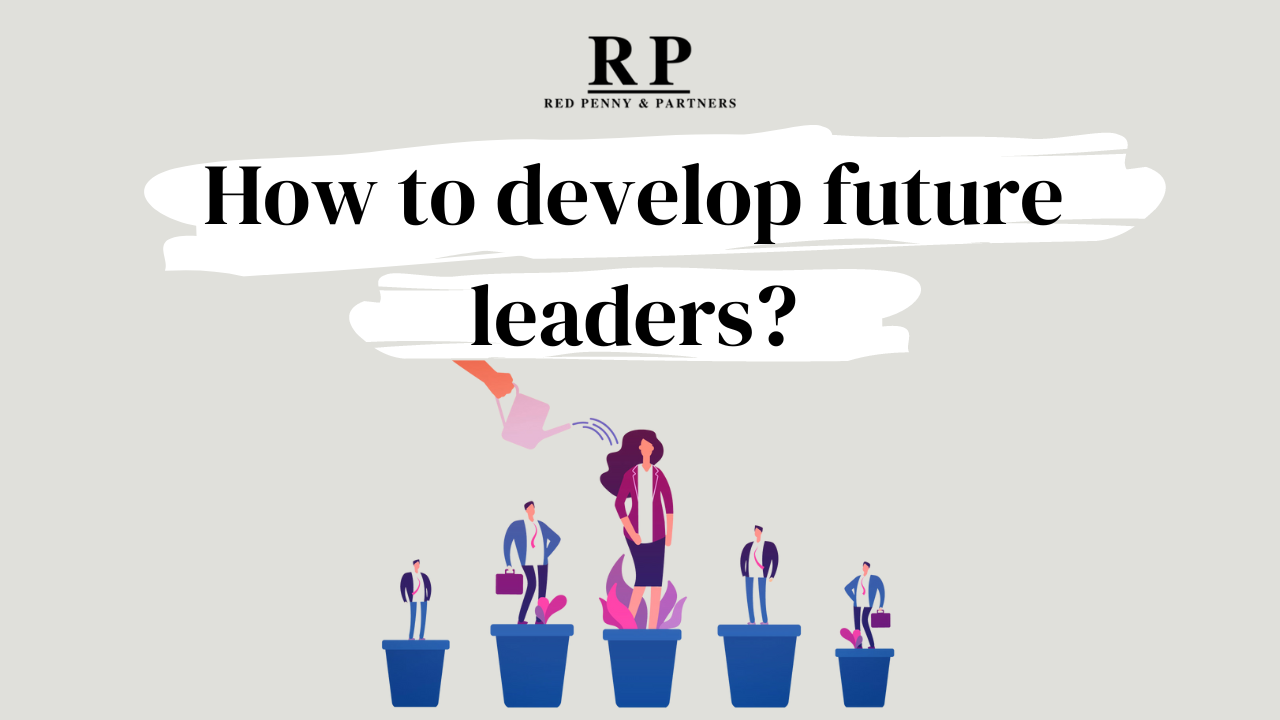
Every successful organization depends on strong leadership. While many businesses focus on hiring experienced leaders from outside, the most sustainable growth often comes from developing leaders from within. Employees who already understand the company’s culture, values, and operations can transition into leadership roles more effectively when given the right opportunities.
However, future leaders rarely emerge by chance. They are identified, nurtured, and developed through intentional HR strategies, structured learning programs, continuous feedback, and meaningful career opportunities. Organizations that invest in leadership development create stronger succession plans, improve employee engagement, reduce turnover, and build a resilient workforce capable of adapting to future challenges.
Human Resources plays a critical role in this process. Beyond recruitment and performance management, HR is responsible for recognizing leadership potential, preparing employees for greater responsibilities, and creating an environment where leadership skills can flourish at every level.
This article explores how HR professionals can identify high-potential employees, develop future leaders, and build a sustainable leadership pipeline that supports long-term organizational success.
Why Leadership Development Matters
Leadership is no longer limited to senior executives. Every organization needs capable leaders who can guide teams, solve problems, make informed decisions, and inspire others.
Organizations that invest in leadership development often experience:
- Higher employee engagement
- Better succession planning
- Increased productivity
- Improved employee retention
- Stronger organizational culture
- Greater business resilience during change
- Faster decision-making
- Higher innovation and collaboration
Developing leaders internally also reduces recruitment costs while preserving organizational knowledge.
The HR Role in Leadership Development
HR serves as the
bridge between business goals and employee growth.
Rather than waiting for leadership vacancies to arise, HR should proactively identify talent and prepare employees for future roles.
Key HR responsibilitie
s include:
- Identifying high-potential employees
- Creating leadership development frameworks
- Designing learning and mentoring programs
- Supporting succession planning
- Monitoring leadership readiness
- Measuring leadership effectiveness
- Aligning leadership competencies with business strategy
Characteristics of Future Leaders
Leadership potential is not determined solely by job performance. High-performing employees are not always effective leaders.
HR should look for individuals who consistently demonstrate:
1. Strong Communication Skills
Future leaders communicate clearly, listen actively, and build trust across teams.
They can explain ideas, resolve misunderstandings, and encourage collaboration.
2. Problem-Solving Ability
Strong leaders remain calm under pressure and focus on solutions rather than problems.
Employees who take initiative during challenges often demonstrate leadership potential.
3. Accountability
Future leaders take ownership of their responsibilities.
They admit mistakes, learn from feedback, and consistently deliver results.
4. Learning Agility
Leadership requires continuous learning.
Employees who actively seek new knowledge, embrace feedback, and adapt quickly to change are more likely to succeed in leadership roles.
5. Emotional Intelligence
Great leaders understand people.
They demonstrate empathy, manage relationships effectively, and create psychologically safe workplaces.
6. Collaboration
Leadership is built on teamwork.
Employees who encourage cooperation, support colleagues, and share knowledge often become successful managers.
7. Strategic Thinking
Future leaders think beyond daily tasks.
They understand how their work contributes to broader business objectives.
How HR Can Identify Future Leaders
Use Performance Data
Performance reviews should measure more than productivity.
HR should evaluate:
- Leadership behaviors
- Initiative
- Decision-making
- Collaboration
- Innovation
- Communication
Consistent high performance combined with leadership qualities often indicates leadership potential.
Conduct Talent Assessments
Structured assessments help HR evaluate leadership readiness.
Assessment methods include:
- Leadership competency frameworks
- Personality assessments
- Behavioral interviews
- Situational judgment exercises
- Leadership simulations
Gather 360-Degree Feedback
Managers alone may not identify leadership potential accurately.
Feedback from peers, team members, supervisors, and cross-functional colleagues provides a more balanced perspective.
Observe Everyday Behaviors
Leadership often appears during everyday work.
Future leaders typically:
- Volunteer for challenging projects
- Support colleagues
- Take initiative without being asked
- Resolve conflicts professionally
- Inspire others through positive actions
Strategies for Developing Future Leaders
Create Individual Development Plans (IDPs)
Every high-potential employee should have a structured development plan.
Development plans may include:
- Leadership training
- Stretch assignments
- Coaching
- Professional certifications
- Project ownership
- Cross-functional exposure
Offer Leadership Training
Training should focus on:
- Decision-making
- Conflict resolution
- Communication
- Coaching skills
- Business strategy
- Financial awareness
- Change management
Leadership education should be continuous rather than event-based.
Assign Stretch Projects
Employees develop leadership capabilities by solving real business challenges.
Examples include:
- Leading a project team
- Managing process improvements
- Coordinating cross-department initiatives
- Presenting business proposals
Practical experience accelerates leadership growth.
Establish Mentorship Programs
Experienced leaders can guide emerging talent.
Mentoring provides:
- Career advice
- Leadership insights
- Confidence building
- Organizational knowledge
- Professional networking
Mentorship strengthens leadership succession.
Encourage Job Rotation
Rotating employees across departments improves business understanding.
Cross-functional experience helps future leaders:
- Understand operations
- Improve collaboration
- Build broader business perspectives
- Develop decision-making skills
Promote Continuous Feedback
Leadership development requires regular coaching.
Managers should discuss:
- Strengths
- Development areas
- Leadership readiness
- Career aspirations
- Growth opportunities
Frequent conversations encourage continuous improvement.
Building a Leadership Pipeline
Organizations should create structured succession plans rather than replacing leaders only after vacancies occur.
A leadership pipeline includes:
- Talent identification
- Leadership competency assessment
- Development planning
- Mentorship
- Performance tracking
- Succession readiness reviews
This proactive approach ensures business continuity.
Common Leadership Development Mistakes
Organizations should avoid:
- Promoting employees based only on technical skills
- Ignoring leadership training
- Providing feedback only during annual reviews
- Overlooking emotional intelligence
- Failing to create succession plans
- Offering limited career growth opportunities
- Neglecting diversity in leadership development
Leadership is developed over time through experience, learning, and coaching.
Measuring Leadership Development Success
HR should monitor:
- Internal promotion rates
- Leadership readiness scores
- Employee engagement
- Retention of high-potential employees
- Leadership training completion
- Team performance
- Succession plan effectiveness
These metrics help organizations evaluate leadership development programs.
Future Trends in Leadership Development
Modern organizations are adopting:
- AI-powered talent assessments
- Skills-based leadership frameworks
- Personalized learning platforms
- Leadership analytics dashboards
- Digital coaching tools
- Continuous performance management
- Internal talent marketplaces
These innovations enable HR teams to identify and develop leaders more effectively.
Final Thoughts
Leadership is not built overnight. It is developed through continuous learning, practical experience, mentoring, and meaningful opportunities to grow. Organizations that invest in identifying and developing future leaders are better prepared to navigate change, strengthen employee engagement, and achieve long-term success.
HR plays a central role in this journey by creating structured leadership development programs, supporting succession planning, and fostering a culture where employees are encouraged to reach their full potential. By focusing on leadership development today, businesses can ensure they have capable, confident, and adaptable leaders ready to meet tomorrow’s challenges.
How Level Up HR Solutions Can Help
At Level Up HR Solutions, we help organizations build future-ready leadership teams through strategic HR solutions.
Our services include:
- Leadership Development Programs
- Succession Planning
- Performance Management Systems
- Competency Framework Design
- HR Audits & HR Consulting
- Employee Engagement Strategies
- Learning & Development Programs
- HR Documentation & Policy Development
Whether you’re developing first-time managers or preparing senior leaders for future challenges, our HR experts can help you create a strong leadership pipeline that drives sustainable business growth.