
By Afla KC , Digital Marketing Executive
Introduction
An HR audit is an important process for organisations that want to understand how effectively their HR systems, policies, documentation, payroll processes, and compliance practices are working.
But before conducting an HR audit, businesses often face an important question:
Who should conduct the audit?
Should the organisation use its internal HR team? Should it hire an HR consultant? Or should it bring in an independent external expert?
There is no single answer that works for every organisation.
The right choice depends on the company’s size, HR maturity, complexity, risk exposure, available internal expertise, and the purpose of the audit.
For example, an internal HR team may be perfectly capable of conducting a routine process review. However, if the organisation wants an independent assessment of its HR compliance and systems, an external expert may provide greater objectivity.
In this blog, we will compare the three approaches and explain when each option makes sense.
What Is an HR Audit?
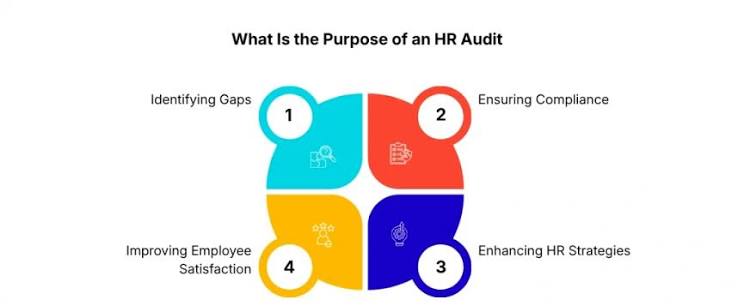
An HR audit is a systematic review of an organisation’s HR policies, processes, records, systems, and practices.
The objective is to identify:
-
Compliance gaps
-
Documentation issues
-
Payroll errors
-
Process inefficiencies
-
Policy inconsistencies
-
Employee-record gaps
-
Statutory risks
-
Areas for improvement
An HR audit can cover different areas depending on the organisation’s requirements.
Common areas include:
-
Employee documentation
-
Recruitment and onboarding
-
HR policies
-
Attendance and leave
-
Payroll
-
Statutory compliance
-
Performance management
-
Employee benefits
-
Training and development
-
Exit and full-and-final settlement
-
HR data management
A well-designed audit should not simply identify problems. It should help the organisation understand what needs to be improved and how.
Why Does the Choice of Auditor Matter?
The person or team conducting the audit can influence the quality and usefulness of the findings.
An internal team may have deep knowledge of the organisation but may also be too close to its existing processes.
An external consultant may bring specialised expertise and an outside perspective.
An independent expert may provide an even stronger level of objectivity, particularly when the organisation needs an unbiased assessment.
Therefore, businesses should select the audit approach based on the purpose and scope of the audit, rather than choosing the cheapest or most convenient option.
Option 1: Internal HR Team
The first option is to conduct the HR audit internally.
This means the organisation’s own HR professionals review its HR systems and processes.
Advantages of an Internal HR Audit
1. Better Understanding of the Organisation
Internal HR teams already understand:
-
Company policies
-
Employee structures
-
Payroll processes
-
Reporting relationships
-
Existing HR systems
This can make the audit process faster.
2. Lower Cost
If the organisation already has a capable HR team, an internal audit may require little additional expenditure.
3. Easier Access to Information
Internal HR professionals generally have direct access to:
-
Employee records
-
Payroll data
-
HR policies
-
Attendance systems
-
Leave records
-
HRMS
4. Continuous Improvement
Internal audits can be conducted regularly rather than only once a year.
This can help organisations identify and correct issues early.
Limitations of an Internal HR Audit
The biggest challenge is objectivity.
The same HR team that created or manages a process may be responsible for auditing it.
This can make it difficult to identify problems objectively.
For example, if the HR team developed the employee onboarding process, it may naturally focus on whether the process is being followed rather than questioning whether the process itself is effective.
Other limitations may include:
-
Limited specialist knowledge
-
Internal bias
-
Lack of benchmarking
-
Difficulty challenging senior management
-
Limited exposure to different HR practices
Therefore, internal audits work best when the organisation has experienced HR professionals and the audit is primarily focused on routine monitoring and process improvement.
Option 2: HR Consultant
The second option is hiring an HR consultant.
An HR consultant works with organisations on specific HR requirements and can conduct an audit based on the company’s objectives.
This is often useful for small and medium-sized businesses that do not have a large internal HR department.
Advantages of Hiring an HR Consultant
1. Specialised Knowledge
A consultant may have experience in areas such as:
-
HR compliance
-
Payroll
-
HR policies
-
Employee documentation
-
HR systems
-
Performance management
-
Employee engagement
2. External Perspective
A consultant is not part of the organisation’s daily HR operations.
This allows them to identify issues that internal teams may overlook.
3. Flexible Engagement
Businesses can hire consultants for:
-
One-time audits
-
Quarterly reviews
-
Annual audits
-
Specific compliance projects
-
HR system restructuring
4. Suitable for Growing Businesses
Small and growing businesses may not need a full-time HR compliance specialist.
A consultant can provide expertise when required.
Limitations of an HR Consultant
The quality of the audit depends heavily on the consultant’s experience and methodology.
Businesses should carefully evaluate:
-
Professional experience
-
Industry knowledge
-
Audit methodology
-
Understanding of applicable labour requirements
-
Reporting approach
-
References or previous work
Another potential limitation is that consultants may have limited knowledge of the organisation’s history compared with internal employees.
They may need additional time to understand the company’s structure and processes.
Option 3: External HR Expert or Independent Auditor
The third option is using an independent external expert.
This approach is particularly useful when the organisation wants a highly objective assessment.
An external expert may review HR systems without being involved in their day-to-day management.
Advantages of an Independent External Audit
1. Stronger Objectivity
An external expert can assess processes without being directly involved in creating or managing them.
This can make it easier to identify weaknesses.
2. Risk Identification
Experienced external professionals can identify potential risks that internal teams may not recognise.
These may include:
-
Documentation gaps
-
Payroll inconsistencies
-
Compliance risks
-
Policy gaps
-
Process weaknesses
3. Benchmarking
External experts may bring experience from working with multiple organisations.
This can help businesses understand how their HR practices compare with commonly used industry approaches.
4. Greater Management Confidence
An independent report can give business owners and senior management greater confidence that HR processes have been reviewed objectively.
Internal Team vs Consultant vs External Expert
FactorInternal HR TeamHR ConsultantExternal ExpertOrganisational knowledgeHighMediumMediumIndependenceLowHighVery HighCostUsually lowerModerateCan be higherSpecialist expertiseDepends on teamUsually highUsually highObjectivityLimitedStrongVery strongBest for routine reviewsYesYesYesBest for complex auditsDepends on expertiseYesYesBest for independent assessmentNoSometimesYesSuitable for small businessesIf HR team existsYesYesSuitable for major compliance reviewDependsYesYes
The “best” option depends on the organisation’s specific requirements.
When Should You Choose an Internal HR Audit?
An internal audit may be suitable when:
-
The HR team is experienced
-
HR systems are already well established
-
The audit is routine
-
The organisation wants regular process monitoring
-
The audit scope is relatively straightforward
-
There are no major compliance concerns
For example, a company may conduct quarterly internal checks of employee records, attendance, leave, and payroll processes.
When Should You Hire an HR Consultant?
An HR consultant may be the better choice when:
-
The organisation has a small HR team
-
HR systems are still developing
-
New policies need to be created
-
The company is growing quickly
-
Management wants an external review
-
The organisation needs specialist HR knowledge
Consultants can also help businesses implement corrective actions after an audit.
When Should You Choose an Independent External Expert?
An independent expert may be appropriate when:
-
The organisation wants an unbiased assessment
-
There are suspected compliance gaps
-
The company is undergoing major restructuring
-
Management wants an independent HR review
-
The organisation is preparing for due diligence
-
There are complex HR processes
-
The business has multiple locations
-
The organisation wants a comprehensive HR risk assessment
An external review can be especially valuable when senior management wants an objective picture of the organisation’s HR function.
What Should an HR Audit Cover?
Regardless of who conducts the audit, the scope should be clearly defined.
A comprehensive HR audit may review:
Employee Documentation
-
Appointment letters
-
Employee records
-
Employment contracts
-
Salary revisions
-
Exit documentation
Payroll
-
Salary calculations
-
Deductions
-
Payroll structure
-
Full-and-final settlements
Statutory Compliance
Depending on applicability:
-
Provident Fund
-
ESI
-
Professional Tax
-
TDS
-
Minimum wage requirements
-
Other labour-related requirements
HR Policies
-
Leave policy
-
Attendance policy
-
Work-from-home policy
-
Code of conduct
-
Performance management
-
Grievance procedures
Employee Lifecycle
-
Recruitment
-
Onboarding
-
Probation
-
Confirmation
-
Promotion
-
Transfer
-
Exit
HR Systems
-
HRMS
-
Attendance software
-
Payroll software
-
Employee databases
-
Document management
How to Choose the Right Auditor
Businesses should consider several factors before selecting an auditor.
1. Define the Purpose
First ask:
Why are we conducting the HR audit?
Is the objective compliance, process improvement, risk identification, or complete HR restructuring?
2. Determine the Scope
Decide whether the audit will cover:
-
Payroll only
-
Compliance only
-
Employee documentation
-
Policies
-
Complete HR operations
3. Consider Internal Expertise
If the internal HR team lacks specialist knowledge, an external professional may be more appropriate.
4. Evaluate Independence
If management needs an unbiased assessment, choose someone who is sufficiently independent from the processes being reviewed.
5. Review Experience
Look for experience relevant to the organisation’s:
-
Industry
-
Workforce size
-
Locations
-
HR complexity
6. Check the Reporting Method
A useful audit report should clearly identify:
-
Finding
-
Risk
-
Evidence
-
Priority
-
Recommended action
-
Responsible person
-
Suggested timeline
A report that only lists problems without providing practical recommendations has limited value.
The Best Approach May Be a Combination
Businesses do not always have to choose only one option.
A combination can often provide the best results.
For example:
Internal HR Team → Regular Monitoring
HR Consultant → Periodic Process Review
Independent Expert → Annual Comprehensive Audit
This creates multiple levels of review.
The internal team manages day-to-day compliance, while an external professional periodically evaluates the overall system.
How Technology Supports HR Audits
Modern HR technology can make audits more efficient.
HRMS and payroll systems can help auditors review:
-
Employee records
-
Attendance
-
Leave
-
Salary
-
Statutory deductions
-
Documents
-
Employee lifecycle information
Digital records also make it easier to identify missing information and inconsistencies.
However, technology should support the audit rather than replace professional judgement.
What Happens After an HR Audit?
The audit itself is only the beginning.
After identifying gaps, HR teams should create an action plan.
A practical action plan can classify findings as:
High Priority
Issues that could create significant legal, financial, or operational risk.
Medium Priority
Process gaps that should be addressed within a defined timeframe.
Low Priority
Administrative improvements that can be addressed gradually.
Each action should have:
-
Responsible person
-
Deadline
-
Required resources
-
Status
-
Follow-up date
This converts the audit from a report into an improvement programme.
Common HR Audit Mistakes
Organisations should avoid:
Auditing Without a Clear Scope
A vague audit can produce vague results.
Focusing Only on Compliance
HR effectiveness also includes employee processes, policies, systems, and documentation.
Treating the Audit as a Blame Exercise
The purpose should be improvement, not finding someone to blame.
Ignoring the Findings
An audit has little value if recommendations are never implemented.
Conducting an Audit Only When There Is a Problem
Regular reviews are more effective than waiting for a major issue.
Conclusion
Choosing who should conduct an HR audit depends on the organisation’s objectives, internal capabilities, HR complexity, and desired level of independence.
An internal HR team can be effective for regular monitoring and routine process reviews.
An HR consultant can provide specialised expertise and an external perspective, particularly for growing organisations and businesses with limited internal HR resources.
An independent external expert can provide a higher level of objectivity and is particularly valuable when the organisation needs a comprehensive assessment, risk review, or independent evaluation.
For many businesses, the most effective approach is not choosing one option permanently. Instead, organisations can combine internal monitoring with periodic external reviews.
The ultimate goal of an HR audit is not simply to identify what is wrong. It is to create a stronger HR function that is structured, compliant, efficient, transparent, and aligned with business goals.
A well-conducted HR audit gives management a clearer understanding of where the organisation stands—and, more importantly, what needs to happen next.
The right auditor is not simply the person who finds the most problems. It is the professional or team that helps the organisation understand its risks, improve its processes, and build a stronger HR system.