
18Apr

PF, ESI, PT: Costly Mistakes SMEs Must Avoid

If you run a small or mid-sized business in India, three acronyms will follow you through every payroll cycle — PF, ESI, and PT (Statutory Compliance). Most business owners know they exist. Far fewer understand exactly what they require, when they apply, and what happens when they’re not done right.

This article breaks it down — clearly, without the legal jargon.

1. PF — Provident Fund (EPF)

What it is: The Employees’ Provident Fund is a retirement savings scheme governed by the Employees’ Provident Funds and Miscellaneous Provisions Act, 1952. It is administered by the Employees’ Provident Fund Organisation (EPFO).

When it applies: Every establishment with 20 or more employees is required to register under the EPF Act. Once registered, the obligation continues even if employee count drops below 20.

  • The employee contributes 12% of Basic + DA to the EPF account
  • The employer contributes a matching 12%, split as:3.67% → EPF (employee’s retirement corpus)8.33% → EPS (Employee Pension Scheme)
  • Employees earning a basic salary above ₹15,000/month can be treated as exempt from mandatory coverage — but many employers extend PF to all employees as a best practice

Common mistakes SMEs make:

  • Delaying registration past the 20-employee threshold
  • Calculating PF on CTC instead of Basic + DA
  • Not depositing contributions by the due date (15th of the following month)
  • Failing to file monthly ECR (Electronic Challan cum Return)

Penalty for non-compliance: Interest at 12% per annum on delayed deposits, plus damages ranging from 5% to 25% depending on the delay period. Repeated non-compliance can lead to prosecution.

2. ESI — Employees’ State Insurance

What it is: The Employees’ State Insurance scheme is a self-financing social security and health insurance scheme governed by the ESI Act, 1948, managed by ESIC (Employees’ State Insurance Corporation).

When it applies: Establishments with 10 or more employees (in most states) engaged in manufacturing, shops, hotels, restaurants, cinemas, road transport, newspaper establishments, and educational/medical institutions.

How it works:
  • Applies to employees drawing a gross salary up to ₹21,000/month (₹25,000 for persons with disabilities)
  • Employee contributes 0.75% of gross wages
  • Employer contributes 3.25% of gross wages
  • Total contribution: 4% of gross wages

What employees get: Medical care for the employee and family, sickness benefit (up to 70% of wages for 91 days), maternity benefit, disablement benefit, and dependent benefit.

Common mistakes SMEs make:

  • Not registering when the 10-employee threshold is crossed
  • Excluding certain allowances from gross wages that should be included
  • Not updating employee details when salaries cross ₹21,000 (ESIC exemption threshold)
  • Missing the monthly contribution deadline (15th of the following month)

Penalty for non-compliance: Prosecution under Section 85 of the ESI Act, with imprisonment up to 2 years and/or fine up to ₹10,000. Repeated violations attract heavier penalties.

3. PT — Professional Tax

What it is: Professional Tax is a state-level tax levied on individuals earning an income through employment, trade, or profession. Despite the name, it applies to all salaried employees — not just professionals.

When it applies: PT applicability depends entirely on the state your business operates in. States that levy Professional Tax include Karnataka, Maharashtra, Andhra Pradesh, Telangana, Tamil Nadu, West Bengal, Gujarat, Madhya Pradesh, and Kerala (among others). Some states — including Delhi, Rajasthan, Haryana, and Uttar Pradesh — do not levy PT.

How it works:
  • The employer deducts PT from the employee’s salary based on a slab structure defined by the state government
  • The employer also pays a separate PT on the business itself (Employer’s Professional Tax / PTEC)
  • Frequency of payment varies by state — monthly, quarterly, or annually
  • In Kerala, for example, PT slabs range from ₹0 to ₹1,200 per half-year based on income
Common mistakes SMEs make:
  • Assuming PT doesn’t apply because they’re a small business (it’s based on headcount and salary, not business size)
  • Not registering separately for PTRC (Professional Tax Registration Certificate) and PTEC
  • Incorrect slab application when salary bands change mid-year

Penalty for non-compliance: Penalties and interest vary by state but are consistent — late payment attracts interest (typically 1–2% per month), and non-registration can lead to arrears with backdated liability.

Business person giving partnership agreement to coworker

Statutory compliance is not a one-time exercise. It is an ongoing obligation that runs with every payroll cycle, every new hire, and every salary revision.

The three most common compliance failure points for Indian SMEs are:

  • Registration delays — not registering when the legal threshold is crossed, creating backdated liability
  • Calculation errors — using the wrong wage base (CTC vs Basic, gross vs basic) for contributions
  • Deadline misses — missing the 15th of the month consistently, compounding interest and penalty exposure

Getting these right requires more than awareness — it requires a payroll process built around compliance, not added on top of it.

Where Level UP HR Solutions comes in

We help Indian SMEs set up and manage PF, ESI, and PT compliance as part of a complete payroll outsourcing solution — from registration and monthly filing to employee communication and audit readiness.

If you’re unsure about your current compliance status, an HR audit is the right starting point. It will tell you exactly where you stand — and what needs to be fixed.

17Apr

HR Audit: The Hidden Risk Costing You Money

By Chippy Jayaprakash, Founder & CEO, Level UP HR Solutions

Most business owners think an HR Audit is something only large corporations worry about. That assumption is expensive.

If you run a growing company in India — whether you have 20 employees or 200 — your HR practices are either protecting your business or quietly creating risk. An HR audit tells you exactly which one.

So, what is an HR audit?

An HR audit is a structured, independent review of your company’s HR policies, practices, documentation, and compliance status. It examines everything from employment contracts and leave records to payroll accuracy, statutory contributions, and employee data management.

Think of it as a financial audit — but for your people practices.

A thorough HR audit covers:

  • Employment documentation — Are your offer letters, appointment letters, and contracts legally sound and up to date?
  • Statutory compliance — Are you meeting your obligations under the Shops & Establishments Act, PF, ESI, Gratuity, and labour welfare regulations?
  • Payroll accuracy — Are salaries calculated correctly? Are TDS deductions, PF contributions, and payslips compliant with applicable rules?
  • HR policies and handbooks — Do you have a written policy for leave, code of conduct, POSH, grievance redressal, and disciplinary procedures?
  • Employee records — Is your employee data complete, organised, and accessible during an inspection or audit?
  • Onboarding and exit processes — Are your joining formalities and full-and-final settlements handled correctly?
Why do Indian SMEs avoid HR audits?

Three common reasons:

  1. “We’re too small to need it.” — Size doesn’t exempt you from compliance. A 25-person company is just as liable under the PF Act or the POSH Act as a 250-person one.
  2. “We’ll do it when we scale.” — By the time you scale, the gaps are already there — and harder to fix under pressure.
  3. “Our HR is handled internally.” — An internal review is useful. But it often misses what an experienced external auditor will catch, simply because internal teams are too close to the process.
What happens when you skip it?

Non-compliance with labour laws can result in penalties, legal notices, and reputational damage. Inaccurate payroll creates employee disputes and tax liability. Incomplete documentation means you have no defence in a labour court or during a government inspection.

More quietly: poor HR processes lead to disengaged employees, attrition, and leadership time wasted firefighting instead of growing.

What does an HR audit actually give you?

When done properly, an HR audit gives you three things:

  1. A clear picture of where your HR function stands today — strengths, gaps, and risks.
  2. A prioritised action plan — not a 40-page report that sits in a drawer, but specific steps ranked by urgency and impact.
  3. Peace of mind — knowing that your business is protected before an inspection, a dispute, or a growth event like fundraising or acquisition.
When is the right time for an HR audit?

The honest answer? Right now. But especially if:

  • You’re planning to scale hiring in the next 6–12 months
  • You’ve recently crossed 10, 20, or 50 employees (statutory thresholds often change at these points)
  • You’re preparing for funding, a merger, or due diligence
  • You’ve never done a formal review of your HR documentation
  • You’ve had employee complaints, exits, or disputes in the past year
A note on compliance in Kerala

For businesses in Kerala, compliance requirements include the Kerala Shops and Commercial Establishments Act, state-specific labour welfare contributions, and local municipal employment norms — in addition to central acts like PF, ESI, and the POSH Act. Getting these right requires someone who knows both the state and central regulatory landscape.

An HR audit isn’t a sign that something is wrong. It’s a sign that you’re running your business with intention. The companies that grow well aren’t just the ones with the best products — they’re the ones that build strong foundations early.

At Level UP HR Solutions, we conduct structured HR audits for SMEs across Kerala and India — giving you a clear, actionable compliance report without the jargon.

16Apr

5 Must-Have HR Documents Before Your First Hire

By Chippy Jayaprakash, Founder & CEO — Level UP HR Solutions

Most founders think HR documentation comes after 50 employees. That thinking costs lakhs — sometimes the entire business. Here are the five documents you need before you hire your very first person.

When a business runs into an employee dispute — an unfair dismissal claim, a salary disagreement, a confidentiality breach — the first thing a labour officer or court asks for is documentation. Not intent. Not memory. Not WhatsApp screenshots.

Paper. Signed. Dated.

I’ve seen Kerala SMEs with 30, 40, even 60 employees who couldn’t produce a single signed employment document. The result? Penalties, legal fees, and settlements that could have been avoided entirely with two hours of paperwork at the start.

HR documentation for small businesses isn’t bureaucracy. It’s protection — for your company and for your employees. And it starts on Day 1, not at employee #50.

THE 5 ESSENTIAL HR DOCUMENTS EVERY INDIAN SME NEEDS
1. APPOINTMENT LETTER / EMPLOYMENT CONTRACT

This is the foundation of every employment relationship. A proper employment contract in India must clearly state the role, responsibilities, compensation structure, working hours, probation period, notice period, and termination conditions. Many businesses issue only a basic offer letter — which is not the same thing and does not offer the same legal protection.

Risk without it: No legal basis to enforce notice periods, recover advances, or defend termination decisions.

2. HR POLICY DOCUMENT / EMPLOYEE HANDBOOK

Your HR policy for small businesses is the rulebook that governs how your workplace operates. It covers leave entitlements, attendance expectations, code of conduct, grievance procedures, disciplinary processes, and workplace behaviour standards. Without this, every HR decision you make is open to challenge — because there’s no agreed framework to reference.

Risk without it: Inconsistent decision-making creates discrimination claims and legal liability under the Industrial Disputes Act.

3. LEAVE POLICY

A standalone, written leave policy — covering Earned Leave, Sick Leave, Casual Leave, maternity and paternity provisions, and public holidays — is a statutory requirement under the Shops and Establishments Act in Kerala. It must be communicated to every employee in writing.

Risk without it: Shops & Establishments Act violations, leave encashment disputes, and employee grievances at exit.

4. NON-DISCLOSURE AGREEMENT (NDA) / CONFIDENTIALITY AGREEMENT

If your employees handle client data, pricing information, business processes, or any proprietary knowledge — and every employee does — you need a signed NDA from Day 1. Under Indian contract law, NDAs are enforceable when drafted correctly.

Risk without it: No legal recourse if an employee joins a competitor and uses your confidential business information.

5. STATUTORY COMPLIANCE RECORDS

This covers your PF registration and monthly ECR filings, ESI registration and contributions, Professional Tax enrolment, and the statutory registers required under Kerala labour law. These are legal obligations under the Employees’ Provident Funds Act, ESI Act, and Kerala Shops and Establishments Act.

Risk without it: Penalties, back-payment demands, and potential criminal liability for directors under PF and ESI acts.

THE DIFFERENCE BETWEEN AN OFFER LETTER AND AN APPOINTMENT LETTER

An offer letter is a preliminary document — it expresses the intent to employ and outlines basic terms. It is conditional and not legally binding on its own.

An appointment letter — also called an employment contract — is the binding agreement that comes after the candidate accepts. It contains the full terms of employment, is signed by both parties, and is the document that holds legal weight in any dispute.

“Sending only an offer letter and never following up with a signed appointment letter is one of the most common — and most costly — HR documentation mistakes we find in SME audits across Kerala.”

HOW TO GET YOUR HR DOCUMENTATION IN ORDER — QUICKLY
  • Audit what you currently have — and identify the gaps
  • Draft or update your employment contracts to reflect current roles and compensation
  • Create a written HR policy document and distribute it to all employees
  • Ensure your statutory compliance registrations are current and filings are up to date
  • Get NDAs signed — including with existing employees where possible
  • Store all documents securely with signed acknowledgement from each employee


“The best time to set up your HR documentation was before your first hire. The second best time is today.”

If you’re unsure whether your current HR documentation is complete and compliant, our Free HR Audit will tell you exactly where the gaps are — and what to do about them. No obligation. No sales pitch. Just clarity.

14Apr

Why SMEs Lose Money Without HR Systems

By Chippy Jayaprakash, Founder & CEO — Level UP HR Solutions

72% of small and mid-sized businesses in India overpay or underpay their employees every single month. The reason isn’t greed or carelessness — it’s the absence of a proper HR system.

I’ve worked with dozens of SME owners across Kerala. Talented, hardworking entrepreneurs who’ve built real businesses — retail, trading, manufacturing, services. But when it comes to managing their people, most of them are running on WhatsApp messages, Excel sheets, and gut instinct.

And it’s costing them — quietly, consistently, and in ways they can’t always see on a P&L sheets.

THE HIDDEN COST OF “MANAGING HR MANUALLY”
Here’s what I typically find when we run a Free HR Audit for a first-time client:
  • Leave balances are tracked in someone’s personal notebook — or not tracked at all
  • PF deductions are calculated on the wrong salary component, creating future liability
  • Employees resigned without a proper full-and-final settlement — and the company has no record
  • There’s no signed appointment letter for at least 2–3 employees
  • Overtime is paid inconsistently, or not paid at all, violating the Shops & Establishments Act


None of these feel like emergencies — until a disgruntled employee files a complaint, or a bank asks for compliance records before approving your working capital loan.

IT’S NOT A HEADCOUNT PROBLEM. IT’S A SYSTEMS PROBLEM.

A lot of business owners tell me: “We’re only 15 people — we don’t need formal HR.”

I understand the instinct. HR feels like something you set up when you’ve “made it.” But that thinking gets the sequence wrong. You build the system before you need it — not after the crisis.

“The businesses that grow from 15 to 50 employees smoothly are the ones that treated HR seriously at 10. The ones that don’t, hit a ceiling — and spend the next two years firefighting instead of growing.”

An HR system doesn’t mean hiring a full-time HR manager. For most SMEs, it means three things:

  • A clean, compliant payroll process running on time, every month
  • Basic documentation — offer letters, leave policies, appointment orders — in place
  • Someone accountable for compliance: PF, ESI, PT, gratuity, F&F settlements
WHAT FIXING THIS ACTUALLY LOOKS LIKE

One of our clients — a trading firm in Kozhikode with 22 employees — came to us after a payroll dispute with a long-serving employee. They were running payroll manually, had no written leave policy, and had never filed ESI for 6 employees who were eligible.

Within 60 days of engaging Level UP HR Solutions, they had a structured payroll system in place, all statutory registrations updated, and a basic employee handbook distributed to the team. The dispute? Resolved — because we had documentation to back every decision.

More importantly, the owner told me: “I’m sleeping better now.”

That’s what good HR does. It removes the invisible anxiety of running a business without a safety net.

If you’re an SME owner in Kerala — or managing a business with 10 to 150 employees — and you’re not sure whether your HR house is in order, I’d genuinely encourage you to find out.

We offer a Free HR Audit with no strings attached. We’ll tell you exactly where the risks are — and what to do about them.

23Mar

The Real Reason Policies Fail Inside Organizations

Every organization has policies.

They exist to create structure, reduce risk, guide employee behavior, and ensure consistency. On paper, policies are meant to protect both the company and its people. But in reality, many workplace policies fail to deliver what they promise.

Not because they are badly written.
Not because employees are careless.
And not because organizations do not care.

The real reason policies fail inside organizations is simple: people do not connect with policies they do not understand, trust, or see in action.

A policy is only effective when it moves beyond a document and becomes part of everyday culture.

Policies Often Look Stronger on Paper Than in Practice

Most organizations invest time in drafting policies carefully. They review legal requirements, define rules, and circulate the final version through emails, handbooks, or internal portals.

But that is often where the effort stops.

The assumption is that once a policy is written and shared, employees will read it, understand it, and follow it. In reality, that rarely happens.

Many employees do not fully read policy documents unless they are directly affected. Others may read them once during onboarding and never revisit them. Some may find the language too formal, too vague, or too disconnected from their day-to-day work.

As a result, the policy exists officially, but not operationally.

Lack of Clarity Creates Silent Failure

One of the biggest reasons policies fail is lack of clarity.

A policy may explain what is prohibited or required, but fail to explain:

  • why it matters
  • how it applies in real situations
  • what employees should do when faced with uncertainty
  • who they can approach for guidance

When policies are unclear, employees rely on assumptions. And assumptions lead to inconsistency.

For example, a company may have an “open door policy,” but if employees are unsure whether speaking up is actually safe, they will stay silent. Similarly, an attendance policy may exist, but if managers apply it differently across teams, employees begin to feel the system is unfair.

Clarity is not just about wording. It is about real-world usability.

Culture Always Overrides Documentation

This is where most organizations miss the bigger picture.

Policies do not operate in isolation. They operate inside a culture.

An organization may have a strong anti-harassment policy, but if senior leaders ignore complaints or protect high performers, employees quickly learn that the written rule does not reflect reality.

A company may promote flexible work policies, but if managers subtly punish employees for using them, the policy becomes meaningless.

A performance review policy may be clearly documented, but if promotions still depend on favoritism, trust disappears.

In every case, employees believe what they experience, not what they read.

That is why culture always overrides documentation. If behavior at the leadership level does not align with policy, the policy loses credibility.

Policies Fail When Leaders Do Not Model Them

Leadership behavior shapes policy success more than policy language ever can.

Employees observe what leaders reward, ignore, and tolerate. If leaders do not follow the same standards expected from employees, policies begin to feel performative.

This creates a dangerous gap between formal rules and lived experience.

When leaders:

  • skip processes
  • make exceptions without transparency
  • avoid accountability
  • communicate one thing but do another

employees stop taking policies seriously.

A policy without leadership modeling becomes a symbolic document rather than a functional system.

Communication Is Often Treated as a One-Time Event

Another major reason policies fail is poor communication.

Many organizations launch a policy once, usually through email, HR announcements, or onboarding sessions. But effective communication cannot be a one-time event.

Employees need reminders, examples, context, and opportunities to ask questions. Policies should be discussed in team settings, reinforced by managers, and connected to real decisions.

Without ongoing communication, policies fade into the background.

People are busy. They prioritize what is repeated, reinforced, and relevant.

If policy awareness only happens during onboarding or after a problem arises, it is already too late.

Employees Need Meaning, Not Just Rules

People are more likely to follow policies when they understand the purpose behind them.

When policies are presented only as rules, they often feel restrictive. But when they are explained as tools that support fairness, safety, trust, and accountability, employees are more likely to engage with them positively.

For example:

  • A leave policy is not just about approval steps. It is about work-life balance and planning.
  • A code of conduct is not just about discipline. It is about respect and workplace culture.
  • A data privacy policy is not just about compliance. It is about protecting customer trust.

Meaning creates buy-in. Rules alone rarely do.

Policy Enforcement Must Be Consistent

Even a well-communicated policy will fail if enforcement is inconsistent.

Employees notice when some people are held accountable and others are not. Inconsistency creates frustration, resentment, and disengagement.

It also damages trust in HR, managers, and leadership.

Fair enforcement does not mean harsh enforcement. It means applying standards consistently, transparently, and thoughtfully across levels and departments.

When employees see fairness in action, policies gain legitimacy.

Policies Should Evolve With the Organization

Organizations change. Teams grow. Work models shift. New technologies emerge. Employee expectations evolve.

But many policies stay frozen in time.

Outdated policies create friction because they no longer reflect how work actually happens. They may address old risks while ignoring current realities. Or they may use language and assumptions that no longer fit the workforce.

Policy review should not be treated as a rare compliance task. It should be a regular strategic exercise.

A policy that no longer matches organizational reality will always struggle in execution.

How Organizations Can Make Policies Work

To make policies truly effective, organizations need to move beyond documentation and focus on adoption.

That means:

  • writing in clear, human language
  • training managers to interpret and apply policies properly
  • reinforcing policies through regular communication
  • aligning leadership behavior with policy expectations
  • making it safe for employees to ask questions or report concerns
  • reviewing policies regularly to keep them relevant
  • enforcing them fairly across the organization

Policies work when employees experience them as real, useful, and trustworthy.

The real reason policies fail inside organizations is not the document itself.

It is the gap between what is written and what is lived.

When policies are unclear, poorly communicated, inconsistently enforced, or contradicted by culture, they lose impact. But when policies are supported by leadership, embedded into daily behavior, and explained with purpose, they become powerful tools for trust and alignment.

A good policy does not just exist in the handbook.

It exists in the way people lead, decide, communicate, and act every day.

06Mar

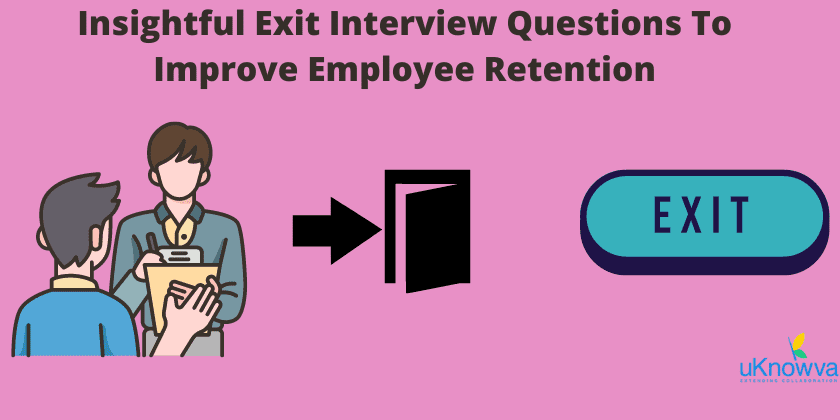
Why Exit Interviews Rarely Tell the Full Story

For many organizations, exit interviews are considered a valuable tool for understanding why employees leave. HR teams often rely on them to gather feedback, identify workplace issues, and improve retention strategies.

However, the reality is that exit interviews rarely reveal the complete truth behind an employee’s departure. While they provide useful insights, they often capture only a portion of the real story.

Understanding the limitations of exit interviews can help organizations build better feedback systems and improve workplace culture.

1. Employees Often Avoid Complete Honesty

One of the biggest limitations of exit interviews is that employees may not feel comfortable sharing their true reasons for leaving.

Even when they are exiting the company, employees may worry about:

  • Burning bridges
  • Future references
  • Professional reputation
  • Industry relationships

Because of this, many employees give safe or neutral answers instead of addressing deeper issues such as poor management, toxic culture, or unfair treatment.

2. The Real Decision Happened Months Earlier

In many cases, the decision to leave was made months before the resignation letter was submitted.

Employees often go through stages such as:

  • Frustration with management
  • Lack of growth opportunities
  • Workload stress
  • Feeling undervalued

By the time the exit interview happens, the emotional distance has already formed. The interview may capture the final reason for leaving, but not the full journey that led to it.

3. Some Employees Prefer to Leave Quietly

Not every employee wants to revisit negative experiences during their last days at the company.

Some simply prefer to:

  • Move on quickly
  • Avoid uncomfortable conversations
  • Maintain professionalism

As a result, their feedback may be short, generic, or overly polite, which limits the value of the information collected.

4. Exit Interviews Capture the Past, Not the Pattern

An exit interview reflects the experience of one employee at one moment in time.

However, organizational problems usually appear as patterns across multiple employees.

For example:

  • Multiple resignations from the same department
  • Consistent complaints about workload
  • Recurring feedback about management style

Without analyzing broader data trends, a single exit interview may not reveal the deeper organizational issue.

5. Employees May Not Want to Criticize Their Manager

Direct criticism of managers is one of the most sensitive areas in exit interviews.

Employees often hesitate to openly discuss issues like:

  • Poor leadership
  • Lack of support
  • Micromanagement
  • Favoritism

Even if these are the real reasons for leaving, employees may choose to phrase their feedback more diplomatically.

6. Exit Interviews Happen Too Late

Perhaps the most important limitation is timing.

By the time HR conducts an exit interview:

  • The employee has already accepted another opportunity.
  • The relationship with the company has already ended.
  • The chance to retain that employee is gone.

In many cases, organizations would benefit more from ongoing employee feedback systems rather than relying only on exit interviews.

What Organizations Should Do Instead

Exit interviews should be just one part of a broader employee feedback strategy.

Organizations can gain deeper insights by implementing:

Stay Interviews
Regular conversations with employees about their satisfaction, challenges, and career goals.

Employee Pulse Surveys
Short and frequent surveys that capture real-time employee sentiment.

Open Communication Culture
Encouraging employees to share feedback without fear of negative consequences.

Manager Training
Equipping leaders with the skills to identify early signs of disengagement.

Exit interviews can provide helpful information, but they rarely tell the full story behind employee turnover. Employees may filter their responses, avoid difficult conversations, or simplify complex experiences.

To truly understand why employees leave, organizations must look beyond exit interviews and build a culture where feedback happens before employees decide to walk away.

When companies listen earlier and more consistently, they gain the opportunity not just to understand exits—but to prevent them.

28Jan

HR Policies That Look Good on Paper but Fail in Reality

In today’s competitive workplace, HR policies are designed to reflect fairness, transparency, and employee-centric values. On paper, many of these policies sound impressive. But in real-world execution, some fail to deliver the promised impact.

When policies are created without considering day-to-day realities, organizational culture, or employee needs, they can do more harm than good. Let’s explore some common HR policies that look great in theory—but often fail in practice.

HR Policies

1. Open Door PolicyWhat it promises:
Open communication, approachability, and trust between employees and management.

Reality check:
Many employees hesitate to speak up due to fear of being labeled “difficult” or facing indirect consequences. When leaders are not genuinely receptive or fail to act on feedback, the policy becomes symbolic rather than functional.

Why it fails:

Lack of psychological safety

No follow-up on raised concerns

Hierarchical workplace culture

How to fix it:
Train managers in active listening and ensure confidentiality and visible action on feedback.

2. Flexible Work Policy

What it promises:
Better work-life balance, increased productivity, and employee satisfaction.

Reality check:
Employees may technically have flexibility, but are still expected to be constantly available. Unclear guidelines often result in burnout rather than balance.

Why it fails:

Micromanagement

Undefined expectations

Bias toward employees who work longer hours

How to fix it:
Set clear boundaries, outcome-based performance metrics, and lead by example.


3. Performance-Based Appraisal Systems

What it promises:
Fair evaluations, merit-based growth, and motivation.

Reality check:
Appraisals often depend on manager bias, visibility, or last-minute performance rather than consistent contribution.

Why it fails:

Subjective evaluation criteria

Poor documentation

Infrequent feedback cycles

How to fix it:
Use measurable KPIs, continuous feedback, and multi-source evaluations.

4. Learning and Development (L&D) Policies

What it promises:
Upskilling, career growth, and long-term employee retention.

Reality check:
Training programs may be generic, irrelevant, or inaccessible due to workload pressure. Employees attend sessions but rarely apply what they learn.

Why it fails:

No alignment with career paths

Lack of time and managerial support

No post-training implementation plan

How to fix it:
Personalize learning paths and link training outcomes to real business needs.

5. Employee Wellness Programs

What it promises:
Improved mental health, reduced stress, and a healthier workforce.

Reality check:
Offering yoga sessions or wellness emails means little if employees are overworked, underpaid, or afraid to take leave.

Why it fails:

Focus on optics, not root causes

Stigma around mental health

Workload imbalance

How to fix it:
Address workload, encourage time off, and normalize conversations around mental health.

6. Equal Opportunity & Inclusion Policies

What it promises:
Fair treatment, diversity, and inclusive growth.

Reality check:
Policies exist, but unconscious bias still affects hiring, promotions, and daily interactions.

Why it fails:

Lack of awareness and training

No accountability

Token diversity initiatives

How to fix it:
Introduce bias-awareness training, track diversity metrics, and hold leaders accountable.

Why Execution Matters More Than Documentation

A well-written HR policy is only the first step. The real impact comes from how consistently and sincerely it is implemented. Employees quickly recognize the gap between what is written and what is practiced—and that gap directly affects trust, engagement, and retention.

HR policies should be living frameworks, not just documents for compliance or branding. When policies are aligned with organizational culture, leadership behavior, and employee realities, they become powerful tools for growth.