10Sep

Background Verification Documents: What Employers Should Collect Before Confirming a Hire

by Naziha , Digital Marketing Executive

Hiring the right employee is one of the most important decisions a company makes. A strong resume and a successful interview can provide valuable information about a candidate, but they may not always give employers the complete picture.

This is where background verification becomes important.

Before confirming a hire, employers may need to verify key information provided by the candidate, such as their identity, education, employment history, and other details relevant to the role. A structured background verification process can help organizations reduce hiring risks, protect workplace security, and make better-informed recruitment decisions.

However, background verification should not mean collecting every possible document or conducting unnecessary checks. Employers should collect information that is relevant to the job, handle personal data responsibly, and follow applicable laws and privacy requirements.

This guide explains the important background verification documents employers should consider collecting before confirming a hire.

What Is Background Verification?

Background verification is the process of checking and validating information provided by a job candidate before or during the hiring process.

Depending on the position and industry, an employer may verify:

  • Identity

  • Residential address

  • Educational qualifications

  • Previous employment

  • Professional certifications

  • References

  • Other role-relevant information

The purpose is to confirm that the information provided by the candidate is accurate and to identify potential risks that may affect the hiring decision.

A proper verification process should be structured, consistent, and relevant to the nature of the role.


Why Is Background Verification Important?

A resume is largely based on information provided by the candidate. While most candidates provide accurate details, employers should still have a process for verifying important information before making a final employment decision.

Background verification can help organizations:

  • Confirm candidate identity

  • Verify educational qualifications

  • Validate employment history

  • Reduce the risk of document fraud

  • Improve workplace security

  • Support informed hiring decisions

  • Protect the organization’s reputation

For certain positions, verification may be particularly important because employees may handle sensitive data, financial information, company assets, or confidential business information.


1. Identity Verification Documents

The first step in any background verification process is confirming the candidate’s identity.

Employers may request valid government-issued identification documents, depending on applicable laws and organizational requirements.

Common examples may include:

  • Aadhaar

  • PAN card

  • Passport

  • Driving licence

  • Voter ID

The purpose is to verify that the candidate is who they claim to be.

Important consideration

Employers should avoid collecting or retaining unnecessary personal information. Identity documents contain sensitive information and should be stored securely with restricted access.


2. Address Verification Documents

Address verification helps employers confirm the candidate’s current or permanent residential address where such verification is necessary for legitimate employment purposes.

Documents may include:

  • Aadhaar, where appropriate and lawfully used

  • Passport

  • Driving licence

  • Utility bills

  • Other valid address documents

Address verification requirements should be clearly communicated to candidates.

Employers should also remember that personal information should be handled carefully and only used for legitimate business purposes.


3. Educational Qualification Documents

Educational verification is important when specific qualifications are required for a role.

Employers may collect:

  • Degree certificates

  • Diploma certificates

  • Mark sheets

  • Professional qualification certificates

  • University or institution verification records

For example, a role requiring a professional degree or technical qualification may require additional verification.

Why educational verification matters

Incorrect information about qualifications can affect:

  • Candidate suitability

  • Professional credibility

  • Regulatory requirements

  • Workplace performance

Employers should verify qualifications that are genuinely relevant to the job rather than requesting unnecessary academic information.


4. Previous Employment Documents

Employment history is another important part of the verification process.

Employers may request documents such as:

  • Experience certificates

  • Relieving letters

  • Previous employment contracts

  • Recent payslips, where legitimately required

  • Employment verification information

These documents can help confirm:

  • Previous job titles

  • Employment duration

  • Previous employer details

  • Relevant work experience

A better approach

Rather than relying only on documents provided by the candidate, organizations may conduct employment verification with the candidate’s appropriate knowledge or consent, depending on the applicable process and privacy requirements.


5. Professional Certification Documents

Some roles require specific professional qualifications or licences.

Examples include:

  • Technical certifications

  • Industry-specific qualifications

  • Professional licences

  • Software certifications

  • Membership certificates

Employers should verify whether these certifications are:

  • Genuine

  • Valid

  • Current

  • Relevant to the position

This is particularly important for roles where professional qualifications directly affect the employee’s ability to perform their responsibilities.


6. Reference Check Information

Professional references can provide additional information about a candidate’s previous work experience and professional conduct.

A reference check may help employers understand:

  • Previous responsibilities

  • Work performance

  • Professional behaviour

  • Relevant skills

  • Employment experience

Reference checks should be conducted professionally and only through appropriate processes.

Candidates should ideally be informed about how and when references may be contacted.


7. Role-Specific Verification Documents

Not every job requires the same level of background verification.

The documents required for a junior office role may be different from those needed for a senior finance, healthcare, security, or leadership position.

Depending on the role and applicable legal requirements, employers may need additional verification related to:

  • Professional licences

  • Regulatory qualifications

  • Financial responsibilities

  • Security clearance requirements

  • Industry-specific certifications

The key principle is relevance.

Collect documents that are genuinely necessary for the role instead of applying the same extensive verification process to every employee.


What About Criminal Background Verification?

Criminal background verification is a sensitive area and should be handled carefully.

The availability, legality, and appropriate use of criminal record information can vary depending on:

  • Applicable laws

  • Industry requirements

  • Nature of the job

  • Location

  • Legitimate business necessity

Employers should avoid conducting inappropriate or discriminatory checks.

Before using criminal background information in employment decisions, organizations should ensure that their process complies with applicable legal and privacy requirements.


What About Social Media Checks?

Many employers now review information that candidates publicly share online.

However, social media screening can create significant privacy and discrimination risks.

A candidate’s social media profile may reveal personal information unrelated to their ability to perform the job.

If organizations conduct social media screening, they should:

  • Focus only on publicly available information

  • Avoid accessing private accounts

  • Use consistent procedures

  • Focus on job-relevant concerns

  • Avoid discriminatory decision-making

Employers should never allow irrelevant personal information to influence a hiring decision.


How Employers Should Handle Candidate Documents

Collecting documents is only one part of the process.

Organizations must also ensure that documents are managed responsibly.

Store documents securely

Candidate information should be protected from unauthorized access.


Limit access

Only authorized HR personnel and relevant decision-makers should have access to sensitive documents.


Avoid unnecessary collection

Collect only information required for legitimate verification purposes.


Establish retention procedures

Organizations should have clear rules regarding how long candidate documents will be retained.


Dispose of documents securely

Documents that are no longer required should be securely deleted or destroyed according to applicable retention requirements.


Common Background Verification Mistakes Employers Should Avoid

1. Collecting Too Many Documents

More information does not always mean better verification.

Collecting unnecessary documents increases privacy and data security risks.


2. Using an Inconsistent Process

Candidates applying for similar roles should generally be subject to a consistent verification process.


3. Ignoring Data Security

Identity documents and employment records contain sensitive information and must be protected.


4. Conducting Checks Without Transparency

Candidates should understand what information may be verified and how the process works.


5. Relying Only on Documents

Documents are important, but employers should also use appropriate verification methods where necessary.


A Simple Background Verification Checklist

Before confirming a hire, employers can review the following:

Identity

✔ Valid identity documentation verified

Address

✔ Address information confirmed, where required

Education

✔ Relevant educational qualifications verified

Employment

✔ Previous employment history reviewed

Certifications

✔ Required professional certifications verified

References

✔ Appropriate professional references checked

Role-Specific Requirements

✔ Additional job-related verification completed

Data Protection

✔ Candidate information stored securely

This checklist can help HR teams create a more consistent and organized hiring process.


How Technology Can Improve Background Verification

Technology has simplified many parts of the hiring and verification process.

Modern HR systems can help organizations:

  • Collect documents securely

  • Maintain centralized candidate records

  • Track verification progress

  • Reduce manual paperwork

  • Improve document management

  • Maintain audit trails

Some organizations also work with professional background verification service providers for specific verification requirements.

However, employers remain responsible for ensuring that their hiring and data-handling practices comply with applicable requirements.


Final Thoughts

Background verification is not about making the hiring process unnecessarily difficult for candidates. It is about making informed and responsible hiring decisions.

By verifying relevant information such as identity, education, employment history, and professional qualifications, employers can reduce potential risks while improving the quality of their hiring decisions.

The most effective background verification process is not necessarily the one that collects the most information. It is the one that is relevant, consistent, transparent, and secure.

As organizations continue to strengthen their recruitment processes in 2026, background verification should be viewed as an important part of responsible hiring—helping employers protect their business while treating candidates fairly and respectfully.
09Sep

Statutory Registers and Records: What HR Teams Need to Maintain

By , Afla KC , Digital Marketing Executive

Introduction

HR management is not limited to recruitment, employee engagement, attendance, and payroll. One of the most important responsibilities of an HR team is maintaining accurate statutory registers and employment records.

Statutory registers are official records that

businesses are required to maintain under applicable labour laws and regulations. These records help organisations demonstrate that they are complying with requirements related to wages, working hours, attendance, leave, employee benefits, employment conditions, and other statutory obligations.

For many businesses, maintaining these records can become challenging. Different labour laws may apply depending on factors such as th

e nature of the establishment, number of employees, location, industry, and applicable state rules. Poor record management can result in compliance gaps, difficulty during inspections, and unnecessary administrative work.

A structured statutory record-keeping system allows HR teams to stay organised, respond to audits more efficiently, and maintain transparency in employment practices.

In this guide, we will look at the

 key statutory registers and records HR teams may need to maintain, why they are important, common compliance mistakes, and how businesses can simplify statutory record management.


What Are Statutory Registers?

Statutory registers are records that an employer is required to maintain under applicable labour and employment laws.

They may contai

n information about:

  • Employees

  • Wages

  • Attendance

  • Working hours

  • Leave

  • Overtime

  • Deductions

  • Advances

  • Benefits

  • Employment details

  • Statutory contributions

These records provide documented evidence of how an organisation manages its workforce and fulfils its legal obligations.

The exact registers required can vary depending on the applicable central and state legislation.


Why Are Statutory Records Important?

Maintaining statutory records is important for several reasons.

1. Legal Compliance

Accurate records help demonstrate that the organisation is following applicable labour laws.

2. Audit and Inspection Readiness

Government auth

orities may require employers to produce specific records during inspections or audits.

3. Payroll Accuracy

Wage and attendance records support accurate salary calculations.

4. Employee Transparency

Proper documentation helps employees understand their wages, leave, deductions, and employment-related information.

5. Internal HR Management

Well-maintain

ed records make it easier for HR teams to manage employee information and resolve disputes.


1. Employee Master Records

An employee master record is one

of the most important HR records.

It generally contains relevant information such as:

  • Employee name

  • Employee identification details

  • Date of joining

  • Designation

  • Department

  • Employment category

  • Salary details

  • Contact information

  • Statutory identification details

  • Date of exit, where applicable

HR teams should ensure that employee information is updated whenever there is a change.


2. Attendance and Muster Records

Attendance records help organisations track employee presence and working patterns.

Depending on applicable requirements, records may include:

  • Date

  • Employee details

  • Attendance status

  • Working hours

  • Weekly offs

  • Holidays

  • Absence

  • Shift details

Attendance data can also support payroll calculations and overtime management.

Digital attendance systems can make this process easier while reducing manual errors.


3. Wage and Salary Registers

Wage records are particularly important for statutory compliance.

Depending on the applicable law, wage records may contain:

  • Employee details

  • Wage period

  • Basic wages

  • Allowances

  • Overtime

  • Gross wages

  • Deductions

  • Net wages

  • Payment details

Payroll records should be consistent with salary structures and applicable statutory requirements.


4. Overtime Records

If employees work beyond prescribed working hours and are eligible for overtime, appropriate records should be maintained.

These may include:

  • Employee name

  • Date of overtime

  • Number of overtime hours

  • Applicable overtime rate

  • Overtime amount

  • Payment details

HR teams should ensure that overtime is calculated according to the applicable legislation and establishment-specific rules.


5. Leave Records

Leave records help HR teams track employee leave entitlements and utilisation.

Depending on applicable rules, organisations may need to maintain information about:

  • Earned leave

  • Casual leave

  • Sick leave

  • Maternity leave

  • Other statutory leave

  • Leave balance

  • Leave taken

A digital leave management system can make tracking significantly easier.


6. Minimum Wage Records

Businesses must ensure that employees receive wages in accordance with applicable minimum wage requirements.

HR and payroll teams should maintain records that allow them to verify:

  • Applicable wage rates

  • Employee category

  • Basic wages

  • Allowances

  • Working days

  • Overtime

  • Total wages

Minimum wage requirements may differ based on the applicable state, scheduled employment, skill category, and other factors.


7. Statutory Deduction Records

Salary deductions should be properly recorded.

Depending on the employee and establishment, records may relate to:

  • Provident Fund

  • ESI

  • Professional Tax

  • TDS

  • Labour welfare-related deductions

  • Other legally permitted deductions

Each deduction should be accurately reflected in payroll records.


8. Provident Fund Records

For establishments covered under EPF requirements, HR and payroll teams need to maintain appropriate employee and contribution records.

These may include:

  • Employee PF details

  • UAN information

  • Employee contributions

  • Employer contributions

  • Wage details

  • Monthly contribution records

  • Challan/payment records

Accurate PF records are essential for both employee benefits and employer compliance.


9. ESI Records

For establishments and employees covered under ESI, relevant records may include:

  • Employee insurance details

  • ESI contribution information

  • Applicable wages

  • Employee contribution

  • Employer contribution

  • Payment records

HR teams should regularly review employee eligibility and update records when salary or employment details change.


10. Bonus Records

Where applicable, organisations should maintain records relating to statutory bonus calculations and payments.

Records may include:

  • Employee eligibility

  • Wage details

  • Bonus calculation

  • Amount paid

  • Payment date

Proper documentation helps HR teams demonstrate that applicable statutory bonus requirements have been addressed.


11. Maternity Benefit Records

Where applicable, employers should maintain appropriate records relating to maternity benefits.

These may include:

  • Employee details

  • Leave applications

  • Leave duration

  • Relevant supporting documents

  • Benefit payments

  • Return-to-work details

HR teams should handle maternity-related information carefully and maintain appropriate confidentiality.


12. Registers Related to Employee Deductions

Certain deductions from employee wages may be permitted only under applicable legal provisions.

HR teams should maintain appropriate records of:

  • Nature of deduction

  • Amount

  • Date

  • Reason

  • Supporting documentation

Unauthorised or incorrectly documented deductions can create compliance issues and employee disputes.


13. Employment and Appointment Records

Employee appointment documentation should be maintained systematically.

Important records may include:

  • Offer letters

  • Appointment letters

  • Employment agreements

  • Job descriptions

  • Salary revisions

  • Promotion letters

  • Transfer records

  • Resignation letters

  • Experience certificates

  • Full and final settlement records

These documents provide an important employment history for each employee.


14. Registers Related to Working Conditions

Depending on the establishment and applicable law, organisations may need records related to:

  • Working hours

  • Shifts

  • Weekly holidays

  • Rest intervals

  • Holidays

  • Overtime

  • Employee welfare facilities

These records help demonstrate that working conditions comply with applicable requirements.


15. Records Under Workplace Safety and Other Laws

Certain industries may have additional documentation requirements relating to:

  • Workplace safety

  • Accidents

  • Health and safety training

  • Protective equipment

  • Hazard management

  • Employee welfare

Factories, construction businesses, manufacturing units, and other higher-risk workplaces may have more extensive requirements than standard office environments.


Central Laws vs State-Specific Requirements

One of the biggest challenges for HR teams is understanding that statutory requirements are not always identical across India.

The records required may depend on:

  • State

  • Industry

  • Establishment type

  • Number of employees

  • Applicable labour legislation

  • Government notifications

For example, a company operating in multiple states may need to maintain different records or follow different procedural requirements depending on the applicable local rules.

Therefore, HR teams should avoid using a single generic compliance checklist for every business.


Digital vs Physical Statutory Records

Modern HR departments increasingly use digital systems to maintain statutory records.

Digital records can provide advantages such as:

  • Faster access

  • Better organisation

  • Automated calculations

  • Reduced paperwork

  • Easier reporting

  • Improved data accuracy

  • Secure backups

However, HR teams should confirm whether a particular record is permitted to be maintained electronically and whether specific formats, authentication, retention, or accessibility requirements apply.


How Long Should HR Records Be Maintained?

There is no single universal retention period for every HR record.

The required retention period can vary depending on:

  • Applicable legislation

  • Type of register

  • Nature of document

  • State-specific requirements

  • Tax requirements

  • Employment disputes

  • Company policies

HR teams should establish a documented record-retention policy based on the laws applicable to their organisation.

When in doubt, businesses should consult qualified labour-law or compliance professionals.


Common Statutory Compliance Mistakes

HR teams should watch out for common issues such as:

Incomplete Employee Records

Missing information can make compliance reporting difficult.

Inconsistent Payroll Data

Employee salary records, attendance, and statutory records should be aligned.

Delayed Updates

Salary changes, promotions, transfers, and exits should be updated promptly.

Missing Supporting Documents

Statutory claims should have appropriate documentation wherever required.

Using Outdated Formats

Organisations should ensure that their registers and processes reflect applicable current requirements.

Poor Record Security

Employee records contain confidential information and should be protected from unauthorised access.


How HR Teams Can Simplify Statutory Compliance

A structured approach can make statutory record management easier.

Step 1: Identify Applicable Laws

Determine which labour laws and statutory requirements apply to your organisation.

Step 2: Create a Compliance Checklist

List all required registers, records, filings, and deadlines.

Step 3: Assign Responsibility

Clearly identify who is responsible for maintaining each record.

Step 4: Digitise Where Appropriate

Use HRMS and payroll software to automate routine data collection.

Step 5: Conduct Regular Audits

Review records periodically to identify missing or inconsistent information.

Step 6: Maintain Backups

Ensure important records are securely backed up.

Step 7: Monitor Regulatory Changes

Labour laws and compliance requirements can change, so HR teams should regularly review updates.


The Role of HRMS in Statutory Record Management

An HRMS can bring employee information, attendance, payroll, leave, and statutory records into one system.

It can help businesses:

  • Maintain employee databases

  • Track attendance

  • Manage leave

  • Process payroll

  • Calculate statutory contributions

  • Generate reports

  • Store documents

  • Track compliance activities

Automation reduces repetitive administrative work and gives HR teams better visibility into compliance.

However, software configuration should be reviewed whenever applicable statutory requirements change.


Statutory Records Checklist for HR Teams

A practical HR checklist may include:

✓ Employee master records

✓ Attendance and muster records

✓ Wage and salary records

✓ Overtime records

✓ Leave records

✓ Minimum wage-related records

✓ PF records

✓ ESI records

✓ Professional Tax records, where applicable

✓ TDS and payroll tax records

✓ Bonus records, where applicable

✓ Maternity benefit records, where applicable

✓ Appointment and employment records

✓ Working-hours records

✓ Accident and safety records, where applicable

✓ Statutory payment records

✓ Required returns and filings

The exact list should always be customised based on the organisation’s location, industry, workforce, and applicable legislation.


Conclusion

Statutory registers and records are an essential part of effective HR management. They provide organisations with documented evidence of compliance while supporting accurate payroll, employee administration, audits, inspections, and workplace management.

For HR teams, the key challenge is not simply maintaining a large number of documents. It is identifying which requirements apply to the organisation and ensuring that records remain accurate, complete, updated, secure, and accessible.

Businesses should regularly review their statutory compliance requirements, maintain a centralised checklist, establish clear responsibilities, and use appropriate HR and payroll technology to reduce manual work.

A proactive approach to statutory record management can help organisations identify compliance gaps before they become serious problems. More importantly, it creates a structured HR environment where employee information, payroll records, statutory contributions, and employment documentation can be managed efficiently.

In a changing regulatory environment, HR teams should treat statutory compliance as an ongoing process rather than a once-a-year activity. Regular audits, updated policies, reliable documentation, and professional compliance support can help businesses maintain stronger and more organised HR operations.

Important note: The exact statutory registers, formats, retention periods, and filing requirements applicable to an organisation depend on the relevant central and state laws, establishment type, industry, workforce size, and applicable notifications. HR teams should verify current requirements before relying on a generic checklist.

08Sep

POSH Policy: What Every Employer Should Include and Maintain

By Nandana G.S , Digital Marketing Executive

A strong POSH (Prevention of Sexual Harassment) Policy is more than a document kept in the HR folder. It is an important workplace framework that helps organizations prevent sexual harassment, establish a clear complaint mechanism, and ensure that employees understand their rights and responsibilities.

Under India’s Sexual Harassment of Women at Workplace (Prevention, Prohibition and Redressal) Act, 2013, employers have specific responsibilities regarding prevention, awareness, complaint handling, and workplace compliance.

What Should a POSH Policy Include?

A well-drafted POSH Policy should clearly address the following:

1. Purpose and Scope

The policy should explain why it exists and who it applies to. It should cover employees and, where relevant, interns, trainees, consultants, contract workers, visitors, and other individuals interacting with the workplace.

2. Clear Definition of Sexual Harassment

The policy should explain what constitutes sexual harassment and provide examples of prohibited conduct.

These may include:

  • Unwelcome physical contact or advances

  • Requests or demands for sexual favours

  • Sexually coloured remarks

  • Showing or sharing sexually explicit material

  • Other unwelcome physical, verbal, or non-verbal conduct of a sexual nature

3. Internal Committee Details

Where applicable, the organization should constitute an Internal Committee (IC) as required by law.

The policy should clearly communicate:

✔️ Committee composition ✔️ Roles and responsibilities ✔️ Contact details of committee members ✔️ Complaint-handling responsibilities ✔️ Procedures for dealing with complaints

4. Complaint Procedure

Employees should know how and where to submit a complaint.

The policy should explain the complaint process, applicable timelines, confidentiality expectations, and the general stages involved in inquiry and resolution.

5. Confidentiality

POSH matters involve sensitive information. The policy should emphasize appropriate confidentiality throughout the complaint and inquiry process and restrict disclosure to those who are legally or legitimately required to know.

6. Protection Against Retaliation

Employees should be able to raise genuine concerns without fear of retaliation or victimization. The policy should clearly state the organization’s commitment to maintaining a safe reporting environment.

7. Awareness and Training

A policy is effective only when employees know it exists.

Employers should conduct appropriate POSH awareness programs and training, particularly for employees and Internal Committee members.

8. Records and Documentation

HR teams should maintain relevant documentation, including:

  • POSH policy and updates

  • Internal Committee constitution records

  • Training and awareness records

  • Complaint and inquiry documentation

  • Annual reporting records, where applicable

  • Other statutory records and communications

POSH Compliance Is an Ongoing Responsibility

Simply creating a POSH policy does not mean an organization is fully compliant.

Businesses should regularly review whether their policy is current, whether the Internal Committee is properly constituted, whether employees have received awareness training, and whether required records and reporting processes are being maintained.

For growing organizations, POSH compliance should be treated as part of the overall HR compliance framework—not as a one-time documentation exercise.

Common POSH Compliance Gaps

Organizations may face challenges when they:

❌ Have an outdated POSH policy ❌ Fail to communicate the policy to employees ❌ Do not properly maintain Internal Committee records ❌ Skip mandatory awareness initiatives ❌ Lack a clearly communicated complaint mechanism ❌ Maintain incomplete documentation ❌ Treat POSH compliance as only an HR formality

How Level Up HR Solutions Can Help

At Level Up HR Solutions, we help businesses strengthen their HR compliance framework through HR policy documentation, statutory compliance support, HR audits, payroll compliance, and proper employee documentation.

A well-maintained POSH framework can help organizations build a workplace where employees feel safe, respected, informed, and protected.

Final Thoughts

POSH compliance is not simply about having a policy on paper. It is about creating a workplace system that prevents harassment, enables responsible reporting, protects confidentiality, and supports fair resolution.

For employers, regular review, employee awareness, proper documentation, and effective implementation are key to maintaining a compliant and responsible workplace.

Note: POSH requirements can depend on the organization’s circumstances and current legal requirements. Employers should verify the latest statutory provisions and applicable rules when drafting or updating their policy.

Level Up HR Solutions 📞 +91 8714805999 📧 info@leveluphrs.com 🌐 www.leveluphrs.com

#POSH #POSHCompliance #HRCompliance #WorkplaceSafety #SexualHarassmentPrevention #HRIndia #EmployeeRights #HRPolicy #StatutoryCompliance #WorkplaceCulture #KeralaBusiness #KochiBusiness #LevelUpHRSolutions

07Sep

How to Prepare Your HR Department Before an Internal Compliance Review

by Naziha , Digital Marketing Executive

An internal compliance review can be stressful for any HR department. Suddenly, teams may start searching for missing employee files, checking payroll records, reviewing company policies, and trying to understand whether important statutory requirements have been followed correctly.

However, an internal compliance review should not be viewed as something to fear.

When handled properly, it is an opportunity to identify gaps, correct mistakes, strengthen HR processes, and reduce the risk of serious problems in the future.

In 2026, HR compliance has become more important than ever. Organizations must manage employee documentation, payroll obligations, statutory contributions, workplace policies, employee benefits, data privacy, and other legal responsibilities. Even small mistakes can create operational difficulties and expose a business to financial or legal risks.

The good news is that proper preparation can make an internal compliance review much easier.

This guide explains how HR departments can prepare effectively before an internal compliance review and build a stronger, more organized compliance system.

What Is an Internal HR Compliance Review?

An internal HR compliance review is a systematic assessment of an organization’s HR practices, policies, records, and procedures.

The purpose is to identify whether the organization is following applicable laws, statutory requirements, and internal company policies.

An internal review may examine areas such as:

  • Employee documentation

  • Employment contracts

  • Payroll records

  • Attendance and leave management

  • Statutory compliance

  • Workplace policies

  • Employee benefits

  • Training records

  • Disciplinary procedures

  • Employee exit processes

Unlike an external inspection, an internal review gives organizations an opportunity to identify and correct problems proactively.

Why Preparing for an Internal Compliance Review Matters

Many compliance problems develop slowly.

For example, a missing employee document may initially seem like a minor administrative issue. However, when combined with incomplete payroll records, outdated policies, or inaccurate statutory calculations, it can become a much larger compliance concern.

Preparing in advance helps organizations:

  • Identify missing documents

  • Correct inaccurate employee records

  • Improve payroll accuracy

  • Update outdated policies

  • Strengthen internal procedures

  • Reduce legal and financial risks

  • Prepare for future audits or inspections

A well-prepared HR department can also complete the review process faster and with greater confidence.

1. Create a Clear Compliance Review Checklist

The first step is to understand exactly what needs to be reviewed.

HR teams should create a structured checklist covering all major compliance areas.

A basic checklist may include:

Employee Records
  • Employment contracts

  • Offer letters

  • Appointment letters

  • Identity documents

  • Address verification records

  • Educational and experience certificates

Payroll Records
  • Salary structures

  • Payslips

  • Attendance records

  • Overtime records

  • Salary revision letters

  • Tax-related documentation

Statutory Compliance
  • PF records

  • ESI records

  • TDS documentation

  • Labour Welfare Fund requirements, where applicable

  • Other applicable statutory records

HR Policies
  • Leave policy

  • Attendance policy

  • Code of conduct

  • Workplace safety policies

  • Grievance procedures

  • Data protection policies

A checklist ensures that important areas are not overlooked during preparation.

2. Review Employee Documentation

Employee files are one of the first areas that should be reviewed before an internal compliance assessment.

HR teams should check whether employee records are:

  • Complete

  • Accurate

  • Updated

  • Properly organized

  • Securely stored

Important documents may include:

  • Signed employment agreements

  • Offer and appointment letters

  • Employee identification documents

  • Salary information

  • Bank account details

  • Policy acknowledgements

  • Performance records

If any information is missing, HR teams should identify the gap and take appropriate action before the review.

3. Verify Payroll Accuracy

Payroll errors can create serious compliance and employee relations problems.

Before an internal review, organizations should verify:

  • Salary calculations

  • Attendance information

  • Leave deductions

  • Overtime payments

  • Incentives and bonuses

  • Employee deductions

Payroll teams should also ensure that supporting documents are available for major salary changes.

For example, if an employee received a salary revision, there should be appropriate documentation supporting that change.

Regular payroll reviews can significantly reduce the risk of unexpected discrepancies.

4. Check PF, ESI, TDS and Other Statutory Records

Statutory compliance should be a major focus during any HR compliance review.

Organizations should carefully review whether applicable contributions, deductions, and records have been managed correctly.

Depending on the organization and location, this may include:

  • Employees’ Provident Fund (PF)

  • Employees’ State Insurance (ESI)

  • Tax Deducted at Source (TDS)

  • Professional Tax

  • Labour Welfare Fund (LWF)

HR and payroll teams should check whether:

✔ Eligible employees have been properly registered.

✔ Contributions and deductions have been calculated correctly.

✔ Payments have been completed within applicable deadlines.

✔ Records and supporting documentation are available.

✔ Employee information has been updated where necessary.

Any uncertainty should be reviewed with a qualified payroll or compliance professional.

5. Review Attendance and Leave Management

Attendance and leave records directly affect payroll and employee management.

Common problems include:

  • Missing attendance records

  • Incorrect leave balances

  • Unapproved absences

  • Inconsistent leave approvals

  • Manual tracking errors

Before the compliance review, HR teams should ensure that attendance information is accurate and properly documented.

Important records include:

  • Attendance reports

  • Leave applications

  • Leave approvals

  • Work-from-home approvals, where applicable

  • Shift schedules

  • Overtime records

A structured attendance system makes the review process significantly easier.

6. Update Company Policies

Outdated policies can create unnecessary risks.

Businesses should regularly review whether their policies still reflect:

  • Current workplace practices

  • Applicable regulations

  • Organizational requirements

  • Changes in work arrangements

Important policies may include:

  • Leave and attendance policies

  • Code of conduct

  • Disciplinary procedures

  • Workplace harassment policies

  • Grievance procedures

  • Data privacy policies

  • Remote work policies

Employees should also be informed whenever significant policies are updated.

Where appropriate, organizations should maintain records showing that employees have received or acknowledged important policies.

7. Review Employee Grievances and Disciplinary Records

Employee relations issues require careful documentation.

HR teams should review whether records are available for:

  • Employee complaints

  • Grievances

  • Workplace investigations

  • Warning letters

  • Disciplinary actions

  • Corrective measures

The purpose is not simply to collect documents. Organizations should ensure that procedures have been applied consistently and appropriately.

Incomplete or inconsistent documentation can make workplace disputes more difficult to manage.

8. Check Training and Policy Awareness Records

A policy is only effective when employees understand it.

During an internal compliance review, HR teams should check whether employees have received appropriate training and communication regarding important workplace requirements.

This may include:

  • Compliance training

  • Workplace safety training

  • Data security awareness

  • Code of conduct training

  • Anti-harassment awareness

  • HR policy communication

Maintain records of:

  • Training dates

  • Participants

  • Training materials

  • Employee acknowledgements

These records demonstrate that the organization has actively communicated important requirements.

9. Review Employee Exit Procedures

Employee exits should also be included in the compliance review.

Organizations should verify that former employee records include, where applicable:

  • Resignation letters

  • Acceptance of resignation

  • Notice period records

  • Full and final settlement documentation

  • Asset return records

  • Access revocation confirmation

  • Experience or relieving letters

A poor exit process can create both compliance and security risks.

For example, failure to revoke access to company systems after an employee leaves can expose confidential business information.

10. Organize Documents in One Central System

One of the biggest challenges during compliance reviews is finding documents quickly.

When records are scattered across:

  • Email inboxes

  • Personal computers

  • Messaging applications

  • Multiple spreadsheets

  • Physical files

the review process becomes slow and inefficient.

A centralized HR documentation system can help organizations:

  • Access records quickly

  • Improve document security

  • Reduce duplication

  • Track missing documents

  • Simplify audits

  • Improve overall efficiency

Digital HR and payroll systems can also help automate routine compliance activities.

11. Conduct a Mock Internal Audit

One of the most effective ways to prepare is to conduct a small mock review before the actual internal compliance assessment.

Assign an HR team member to review records as if they were an auditor.

Ask questions such as:

  • Can we locate employee records quickly?

  • Are important documents signed?

  • Are payroll records accurate?

  • Are statutory records complete?

  • Are policies up to date?

  • Are there any missing employee acknowledgements?

A mock audit helps identify gaps before the official review begins.

12. Prepare an Action Plan for Identified Gaps

Finding problems during an internal review is not necessarily a failure.

In fact, identifying issues early is one of the main purposes of conducting the review.

For every identified gap, create a clear action plan.

The plan should include:

  • The identified issue

  • The corrective action required

  • The responsible person or department

  • The expected completion date

For example:

Compliance GapRequired ActionMissing employee documentsCollect and securely update recordsOutdated leave policyReview and revise the policyPayroll discrepancyVerify calculations and correct errorsMissing training recordsUpdate the training documentation process

This approach helps organizations move from simply identifying problems to actively resolving them.

Common Mistakes to Avoid Before a Compliance Review

Waiting Until the Last Minute

Compliance preparation should be continuous rather than rushed immediately before an audit.

Ignoring Small Documentation Gaps

Small problems can become significant issues when they affect multiple employees or processes.

Assuming Old Policies Are Still Relevant

Policies should be reviewed periodically to ensure they remain appropriate.

Focusing Only on Payroll

Compliance covers much more than salary processing. Documentation, policies, employee relations, and data protection are equally important.

Not Following Up on Identified Problems

Finding a compliance gap is only useful if corrective action is taken.

How Technology Can Simplify Compliance Preparation

Modern HR technology can significantly improve compliance management.

HR and payroll systems can help organizations:

  • Maintain centralized employee records

  • Automate payroll calculations

  • Track attendance and leave

  • Store policy acknowledgements

  • Monitor compliance deadlines

  • Generate reports

  • Reduce manual errors

However, technology should support strong processes rather than replace them completely.

Regular human review remains important.

Final Thoughts

Preparing for an internal HR compliance review should not be treated as a last-minute exercise.

The strongest HR departments maintain compliance throughout the year by keeping employee records updated, reviewing payroll regularly, monitoring statutory requirements, and maintaining clear workplace policies.

An internal review provides an opportunity to answer an important question:

Are our HR processes actually working as intended?

If the answer reveals gaps, organizations should view them as opportunities for improvement.

By preparing systematically, maintaining accurate documentation, conducting regular internal checks, and taking corrective action quickly, HR departments can reduce compliance risks and build stronger, more reliable systems.

In 2026, compliance is not just about being prepared for an audit. It is about creating an organized, transparent, and accountable workplace every day.

04Sep

Copy of How Employee Investment Declarations Affect TDS Calculation

By Afla KC , Digital Marketing Executive

Introduction

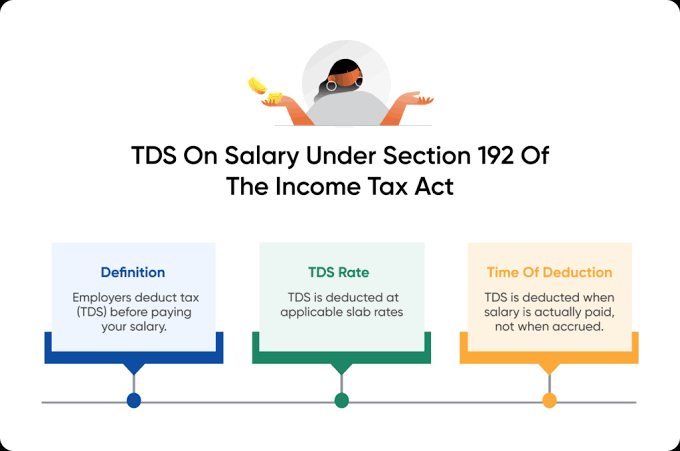
Tax Deducted at Source (TDS) is an important part of salary processing in India. For employers, calculating the correct amount of TDS requires more than simply applying a tax rate to an employee’s monthly salary. Payroll teams need to consider salary structure, applicable tax regime, eligible deductions, exemptions, and the information employees provide during the financial year.

One of the most important inputs in this process is the employee investment declaration.

Employees are often asked by their employers to declare their proposed investments and eligible tax-saving expenses at the beginning of, or during, a financial year. This information helps the payroll team estimate the employee’s taxable income and calculate the appropriate amount of TDS from salary.

However, investment declarations can also create confusion. Employees may declare investments they intend to make but fail to actually make them. Others may submit declarations late or provide incomplete information. If the final proof submitted later differs from the original declaration, the employer may need to recalculate the employee’s taxable income and adjust TDS accordingly.

Understanding how investment declarations affect TDS is therefore essential for both employees and HR teams.

This guide explains what investment declarations are, how they influence salary TDS, what documents employees may need to submit, and how HR and payroll teams can manage the process efficiently.


What Is an Employee Investment Declaration?

An investment declaration is information provided by an employee to their employer regarding investments, expenses, and other eligible items that may qualify for tax benefits under the applicable income-tax provisions.

The declaration generally helps the employer estimate the employee’s taxable salary for TDS purposes.

Depending on the employee’s applicable tax regime and eligibility, declarations may relate to items such as:

  • Life insurance prem

  • iums

  • Provident Fund contributions

  • Public Provident Fund (PPF)

  • Eligible tuition fees

  • Certain housing loan-related amounts

  • Health insurance premiums

  • Eligible donations

  • Other permitted deductions or exemptions

The exact tax treatment depends on the applicable provisions and the tax regime selected by the employee.


Why Do Employers Collect Investment Declarations?

Employers are responsible for deducting TDS from salary based on the employee’s estimated taxable income.

To ma

ke this calculation accurately, payroll teams need relevant information from employees.

Investment declarations help employers:

  • Estimate annual taxable income

  • Calculate eligible deductions

  • Spread estimated TDS across monthly payroll

  • Reduce the possibility of large year-end adjustments

  • Main

  • tain appropriate payroll records

For employees, submitting accurate information can help ensure that TDS is deducted more appropriately throughout the financial year rather than creating an unexpected tax adjustment later.


How Investment Declarations Affect TDS

The basic process can be understood through a simple calculation.

Step 1: Calculate Estimated Annual Salary

The employer estimates the employee’s annual taxable salary based on salary components and expected earnings.

Step 2: Consider Applicable Exemptions and Deductions

Eligible exemptions and deductions are considered based on the employee’s tax regime and applicable rules.

Step 3: Estimate Taxable Income

The estimated taxable income is calculated after considering eligible deductions and other applicable adjustments.

Step 4: Calculate Estimated Annual Tax

The employer calculates the estimated tax liability based on the applicable tax rates and provisions.

Step 5: Deduct TDS Through Payroll

The estimated annual tax is generally spread across the remaining salary payments during the financial year.

Therefore, the investment declaration can directly influence the amount of TDS deducted from an employee’s monthly salary.


The Importance of Choosing the Correct Tax Regime

One of the first things employees need to understand is the tax regime applicable to them.

India currently has two personal income-tax regimes:

  • The new tax regime

  • The old tax regime

The availability and treatment of deductions and exemptions can differ significantly between the two.

Employees should therefore understand which tax regime they are using before making investment declarations to their employer.

A declaration that may provide a tax benefit under the old regime may not provide the same benefit under the new regime.

This makes tax-regime selection an important part of the payroll TDS process.


Common Investments Employees Declare

Depending on eligibility and the applicable tax regime, employees may declare several types of investments or expenses.

Section 80C Investments

Under the applicable provisions, eligible investments and payments may include:

  • Employee’s contribution to certain provident fund schemes

  • Public Provident Fund

  • Life insurance premiums

  • Eligible tuition fees

  • Certain housing loan principal repayments

  • Other qualifying investments

The overall deduction is subject to the limits and conditions prescribed under the Income-tax Act.


Health Insurance Premiums

Eligible health insurance premiums may qualify for deduction under the applicable provisions, subject to prescribed conditions and limits.

Employees should retain appropriate premium receipts or other supporting documents when required.


Home Loan-Related Claims

Employees with eligible housing loans may be able to claim certain tax benefits relating to:

  • Principal repayment

  • Interest on housing loans

The actual tax treatment depends on factors such as the nature of the property, loan conditions, applicable provisions, and tax regime.

Payroll teams should therefore avoid treating every home-loan claim as automatically deductible.


Rent and Other Exemptions

Depending on the employee’s salary structure and tax regime, certain rent-related or other eligible exemptions may be relevant.

For example, eligible employees receiving House Rent Allowance (HRA) may be able to claim exemption under the applicable provisions if the required conditions are satisfied.

The payroll team should calculate such exemptions according to the prescribed rules rather than simply accepting the employee’s declared amount.


Declaration vs Investment Proof

One of the most important distinctions in payroll processing is the difference between a declaration and proof.

Investment Declaration

This generally represents what an employee expects or intends to invest or spend during the financial year.

Investment Proof

This provides supporting evidence that the investment or eligible expense was actually made or incurred.

For example, an employee may declare that they intend to make an eligible investment of ₹1,00,000 during the year.

If they ultimately invest only ₹70,000, the employer may need to revise the tax calculation based on the actual eligible amount when proof is collected.

Therefore:

Declaration = Estimated claim

Proof = Supporting evidence of the actual claim

This distinction is critical for accurate year-end TDS processing.


What Happens When the Declared Investment Is Not Made?

Suppose an employee declares eligible investments of ₹1,50,000 but ultimately makes only ₹1,00,000 of eligible investments.

The employer cannot continue treating the full ₹1,50,000 as an eligible tax benefit if the applicable requirements are not satisfied.

The payroll team may need to:

  1. Recalculate taxable income.

  2. Remove the unsupported benefit.

  3. Recalculate estimated tax liability.

  4. Adjust TDS in the remaining months.

This can result in higher TDS deductions toward the end of the financial year.

Employees should therefore avoid declaring investments simply to reduce monthly TDS unless they genuinely expect to make the eligible investments.


What Happens If an Employee Submits Proof Late?

If investment proof is not submitted within the employer’s specified deadline, the payroll team may be unable to consider the claim while processing salary TDS for that period.

This can increase the TDS deducted from salary.

However, employees may still be able to claim eligible deductions while filing their income-tax return, subject to the applicable law and their tax regime.

Therefore, employees should follow their employer’s declaration and proof-submission timelines carefully.


Example of How Declarations Affect TDS

Consider an employee with an estimated annual taxable income of ₹10,00,000 before considering certain eligible deductions.

Suppose the employee declares ₹1,00,000 of eligible investments under provisions applicable to their selected tax regime.

The employer may consider the eligible amount while estimating taxable income.

If the claim is accepted under the applicable rules:

Estimated income: ₹10,00,000

Less eligible deduction: ₹1,00,000

Estimated taxable income: ₹9,00,000

The estimated tax liability would then be calculated based on the applicable tax regime and rates.

However, if the employee later provides proof for only ₹60,000, the payroll team may need to revise the calculation.

This could increase taxable income by ₹40,000 and consequently increase the remaining TDS deductions.

This example is simplified; actual TDS depends on the employee’s complete salary structure, tax regime, deductions, exemptions, and applicable provisions.


Role of HR and Payroll Teams

HR and payroll departments play an important role in managing investment declarations.

A structured process should include:

1. Communicating Deadlines

Employees should clearly know when declarations and proofs need to be submitted.

2. Providing Guidelines

Payroll teams should explain which documents are generally required and which claims may be considered.

3. Verifying Supporting Documents

Proofs should be reviewed according to the employer’s payroll process and applicable requirements.

4. Updating Payroll

Approved changes should be reflected in the employee’s taxable income and TDS calculation.

5. Maintaining Records

Appropriate records should be maintained for payroll and statutory purposes.


Common Mistakes Employees Should Avoid

Employees frequently make mistakes during investment declaration.

Some common examples include:

  • Declaring investments they do not intend to make

  • Submitting incorrect amounts

  • Choosing the wrong tax regime

  • Missing submission deadlines

  • Providing incomplete documents

  • Assuming every investment qualifies for a deduction

  • Confusing tax declarations with actual investments

  • Waiting until the final month to review tax planning

Accurate and timely information makes payroll processing much smoother.


Common Mistakes HR Teams Should Avoid

Payroll teams should also watch for:

  • Applying deductions without considering eligibility

  • Failing to update salary changes

  • Not communicating deadlines clearly

  • Incorrectly carrying forward declared amounts

  • Ignoring differences between declarations and proofs

  • Not maintaining proper documentation

  • Using outdated tax rules or thresholds

Regular payroll reviews can reduce these risks.


How Payroll Software Can Improve TDS Management

Manual TDS calculations can become challenging when organisations have a large workforce.

Payroll software can help HR teams:

  • Collect employee declarations

  • Store supporting documents

  • Track submission deadlines

  • Calculate estimated taxable income

  • Update TDS calculations

  • Maintain employee tax records

  • Generate payroll reports

Automation reduces repetitive work and helps payroll teams maintain consistency.

However, software calculations should always be configured and reviewed according to the applicable tax rules.


Best Practices for Employees

Employees can make the process easier by:

  • Understanding their selected tax regime

  • Declaring only realistic investments

  • Keeping investment documents safely

  • Submitting declarations on time

  • Providing accurate proof

  • Reviewing monthly payslips

  • Checking TDS deductions periodically

  • Planning investments throughout the year

Good tax planning is not about making last-minute investments simply to reduce TDS. It is about making financially appropriate decisions while understanding the available tax provisions.


Best Practices for HR and Payroll Teams

Businesses can improve their investment declaration process by creating a structured workflow:

Step 1: Communicate the tax declaration process.

Step 2: Provide clear submission deadlines.

Step 3: Collect employee declarations digitally where possible.

Step 4: Review supporting documents.

Step 5: Update payroll calculations.

Step 6: Reconcile declared amounts with actual proofs.

Step 7: Recalculate TDS where required.

Step 8: Maintain accurate records.

This approach reduces confusion for both employees and payroll teams.


Conclusion

Employee investment declarations play an important role in salary TDS calculation. They provide employers with information needed to estimate an employee’s taxable income and calculate TDS during the financial year. However, a declaration is not the same as proof, and the final tax calculation must reflect the employee’s actual eligibility under the applicable tax rules.

For employees, the best approach is to declare investments accurately, understand the tax regime they are using, submit required documents on time, and avoid making unrealistic claims. For HR and payroll teams, a clear process for collecting, verifying, and updating investment information can significantly reduce errors and last-minute TDS adjustments.

As payroll processes become increasingly digital, organisations can use payroll software and structured workflows to simplify investment declarations, document management, and TDS calculations. When employees and employers work together with accurate information and timely documentation, salary tax processing becomes more transparent, efficient, and predictable.

Ultimately, effective investment declaration management benefits everyone. Employees get greater clarity about their tax deductions, while organisations can maintain a more accurate and compliant payroll process.

03Sep

Professional Tax in India: Which States Levy It and Who Is Responsible for Payment?

By Nandana G.S , Digital Marketing Executive

Professional Tax (PT) is a state-level tax on professions, trades, callings, and employment. Despite its name, it is not limited to professionals such as doctors, lawyers, or consultants. Salaried employees can also be subject to Professional Tax where the applicable state law provides for it.

For HR and payroll teams, PT compliance is an important part of monthly payroll management. The employer may be responsible for deducting the tax from eligible employees’ salaries, depositing it with the relevant state authority, and completing applicable registrations and returns.

The challenge is that Professional Tax is not imposed uniformly across India. Some states levy it, while others do not. Even among states that levy PT, the applicable rates, exemptions, payment schedules, and compliance procedures can differ.


What Is Professional Tax?

Professional Tax is a tax imposed by certain state governments on income earned through employment or professional activity.

It is generally deducted from an employee’s salary by the employer and deposited with the state government.

For self-employed professionals and certain businesses, the person carrying on the profession or business may have a direct payment obligation, depending on the applicable state law.

Professional Tax should therefore be treated as a separate statutory payroll responsibility alongside requirements such as PF, ESI, TDS, and LWF.


Which States Levy Professional Tax in India?

Professional Tax is currently levied in certain states and Union Territories, while several others do not impose it.

States/UTs commonly associated with Professional Tax include:

  • Andhra Pradesh
  • Assam
  • Bihar
  • Chhattisgarh
  • Gujarat
  • Jharkhand
  • Karnataka
  • Kerala
  • Madhya Pradesh
  • Maharashtra
  • Manipur
  • Meghalaya
  • Mizoram
  • Odisha
  • Sikkim
  • Tamil Nadu
  • Telangana
  • Tripura
  • West Bengal

The exact applicability and compliance requirements should always be verified against the current legislation and notifications of the relevant state, because state rules can change.


States Where Professional Tax Is Not Generally Levied

Several states and Union Territories do not currently impose a state Professional Tax in the same manner.

These include, for example:

  • Delhi
  • Haryana
  • Himachal Pradesh
  • Rajasthan
  • Uttar Pradesh
  • Uttarakhand
  • Punjab
  • Goa
  • Arunachal Pradesh
  • Nagaland

This distinction is particularly important for companies operating in multiple states.

A business should not assume that its Professional Tax process can simply be copied from one location to another.


Who Is Responsible for Paying Professional Tax?

Responsibility depends on whether the person is a salaried employee or is earning income through a profession or business.

1. Salaried Employees

Where Professional Tax applies, the employer generally deducts the applicable amount from the employee’s salary and deposits it with the relevant state authority.

For example, if an employee’s salary falls within a particular PT slab, the employer calculates the applicable deduction and reflects it in the payroll.

The employee ultimately bears the deduction, while the employer generally handles the collection and remittance.


2. Self-Employed Professionals

Individuals such as:

  • Consultants
  • Doctors
  • Lawyers
  • Chartered accountants
  • Contractors
  • Business owners

may have direct Professional Tax obligations where the applicable state law requires registration or enrolment.

The exact requirements depend on the profession, establishment, income level, and state legislation.


Employer’s Role in Professional Tax Compliance

HR and payroll teams generally need to manage several important responsibilities.

Employee Eligibility

Determine which employees are covered under the applicable state PT law.

Correct Deduction

Calculate Professional Tax according to the relevant state slab or prescribed amount.

Payroll Processing

Ensure the deduction appears correctly in the employee’s salary records.

Timely Remittance

Deposit the collected amount with the appropriate state authority within the prescribed timeline.

Registration

Where required, obtain and maintain the relevant employer registration or enrolment.

Returns and Records

Complete applicable filings and maintain supporting documentation.


Professional Tax Is Not the Same as TDS

A common payroll mistake is confusing Professional Tax with TDS.

They are two different statutory deductions.

Professional TaxTDS on SalaryState-level taxIncome-tax requirementGoverned by applicable state lawGoverned by central income-tax lawRates/slabs vary by stateCalculated according to applicable income-tax provisionsCollected by state authoritiesDeposited with the Central GovernmentApplies only where PT is imposedSalary TDS can apply based on taxable income

Both deductions may appear on the same employee’s salary slip.


How Professional Tax Is Calculated

Professional Tax is generally based on state-prescribed salary or income slabs.

The applicable amount can depend on factors such as:

  • Monthly salary
  • Annual income
  • Employee category
  • State legislation
  • Applicable exemptions

Some states may have different deduction schedules or special provisions.

Therefore, HR teams should avoid using a single PT formula for employees across all locations.


Professional Tax in Kerala

For businesses operating in Kerala, including Kochi, Professional Tax compliance is particularly relevant because the state has its own statutory framework governing the levy.

Employers should ensure that employee salary records, applicable PT slabs, deductions, remittances, and required documentation are maintained correctly according to the prevailing Kerala requirements.

For organizations with employees across Kerala and other states, maintaining a state-wise payroll compliance matrix can help prevent incorrect deductions and missed statutory obligations.


Common Professional Tax Compliance Mistakes

1. Applying PT in a Non-Applicable State

Some businesses use the same payroll configuration across all locations without checking state applicability.

Solution: Maintain state-specific payroll rules.


2. Using Outdated PT Slabs

State governments can modify applicable rates or provisions.

Solution: Review statutory notifications and payroll settings periodically.


3. Incorrect Employee Classification

Employees may be incorrectly included or excluded from PT deductions.

Solution: Verify eligibility based on the applicable state legislation.


4. Missing PT Registration

Employers may fail to obtain required registration or enrolment.

Solution: Include PT registration in the organization’s statutory compliance checklist.


5. Delayed Payment

Even when deductions are calculated correctly, late remittance can create compliance issues.

Solution: Maintain a statutory payment calendar with clear responsibility.


6. Incorrect Payroll Configuration

Manual spreadsheets or outdated payroll software can result in:

  • Wrong deductions
  • Incorrect slabs
  • Missed employees
  • Duplicate deductions

Solution: Review payroll configurations regularly and automate wherever practical.


7. Poor Documentation

Businesses sometimes fail to maintain:

  • PT registration records
  • Salary registers
  • Deduction records
  • Payment challans
  • Returns
  • Employee information

Proper documentation is essential during audits and inspections.


Why Multi-State Businesses Need Stronger PT Controls

Managing Professional Tax becomes significantly more complicated when an organization has employees in multiple states.

For example, an organization may have employees in Kerala, Karnataka, Maharashtra, and Tamil Nadu, with each location potentially having different compliance requirements.

HR teams therefore need to track:

State → Applicability → Employee eligibility → Rate/slab → Deduction frequency → Due date → Return requirement → Documentation

A centralized compliance matrix can make this process much easier to manage.


How HR Can Prevent Professional Tax Errors

Maintain a State-Wise Compliance Calendar

Track registration, deduction, payment, and filing deadlines separately for each state.

Review Payroll Before Processing

Verify employee location, salary, applicable slab, and deduction.

Keep Employee Data Updated

Changes in salary, location, employment status, or exemption status can affect payroll processing.

Reconcile Monthly Payroll

Compare PT deductions with payment records before closing payroll.

Conduct Periodic Compliance Audits

Audits can identify missed deductions, incorrect calculations, and documentation gaps.

Keep Teams Updated

HR and payroll professionals should regularly monitor changes in state-specific requirements.


Why Professional Tax Compliance Matters for Growing Businesses

As businesses grow, payroll processes become more complex. New branches, employees relocating between states, remote employees, and multiple salary structures can all create additional compliance challenges.

For growing businesses in Kochi and across Kerala, as well as organizations expanding into other Indian states, Professional Tax should be included as part of a broader statutory payroll compliance framework.

Treating PT as an afterthought can result in avoidable corrections and compliance risks.


Final Thoughts

Professional Tax may appear to be a small payroll deduction, but managing it correctly requires careful attention to state-specific legislation, employee eligibility, rates, payment deadlines, registrations, and documentation.

For HR teams, the most important principle is simple:

Do not assume that Professional Tax works the same way across India.

Businesses should maintain accurate state-wise compliance records, regularly review payroll configurations, monitor statutory updates, and conduct periodic audits.

A proactive approach can help organizations reduce payroll errors, improve statutory compliance, and remain prepared for audits and inspections.


How Level Up HR Solutions Can Help

At Level Up HR Solutions, we help businesses manage payroll and statutory compliance through structured HR and compliance support.

Our Services Include:

  • Professional Tax Compliance
  • Payroll Processing & Compliance
  • PF & ESI Compliance
  • TDS Compliance
  • LWF Compliance
  • HR Compliance Audits
  • Payroll Audits
  • Labour Law Compliance
  • HR Documentation
  • Statutory Compliance Reviews

📞 +91 8714805999 📧 info@leveluphrs.com 🌐 www.leveluphrs.com

02Sep

EPF Wage Components Explained: Basic Salary, DA and PF Contributions

by Naziha , Digital Marketing Executive

Payroll and statutory compliance can be confusing, especially when it comes to calculating Employees’ Provident Fund (EPF) contributions. One of the most common questions asked by employers and employees is simple:

Which salary components are actually considered for PF contributions?

Is PF calculated on the entire salary? Does House Rent Allowance (HRA) count? What about special allowances, bonuses, Dearness Allowance (DA), or other benefits?

Understanding EPF wage components is essential for accurate payroll processing and statutory compliance. Incorrect calculations can result in contribution shortages, compliance issues, and difficulties during inspections or audits.

In this guide, we explain the key wage components used for EPF calculations, including Basic Salary, Dearness Allowance (DA), Retaining Allowance, and PF contributions, in simple terms.

Understanding EPF Contributions

The Employees’ Provident Fund (EPF) is a social security scheme designed to help employees build long-term financial savings.

Both the employee and employer contribute a percentage of eligible wages to the EPF system.

According to the Employees’ Provident Fund Organisation (EPFO), the standard contribution rate for most covered establishments is 12% of the applicable wage components. These generally include:

  • Basic wages

  • Dearness Allowance (DA)

  • Retaining Allowance, if applicable

The employee normally contributes 12% of eligible wages. The employer also contributes 12%, although the employer’s contribution is distributed between the EPF and Employees’ Pension Scheme (EPS) according to applicable rules.

What Are the Main Wage Components for PF?

For a simple understanding, the PF calculation base can generally be represented as:

PF Wages = Basic Wages + Dearness Allowance + Retaining Allowance (if applicable)

Let’s examine each component.

1. What Is Basic Salary?

Basic salary, often referred to as Basic Pay or Basic Wages, is one of the most important components of an employee’s salary structure.

It is generally the fixed core portion of an employee’s salary before adding allowances, incentives, bonuses, or other benefits.

For example, an employee’s monthly salary structure may look like this:

  • Basic Salary: ₹20,000

  • HRA: ₹8,000

  • Special Allowance: ₹7,000

  • Other Benefits: ₹5,000

In a straightforward PF calculation, the basic salary forms an important part of the wage base used to calculate contributions.

However, HR and payroll teams should not assume that simply labelling a salary component as an “allowance” automatically excludes it from PF considerations. The actual nature and structure of wage components can matter for compliance purposes.

This is why businesses should review their salary structures carefully rather than relying only on the names assigned to different components.

2. What Is Dearness Allowance (DA)?

Dearness Allowance (DA) is an allowance traditionally provided to help employees manage increases in the cost of living.

For EPF contribution purposes, DA is included along with basic wages when determining the applicable contribution base.

For example:

  • Basic Salary: ₹15,000

  • Dearness Allowance: ₹3,000

PF Wage Base = ₹18,000

If the applicable contribution is calculated on the full eligible wage amount, the contribution calculation would be based on the relevant rules and limits applicable to that employee and establishment.

EPFO’s guidance states that PF contributions are based on basic wages, DA, and retaining allowance, where applicable.

3. What Is Retaining Allowance?

Retaining Allowance is less common than Basic Salary or DA, but it is specifically relevant under EPF provisions.

It generally refers to an allowance paid to retain the services of an employee during a period when a factory or establishment is not working.

This type of allowance is particularly relevant in industries where operations may be seasonal or temporarily suspended.

For example, certain employees may receive a retaining allowance during an off-season to ensure they remain associated with the organization.

Where applicable, retaining allowance forms part of the wage components considered for PF contribution purposes.

The Basic EPF Calculation Formula

For most employees, a simplified calculation can be shown as:

Employee PF Contribution = 12% of eligible PF wages

Employer PF Contribution = 12% of eligible PF wages

However, the employer’s 12% contribution is not always credited entirely to the employee’s EPF account.

According to EPFO guidance, a portion of the employer’s contribution is allocated towards the Employees’ Pension Scheme (EPS), subject to applicable rules and limits, with the remaining portion credited to EPF.

Example: Understanding PF Contributions

Let’s consider a simple example.

Employee Salary Structure

Salary ComponentAmountBasic Salary₹15,000Dearness Allowance₹2,000HRA₹6,000Special Allowance₹5,000Gross Salary₹28,000

For illustration:

Basic Salary + DA = ₹17,000

Therefore, the starting point for determining the PF wage base would include the Basic Salary and DA.

The actual contribution calculation may depend on factors such as applicable wage limits, the employee’s PF membership status, establishment practices, and other statutory requirements.

Is PF Calculated on Gross Salary?

No, PF is not automatically calculated on the entire gross salary.

Gross salary can include several components, such as:

  • Basic Salary

  • Dearness Allowance

  • HRA

  • Bonuses

  • Incentives

  • Other allowances

EPF rules identify specific wage components for contribution purposes. Simply taking 12% of an employee’s total gross salary without reviewing the salary structure can lead to incorrect calculations.

This is why payroll teams must clearly understand how each salary component is structured.

What About HRA?

House Rent Allowance (HRA) is commonly provided to employees as part of their salary package.

HRA is generally treated separately from the basic wage components specifically identified for standard EPF contribution calculations.

EPFO materials discussing the EPF wage structure list HRA among allowances excluded from the basic wage definition, subject to the applicable legal interpretation of wage components.

However, employers should ensure that their overall salary structures are designed genuinely and consistently, rather than artificially restructuring wages simply to reduce statutory liability.

What About Bonuses and Incentives?

Employees may receive additional payments such as:

  • Annual bonuses

  • Performance bonuses

  • Sales commissions

  • Incentives

  • Overtime payments

These payments do not automatically form part of the standard PF calculation base in every situation.

EPFO materials identify items such as bonus, commission, HRA, and overtime allowance among exclusions from the basic wage definition.

However, payroll compliance can become complex when organizations use multiple allowances as part of their regular compensation structures. Businesses should review the nature of each payment and obtain professional compliance advice where necessary.

The ₹15,000 PF Wage Ceiling Explained

The ₹15,000 figure is one of the most commonly misunderstood aspects of EPF compliance.

EPFO states that an employee drawing monthly wages up to ₹15,000 in a covered establishment is generally required to become a member, subject to applicable provisions. EPFO guidance also explains that, where a member’s monthly pay exceeds ₹15,000, contributions may be limited to the amounts payable on ₹15,000 per month, subject to applicable provisions and exceptions.

This does not mean every employee earning more than ₹15,000 automatically has no PF considerations.

PF eligibility and contribution requirements can depend on factors such as:

  • Whether the employee was already an EPF member

  • The employee’s wages at the relevant time

  • Whether contributions are restricted to the statutory ceiling

  • Whether higher-wage contributions are being made according to applicable provisions

  • Establishment and employee arrangements

Because of these factors, HR teams should avoid using the ₹15,000 figure as a one-size-fits-all rule.

Common PF Wage Calculation Mistakes

1. Calculating PF on the Wrong Salary Component

One of the most common payroll mistakes is calculating PF on the gross salary without reviewing individual wage components.

Every salary structure should be examined carefully.

2. Assuming Every Allowance Is Excluded

Some organizations assume that any payment labelled as an “allowance” can automatically be excluded from PF calculations.

This approach can create compliance risks.

The substance and nature of the payment may be more important than simply the name used in the salary structure.

3. Ignoring Dearness Allowance

DA is specifically included in the wage components used for PF contribution calculations.

Failing to include applicable DA can result in incorrect contribution calculations.

4. Misunderstanding the ₹15,000 Ceiling

The statutory wage ceiling is frequently misunderstood.

HR and payroll teams should understand the difference between:

  • PF membership eligibility

  • The statutory wage ceiling

  • Contribution calculations

  • Higher-wage or voluntary contributions

5. Failing to Review Salary Structures Regularly

Salary structures can change due to:

  • Promotions

  • Salary increments

  • Compensation restructuring

  • New allowances

  • Changes in employment terms

Every significant change should be reviewed to ensure continued payroll compliance.

Why Accurate PF Calculations Matter

Incorrect PF calculations can create several challenges for businesses.

These include:

  • Contribution shortfalls

  • Interest and damages where applicable

  • Compliance notices

  • Employee complaints

  • Payroll discrepancies

  • Difficulties during audits and inspections

Accurate calculations protect both the employer and employees.

A Simple PF Compliance Checklist for HR Teams

Before finalizing monthly payroll, HR and payroll teams should check:

✔ Is the employee’s Basic Salary correctly recorded?

✔ Has applicable DA been included?

✔ Is there any Retaining Allowance that needs to be considered?

✔ Has the salary structure been reviewed for changes?

✔ Are PF contributions being calculated according to applicable limits and rules?

✔ Are employee and employer contributions correctly recorded?

✔ Are monthly filings and payments completed within the required timeline?

A regular internal review can help organizations identify mistakes before they become larger compliance issues.

How Payroll Technology Can Help

Modern payroll and HR systems can simplify PF management by helping organizations:

  • Maintain employee salary records

  • Automate PF calculations

  • Track salary revisions

  • Generate payroll reports

  • Reduce manual calculation errors

  • Maintain compliance records

However, technology is only as accurate as the information and rules configured within the system.

Organizations should therefore periodically audit payroll settings and salary structures.

Final Thoughts

Understanding EPF wage components is essential for accurate payroll management.

The basic framework is straightforward: PF contributions are generally connected to Basic Wages, Dearness Allowance, and Retaining Allowance, where applicable. But real-world payroll compliance can become more complex when employees have multiple allowances, changing salary structures, or wages above the statutory ceiling.

For HR teams, the key is not simply to apply a percentage every month. It is to understand the salary structure, classify wage components correctly, maintain accurate records, and review compliance regularly.

A well-managed PF process protects employees’ long-term financial interests while helping businesses avoid unnecessary compliance risks.

When in doubt, it is always better to review the applicable EPF provisions and seek qualified professional guidance rather than relying on assumptions.

01Sep

Copy of When Is an Employee Eligible for ESI Benefits? A Guide for HR Teams

By Afla KC , Digital Marketing Executive

Introduction

Employees’ State Insurance (ESI) is one of the most important social security schemes that HR and payroll teams need to understand. It provides eligible employees and their families with access to medical care and financial support during specific situations such as sickness, maternity, disablement, and employment-related injury.

For businesses, ESI compliance is more than simply deducting contributions from an employee’s salary. HR teams need to correctly identify eligible employees, understand wage limits, complete registration, calculate contributions, maintain records, and ensure timely compliance.

One of the most common questions HR professionals face is:

“When is an employee eligible for ESI benefits?”

The answer depends on several factors, including the type of establishment, employee status, applicable wage ceiling, and the employee’s contribution and benefit periods.

According to the Employees’ State Insurance Corporation (ESIC), employees drawing wages up to ₹21,000 per month are generally covered under the ESI scheme, while the wage ceiling for eligible persons with specified disabilities is ₹25,000 per month.

This guide explains the key ESI eligibility rules HR teams should understand and the practical steps businesses should follow to manage ESI correctly.


What Is ESI?

The Employees’ State Insurance Scheme is a social security programme administered by the Employees’ State Insurance Corporation.

The scheme provides various forms of protection, including:

  • Medical benefits

  • Sickness benefits

  • Maternity benefits

  • Disablement benefits

  • Dependants’ benefits

  • Funeral expenses

  • Other prescribed benefits

The purpose of ESI is to provide financial and medical support to eligible employees during situations that can affect their ability to work or earn.


Who Is Covered Under ESI?

ESI applies to employees working in establishments covered by the ESI Act and applicable notifications.

The scheme traditionally applies to factories employing 10 or more persons, while coverage has also been extended to various establishments such as shops, hotels, restaurants, educational institutions, medical institutions, cinemas, and other establishments depending on the applicable government notification and threshold.

Therefore, HR teams should not determine eligibility based only on the employee’s salary.

They should first ask:

Is the establishment covered under ESI?

If the establishment is covered, the next step is determining whether the individual employee falls within the applicable coverage criteria.


What Is the ESI Wage Limit?

The current general wage ceiling for ESI coverage is:

₹21,000 per month

Employees whose wages fall within the prescribed ceiling are generally covered when they work in a covered establishment.

For eligible employees with specified disabilities, the wage ceiling is:

₹25,000 per month

These limits are prescribed under the ESI framework.

HR teams should remember that ESI wage calculation is not necessarily the same as simply looking at an employee’s basic salary.

The definition and treatment of wages for ESI purposes should be examined carefully when determining coverage.


What Happens If an Employee’s Salary Crosses ₹21,000?

This is one of the most important areas for payroll teams.

An employee who is already covered under ESI does not necessarily lose coverage immediately if their wages cross the prescribed ceiling during an ongoing contribution period.

The ESI rules provide for continuation of coverage until the end of the relevant contribution period when wages exceed the ceiling after the beginning of that period.

For HR teams, this means that a salary increment should not automatically result in immediate removal from ESI.

The payroll team should check:

  • When the salary increase became effective

  • The applicable contribution period

  • The employee’s wages for ESI purposes

  • Whether the employee was already covered at the beginning of the contribution period

This is an important area where payroll errors can occur.


Understanding ESI Contribution Periods

ESI operates through contribution and corresponding benefit periods.

The two contribution periods are generally:

1 April to 30 September

and

1 October to 31 March

The corresponding benefit periods follow the prescribed schedule. ESIC’s FAQ explains that the contribution year is divided into two six-month periods, with corresponding benefit periods beginning after the relevant contribution period.

Understanding these periods helps HR teams determine how employee coverage and benefits operate when wages or employment circumstances change.


Who Is Considered an Employee for ESI?

The ESI framework covers employees employed for wages in or in connection with the work of a covered factory or establishment.

This can include employees who are:

  • Directly employed by the principal employer

  • Working in different departments of the establishment

  • Performing administrative work

  • Working in sales or distribution

  • Employed through an immediate employer in applicable circumstances

  • Certain paid directors who meet the applicable conditions

ESIC guidance specifically recognises certain paid directors as employees for ESI purposes when the applicable conditions are satisfied.

However, not every person working with a business automatically qualifies as an ESI-covered employee.


Are Apprentices Covered Under ESI?

An apprentice engaged under the Apprentices Act, 1961 is listed among the exclusions in ESIC’s FAQ regarding employees covered under the scheme.

HR teams should therefore carefully distinguish between:

  • Employees

  • Apprentices

  • Consultants

  • Contractors

  • Other categories of workers

Employment classification can have a direct impact on statutory compliance.


What Benefits Does an Eligible Employee Receive?

ESI is not simply a payroll deduction.

It provides social security protection to eligible insured employees and their families.

Major benefits include:

Medical Benefits

Eligible insured persons and their families can receive medical care through the ESI system subject to applicable rules.

Sickness Benefits

Financial support may be available during qualifying periods of sickness.

Maternity Benefits

Eligible insured women can receive maternity-related benefits according to the applicable provisions.

Disablement Benefits

Employees affected by employment-related disablement may receive benefits under the ESI framework.

Dependants’ Benefits

In certain cases involving employment-related death, dependants may receive prescribed benefits.

Funeral Expenses

The scheme also provides for funeral expenses subject to applicable provisions.

The exact eligibility conditions, duration, and benefit amount vary depending on the specific benefit.


What Should HR Do When Hiring a New Employee?

When a new employee joins a covered establishment, HR should include ESI verification as part of the onboarding process.

A practical checklist includes:

Step 1: Check the Establishment

Confirm that the organisation is covered under ESI.

Step 2: Check Employee Eligibility

Review the employee’s applicable wages and employment status.

Step 3: Collect Required Information

Obtain the necessary employee details and documents required for registration.

Step 4: Register the Employee

Complete the applicable ESIC registration process.

Step 5: Verify the Insurance Number

Ensure the employee’s insurance details are correctly recorded.

Step 6: Configure Payroll

Make sure the employee’s ESI contribution is correctly calculated and reflected in payroll.

Step 7: Maintain Records

Keep appropriate records of contributions, employee details, wage changes, and other statutory information.


What Are the ESI Contribution Rates?

Under the current ESI framework, the employee contribution is 0.75% of wages, while the employer contribution is 3.25% of wages.

For example, if an employee’s applicable ESI wages are ₹20,000:

Employee contribution: ₹20,000 × 0.75% = ₹150

Employer contribution: ₹20,000 × 3.25% = ₹650

Therefore, the total contribution would be ₹800 for that wage period.

Payroll teams should always verify the applicable contribution rules and current statutory requirements before processing payroll.


What HR Teams Should Monitor Every Month

ESI compliance should be treated as an ongoing payroll responsibility rather than a one-time registration task.

HR and payroll teams should regularly monitor:

  • New employee registrations

  • Employee exits

  • Salary revisions

  • Employees crossing the wage ceiling

  • Contribution calculations

  • Challan/payment compliance

  • Employee insurance details

  • Contribution periods

  • Required statutory records

A monthly compliance checklist can significantly reduce errors.


Common ESI Compliance Mistakes

Businesses often face problems because of simple administrative mistakes.

Common issues include:

Incorrect Wage Calculation

Using only basic salary without properly assessing the applicable definition of wages can result in incorrect coverage decisions.

Delayed Registration

Failing to register eligible employees on time can create compliance issues.

Incorrect Salary Updates

Payroll teams may fail to update ESI calculations after salary revisions.

Immediate Removal After Salary Increase

An employee may continue under ESI until the end of the relevant contribution period when the wage ceiling is crossed after the contribution period has begun.

Poor Record Management

Missing employee information, contribution records, or wage details can make compliance difficult to verify.


ESI vs Employee Health Insurance

HR teams should also understand that statutory ESI and private health insurance are not necessarily interchangeable.

ESI is a statutory social security scheme applicable to eligible employees in covered establishments.

Private health insurance, on the other hand, is an employer-provided or individually purchased insurance arrangement.

Depending on the circumstances, businesses may provide additional private health insurance benefits, but HR teams should not assume that private insurance automatically replaces statutory ESI obligations.


How Payroll Software Can Simplify ESI Compliance

Managing ESI man ually can

 become difficult as an organisation grows.

Payroll software can help HR te

ams:

  • Track employee eligibility

  • Calculate contributions

  • Manage salary changes

  • Maintain employee records

  • Generate payroll reports

  • Reduce calculation errors

  • Maintain compliance documentation

Automation is particul

arly useful for organisations managing a large workforce or multiple salary structures.

However, software

 should support—no

t replace—proper statutory review.


ESI Compliance Checklist for HR Teams

Use this simple checklist:

✓ Confirm establishment coverage

✓ Check employee eligibility

✓ Verify applicable wage ceiling

✓ Collect employee details

✓ Complete registration

✓ Calculate employee contribution

✓ Calculate employer contribution

✓ Monitor salary revisions

✓ Track contribution periods

✓ Process payments on time

✓ Maintain statutory records

✓ Review compliance regularly

This checklist can help HR teams create a more structured ESI management process.


Final Thoughts

Understanding ESI eligibility is an essential responsibility for modern HR and payroll teams. The process involves more than checking whether an employee earns below ₹21,000 per month. HR professionals must consider the establishment’s coverage, employee classification, applicable wage rules, contribution periods, salary changes, and statutory requirements.

For covered establishments, eligible employees receive valuable social security protection through medical and cash benefits provided under the ESI framework. For employers, accurate registration, payroll calculation, contribution management, and record-keeping are essential parts of statutory compliance.

The best approach is to build ESI checks directly into the employee lifecycle—from onboarding and payroll processing to salary revisions and exit formalities. Regular compliance reviews and reliable payroll systems can help HR teams minimise errors and maintain accurate statutory records.

As businesses continue to adopt more structured HR and payroll systems, understanding statutory requirements such as ESI becomes increasingly important. A well-managed ESI process protects employees, supports compliance, and contributes to a more organised and responsible workplace.

Note: ESI rules, thresholds, contribution requirements, and applicable establishment coverage can change through legislation, notifications, or government orders. HR teams should verify the latest requirements with ESIC or a qualified compliance professional before making statutory decisions. 

31Aug

From Compliance to Competitive Advantage: The New Role of HR

For many years, human resources departments were viewed primarily as administrative functions responsible for recruitment, payroll processing, attendance management, and regulatory compliance. HR teams were expected to ensure that policies were followed, records were maintained, and statutory obligations were fulfilled.

Today, that perspective has changed dramatically.

In 2026, organizations are no longer relying on human resources departments solely to manage people-related processes. Instead, HR professionals are playing a far more strategic role in shaping workplace culture, improving employee engagement, strengthening employer branding, supporting business growth, and driving organizational transformation.

Compliance remains essential, but it is no longer the final goal. Companies are increasingly recognizing that a well-structured HR function can create a significant competitive advantage.

The organizations that understand this shift are building stronger teams, improving employee retention, increasing productivity, and positioning themselves for long-term success.

The Evolution of Human Resources

The responsibilities of HR professionals have expanded considerably over the past decade.

Traditional HR responsibilities included:
  • Recruitment and onboarding

  • Attendance management

  • Payroll administration

  • Policy implementation

  • Employee record management

  • Statutory compliance

  • Employee separation procedures

While these responsibilities remain important, modern HR departments are now expected to contribute directly to organizational growth.

Strategic HR responsibilities now include:
  • Workforce planning

  • Talent acquisition

  • Leadership development

  • Employee engagement

  • Learning and development

  • Performance management

  • Change management

  • Organizational culture development

  • Employer branding

This transformation has elevated HR from an operational department to a strategic business partner.

Why HR Is Becoming More Important in 2026

Several factors are accelerating the transformation of human resource management.

1. Changing employee expectations

Employees today expect much more than a monthly salary. They are looking for:

  • Career growth opportunities

  • Flexible work arrangements

  • Positive workplace cultures

  • Recognition and appreciation

  • Learning and development programs

  • Greater work-life balance

Organizations that fail to address these expectations often struggle with employee retention and productivity.

2. Increased competition for talent

Finding and retaining skilled employees has become increasingly challenging.

Businesses are no longer competing solely on the basis of salary. They are also competing through:

  • Workplace culture

  • Career advancement opportunities

  • Employee benefits

  • Training initiatives

  • Organizational values

Strong HR strategies can help organizations attract and retain high-performing employees.

3. The rise of technology

Technology continues to reshape the modern workplace.

Artificial intelligence, automation, cloud-based systems, and advanced analytics have transformed many traditional HR activities.

Today, organizations can automate tasks such as:

  • Payroll processing

  • Attendance tracking

  • Recruitment management

  • Performance evaluations

  • Employee communication

This allows HR professionals to dedicate more time to strategic initiatives.

4. Greater emphasis on employee well-being

Employee well-being has become a critical component of business success.

Organizations increasingly recognize the connection between employee satisfaction and organizational performance.

Modern HR departments focus on areas such as:

  • Mental well-being

  • Employee engagement

  • Workplace safety

  • Diversity and inclusion

  • Professional development

Healthier work environments often lead to stronger business outcomes.

How HR Creates a Competitive Advantage

Many organizations still consider HR to be a support function. However, forward-thinking companies understand that people are among their most valuable assets.

Let’s explore how effective HR management contributes to long-term growth.

Building a stronger organizational culture

Culture influences every aspect of business performance.

A positive work environment encourages:

  • Collaboration

  • Innovation

  • Accountability

  • Transparency

  • Employee loyalty

When employees feel valued and respected, they are more likely to remain committed to the organization.

Improving employee retention

Replacing employees can be expensive and time-consuming.

Effective HR strategies help organizations reduce turnover by focusing on:

  • Career development opportunities

  • Recognition programs

  • Leadership support

  • Competitive compensation

  • Continuous learning

Retaining experienced employees strengthens organizational stability.

Strengthening employer branding

Employer reputation has become increasingly important.

Organizations with strong employer brands often experience:

  • Higher-quality job applications

  • Improved employee engagement

  • Better retention rates

  • Greater public trust

A positive reputation allows businesses to attract exceptional talent.

Supporting leadership development

Future growth depends on effective leadership.

HR departments play an important role in identifying and developing future leaders through:

  • Training programs

  • Mentorship initiatives

  • Performance evaluations

  • Succession planning

Organizations that invest in leadership development are often better prepared for change.

Enhancing productivity and performance

Employee performance directly affects business results.

Modern HR strategies focus on:

  • Goal setting

  • Continuous feedback

  • Skills development

  • Recognition programs

  • Performance analysis

When employees have the resources they need to succeed, overall productivity improves.

The Importance of HR Analytics

Data-driven decision-making has become a fundamental part of modern human resource management.

HR analytics help organizations measure:

  • Employee turnover rates

  • Recruitment efficiency

  • Employee engagement levels

  • Training effectiveness

  • Productivity trends

  • Workforce performance

These insights enable organizations to make more informed decisions.

Essential Skills HR Professionals Need in 2026

The role of HR professionals continues to evolve rapidly.

Successful HR leaders often possess a combination of technical knowledge and interpersonal skills.

Important skills include:
  • Communication skills

  • Leadership abilities

  • Data analysis capabilities

  • Strategic thinking

  • Problem-solving skills

  • Technological expertise

  • Emotional intelligence

  • Adaptability

Continuous learning has become an essential requirement.

The Future of Human Resources

Several emerging trends are expected to influence HR strategies in the coming years.

These include:

  • Artificial intelligence integration

  • Greater workplace flexibility

  • Increased focus on employee experience

  • Skills-based hiring

  • Digital transformation initiatives

  • Personalized learning programs

Organizations that adapt quickly will gain a significant advantage over their competitors.

How Businesses Can Strengthen Their HR Strategy

Organizations seeking to transform their HR departments should consider the following actions:

  • Invest in technology.

  • Strengthen internal communication.

  • Prioritize employee development.

  • Conduct regular HR audits.

  • Improve performance management systems.

  • Develop clear organizational values.

Small improvements often produce substantial long-term results.

Final Thoughts

The role of human resources has changed fundamentally. HR is no longer limited to enforcing rules, maintaining records, or ensuring compliance.

Instead, HR has become a driving force behind organizational growth, innovation, and long-term success.

Businesses that view HR as a strategic investment rather than an administrative expense are more likely to attract exceptional talent, retain experienced employees, and build resilient organizations.

In 2026 and beyond, competitive advantage will not be determined solely by products, technology, or market position.

It will increasingly be determined by people—and by the organizations that understand how to empower them.

28Aug

How to Handle ESI During Employee Joining, Exit & Absenteeism

Managing Employee State Insurance (ESI) is one of the most important responsibilities of every HR department. While salary processing and attendance management are routine activities, ESI compliance requires careful attention at every stage of the employee lifecycle.

A delayed registration, an incorrect contribution, or a failure to update employee information can lead to compliance issues, financial penalties, and difficulties for employees when claiming benefits.

The challenge becomes even greater when HR teams have to deal with employee onboarding, resignations, long periods of absence, or irregular attendance patterns.

Understanding how to handle these situations correctly is essential for maintaining compliance and protecting employee interests.

This guide explains how organizations can manage ESI effectively during employee joining, exit, and absenteeism.

Understanding the Importance of ESI

The Employees’ State Insurance (ESI) scheme provides social security benefits to eligible employees and their families. These benefits generally include:

  • Medical benefits

  • Sickness benefits

  • Maternity benefits

  • Disability benefits

  • Dependants’ benefits

Employers are responsible for ensuring that eligible employees are enrolled correctly and that contributions are made within the prescribed time frame.

Failure to comply with these requirements can result in penalties, legal complications, and disruptions to employee benefits.

ESI During Employee Joining

The onboarding process is the first stage at which ESI compliance becomes relevant.

Many organizations make the mistake of delaying registration because of incomplete documentation or administrative delays. However, postponing this process can create difficulties for both employees and employers.

Step 1: Verify employee eligibility

Before registration, organizations should review the employee’s details carefully.

The verification process generally includes:

  • Employee identification details

  • Date of joining

  • Salary information

  • Residential address

  • Contact information

  • Family details

Accuracy is extremely important because even minor errors can create complications later.

Step 2: Complete employee registration

Once eligibility has been confirmed, the employee’s information should be entered into the ESI system.

The HR department should ensure that:

  • Employee information is accurate.

  • Required documents have been collected.

  • Registration is completed without delay.

Step 3: Maintain supporting documents

Organizations should retain copies of the following documents:

  • Identity proof

  • Address proof

  • Employment agreement

  • Salary records

  • Attendance records

Maintaining organized records simplifies future audits and inspections.

Common mistakes during employee onboarding

Many organizations unknowingly create compliance risks during the onboarding process.

The most common mistakes include:

  • Delayed registration

  • Incorrect salary information

  • Incomplete documentation

  • Errors in employee details

  • Failure to update records

Regular internal audits can help identify these issues early.

ESI During Employee Exit

Employee separation is another critical stage that requires careful management.

Many organizations focus entirely on recruitment and payroll while overlooking the importance of proper exit procedures.

Update employee records immediately

Whenever an employee resigns, retires, or leaves the organization, HR teams should update all relevant records promptly.

The information that should be reviewed includes:

  • Last working day

  • Salary details

  • Attendance records

  • Contribution history

  • Contact information

Verify outstanding obligations

Before completing the exit process, organizations should ensure that:

  • Payroll calculations are accurate.

  • Leave balances have been reviewed.

  • Contribution records have been updated.

  • Employee information is complete.

Preserve employee records

Organizations should maintain employee records for future reference and audit purposes.

Important records include:

  • Employment agreements

  • Salary records

  • Contribution details

  • Attendance records

  • Exit documents

Common mistakes during employee exit

The following issues occur frequently:

  • Delayed updates

  • Incomplete records

  • Missing attendance information

  • Incorrect salary calculations

  • Poor communication

Even a small error can create complications during future inspections.

ESI During Employee Absenteeism

Absenteeism creates unique challenges for HR professionals because attendance directly affects salary processing and contribution calculations.

Organizations must carefully review each case to ensure that records remain accurate.

Maintain accurate attendance records

Every period of absence should be documented properly.

Records should include:

  • Dates of absence

  • Reasons for absence

  • Approved leave requests

  • Medical documentation, if required

Accurate documentation helps organizations avoid disputes and calculation errors.

Monitor long periods of absence

Extended absences often require additional review.

Organizations should assess:

  • Attendance history

  • Leave balances

  • Payroll adjustments

  • Medical documentation

Maintaining clear communication with employees is equally important.

Ensure accurate contribution calculations

Attendance discrepancies can affect salary calculations and contribution amounts.

To minimize errors, HR teams should:

  • Review attendance reports regularly.

  • Verify payroll calculations carefully.

  • Conduct internal audits.

  • Maintain supporting documentation.

Five Best Practices for Effective ESI Management

1. Digitize employee records

Digital systems reduce errors and improve accessibility.

2. Conduct regular compliance audits

Routine reviews help identify potential risks before they become serious problems.

3. Train HR teams continuously

Labour regulations continue to evolve, making continuous learning essential.

4. Strengthen documentation procedures

Accurate records support transparency and simplify inspections.

5. Monitor deadlines carefully

Timely action reduces the risk of penalties and administrative complications.

Warning Signs That Your Organization May Have ESI Compliance Issues

Your organization should review its internal procedures if you notice the following problems:

  • Missing employee records

  • Delayed registrations

  • Payroll inconsistencies

  • Incorrect contribution calculations

  • Incomplete attendance records

  • Unclear internal procedures

Addressing these issues promptly can prevent more serious problems later.

Final Thoughts

Managing ESI effectively requires more than simply processing monthly contributions. It involves maintaining accurate records, updating employee information promptly, and ensuring compliance throughout the entire employee lifecycle.

Whether an employee is joining the organization, leaving the company, or remaining absent for an extended period, every situation requires careful attention and proper documentation.

Organizations that establish structured processes, conduct regular audits, and invest in reliable HR systems are better positioned to reduce risks and maintain compliance.

After all, effective ESI management is not just about following regulations. It is about protecting employees while building a stronger and more accountable organization.