20May

India’s 2026 Labour Laws: Prepare Before It’s Late

By, Nandana GS , Digital Marketing Executive , Levelup HR Solutions

As India approaches the full implementation of its reformed labour framework, a significant shift in workforce regulation is expected. The consolidation of multiple laws into four labour codes has been designed to simplify compliance. However, at the same time, stricter enforcement and higher accountability will be introduced.

Therefore, businesses are required to move beyond basic awareness and focus on structured preparation. In this blog, the key areas that must be addressed before 2026 are outlined in a clear and practical manner.

1. Understanding the Four Labour Codes

Firstly, it is essential that the foundation of the new framework is clearly understood. The four labour codes have been introduced to replace numerous outdated laws.

These include:

  • Code on Wages
  • Industrial Relations Code
  • Occupational Safety, Health and Working Conditions Code
  • Code on Social Security

Although simplification has been promised, interpretation challenges may still arise. Consequently, misalignment in policies may occur if clarity is not achieved early.

Hence, it is recommended that:

  • Legal provisions are studied in detail
  • HR teams are trained on code-specific implications
  • Expert consultation is considered before implementation
2. Salary Structure and Wage Compliance

Under the new regulations, a standardized definition of “wages” has been introduced. As a result, salary structures will be directly impacted.

In many cases, it is expected that:

  • Basic pay components will be increased
  • Allowance structures will be limited
  • Statutory contributions (PF, gratuity) will rise

Therefore, financial planning must be aligned with compliance requirements.

To ensure readiness:

  • Salary structures should be redesigned
  • Payroll systems must be updated
  • Cost implications should be forecasted in advance
3. Increased Focus on Social Security

Another major shift will be seen in the expansion of social security coverage. Not only full-time employees, but also gig and platform workers are expected to be included.

As a result:

  • Employer obligations may increase
  • Contribution tracking will become more complex
  • Compliance monitoring will be more rigorous

Thus, it is advisable that:

  • Workforce classifications are clearly defined
  • Contracts are aligned with legal requirements
  • Social security contributions are accurately managed
4. Working Hours, Leave, and Overtime Regulations

In addition, changes in working hours and leave policies are expected to be implemented with stricter enforcement.

Although flexibility may be introduced, compliance standards will be closely monitored. Consequently, organizations using outdated tracking systems may face challenges.

Common risk areas include:

  • Improper overtime calculations
  • Non-compliant leave policies
  • Lack of accurate attendance records

Therefore:

  • Automated systems should be adopted
  • HR policies must be updated
  • Real-time monitoring mechanisms should be implemented
5. Mandatory Documentation and Digital Compliance

Furthermore, documentation requirements will be strengthened. Manual processes will gradually be replaced by digital compliance systems.

As a result:

  • Inspection readiness will become critical
  • Real-time data access may be required by authorities
  • Non-compliance penalties may be imposed quickly

To stay prepared:

  • Employee records should be digitized
  • Compliance dashboards can be implemented
  • Documentation should be standardized across departments
6. Labour Inspections and Compliance Audits

In 2026, labour inspections are expected to become more transparent and technology-driven. Randomized inspections and digital reporting systems may be widely used.

However, many organizations remain reactive rather than proactive. Consequently, compliance gaps may only be identified during inspections.

Hence, it is strongly recommended that:

  • Internal audits are conducted periodically
  • Mock inspections are carried out
  • Compliance checklists are updated regularly
7. Policy Alignment and HR Capability Building

Finally, even the best policies will fail if proper execution is not ensured. In many organizations, a gap exists between compliance design and implementation.

As a result:

  • Misinterpretations may occur
  • Inconsistent practices may be followed
  • Legal risks may increase

Therefore:

  • HR teams should be continuously trained
  • Leadership must be aligned with compliance goals
  • External experts should be engaged when necessary
Final Thoughts

In conclusion, the 2026 labour law reforms will not only change how compliance is managed but also how organizations structure their workforce strategies. While the transition may appear complex, it can be effectively managed through early planning and systematic execution.

Therefore, businesses that act proactively will be better positioned to avoid penalties, enhance operational efficiency, and build a compliant and resilient workforce.

How Level Up HR Solutions Can Support You

At Level Up HR Solutions, comprehensive support is provided to help businesses navigate labour law changes with confidence. From compliance audits to payroll restructuring and policy implementation, end-to-end solutions are delivered with precision.

19May

Ignoring Labour Laws in 2026? Here’s What It Can Cost You

By, Rose Maria Francis

Digital Marketing Executive, Level Up HR Solutions

In 2026, labour law compliance is being enforced more strictly than ever before. With increased digitization, real-time tracking, and employee awareness, even minor compliance gaps are being identified quickly. As a result, businesses that fail to align with statutory requirements are being exposed to significant financial, legal, and operational consequences.

The 2026 Compliance Landscape: What Has Changed?

In recent years, labour law frameworks have been consolidated and digitized. Consequently, compliance tracking is being automated through portals, inspections are becoming data-driven, and violations are being flagged instantly.

Furthermore, employees are being empowered with better access to legal information. Therefore, even small discrepancies are being reported more frequently.

Hidden Costs of Non-Compliance (Beyond Penalties)
1. Compounded Financial Liabilities

Not only are fines being imposed, but interest and penalties are also being accumulated over time. In many cases, retrospective compliance checks are resulting in years of unpaid dues being recovered at once.

2. Loss of Government Benefits and Licenses

Additionally, non-compliant businesses are being restricted from accessing government schemes, subsidies, and tenders. Licenses may also be suspended or cancelled in severe cases.

3. Increased Audit Scrutiny

Once a violation is detected, frequent inspections are being triggered automatically. Consequently, businesses are being placed under continuous monitoring.

4. Leadership Accountability Risks

In certain cases, directors and business owners are being held personally liable. Therefore, compliance failures are no longer limited to organizational risk—they are becoming personal legal risks.

5. Digital Compliance Trail Exposure

With digital records being maintained across platforms, inconsistencies in payroll, attendance, or filings are being easily cross-verified. As a result, manipulation or errors are being detected instantly.

High-Risk Areas Businesses Cannot Ignore in 2026
Payroll Compliance

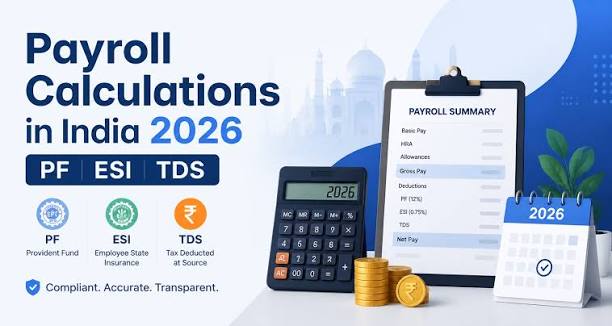
Salary structuring, minimum wage adherence, and statutory deductions must be aligned precisely. Even minor miscalculations are being flagged during audits.

PF, ESI, and Social Security

Delayed or incorrect contributions are being penalized heavily. Moreover, employee grievances related to these benefits are increasing.

Employment Contracts & Policies

Outdated contracts are being considered non-compliant. Policies related to working hours, leave, termination, and workplace conduct must be clearly defined.

HR Documentation & Registers

Incomplete or improperly maintained documentation is one of the most common reasons for penalties. Digital records are now being preferred during inspections.

Gig Workforce & Contract Labour

With the rise of gig and contractual employment, classification errors are becoming a major compliance risk.

Real Business Impact: What Companies Are Facing
  • Sudden labour inspections disrupting daily operations
  • Employee complaints escalating into legal disputes
  • Financial strain due to backdated compliance payments
  • Loss of investor confidence due to compliance gaps
  • Delays in business expansion due to regulatory issues

Therefore, the cost of non-compliance is not just financial—it is strategic.

Preventive Compliance Strategy for 2026
1. Compliance Audits Must Be Periodic

Regular internal audits should be conducted to identify gaps before authorities do.

2. Documentation Should Be Digitized

All employee records, contracts, and statutory registers must be maintained in a centralized digital system.

3. Payroll Systems Must Be Standardized

Automated payroll systems should be implemented to reduce errors and ensure statutory alignment.

4. Legal Updates Must Be Monitored

Labour laws are evolving continuously. Therefore, businesses must stay updated with amendments and notifications.

5. HR Teams Must Be Trained

Internal HR teams should be trained regularly on compliance requirements and best practices.

Why Compliance Is a Growth Strategy (Not Just a Legal Requirement)

It should be understood that compliance is not merely about avoiding penalties. Instead, it is being recognized as a foundation for sustainable growth.

  • Investor confidence is being strengthened
  • Employee trust is being improved
  • Brand reputation is being enhanced
  • Operational risks are being minimized

Hence, compliant organizations are being positioned as reliable and scalable businesses.

How Level Up HR Solutions Supports Your Compliance Journey

At Level Up HR Solutions, end-to-end compliance support is being delivered to help businesses stay ahead of regulatory challenges.

Services Include:
  • Labour law compliance audits
  • HR documentation and policy development
  • Payroll compliance management
  • Statutory registration and filings
  • Employee complaint documentation handling

As a result, businesses are being transformed into:

✔ Compliance-ready ✔ Audit-ready ✔ Risk-managed

Final Insight

In 2026, ignoring labour laws is not just a compliance gap—it is a business risk that can impact growth, reputation, and sustainability.

Therefore, proactive compliance is not optional. It is essential.

14May

Essential HR Documents Every Company Must Have


 Level Up HR Solutions

By Afla KC, Digital Marketing Executive

In today’s evolving business landscape, HR documentation is no longer optional—it is considered a legal and operational necessity. Without proper documentation, organisations may be exposed to compliance risks, employee disputes, and operational inefficiencies.

Therefore, it is essential for every company, regardless of size, to maintain a strong HR documentation framework. In this article, the most important HR documents are outlined along with their business impact and legal importance.

Why HR Documentation Matters

To begin with, HR documents are maintained to ensure compliance, consistency, and transparency within an organisation. Moreover, both employers and employees are protected from legal complications through proper documentation.

Additionally, when documentation is managed effectively:

  • Legal risks are reduced
  • Employee expectations are clarified
  • Internal processes are standardised

As a result, businesses can operate more efficiently and confidently.


1. Employment Contracts

First and foremost, employment contracts should be prepared for every employee. These documents are used to define:

  • Job roles and responsibilities
  • Salary structure and benefits
  • Terms and conditions of employment
  • Confidentiality clauses

Without a formal contract, misunderstandings may arise. Therefore, written agreements should always be maintained for all employees.


2. Employee Handbook

Next, an employee handbook should be developed and distributed. This document is regarded as the foundation of workplace culture and organisational policies.

Typically, it includes:

  • Company policies and code of conduct
  • Leave policies and working hours
  • Disciplinary procedures
  • Anti-harassment policies

Consequently, employees are provided with clear guidance regarding organisational expectations.


3. HR Policies and Procedures

In addition, detailed HR policies should be documented to ensure compliance with labour laws and workplace standards.

These policies generally cover:

  • Attendance and leave management
  • Payroll and compensation
  • Performance management
  • Grievance handling procedures

By implementing structured policies, consistency across departments can be ensured.


4. Payroll and Salary Records

Furthermore, accurate payroll records should be maintained for every employee. These documents are essential for financial tracking and statutory compliance.

They typically include:

  • Salary slips
  • Tax deductions (TDS)
  • Provident Fund (PF) contributions
  • Employee State Insurance (ESI) records

As a result, financial transparency is improved and compliance audits are simplified.


5. Employee Personal Files

Equally important, employee records should be securely maintained and regularly updated. These files usually contain:

  • ID proof and address details
  • Educational certificates
  • Offer letters and appraisal records
  • Emergency contact information

Proper documentation ensures that employee data remains organised and easily accessible when required.


6. Compliance and Statutory Documents

Moreover, statutory documents must be maintained in accordance with labour laws and government regulations.

These documents include:

  • Registration certificates
  • Labour law compliance records
  • Inspection reports
  • Licences and permits

Failure to maintain these documents may result in penalties. Hence, compliance records should be reviewed and updated regularly.


7. Performance and Appraisal Records

Additionally, employee performance records should be documented systematically.

These records help in:

  • Tracking employee growth
  • Supporting promotions and salary increments
  • Identifying training and development needs

Consequently, workforce planning and employee development can be managed more effectively.


8. Exit and Releasing Documents

Finally, exit documentation should be handled professionally and systematically. This process generally includes:

  • Resignation letters
  • Exit interview records
  • Full and final settlement documents
  • Experience and relieving letters

Proper exit documentation ensures that the employee lifecycle is completed smoothly and legally.


Common Mistakes to Avoid

However, despite understanding the importance of HR documentation, many businesses continue to make common mistakes such as:

  • Documents not being updated regularly
  • Lack of digital record management
  • Non-compliance with local labour laws
  • Improper documentation during employee exits

Therefore, these gaps should be addressed proactively to avoid operational and legal risks.


How Level Up HR Solutions Can Help

At Level Up HR Solutions, comprehensive HR documentation services are provided to help businesses remain compliance-ready, audit-ready, and operationally efficient.

Services include:

  • Complete HR documentation setup
  • Labour law compliance support
  • Payroll and employee record management
  • HR policy drafting and implementation

Conclusion

To conclude, HR documentation should not be viewed as mere paperwork—it is considered a strategic asset for business growth and legal protection. When the right documents are maintained properly, organisations become better equipped to manage risks, improve employee relations, and scale effectively.

Therefore, every company should review and strengthen its HR documentation system to ensure long-term business success.