
03Nov

How to Build an HR Framework for a Growing Business

Growing a business is exciting, but managing people becomes increasingly complex as the organization expands.

When a company has only a few employees, HR activities may be handled informally by business owners or administrative staff. Recruitment decisions happen through conversations, employee records are maintained in spreadsheets, and policies may exist only as verbal instructions.

However, as the workforce grows, these informal practices can create challenges.

Missing employee documents, unclear responsibilities, inconsistent HR policies, payroll-related errors, and compliance gaps can affect business operations and employee experience.

This is why every growing business needs a structured HR framework — not just an HR department, but a system that supports employees and business operations at every stage.

What Is an HR Framework?

An HR framework is a structured system of policies, processes, responsibilities, and documentation used to manage employees throughout their employment journey.

It establishes how a business handles:

  • Recruitment and selection
  • Employee onboarding
  • HR policies and procedures
  • Employee documentation
  • Attendance and leave management
  • Compensation and benefits administration
  • Performance management
  • Employee development
  • Statutory compliance
  • Employee exits

A good HR framework creates consistency and helps businesses manage their workforce more effectively as they grow.

1. Start with Clear HR Roles and Responsibilities

One of the first steps in building an HR framework is defining who is responsible for managing people-related activities.

In smaller businesses, the owner or operations manager may handle HR responsibilities. As the organization expands, responsibilities should become more structured.

Clearly identify who handles:

  • Recruitment and candidate coordination
  • Employee documentation
  • Attendance and leave approvals
  • Employee queries and grievances
  • Performance reviews
  • HR policy implementation
  • Statutory compliance coordination
  • Employee exit procedures

When responsibilities are clearly assigned, important HR activities are less likely to be overlooked.

2. Create a Structured Recruitment Process

Hiring the right employees is essential for business growth. However, recruitment without a consistent process can lead to unsuitable hiring decisions and unnecessary delays.

Businesses should establish a standard recruitment workflow.

Manpower Requirement → Job Description → Candidate Sourcing → Screening → Interview → Selection → Offer → Joining

Maintain relevant records such as:

  • Recruitment requests
  • Approved job descriptions
  • Candidate applications
  • Interview feedback
  • Selection approvals
  • Offer letters
  • Candidate communication

A structured recruitment process helps businesses maintain transparency and make more consistent hiring decisions.

3. Build a Strong Employee Onboarding System

Employee onboarding should go beyond collecting documents and introducing someone to the workplace.

A well-organized onboarding process helps employees understand their responsibilities, company expectations, workplace policies, and reporting structure.

Important onboarding activities include:

  • Issuing appointment or employment documentation
  • Collecting required employee information
  • Creating employee records
  • Explaining HR policies
  • Communicating job responsibilities
  • Providing workplace and system access
  • Introducing reporting managers and team members
  • Explaining attendance and leave procedures

Businesses should use an onboarding checklist to ensure that every new employee follows a consistent process.

4. Establish Essential HR Policies

As a company grows, informal instructions may no longer be sufficient.

Employees need clear guidelines about workplace expectations, responsibilities, and procedures.

Important HR policies may include:

Attendance and Leave Policy: Defines attendance procedures, leave eligibility, approval processes, and related expectations.

Code of Conduct: Establishes professional behaviour and workplace standards.

Workplace Harassment Prevention: Provides appropriate procedures and safeguards, including applicable POSH requirements.

Work From Home Policy: Explains eligibility, communication expectations, and remote working arrangements.

Confidentiality Policy: Protects sensitive company and employee information.

Disciplinary Policy: Explains how workplace misconduct and policy violations are addressed.

Policies should be appropriate for the organization’s size, industry, workforce, and applicable legal requirements. They should also be communicated clearly to employees.

5. Maintain Complete Employee Documentation

Employee documentation is the foundation of an organized HR system.

Every employee should have an appropriately maintained personnel file containing relevant employment records.

Depending on the organization, this may include:

  • Resume and application details
  • Offer and appointment letters
  • Identity and address information, where required
  • Educational and experience documents, where relevant
  • Job descriptions
  • Employee information forms
  • Policy acknowledgements
  • Salary revision letters
  • Promotion and transfer records
  • Performance review records
  • Exit documentation

Employee information should be accurate, securely maintained, and accessible only to authorized personnel.

Businesses should also establish a process for updating documents whenever an employee’s role, salary, department, or other relevant information changes.

6. Create a Reliable Attendance and Leave Management Process

Attendance and leave management become more complicated as the number of employees increases.

Without a clear process, businesses may face incorrect attendance records, inconsistent leave approvals, and avoidable payroll-related discrepancies.

An effective system should define:

  • Attendance recording procedures
  • Leave categories and eligibility
  • Leave application and approval processes
  • Holiday calendars
  • Late arrival and absence procedures
  • Overtime records, where applicable
  • Leave balance tracking

HR should regularly review attendance and leave information and coordinate with the relevant teams to ensure accurate records.

7. Establish Compensation and Payroll Coordination

Compensation management requires coordination between HR, payroll, and finance.

Employee salary information should be properly documented and updated whenever changes occur.

Important records and activities include:

  • Approved salary structures
  • Salary revision letters
  • Increment and promotion approvals
  • Attendance and leave inputs
  • Incentive and reimbursement details
  • Applicable deductions
  • Payslip and salary records
  • Payroll reconciliation

Businesses should ensure that approved employee changes are communicated to the relevant payroll and finance teams before processing.

This helps reduce discrepancies between employee records, salary calculations, and financial records.

8. Build a Statutory Compliance System

Compliance should be part of regular HR operations rather than something businesses address only when an inspection or notice occurs.

Depending on the organization’s workforce, establishment, location, and applicable legislation, businesses may need to manage requirements relating to:

  • Employees’ Provident Fund (PF)
  • Employees’ State Insurance (ESI)
  • Professional Tax
  • Labour Welfare Fund
  • Tax Deducted at Source (TDS)
  • Applicable labour laws
  • Employment-related registers and records

Businesses should maintain a compliance calendar that tracks relevant filing dates, payment deadlines, documentation, and responsibilities.

For companies operating in Kerala, it is particularly important to review applicable state-specific requirements alongside central statutory obligations.

Compliance requirements can change, so businesses should verify current notifications, thresholds, exemptions, and deadlines rather than relying on outdated checklists.

9. Introduce a Performance Management Process

An effective HR framework should help employees understand what is expected of them and how their performance contributes to business objectives.

A structured performance management system may include:

  • Clearly defined job responsibilities
  • Key Result Areas (KRAs)
  • Key Performance Indicators (KPIs)
  • Regular manager feedback
  • Performance review meetings
  • Employee development plans
  • Recognition and improvement processes

Performance management should not be limited to an annual appraisal. Regular feedback helps managers identify challenges and support employee development.

10. Develop Employee Training and Growth Plans

As businesses expand, employees need opportunities to improve their skills and adapt to changing responsibilities.

HR can identify training requirements based on:

  • Job responsibilities
  • Performance gaps
  • New technology or systems
  • Management requirements
  • Future business goals
  • Employee career aspirations

Maintain appropriate training records, attendance, completion details, and certificates.

Investing in employee development can help businesses build stronger teams and reduce dependence on external hiring for every new requirement.

11. Establish a Proper Employee Exit Process

An HR framework should cover the entire employee lifecycle — including resignation and exit.

A structured exit process helps businesses complete documentation, coordinate final payments, and close employee records properly.

Important steps include:

  1. Recording the resignation.
  2. Acknowledging the resignation.
  3. Confirming the notice period and last working date.
  4. Coordinating the handover.
  5. Completing asset clearance.
  6. Reconciling attendance and leave.
  7. Coordinating full and final settlement.
  8. Reviewing applicable statutory updates.
  9. Issuing relevant exit documents.
  10. Updating employee records and access.

A consistent exit checklist helps prevent incomplete documentation and unnecessary administrative issues.

12. Use Technology to Organize HR Operations

Managing employee information through multiple spreadsheets, emails, and physical files can become difficult as a business grows.

Appropriate HR technology can help organize employee records and improve process consistency.

Businesses can consider systems for:

  • Employee database management
  • Attendance and leave tracking
  • Document storage
  • Recruitment coordination
  • Performance management
  • Payroll-related information
  • Compliance tracking

The objective is not to adopt technology simply because the business is growing. It is to identify repetitive tasks and information gaps that technology can help manage.

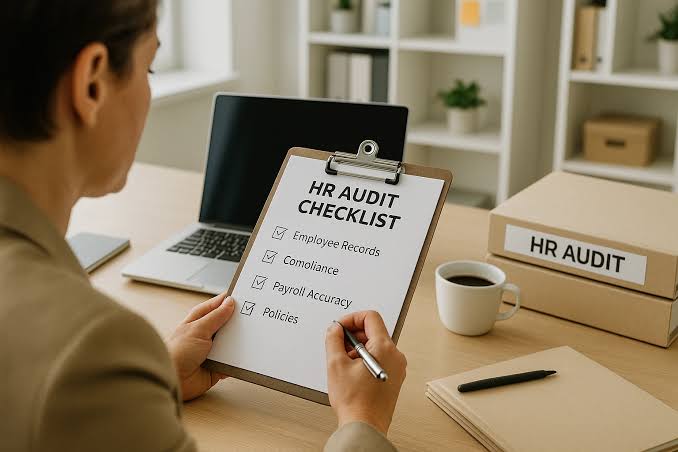
13. Conduct Regular HR Audits

Creating an HR framework is only the beginning. Businesses must periodically review whether the processes are actually working.

An HR audit can help identify gaps in documentation, employee records, policies, and compliance-related processes.

A practical HR audit may review:

  • Employee personnel files
  • Appointment and employment documentation
  • HR policies
  • Attendance and leave records
  • Salary revision approvals
  • PF and ESI records, where applicable
  • Statutory registers and records
  • Employee exit documentation
  • HR process effectiveness

Regular reviews help businesses identify issues early and take corrective action before small gaps become larger operational problems.

A Practical HR Framework Implementation Roadmap

Growing businesses do not need to introduce every HR process at once. They can build their framework in stages.

Stage 1: Establish the Foundation

  • Define HR responsibilities.
  • Create employee master records.
  • Organize existing employee documents.
  • Establish essential HR policies.

Stage 2: Standardize Daily Processes

  • Introduce recruitment and onboarding checklists.
  • Establish attendance and leave procedures.
  • Standardize salary revision and approval documentation.
  • Create employee exit procedures.

Stage 3: Strengthen Compliance

  • Identify applicable statutory obligations.
  • Create a compliance calendar.
  • Review PF, ESI, and other relevant records.
  • Establish a document-retention process.

Stage 4: Improve and Monitor

  • Introduce performance reviews.
  • Identify employee training needs.
  • Use suitable HR technology.
  • Conduct periodic HR audits.
  • Review and improve processes as the organization grows.

Common HR Framework Mistakes Growing Businesses Should Avoid

Even businesses with HR teams can experience process gaps.

Some common mistakes include:

1. Depending entirely on informal communication: Important employee decisions should have appropriate documentation and approval records.

2. Treating documentation as a one-time activity: Employee records must be reviewed and updated throughout the employment lifecycle.

3. Ignoring statutory compliance until deadlines approach: Compliance responsibilities should be tracked continuously.

4. Keeping disconnected HR and payroll records: Relevant employee and compensation information should be consistent across systems.

5. Introducing policies without communicating them: Employees should understand the policies that apply to them.

6. Skipping regular HR reviews: Without periodic audits, outdated records and process gaps may remain unnoticed.

How Level Up HR Solutions Can Help

Building an HR framework requires more than preparing a few documents. It involves creating organized processes that support employee management, documentation, and compliance.

At Level Up HR Solutions, we support growing businesses and SMEs with practical HR services, including:

  • HR Consulting: Support in establishing structured HR processes and practices.
  • HR Documentation: Employee records, HR policies, appointment documentation, and employee lifecycle records.
  • HR Audits: Reviewing HR processes, identifying documentation gaps, and improving audit readiness.
  • PF & ESI Compliance: Support with applicable statutory compliance requirements.
  • Statutory Compliance Support: Assistance with relevant compliance records, processes, and documentation.
  • HR Outsourcing: Practical HR process support for businesses that need professional HR assistance.

Our focus is to help businesses establish more organized HR systems so they can manage their workforce with greater clarity and confidence.

Final Thoughts

Business growth brings new opportunities, but it also increases the responsibility of managing people effectively.

Without structured HR processes, even a successful business can face challenges involving employee documentation, workplace policies, compliance, and administrative coordination.

A strong HR framework provides the foundation for managing these responsibilities.

Start with the essentials. Standardize your processes. Maintain accurate records. Review regularly. Improve as you grow.

Because building a successful business is not just about increasing revenue or expanding operations — it is also about building the right systems to manage the people behind that growth.


Level Up HR Solutions

Compliance Partner for SMEs in India

📞 +91 8714805999
📧 info@leveluphrs.com
🌐 www.leveluphrs.com

#HRFramework #HRManagement #HRConsulting #HRDocumentation #HRCompliance #HRAudit #PayrollCompliance #EmployeeManagement #HROutsourcing #SMEIndia #KeralaBusiness #KochiBusiness #LevelUpHRSolutions


30Oct

Joined Today, Resigned Tomorrow: Where Could the Onboarding Process Go Wrong?

by Naziha , Digital Marketing Executive

Hiring an employee is only the beginning of the employee lifecycle. What happens after the offer is accepted can strongly influence the employee’s first impression of the company.

When someone joins today and resigns shortly afterward, the problem may not always be the employee. In some cases, gaps in the employee onboarding process can create confusion, disappointment or a lack of trust from the very beginning.

So, where could the onboarding process go wrong?

1. The Job Role Was Not Clearly Explained

Sometimes the job discussed during recruitment does not completely match the actual responsibilities after joining.

If employees discover unexpected duties, different targets or unclear responsibilities, they may quickly question whether they made the right decision.

A clear job description and proper role discussion before and during joining can help prevent this gap.

2. Salary or Benefits Were Not Clearly Communicated

Employees expect clarity about salary structure, incentives, benefits, deductions and other employment terms.

If the information provided during recruitment differs from what the employee sees after joining, it can immediately affect trust.

HR should ensure that employment terms are clearly documented and communicated before the employee starts.

3. Poor First-Day Experience

The first day can significantly shape an employee’s perception of the organization.

Problems such as:

  • No proper introduction
  • No clear reporting manager
  • Unavailable workspace or system access
  • Lack of basic information
  • No one assigned to guide the employee

can make a new employee feel unprepared or unwelcome.

A structured first-day experience helps employees understand that the organization is prepared for their arrival.

4. Lack of Communication Before Joining

The period between accepting an offer and joining should not become a communication gap.

If HR does not communicate important information such as joining time, location, documents required, reporting person or first-day expectations, the employee may already feel disconnected before joining.

Regular and simple communication can make the transition smoother.

5. Expectations Were Overpromised During Recruitment

Recruitment communication should accurately represent the role and workplace.

If candidates are given unrealistic expectations about growth, flexibility, responsibilities, salary revisions or work culture, the reality after joining can feel very different.

This mismatch can contribute to early resignations.

6. No Proper Introduction to the Team

Joining a new organization can be uncomfortable when an employee does not know who to approach.

Introducing the employee to the team, manager and relevant colleagues can help them understand their working environment and communication structure.

Even a simple introduction can make the first few days easier.

7. Training Was Missing or Unclear

A new employee cannot be expected to understand every process immediately.

If there is no clear explanation of tools, workflows, responsibilities or company procedures, the employee may feel overwhelmed.

A structured training and orientation process gives new employees time to understand their role and expectations.

8. The Employee Did Not Know What Success Looked Like

New employees need clarity about what is expected from them.

Unclear targets, deadlines or performance expectations can create unnecessary stress.

Managers should explain priorities, responsibilities and initial expectations rather than assuming that the employee will understand everything immediately.

9. HR and Managers Were Not Aligned

Onboarding is not only an HR responsibility.

HR may communicate one set of expectations while the reporting manager provides different instructions. This can create confusion for the employee.

HR, managers and relevant teams should have a consistent understanding of the employee’s role, responsibilities and joining process.

10. No Follow-Up After Joining

Onboarding should not end after the first day.

A simple follow-up during the first few weeks can help identify concerns before they become bigger problems.

HR or the reporting manager can check whether the employee understands the role, has access to required resources and is facing any major difficulties.

Common Onboarding Mistakes That Can Lead to Early Resignation

Some common gaps include:

  • Unclear job responsibilities
  • Poor communication
  • Mismatch between promised and actual role
  • Delayed documentation
  • Lack of training
  • No clear reporting structure
  • Poor first-day experience
  • No follow-up with the new employee

These issues may appear small individually, but together they can create a poor onboarding experience.

Final Thoughts

When an employee resigns shortly after joining, businesses should look beyond the resignation itself and examine the onboarding experience.

A well-structured onboarding process helps employees understand their role, workplace, expectations and responsibilities from the beginning. It also gives HR and managers an opportunity to identify concerns early.

Good onboarding is not just about completing joining formalities. It is about helping a new employee start with clarity, confidence and the right expectations.

27Oct

What Happens to Employee Documents When Someone Gets Promoted?

by Naziha , Digital Marketing Executive

An employee promotion is more than a change in job title.

When an employee moves into a higher position, HR may need to update several records to ensure that the employee’s information remains accurate across the organisation. A promotion can affect responsibilities, reporting structures, compensation, and other employment details.

If these changes are not properly documented, HR and payroll records can quickly become inconsistent.

So, what happens to employee documents when someone gets promoted?

1. The Employee’s HR Record Is Updated

The employee’s existing HR record should generally be updated rather than creating an entirely separate employee file.

Important information that may need to be updated includes:

  • New designation
  • Department or team
  • Reporting manager
  • Effective date of promotion
  • Revised responsibilities
  • Work location, where applicable

The employee’s previous employment history should remain available so there is a clear record of their progression within the organisation.

2. A Promotion Letter May Be Issued

Many organisations provide a formal promotion letter or equivalent written communication.

It may mention:

  • Previous designation
  • New designation
  • Effective date
  • Revised compensation, if applicable
  • New responsibilities
  • Reporting structure
  • Other applicable employment terms

The document should be stored with the employee’s HR records.

3. Salary and Payroll Records Are Updated

A promotion may involve a salary revision.

If compensation changes, HR and payroll teams should ensure that the approved revision is reflected accurately in the relevant systems.

The records should clearly indicate:

  • Revised salary
  • Effective date
  • Applicable salary components
  • Approval or authorisation

HR and payroll information should remain consistent to avoid errors during salary processing.

4. Job Description May Need to Change

A promotion often comes with additional responsibilities.

For example, an employee promoted from an executive position to a managerial role may become responsible for:

  • Team supervision
  • Planning
  • Reporting
  • Decision-making
  • Performance management

The employee’s job description should be reviewed and updated where necessary so that the documented role matches the actual position.

5. Reporting Structure Should Be Updated

A promotion can change who the employee reports to or who reports to them.

HR records and relevant organisational systems should therefore be updated to reflect the new reporting structure.

This is particularly important when HR software, attendance systems, approval workflows, or performance management platforms are connected to reporting relationships.

6. Performance Records Should Continue

A promotion does not mean that the employee’s previous performance history should be removed.

Previous:

  • Performance reviews
  • Goals
  • Feedback
  • Training records
  • Recognition
  • Career progression

should remain part of the employee’s employment history where appropriate.

The promotion becomes another stage in that employee’s career record.

7. Training and Development Records May Change

A new position may require additional skills or training.

HR can update the employee’s development plan to reflect requirements associated with the new role.

For example, a newly promoted manager may require training in:

  • Team management
  • Leadership
  • Performance management
  • Communication
  • Conflict resolution

This helps connect promotion decisions with employee development.

8. Access and Responsibilities May Need to Change

A promotion can also affect the employee’s access to company systems and information.

Depending on the new role, access permissions may need to be reviewed and adjusted.

This should be handled carefully, particularly when the employee moves into a position with access to confidential business or employee information.

9. Employee Records Should Remain Consistent

One of the most important steps after a promotion is updating all relevant systems consistently.

For example, the new designation and compensation should not appear differently across:

  • HR records
  • Payroll systems
  • Employee portals
  • Attendance systems
  • Organisation charts
  • Internal directories

A centralised HR system can make these updates easier to manage.

Common Documentation Mistakes After Promotion

Not Issuing Written Confirmation

A verbal promotion without proper documentation can create confusion about the effective date or revised terms.

Updating Only the Job Title

A promotion may involve changes beyond designation, including responsibilities, reporting relationships, and compensation.

Forgetting Payroll Updates

If compensation changes, payroll should receive the approved information in time for the relevant pay cycle.

Creating a Completely New Employee Record

In most cases, an employee’s career progression should remain connected to their existing employment history rather than creating a disconnected record.

Not Reviewing System Access

New responsibilities may require different access permissions. These should be reviewed according to the employee’s role.

A Simple Promotion Documentation Flow

A structured process can look like:

Promotion Decision
↓
Management Approval
↓
Promotion Letter / Written Communication
↓
HR Record Update
↓
Compensation & Payroll Update
↓
Job Description Review
↓
Reporting Structure Update
↓
System Access Review
↓
Performance & Development Records Update

This creates a clear record of the employee’s career progression.

Final Thoughts

A promotion should be reflected across the employee’s documentation, not just their job title.

From the promotion letter and salary records to job responsibilities, reporting structures, performance history, and system access, HR should ensure that relevant information is updated accurately and consistently.

A well-maintained employee record gives the organisation a clear history of the employee’s journey and helps HR manage future changes more efficiently.

Note: The exact documentation required for a promotion can vary depending on the organisation, employment terms, internal policies, and applicable laws. Businesses should ensure that any changes to employment terms are properly documented and communicated.

23Oct

Employee Lifecycle Documentation: From Joining to Exit

Employee documentation should not begin and end with the joining process.

An employee’s journey through an organization involves multiple stages — recruitment, onboarding, employment, performance, compensation changes, transfers, and finally exit. Each stage creates important HR records that should be maintained accurately and updated when circumstances change.

For growing businesses, a structured employee lifecycle documentation process helps HR keep records organized, coordinate with payroll and finance, and remain better prepared for audits and compliance reviews.


What Is Employee Lifecycle Documentation?

Employee lifecycle documentation refers to the records maintained throughout an employee’s relationship with the organization.

A simple lifecycle looks like:

Recruitment → Joining → Onboarding → Employment → Development → Changes → Exit

At each stage, HR should identify:

  • What information needs to be collected
  • What documents need to be created
  • Who needs to approve them
  • Which records need to be updated
  • Where the records should be maintained

The exact documents will vary based on the organization’s size, industry, workforce, location, and applicable requirements.


1. Recruitment Stage

Documentation starts before the employee joins.

HR may maintain:

✔️ Job description
✔️ Recruitment request/approval
✔️ Candidate application
✔️ Resume/CV
✔️ Interview records
✔️ Assessment results, where applicable
✔️ Selection approval
✔️ Offer approval

A structured recruitment record creates a clear starting point for the employee’s lifecycle.


2. Offer & Pre-Joining Stage

Once a candidate is selected, HR moves into the pre-joining stage.

Important records may include:

  • Offer letter
  • Offer acceptance
  • Proposed joining date
  • Relevant verification records
  • Required personal information
  • Documents required for onboarding
  • Pre-joining communication

HR should have a clear checklist so that required information is not collected inconsistently.


3. Joining & Onboarding

The joining stage creates the employee’s core HR file.

Depending on the organization, this may include:

Employee Information
  • Employee ID
  • Contact details
  • Address
  • Emergency contact
  • Bank details
Employment Records
  • Appointment/employment letter
  • Joining report
  • Job description
  • Confidentiality/NDA documentation, where applicable
  • Policy acknowledgements
Statutory/Payroll Information
  • PAN
  • PF/UAN information, where applicable
  • ESI information, where applicable
  • Professional Tax-related information, where applicable
  • Other required payroll/statutory records

Personal information should be collected only where necessary and handled securely.


4. Probation & Confirmation

For organizations that use a probation process, HR should maintain appropriate records.

These may include:

✔️ Probation period details
✔️ Probation review
✔️ Manager feedback
✔️ Confirmation decision
✔️ Confirmation letter
✔️ Extension documentation, where applicable

This ensures that the employee’s employment status is properly reflected in HR records.


5. Attendance & Leave

Once employment begins, attendance and leave become ongoing HR records.

HR may need to maintain:

  • Attendance records
  • Leave applications
  • Leave approvals
  • Leave balances
  • Holiday records
  • Overtime records, where applicable
  • Other working-time records required by the organization

These records can also support payroll processing.


6. Payroll & Compensation Documentation

Employee compensation can change throughout the employment lifecycle.

HR should maintain appropriate records relating to:

✔️ Salary structure
✔️ Payslips/payroll records
✔️ Salary revisions
✔️ Increment letters
✔️ Incentives/variable pay
✔️ Reimbursements
✔️ Salary advances, where applicable
✔️ Applicable tax and statutory records

Any major compensation change should be appropriately documented and communicated to payroll and finance.


7. Performance Management

Performance documentation helps create a record of employee development and expectations.

Depending on the organization’s system, this may include:

  • KRAs/KPIs
  • Goal-setting records
  • Performance reviews
  • Manager feedback
  • Appraisal records
  • Performance improvement plans, where applicable
  • Development plans

Performance records should be maintained consistently and handled confidentially.


8. Training & Development

Employee development is another important part of the lifecycle.

HR can maintain records of:

Training → Attendance → Completion → Certification → Skills/Development

These records can help organizations understand employee development and future training requirements.


9. Promotion, Transfer & Role Changes

Employee records should be updated whenever an employee’s role changes.

Examples include:

Promotion

Current Role → New Role → New Responsibilities → Salary Revision → Effective Date

Transfer

Current Department → New Department → New Reporting Manager → Effective Date

Role Change

Old Responsibilities → Revised Responsibilities → Updated Job Description

Supporting documents may include:

  • Approval
  • Promotion/transfer letter
  • Revised job description
  • Salary revision documentation
  • HRMS update
  • Payroll communication

10. Employee Information Updates

Employee records shouldn’t remain unchanged throughout employment.

HR should provide a process for updating relevant information such as:

  • Address
  • Contact number
  • Emergency contact
  • Bank details
  • Reporting manager
  • Department
  • Designation
  • Work location
  • Other relevant employee information

The important principle is:

When employee information changes, the relevant HR records should change too.


11. Policy & Compliance Documentation

As the organization grows, policies and compliance requirements may also evolve.

HR should maintain appropriate records relating to:

✔️ HR policies
✔️ Employee acknowledgements
✔️ Statutory records
✔️ Compliance filings/payment records, where applicable
✔️ HR audit records
✔️ Corrective actions

Requirements can vary based on the organization, employee category, state, and applicable laws, so businesses should maintain the records relevant to their circumstances.


12. Employee Grievances & Disciplinary Records

Where formal employee issues arise, relevant records should be maintained appropriately.

These may include:

  • Complaint/grievance
  • Investigation records
  • Employee response
  • Meeting records
  • Formal warnings
  • Corrective action
  • Resolution documentation

Such records should be treated as confidential and accessed only by authorized personnel.


13. Resignation & Notice Period

The documentation process continues when an employee decides to leave.

HR should track:

Resignation → Acknowledgement → Notice Period → Handover → Clearance

Relevant records may include:

  • Resignation letter
  • Resignation acknowledgement
  • Notice-period details
  • Last working date
  • Handover records
  • Leave balance
  • Asset clearance

14. Full & Final Settlement

Before closing an employee’s file, HR and payroll should reconcile relevant information.

This may involve:

✔️ Salary payable
✔️ Leave-related adjustments
✔️ Recoveries, where applicable
✔️ Reimbursements
✔️ Other applicable dues
✔️ Statutory/payroll updates

The exact treatment depends on the employee’s circumstances and applicable requirements.


15. Exit Documentation

The final stage of the employee lifecycle should be properly documented.

Depending on the organization, the exit file may include:

  • Exit interview
  • Clearance form
  • Full & final settlement
  • Relieving letter
  • Experience/service certificate, where applicable
  • Asset handover
  • Relevant statutory updates
  • Final employee status update

Once completed, the employee’s records should be archived and retained according to the organization’s record-retention practices.


Employee Lifecycle Documentation Checklist

HR teams can use this simple framework:

🟢 Before Joining

☐ Job description
☐ Resume/application
☐ Interview records
☐ Selection approval
☐ Offer letter

🟢 Joining

☐ Appointment letter
☐ Employee information
☐ Required verification documents
☐ Payroll/statutory information
☐ Policy acknowledgements

🟢 During Employment

☐ Attendance & leave
☐ Payroll records
☐ Performance reviews
☐ Training records
☐ Promotions/transfers
☐ Salary revisions
☐ Updated employee information

🟢 Exit

☐ Resignation
☐ Notice-period records
☐ Handover
☐ Clearance
☐ Full & final settlement
☐ Relieving/experience documentation
☐ Employee file closure


Common Employee Lifecycle Documentation Gaps
1. Updating only one system

An employee gets promoted, but HRMS, payroll, and the employee master record aren’t all updated.

2. Missing historical records

Companies maintain the latest salary or designation but don’t retain appropriate historical information.

3. Informal approvals

Important HR decisions are made through conversations without a proper approval trail.

4. Incomplete exit files

The employee leaves, but clearance, settlement, or final documentation remains incomplete.

5. No regular employee file review

Documents are collected during onboarding but rarely reviewed afterward.


How to Build a Better Employee Documentation System

A simple approach is to connect every employee event to a documentation checklist.

Employee Change

↓

Identify Documents Affected

↓

Obtain Required Approval

↓

Update HR Records

↓

Update Payroll/Finance/Statutory Records Where Applicable

↓

Communicate the Change

↓

File Supporting Documents

↓

Review & Reconcile

This process can help reduce gaps between HR records and actual employee information.


Why Employee Lifecycle Documentation Matters

A well-maintained employee file can help businesses:

✔️ Improve HR record accuracy
✔️ Support payroll coordination
✔️ Track employee progression
✔️ Maintain documentation consistency
✔️ Improve audit readiness
✔️ Reduce administrative confusion
✔️ Support compliance processes
✔️ Create a clear employee history

The objective isn’t to create unnecessary paperwork.

It’s to make sure that important employee-related events have appropriate, accurate, and accessible records.


How Level Up HR Solutions Can Help

At Level Up HR Solutions, we support businesses with structured HR processes across the employee lifecycle.

Our services include:

✔️ HR Documentation
✔️ HR Audits
✔️ Payroll Management & Compliance
✔️ PF & ESI Compliance Support
✔️ Statutory Compliance Support
✔️ Employee Lifecycle Documentation
✔️ HR Process Support

From joining to exit, the right documentation system can help businesses maintain better control over their HR operations.


Final Thoughts

Employee documentation shouldn’t be viewed as a collection of files sitting in an HR folder.

It should reflect the employee’s complete journey:

Recruitment → Joining → Employment → Development → Changes → Exit

Every major employee event should trigger the right documentation and record updates.

Because when HR records accurately reflect what is happening inside the organization, HR, payroll, finance, management, and employees can work from the same information.

Good HR documentation doesn’t just record the employee lifecycle — it helps manage it.


Level Up HR Solutions

Compliance Partner for SMEs in India

📞 +91 8714805999
📧 info@leveluphrs.com
🌐 www.leveluphrs.com

#EmployeeLifecycle #HRDocumentation #HRCompliance #EmployeeRecords #HRAudit #PayrollCompliance #HRManagement #EmployeeManagement #HRIndia #SMEHR #StatutoryCompliance #KeralaBusiness #KochiBusiness #LevelUpHRSolutions

20Oct

HR Documents Businesses Often Forget to Update

HR documentation is usually created when an employee joins the organization. But maintaining HR records doesn’t end at onboarding.

As employees move through their careers, important details can change — designation, salary, department, reporting manager, address, statutory information, employment status, and more.

One of the most common HR process gaps is having the correct document but failing to update it after a change.

For example, an employee may receive a promotion, but the old designation remains in an HR spreadsheet. A salary revision may be processed through payroll, while the employee master record still shows the previous salary.

These small inconsistencies can create bigger problems during payroll processing, audits, compliance reviews, or employee exits.

Here are some HR documents and records businesses should regularly review.


1. Employee Master Data

The employee master record is one of the most frequently overlooked records.

When an employee’s details change, HR should review whether the relevant master data has also been updated.

This may include:

  • Designation
  • Department
  • Reporting manager
  • Work location
  • Employment status
  • Contact information
  • Joining details
  • Salary information

Common issue: The employee has changed roles, but the HR master sheet still shows the old designation.


2. Salary & Compensation Records

Salary changes are often communicated through an increment or promotion letter, but the corresponding HR records may not always be updated.

HR should review records after:

✔️ Salary increments
✔️ Promotions
✔️ Role changes
✔️ Allowance changes
✔️ Incentive changes
✔️ Compensation restructuring

The revised information should be consistent across relevant HR, payroll, and finance records.


3. Job Description

An employee’s responsibilities can change significantly over time.

Someone who joined as an Executive may later become a Senior Executive or Manager with substantially different responsibilities.

If the job description remains unchanged, the organization’s documentation may no longer accurately reflect the employee’s current role.

HR should review:

Designation → Responsibilities → Reporting Structure → KPIs/KRAs → Role Expectations


4. Reporting Manager Details

Reporting structures change frequently in growing businesses.

Employees may move between departments, teams, or managers.

However, HRMS records, organization charts, internal directories, and other HR documents may continue showing the previous reporting manager.

Common issue: The manager changed months ago, but the HR system was never updated.


5. Employee Contact & Address Information

Employees may change:

  • Residential address
  • Phone number
  • Email address
  • Emergency contact
  • Marital or other relevant personal information where required for HR purposes

HR should have an appropriate process for employees to update relevant information.

Keeping outdated contact information can make communication and record management difficult.


6. Bank & Payroll Information

Bank account details are particularly important for salary processing.

If an employee changes their bank account but payroll continues using old information, salary processing can be disrupted.

Any bank detail change should follow the organization’s verification and approval process before payroll is updated.


7. PF, ESI & Other Statutory Information

Where applicable, employee statutory records should be reviewed when relevant employee information changes.

Depending on the employee and applicable requirements, this may include:

  • PF/UAN information
  • ESI details
  • Professional Tax information
  • PAN
  • TDS-related information
  • Other applicable statutory records

HR and payroll teams should ensure that changes are reflected in the appropriate records and systems.


8. Leave & Attendance Records

Leave and attendance records aren’t necessarily “set and forget” documents.

HR should regularly review:

✔️ Leave balances
✔️ Leave approvals
✔️ Attendance records
✔️ Overtime records, where applicable
✔️ Changes in attendance rules
✔️ Employee status

Incorrect leave balances can later affect payroll, employee disputes, and exit settlements.


9. HR Policy Acknowledgements

Companies often introduce or revise policies but forget to maintain appropriate acknowledgement or communication records.

When relevant policies are updated, HR should have a process for:

Policy Update → Employee Communication → Acknowledgement, where applicable → Record Maintenance

This can be particularly important for policies relating to workplace conduct, confidentiality, information security, leave, and other organization-specific requirements.


10. Performance & KRA/KPI Records

Employee responsibilities can change, but performance documents sometimes continue using old goals.

When an employee is promoted or moves into a new role, HR should review whether:

  • KPIs have changed
  • KRAs have changed
  • Performance expectations have changed
  • Reporting relationships have changed
  • Review criteria remain appropriate

Performance documentation should reflect the employee’s current role.


11. Promotion & Designation Records

A promotion creates several documentation changes.

HR may need to update:

Promotion Letter → Employee Master Data → Job Description → Organization Chart → Payroll, where applicable → HRMS

If only the promotion letter is updated while other records remain unchanged, inconsistencies can arise.


12. Employee Training Records

Training records should also be updated as employees complete new programs.

These can include:

  • Training attended
  • Completion date
  • Certificates
  • Skills acquired
  • Mandatory training
  • Role-specific training

This information can be useful for performance reviews, skill development, and workforce planning.


13. Employee Emergency Contact

Emergency contact information is easy to collect during onboarding and easy to forget afterward.

Employees’ circumstances can change over time.

HR should provide an appropriate mechanism for employees to review and update emergency contact information when necessary.


14. Employment Status Records

Employee status can change during the employment lifecycle.

For example:

Probation → Confirmed → Promoted → Transferred → Notice Period → Exited

HR should ensure that the relevant systems and records reflect the current status.

This is particularly important because employment status can affect payroll, leave, benefits, and other HR processes.


15. Exit-Related Records

Employee records shouldn’t simply be archived after resignation.

Before closing an employee’s file, HR should verify:

✔️ Resignation date
✔️ Last working date
✔️ Notice period
✔️ Leave balance
✔️ Asset clearance
✔️ Recoveries
✔️ Full & final settlement
✔️ Relieving documentation
✔️ Experience/service documentation, where applicable
✔️ Relevant statutory updates

An incomplete exit record can create problems long after the employee has left.


Why Do HR Records Become Outdated?

The problem is often not a lack of documentation.

It’s a lack of a document-update process.

Common reasons include:

1. Multiple spreadsheets

Different teams maintain different versions of employee information.

2. Poor communication

HR isn’t informed when a manager approves a role or salary change.

3. Manual updates

One record gets updated while several others are forgotten.

4. No ownership

Nobody is clearly responsible for updating a particular record.

5. No periodic review

Employee records are created during onboarding but aren’t reviewed afterward.


The HR Document Update Cycle

Instead of updating documents only when an audit is approaching, businesses can build a simple recurring process:

Employee Change
↓
HR Notification
↓
Approval / Supporting Document
↓
Update Employee Master Data
↓
Update Relevant HR Records
↓
Update Payroll / Statutory Records Where Applicable
↓
Verify
↓
File & Maintain Audit Trail

This creates a more reliable employee information system.


When Should HR Review Employee Documents?

Monthly

Review changes related to:

  • New joiners
  • Exits
  • Salary revisions
  • Attendance
  • Leave
  • Payroll information
Quarterly

Review:

  • Employee master data
  • Reporting structures
  • Employee files
  • HR policies
  • Statutory information
  • Pending documentation

After Any Major Employee Change

Immediately review relevant records following:

Promotion | Transfer | Salary Revision | Role Change | Location Change | Manager Change | Employee Exit


HR Document Update Checklist

HR teams can use this simple checklist:

☐ Employee master data updated
☐ Designation verified
☐ Department verified
☐ Reporting manager updated
☐ Job description reviewed
☐ Salary records updated
☐ Payroll informed
☐ Statutory records reviewed where applicable
☐ Leave/attendance records updated
☐ Policy acknowledgements maintained where applicable
☐ Performance records updated
☐ Training records updated
☐ Contact information reviewed
☐ Exit records completed where applicable


Why Regular HR Documentation Reviews Matter

Keeping HR records updated can help businesses:

✔️ Reduce data inconsistencies
✔️ Improve payroll accuracy
✔️ Support compliance processes
✔️ Improve audit readiness
✔️ Reduce administrative confusion
✔️ Maintain accurate employee histories
✔️ Improve coordination between HR, payroll, and finance

The goal isn’t to update every document every month.

The goal is to ensure that whenever an important employee-related change occurs, the relevant records change with it.


How Level Up HR Solutions Can Help

At Level Up HR Solutions, we help businesses create more structured HR systems through:

HR Documentation
  • Employee documentation
  • HR policies
  • Employee lifecycle records
  • Joining and exit documentation
HR Audits
  • Employee file reviews
  • Documentation gap identification
  • HR process reviews
  • Audit-readiness support
Payroll & Compliance
  • Payroll management
  • Payroll compliance
  • PF & ESI support
  • Statutory compliance support
  • Payroll reconciliation

For growing businesses, regular HR documentation reviews can help ensure that HR records, payroll information, and employee changes remain aligned.


Final Thoughts

HR documentation shouldn’t be treated as a one-time activity completed when an employee joins.

Employees change.
Roles change.
Salaries change.
Managers change.
Policies change.

Your HR records should change too.

A strong HR documentation system doesn’t just store employee information. It keeps that information accurate, current, organized, and accessible when needed.

The simple rule for businesses is:

Every significant employee change should trigger a review of the relevant HR records.

That small process can make a significant difference to payroll coordination, compliance management, audit readiness, and overall HR efficiency.


Level Up HR Solutions

Compliance Partner for SMEs in India

📞 +91 8714805999
📧 info@leveluphrs.com
🌐 www.leveluphrs.com

#HRDocumentation #EmployeeRecords #HRCompliance #HRAudit #PayrollCompliance #HRManagement #EmployeeLifecycle #HRIndia #SMEHR #StatutoryCompliance #KeralaBusiness #KochiBusiness #LevelUpHRSolutions



15Oct

Promotion Documentation Checklist: What Should HR Maintain?

An employee promotion is more than a change in designation.

It can involve a new role, increased responsibilities, revised compensation, reporting changes, updated employee records, and payroll implications. Without proper documentation, these changes can create inconsistencies between HR, payroll, finance, and the employee.

A structured promotion documentation process helps businesses maintain a clear record of why the promotion happened, what changed, who approved it, and when the change became effective.

Here is a practical checklist HR teams can use.


Why Promotion Documentation Matters

A promotion can affect several areas of the employee lifecycle.

For example:

Promotion Decision → New Role → Salary Revision → Payroll Update → HR Records → Finance Records

If one of these steps isn’t documented or communicated properly, the organization may later face questions about the employee’s role, compensation, reporting structure, or effective date.

Proper documentation can help:

✔️ Maintain accurate employee records
✔️ Support consistent HR processes
✔️ Coordinate salary changes with payroll
✔️ Create a clear approval trail
✔️ Improve audit readiness
✔️ Reduce misunderstandings
✔️ Track employee career progression


Promotion Documentation Checklist

1. Promotion Recommendation

The process should begin with a documented recommendation or proposal.

Depending on the company’s process, it may come from:

  • Reporting manager
  • Department head
  • HR
  • Management

The recommendation can include:

Employee Name | Current Role | Proposed Role | Reason for Promotion | Effective Date | Proposed Compensation

The exact format can vary based on the organization’s HR process.


2. Performance & Achievement Records

When a promotion is based on performance or increased responsibilities, supporting records should be maintained.

These may include:

✔️ Performance reviews
✔️ KPI/KRA results
✔️ Achievement records
✔️ Manager feedback
✔️ Relevant project contributions
✔️ Skills or competency assessments
✔️ Previous appraisal records

The purpose is to maintain a documented basis for the promotion decision rather than relying only on informal discussions.


3. Promotion Approval

A promotion should follow the company’s defined approval hierarchy.

For example:

Reporting Manager → Department Head → HR → Authorized Management Approver

The actual approval structure will depend on the organization.

HR should maintain appropriate evidence of approval, such as:

  • Approved promotion form
  • Email approval
  • HR approval record
  • Management approval
  • HRMS workflow record

The important point is that the decision should be traceable.


4. Current Role & Salary Details

Before updating an employee’s records, HR should verify the existing information.

This can include:

  • Current designation
  • Department
  • Reporting manager
  • Current salary
  • Existing salary structure
  • Current location
  • Employment status

This creates a reliable before-and-after record.


5. New Job Description

A promotion often comes with additional responsibilities.

Therefore, HR should review and update the employee’s job description where appropriate.

The revised job description may define:

✔️ New responsibilities
✔️ Key deliverables
✔️ Reporting structure
✔️ Decision-making responsibilities
✔️ Required skills
✔️ Performance expectations

This helps ensure that the employee and organization have a clear understanding of the new role.


6. Revised Salary Structure

If the promotion includes a salary revision, HR should document the compensation change separately or as part of the promotion documentation.

For example:

ComponentBefore PromotionAfter Promotion
Basic₹35,000₹40,000
Allowances₹15,000₹18,000
Other Components₹5,000₹5,000
Gross₹55,000₹63,000

The actual salary structure will vary by organization.

The documentation should clearly identify:

Previous Compensation → Revised Compensation → Effective Date


7. Effective Date

The promotion letter and HR records should clearly mention when the promotion becomes effective.

For example:

Effective Date: 1 October 2026

The date should be communicated to relevant teams so that HR, payroll, and finance records can be updated consistently.

If the promotion also changes salary, payroll should verify whether any applicable adjustment or arrears need to be processed.


8. Promotion Letter

Once the promotion is approved, HR should issue a formal promotion letter or equivalent written communication.

It may include:

  • Employee name
  • Employee ID
  • Previous designation
  • New designation
  • Effective date
  • Revised compensation, where applicable
  • New responsibilities or role reference
  • Reporting structure, where applicable
  • Other relevant terms

The employee should receive appropriate communication about the change, and the organization should retain the issued record.


9. Employee Acknowledgement

Where required by company process, HR may maintain evidence that the employee received or acknowledged the promotion communication.

This could be:

✔️ Signed promotion letter
✔️ Digital acknowledgement
✔️ HRMS confirmation
✔️ Email acknowledgement

The method can depend on the organization’s documentation system.


10. HR Master Data Update

A promotion should be reflected in the employee’s HR records.

HR should review and update relevant fields such as:

Designation → Department → Reporting Manager → Job Level → Location → Salary → Effective Date

Not every promotion will require changes to every field.

The key is to ensure that the employee master record reflects the approved change.


11. Payroll Update

If the promotion changes compensation, payroll should receive the approved information before the relevant payroll cycle.

Payroll should verify:

  • New salary
  • Revised salary components
  • Effective date
  • Applicable deductions
  • Applicable statutory calculations
  • Any applicable arrears/adjustments

A common process gap occurs when HR issues the promotion letter but payroll continues using the previous salary information.


12. Finance Update

Finance may also need information about the compensation change for budgeting and accounting purposes.

The communication should be consistent with the approved HR record.

This helps avoid situations where:

HR records one salary → Payroll processes another → Finance records a third figure

Regular HR–Payroll–Finance reconciliation can help identify such inconsistencies.


13. Statutory & Tax Review

A promotion and related salary revision may affect applicable statutory or tax calculations.

Depending on the employee’s circumstances and applicable requirements, HR/payroll may need to review:

  • PF
  • ESI
  • Professional Tax
  • TDS
  • Other applicable deductions or contributions

The treatment depends on the applicable rules and the employee’s salary structure.

Important: HR should review the requirements applicable to the organization rather than assuming every promotion will have the same statutory impact.


14. Update the Organizational Structure

If the promotion changes reporting responsibilities or organizational hierarchy, relevant internal records may also need updating.

This may include:

  • Organization chart
  • Reporting manager
  • Department records
  • Approval hierarchy
  • Internal directory
  • HRMS

This is particularly important when an employee moves into a managerial or leadership role.


15. Maintain the Promotion History

HR should retain a history of important employee changes.

An employee’s career record may look like:

2022 — Executive
↓
2024 — Senior Executive
↓
2026 — Manager

Maintaining this history helps HR understand the employee’s career progression and provides useful context for future compensation and performance discussions.


Promotion Documentation Checklist

HR can use this simple checklist:

Promotion Decision

☐ Promotion recommendation
☐ Reason for promotion
☐ Performance/supporting records
☐ Required approvals

Role Change

☐ Current designation verified
☐ New designation confirmed
☐ Job description reviewed
☐ Reporting structure updated

Compensation

☐ Current salary verified
☐ Revised salary approved
☐ Salary structure documented
☐ Effective date confirmed

Communication

☐ Promotion letter prepared
☐ Employee informed
☐ Acknowledgement maintained where applicable

Systems & Records

☐ HR master data updated
☐ HRMS updated
☐ Payroll informed
☐ Finance informed
☐ Organization chart updated where applicable

Compliance

☐ Applicable statutory impact reviewed
☐ Payroll calculations verified
☐ Supporting documents filed


Common Promotion Documentation Mistakes
❌ Promotion approved verbally

A verbal discussion may start the process, but the final decision should be appropriately documented.

❌ No clear effective date

Without an effective date, HR and payroll may apply the change inconsistently.

❌ New designation but no updated job description

If responsibilities have changed significantly, the role should be clearly documented.

❌ Promotion letter issued but payroll isn’t updated

This can create differences between employee communication and salary processing.

❌ HR records aren’t updated

A promotion should be reflected in the appropriate employee records.

❌ No historical record

Previous designations and salary information should be retained appropriately so that employee progression can be tracked.


A Simple Promotion Workflow for SMEs

SMEs can simplify the process into eight steps:

1. Review
Evaluate performance, skills, responsibilities, and organizational requirements.

2. Recommend
Prepare the promotion recommendation.

3. Approve
Obtain approval according to the company’s defined hierarchy.

4. Define
Confirm the new role, responsibilities, compensation, and effective date.

5. Document
Prepare the promotion letter and supporting records.

6. Communicate
Inform the employee and relevant internal teams.

7. Update
Update HR, payroll, finance, and other relevant systems.

8. File
Maintain the complete promotion record for future reference.


Why a Structured Promotion Process Matters

A promotion represents an important change in an employee’s relationship with the organization.

When the process is properly documented, everyone works from the same information:

HR → Employee records
Manager → Performance & role recommendation
Management → Approval
Payroll → Salary processing
Finance → Financial records
Employee → Clear understanding of the new role

This creates a more transparent and organized employee lifecycle.


How Level Up HR Solutions Can Help

At Level Up HR Solutions, we help businesses strengthen their HR processes through:

✔️ HR Documentation
✔️ HR Audits
✔️ Payroll Management & Compliance
✔️ PF & ESI Compliance Support
✔️ Statutory Compliance Support
✔️ Employee Lifecycle Documentation
✔️ HR Process Support

From onboarding to promotions, salary revisions, and employee exits, structured documentation can help businesses maintain more accurate and organized HR records.


Final Thoughts

A promotion shouldn’t be treated as simply changing an employee’s designation in an HR system.

It is a documented employee lifecycle event involving role, responsibilities, compensation, approvals, communication, and potentially payroll and compliance changes.

A simple principle can guide HR teams:

If an employee’s role or compensation changes, the supporting HR records should change with it.

A well-documented promotion process helps ensure that the employee, HR, payroll, finance, and management all have a clear and consistent record of the change.


Level Up HR Solutions

Compliance Partner for SMEs in India

📞 +91 8714805999
📧 info@leveluphrs.com
🌐 www.leveluphrs.com

#PromotionDocumentation #HRDocumentation #EmployeePromotion #HRCompliance #PayrollCompliance #HRAudit #EmployeeManagement #HRManagement #HRIndia #SMEHR #StatutoryCompliance #KeralaBusiness #KochiBusiness #LevelUpHRSolutions

09Oct

HR Audit Checklist for SMEs: 25 Things Every Business Should Review

by Naziha , Digital Marketing Executive

For small and medium-sized businesses, HR processes often develop gradually. An employee joins, documents are collected, payroll is processed, leave is approved, and policies are added when a specific situation arises.

This may work for a small team. But as the business grows, informal HR practices can create documentation gaps, payroll errors, compliance risks, and inconsistencies in how employees are managed.

That is where an HR audit becomes valuable.

An HR audit is a systematic review of an organisation’s HR policies, records, processes, and practices. It helps businesses identify gaps before they become larger operational or compliance problems.

For SMEs, an HR audit does not necessarily need to be complicated. A structured checklist covering the major areas of the employee lifecycle can provide a practical starting point.

Here are 25 things every SME should review during an HR audit.

1. Employee Personal Records

Check whether every employee has a complete and updated personnel file.

Review whether the organisation maintains relevant information such as:

  • Full name and contact details
  • Address information
  • Emergency contact
  • Date of joining
  • Designation and department
  • Educational and professional details
  • Required identity or statutory information

Employee records should also be updated when important details change.

2. Appointment and Employment Documents

Verify that employees have received the appropriate employment documentation.

Depending on the organisation and applicable requirements, this may include appointment letters, employment agreements, role descriptions, or other joining documents.

Check whether documents are:

  • Issued consistently
  • Properly signed or acknowledged
  • Stored securely
  • Available for reference

3. Job Descriptions

Every position should have clearly defined responsibilities.

Review whether job descriptions accurately reflect the employee’s current role.

A good job description should generally explain:

  • Role title
  • Key responsibilities
  • Reporting structure
  • Required skills
  • Major performance expectations

Outdated job descriptions can create confusion about accountability.

4. Employee Onboarding Process

Review what happens when a new employee joins.

Check whether there is a standard onboarding process covering:

  • Documentation
  • Company introduction
  • HR policies
  • System access
  • Team introduction
  • Role orientation
  • Initial training

A consistent onboarding process helps ensure that every employee receives the essential information they need.

5. Attendance Records

Review how employee attendance is recorded and maintained.

Check:

  • Attendance tracking method
  • Working hours
  • Late attendance
  • Absence records
  • Overtime records, where applicable
  • Attendance and payroll reconciliation

If attendance information is manually maintained, businesses should pay particular attention to inconsistencies.

6. Leave Management

Review whether leave records are accurate and consistently maintained.

Check:

  • Types of leave provided
  • Leave eligibility
  • Leave balances
  • Approval process
  • Leave records
  • Carry-forward rules, where applicable

Leave policies and statutory requirements may vary depending on the applicable law and establishment.

7. Payroll Accuracy

Payroll should be one of the key areas reviewed during an HR audit.

Compare payroll records with employee information and attendance data.

Review:

  • Salary structure
  • Basic salary and other components
  • Deductions
  • Overtime
  • Leave adjustments
  • Bonuses or incentives
  • Full-and-final settlements

Even a small payroll error can create employee dissatisfaction and administrative problems.

8. Statutory Compliance

Businesses should review whether applicable statutory requirements are being monitored and fulfilled.

Depending on the organisation, workforce, location, and applicable laws, this may involve areas such as:

  • Provident Fund
  • ESI
  • Professional Tax
  • Labour Welfare Fund
  • TDS
  • Applicable labour regulations

SMEs should not assume that the same requirements apply to every business. Applicability can depend on factors such as employee strength, wages, establishment type, and state-specific rules.

9. PF Records

Where Provident Fund requirements apply, review whether relevant employee and employer records are properly maintained.

Check:

  • Employee eligibility
  • Contributions
  • Employee details
  • Payroll deductions
  • Challans and payment records
  • Relevant filings

The organisation should also ensure that payroll data aligns with statutory records.

10. ESI Records

For establishments and employees covered by ESI requirements, review the relevant records and processes.

Check whether:

  • Applicable employees are identified
  • Contributions are correctly calculated
  • Employee details are updated
  • Required payments and filings are completed
  • Joining and exit information is properly handled

11. TDS and Payroll Tax Records

Review payroll-related tax deductions and records.

Check whether:

  • Applicable tax deductions are being calculated
  • Employee tax information is updated
  • Payroll records are maintained
  • Required statements or filings are completed
  • Employees receive relevant tax documentation

Payroll and finance teams should coordinate closely on this area.

12. HR Policies

Review whether the organisation has documented policies for important workplace processes.

Depending on the business, these may include:

  • Leave
  • Attendance
  • Code of conduct
  • Work from home
  • Grievance handling
  • Information security
  • Travel
  • Expenses
  • Performance management

Policies should be accessible to employees and reviewed periodically.

13. POSH Compliance

Businesses covered by India’s Prevention of Sexual Harassment of Women at Workplace (POSH) Act should review their compliance framework.

Depending on the organisation’s applicability and workforce structure, review areas such as:

  • POSH policy
  • Internal Committee requirements
  • Employee awareness
  • Training
  • Complaint-handling process
  • Required documentation and reporting

This is an area where businesses should obtain appropriate professional guidance when assessing specific legal obligations.

14. Employee Handbook

An employee handbook can bring important workplace information together in one place.

Review whether the handbook is:

  • Current
  • Consistent with company policies
  • Available to employees
  • Updated when policies change

It should not contradict individual employment documents or applicable requirements.

15. Performance Management

Review how employee performance is evaluated.

Check whether the organisation has a consistent process for:

  • Goal setting
  • Performance reviews
  • Feedback
  • Performance improvement
  • Promotions
  • Role development

If employees are evaluated entirely informally, managers may apply different standards to different employees.

16. Training and Development Records

Review whether employee training is documented.

Maintain records of relevant:

  • Training sessions
  • Skills development
  • Compliance training
  • Certifications
  • Workshops
  • Induction programmes

Training records can also help managers identify future development requirements.

17. Employee Grievance Process

Employees should know how to raise workplace concerns.

Review whether the organisation has a defined process for:

  • Submitting grievances
  • Escalating concerns
  • Reviewing complaints
  • Maintaining confidentiality
  • Documenting outcomes

A clear process can help HR handle employee concerns in a structured manner.

18. Disciplinary Procedures

Review how disciplinary issues are managed.

Check whether the organisation has documented procedures for handling issues such as:

  • Misconduct
  • Repeated absenteeism
  • Policy violations
  • Workplace behaviour issues
  • Performance-related concerns, where applicable

Consistency and proper documentation are important when handling employee disciplinary matters.

19. Employee Communication

Review how important HR information is communicated.

Check whether employees receive timely information about:

  • Policy changes
  • Holidays
  • Payroll updates
  • Benefits
  • Workplace announcements
  • Compliance-related requirements

Important communication should also be properly documented where necessary.

20. Confidential Employee Data

HR departments handle sensitive employee information, so data protection should be part of an HR audit.

Review:

  • Who can access employee records
  • Where documents are stored
  • Digital access controls
  • Password/security practices
  • Physical document storage
  • Data-sharing procedures

Access should be limited to authorised individuals based on their responsibilities.

21. Employee Benefits

Review whether employee benefits are accurately documented and administered.

Depending on the company, this could include:

  • Insurance
  • Leave benefits
  • Statutory benefits
  • Allowances
  • Incentives
  • Other company-provided benefits

Employees should understand the benefits applicable to them.

22. Promotion and Salary Revision Records

Review whether salary changes and promotions are properly documented.

Check whether there are records supporting:

  • Salary revisions
  • Promotions
  • Designation changes
  • Incentive changes
  • Effective dates
  • Management approvals

Maintaining proper records helps HR keep employee information consistent across systems.

23. Resignation and Exit Process

An HR audit should cover the end of the employee lifecycle as well.

Review whether the organisation has a consistent exit process covering:

  • Resignation records
  • Notice period
  • Handover
  • Asset recovery
  • Access removal
  • Exit interviews
  • Experience or relieving documentation, where applicable
  • Full-and-final settlement

Exit documentation should be handled carefully because incomplete records can create issues after the employee leaves.

24. Full-and-Final Settlement

Review whether employee settlements are calculated and documented properly.

Depending on the employee’s circumstances and applicable requirements, this may involve:

  • Pending salary
  • Leave-related payments
  • Deductions
  • Incentives
  • Recoveries
  • Other applicable dues

HR, payroll, and finance should coordinate to minimise discrepancies.

25. HR Records and Audit Trail

Finally, check whether HR can demonstrate how important employee-related decisions and transactions were handled.

Review whether the organisation maintains appropriate records for:

  • Hiring
  • Joining
  • Payroll
  • Leave
  • Performance
  • Training
  • Disciplinary matters
  • Resignation
  • Full-and-final settlement

An organised audit trail makes it easier to answer questions when management, auditors, employees, or relevant authorities require documentation.

Why Should SMEs Conduct HR Audits Regularly?

An HR audit should not be treated only as a reaction to a problem.

Regular reviews can help SMEs identify:

  • Missing documents
  • Outdated policies
  • Payroll inconsistencies
  • Compliance gaps
  • Inaccurate employee data
  • Weak onboarding processes
  • Poor record-keeping
  • Inconsistent HR practices

The frequency of an HR audit can depend on the organisation’s size, industry, workforce, internal HR structure, and compliance requirements.

For a growing SME, conducting a structured review periodically can help keep HR processes aligned with business growth.

How to Conduct an HR Audit

A practical HR audit can follow five simple stages:

Step 1: Collect HR Records

Gather employee files, payroll records, attendance data, policies, statutory records, and other relevant documents.

Step 2: Compare Records

Check whether employee information is consistent across HR, payroll, attendance, and statutory records.

Step 3: Identify Gaps

Create a list of missing documents, outdated policies, inconsistencies, and areas requiring attention.

Step 4: Prioritise Issues

Separate findings into categories such as:

  • Immediate attention
  • Compliance-related
  • Process improvement
  • Documentation update
  • Long-term improvement

Step 5: Create an Action Plan

Assign responsibility and timelines for addressing each identified gap.

The audit becomes much more useful when findings are converted into specific actions rather than simply being recorded.

HR Audit Checklist: Quick Review

SMEs can use this simplified checklist before completing an HR audit:

☐ Employee records are complete
☐ Employment documents are maintained
☐ Job descriptions are updated
☐ Onboarding process is documented
☐ Attendance records are accurate
☐ Leave records are updated
☐ Payroll has been reviewed
☐ Applicable statutory compliance is monitored
☐ PF records are maintained where applicable
☐ ESI records are maintained where applicable
☐ TDS/payroll tax records are reviewed
☐ HR policies are current
☐ POSH requirements are reviewed where applicable
☐ Employee handbook is updated
☐ Performance reviews are documented
☐ Training records are maintained
☐ Grievance procedures are defined
☐ Disciplinary procedures are documented
☐ Employee communication is organised
☐ Employee data access is controlled
☐ Benefits are properly documented
☐ Promotions and salary revisions are recorded
☐ Exit procedures are followed
☐ Full-and-final settlements are documented
☐ HR records provide an adequate audit trail

Final Thoughts

For SMEs, HR compliance and administration can become increasingly complex as the workforce grows. What starts as a few informal processes can eventually become a system involving hundreds of employee records, payroll transactions, policies, and statutory requirements.

A structured HR audit checklist gives businesses a practical way to identify gaps before they become larger problems.

From employee documentation and payroll to statutory compliance, policies, performance management, and employee exits, each area contributes to a more organised HR function.

The goal of an HR audit is not simply to find mistakes. It is to understand what is working, identify what needs improvement, and create a more consistent HR system for the future.

Note: HR and labour-law requirements in India can vary based on factors such as state, establishment type, employee strength, wages, industry, and the specific law involved. Businesses should verify requirements applicable to their circumstances with a qualified HR, legal, or compliance professional.

06Oct

Employee Onboarding Checklist: What Should Happen in the First 30 Days?

by Naziha , Digital Marketing Executive

Hiring the right employee is only the beginning. What happens after the offer is accepted can significantly influence how quickly a new employee understands their role, connects with the team, and becomes productive.

A well-structured employee onboarding process gives new hires the information, tools, training, and support they need to settle into the organisation. Without a proper onboarding system, even a capable employee may spend their first few weeks trying to figure out basic processes, responsibilities, reporting structures, and workplace expectations.

The first 30 days are particularly important because they establish the foundation for the employee’s experience within the company.

So, what should happen during the first 30 days?

This 30-day employee onboarding checklist breaks the process into practical stages that HR teams and managers can follow.

What Is Employee Onboarding?

Employee onboarding is the structured process of helping a new employee transition into their role and organisation.

It usually begins after the employee accepts the job offer and continues through their first weeks or months at work.

An effective onboarding process may include:

  • Collecting employee documents
  • Completing joining formalities
  • Introducing company policies
  • Setting up systems and access
  • Introducing the employee to the team
  • Explaining their role and responsibilities
  • Providing job-specific training
  • Establishing performance expectations
  • Conducting regular check-ins

Onboarding is more than simply completing paperwork. It is about helping employees understand what they need to do, how the organisation works, and where they fit within the business.


Why Are the First 30 Days Important?

The first month can influence how confidently a new employee approaches their role.

During this period, employees are usually learning several things simultaneously:

  • Their responsibilities
  • Company culture
  • Internal processes
  • Team structure
  • Communication channels
  • Technology and software
  • Performance expectations
  • Workplace policies

If this information is provided in an organised manner, employees can spend less time looking for basic information and more time understanding their actual responsibilities.

For HR teams, a structured onboarding process also helps create consistent employee documentation and joining procedures.


Employee Onboarding Checklist: Before Day 1

Although the first 30 days officially begin when the employee joins, effective onboarding starts before their first working day.

HR should prepare the essentials in advance.

HR Documentation

Collect and verify the required employee information, which may include:

  • Appointment or employment documentation
  • Identity and address information
  • Educational and professional details
  • Bank account information
  • Tax-related information
  • Emergency contact details
  • Previous employment information, where applicable
  • Statutory information applicable to the employee

The exact documentation requirements can vary depending on the organisation, employee category, applicable laws, and establishment.

Prepare Work Equipment

Before the employee arrives, make sure they have access to the equipment required for their role.

This could include:

  • Laptop or desktop
  • Official email account
  • HRMS or attendance system
  • Required software
  • Communication platforms
  • CRM or project management tools
  • Employee portal access

Prepare the Onboarding Schedule

Instead of asking a new employee to simply “report to HR,” create a basic schedule for the first day.

For example:

Morning: HR documentation and company introduction
Midday: Team introduction and workplace orientation
Afternoon: Role discussion and system setup

A planned schedule creates a more organised first impression.


Day 1: Complete the Basics

The first day should focus on helping the employee understand the organisation and feel comfortable in their new environment.

1. Complete Joining Formalities

HR should complete the required joining documentation and verify that important employee records are properly maintained.

This is also a good opportunity to explain how the organisation manages:

  • Attendance
  • Leave
  • Payroll
  • Working hours
  • Holidays
  • Employee benefits
  • Internal communication

2. Introduce the Company

Give the employee a brief overview of the organisation.

Explain:

  • What the company does
  • Its products or services
  • Organisational structure
  • Major departments
  • Company values
  • Basic workplace expectations

Avoid overwhelming the employee with too much information on the first day. Provide essential information first and allow them to learn progressively.

3. Introduce the Team

The employee should know who they will be working with and who they report to.

Introduce:

  • Reporting manager
  • Immediate team members
  • HR contact
  • Key internal stakeholders
  • Relevant support teams

A simple team introduction can make the employee feel more connected from the beginning.

4. Explain Workplace Policies

Provide access to important HR policies and explain the policies that directly affect the employee.

These may include:

  • Attendance policy
  • Leave policy
  • Code of conduct
  • Work-from-home policy
  • Information security policy
  • Anti-harassment policy
  • Grievance procedures
  • Workplace communication guidelines

The employee should know where they can access these policies later instead of expecting them to remember everything on Day 1.


Days 2–7: Understand the Role and Workplace

After completing the basic joining formalities, the first week should focus on role clarity and workplace integration.

1. Conduct a Role Orientation

The reporting manager should clearly explain:

  • Job responsibilities
  • Key tasks
  • Daily and weekly activities
  • Reporting structure
  • Important deadlines
  • Performance expectations
  • Role-specific KPIs, where applicable

A new employee should understand what success in their role looks like.

2. Provide System Training

Employees should receive access and basic training for the systems they will use.

Depending on the role, this may include:

  • HRMS
  • CRM
  • Email
  • Project management tools
  • Accounting software
  • Marketing platforms
  • Communication tools
  • Internal databases

Do not assume that employees already know how to use every system simply because they have experience in the industry.

3. Assign Initial Tasks

Give the employee manageable tasks that help them understand their responsibilities.

The first tasks should ideally:

  • Be clearly explained
  • Have realistic deadlines
  • Have defined outcomes
  • Allow questions
  • Help the employee learn the workflow

The goal is not to overload the employee but to gradually build confidence and familiarity.

4. Schedule a First-Week Check-In

At the end of the first week, HR or the manager should check in with the employee.

Useful questions include:

  • Is everything clear about your role?
  • Do you have the tools and access you need?
  • Is there anything you are finding difficult?
  • Do you need additional training?
  • Do you have questions about the team or processes?

This creates an opportunity to identify problems before they become bigger issues.


Days 8–15: Move From Orientation to Productivity

During the second week, the employee should gradually move from learning to performing actual responsibilities.

Focus Areas

The manager should:

  • Review initial tasks
  • Explain important workflows
  • Provide role-specific training
  • Introduce relevant projects
  • Clarify priorities
  • Give initial feedback
  • Identify training requirements

At this stage, employees should start understanding not only what they need to do but also why their work matters to the organisation.

For example, a marketing executive should understand how content creation connects with campaign objectives, leads, brand visibility, or customer acquisition rather than simply receiving a list of tasks.


Days 16–30: Build Independence

By the third and fourth weeks, the employee should gradually become more independent.

This does not mean they should be left without support.

Instead, managers should reduce unnecessary supervision while remaining available for guidance.

Set 30-Day Expectations

Review whether the employee has:

  • Understood their responsibilities
  • Completed initial assignments
  • Learned essential systems
  • Followed company procedures
  • Integrated with the team
  • Identified areas where they need support

Conduct a 30-Day Review

A 30-day onboarding review can be informal or structured depending on the organisation.

Discuss:

Employee Experience

Ask how the employee is finding the role, team, workload, and onboarding process.

Performance

Review the employee’s initial work and identify strengths and areas for improvement.

Training

Determine whether additional training is required.

Goals

Set priorities for the next 30–60 days.

The review should be a two-way conversation rather than simply an evaluation of the employee.


30-Day Employee Onboarding Checklist

HR teams can use the following checklist to standardise the process:

TimelineKey Onboarding Activities
Before Day 1Collect documents, prepare equipment, create accounts
Day 1Joining formalities, company introduction, team introduction
Days 2–7Role orientation, policy explanation, system training
End of Week 1First check-in and feedback
Days 8–15Job training, initial projects, workflow understanding
Days 16–30Independent tasks, performance guidance, additional training
Day 3030-day review and next-stage goal setting

A checklist like this helps HR teams avoid missing important onboarding steps.


Common Employee Onboarding Mistakes

Even organisations with HR processes can make onboarding mistakes.

1. Treating Onboarding as Paperwork

Completing documents is only one part of onboarding.

Employees also need role clarity, training, communication, and support.

2. Giving Too Much Information on Day 1

Trying to explain every policy, system, process, and procedure immediately can overwhelm new employees.

A better approach is to provide information progressively.

3. Not Defining Responsibilities

If employees do not understand what they are responsible for, confusion can arise quickly.

Managers should clearly explain priorities and expected outcomes.

4. Ignoring Employee Questions

New employees will naturally have questions.

Creating a safe environment for asking questions can help them adapt faster.

5. Skipping Follow-Ups

A single orientation session is not enough.

Regular check-ins during the first month can help identify challenges early.

6. Not Maintaining Proper Records

HR teams should maintain accurate employee documentation throughout the employment lifecycle.

Missing or inconsistent records can create administrative and compliance challenges later.


How HR Technology Can Improve Onboarding

As organisations grow, manually managing every onboarding step becomes difficult.

An HRMS or employee management system can help HR teams organise onboarding activities.

Depending on the system, HR teams may be able to manage:

  • Employee information
  • Document collection
  • Attendance
  • Leave
  • Payroll information
  • Policy acknowledgements
  • Employee workflows
  • Onboarding checklists
  • Training records

Automation can also help HR teams ensure that important steps are completed consistently for every new employee.

However, technology should support the onboarding process rather than replace human interaction. New employees still need communication with HR, managers, and team members.


Employee Onboarding Checklist for HR Teams

Before marking onboarding as complete, HR can ask:

Documentation

  • Are required employee records collected?
  • Are documents verified?
  • Are employment records properly maintained?

Access

  • Does the employee have the required system access?
  • Has official email been activated?
  • Has required equipment been provided?

Orientation

  • Has the company been introduced?
  • Has the employee met their team?
  • Have relevant HR policies been explained?

Role

  • Are responsibilities clear?
  • Has the reporting manager explained expectations?
  • Have initial tasks been assigned?

Training

  • Has system training been completed?
  • Are additional training needs identified?

Follow-Up

  • Was a first-week check-in conducted?
  • Has feedback been provided?
  • Has the 30-day review been completed?

Final Thoughts

A strong employee onboarding process should not end after the employee signs their joining documents.

The first 30 days should gradually move the employee from joining → understanding → learning → contributing.

For HR teams, a structured onboarding checklist creates consistency and reduces the chances of missing important administrative or employee-support activities. For managers, regular communication and clear expectations can help new employees understand their responsibilities and become comfortable in their roles.

Most importantly, onboarding should be treated as an ongoing process rather than a one-day event.

When documentation, technology, training, communication, and manager support work together, organisations can create a more organised and positive employee experience from the very beginning.

02Oct

The Complete HR Documentation Checklist for SMEs

By Nandana G.S , Digital Marketing Executive

For small and medium-sized businesses, HR documentation can easily become an afterthought.

When a company is growing quickly, the focus is often on hiring employees, processing salaries, managing daily operations, and meeting business targets. But without proper documentation, even a well-managed HR function can become difficult to track, audit, and manage.

Employee records, appointment documents, policies, attendance records, payroll information, performance documents, and exit records all form part of an organization’s HR documentation system.

A structured documentation process helps SMEs maintain consistency throughout the employee lifecycle.


Why HR Documentation Matters for SMEs

HR documentation is not simply about keeping files.

It creates a record of important employee-related decisions, processes, approvals, and communications.

Good documentation can help businesses:

  • Maintain accurate employee records

  • Standardize HR processes

  • Support payroll processing

  • Track employee lifecycle activities

  • Improve audit readiness

  • Reduce administrative confusion

  • Establish clearer responsibilities

  • Support compliance requirements applicable to the organization

For SMEs, creating a documentation system early can make HR management much easier as the company grows.


The Complete HR Documentation Checklist

1. Company & HR Policy Documents

Every organization should identify the policies relevant to its size, workforce, industry, and applicable legal requirements.

Examples include:

✔️ Employee handbook ✔️ Code of conduct ✔️ Leave and attendance policy ✔️ Work-from-home/remote work policy, where applicable ✔️ Working hours policy ✔️ Travel and reimbursement policy ✔️ Performance management policy ✔️ Disciplinary procedure ✔️ Grievance procedure ✔️ POSH-related documentation, where applicable ✔️ Information security/confidentiality policies

Policies should not simply exist as documents. Employees should be appropriately informed about policies relevant to them, and required acknowledgements should be maintained.


2. Recruitment Documentation

Documentation begins before an employee joins the organization.

A structured recruitment file may include:

  • Job description

  • Job requisition/approval

  • Candidate application or resume

  • Interview records

  • Assessment results, where applicable

  • Selection approval

  • Salary/offer approval

  • Offer letter

  • Relevant candidate communication

Maintaining recruitment records can help HR understand how hiring decisions were made and ensure a more consistent recruitment process.


3. Pre-Joining & Employee Verification Documents

Before onboarding, organizations may need to collect and verify appropriate employee information.

Depending on the role and organization, this may include:

✔️ Identity documents ✔️ Address/contact information ✔️ Educational qualifications ✔️ Previous employment details ✔️ Bank account information ✔️ PAN and other applicable tax information ✔️ PF/UAN-related information, where applicable ✔️ ESI-related information, where applicable ✔️ Emergency contact details ✔️ Background verification records, where applicable

Only information that is genuinely required should be collected and handled appropriately.


4. Joining & Onboarding Documents

A new employee’s personnel file should be created systematically.

Important documents may include:

  • Appointment/employment letter

  • Joining report

  • Employee information form

  • Document verification checklist

  • Confidentiality/NDA documentation, where applicable

  • Policy acknowledgement

  • Code of conduct acknowledgement

  • Bank/payroll details

  • Statutory declarations or forms, where applicable

  • Onboarding checklist

A standardized onboarding checklist reduces the chance of important steps being missed.


5. Employee Master Data

The employee master record is one of the most important HR records.

It may contain:

Employee ID | Name | Department | Designation | Joining Date | Location | Reporting Manager | Salary Details | Employment Status

Additional information can be maintained where required for payroll, statutory, or operational purposes.

The key is to ensure that the employee master data remains accurate and updated.


6. Attendance & Leave Records

Attendance and leave records can directly affect payroll and employee management.

Organizations should maintain appropriate records of:

✔️ Attendance ✔️ Leave applications ✔️ Leave approvals ✔️ Holidays ✔️ Late/early attendance records, where applicable ✔️ Overtime records, where applicable ✔️ Leave balances

Clear records can reduce disputes and make payroll processing easier.


7. Payroll & Salary Documentation

Payroll documentation should be capable of being reconciled with HR records.

Depending on the organization’s structure, this may include:

  • Salary structure

  • Salary revision letters

  • Payroll registers

  • Payslips

  • Incentive/bonus records

  • Deduction records

  • Reimbursement records

  • Salary advance records

  • Payroll approvals

  • Statutory contribution records

  • TDS-related salary records

Regular reconciliation between HR, payroll, and finance can help identify inconsistencies early.


8. Statutory Compliance Records

Statutory documentation depends on the organization’s workforce, location, establishment type, and applicable laws.

Where applicable, businesses may need to maintain records relating to:

PF
  • Employee/UAN information

  • Contribution records

  • Payment records

  • Applicable filings/returns

ESI
  • Employee-related records

  • Contribution information

  • Payment records

  • Applicable filings

Professional Tax
  • Employee applicability records

  • Deduction records

  • Payment/return records, where applicable

TDS
  • PAN details

  • Investment declarations/proofs as applicable

  • Salary/TDS calculations

  • Challans

  • Returns/forms

  • Relevant certificates

Labour Welfare Fund

Where applicable, maintain employee contribution, employer contribution, payment, and filing records as required under the relevant state framework.

Important: Statutory requirements can differ based on state, establishment, employee category, and applicable legislation. SMEs should verify the current requirements applicable to their organization.


9. Performance Management Documents

Performance documentation helps create a structured record of employee development and performance discussions.

This can include:

✔️ Performance goals ✔️ KPI/KRA documents ✔️ Review forms ✔️ Performance feedback ✔️ Appraisal records ✔️ Increment letters ✔️ Promotion letters ✔️ Performance improvement plans, where applicable ✔️ Training and development records

Documentation should focus on clear, objective records rather than informal comments or unsupported assessments.


10. Employee Training & Development Records

Organizations should track relevant employee learning activities.

Examples:

  • Training needs

  • Training schedules

  • Attendance

  • Certificates

  • Training feedback

  • Skill development plans

  • Internal training records

This helps HR understand what development activities have been provided and where additional training may be needed.


11. Employee Grievance & Disciplinary Records

Where an employee issue requires formal action, relevant documentation should be maintained appropriately.

Depending on the situation, records may include:

  • Employee complaint/grievance

  • Investigation-related documentation

  • Employee responses

  • Meeting records

  • Formal warnings

  • Corrective action

  • Resolution records

These records should be handled confidentially and accessed only by authorized personnel.


12. Employee Lifecycle Changes

Employee records should be updated whenever important changes occur.

Examples include:

Promotion → Transfer → Department Change → Salary Revision → Role Change → Location Change → Manager Change

Supporting approvals and relevant documentation should be maintained.

A common HR problem is updating one record while forgetting to update another.


13. Resignation & Exit Documentation

Employee documentation should continue until the end of the employment relationship.

An exit checklist can include:

✔️ Resignation letter ✔️ Resignation acknowledgement ✔️ Notice-period records ✔️ Handover documentation ✔️ Asset clearance ✔️ Attendance/leave reconciliation ✔️ Salary and recovery calculations ✔️ Full & final settlement ✔️ Exit interview, where applicable ✔️ Relieving letter ✔️ Experience/service certificate, where applicable ✔️ Statutory updates

This creates a clear record of the employee’s exit process.


14. HR Audit Documentation

SMEs should also maintain evidence that important HR processes are actually being carried out.

Examples include:

  • HR checklists

  • Compliance calendars

  • Payroll reconciliation reports

  • Employee file audits

  • Policy acknowledgements

  • Approval records

  • Statutory payment records

  • Corrective-action records

  • Audit findings and closure records

An HR audit is much easier when documentation is organized throughout the year rather than collected at the last minute.


A Simple SME HR Documentation Structure

Businesses can organize their HR documentation around the employee lifecycle:

Before Joining

Recruitment → Selection → Offer → Verification

Joining

Appointment → Documentation → Onboarding → Payroll Setup

During Employment

Attendance → Leave → Payroll → Compliance → Performance → Training → Employee Changes

Exit

Resignation → Handover → Clearance → Full & Final → Exit Documentation

This creates a simple framework that HR teams can follow consistently.


How Often Should HR Documents Be Reviewed?

HR documentation shouldn’t be created once and forgotten.

Monthly

Review:

  • Employee master data

  • Attendance and leave

  • Payroll records

  • New joiners

  • Employee exits

  • Applicable compliance records

Quarterly

Review:

  • Employee files

  • HR policies

  • Payroll reconciliation

  • Compliance documentation

  • Pending HR actions

Annually

Review:

  • HR policies

  • Employee documentation

  • Compliance framework

  • Performance records

  • HR processes

  • Audit readiness

The exact frequency should depend on the organization’s size, risk profile, workforce, and applicable requirements.


10 Questions Every SME Should Ask

Before considering its HR documentation system complete, a business should ask:

  1. Do we have a complete employee file for every active employee?

  2. Are joining and exit documents properly maintained?

  3. Does our employee master data match payroll records?

  4. Are attendance and leave records properly documented?

  5. Are applicable statutory records maintained?

  6. Are salary revisions properly approved and recorded?

  7. Are important HR policies documented and communicated?

  8. Are performance and employee development records maintained?

  9. Can we quickly retrieve important HR documents when required?

  10. Do we regularly audit our HR documentation for gaps?

If several answers are “No” or “Not sure,” it may be time for a structured HR documentation review.


Common HR Documentation Mistakes SMEs Should Avoid

❌ Maintaining employee information only in spreadsheets

Spreadsheets can be useful, but relying on scattered files without a controlled process can create inconsistencies.

❌ Collecting documents but not organizing them

Document collection is only the first step. Records should be organized and retrievable.

❌ Updating payroll without updating HR records

Salary revisions, role changes, and employee status changes should flow through the appropriate processes.

❌ Creating policies without implementation

A policy is useful only when the organization has a process for communicating and applying it.

❌ Preparing documents only when an audit happens

Good HR documentation should be maintained continuously.


How Level Up HR Solutions Can Help

Managing HR documentation can become challenging as an SME grows.

Level Up HR Solutions supports businesses with structured HR processes including:

✔️ HR Documentation ✔️ HR Audits ✔️ Payroll Management & Compliance ✔️ PF & ESI Compliance Support ✔️ HR Policy Documentation ✔️ Employee Lifecycle Documentation ✔️ HR Process Support ✔️ Statutory Compliance Support

The objective is to help businesses move from scattered HR records to a more organized, consistent, and audit-ready HR system.


Final Thoughts

For an SME, HR documentation is not just paperwork.

It is the foundation for maintaining accurate employee records, consistent processes, payroll coordination, compliance evidence, and better HR management.

The best time to organize HR documentation is before a problem occurs—not when someone suddenly asks for the records.

A simple principle can guide the process:

If an important HR activity happened, there should be an appropriate record of it.

And as your business grows, that documentation should grow with it.


Level Up HR Solutions

Compliance Partner for SMEs in India

📞 +91 8714805999 📧 info@leveluphrs.com 🌐 www.leveluphrs.com


16Sep

PF UAN Management: What HR Teams Need to Do for New Employees

By Nandana G.S , Digital Marketing Executive

When a new employee joins an organization, PF compliance should begin from the onboarding stage itself. One of the most important parts of this process is ensuring that the employee’s Universal Account Number (UAN) is correctly identified, linked, and maintained.

A UAN provides a unified identity for an employee’s EPF accounts across different employments. For HR and payroll teams, proper UAN management helps avoid duplicate accounts, incorrect member details, and unnecessary compliance issues.

1. Check Whether the Employee Already Has a UAN

Before creating or processing a new PF account, HR should determine whether the employee already has a UAN from previous employment.

The employee may have an existing UAN even if they have changed:

  • Employer

  • Job role

  • Location

  • Industry

  • Organization

HR should avoid creating duplicate UANs unnecessarily.

2. Collect Accurate Employee Information

During onboarding, HR should collect and verify the information required for PF-related processing.

Important details may include:

✔️ Employee name ✔️ Date of birth ✔️ Aadhaar details as applicable ✔️ Bank account information ✔️ Mobile number ✔️ Existing UAN, if available ✔️ Previous employment details, where relevant

The information submitted for PF records should match the employee’s supporting records.

3. Verify UAN and KYC Details

HR/payroll teams should ensure that the employee’s UAN-related information and KYC records are properly maintained.

Depending on the applicable EPFO process, this may involve verification of:

  • Aadhaar

  • Bank account

  • PAN, where applicable

  • Mobile number

  • Name and date-of-birth details

Incorrect information can create difficulties when employees later try to access or transfer their PF benefits.

4. Link the Employee Correctly With the New Employer

For an employee who already has a UAN, the new employment should be associated with the existing UAN rather than unnecessarily creating another identity.

HR should carefully verify the employee’s existing UAN and ensure the correct PF member/employment details are processed.

5. Handle New Employees Without an Existing UAN

If an eligible employee does not have a UAN, HR/payroll should follow the applicable EPFO process for UAN generation/allocation.

The process and authentication requirements may change over time, so HR teams should follow the latest EPFO instructions and employer portal procedures.

6. Ensure Correct PF Wage and Contribution Processing

UAN management is only one part of PF compliance.

Payroll teams should also ensure that:

✔️ PF wages are correctly determined ✔️ Employee contributions are accurately calculated ✔️ Employer contributions are correctly processed ✔️ Monthly ECR information is accurate ✔️ Contributions are remitted within the applicable timelines ✔️ Employee records are reconciled with payroll

A correct UAN does not compensate for incorrect PF calculations or payroll data.

7. Avoid Duplicate or Incorrect Employee Records

One of the common HR challenges is inconsistent information across employee records.

For example, differences in an employee’s name, date of birth, Aadhaar details, or other identifying information can cause problems with PF-related services.

HR should establish a verification step during onboarding rather than waiting until the employee faces an issue.

8. Maintain Proper Documentation

HR should maintain an organized record of PF/UAN onboarding information.

A practical checklist can include:

Employee Joining → PF Eligibility Check → Existing UAN Verification → Employee Details Verification → KYC Review → Employer/Member Record Setup → Payroll Mapping → ECR/Reconciliation → Record Maintenance

This creates a structured process for every new employee.

Common PF UAN Management Mistakes

HR teams should watch out for:

❌ Creating duplicate UANs ❌ Entering incorrect employee details ❌ Failing to verify an existing UAN ❌ Incomplete KYC information ❌ Incorrect PF wage mapping ❌ Payroll and PF records not matching ❌ Delayed correction of employee information ❌ Lack of onboarding documentation

Why UAN Management Matters for Employees

Proper UAN management makes it easier for employees to manage their PF-related records across different employments.

For employers, accurate UAN and PF records support better payroll administration, statutory compliance, reconciliation, and audit readiness.

How Level Up HR Solutions Can Help

At Level Up HR Solutions, we help businesses manage their HR and payroll processes with greater accuracy through payroll compliance, PF/ESI compliance support, HR documentation, statutory compliance reviews, and HR audits.

A strong PF onboarding process helps businesses reduce avoidable errors and ensures employee records remain organized from the beginning of employment.

Final Thoughts

PF UAN management should not be treated as a one-time onboarding formality. It should be part of a standardized HR and payroll process that includes verification, accurate data entry, contribution processing, reconciliation, and ongoing record maintenance.

For HR teams, getting UAN management right from the beginning can prevent many complications later—for both the employee and the organization.

Note: EPFO processes, authentication requirements, and portal procedures can be updated. Employers should verify the latest EPFO requirements before processing UAN/PF matters.

Level Up HR Solutions 📞 +91 8714805999 📧 info@leveluphrs.com 🌐 www.leveluphrs.com

#PF #UAN #EPF #PFCompliance #UANManagement #PayrollCompliance #HRCompliance #EPFO #HRIndia #PayrollManagement #StatutoryCompliance #EmployeeOnboarding #KeralaBusiness #KochiBusiness #LevelUpHRSolutions