
18Apr

PF, ESI, PT: Costly Mistakes SMEs Must Avoid

If you run a small or mid-sized business in India, three acronyms will follow you through every payroll cycle — PF, ESI, and PT (Statutory Compliance). Most business owners know they exist. Far fewer understand exactly what they require, when they apply, and what happens when they’re not done right.

This article breaks it down — clearly, without the legal jargon.

1. PF — Provident Fund (EPF)

What it is: The Employees’ Provident Fund is a retirement savings scheme governed by the Employees’ Provident Funds and Miscellaneous Provisions Act, 1952. It is administered by the Employees’ Provident Fund Organisation (EPFO).

When it applies: Every establishment with 20 or more employees is required to register under the EPF Act. Once registered, the obligation continues even if employee count drops below 20.

  • The employee contributes 12% of Basic + DA to the EPF account
  • The employer contributes a matching 12%, split as:3.67% → EPF (employee’s retirement corpus)8.33% → EPS (Employee Pension Scheme)
  • Employees earning a basic salary above ₹15,000/month can be treated as exempt from mandatory coverage — but many employers extend PF to all employees as a best practice

Common mistakes SMEs make:

  • Delaying registration past the 20-employee threshold
  • Calculating PF on CTC instead of Basic + DA
  • Not depositing contributions by the due date (15th of the following month)
  • Failing to file monthly ECR (Electronic Challan cum Return)

Penalty for non-compliance: Interest at 12% per annum on delayed deposits, plus damages ranging from 5% to 25% depending on the delay period. Repeated non-compliance can lead to prosecution.

2. ESI — Employees’ State Insurance

What it is: The Employees’ State Insurance scheme is a self-financing social security and health insurance scheme governed by the ESI Act, 1948, managed by ESIC (Employees’ State Insurance Corporation).

When it applies: Establishments with 10 or more employees (in most states) engaged in manufacturing, shops, hotels, restaurants, cinemas, road transport, newspaper establishments, and educational/medical institutions.

How it works:
  • Applies to employees drawing a gross salary up to ₹21,000/month (₹25,000 for persons with disabilities)
  • Employee contributes 0.75% of gross wages
  • Employer contributes 3.25% of gross wages
  • Total contribution: 4% of gross wages

What employees get: Medical care for the employee and family, sickness benefit (up to 70% of wages for 91 days), maternity benefit, disablement benefit, and dependent benefit.

Common mistakes SMEs make:

  • Not registering when the 10-employee threshold is crossed
  • Excluding certain allowances from gross wages that should be included
  • Not updating employee details when salaries cross ₹21,000 (ESIC exemption threshold)
  • Missing the monthly contribution deadline (15th of the following month)

Penalty for non-compliance: Prosecution under Section 85 of the ESI Act, with imprisonment up to 2 years and/or fine up to ₹10,000. Repeated violations attract heavier penalties.

3. PT — Professional Tax

What it is: Professional Tax is a state-level tax levied on individuals earning an income through employment, trade, or profession. Despite the name, it applies to all salaried employees — not just professionals.

When it applies: PT applicability depends entirely on the state your business operates in. States that levy Professional Tax include Karnataka, Maharashtra, Andhra Pradesh, Telangana, Tamil Nadu, West Bengal, Gujarat, Madhya Pradesh, and Kerala (among others). Some states — including Delhi, Rajasthan, Haryana, and Uttar Pradesh — do not levy PT.

How it works:
  • The employer deducts PT from the employee’s salary based on a slab structure defined by the state government
  • The employer also pays a separate PT on the business itself (Employer’s Professional Tax / PTEC)
  • Frequency of payment varies by state — monthly, quarterly, or annually
  • In Kerala, for example, PT slabs range from ₹0 to ₹1,200 per half-year based on income
Common mistakes SMEs make:
  • Assuming PT doesn’t apply because they’re a small business (it’s based on headcount and salary, not business size)
  • Not registering separately for PTRC (Professional Tax Registration Certificate) and PTEC
  • Incorrect slab application when salary bands change mid-year

Penalty for non-compliance: Penalties and interest vary by state but are consistent — late payment attracts interest (typically 1–2% per month), and non-registration can lead to arrears with backdated liability.

Business person giving partnership agreement to coworker

Statutory compliance is not a one-time exercise. It is an ongoing obligation that runs with every payroll cycle, every new hire, and every salary revision.

The three most common compliance failure points for Indian SMEs are:

  • Registration delays — not registering when the legal threshold is crossed, creating backdated liability
  • Calculation errors — using the wrong wage base (CTC vs Basic, gross vs basic) for contributions
  • Deadline misses — missing the 15th of the month consistently, compounding interest and penalty exposure

Getting these right requires more than awareness — it requires a payroll process built around compliance, not added on top of it.

Where Level UP HR Solutions comes in

We help Indian SMEs set up and manage PF, ESI, and PT compliance as part of a complete payroll outsourcing solution — from registration and monthly filing to employee communication and audit readiness.

If you’re unsure about your current compliance status, an HR audit is the right starting point. It will tell you exactly where you stand — and what needs to be fixed.

17Apr

HR Audit: The Hidden Risk Costing You Money

By Chippy Jayaprakash, Founder & CEO, Level UP HR Solutions

Most business owners think an HR Audit is something only large corporations worry about. That assumption is expensive.

If you run a growing company in India — whether you have 20 employees or 200 — your HR practices are either protecting your business or quietly creating risk. An HR audit tells you exactly which one.

So, what is an HR audit?

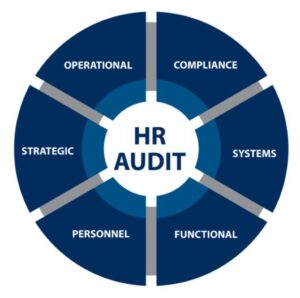
An HR audit is a structured, independent review of your company’s HR policies, practices, documentation, and compliance status. It examines everything from employment contracts and leave records to payroll accuracy, statutory contributions, and employee data management.

Think of it as a financial audit — but for your people practices.

A thorough HR audit covers:

  • Employment documentation — Are your offer letters, appointment letters, and contracts legally sound and up to date?
  • Statutory compliance — Are you meeting your obligations under the Shops & Establishments Act, PF, ESI, Gratuity, and labour welfare regulations?
  • Payroll accuracy — Are salaries calculated correctly? Are TDS deductions, PF contributions, and payslips compliant with applicable rules?
  • HR policies and handbooks — Do you have a written policy for leave, code of conduct, POSH, grievance redressal, and disciplinary procedures?
  • Employee records — Is your employee data complete, organised, and accessible during an inspection or audit?
  • Onboarding and exit processes — Are your joining formalities and full-and-final settlements handled correctly?
Why do Indian SMEs avoid HR audits?

Three common reasons:

  1. “We’re too small to need it.” — Size doesn’t exempt you from compliance. A 25-person company is just as liable under the PF Act or the POSH Act as a 250-person one.
  2. “We’ll do it when we scale.” — By the time you scale, the gaps are already there — and harder to fix under pressure.
  3. “Our HR is handled internally.” — An internal review is useful. But it often misses what an experienced external auditor will catch, simply because internal teams are too close to the process.
What happens when you skip it?

Non-compliance with labour laws can result in penalties, legal notices, and reputational damage. Inaccurate payroll creates employee disputes and tax liability. Incomplete documentation means you have no defence in a labour court or during a government inspection.

More quietly: poor HR processes lead to disengaged employees, attrition, and leadership time wasted firefighting instead of growing.

What does an HR audit actually give you?

When done properly, an HR audit gives you three things:

  1. A clear picture of where your HR function stands today — strengths, gaps, and risks.
  2. A prioritised action plan — not a 40-page report that sits in a drawer, but specific steps ranked by urgency and impact.
  3. Peace of mind — knowing that your business is protected before an inspection, a dispute, or a growth event like fundraising or acquisition.
When is the right time for an HR audit?

The honest answer? Right now. But especially if:

  • You’re planning to scale hiring in the next 6–12 months
  • You’ve recently crossed 10, 20, or 50 employees (statutory thresholds often change at these points)
  • You’re preparing for funding, a merger, or due diligence
  • You’ve never done a formal review of your HR documentation
  • You’ve had employee complaints, exits, or disputes in the past year
A note on compliance in Kerala

For businesses in Kerala, compliance requirements include the Kerala Shops and Commercial Establishments Act, state-specific labour welfare contributions, and local municipal employment norms — in addition to central acts like PF, ESI, and the POSH Act. Getting these right requires someone who knows both the state and central regulatory landscape.

An HR audit isn’t a sign that something is wrong. It’s a sign that you’re running your business with intention. The companies that grow well aren’t just the ones with the best products — they’re the ones that build strong foundations early.

At Level UP HR Solutions, we conduct structured HR audits for SMEs across Kerala and India — giving you a clear, actionable compliance report without the jargon.

16Apr

5 Must-Have HR Documents Before Your First Hire

By Chippy Jayaprakash, Founder & CEO — Level UP HR Solutions

Most founders think HR documentation comes after 50 employees. That thinking costs lakhs — sometimes the entire business. Here are the five documents you need before you hire your very first person.

When a business runs into an employee dispute — an unfair dismissal claim, a salary disagreement, a confidentiality breach — the first thing a labour officer or court asks for is documentation. Not intent. Not memory. Not WhatsApp screenshots.

Paper. Signed. Dated.

I’ve seen Kerala SMEs with 30, 40, even 60 employees who couldn’t produce a single signed employment document. The result? Penalties, legal fees, and settlements that could have been avoided entirely with two hours of paperwork at the start.

HR documentation for small businesses isn’t bureaucracy. It’s protection — for your company and for your employees. And it starts on Day 1, not at employee #50.

THE 5 ESSENTIAL HR DOCUMENTS EVERY INDIAN SME NEEDS
1. APPOINTMENT LETTER / EMPLOYMENT CONTRACT

This is the foundation of every employment relationship. A proper employment contract in India must clearly state the role, responsibilities, compensation structure, working hours, probation period, notice period, and termination conditions. Many businesses issue only a basic offer letter — which is not the same thing and does not offer the same legal protection.

Risk without it: No legal basis to enforce notice periods, recover advances, or defend termination decisions.

2. HR POLICY DOCUMENT / EMPLOYEE HANDBOOK

Your HR policy for small businesses is the rulebook that governs how your workplace operates. It covers leave entitlements, attendance expectations, code of conduct, grievance procedures, disciplinary processes, and workplace behaviour standards. Without this, every HR decision you make is open to challenge — because there’s no agreed framework to reference.

Risk without it: Inconsistent decision-making creates discrimination claims and legal liability under the Industrial Disputes Act.

3. LEAVE POLICY

A standalone, written leave policy — covering Earned Leave, Sick Leave, Casual Leave, maternity and paternity provisions, and public holidays — is a statutory requirement under the Shops and Establishments Act in Kerala. It must be communicated to every employee in writing.

Risk without it: Shops & Establishments Act violations, leave encashment disputes, and employee grievances at exit.

4. NON-DISCLOSURE AGREEMENT (NDA) / CONFIDENTIALITY AGREEMENT

If your employees handle client data, pricing information, business processes, or any proprietary knowledge — and every employee does — you need a signed NDA from Day 1. Under Indian contract law, NDAs are enforceable when drafted correctly.

Risk without it: No legal recourse if an employee joins a competitor and uses your confidential business information.

5. STATUTORY COMPLIANCE RECORDS

This covers your PF registration and monthly ECR filings, ESI registration and contributions, Professional Tax enrolment, and the statutory registers required under Kerala labour law. These are legal obligations under the Employees’ Provident Funds Act, ESI Act, and Kerala Shops and Establishments Act.

Risk without it: Penalties, back-payment demands, and potential criminal liability for directors under PF and ESI acts.

THE DIFFERENCE BETWEEN AN OFFER LETTER AND AN APPOINTMENT LETTER

An offer letter is a preliminary document — it expresses the intent to employ and outlines basic terms. It is conditional and not legally binding on its own.

An appointment letter — also called an employment contract — is the binding agreement that comes after the candidate accepts. It contains the full terms of employment, is signed by both parties, and is the document that holds legal weight in any dispute.

“Sending only an offer letter and never following up with a signed appointment letter is one of the most common — and most costly — HR documentation mistakes we find in SME audits across Kerala.”

HOW TO GET YOUR HR DOCUMENTATION IN ORDER — QUICKLY
  • Audit what you currently have — and identify the gaps
  • Draft or update your employment contracts to reflect current roles and compensation
  • Create a written HR policy document and distribute it to all employees
  • Ensure your statutory compliance registrations are current and filings are up to date
  • Get NDAs signed — including with existing employees where possible
  • Store all documents securely with signed acknowledgement from each employee


“The best time to set up your HR documentation was before your first hire. The second best time is today.”

If you’re unsure whether your current HR documentation is complete and compliant, our Free HR Audit will tell you exactly where the gaps are — and what to do about them. No obligation. No sales pitch. Just clarity.

27Feb

Future of Payroll & HR Outsourcing: What Businesses Should Prepare For 

In today’s rapidly evolving business landscape, companies are constantly looking for smarter ways to manage their workforce, stay compliant, and reduce operational costs. One of the biggest trends shaping modern businesses is Payroll and HR Outsourcing.

As technology advances and regulations become more complex, outsourcing HR and payroll functions is no longer just a cost-saving option — it is becoming a strategic business decision.

In this article, we explore the future of payroll and HR outsourcing and what businesses should prepare for in the coming years.

1. Increased Automation and AI in HR & Payroll

Automation is transforming HR and payroll management. Tasks that once required hours of manual work — such as salary calculations, tax deductions, and attendance tracking — are now handled through intelligent systems.

In the future, AI-powered HR tools will help businesses:

  • Automate payroll processing
  • Reduce human errors
  • Improve reporting and analytics
  • Manage employee data efficiently

Companies that adopt automated payroll solutions will save time and ensure accurate and timely salary processing.

2. Stronger Focus on Compliance and Regulations 📑

Labour laws and statutory regulations are constantly changing. For businesses, keeping up with these changes can be challenging.

Payroll outsourcing providers are expected to play a bigger role in ensuring compliance with:

  • Tax regulations
  • Labour laws
  • PF, ESI, and statutory requirements
  • Employee documentation

Businesses will increasingly rely on outsourcing partners to avoid legal risks and penalties.

3. Cloud-Based HR Systems ☁️

The future of HR management lies in cloud technology. Cloud-based HR and payroll platforms allow companies to manage employees from anywhere.

Benefits include:

  • Real-time payroll access
  • Secure employee data storage
  • Easy document management
  • Integration with attendance and accounting systems

Cloud systems also help HR teams collaborate and work more efficiently.

4. Data-Driven HR Decision Making 📊

Modern HR is no longer just administrative — it is becoming data-driven.

Advanced payroll and HR systems provide insights such as:

  • Employee performance trends
  • Workforce costs
  • Attendance patterns
  • Productivity analysis

These insights help business leaders make smarter workforce decisions.

5. Growing Demand from Small and Medium Businesses 🏢

Earlier, HR outsourcing was mainly used by large corporations. Today, small and medium-sized businesses (SMEs) are increasingly adopting outsourced HR solutions.

Why?

Because outsourcing helps them:

  • Reduce HR infrastructure costs
  • Access HR expertise
  • Focus on business growth
  • Improve employee management

This trend will continue to grow in the coming years.

6. Enhanced Employee Experience 👩‍💼👨‍💼

Future HR outsourcing will focus more on employee experience. Modern HR platforms will allow employees to:

  • Access payslips online
  • Apply for leave digitally
  • Update personal information
  • Track attendance

A smooth HR system improves employee satisfaction and engagement.

7. Integration with Business Tools 🔗

Future HR systems will integrate seamlessly with other business tools like:

  • Accounting software
  • Attendance systems
  • Recruitment platforms
  • Performance management systems

This integration will create a fully connected HR ecosystem.


The future of payroll and HR outsourcing is driven by technology, automation, and strategic workforce management. Businesses that adapt to these changes will gain a competitive advantage.

By partnering with reliable HR outsourcing providers, companies can reduce administrative burden, stay compliant, and focus on growth.

As workforce management becomes more complex, outsourcing HR and payroll will continue to be a smart and scalable solution for modern businesses.

19Feb

How Outsourced HR Improves HR Response Time & Accuracy

In today’s fast-paced business environment, delays in HR responses and errors in payroll or compliance can cost companies more than just money — they impact employee trust and organizational efficiency. That’s where outsourced HR services step in as a strategic advantage.

If your internal HR team is overwhelmed with administrative tasks, outsourcing can significantly improve HR response time and accuracy, while allowing your business to scale confidently.

Why HR Response Time Matters More Than Ever

Employees expect quick answers regarding:

  • Payroll queries
  • Leave approvals
  • Policy clarifications
  • Benefits administration
  • Compliance documentation

Delayed responses create frustration and reduce productivity. An outsourced HR partner ensures that employee concerns are addressed promptly through structured processes, dedicated support teams, and technology-driven systems.

1. Dedicated HR Support Teams

When you outsource HR, you gain access to specialists who focus exclusively on:

  • Payroll management
  • Statutory compliance
  • Employee documentation
  • Attendance & leave management
  • Benefits processing

Unlike in-house HR teams juggling multiple responsibilities, outsourced HR providers operate with defined Service Level Agreements (SLAs), ensuring faster turnaround times.

Result: Reduced response delays and improved employee satisfaction.

2. Technology-Driven Accuracy

Professional HR outsourcing firms use advanced HRMS and payroll automation tools that:

  • Minimize manual data entry errors
  • Automate salary calculations
  • Track compliance deadlines
  • Generate real-time reports

Automation significantly reduces human error — especially in payroll processing and compliance filings — improving overall accuracy.

Result: Fewer payroll disputes and compliance risks.

3. Standardized Processes & Compliance Expertise

Outsourced HR partners implement standardized workflows that reduce inconsistencies in:

  • Leave calculations
  • Overtime policies
  • Tax deductions
  • Statutory reporting

Because compliance regulations frequently change, having experts dedicated to tracking updates ensures your company remains compliant at all times.

Result: Error-free documentation and timely regulatory submissions.

4. Faster Payroll Processing

Payroll errors damage employee trust. Outsourced HR teams use structured validation processes including:

  • Multi-level payroll checks
  • Automated attendance integration
  • Real-time reconciliation

This reduces discrepancies and ensures salaries are processed accurately and on time.

Result: Improved employee confidence and reduced HR workload.

5. Scalability Without Delays

As your company grows, internal HR teams often struggle to keep up with increased employee queries and documentation. Outsourcing provides scalable resources that adjust to your business needs without affecting response time or service quality.

Result: Consistent HR performance even during rapid expansion.

6. Improved Employee Experience

Quick and accurate HR responses directly impact employee engagement. When employees receive timely clarification on policies or salary matters, it builds trust and transparency.

Outsourced HR providers often offer:

  • Employee self-service portals
  • Ticket-based query management systems
  • Real-time status tracking

These systems improve visibility and accountability.

Key Benefits of Outsourced HR for Response Time & Accuracy

✔ Faster employee query resolution
✔ Reduced payroll errors
✔ Improved statutory compliance
✔ Standardized HR processes
✔ Technology-enabled tracking
✔ Better documentation management
✔ Enhanced employee satisfaction

Is Your Business Ready to Improve HR Efficiency?

If your HR team is overwhelmed with repetitive administrative tasks, outsourcing can transform your response time and operational accuracy. Instead of reacting to HR issues, your organization can proactively manage people operations with precision.

Outsourced HR is not just a cost-saving strategy — it’s a performance-enhancing solution that ensures your workforce receives consistent, reliable, and timely support.

Accurate HR processes and fast response times are no longer optional — they are essential for business credibility and employee retention. By partnering with an experienced HR outsourcing provider, businesses can streamline operations, reduce risks, and focus on strategic growth initiatives.