
12Oct

What Does an HR Audit Include for a Business in Kerala?

An HR audit is a systematic review of a company’s HR policies, employee records, payroll processes and statutory compliance. For businesses in Kerala, an HR audit can help identify documentation gaps, process weaknesses and compliance risks before they become bigger problems.

Whether you run a small business, startup or growing organization, an HR audit can provide a clearer picture of how effectively your HR processes are being managed.

1. Employee Documentation Review

An HR audit usually begins by reviewing whether employee records are properly maintained.

This may include checking employment-related documents, employee information, attendance records and other relevant HR records.

The objective is to identify missing, outdated or inconsistent information.

2. Payroll Process Review

Payroll is an important part of an HR audit.

The review may examine whether salary calculations, deductions, attendance-related inputs and payroll records are being handled consistently.

Errors in payroll can affect both employees and the organization’s compliance position.

3. Statutory Compliance

Businesses in Kerala may need to comply with various central and state-level labour and employment requirements depending on their establishment, workforce and applicable laws.

An HR audit may review areas such as:

  • Provident Fund (PF)

  • Employee State Insurance (ESI)

  • Professional Tax, where applicable

  • Labour welfare requirements

  • Applicable wage and working-condition requirements

  • Statutory registers and records

The exact requirements depend on the nature and size of the establishment and the applicable legislation.

4. Leave and Attendance Management

An audit can review how employee attendance, working hours, leave and related records are maintained.

The purpose is to identify inconsistencies between attendance records, leave records and payroll processing.

Businesses should also ensure that their leave and working-time practices align with the requirements applicable to their establishment.

5. HR Policies and SOPs

An HR audit can examine whether the organization has appropriate HR policies and Standard Operating Procedures (SOPs).

These may cover areas such as:

  • Recruitment

  • Attendance

  • Leave

  • Payroll

  • Performance management

  • Workplace conduct

  • Employee separation

Policies should not simply exist as documents. Employees and managers should also understand how relevant processes are implemented.

6. Recruitment and Onboarding Processes

The audit may review how employees move from recruitment to joining.

This can include examining whether employment terms are communicated clearly, whether joining documentation is handled properly and whether the onboarding process is consistent.

A structured process can reduce confusion and improve the employee experience.

7. Employee Performance Management

An HR audit can also examine how employee performance is managed.

The review may consider whether performance expectations, reviews, feedback and performance-related documentation are handled consistently.

A clear process can help managers make performance discussions more structured and transparent.

8. Employee Exit Process

Employee separation is another important area of HR compliance and documentation.

An audit may review whether resignation, notice period, final settlement, exit documentation and company property handover are handled according to the organization’s process and applicable requirements.

Proper exit records can also help prevent future disputes.

9. HR Data and Confidentiality

Employee records contain sensitive personal and employment information.

An HR audit can examine who has access to employee data, where records are stored and whether appropriate controls are in place.

Businesses using HR software should also review user permissions and data-access practices.

10. HR Process Gaps and Risks

The final stage of an HR audit is identifying gaps and prioritizing corrective action.

For example, an audit may identify:

  • Missing employee records

  • Inconsistent payroll data

  • Outdated policies

  • Incomplete statutory records

  • Unclear HR procedures

  • Poor document organization

  • Inconsistent employee processes

The purpose is not simply to find mistakes but to create a practical plan to correct them.

Why Should Kerala Businesses Conduct an HR Audit?

As a business grows, informal HR practices can become difficult to manage.

An HR audit can help businesses:

  • Identify compliance risks

  • Improve employee documentation

  • Standardize HR processes

  • Reduce administrative errors

  • Improve payroll accuracy

  • Strengthen HR record management

  • Prepare for internal or external reviews

Regular reviews can help businesses identify problems before they become expensive or disruptive.

Final Thoughts

An HR audit is more than checking whether employee documents are available. It provides a broader review of HR processes, payroll, employee records, policies and applicable statutory compliance.

For businesses in Kerala, conducting periodic HR audits can help create a more organized and reliable HR function while identifying areas that require improvement.

A well-managed HR system is not only about compliance—it also helps businesses operate with greater clarity, consistency and confidence.

Note: Labour and employment requirements can vary based on the type of establishment, workforce, location, industry and applicable legislation. Businesses should verify specific compliance requirements with a qualified HR or legal professional.

01Oct

5 Common HR Audit Gaps That Can Create Problems for Growing Businesses

by Naziha , Digital Marketing Executive

As a business grows, its workforce grows with it.

A company that once had 10 employees may eventually have 50, 100, or more. New employees are hired, payroll becomes more complex, responsibilities are divided across teams, and HR processes that were once handled informally need to become more structured.

This growth is positive—but it can also expose weaknesses in HR processes.

A company may have a payroll system, employee files, attendance records, and HR policies, yet still have gaps that could become problems during an internal review, statutory inspection, employee dispute, or compliance audit.

This is why HR audits are important for growing businesses.

An HR audit provides an opportunity to review whether HR policies, employee records, payroll processes, statutory requirements, and documentation are being managed consistently.

The good news is that many HR audit gaps are preventable.

In this article, we look at five common HR audit gaps that growing businesses should identify and address before they become larger problems.

Note: Labour and employment requirements vary depending on the applicable central and state laws, establishment type, workforce, and industry. Businesses should verify specific compliance requirements with a qualified professional.
What Is an HR Audit?
An HR audit is a systematic review of an organization’s HR policies, processes, records, and practices.

It can help identify:

Missing employee documents
Inconsistent HR processes
Payroll discrepancies
Statutory compliance gaps
Outdated policies
Weak record-keeping practices
Gaps in employee lifecycle management

An HR audit is not necessarily about finding fault with the HR team.

Its purpose is to identify weaknesses early so the organization can take corrective action.

For a growing company, regular HR reviews can become particularly important because processes that worked when the company was small may not be sufficient as the workforce expands.

1. Incomplete or Inconsistent Employee Documentation
One of the most common HR audit gaps is incomplete employee documentation.

When a company has only a few employees, HR may be able to manage documents manually. As the workforce expands, however, missing documents can become increasingly difficult to track.

Employee records may include:

Application or recruitment records
Offer letter
Appointment letter
Employment agreement
Identity and address information
Bank details
Educational or qualification records where relevant
Policy acknowledgements
Statutory registration information
Leave and attendance records
Performance records
Exit documentation

The exact documents required will vary depending on the organization and applicable requirements.

Why can this become a problem?
Missing documentation can make it difficult to demonstrate that the organization followed its standard employment and HR processes.

For example, if an employee’s appointment terms are not properly documented, questions may later arise about:

Salary
Role
Notice period
Benefits
Working conditions
Employment terms

How can businesses reduce this gap?
Create a standardized employee documentation checklist.

For every new employee, HR should be able to verify:

Document required → Document received → Document verified → Document stored

A centralized HR system or properly controlled digital employee file can also make document tracking easier.

2. Payroll and Attendance Mismatches
Payroll is another area where small process gaps can become significant as an organization grows.

Salary calculations often depend on information from multiple sources, including:

Attendance
Leave
Overtime
Salary revisions
Incentives
Deductions
New joiners
Employee exits

If these records are not properly coordinated, payroll discrepancies can occur.

For example, an employee’s approved unpaid leave may not be reflected correctly in payroll.

Similarly, a salary revision may be approved by management but not updated in the payroll system.

What might an HR audit check?
An audit may review whether:

Attendance records match payroll calculations
Leave deductions are properly supported
Salary revisions are documented
Overtime records are accurate
New joiners are included correctly
Exited employees are removed appropriately
Payroll approvals are documented

How can businesses reduce this gap?
Create a monthly payroll checklist.

A basic process could include:

Freeze attendance for the payroll period.
Review leave and attendance adjustments.
Check new joiners and exits.
Verify salary revisions.
Review deductions and statutory calculations.
Generate payroll.
Conduct a second-level review.
Obtain approval before payment.

This creates a repeatable process instead of relying on individual memory.

3. Gaps in Statutory Compliance Tracking
As businesses grow, statutory compliance can become more complicated.

Depending on the establishment and applicable requirements, HR and payroll teams may need to manage areas such as:

Provident Fund
ESI
TDS
Professional Tax, where applicable
Labour welfare requirements
Wage-related requirements
Leave and working-condition requirements
Applicable registrations and returns

The specific obligations depend on factors such as the organization’s location, employee strength, wages, establishment type, and applicable laws.

The challenge is that compliance is not a one-time activity.

There are recurring deadlines, calculations, payments, filings, and records that need to be monitored.

What creates an audit gap?
Common examples include:

Missed deadlines
Incorrect employee classification
Incomplete records
Unreconciled contribution amounts
Missing payment or filing evidence
Failure to update records after employee changes

How can businesses reduce this risk?
Maintain a compliance calendar.

It should identify:

Compliance AreaDue DateResponsible PersonReviewerStatusPayroll processingMonthlyPayroll TeamHR/FinancePendingPF-related processAs applicablePayroll TeamReviewerCompletedESI-related processAs applicablePayroll TeamReviewerCompletedTDS-related processAs applicableFinanceReviewerPending

The exact deadlines should be based on the requirements applicable to the organization.

The purpose of the calendar is to ensure that important activities do not depend on someone’s memory.

4. Outdated or Missing HR Policies
Growing companies often introduce policies informally.

Someone may send an email explaining a new leave rule, another manager may communicate a different procedure, and employees may rely on verbal instructions.

Over time, this can create inconsistency.

Important HR policies may cover areas such as:

Leave
Attendance
Working hours
Remote or hybrid work
Employee conduct
Grievance handling
Workplace behaviour
Performance management
Recruitment
Employee separation
Information security
Applicable workplace compliance requirements

The exact policy framework should be appropriate to the organization’s size, workforce, and legal obligations.

Why does this matter during an HR audit?
An audit may reveal that:

A policy exists but has not been updated
Employees have not acknowledged the policy
Managers apply the policy inconsistently
The documented policy does not match actual practice

For example, if the employee handbook says one thing while managers follow another process, the organization has a process-control gap.

How can businesses reduce this gap?
Conduct a policy review periodically.

For each policy, ask:

Is it current?

Does it reflect actual business practice?

Has it been communicated to employees?

Are employees expected to acknowledge it?

Do managers understand how to apply it?

Policies should be living documents, not files that are created once and forgotten.

5. Weak Employee Exit and Full-and-Final Documentation
Many organizations focus heavily on onboarding but give less attention to employee exits.

This can create another common HR audit gap.

When an employee leaves, HR may need to coordinate:

Resignation
Notice period
Handover
Attendance
Leave adjustments
Asset return
Access removal
Salary calculations
Statutory requirements
Full and final settlement
Relieving documentation
Experience documentation

If these steps are not standardized, important actions can be missed.

Why is exit documentation important?
An employee may have questions about their salary, deductions, leave balance, settlement, or employment history even after leaving the company.

Proper documentation provides a record of how the exit was handled.

How can businesses reduce this gap?
Create an employee exit checklist.

For example:

Resignation received

↓

Notice period verified

↓

Handover completed

↓

Assets returned

↓

System access reviewed

↓

Attendance and leave verified

↓

Full and final settlement processed

↓

Exit documents issued

↓

Employee record updated

This ensures that HR does not rely on memory during every employee separation.

Why Do These Gaps Become More Common as Businesses Grow?
Growth creates complexity.

A company with 10 employees may be able to manage many processes informally.

At 100 employees, the same approach becomes difficult.

More employees mean:

More documents
More payroll transactions
More leave records
More statutory considerations
More managers
More employee lifecycle events
More opportunities for inconsistency

This is why growing companies need to transition from person-dependent HR processes to documented systems.

The objective is not to create unnecessary bureaucracy.

It is to create processes that remain reliable as the organization becomes more complex.

How to Prepare for an HR Audit
Businesses do not need to wait for an external inspection to identify HR gaps.

An internal HR audit can be conducted periodically.

A basic review can cover five areas:

1. Employee Files
Check whether required documents are complete and properly stored.

2. Payroll
Compare payroll records with attendance, leave, salary revisions, and other relevant information.

3. Statutory Compliance
Review applicable registrations, calculations, payments, filings, and supporting records.

4. Policies
Check whether HR policies are current, communicated, and consistently followed.

5. Employee Lifecycle
Review onboarding, employment changes, and exit processes.

The findings can then be categorized as:

Critical → High Priority → Medium Priority → Low Priority

This helps HR teams prioritize corrective action.

A Simple HR Audit Checklist for Growing Businesses
Before an internal review, ask:

Employee Documentation
Are employee files complete?
Are appointment and employment documents properly maintained?
Are policy acknowledgements available?

Payroll
Does payroll match attendance?
Are salary revisions documented?
Are deductions reviewed before payment?

Compliance
Are applicable statutory obligations identified?
Are recurring deadlines tracked?
Are payment and filing records maintained?

Policies
Are HR policies current?
Are employees aware of them?
Are managers applying them consistently?

Employee Exit
Are resignations properly documented?
Are assets returned?
Is full and final settlement properly recorded?
Are exit documents issued and stored?

If several answers are “no” or “not sure,” the organization may have areas that require further review.

How HR Technology Can Help
As businesses grow, spreadsheets and physical files can become difficult to manage.

HR technology can help centralize:

Employee information
Attendance
Leave
Payroll
Documents
Compliance records
Employee lifecycle activities

Automated reminders and approval workflows can also reduce dependence on manual follow-ups.

However, technology alone does not guarantee compliance.

A poorly designed process will remain a poorly designed process even after automation.

Businesses should first establish clear procedures and then use technology to make them easier to execute and monitor.

Final Thoughts
HR audits are not only useful when a company expects an inspection.

They can help growing businesses identify process weaknesses before those weaknesses become expensive or disruptive.

The five common gaps discussed in this article are:

Incomplete employee documentation
Payroll and attendance mismatches
Gaps in statutory compliance tracking
Outdated or missing HR policies
Weak employee exit documentation

The common thread is simple:

Informal HR processes may work for a small team, but growing businesses need documented, consistent, and reviewable systems.

Regular HR audits can help organizations identify what is working, what needs improvement, and where compliance or documentation risks may exist.

The goal is not simply to prepare for an audit.

The goal is to build an HR system that is organized, consistent, and ready for one.

28Sep

Why SOPs Are Important for Businesses: Benefits of Standard Operating Procedures in HR and Payroll

by Naziha , Digital Marketing Executive

As a business grows, managing everyday operations becomes more challenging. Tasks that were once handled informally through conversations, emails, or individual experience can quickly become difficult to control.

What happens when the person responsible for payroll is on leave? How does a new HR executive know the correct employee onboarding process? Who is responsible for checking statutory compliance deadlines? What steps should be followed when an employee resigns?

Without a clear process, employees may handle the same task in different ways. This can lead to delays, errors, confusion, and compliance risks.

This is where Standard Operating Procedures (SOPs) become important.

SOPs provide businesses with clear, documented instructions for completing routine processes. They help employees understand what needs to be done, how it should be done, who is responsible, and when it should be completed.

For critical functions such as HR and payroll, well-designed SOPs can improve consistency, reduce errors, and strengthen compliance.

This article explains why SOPs are important for businesses and how they can improve HR and payroll operations.


What Is a Standard Operating Procedure (SOP)?

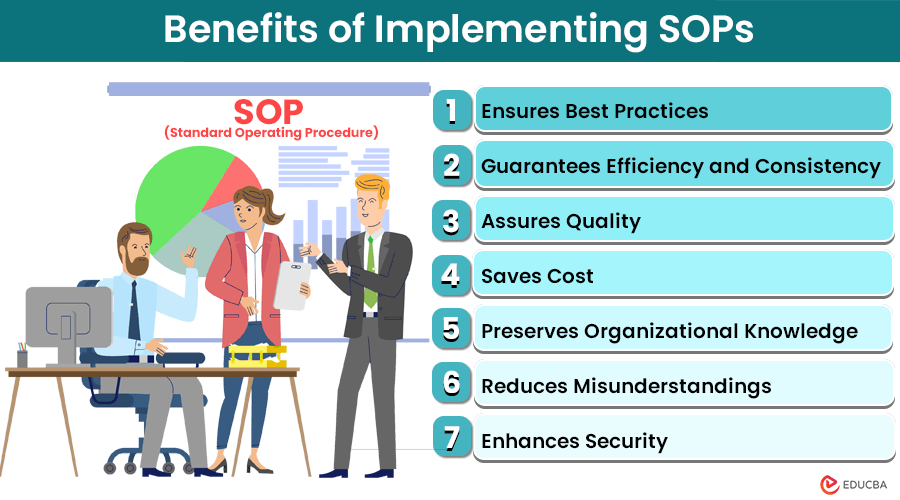
A Standard Operating Procedure (SOP) is a documented set of step-by-step instructions that explains how a specific business process should be completed.

An SOP creates a standard method for performing recurring tasks.

For example, an HR onboarding SOP may explain:

  1. When employee documents should be collected.

  2. Who verifies the documents.

  3. How employee information should be entered into the HR system.

  4. When statutory registrations should be completed.

  5. Who conducts the employee induction.

Similarly, a payroll SOP may explain the process for:

  • Collecting attendance data

  • Reviewing leave records

  • Calculating salary

  • Processing deductions

  • Reviewing payroll

  • Approving salary payments

The goal is to ensure that important processes do not depend entirely on one person’s memory or experience.


Why Are SOPs Important for Businesses?

Every organization has processes, whether they are documented or not.

The difference is that undocumented processes often exist only in the minds of employees.

When those employees leave the company, change roles, or are unavailable, the organization may struggle to continue the process correctly.

SOPs help convert individual knowledge into an organized and repeatable business process.


1. SOPs Create Consistency

One of the biggest benefits of SOPs is consistency.

Without documented procedures, different employees may complete the same task differently.

For example, imagine three HR executives onboarding new employees.

One collects all documents before the joining date.

Another collects them after the employee joins.

The third forgets to collect certain documents entirely.

This inconsistency can create serious documentation and compliance problems.

An onboarding SOP ensures that every HR team member follows the same basic process.

Example

Without an SOP:

“Collect the required documents when possible.”

With an SOP:

“Collect identity, address, bank, and employment documents before or on the employee’s joining date. Verify completeness using the onboarding checklist and upload approved records to the HR system.”

The second approach is clearer, easier to monitor, and more consistent.


2. SOPs Reduce Dependency on Individual Employees

Many businesses depend heavily on the knowledge of specific employees.

For example:

  • One payroll executive knows all payroll calculations.

  • One HR manager understands the complete onboarding process.

  • One employee knows how statutory filings are managed.

But what happens when that person leaves?

Without documentation, important business knowledge can leave with them.

SOPs help preserve institutional knowledge.

A new employee can understand the process by reviewing the documented procedure rather than relying entirely on verbal instructions.

This is especially valuable for:

  • Growing businesses

  • Companies with employee turnover

  • Small HR teams

  • Businesses with multiple locations


3. SOPs Improve HR Compliance

HR departments handle many processes that may involve legal and statutory requirements.

These may include:

  • Employee documentation

  • Payroll processing

  • PF contributions

  • ESI contributions

  • TDS deductions

  • Leave management

  • Employee exit procedures

A missed step can create compliance problems.

For example, a payroll SOP can include a monthly checklist:

✔ Collect attendance data ✔ Review leave adjustments ✔ Verify salary revisions ✔ Check PF and ESI eligibility ✔ Calculate deductions ✔ Review TDS ✔ Obtain payroll approval ✔ Process salary payments

A structured checklist reduces the risk of important steps being forgotten.


4. SOPs Reduce Errors in Payroll Processing

Payroll is one area where even a small mistake can create major problems.

Incorrect salary calculations can result in:

  • Employee complaints

  • Incorrect deductions

  • Statutory compliance issues

  • Salary payment delays

A payroll SOP provides a structured process for handling each payroll cycle.

For example:

Step 1: Collect attendance data

Collect approved attendance and leave information before the payroll cut-off date.

Step 2: Review employee changes

Check for:

  • New employees

  • Resignations

  • Salary revisions

  • Promotions

  • Unpaid leave

  • Incentives or bonuses

Step 3: Process salary calculations

Calculate:

  • Gross salary

  • Deductions

  • Statutory contributions

  • TDS

  • Net salary

Step 4: Conduct a review

A designated person should verify the payroll before final approval.

This simple process can significantly reduce payroll errors.


5. SOPs Make Employee Training Easier

Training new employees can take significant time.

Without documented procedures, new employees may repeatedly ask experienced team members questions such as:

  • “What do I do next?”

  • “Where should I save this document?”

  • “Who approves this?”

  • “What is the deadline?”

SOPs provide a clear reference.

Instead of explaining the same process repeatedly, managers can provide the employee with the relevant SOP.

This helps new employees:

  • Understand their responsibilities

  • Learn processes faster

  • Reduce mistakes

  • Become productive more quickly

However, SOPs should support training rather than completely replace it.

Employees may still need guidance for complex or unusual situations.


6. SOPs Improve Accountability

A good SOP clearly defines responsibilities.

It should explain:

  • Who performs the task

  • Who reviews it

  • Who approves it

  • What happens if there is an exception

This makes it easier to identify where a process has failed.

For example:

ProcessResponsible PersonReviewerApproverAttendance reviewHR ExecutiveHR Manager—Payroll calculationPayroll ExecutiveFinance ManagerManagementSalary paymentFinance TeamFinance HeadAuthorized Signatory

Clear responsibilities reduce confusion and improve accountability.


7. SOPs Help Businesses Scale

Processes that work for a team of five employees may not work for a company with 100 employees.

As a business grows, informal communication becomes more difficult.

SOPs make processes repeatable.

For example, a company opening a new branch can use the same documented:

  • Recruitment process

  • Employee onboarding process

  • Payroll procedures

  • Leave management procedures

  • Exit process

This allows businesses to grow without creating completely new systems every time.


8. SOPs Improve Business Continuity

Unexpected situations can affect business operations.

For example:

  • An employee resigns suddenly.

  • A key team member is on long leave.

  • A new manager joins the department.

  • Responsibilities are transferred between teams.

If processes are properly documented, another trained employee can continue the work.

SOPs help ensure that business operations do not depend entirely on one individual.


9. SOPs Make Audits Easier

During an internal or external audit, businesses may need to demonstrate how important processes are managed.

An SOP can help auditors understand:

  • The organization’s standard process

  • Internal control points

  • Approval requirements

  • Responsible individuals

  • Record-keeping procedures

For example, an auditor reviewing payroll may compare the documented payroll SOP with actual payroll practices.

If the organization has a clear process and follows it consistently, the review becomes easier.

However, an SOP is only useful when employees actually follow it.


10. SOPs Improve Employee Experience

SOPs are not only beneficial for management.

Clear procedures can also improve the employee experience.

Employees benefit when processes are predictable.

For example, employees should understand:

  • How to apply for leave

  • How to claim reimbursements

  • How payroll issues are resolved

  • How to raise a grievance

  • What happens during the exit process

Clear processes reduce uncertainty and improve communication.


Essential SOPs Every HR Department Should Have

Every organization is different, but most HR departments should consider documenting key processes.

1. Employee Onboarding SOP

Should cover:

  • Offer acceptance

  • Document collection

  • Employee record creation

  • Policy communication

  • Statutory registrations

  • Induction


2. Payroll Processing SOP

Should cover:

  • Payroll timelines

  • Attendance cut-off dates

  • Salary calculations

  • Deductions

  • Statutory contributions

  • Approval process

  • Salary payment


3. Leave and Attendance SOP

Should explain:

  • Leave application procedures

  • Approval process

  • Attendance tracking

  • Unpaid leave

  • Regularization procedures


4. Employee Exit SOP

Should cover:

  • Resignation process

  • Notice period

  • Knowledge transfer

  • Asset return

  • Full and final settlement

  • Access removal

  • Exit documentation


5. Statutory Compliance SOP

Should include:

  • Compliance calendar

  • Responsible persons

  • Filing deadlines

  • Review procedures

  • Document retention


What Makes an Effective SOP?

An SOP should be useful, not unnecessarily complicated.

The best SOPs are:

Clear

Use simple language.

Specific

Clearly explain each important step.

Practical

Employees should be able to follow the process in real situations.

Accessible

Store SOPs where authorized employees can easily access them.

Updated

Review and update procedures regularly.

Accountable

Clearly define responsibilities and approval levels.


A Simple SOP Structure

Businesses can use the following format:

SOP Title

Example: Monthly Payroll Processing

Purpose

Explain why the process exists.

Scope

Identify which employees or departments the SOP applies to.

Responsibilities

Define who performs, reviews, and approves the process.

Procedure

Provide step-by-step instructions.

Documents Required

List relevant forms, reports, or supporting documents.

Deadlines

Include important timelines.

Exceptions

Explain how unusual situations should be handled.

Review Date

Specify when the SOP should next be reviewed.

This structure makes SOPs easier to understand and maintain.


Common SOP Mistakes Businesses Should Avoid

1. Creating SOPs That Are Too Complicated

Employees may not use a 50-page document for a simple recurring task.

Keep procedures practical and easy to follow.


2. Creating SOPs and Never Updating Them

An outdated SOP can be worse than no SOP because employees may follow incorrect instructions.

Review procedures regularly.


3. Not Training Employees

Simply sharing an SOP does not guarantee that employees understand it.

Important procedures should be explained during training.


4. Keeping SOPs Hidden

Employees need access to the procedures relevant to their responsibilities.


5. Ignoring Exceptions

Not every situation will follow the standard process.

SOPs should explain who to contact when an exception occurs.


How HR and Payroll Outsourcing Can Support Better Processes

For businesses without a dedicated HR or payroll team, maintaining structured processes can be challenging.

Professional HR and payroll support can help businesses establish more organized systems for:

  • Payroll processing

  • Employee documentation

  • Statutory compliance

  • Attendance management

  • HR administration

Outsourcing does not remove an employer’s responsibility for compliance, but the right service provider can bring specialized knowledge, structured workflows, and additional process support.

This can be particularly helpful for growing businesses that need stronger HR and payroll processes without immediately building a large internal team.


Final Thoughts

Standard Operating Procedures may seem like simple documents, but their impact on a business can be significant.

SOPs help organizations move away from informal, person-dependent processes and toward structured, consistent, and repeatable operations.

For HR and payroll teams, this can mean:

  • Fewer errors

  • Better documentation

  • Stronger compliance processes

  • Easier employee training

  • Greater accountability

  • Improved business continuity

The most important thing is to remember that an SOP should not simply exist in a folder.

A good SOP should reflect how the business actually works—and employees should be trained to follow it.

As businesses continue to grow and compliance requirements become more complex, documented processes will become increasingly important.

A well-designed SOP is not just a document.

It is a tool that helps businesses operate more consistently, efficiently, and confidently.

17Aug

Year-End Payroll & TDS Reconciliation: Best Practices for HR

Why Year-End Payroll Reconciliation Is Critical for Compliance

As the financial year comes to a close, HR and payroll teams face one of the most important responsibilities in payroll management—Year-End Payroll and TDS Reconciliation. While monthly payroll processing ensures employees are paid accurately and on time, year-end reconciliation ensures that all salary payments, tax deductions, statutory contributions, and payroll records are accurate, complete, and compliant with applicable regulations.

Many organizations focus heavily on monthly payroll activities but overlook year-end verification. This can result in TDS discrepancies, incorrect Form 16 generation, employee tax complaints, compliance notices, and unnecessary financial liabilities.

Year-end reconciliation is not simply an accounting exercise. It is a comprehensive review process that helps organizations verify payroll accuracy, identify discrepancies, ensure statutory compliance, and prepare for audits.

For HR and payroll professionals, an effective reconciliation process reduces risk, improves employee confidence, and strengthens overall compliance management.

What Is Payroll and TDS Reconciliation?

Payroll reconciliation is the process of comparing payroll records with financial records, statutory filings, employee data, and tax deductions to ensure consistency and accuracy.

TDS reconciliation involves verifying that:

  • Salary income is calculated correctly

  • Tax deductions are accurate

  • TDS deposits match payroll records

  • Quarterly returns are properly filed

  • Form 16 data is accurate

  • Employee declarations are correctly applied

The objective is to identify and correct discrepancies before the financial year closes.

Why Year-End Reconciliation Matters

Year-end payroll reconciliation helps organizations:

  • Ensure payroll accuracy

  • Verify statutory compliance

  • Reduce tax-related errors

  • Improve audit readiness

  • Avoid penalties and notices

  • Support accurate Form 16 issuance

  • Enhance employee trust

  • Strengthen payroll governance

A proactive reconciliation process prevents minor payroll errors from becoming major compliance issues.

Common Payroll and TDS Errors Found During Reconciliation

Many organizations discover issues such as:

Incorrect Salary Calculations
  • Payroll processing errors

  • Wrong salary revisions

  • Missing allowances

  • Incorrect deductions

TDS Mismatches
  • Under-deduction of tax

  • Excess tax deductions

  • Incorrect tax regime application

  • Missed taxable benefits

Employee Data Errors
  • Incorrect PAN details

  • Missing employee records

  • Outdated salary information

  • Wrong joining or exit dates

Statutory Compliance Issues
  • Delayed TDS deposits

  • Filing discrepancies

  • Incomplete payroll records

  • Incorrect reporting

Identifying these issues early prevents future compliance complications.

Essential Year-End Payroll Reconciliation Checklist

1. Verify Employee Master Data

Start by reviewing employee information.

Ensure records contain:

  • Employee Name

  • PAN Details

  • Aadhaar Information

  • Bank Details

  • Salary Structure

  • Tax Regime Selection

  • Joining and Exit Dates

Accurate employee data forms the foundation of payroll compliance.

2. Review Annual Salary Records

Verify all salary payments made during the financial year.

Review:

  • Basic Salary

  • HRA

  • Special Allowances

  • Incentives

  • Bonuses

  • Reimbursements

  • Overtime Payments

Any discrepancy can impact TDS calculations and statutory reporting.

3. Reconcile Payroll with Accounting Records

Payroll records should align with financial statements.

Review:

  • Salary Expense Accounts

  • Bonus Provisions

  • Payroll Liabilities

  • Tax Deposits

  • Employee Benefit Expenses

Differences between payroll and accounting records should be investigated immediately.

4. Verify TDS Deductions

One of the most critical steps is ensuring accurate tax deductions.

Review:

  • Monthly TDS deductions

  • Employee declarations

  • Investment proofs

  • Tax regime selections

  • Previous employer income details

Incorrect TDS deductions often create year-end tax complications.

5. Validate Investment Declarations

Employees may have claimed deductions based on:

  • Tax-saving investments

  • Insurance premiums

  • Home loan benefits

  • National Pension System contributions

  • Other eligible deductions

HR teams should verify submitted proofs and ensure payroll records are updated accordingly.

6. Reconcile TDS Deposits

Confirm that:

  • All deducted taxes have been deposited

  • Deposits were made within statutory timelines

  • Challans match payroll records

  • Payment acknowledgements are maintained

Timely deposits reduce compliance risks.

7. Review Quarterly TDS Returns

Ensure that all quarterly filings:

  • Match payroll records

  • Reflect accurate employee information

  • Include correct PAN details

  • Report actual tax deductions

Errors in quarterly returns often lead to reconciliation issues.

8. Verify Employee Exit Cases

Employees who resigned during the financial year require special attention.

Review:

  • Final salary payments

  • Leave encashment

  • Full & Final Settlement

  • TDS calculations

  • Form 16 eligibility

Incorrect processing can create future tax disputes.

9. Check Bonus and Incentive Payments

Year-end bonuses and incentives often impact taxable income.

Ensure:

  • Additional earnings are included correctly

  • Tax calculations are updated

  • Payroll reports reflect final payouts

These payments frequently cause TDS discrepancies if overlooked.

10. Prepare Accurate Form 16 Data

Form 16 is one of the most important payroll documents issued to employees.

Before generation, verify:

  • Salary figures

  • Tax deductions

  • Employee details

  • PAN information

  • Tax deposits

Accurate Form 16 issuance improves employee satisfaction and compliance.

Best Practices for HR and Payroll Teams

Maintain Accurate Employee Records

Updated employee information reduces payroll errors and tax mismatches.

Automate Payroll Processes

Payroll software helps:

  • Reduce manual errors

  • Improve tax calculations

  • Track declarations

  • Generate reports

Automation improves reconciliation accuracy.

Conduct Monthly Reviews

Rather than waiting until year-end, review:

  • Payroll records

  • Tax deductions

  • Employee data

  • Compliance filings

Regular reviews make year-end reconciliation easier.

Collaborate with Finance Teams

Payroll and finance teams should work together to reconcile:

  • Salary expenses

  • Tax deposits

  • Statutory liabilities

  • Financial reports

Cross-functional coordination improves accuracy.

Maintain Documentation

Keep organized records of:

  • Salary registers

  • Tax declarations

  • Investment proofs

  • Payroll reports

  • TDS filings

  • Payment challans

Documentation supports audit readiness.

Challenges Faced by Growing Businesses

For many growing businesses in Kochi and across Kerala, workforce expansion often leads to increased payroll complexity. Multiple salary structures, frequent hiring, employee exits, and changing compensation packages can create reconciliation challenges if payroll systems and compliance processes are not reviewed regularly.

Organizations that invest in payroll audits and structured compliance reviews are generally better prepared for year-end reconciliation and statutory reporting.

The Role of Payroll Audits

A payroll audit helps organizations:

  • Identify discrepancies

  • Verify statutory compliance

  • Review payroll calculations

  • Validate employee records

  • Improve reporting accuracy

Regular payroll audits strengthen compliance and reduce financial risk.

Consequences of Poor Reconciliation

Failure to perform proper year-end reconciliation can result in:

  • Incorrect Form 16 issuance

  • Employee tax complaints

  • TDS notices

  • Compliance penalties

  • Payroll corrections

  • Financial reporting errors

  • Audit observations

  • Reputational risks

A proactive reconciliation process prevents these issues.

Future Trends in Payroll Compliance

Modern organizations are increasingly adopting:

  • Cloud-based payroll systems

  • AI-powered payroll audits

  • Automated TDS calculations

  • Digital employee records

  • HRMS-integrated compliance tools

  • Real-time payroll analytics

Technology is making payroll reconciliation faster, more accurate, and more efficient.

Final Thoughts

Year-end payroll and TDS reconciliation is one of the most important compliance activities for HR and payroll teams. It ensures payroll accuracy, supports statutory compliance, improves financial reporting, and enhances employee confidence.

Rather than treating reconciliation as a year-end task, organizations should establish continuous payroll monitoring processes throughout the year. Regular reviews, accurate documentation, automation, and payroll audits help businesses identify discrepancies early and maintain compliance with confidence.

As payroll regulations continue to evolve in 2026, organizations that prioritize payroll reconciliation will be better positioned to reduce risks, improve efficiency, and strengthen overall payroll governance.

How Level Up HR Solutions Can Help

At Level Up HR Solutions, we help organizations strengthen payroll accuracy and statutory compliance through expert payroll and HR consulting services.

Our Services Include:

  • Payroll Processing & Compliance

  • TDS Compliance Management

  • Payroll Audits

  • HR Audits

  • PF & ESI Compliance

  • HR Documentation

  • Labour Law Compliance

  • Statutory Compliance Reviews

  • Employee Record Management

  • End-to-End HR Consulting

04Aug

PF Compliance Checklist 2026: Is Your Organization Audit-Ready?

A Complete Guide for Employers to Stay Compliant and Avoid Costly Risks

In today’s regulatory environment, Provident Fund (PF) compliance is more than a statutory requirement—it’s a critical responsibility that directly impacts employee benefits, organizational credibility, and legal compliance.

Many businesses believe PF compliance simply involves deducting employee contributions and making monthly deposits. However, PF compliance encompasses much more, including employee eligibility, accurate wage calculations, timely remittances, documentation, statutory filings, and audit preparedness.

Even small errors in PF administration can result in penalties, interest liabilities, compliance notices, and legal disputes. As labour law enforcement and digital compliance monitoring continue to strengthen in 2026, organizations must ensure their PF processes are accurate, documented, and audit-ready.

This comprehensive checklist will help employers evaluate their current PF compliance status and identify areas that require attention.

What is PF Compliance?

The Employees’ Provident Fund (EPF) is a statutory social security scheme administered by the Employees’ Provident Fund Organisation (EPFO).

The scheme helps employees build long-term retirement savings through contributions made by both employees and employers.

PF compliance requires employers to:

  • Register eligible establishments
  • Enroll eligible employees
  • Deduct employee contributions correctly
  • Make employer contributions on time
  • File required returns
  • Maintain statutory records
  • Comply with EPFO regulations

Failure to comply can expose businesses to significant financial and legal risks.

Why PF Compliance Matters in 2026

Organizations that neglect PF compliance may face:

  • Statutory penalties
  • Interest on delayed payments
  • EPFO inspections
  • Legal disputes
  • Employee grievances
  • Reputational damage
  • Increased compliance costs

A proactive compliance framework protects both the employer and employees.

PF Compliance Checklist 2026

✔ Establishment Registration

Verify that:

  • The organization is properly registered with EPFO.
  • Establishment details are updated.
  • Branch offices are correctly mapped.
  • Authorized signatories are registered.

Incomplete registration records can create compliance issues during audits.

✔ Employee Enrollment

Ensure all eligible employees:

  • Are enrolled under PF.
  • Have valid UAN numbers.
  • Have completed KYC verification.
  • Have updated Aadhaar, PAN, and bank details.

Delayed enrollment is one of the most common compliance violations.

✔ UAN and KYC Verification

Check whether:

  • Employee UANs are activated.
  • Aadhaar is linked.
  • PAN verification is completed.
  • Bank details are updated.
  • KYC status is approved.

Accurate employee records reduce claim and transfer issues.

✔ PF Wage Calculation Accuracy

Review payroll practices to confirm:

  • PF wages are correctly calculated.
  • Applicable allowances are considered appropriately.
  • Contribution calculations are accurate.
  • Payroll software is updated with current compliance requirements.

Incorrect calculations may lead to contribution shortages and compliance notices.

✔ Monthly PF Contribution Deposits

Confirm that:

  • Contributions are deposited before the due date.
  • Employee and employer shares are correctly reported.
  • Payment acknowledgements are maintained.
  • No delays exist in remittance history.

Timely contributions are critical for audit readiness.

✔ Electronic Challan cum Return (ECR) Filing

Verify:

  • Monthly ECR filings are completed.
  • Employee data matches payroll records.
  • Contributions reported are accurate.
  • Filing records are maintained.

Errors in ECR filings often trigger compliance discrepancies.

✔ Employee Exit and Transfer Compliance

Review whether:

  • Exit dates are updated promptly.
  • Employee transfers are processed correctly.
  • UAN records are maintained.
  • Final settlements align with PF requirements.

Proper exit management prevents future compliance complications.

✔ PF Documentation and Record Keeping

Maintain updated records including:

  • Appointment letters
  • Employee master records
  • Salary registers
  • Payroll reports
  • PF remittance records
  • ECR filings
  • UAN records
  • KYC documents
  • Inspection reports

Documentation is often the first area reviewed during audits.

✔ Contractor and Vendor Compliance

Organizations using contract labour should verify:

  • Contractors maintain PF compliance.
  • Contribution records are available.
  • Vendor compliance documentation is collected.
  • Labour contractors are regularly reviewed.

Principal employers may be held liable for contractor non-compliance in certain situations.

✔ Internal Compliance Audits

Conduct periodic reviews of:

  • PF deductions
  • Employee eligibility
  • Payroll processes
  • Documentation quality
  • Filing accuracy

Regular audits help identify gaps before external inspections occur.

Common PF Compliance Mistakes Businesses Make

Many organizations unknowingly create compliance risks through:

Delayed Employee Registration

New employees are not enrolled on time.

Incorrect Wage Calculations

PF contributions are calculated incorrectly.

Missing Documentation

Employee records are incomplete or outdated.

Delayed Contributions

Payments are not deposited within prescribed timelines.

Payroll System Errors

Software configurations lead to inaccurate deductions.

Contractor Compliance Gaps

Third-party workforce compliance is not monitored adequately.

Are Businesses in Kerala and Kochi Audit-Ready?

With rapid growth across sectors such as IT, healthcare, retail, logistics, and professional services, businesses in Kochi and across Kerala are experiencing increasing workforce expansion. As employee numbers grow, PF administration becomes more complex, making compliance audits essential. Organizations that invest in structured payroll systems, HR documentation, and regular compliance reviews are significantly better prepared for EPFO inspections and statutory audits.

How to Prepare for a PF Audit

Organizations should:

Conduct a Compliance Health Check

Review current PF practices against statutory requirements.

Verify Employee Records

Ensure employee data is complete and updated.

Reconcile Payroll and PF Records

Confirm payroll figures match PF filings.

Organize Documentation

Maintain records in an accessible format.

Review Vendor Compliance

Assess contractor and outsourced workforce compliance.

Train HR and Payroll Teams

Keep teams updated on PF regulations and filing requirements.

Benefits of Being Audit-Ready

A strong PF compliance framework helps organizations:

✔ Avoid penalties and legal risks

✔ Improve employee trust and satisfaction

✔ Ensure smooth inspections

✔ Strengthen payroll accuracy

✔ Enhance organizational credibility

✔ Support long-term compliance management

✔ Reduce administrative burden

✔ Improve operational efficiency

The Future of PF Compliance

As compliance systems become increasingly digital, organizations are adopting:

  • Cloud-based payroll platforms
  • Automated PF calculations
  • Digital employee records
  • Compliance dashboards
  • Real-time audit tracking
  • HRMS-integrated statutory compliance systems

Businesses that embrace digital compliance processes are better positioned for future regulatory requirements.

Final Thoughts

PF compliance is not merely about meeting statutory obligations—it is about protecting employee benefits, reducing business risks, and maintaining a compliant workplace. As regulatory scrutiny increases in 2026, organizations must ensure that their payroll processes, employee records, statutory filings, and documentation are audit-ready at all times.

A proactive approach to PF compliance helps businesses avoid penalties, improve operational efficiency, and build trust among employees and stakeholders.

The question every employer should ask is simple:

If a PF audit were conducted tomorrow, would your organization be fully prepared?

How Level Up HR Solutions Can Help

At Level Up HR Solutions, we help businesses strengthen statutory compliance through expert HR consulting and compliance management services.

Our Services Include:
  • PF Compliance Management
  • Payroll Processing & Compliance
  • HR Audits
  • HR Documentation
  • Labour Law Compliance
  • ESI Compliance
  • Statutory Compliance Reviews
  • HR Policy Development
  • Employee Record Management
  • End-to-End HR Consulting
27Jul

HR Compliance Checklist Every Indian Business Needs in 2026

A Practical Guide to Staying Compliant, Reducing Legal Risks, and Building a Future-Ready Workplace

In today’s rapidly evolving business environment, HR compliance is no longer just a legal obligation—it has become a strategic business priority. As employment laws continue to evolve and regulatory expectations increase, Indian businesses must ensure that their HR practices remain compliant, transparent, and well-documented.

Many organizations believe compliance simply means paying salaries on time or maintaining employee records. In reality, HR compliance covers every stage of the employee lifecycle—from recruitment and onboarding to payroll, statutory contributions, workplace safety, employee exits, and document retention. Even a small oversight can result in financial penalties, legal disputes, reputational damage, or disruptions during labour inspections.

With businesses becoming increasingly digital and regulatory scrutiny growing stronger, 2026 is expected to place greater emphasis on accurate HR documentation, statutory compliance, employee welfare, and transparent workplace practices. Companies that proactively review their compliance systems today will be better prepared for tomorrow’s regulatory environment.

This comprehensive HR Compliance Checklist will help Indian businesses evaluate their current HR practices, identify compliance gaps, and create a stronger foundation for sustainable growth.

Why HR Compliance Matters More Than Ever

Compliance is not merely about avoiding penalties. It protects both employers and employees while strengthening business credibility.

Organizations with strong HR compliance benefit from:

  • Reduced legal and financial risks
  • Better employee trust and transparency
  • Faster audit readiness
  • Improved employer branding
  • Stronger operational efficiency
  • Easier expansion across locations
  • Better investor and client confidence

When HR compliance becomes part of organizational culture, businesses operate with greater confidence and stability.

2026 HR Compliance Checklist

1. Employee Documentation

Every employee should have a complete and updated personnel file.

Essential documents include:

  • Employment Application
  • Resume
  • Offer Letter
  • Appointment Letter
  • Employment Agreement
  • Identity Proof
  • Address Proof
  • Educational Certificates
  • Experience Certificates
  • PAN Card
  • Aadhaar Card
  • Passport-size Photograph
  • Bank Account Details
  • Emergency Contact Information
  • Signed Company Policies
  • Confidentiality Agreement (NDA)
  • Code of Conduct Acknowledgement

Incomplete documentation creates unnecessary legal exposure.

2. HR Policies & Employee Handbook

Every organization should maintain updated HR policies that are communicated to all employees.

Policies should include:

  • Leave Policy
  • Attendance Policy
  • Working Hours
  • Remote/Hybrid Work Policy
  • Code of Conduct
  • Equal Opportunity Policy
  • Anti-Harassment Policy (POSH)
  • Grievance Redressal Policy
  • Disciplinary Procedures
  • Performance Management Policy
  • Data Privacy & Confidentiality
  • IT Usage Policy
  • Social Media Policy
  • Exit & Full-and-Final Settlement Policy

Employees should acknowledge receipt of these policies.

3. Statutory Compliance

Organizations should regularly review statutory obligations.

Important compliance areas include:

Provident Fund (PF)
  • Employee registration
  • Monthly contributions
  • Timely returns
  • UAN maintenance
Employee State Insurance (ESI)
  • Eligible employee registration
  • Monthly contribution payments
  • Record maintenance
Professional Tax (PT)
  • Registration
  • Monthly or quarterly payment
  • Return filing
Labour Welfare Fund (Where Applicable)
  • State-specific compliance
  • Timely contribution
TDS Compliance
  • Employee tax declaration
  • Monthly deduction
  • Quarterly filing
  • Form 16 issuance
4. Payroll Compliance

Payroll should remain accurate, transparent, and legally compliant.

Review:

  • Salary Structure
  • Wage Components
  • Overtime Calculation
  • Attendance Records
  • Leave Adjustments
  • Bonus Calculation
  • Statutory Deductions
  • Payslip Generation
  • Payroll Registers
  • Full & Final Settlement

Payroll errors often trigger employee disputes and legal issues.

5. Working Hours & Leave Compliance

Organizations should ensure compliance with applicable labour laws.

Maintain records for:

  • Working Hours
  • Weekly Offs
  • National Holidays
  • Casual Leave
  • Sick Leave
  • Earned Leave
  • Maternity Benefits
  • Paternity Leave (where applicable)
  • Overtime Records
  • Shift Scheduling

Proper leave documentation supports compliance during inspections.

6. POSH Compliance

Every eligible organization must comply with the Prevention of Sexual Harassment (POSH) Act.

Checklist:

  • Internal Committee (IC) formation
  • POSH Policy
  • Employee Awareness Programs
  • Complaint Procedure
  • Annual Reporting
  • Investigation Records

A safe workplace protects both employees and the organization.

7. Performance Management Documentation

Maintain documentation related to:

  • Goal Setting
  • Performance Reviews
  • Feedback Records
  • Promotions
  • Performance Improvement Plans (PIPs)
  • Training Records

Performance documentation supports fair employment decisions.

8. Recruitment Compliance

Recruitment documentation should include:

  • Job Descriptions
  • Interview Evaluation Forms
  • Candidate Records
  • Offer Approval
  • Background Verification
  • Reference Checks
  • Employment Contracts

Proper hiring records reduce future disputes.

9. Training & Development Records

Maintain documentation for:

  • Employee Induction
  • Compliance Training
  • Safety Training
  • Leadership Programs
  • Technical Certifications
  • Attendance Records
  • Learning Assessments

Training records demonstrate organizational commitment to employee development.

10. Attendance Management

Accurate attendance records remain essential.

Maintain:

  • Biometric Reports
  • Attendance Registers
  • Shift Records
  • Remote Work Logs
  • Overtime Approval
  • Leave Applications

Attendance directly impacts payroll compliance.

11. Workplace Safety Compliance

Organizations should ensure safe working environments.

Maintain:

  • Safety Policies
  • Emergency Procedures
  • Fire Safety Records
  • First Aid Arrangements
  • Accident Registers
  • Risk Assessments

Employee safety remains a legal responsibility.

12. Employee Exit Compliance

Employee exits should follow standardized procedures.

Maintain:

  • Resignation Letter
  • Exit Interview
  • Clearance Forms
  • Asset Return Records
  • Experience Letter
  • Relieving Letter
  • Full & Final Settlement
  • Compliance Checklist

Professional exit management reduces future disputes.

13. Digital HR Documentation

In 2026, digital compliance is becoming increasingly important.

Organizations should securely maintain:

  • Digital Employee Files
  • Cloud Document Storage
  • Digital Attendance
  • Electronic Payslips
  • HRMS Records
  • Digital Policy Acceptance
  • Audit Logs

Secure digital documentation improves efficiency and audit readiness.

14. Regular HR Audits

An annual HR audit helps identify compliance gaps before they become major issues.

Audit areas include:

  • Employee Documentation
  • Payroll
  • Statutory Compliance
  • HR Policies
  • Contracts
  • POSH Compliance
  • Performance Records
  • Attendance Systems

Regular audits reduce compliance risks and strengthen governance.

Common HR Compliance Mistakes

Many businesses unintentionally expose themselves to legal and operational risks by overlooking essential HR compliance practices. Common mistakes include:

  • Missing employee documents
  • Outdated HR policies
  • Incorrect payroll calculations
  • Delayed PF, ESI, or TDS filings
  • Incomplete attendance records
  • Lack of documented performance reviews
  • Poor exit documentation
  • Failure to conduct HR audits
  • Inadequate POSH compliance
  • Inconsistent employment contracts

Addressing these gaps early helps prevent costly penalties and disputes.

Best Practices for HR Compliance in 2026

To stay ahead of regulatory expectations, organizations should:

  • Conduct quarterly HR compliance reviews
  • Digitize employee records and payroll systems
  • Update HR policies annually
  • Train managers on labour law compliance
  • Perform internal HR audits
  • Maintain accurate statutory records
  • Implement a reliable HRMS
  • Monitor changes in employment regulations
  • Encourage documentation at every stage of the employee lifecycle

A proactive approach to compliance reduces risk and strengthens organizational resilience.

Final Thoughts

HR compliance is not a one-time activity—it is an ongoing responsibility that supports business continuity, legal protection, and employee trust. As Indian workplaces continue to evolve, organizations must move beyond reactive compliance and adopt structured systems that ensure accuracy, transparency, and accountability.

By maintaining proper documentation, meeting statutory obligations, conducting regular audits, and keeping HR policies up to date, businesses can minimize legal risks while creating a workplace that is both compliant and employee-focused.

Organizations that prioritize HR compliance today will be better positioned to navigate regulatory changes, attract top talent, and achieve sustainable growth in 2026 and beyond.

How Level Up HR Solutions Can Help

At Level Up HR Solutions, we help businesses build compliant, efficient, and future-ready HR systems.

Our services include:

  • HR Compliance Audits
  • HR Documentation
  • Payroll Compliance
  • Statutory Compliance Support
  • HR Policy Development
  • POSH Documentation
  • Performance Management Systems
  • Employee Record Management
  • HR Consulting for SMEs & Large Organizations

Whether you are preparing for a labour inspection, strengthening HR documentation, or building a compliant HR framework, our experts can help your business stay compliant and confident.

17Jul

Why Employee Recognition Matters More Than Ever in 2026

By Nandana GS , Digital Marketing Executive
How Strategic Recognition Drives Employee Engagement, Retention, and Business Success

The workplace is evolving faster than ever. Hybrid work models, artificial intelligence, skills-based hiring, changing employee expectations, and increased competition for talent have fundamentally transformed how organizations attract, engage, and retain employees. In this new world of work, compensation alone is no longer enough to keep employees motivated and committed.

Employees want to feel seen, appreciated, and valued for the work they contribute. They expect their efforts to be recognized, their achievements celebrated, and their growth supported. Recognition has evolved from being a “nice-to-have” HR initiative into a strategic business priority.

As organizations enter 2026, employee recognition is becoming one of the most powerful drivers of employee engagement, productivity, innovation, and retention. Businesses that build a culture of appreciation are better equipped to retain top talent, strengthen workplace relationships, and improve overall organizational performance.

However, recognition is not simply about giving awards or bonuses. It is about creating consistent experiences that make employees feel respected, appreciated, and connected to the organization’s mission.

This article explores why employee recognition matters more than ever in 2026, the consequences of overlooking it, and how HR leaders can build recognition programs that create lasting business impact.


What Is Employee Recognition?

Employee recognition is the practice of acknowledging and appreciating employees for their contributions, achievements, behaviors, and commitment to organizational success.

Recognition can take many forms, including:

  • Verbal appreciation
  • Written appreciation
  • Performance awards
  • Peer recognition
  • Public acknowledgment
  • Career development opportunities
  • Performance-based incentives
  • Team celebrations

Recognition does not always require financial rewards. Often, sincere appreciation delivered at the right time has an even greater impact on employee motivation.


Why Recognition Matters More Than Ever in 2026

Employee expectations have changed significantly.

Today’s workforce wants more than a paycheck. Employees increasingly seek:

  • Meaningful work
  • Career growth
  • Purpose
  • Appreciation
  • Psychological safety
  • Inclusive workplaces
  • Continuous feedback

At the same time, organizations face increasing challenges such as:

  • Talent shortages
  • Higher employee turnover
  • Remote and hybrid work environments
  • Increased competition for skilled professionals
  • Employee burnout
  • Changing workforce demographics

In this environment, recognition has become a powerful way to strengthen employee relationships and improve engagement.

Employees who feel appreciated are far more likely to remain committed, motivated, and productive.


The Business Impact of Employee Recognition

Employee recognition influences far more than employee morale.

It directly contributes to measurable business outcomes.

1. Improves Employee Engagement

Engaged employees are emotionally connected to their work and committed to organizational success.

Recognition reinforces positive behaviors and encourages employees to continue performing at their best.

When employees believe their contributions are valued, engagement naturally increases.


2. Reduces Employee Turnover

One of the most common reasons employees leave is feeling undervalued.

Employees who rarely receive appreciation may begin to believe that their work has little impact.

Organizations that consistently recognize employee contributions create stronger emotional connections, improving long-term retention.


3. Increases Productivity

Recognition motivates employees to maintain high performance.

Employees who receive timely appreciation often demonstrate:

  • Greater commitment
  • Higher accountability
  • Increased initiative
  • Better collaboration
  • Stronger performance consistency

Recognition creates positive reinforcement that encourages continuous improvement.


4. Strengthens Workplace Culture

Culture is built through daily interactions.

Organizations that regularly celebrate achievements create workplaces characterized by:

  • Trust
  • Respect
  • Collaboration
  • Inclusion
  • Shared success

Recognition reinforces organizational values and strengthens cultural alignment.


5. Supports Employee Well-Being

Recognition contributes positively to emotional well-being.

Employees who feel appreciated experience:

  • Higher confidence
  • Greater job satisfaction
  • Lower stress
  • Increased motivation
  • Stronger sense of belonging

Consequently, organizations may experience reduced burnout and improved workplace morale.


6. Encourages Innovation

Employees are more willing to share ideas when they know their efforts will be appreciated.

Recognition encourages:

  • Creative thinking
  • Problem-solving
  • Continuous improvement
  • Knowledge sharing

Innovation flourishes in workplaces where contributions are acknowledged.


Why Traditional Recognition Programs Often Fail

Although many organizations recognize employees, their programs frequently fail to create lasting impact.

Common reasons include:

Recognition Happens Too Rarely

Annual awards alone cannot sustain employee motivation.

Recognition should become part of everyday workplace culture.


Recognition Is Limited to Top Performers

Recognition should celebrate effort, improvement, teamwork, innovation, and collaboration—not only exceptional results.

Inclusive recognition improves overall engagement.


Appreciation Is Generic

Statements such as “Good job” provide little meaning.

Effective recognition explains:

  • What the employee accomplished
  • Why it mattered
  • How it contributed to organizational success

Specific feedback has greater impact.


Recognition Is Inconsistent

Employees quickly notice when appreciation depends on individual managers rather than organizational values.

Recognition should be applied fairly and consistently across departments.


How HR Can Build an Effective Employee Recognition Program
1. Make Recognition Part of Daily Culture

Recognition should become a regular leadership habit.

Managers should acknowledge achievements during:

  • Team meetings
  • One-on-one discussions
  • Project reviews
  • Company communications

Small moments of appreciation create significant long-term impact.


2. Encourage Peer-to-Peer Recognition

Recognition should not come only from managers.

Employees should also have opportunities to appreciate colleagues through:

  • Peer recognition platforms
  • Team appreciation boards
  • Internal communication channels
  • Recognition events

Peer recognition strengthens collaboration and teamwork.


3. Personalize Recognition

Every employee values recognition differently.

Some prefer:

  • Public appreciation
  • Private conversations
  • Learning opportunities
  • Flexible rewards
  • Career advancement

Personalized recognition feels more meaningful.


4. Recognize Organizational Values

Recognition should reinforce behaviors that reflect company values.

Examples include:

  • Collaboration
  • Customer service
  • Innovation
  • Integrity
  • Leadership
  • Continuous learning

Employees understand what success looks like when desired behaviors are consistently recognized.


5. Celebrate Milestones

Organizations should recognize:

  • Work anniversaries
  • Promotions
  • Certifications
  • Project completion
  • Team achievements
  • Learning accomplishments

Celebrating milestones strengthens employee loyalty.


6. Train Managers to Recognize Effectively

Managers influence employee engagement more than any recognition program.

Leadership development should include training on:

  • Providing meaningful appreciation
  • Delivering constructive feedback
  • Celebrating achievements
  • Building employee confidence

Recognition should become a leadership competency.


7. Use Technology to Support Recognition

Digital recognition platforms enable organizations to:

  • Track recognition activity
  • Encourage peer appreciation
  • Celebrate achievements publicly
  • Measure engagement

Technology makes recognition more accessible across hybrid and remote workplaces.


Measuring the Success of Recognition Programs

Organizations should evaluate recognition initiatives using measurable HR metrics such as:

  • Employee Engagement Score
  • Employee Retention Rate
  • Voluntary Turnover Rate
  • Employee Satisfaction Score
  • Productivity Indicators
  • Recognition Participation Rate
  • Internal Promotion Rate
  • Employee Well-Being Survey Results

Continuous measurement ensures recognition programs remain effective and aligned with business goals.


Common Mistakes Organizations Should Avoid

To maximize the impact of recognition, organizations should avoid:

  • Recognizing employees only once a year
  • Focusing solely on financial rewards
  • Ignoring everyday contributions
  • Applying recognition inconsistently
  • Overlooking remote employees
  • Recognizing only individual performance while ignoring teamwork

Recognition should be frequent, meaningful, and inclusive.


Future Trends in Employee Recognition

As workplaces continue to evolve, recognition strategies are becoming more personalized and technology-driven.

Organizations are expected to invest in:

  • AI-powered recognition platforms
  • Real-time employee appreciation tools
  • Personalized reward programs
  • Skills-based recognition
  • Well-being-focused recognition
  • Continuous feedback systems
  • Peer-driven recognition communities

Businesses that embrace these trends will create stronger employee experiences and higher engagement.


Final Thoughts

Employee recognition has become one of the most powerful tools for building engaged, motivated, and loyal workforces. In 2026, employees expect more than competitive compensation—they expect appreciation, purpose, and meaningful recognition for the value they bring to the organization.

Organizations that make recognition a consistent part of their workplace culture strengthen employee engagement, reduce turnover, improve productivity, and build a more positive work environment.

Recognition should never be viewed as an occasional HR initiative. It should be embedded into everyday leadership practices and organizational values.

Ultimately, employees who feel genuinely appreciated are more likely to remain committed, contribute their best work, and help organizations achieve long-term success.


How Level Up HR Solutions Can Help

At Level Up HR Solutions, we help organizations create people-first workplaces through strategic HR solutions that improve employee engagement, recognition, and retention.

Our services include:

  • Employee Engagement Programs
  • Employee Recognition Frameworks
  • Performance Management Systems
  • Leadership Development
  • HR Policy Development
  • HR Consulting
  • Learning & Development
  • Talent Management
  • HR Audits
  • HR Outsourcing Solutions

Whether you’re looking to improve employee morale, strengthen workplace culture, or build an effective recognition strategy, our HR experts can help you design solutions that create lasting business impact.

📞 Phone: +91 8714805999 📧 Email: info@leveluphrs.com 🌐 Website: www.leveluphrs.com

#EmployeeRecognition #EmployeeEngagement #HRStrategy #Leadership #WorkplaceCulture #EmployeeExperience #HumanResources #PeopleManagement #FutureOfWork #HRIndia #BusinessGrowth #LeadershipDevelopment #LevelUpHRSolutions

03Jun

Your ATS Is Rejecting Your Future Leaders

By, Nandana GS , Digital Marketing Executive

Let me ask you something uncomfortable.

When was the last time you actually looked at the candidates your Applicant Tracking System (ATS) silently filtered out?

Not the ones who made it to your inbox. Not the ones who got a polite “We’ll keep your resume on file.” I mean the ones your ATS auto-rejected – often within seconds – because they didn’t have the “right” keyword, the “right” job title, or the “right” graduation year.

Here’s the hard truth that most HR leaders don’t want to admit:

Your ATS is not a neutral gatekeeper. It is a high-speed, bias-reinforcing machine that is systematically rejecting your company’s future leaders.

And if you don’t fix it, your competitors will happily hire them instead.

The False Comfort of Automation

I get it. You’re drowning in applications. For every open role, you might receive 250+ resumes. You can’t read them all manually. So you turn to your ATS to “help.”

You set up keyword filters:

  • Must have “Salesforce”
  • Must have “5+ years of people management”
  • Must have “MBA or equivalent”
  • Must have “agile” and “Scrum”

And just like that, you’ve built a digital wall that lets through the safe candidates – the ones who look exactly like the last person who held the job.

But here’s what you’ve also done:

You’ve rejected the career-changer who spent four years as a military logistics officer. She has never used Salesforce, but she led 200 people through a supply chain crisis in a combat zone. Your ATS gave her a 14% match.

You’ve rejected the self-taught coder who dropped out of college to care for a sick parent. He doesn’t have a degree, but he built an app that 50,000 people use. Your ATS gave him 0 points for “education”.

You’ve rejected the neurodivergent project manager who took a two-year gap after burnout. Her resume doesn’t follow the standard reverse-chronological format. Your ATS couldn’t parse it at all.

None of these people are “unqualified”. They just failed an automated test that was never designed to measure real leadership potential.

Why ATS Bias Is Worse Than You Think

Let’s talk about the data, because this isn’t just a feeling – it’s a measurable problem.

A famous Harvard Business School study found that 88% of resumes from older, highly qualified workers are rejected by ATS systems because of date-related filters (e.g., “graduation year after 2010”).

Another study from the Technology & Engineering Management Conference revealed that ATS keyword matching algorithms are wrong up to 75% of the time when evaluating candidates with non-traditional career paths.

And here’s the kicker: Most ATS vendors train their algorithms on historical hiring data – which means they learn and amplify your company’s past biases. If you’ve historically hired mostly white male graduates from top 20 universities, your ATS will systematically prioritize resumes that look like that.

It’s not “artificial intelligence.” It’s automated groupthink.

The “Future Leader” Profile Your ATS Can’t See

Think about the best leader you’ve ever worked with. Was it the person with the most linear resume? The one who checked every single box?

Probably not.

Great leaders often have messy, non-linear paths. They’ve changed industries. They’ve started failed side businesses. They’ve taken sabbaticals. They’ve worked in roles with weird titles that don’t match standard taxonomies.

These are precisely the people your ATS is trained to discard.

Let me give you a real example.

A few years ago, a Fortune 500 company was hiring for a Head of Innovation. Their ATS filtered 1,200 applications down to 47 based on keywords: “innovation,” “disruption,” “patents,” “startup,” “PhD.”

One of the rejected candidates was a former high school teacher who had never worked in corporate. She had no “innovation” keyword. But she had redesigned the entire science curriculum for her district, launched a grant-funded maker space, and convinced 12 other schools to adopt her model – all on a shoestring budget.

A human finally saw her resume by accident. She was hired. Within 18 months, she had launched three new product lines that generated $40M in revenue.

The ATS said no. A human said yes. And the company made millions.

How many of those people are you saying no to every single week?

The Hidden Costs of ATS Rejection

You’re probably thinking: “But we can’t possibly review every resume.”

I’m not suggesting you should. What I am suggesting is that you quantify what you’re losing.

Let’s do the math.

Assume you post one senior-level role. You get 300 applications. Your ATS filters out 80% based on keyword mismatches, formatting issues, and date cutoffs. That leaves 60 candidates for a human to review.

Of the 240 rejected, let’s say just 5% (12 people) were genuinely high-potential – future leaders who could have grown into the role or adjacent roles.

Now multiply that by 50 roles per year. That’s 600 future leaders rejected annually – people who could have become your top performers, your succession pipeline, your culture carriers.

What does it cost to lose 600 high-potential people? Recruiting costs. Training costs. Lost productivity. Turnover from the mediocre hires who did get through. And the hardest cost of all: the innovation and fresh thinking that never enters your building.

How to Fix Your ATS – Without Ditching It Entirely

I’m not naïve enough to tell you to throw out your ATS. You need some kind of system.

But you can dramatically reduce the false negatives with five practical changes.

1. Kill the “must-have” keyword list – replace it with a “nice-to-have” tier

Most ATS systems let you weight keywords. Stop using binary filters (must have / reject). Instead, create a three-tier system:

  • Core required (maximum 3 items – e.g., “legal right to work in this country”)
  • Strongly preferred (up to 5 items – assign points, not knockout)
  • Nice to have (everything else)

Resumes that miss all “core required” get auto-rejected. Everything else goes to a human for review, with a score not a gate.

2. Remove graduation years and GPA requirements

Unless you’re hiring for a role where age is a bona fide occupational qualification (almost never), graduation year is a bias machine. It screens out career-changers, late-degree completers, and anyone over 40.

Similarly, GPA correlates poorly with leadership potential. Remove it entirely from ATS filters.

3. Audit your ATS every quarter with “test resumes”

Create 10 fictional resumes that represent non-traditional but high-potential candidates:

  • A military veteran with no corporate experience
  • A stay-at-home parent returning after 6 years
  • A candidate with a degree from an unknown international university
  • A self-taught professional with certificates instead of degrees

Run them through your ATS. See what score they get. If any fall below 20%, your system is broken.

4. Turn off “auto-reject” for formatting errors

Many ATS systems reject resumes that use tables, columns, graphics, or non-standard fonts (common in creative fields, academic CVs, and international formats). Change your settings to flag formatting issues but not auto-reject. A human can glance at a funky PDF in 3 seconds and decide if the content matters.

5. Implement a “blind human review” pilot for all senior roles

For any role above a certain level (say, director or above), require that every single application be reviewed by at least one human – even if only for 10 seconds.

Why? Because senior roles are where unconventional backgrounds shine brightest. And because the cost of a false negative (missing your next VP) is astronomical compared to the cost of 10 extra minutes of recruiter time.

But What About Scale? (The Startup vs. Enterprise Question)

I can already hear the pushback: “We get 10,000 applications a month. We can’t manually review everything.”

Fair. But here’s a distinction most people miss:

Volume filtering is different from leadership filtering.

For high-volume frontline roles (retail associates, customer support agents), aggressive ATS filtering may be necessary – though still problematic.

But for leadership roles – manager, director, VP, or any role that will eventually manage others or shape strategy – you must use a lighter touch.

You are not hiring for keywords. You are hiring for judgement, resilience, curiosity, and influence. None of those things appear in a boolean search string.

So segment your ATS rules by role type:

  • High volume, low complexity → tighter filters
  • Leadership potential roles → minimal filters + guaranteed human review

This isn’t about perfection. It’s about not rejecting your future CEO because she used the word “spearheaded” instead of “led.”

A Challenge for Every HR Leader Reading This

I want you to do something this week.

Go into your ATS and pull the last 200 auto-rejected applications for a single mid-level or senior role. Don’t look at the reasons yet.

Pick 20 at random. Download the original resumes.

Read them. Actually read them – not for keywords, but for signal.

Does this person show:

  • Problem-solving in an unusual context?
  • The ability to learn something hard without formal training?
  • Resilience through a career setback?
  • The desire to grow into a role, not just check boxes?

I’ll bet you find at least 3 out of those 20 that make you say, “Why did we reject this person?”

That’s your evidence. That’s your mandate to change.

The Bottom Line

Your ATS is not your enemy. But it is a blunt instrument.

And blunt instruments have no place identifying future leaders – people whose value will never be captured by keyword matching, gap-year algorithms, or rigid format requirements.

The companies that win the next decade of talent will not be the ones with the most sophisticated ATS. They will be the ones brave enough to trust humans after the filter, not instead of it.

So here’s my question for you:

How many future leaders did your ATS reject today?

If you can’t answer that question, your system is broken.

And it’s time to fix it.

19May

Ignoring Labour Laws in 2026? Here’s What It Can Cost You

By, Rose Maria Francis

Digital Marketing Executive, Level Up HR Solutions

In 2026, labour law compliance is being enforced more strictly than ever before. With increased digitization, real-time tracking, and employee awareness, even minor compliance gaps are being identified quickly. As a result, businesses that fail to align with statutory requirements are being exposed to significant financial, legal, and operational consequences.

The 2026 Compliance Landscape: What Has Changed?

In recent years, labour law frameworks have been consolidated and digitized. Consequently, compliance tracking is being automated through portals, inspections are becoming data-driven, and violations are being flagged instantly.

Furthermore, employees are being empowered with better access to legal information. Therefore, even small discrepancies are being reported more frequently.

Hidden Costs of Non-Compliance (Beyond Penalties)
1. Compounded Financial Liabilities

Not only are fines being imposed, but interest and penalties are also being accumulated over time. In many cases, retrospective compliance checks are resulting in years of unpaid dues being recovered at once.

2. Loss of Government Benefits and Licenses

Additionally, non-compliant businesses are being restricted from accessing government schemes, subsidies, and tenders. Licenses may also be suspended or cancelled in severe cases.

3. Increased Audit Scrutiny

Once a violation is detected, frequent inspections are being triggered automatically. Consequently, businesses are being placed under continuous monitoring.

4. Leadership Accountability Risks

In certain cases, directors and business owners are being held personally liable. Therefore, compliance failures are no longer limited to organizational risk—they are becoming personal legal risks.

5. Digital Compliance Trail Exposure

With digital records being maintained across platforms, inconsistencies in payroll, attendance, or filings are being easily cross-verified. As a result, manipulation or errors are being detected instantly.

High-Risk Areas Businesses Cannot Ignore in 2026
Payroll Compliance

Salary structuring, minimum wage adherence, and statutory deductions must be aligned precisely. Even minor miscalculations are being flagged during audits.

PF, ESI, and Social Security

Delayed or incorrect contributions are being penalized heavily. Moreover, employee grievances related to these benefits are increasing.

Employment Contracts & Policies

Outdated contracts are being considered non-compliant. Policies related to working hours, leave, termination, and workplace conduct must be clearly defined.

HR Documentation & Registers

Incomplete or improperly maintained documentation is one of the most common reasons for penalties. Digital records are now being preferred during inspections.

Gig Workforce & Contract Labour

With the rise of gig and contractual employment, classification errors are becoming a major compliance risk.

Real Business Impact: What Companies Are Facing
  • Sudden labour inspections disrupting daily operations
  • Employee complaints escalating into legal disputes
  • Financial strain due to backdated compliance payments
  • Loss of investor confidence due to compliance gaps
  • Delays in business expansion due to regulatory issues

Therefore, the cost of non-compliance is not just financial—it is strategic.

Preventive Compliance Strategy for 2026
1. Compliance Audits Must Be Periodic

Regular internal audits should be conducted to identify gaps before authorities do.

2. Documentation Should Be Digitized

All employee records, contracts, and statutory registers must be maintained in a centralized digital system.

3. Payroll Systems Must Be Standardized

Automated payroll systems should be implemented to reduce errors and ensure statutory alignment.

4. Legal Updates Must Be Monitored

Labour laws are evolving continuously. Therefore, businesses must stay updated with amendments and notifications.

5. HR Teams Must Be Trained

Internal HR teams should be trained regularly on compliance requirements and best practices.

Why Compliance Is a Growth Strategy (Not Just a Legal Requirement)

It should be understood that compliance is not merely about avoiding penalties. Instead, it is being recognized as a foundation for sustainable growth.

  • Investor confidence is being strengthened
  • Employee trust is being improved
  • Brand reputation is being enhanced
  • Operational risks are being minimized

Hence, compliant organizations are being positioned as reliable and scalable businesses.

How Level Up HR Solutions Supports Your Compliance Journey

At Level Up HR Solutions, end-to-end compliance support is being delivered to help businesses stay ahead of regulatory challenges.

Services Include:
  • Labour law compliance audits
  • HR documentation and policy development
  • Payroll compliance management
  • Statutory registration and filings
  • Employee complaint documentation handling

As a result, businesses are being transformed into:

✔ Compliance-ready ✔ Audit-ready ✔ Risk-managed

Final Insight

In 2026, ignoring labour laws is not just a compliance gap—it is a business risk that can impact growth, reputation, and sustainability.

Therefore, proactive compliance is not optional. It is essential.

18May

“Why Informal HR Systems Fail”

AARATHY N A
Digital Marketing Executive
LevelUp HR Solutions

In the early stages of a business, informal HR systems often feel efficient. Conversations replace contracts, trust replaces policies, and decisions are made quickly without paperwork. For many SMEs, this flexibility appears to be a strength.

However, as organizations grow, what once felt agile begins to create confusion, inconsistency, and risk. The absence of proper documentation is not just an administrative gap—it is a structural weakness that can lead to legal disputes, employee dissatisfaction, and operational inefficiencies.

This article explores why informal HR systems fail over time and how proper documentation transforms HR from reactive firefighting into a stable, scalable function.

What Are Informal HR Systems?

Informal HR systems are people management practices that rely on:

  • Verbal agreements instead of written contracts
  • Unstructured policies or inconsistent rule enforcement
  • Ad hoc decision-making without documented processes
  • Limited or no record-keeping

While these systems may work in very small teams, they become increasingly unsustainable as headcount, complexity, and compliance requirements grow.

The Core Problem: Lack of Documentation

At the heart of most HR failures is a simple issue—nothing is clearly recorded.

Without documentation:

  • Expectations are unclear
  • Decisions cannot be justified
  • Policies cannot be enforced consistently
  • Legal protection is minimal

Documentation is not bureaucracy—it is the backbone of accountability and clarity.

Key Reasons Informal HR Systems Fail

1. Ambiguity Leads to Employee Disputes

When roles, responsibilities, and compensation structures are not formally documented, misunderstandings are inevitable.

Common Scenarios:

  • “This wasn’t part of my role.”
  • “I was promised a salary revision.”
  • “My leave was approved verbally.”

Without written records, these disputes become difficult to resolve fairly.

2. Inconsistent Decision-Making

In informal setups, decisions often depend on who is managing or the situation at hand.

Impact:

  • Two employees may receive different treatment for similar issues
  • Promotions and salary hikes may appear biased
  • Disciplinary actions may seem arbitrary

This inconsistency erodes trust and creates a perception of favoritism.

3. Weak Legal Defensibility

In the absence of documented policies and employee records, organizations have limited protection in legal or compliance disputes.

High-Risk Areas:

  • Termination without documented cause
  • Lack of employment contracts
  • Missing attendance or wage records
  • No formal grievance mechanisms

In such cases, the burden of proof often falls on the employer—and without documentation, that defense is weak.

4. Poor Employee Experience

Employees today expect clarity and professionalism.

Without Documentation:

  • Policies feel unclear or change frequently
  • Leave and benefits are confusing
  • Career growth paths are undefined

This leads to frustration, reduced engagement, and higher attrition.

5. Scaling Becomes Chaotic

What works for a team of 5 rarely works for a team of 50.

Scaling Challenges:

  • New hires receive inconsistent onboarding
  • Managers interpret policies differently
  • Institutional knowledge remains undocumented

The result is operational chaos and dependency on a few individuals.

6. Compliance Gaps and Penalties

Labour law compliance requires documented proof—not verbal assurances.

Examples:

  • Missing registers (attendance, wages, leave)
  • No documented wage structures
  • Absence of statutory policies

Even if a company is “doing the right thing,” failure to document it can still result in penalties.

7. Knowledge Loss and Dependency Risks

In informal systems, critical information often resides with specific individuals.

Risk:

  • If a key employee leaves, processes collapse
  • No standard operating procedures (SOPs) to guide replacements
  • Repeated errors due to lack of historical records

Documentation ensures continuity and reduces dependency on individuals.

What Proper HR Documentation Should Include

To move from informal to structured HR systems, SMEs should prioritize the following:

1. Employee-Level Documentation
  • Appointment letters
  • Employment contracts
  • Compensation structures
  • KYC documents
2. Policy Framework
  • Leave policy
  • Attendance and working hours policy
  • Code of conduct
  • POSH policy
3. Process Documentation
  • Hiring and onboarding procedures
  • Performance management systems
  • Disciplinary and termination processes
  • Grievance redressal mechanisms
4. Statutory Records
  • Attendance registers
  • Wage and payroll records
  • Leave and overtime logs
  • Compliance filings

Transitioning from Informal to Structured HR

Shifting to a documented HR system does not require overnight transformation. A phased approach works best.

Step 1: Audit Existing Practices Identify what is currently being followed informally.

Step 2: Prioritize High-Risk Areas Start with contracts, payroll, and compliance documentation.

Step 3: Standardize Policies Create clear, written policies and communicate them to employees.

Step 4: Digitize Records Use HR software or centralized systems to maintain documentation.

Step 5: Train Managers Ensure consistent implementation across teams.

Common Misconception: Documentation Reduces Flexibility

Many founders believe that documentation creates rigidity.

In reality:

  • Documentation creates clarity, not restriction
  • Well-defined policies reduce confusion and decision fatigue
  • Structured systems allow controlled flexibility

The goal is not to eliminate flexibility—but to ensure it operates within a consistent framework.

Final Thought: Documentation Is Organizational Memory

Informal HR systems rely on memory, assumptions, and goodwill. Structured HR systems rely on clarity, consistency, and accountability.

As businesses grow, memory fails—but documentation scales.

In 2026, organizations that invest in proper HR documentation will:

  • Resolve conflicts faster
  • Stay compliant with evolving regulations
  • Build stronger employee trust
  • Scale without operational breakdowns

The difference between a struggling SME and a scalable organization often comes down to one thing:

What is written down—and what is not.

If our assessment uncovers areas that require attention, we can work with you to define a clear, practical roadmap for resolution. Alternatively, if you prefer to implement the recommendations internally, you will have a structured set of insights to guide your actions.