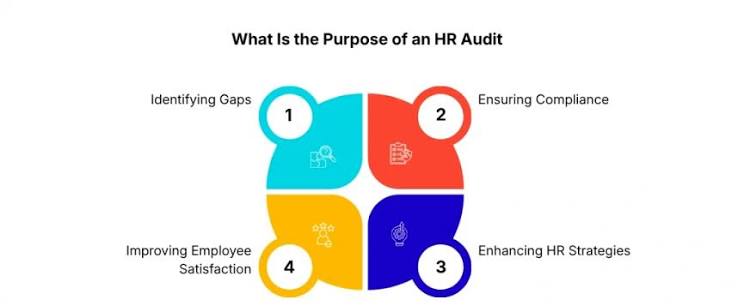
30Sep

Who Should Conduct an HR Audit: Internal Team, Consultant or External Expert?

By Afla KC , Digital Marketing Executive

Introduction

An HR audit is an important process for organisations that want to understand how effectively their HR systems, policies, documentation, payroll processes, and compliance practices are working.

But before conducting an HR audit, businesses often face an important question:

Who should conduct the audit?

Should the organisation use its internal HR team? Should it hire an HR consultant? Or should it bring in an independent external expert?

There is no single answer that works for every organisation.

The right choice depends on the company’s size, HR maturity, complexity, risk exposure, available internal expertise, and the purpose of the audit.

For example, an internal HR team may be perfectly capable of conducting a routine process review. However, if the organisation wants an independent assessment of its HR compliance and systems, an external expert may provide greater objectivity.

In this blog, we will compare the three approaches and explain when each option makes sense.


What Is an HR Audit?

An HR audit is a systematic review of an organisation’s HR policies, processes, records, systems, and practices.

The objective is to identify:

  • Compliance gaps

  • Documentation issues

  • Payroll errors

  • Process inefficiencies

  • Policy inconsistencies

  • Employee-record gaps

  • Statutory risks

  • Areas for improvement

An HR audit can cover different areas depending on the organisation’s requirements.

Common areas include:

  • Employee documentation

  • Recruitment and onboarding

  • HR policies

  • Attendance and leave

  • Payroll

  • Statutory compliance

  • Performance management

  • Employee benefits

  • Training and development

  • Exit and full-and-final settlement

  • HR data management

A well-designed audit should not simply identify problems. It should help the organisation understand what needs to be improved and how.


Why Does the Choice of Auditor Matter?

The person or team conducting the audit can influence the quality and usefulness of the findings.

An internal team may have deep knowledge of the organisation but may also be too close to its existing processes.

An external consultant may bring specialised expertise and an outside perspective.

An independent expert may provide an even stronger level of objectivity, particularly when the organisation needs an unbiased assessment.

Therefore, businesses should select the audit approach based on the purpose and scope of the audit, rather than choosing the cheapest or most convenient option.


Option 1: Internal HR Team

The first option is to conduct the HR audit internally.

This means the organisation’s own HR professionals review its HR systems and processes.

Advantages of an Internal HR Audit

1. Better Understanding of the Organisation

Internal HR teams already understand:

  • Company policies

  • Employee structures

  • Payroll processes

  • Reporting relationships

  • Existing HR systems

This can make the audit process faster.

2. Lower Cost

If the organisation already has a capable HR team, an internal audit may require little additional expenditure.

3. Easier Access to Information

Internal HR professionals generally have direct access to:

  • Employee records

  • Payroll data

  • HR policies

  • Attendance systems

  • Leave records

  • HRMS

4. Continuous Improvement

Internal audits can be conducted regularly rather than only once a year.

This can help organisations identify and correct issues early.


Limitations of an Internal HR Audit

The biggest challenge is objectivity.

The same HR team that created or manages a process may be responsible for auditing it.

This can make it difficult to identify problems objectively.

For example, if the HR team developed the employee onboarding process, it may naturally focus on whether the process is being followed rather than questioning whether the process itself is effective.

Other limitations may include:

  • Limited specialist knowledge

  • Internal bias

  • Lack of benchmarking

  • Difficulty challenging senior management

  • Limited exposure to different HR practices

Therefore, internal audits work best when the organisation has experienced HR professionals and the audit is primarily focused on routine monitoring and process improvement.


Option 2: HR Consultant

The second option is hiring an HR consultant.

An HR consultant works with organisations on specific HR requirements and can conduct an audit based on the company’s objectives.

This is often useful for small and medium-sized businesses that do not have a large internal HR department.

Advantages of Hiring an HR Consultant

1. Specialised Knowledge

A consultant may have experience in areas such as:

  • HR compliance

  • Payroll

  • HR policies

  • Employee documentation

  • HR systems

  • Performance management

  • Employee engagement

2. External Perspective

A consultant is not part of the organisation’s daily HR operations.

This allows them to identify issues that internal teams may overlook.

3. Flexible Engagement

Businesses can hire consultants for:

  • One-time audits

  • Quarterly reviews

  • Annual audits

  • Specific compliance projects

  • HR system restructuring

4. Suitable for Growing Businesses

Small and growing businesses may not need a full-time HR compliance specialist.

A consultant can provide expertise when required.


Limitations of an HR Consultant

The quality of the audit depends heavily on the consultant’s experience and methodology.

Businesses should carefully evaluate:

  • Professional experience

  • Industry knowledge

  • Audit methodology

  • Understanding of applicable labour requirements

  • Reporting approach

  • References or previous work

Another potential limitation is that consultants may have limited knowledge of the organisation’s history compared with internal employees.

They may need additional time to understand the company’s structure and processes.


Option 3: External HR Expert or Independent Auditor

The third option is using an independent external expert.

This approach is particularly useful when the organisation wants a highly objective assessment.

An external expert may review HR systems without being involved in their day-to-day management.

Advantages of an Independent External Audit

1. Stronger Objectivity

An external expert can assess processes without being directly involved in creating or managing them.

This can make it easier to identify weaknesses.

2. Risk Identification

Experienced external professionals can identify potential risks that internal teams may not recognise.

These may include:

  • Documentation gaps

  • Payroll inconsistencies

  • Compliance risks

  • Policy gaps

  • Process weaknesses

3. Benchmarking

External experts may bring experience from working with multiple organisations.

This can help businesses understand how their HR practices compare with commonly used industry approaches.

4. Greater Management Confidence

An independent report can give business owners and senior management greater confidence that HR processes have been reviewed objectively.


Internal Team vs Consultant vs External Expert

FactorInternal HR TeamHR ConsultantExternal ExpertOrganisational knowledgeHighMediumMediumIndependenceLowHighVery HighCostUsually lowerModerateCan be higherSpecialist expertiseDepends on teamUsually highUsually highObjectivityLimitedStrongVery strongBest for routine reviewsYesYesYesBest for complex auditsDepends on expertiseYesYesBest for independent assessmentNoSometimesYesSuitable for small businessesIf HR team existsYesYesSuitable for major compliance reviewDependsYesYes

The “best” option depends on the organisation’s specific requirements.


When Should You Choose an Internal HR Audit?

An internal audit may be suitable when:

  • The HR team is experienced

  • HR systems are already well established

  • The audit is routine

  • The organisation wants regular process monitoring

  • The audit scope is relatively straightforward

  • There are no major compliance concerns

For example, a company may conduct quarterly internal checks of employee records, attendance, leave, and payroll processes.


When Should You Hire an HR Consultant?

An HR consultant may be the better choice when:

  • The organisation has a small HR team

  • HR systems are still developing

  • New policies need to be created

  • The company is growing quickly

  • Management wants an external review

  • The organisation needs specialist HR knowledge

Consultants can also help businesses implement corrective actions after an audit.


When Should You Choose an Independent External Expert?

An independent expert may be appropriate when:

  • The organisation wants an unbiased assessment

  • There are suspected compliance gaps

  • The company is undergoing major restructuring

  • Management wants an independent HR review

  • The organisation is preparing for due diligence

  • There are complex HR processes

  • The business has multiple locations

  • The organisation wants a comprehensive HR risk assessment

An external review can be especially valuable when senior management wants an objective picture of the organisation’s HR function.


What Should an HR Audit Cover?

Regardless of who conducts the audit, the scope should be clearly defined.

A comprehensive HR audit may review:

Employee Documentation

  • Appointment letters

  • Employee records

  • Employment contracts

  • Salary revisions

  • Exit documentation

Payroll

  • Salary calculations

  • Deductions

  • Payroll structure

  • Full-and-final settlements

Statutory Compliance

Depending on applicability:

  • Provident Fund

  • ESI

  • Professional Tax

  • TDS

  • Minimum wage requirements

  • Other labour-related requirements

HR Policies

  • Leave policy

  • Attendance policy

  • Work-from-home policy

  • Code of conduct

  • Performance management

  • Grievance procedures

Employee Lifecycle

  • Recruitment

  • Onboarding

  • Probation

  • Confirmation

  • Promotion

  • Transfer

  • Exit

HR Systems

  • HRMS

  • Attendance software

  • Payroll software

  • Employee databases

  • Document management


How to Choose the Right Auditor

Businesses should consider several factors before selecting an auditor.

1. Define the Purpose

First ask:

Why are we conducting the HR audit?

Is the objective compliance, process improvement, risk identification, or complete HR restructuring?

2. Determine the Scope

Decide whether the audit will cover:

  • Payroll only

  • Compliance only

  • Employee documentation

  • Policies

  • Complete HR operations

3. Consider Internal Expertise

If the internal HR team lacks specialist knowledge, an external professional may be more appropriate.

4. Evaluate Independence

If management needs an unbiased assessment, choose someone who is sufficiently independent from the processes being reviewed.

5. Review Experience

Look for experience relevant to the organisation’s:

  • Industry

  • Workforce size

  • Locations

  • HR complexity

6. Check the Reporting Method

A useful audit report should clearly identify:

  • Finding

  • Risk

  • Evidence

  • Priority

  • Recommended action

  • Responsible person

  • Suggested timeline

A report that only lists problems without providing practical recommendations has limited value.


The Best Approach May Be a Combination

Businesses do not always have to choose only one option.

A combination can often provide the best results.

For example:

Internal HR Team → Regular Monitoring

HR Consultant → Periodic Process Review

Independent Expert → Annual Comprehensive Audit

This creates multiple levels of review.

The internal team manages day-to-day compliance, while an external professional periodically evaluates the overall system.


How Technology Supports HR Audits

Modern HR technology can make audits more efficient.

HRMS and payroll systems can help auditors review:

  • Employee records

  • Attendance

  • Leave

  • Salary

  • Statutory deductions

  • Documents

  • Employee lifecycle information

Digital records also make it easier to identify missing information and inconsistencies.

However, technology should support the audit rather than replace professional judgement.


What Happens After an HR Audit?

The audit itself is only the beginning.

After identifying gaps, HR teams should create an action plan.

A practical action plan can classify findings as:

High Priority

Issues that could create significant legal, financial, or operational risk.

Medium Priority

Process gaps that should be addressed within a defined timeframe.

Low Priority

Administrative improvements that can be addressed gradually.

Each action should have:

  • Responsible person

  • Deadline

  • Required resources

  • Status

  • Follow-up date

This converts the audit from a report into an improvement programme.


Common HR Audit Mistakes

Organisations should avoid:

Auditing Without a Clear Scope

A vague audit can produce vague results.

Focusing Only on Compliance

HR effectiveness also includes employee processes, policies, systems, and documentation.

Treating the Audit as a Blame Exercise

The purpose should be improvement, not finding someone to blame.

Ignoring the Findings

An audit has little value if recommendations are never implemented.

Conducting an Audit Only When There Is a Problem

Regular reviews are more effective than waiting for a major issue.


Conclusion

Choosing who should conduct an HR audit depends on the organisation’s objectives, internal capabilities, HR complexity, and desired level of independence.

An internal HR team can be effective for regular monitoring and routine process reviews.

An HR consultant can provide specialised expertise and an external perspective, particularly for growing organisations and businesses with limited internal HR resources.

An independent external expert can provide a higher level of objectivity and is particularly valuable when the organisation needs a comprehensive assessment, risk review, or independent evaluation.

For many businesses, the most effective approach is not choosing one option permanently. Instead, organisations can combine internal monitoring with periodic external reviews.

The ultimate goal of an HR audit is not simply to identify what is wrong. It is to create a stronger HR function that is structured, compliant, efficient, transparent, and aligned with business goals.

A well-conducted HR audit gives management a clearer understanding of where the organisation stands—and, more importantly, what needs to happen next.

The right auditor is not simply the person who finds the most problems. It is the professional or team that helps the organisation understand its risks, improve its processes, and build a stronger HR system.


29Sep

Benefits of Payroll Outsourcing for Companies: Why Businesses Are Moving Beyond In-House Payroll

By Nandana G.S , Digital Marketing Executive

Payroll is one of the most critical functions in any organization. Employees expect their salaries to be accurate and timely, while businesses need to manage tax deductions, statutory contributions, payroll records, and compliance requirements correctly.

As businesses grow, managing payroll entirely in-house can become increasingly complex. This is why many organizations are considering payroll outsourcing as a way to improve efficiency, reduce administrative pressure, and strengthen compliance.

What Is Payroll Outsourcing?

Payroll outsourcing means engaging an external payroll service provider to manage some or all payroll-related activities on behalf of the organization.

Depending on the arrangement, this may include:

  • Payroll processing

  • Salary calculations

  • Payslip generation

  • PF and ESI-related processing

  • Professional Tax compliance

  • TDS calculations and support

  • Payroll reports

  • Full & Final settlement calculations

  • Payroll reconciliation

  • Statutory compliance support

The exact scope depends on the service agreement and the organization’s requirements.

Why Are Businesses Moving Beyond In-House Payroll?

Managing payroll internally may work well for a small organization with a simple workforce. But as employee numbers, locations, salary structures, and statutory requirements increase, payroll becomes more demanding.

Businesses may have to deal with:

✔️ Multiple salary components ✔️ Employee additions and exits ✔️ Leave and attendance inputs ✔️ PF and ESI requirements ✔️ TDS calculations ✔️ State-specific compliance ✔️ Reimbursements and deductions ✔️ Bonuses and incentives ✔️ Full & Final settlements ✔️ Regular payroll reconciliation

Outsourcing can help organizations manage this complexity through a more structured process.

Key Benefits of Payroll Outsourcing

1. Improved Payroll Accuracy

Payroll involves multiple calculations and employee-specific inputs. Manual errors can result in incorrect salaries, deductions, or statutory contributions.

A professional payroll process can introduce standardized checks and reconciliation procedures that help reduce avoidable errors.

2. Better Compliance Management

Payroll is closely connected to several statutory requirements.

Depending on applicability, organizations may need to manage:

  • PF

  • ESI

  • TDS

  • Professional Tax

  • Labour Welfare Fund

  • Gratuity-related calculations

  • Other applicable statutory requirements

Outsourcing payroll can provide additional support in tracking applicable compliance requirements and maintaining related records.

However, the employer remains responsible for meeting its legal obligations, even when payroll processing is outsourced.

3. Saves HR Time

Payroll administration can consume significant HR time every month.

Instead of spending hours on:

  • Data collection

  • Salary calculations

  • Payroll validation

  • Payslip preparation

  • Reconciliation

  • Payroll queries

HR teams can focus more on employee engagement, recruitment, performance management, HR policies, and strategic initiatives.

4. Reduces Administrative Work

Payroll outsourcing can reduce repetitive administrative activities by introducing a defined payroll workflow.

A typical process may look like:

Attendance & Leave Inputs → Payroll Data → Salary Calculation → Verification → Statutory Processing → Payroll Finalization → Payslips & Reports

This creates greater consistency across payroll cycles.

5. Access to Payroll Expertise

Payroll regulations and procedures can be complicated, especially for organizations operating across different locations.

An experienced payroll service provider can bring knowledge of:

✔️ Payroll processes ✔️ Statutory requirements ✔️ Payroll documentation ✔️ Reconciliation procedures ✔️ Compliance calendars ✔️ Common payroll errors

This can be particularly useful for growing businesses that do not have a dedicated payroll specialist.

6. Better Data and Record Management

Payroll generates a significant amount of employee and financial information.

A structured outsourced payroll process can help businesses maintain:

  • Payroll registers

  • Payslips

  • Salary statements

  • Deduction records

  • Statutory records

  • Payroll reports

  • Reconciliation reports

  • Employee payroll history

Proper record management also makes it easier to retrieve information during internal reviews or audits.

7. Scalability for Growing Businesses

Payroll requirements often increase as the workforce grows.

A company moving from 20 employees to 100, 500, or more employees may face significantly greater payroll complexity.

Outsourcing can provide a scalable process without requiring the organization to build an equally large internal payroll function.

8. Improved Employee Experience

Employees expect payroll to be:

Accurate + Timely + Transparent

Payroll errors can lead to employee dissatisfaction and repeated HR queries.

A structured payroll process can help improve consistency in:

  • Salary payments

  • Payslips

  • Tax deductions

  • Reimbursements

  • Payroll communication

This can contribute to greater employee confidence in the organization’s HR systems.

9. Easier Payroll Reconciliation

Payroll should not end with salary processing.

Organizations also need to compare payroll data against relevant records and identify discrepancies.

Regular reconciliation can help detect:

✔️ Salary calculation differences ✔️ Incorrect deductions ✔️ Missing employee records ✔️ PF/ESI mismatches ✔️ TDS differences ✔️ Full & Final discrepancies

This makes reconciliation an important part of an audit-ready payroll system.

10. Potential Cost Efficiency

Payroll outsourcing can reduce the need to allocate internal resources to repetitive payroll administration.

For some organizations, this may be more efficient than maintaining a fully dedicated in-house payroll team.

However, businesses should compare the total cost of internal payroll, including software, staff time, training, compliance management, and error correction, against the cost and scope of outsourcing.

In-House Payroll vs Outsourced Payroll

FactorIn-House PayrollOutsourced PayrollPayroll ManagementInternal teamExternal payroll partnerHR TimeHigher administrative involvementReduced routine workloadExpertiseDepends on internal teamAccess to specialized supportScalabilityMay require additional resourcesGenerally easier to scaleCompliance SupportManaged internallySupported by service providerRecord ManagementInternal systemsManaged according to agreed processControlDirect internal controlShared through defined processesCost StructureStaff + software + administrationService-based cost

The right option depends on the company’s size, workforce complexity, internal expertise, budget, and compliance requirements.

When Should a Business Consider Payroll Outsourcing?

Payroll outsourcing may be worth considering when:

✔️ Employee numbers are growing rapidly ✔️ Payroll errors are increasing ✔️ HR spends too much time on payroll administration ✔️ The organization operates across multiple locations ✔️ Statutory compliance is becoming difficult to manage ✔️ There is no dedicated payroll specialist ✔️ Payroll reconciliation is inconsistent ✔️ Management wants HR to focus more on strategic activities

What Should Businesses Check Before Outsourcing Payroll?

Choosing a payroll partner should not be based on price alone.

Businesses should evaluate:

  • Payroll expertise

  • Compliance knowledge

  • Data security practices

  • Reporting capabilities

  • Payroll processing timelines

  • Error-resolution procedures

  • Employee support

  • Documentation standards

  • Service scope and responsibilities

  • Confidentiality arrangements

A clear agreement should define what the service provider will handle and what remains the employer’s responsibility.

How Level Up HR Solutions Can Help

At Level Up HR Solutions, we support businesses with structured payroll processing, payroll compliance, statutory compliance, HR documentation, PF/ESI support, TDS-related payroll processes, and HR audits.

Our goal is to help businesses reduce payroll complexity while maintaining accuracy, consistency, documentation, and compliance readiness.

Final Thoughts

Payroll is too important to be treated as just another administrative task.

As businesses grow, outsourcing payroll can help reduce repetitive HR workload, improve process consistency, access specialized expertise, and strengthen payroll administration.

The objective is not simply to move payroll outside the organization. It is to build a payroll process that is accurate, compliant, secure, scalable, and dependable.

Level Up HR Solutions 📞 +91 8714805999 📧 info@leveluphrs.com 🌐 www.leveluphrs.com

#PayrollOutsourcing #PayrollManagement #PayrollCompliance #HRCompliance #PayrollProcessing #StatutoryCompliance #HRIndia #BusinessGrowth #HRManagement #PayrollServices #KeralaBusiness #KochiBusiness #LevelUpHRSolutions

25Sep

Relieving Letter, Experience Letter and Settlement Documents: Understanding the Difference

By Afla KC , Digital Marketing Executive

Introduction

When an employee leaves an organisation, HR’s responsibility does not end with accepting the resignation.

The exit process involves several important steps, including notice-period management, handover, access removal, payroll closure, statutory updates, and the preparation of employment-related documents.

Among the most commonly discussed documents are the Relieving Letter, Experience Letter, and Full and Final Settlement documents.

Although these documents are often mentioned together, they serve different purposes.

A relieving letter confirms that an employee has been formally released from their responsibilities. An experience letter records the employee’s work experience with the organisation. Settlement documents, on the other hand, deal primarily with the financial and administrative closure of the employment relationship.

Understanding the difference is important for both HR teams and employees. It helps organisations maintain a professional exit process and ensures that employees receive the documentation they may need for future employment, background verification, financial records, or other purposes.

In this guide, we will explain what each document means, when it is issued, what information it generally contains, and how HR teams can manage the employee exit process more effectively.


What Is a Relieving Letter?

A Relieving Letter i

s a document issued by an employer confirming that an employee has been formally relieved from their duties.

It generally indicates that the employee has completed the required exit formalities and that their employment with the organisation has ended.

A relieving letter may contai

n:

  • Employee name

  • Designation

  • Employee ID

  • Date of joining

  • Last working day

  • Confirmation of being relieved

  • Reference to resignation, where appropriate

  • Company details

  • Authorised signatory

The document primarily focuses on the employee’s release from employment.


Why Is a Relieving Letter Important?

A relieving letter can be useful when an employee joins another organisation.

A new employer may request it as part of their employment verification process.

It can help confirm t

hat:

  • The employee worked for the previous organisation

  • The employee has formally left

  • The previous employment relationship has ended

However, the exact docu

mentation requirements can vary between employers.

A relieving letter should therefore not be confused with a document that describes the employee’s complete work experience.


What Is an Experience Letter?

An Experience Letter is a document that confirms an employee’s work experience with an organisation.

It generally focuses on the employee’s employment history and may mention:

  • Employee name

  • Designation

  • Department

  • Date of joining

  • Last working date

  • Duration of employment

  • Nature of role or responsibilities

  • Overall employment confirmation

An experience letter is particularly useful when an employee applies for another job and needs to demonstrate previous professional experience.


Relieving Letter vs Experience Letter

The easiest way to understand the difference is:

Relieving Letter = Confirms the employee has been formally released.

Experience Letter = Confirms the employee’s work experience with the organisation.

Although some organisations combine both into a single document, they are conceptually different.

For example, an experience letter may explain that an employee worked as a Marketing Executive from a particular date to another date.

A relieving letter may state that the employee was formally relieved from their duties on their last working day after completing the required exit process.


What Are Settlement Documents?

Settlement documents relate to the financial and administrative closure of an employee’s employment.

The most commonly used term is Full and Final Settlement (FnF).

When an employee leaves, the organisation needs to calculate the amounts payable to and recoverable from the employee.

Depending on the employee’s circumstances and company policies, the settlement may include:

  • Salary payable

  • Leave encashment, where applicable

  • Incentives

  • Bonus, where applicable

  • Reimbursements

  • Deductions

  • Notice-period recovery, where applicable

  • Advances

  • Other recoveries

  • Statutory deductions

The exact components depend on the employment contract, company policies, applicable laws, and the employee’s circumstances.


What Is Full and Final Settlement?

Full and Final Settlement is the process of closing the employee’s financial account with the organisation after the employment relationship ends.

The payroll team generally reviews:

Earnings

  • Salary for the final period

  • Eligible incentives

  • Leave encashment

  • Reimbursements

  • Other applicable payments

Deductions

  • Notice-period recovery, where applicable

  • Salary advances

  • Loans

  • Asset recovery

  • Statutory deductions

  • Other authorised deductions

The final amount is then calculated and processed according to the applicable company procedure and legal requirements.


Why Is Full and Final Settlement Important?

A properly managed settlement helps both the employer and employee close the employment relationship clearly.

For employees, it provides clarity about:

  • Amount payable

  • Deductions

  • Leave balance

  • Pending reimbursements

  • Other financial components

For employers, it creates a documented record of the financial closure of employment.

A clear settlement process can also reduce misunderstandings and disputes after an employee leaves.


Are Relieving and Experience Letters the Same as Full and Final Settlement?

No.

These documents serve different purposes.

DocumentPrimary PurposeRelieving LetterConfirms formal release from employmentExperience LetterConfirms employment experience and tenureFull & Final SettlementCloses financial dues and recoveriesSalary/Tax DocumentsProvide payroll or tax-related information

They may be issued around the same time, but they are not interchangeable.


What Information Should an HR Exit File Contain?

A well-maintained employee exit file may include:

  • Resignation letter

  • Resignation acceptance

  • Notice-period details

  • Handover confirmation

  • Last working day confirmation

  • Exit interview records

  • Asset-return confirmation

  • Access clearance

  • Relieving letter

  • Experience letter

  • Full and Final Settlement statement

  • Salary records

  • Applicable statutory records

  • Other relevant exit documentation

The exact documents will depend on the organisation’s policies and applicable legal requirements.


The Employee Exit Process

A structured exit process can make documentation easier.

Step 1: Receive Resignation

HR formally records the employee’s resignation.

Step 2: Confirm Notice Period

The applicable notice period is reviewed based on the employment contract and company policy.

Step 3: Plan Handover

The employee completes the required knowledge and responsibility transfer.

Step 4: Complete Clearance

HR and relevant departments confirm the return of company assets and completion of required formalities.

Step 5: Confirm Last Working Day

The organisation records the employee’s official final working date.

Step 6: Process Payroll

The payroll team calculates salary and other payable or recoverable amounts.

Step 7: Complete Full and Final Settlement

The final settlement is prepared and processed.

Step 8: Issue Employment Documents

The organisation issues applicable relieving, experience, and other documents according to its process.


What Should a Relieving Letter Include?

A professional relieving letter should generally be concise.

It may include:

Employee name

Designation

Employee ID

Date of joining

Last working date

Confirmation of relief

Authorised signatory

The document does not normally need to contain a detailed description of the employee’s responsibilities.

That information is generally more appropriate for an experience or employment certificate.


What Should an Experience Letter Include?

An experience letter may provide slightly more detail.

It can mention:

  • Employee’s full name

  • Position held

  • Department

  • Employment period

  • Key responsibilities, where appropriate

  • General statement regarding employment

  • Date of issue

  • Company details

  • Authorised signatory

Some organisations issue a simple experience certificate, while others provide a more detailed employment certificate.


What Should a Full and Final Statement Include?

A settlement statement should clearly show the relevant financial components.

It may include:

Earnings

  • Salary

  • Leave encashment

  • Incentives

  • Bonus

  • Reimbursements

Deductions

  • Statutory deductions

  • Notice-period recovery

  • Advances

  • Loans

  • Other authorised recoveries

Final Amount

The statement should clearly show the net amount payable or recoverable after applicable calculations.

Employees should be able to understand how the final amount was calculated.


When Should These Documents Be Issued?

There is no single universal timeline that applies identically to every organisation and situation.

The timing may depend on:

  • Company policy

  • Employment contract

  • Applicable labour laws

  • Completion of clearance

  • Payroll processing

  • Full-and-final settlement

  • Statutory requirements

HR teams should establish a clear internal process and communicate expected timelines to employees.

Avoid leaving employees uncertain about when they will receive their exit documentation.


Common HR Mistakes During Employee Exit

1. Treating All Documents as the Same

Relieving letters, experience letters, and settlement statements serve different purposes.

2. Incomplete Exit Records

Missing resignation acceptance, clearance, or settlement documentation can create future complications.

3. Delayed Communication

Employees should understand the exit process and expected timelines.

4. Incorrect Final Payroll

Salary, leave, incentives, recoveries, and deductions should be reviewed carefully.

5. Poor Documentation

Important exit records should be stored securely and systematically.

6. Inconsistent Processes

Different employees should not receive completely different exit treatment without a valid reason.


Common Employee Questions

Can an Experience Letter Replace a Relieving Letter?

Not necessarily.

An experience letter confirms employment experience, while a relieving letter generally confirms formal release from employment.

Some organisations may combine the two into a single document, but employees should check what documentation their next employer requires.

Is a Full and Final Settlement the Same as a Relieving Letter?

No.

Full and Final Settlement deals with financial closure. A relieving letter deals with the employee’s formal release from employment.

Can an Employee Request These Documents?

Employees can request relevant employment documents from their employer, subject to the organisation’s processes and applicable requirements.

Does Every Company Use Separate Documents?

No.

Some organisations issue separate relieving and experience letters, while others provide a combined employment or relieving-and-experience letter.


How HRMS Can Simplify Employee Exit Management

Employee exits involve multiple departments and several documents.

An HRMS can help organisations manage:

  • Resignation records

  • Notice periods

  • Exit approvals

  • Clearance

  • Asset tracking

  • Leave balances

  • Payroll calculations

  • Full-and-final settlement

  • Document generation

  • Employee records

A structured digital workflow reduces manual follow-ups and makes it easier for HR teams to track the status of each employee’s exit.


Employee Exit Checklist for HR Teams

Before closing an employee’s file, HR teams can check:

✓ Resignation received

✓ Resignation accepted

✓ Notice period confirmed

✓ Handover completed

✓ Company assets returned

✓ Access removed

✓ Leave balance verified

✓ Final salary calculated

✓ Statutory deductions reviewed

✓ Full and Final Settlement completed

✓ Relieving Letter prepared

✓ Experience Letter prepared

✓ Other applicable documents issued

✓ Exit records securely maintained

This checklist can help create a consistent employee exit process.


Why a Professional Exit Process Matters

An employee’s final experience with a company can influence how they remember the organisation.

A well-managed exit demonstrates professionalism.

Even when an employee is leaving for another opportunity, the organisation can maintain a positive relationship through:

  • Clear communication

  • Timely documentation

  • Accurate settlement

  • Respectful exit discussions

  • Proper handover

  • Professional closure

Former employees can also become future clients, business partners, referrals, or even potential rehires.

Therefore, employee offboarding should be treated as an important part of the overall employee experience.


Conclusion

Relieving Letters, Experience Letters, and Full and Final Settlement documents are all important parts of employee offboarding, but they serve different purposes.

A Relieving Letter primarily confirms that an employee has been formally released from their employment.

An Experience Letter records the employee’s professional experience and period of employment.

Full and Final Settlement documents deal with the financial closure of the employment relationship, including applicable earnings, deductions, recoveries, and other settlement components.

For HR teams, understanding these differences helps create a more structured and transparent exit process. It also reduces confusion for employees who may need these documents when joining a new organisation.

The best approach is to establish a standard exit checklist, clearly assign responsibilities, maintain accurate payroll records, and communicate timelines to employees. Using HRMS and payroll systems can further simplify document management and reduce manual errors.

Employee exits are a normal part of business operations. What matters is how professionally the organisation manages them.

A smooth exit process protects the company’s records, provides employees with appropriate documentation, and ensures that the employment relationship ends with clarity and professionalism.

A good employee journey should include a good beginning—and a professional ending.

24Sep

Employee Document Collection Checklist: What HR Should Verify Before Onboarding

By Nandana G.S , Digital Marketing Executive

Employee onboarding is more than introducing a new employee to the organization. It is also the stage where HR needs to establish accurate employee records, verify essential information, and complete the documentation required for payroll and compliance.

A well-structured document collection process can reduce data errors, prevent payroll issues, and make future HR audits much easier.

1. Personal Information

HR should collect and verify the basic information required to create the employee’s official record.

This may include:

  • Full name

  • Date of birth

  • Contact details

  • Current and permanent address

  • Emergency contact details

  • Other information required under the organization’s onboarding process

HR should ensure that important details are consistent across the documents provided.

2. Identity and Address Verification

Where required and appropriate, HR may collect documents for identity and address verification.

The organization should:

✔️ Collect only documents that are necessary ✔️ Verify information against the relevant records ✔️ Maintain documents securely ✔️ Restrict access to authorized personnel ✔️ Follow applicable privacy and data-protection requirements

HR should avoid collecting unnecessary personal information simply because it is part of an old checklist.

3. Educational and Professional Documents

For roles where qualifications are relevant, HR may verify:

  • Educational certificates

  • Professional certifications

  • Previous employment-related qualifications

  • Professional licenses, where applicable

The level of verification should depend on the role and the organization’s recruitment process.

4. Previous Employment Details

Where applicable, HR should document previous employment information such as:

✔️ Previous employer details ✔️ Designation ✔️ Employment period ✔️ Relevant experience ✔️ Relieving or experience documentation, where required ✔️ Previous employment information needed for payroll/tax purposes

These records can also help HR identify information required for salary and statutory processing.

5. Bank and Payroll Information

Accurate payroll information is essential before the first salary cycle.

HR/payroll should verify the information needed for salary processing, such as:

  • Bank account details

  • Account holder name

  • Required payroll declarations

  • Salary structure and approved compensation details

Incorrect bank or payroll information can result in payment delays and reconciliation issues.

6. PF and UAN Details

For employees covered under applicable EPF requirements, HR should check whether the employee already has a UAN and ensure relevant information is correctly recorded.

HR should:

✔️ Check for an existing UAN ✔️ Avoid unnecessary duplicate UAN creation ✔️ Verify relevant employee details ✔️ Ensure appropriate PF records are linked to the employment ✔️ Coordinate with payroll for accurate contribution processing

7. ESI and Other Statutory Information

Depending on applicability, HR may need to collect or verify information required for ESI, Professional Tax, Labour Welfare Fund, TDS, and other statutory processes.

The exact requirements can vary depending on the employee, establishment, location, salary, and applicable legislation.

Therefore, HR should maintain a state- and organization-specific onboarding checklist rather than using the same checklist for every business.

8. Employment Documentation

Before the employee officially starts, HR should ensure that key employment documents are completed.

These may include:

  • Offer letter

  • Appointment letter

  • Employment agreement, where applicable

  • Job description

  • Compensation details

  • Confidentiality or other agreements, where relevant

  • Employee handbook or policy acknowledgement

The employee should understand the key terms and conditions applicable to the employment.

9. Policy Acknowledgements

Employees should be informed about important workplace policies applicable to them.

Depending on the organization, this may include:

✔️ Code of conduct ✔️ Leave and attendance policy ✔️ POSH policy ✔️ Information security policy ✔️ Work-from-home policy ✔️ Disciplinary policy ✔️ Other company policies

HR should maintain evidence that relevant policies were communicated and acknowledged.

10. Emergency and Contact Information

Emergency contact information should be collected where necessary for workplace administration and employee safety.

HR should ensure that:

  • Contact details are accurate

  • Information is updated when necessary

  • Access is limited to appropriate personnel

11. Background Verification

If the organization conducts background verification, HR should ensure the process is handled consistently and in accordance with applicable requirements.

Depending on the role, verification may cover areas such as:

  • Employment history

  • Educational qualifications

  • References

  • Other role-specific checks

Any required consent and supporting documentation should be maintained appropriately.

12. Create a Standard Onboarding Checklist

Instead of collecting documents randomly, HR can create a standardized onboarding workflow:

Offer → Document Collection → Verification → Employment Documentation → Statutory Setup → Payroll Setup → Policy Acknowledgement → HRMS Entry → Onboarding Completion

Each stage should have a responsible person and a clear completion status.

Common Employee Document Collection Mistakes

HR teams often face problems when they:

❌ Collect documents without verifying them ❌ Request unnecessary personal information ❌ Create duplicate PF/UAN records ❌ Enter inconsistent employee data into HRMS and payroll ❌ Forget policy acknowledgements ❌ Keep incomplete onboarding files ❌ Store employee documents without proper access controls ❌ Fail to update records when employee information changes

Employee Onboarding Document Checklist

A practical checklist can cover:

CategoryWhat HR Should CheckPersonal DetailsName, DOB, contact and addressIdentityRequired identity verificationEducationRelevant qualificationsEmploymentPrevious employment informationPayrollBank and compensation detailsPFUAN/PF information, where applicableStatutoryESI, PT, TDS and other applicable detailsEmploymentOffer/appointment documentationPoliciesRequired policy acknowledgementsVerificationBackground checks, where applicableHRMSAccurate employee master data

How Level Up HR Solutions Can Help

At Level Up HR Solutions, we help businesses create more structured HR systems through HR documentation, employee record management, payroll compliance, statutory compliance, HR audits, and policy support.

A standardized onboarding documentation process helps businesses maintain accurate employee records from Day One and reduces avoidable HR and payroll errors.

Final Thoughts

Employee document collection should not be treated as a routine paperwork exercise. It is an important part of building a reliable employee record and compliance framework.

By collecting only necessary information, verifying it properly, maintaining documents securely, and connecting onboarding with payroll and statutory processes, HR teams can create a smoother and more organized employee experience.

The goal is simple: collect what is necessary, verify what matters, protect employee information, and maintain accurate records.

Level Up HR Solutions 📞 +91 8714805999 📧 info@leveluphrs.com 🌐 www.leveluphrs.com

#EmployeeOnboarding #HRDocumentation #EmployeeRecords #HRCompliance #OnboardingChecklist #PayrollCompliance #HRManagement #StatutoryCompliance #HRIndia #EmployeeOnboardingProcess #KeralaBusiness #KochiBusiness #LevelUpHRSolutions

22Sep

Work From Home Policy: What Should Employers Clearly Define?

By Afla KC , Digital Marketing Executive

Introduction

Work from home has become an important part of modern workplace management. For many organisations, remote work is no longer simply a temporary arrangement. It has become a practical way to offer flexibility, attract talent, improve employee satisfaction, and maintain business continuity.

However, allowing employees to work fro

m home without clear guidelines can create challenges.

Questions can quickly arise:

  • When can employees work from

  •  home?

  • Who is eligible?

  • What are the expected working hours?

  • How should attendance be recorded?

  • How should employees

  • communicate with their teams?

  • Who provides laptops and other equipment?

  • How is employee performance measured?

  • What happens if an em

  • ployee is unavailable during working hours?

A well-designed Work From Home (WFH) Policy provides clarity for both employers and employees. It establishes expectations while giving employees the flexibility to work effectively outside the traditional office environment.

A good policy should not simply say that employees are “allowed to work from home.” It should clearly explain how remote work will operate in practice.

This guide covers the key areas employers should define when creating a work-from-home policy.


What Is a Work From Home Policy?

A Work From Home Policy is a formal company guideline that explains when and how employees may perform their duties remotely.

It establishes expectations around:

  • Eligibility

  • Working hours

  • Attendance

  • Communication

  • Productivity

  • Performance

  • Technology

  • Data security

  • Expenses

  • Leave

  • Availability

  • Health and safety

  • Policy violations

The purpose is to create a structured remote-working environment rather than leaving expectations open to interpretation.


1. Clearly Define Who Is Eligible

Not every role can necessarily be performed remotely.

Employers should clearly identify which employees or job roles are eligible for work from home.

Eligibility may depend on:

  • Nature of the job

  • Department

  • Employee responsibilities

  • Business requirements

  • Performance

  • Seniority, where applicable

  • Availability of necessary technology

For example, a software developer may be able to work remotely, while a production-floor employee may need to be physically present.

The policy should explain whether WFH is:

  • Available to all eligible employees

  • Available only to selected roles

  • Subject to manager approval

  • Available only in specific circumstances

Clear eligibility criteria can prevent confusion and perceptions of unfair treatment.


2. Define When Work From Home Is Allowed

Employers should specify whether remote work is:

Fully Remote

Employees work from home on a permanent basis.

Hybrid

Employees divide their working time between the office and home.

Occasional WFH

Employees can request remote work for specific days or situations.

Emergency WFH

Employees may work remotely during exceptional circumstances such as severe weather, transportation disruptions, or other emergencies.

The policy should clearly explain which model the organisation follows.


3. Establish Working Hours

Remote work does not mean that working hours become undefined.

Employers should clearly mention:

  • Standard working hours

  • Start and end times

  • Lunch or break periods

  • Core availability hours

  • Shift timings, where applicable

  • Overtime requirements

  • Time-zone expectations for distributed teams

For example, a company may require employees to be available between specific core hours while allowing some flexibility around their start and finish times.

The important point is to create clarity without unnecessarily micromanaging employees.


4. Define Attendance Requirements

Attendance tracking should be clearly addressed.

Employees should know:

  • How attendance is marked

  • Whether login/logout is required

  • How breaks are recorded

  • What happens if there is a technical issue

  • How late attendance is handled

  • How WFH days are recorded

If the organisation uses HRMS or attendance software, the policy should explain the expected process.

A consistent attendance system can also help payroll teams maintain accurate salary and leave records.


5. Explain the WFH Approval Process

Employees should know how to request work from home.

The policy may specify:

  • Who approves WFH

  • How many days can be requested

  • How much advance notice is required

  • Emergency request procedures

  • Documentation requirements, where applicable

For example:

Employee → Reporting Manager → HR, where required

A clearly defined approval workflow prevents informal arrangements from creating administrative problems.


6. Set Communication Expectations

Communication is one of the biggest challenges in remote work.

Employees should know which communication channels are used for different purposes.

For example:

  • Email for formal communication

  • Instant messaging for quick updates

  • Video calls for meetings

  • Project management tools for task tracking

  • HRMS for attendance and leave

The policy can also establish expectations around response times.

For example, employees may be expected to respond to work-related communication during agreed working hours.


7. Define Meeting and Collaboration Rules

Remote employees need to remain connected with their teams.

Employers can establish guidelines around:

  • Online meetings

  • Team calls

  • Camera usage

  • Meeting punctuality

  • Calendar availability

  • Meeting etiquette

  • Internal collaboration

However, organisations should avoid unnecessary meetings.

Remote work is more effective when employees have enough uninterrupted time to complete their actual responsibilities.


8. Set Clear Performance Expectations

One of the biggest misconceptions about remote work is that productivity should be measured by how long an employee appears online.

Instead, organisations should focus on:

  • Deliverables

  • Deadlines

  • Quality of work

  • Goals

  • Customer outcomes

  • Team contribution

Managers should establish measurable performance expectations.

This helps employees understand what they are accountable for while giving them reasonable flexibility in how they complete their work.


9. Define Technology and Equipment Responsibilities

Employers should clearly state who provides the equipment required for remote work.

This may include:

  • Laptop

  • Monitor

  • Keyboard and mouse

  • Headset

  • Internet connection

  • Required software

  • Security tools

The policy should clarify:

  • Who owns company equipment

  • How equipment is maintained

  • What happens if equipment is damaged

  • Whether employees can use personal devices

  • What happens when employment ends

Clear equipment guidelines can prevent disputes later.


10. Address Data Security and Confidentiality

Remote employees may access sensitive company information outside the office.

Therefore, data security should be a major part of any WFH policy.

Employees should be instructed to:

  • Use approved devices

  • Protect passwords

  • Avoid sharing company credentials

  • Use authorised software

  • Secure confidential documents

  • Avoid accessing sensitive information through unsafe networks

  • Report suspected security incidents

Where applicable, organisations should also use tools such as multi-factor authentication, device management, VPNs, and access controls.

The policy should make it clear that company data remains confidential regardless of where the employee works.


11. Explain Internet and Other Work Expenses

Employers should clarify whether they provide or reimburse expenses related to remote work.

Possible expenses include:

  • Internet

  • Mobile communication

  • Electricity

  • Equipment

  • Software subscriptions

  • Other approved work-related costs

If reimbursement is available, the policy should specify:

  • Eligible expenses

  • Maximum limits

  • Required documents

  • Approval process

  • Reimbursement timelines

Avoid vague statements such as “reasonable expenses will be reimbursed” without defining what reasonable means.


12. Include Leave and Absence Rules

Employees working remotely should follow the same applicable leave procedures unless the organisation specifically provides otherwise.

The policy should explain:

  • How leave is requested

  • Who approves leave

  • How emergency leave is communicated

  • How sick leave is reported

  • What happens when an employee becomes unavailable during working hours

Working from home should not be treated as a substitute for applying for leave when an employee is unable to work.


13. Define Health and Safety Expectations

Employers should encourage employees to maintain a safe and suitable home-working environment.

Employees can be advised to:

  • Use an appropriate workstation

  • Maintain good posture

  • Take regular breaks

  • Avoid unsafe work setups

  • Report work-related incidents where required

Depending on the organisation and applicable legal requirements, employers may also consider providing ergonomic guidance or support.


14. Define Geographic Restrictions

Employers should clarify whether employees can work from any location or only from an approved residence.

This is particularly important when employees want to work:

  • From another city

  • From another state

  • From another country

Working from another location can potentially affect taxation, employment compliance, data security, insurance, and other business considerations.

Therefore, employees should obtain approval before changing their regular remote-working location where the policy requires it.


15. Address Employee Privacy

Remote work can create concerns about employee monitoring.

If an organisation uses monitoring software, attendance tracking, device management, or other technology, employees should be informed about:

  • What is monitored

  • Why it is monitored

  • How information is used

  • Who can access it

  • How long relevant information is retained

Employers should aim for transparency and ensure that monitoring practices are consistent with applicable laws and company policies.


16. Define Policy Violations

Employees should understand what happens when WFH rules are repeatedly violated.

Examples may include:

  • Unauthorised absence

  • Misuse of company equipment

  • Sharing confidential information

  • Repeated failure to attend required meetings

  • Misrepresentation of attendance

  • Failure to meet agreed responsibilities

The policy should explain that violations may result in appropriate action under the organisation’s disciplinary procedures.


17. Include Business Continuity Provisions

Remote work policies can also support business continuity.

Employers should explain what happens when:

  • The office becomes unavailable

  • There is a local emergency

  • Employees cannot travel

  • Critical systems are disrupted

  • Certain teams need to operate remotely

Having a predefined process allows organisations to respond faster during unexpected situations.


18. Review the Policy Regularly

A WFH policy should not be treated as a document that is created once and forgotten.

Businesses should review it periodically based on:

  • Changes in workforce structure

  • Technology

  • Employee feedback

  • Business requirements

  • Changes in applicable laws

  • Security requirements

HR teams can also use employee feedback to identify areas where the policy needs improvement.


Common Work From Home Policy Mistakes

Employers should avoid:

Being Too Vague

Statements such as “employees can work remotely when required” create confusion.

Treating Every Role the Same

Different roles may have different operational requirements.

Focusing Only on Attendance

Productivity should not be measured purely by online presence.

Ignoring Data Security

Remote access increases the importance of cybersecurity controls.

Failing to Define Equipment Responsibility

Employees and employers may have different expectations about who pays for equipment and expenses.

Not Defining Approval Procedures

Informal WFH arrangements can create attendance and payroll problems.

Not Communicating the Policy

Even the best policy is ineffective if employees do not understand it.


A Simple Work From Home Policy Checklist

Before implementing a WFH policy, HR teams should confirm that it addresses:

✓ Eligibility

✓ Remote work model

✓ Working hours

✓ Attendance

✓ WFH approval process

✓ Communication

✓ Meetings

✓ Performance expectations

✓ Equipment

✓ Internet and expenses

✓ Data security

✓ Confidentiality

✓ Leave and absence

✓ Health and safety

✓ Geographic restrictions

✓ Employee privacy

✓ Policy violations

✓ Business continuity

✓ Policy review


Conclusion

A successful Work From Home policy is not simply about giving employees permission to work outside the office. It is about creating a clear framework that balances flexibility with accountability.

Employees should understand when they can work remotely, what is expected from them, how they should communicate, how performance will be evaluated, and what responsibilities they have while working from home.

Employers, meanwhile, need clarity around attendance, productivity, equipment, expenses, data security, employee privacy, and compliance.

The most effective WFH policies are clear, practical, flexible, and aligned with the organisation’s actual working environment. They should provide enough structure to maintain productivity and accountability without creating unnecessary restrictions.

As businesses continue to adopt hybrid and remote working models, HR teams should regularly review their policies and ensure that they reflect current business needs and applicable legal requirements.

Ultimately, a well-designed Work From Home policy benefits both sides. Employees gain clarity and flexibility, while employers gain a more structured approach to managing remote teams.

A good WFH policy doesn’t just define where employees work—it defines how people can work effectively, responsibly, and consistently.

21Sep

HR Audit Evidence: What Records and Proof Should Companies Keep Ready?

By Nandana G.S , Digital Marketing Executive

An HR audit is not only about checking whether policies and processes exist. It is also about verifying whether the organization can prove that those processes are being followed.

For businesses, maintaining proper HR records helps demonstrate compliance, identify gaps, support payroll accuracy, and stay prepared for internal reviews, statutory inspections, or employee-related disputes.

What Is HR Audit Evidence?

HR audit evidence refers to the documents, records, reports, approvals, registers, and other supporting proof that demonstrate how an organization’s HR processes are being managed.

Having a policy on paper is one thing. Being able to show evidence of its implementation is another.

1. Employee Personal and Employment Records

HR should maintain accurate records for every employee, including:

✔️ Employee application/resume ✔️ Offer or appointment letter ✔️ Joining documentation ✔️ Employment agreement, where applicable ✔️ Employee master data ✔️ Designation and department records ✔️ Salary and compensation details ✔️ Promotion or transfer records ✔️ Relevant employee declarations and forms

These records should be organized and updated whenever employee information changes.

2. Attendance and Leave Records

Attendance and leave documentation is important for both HR administration and payroll verification.

Companies should maintain:

  • Attendance records

  • Leave applications and approvals

  • Leave balances

  • Late-coming or absence records, where applicable

  • Overtime records, where applicable

  • Working-hours records

The records should be consistent with the information used for payroll processing.

3. Payroll and Salary Records

Payroll is one of the key areas reviewed during an HR audit.

Evidence may include:

✔️ Salary registers ✔️ Payroll processing reports ✔️ Payslips ✔️ Salary structure records ✔️ Deductions and recoveries ✔️ Overtime or incentive calculations ✔️ Full & Final settlement records ✔️ Payroll reconciliation reports

HR and payroll teams should be able to explain significant variations or adjustments.

4. Statutory Compliance Records

Companies should maintain appropriate evidence relating to applicable statutory requirements.

Depending on the organization’s applicability, this may include records relating to:

  • PF

  • ESI

  • Professional Tax

  • TDS

  • Labour Welfare Fund

  • Gratuity

  • Applicable labour-law registers and returns

  • Statutory payments and acknowledgements

The exact records required can vary based on the organization’s location, workforce, and applicable laws.

5. HR Policies and Employee Acknowledgements

Having policies is not enough. Organizations should also maintain evidence that employees have been informed about relevant policies.

Examples include:

✔️ Employee handbook ✔️ Leave policy ✔️ Attendance policy ✔️ Code of conduct ✔️ POSH policy ✔️ Work-from-home policy ✔️ Disciplinary policy ✔️ Policy acknowledgement records

Whenever policies are updated, HR should maintain appropriate communication and acknowledgement records.

6. Recruitment and Onboarding Records

An HR audit may also examine whether recruitment and onboarding processes are properly documented.

Keep records such as:

  • Job descriptions

  • Interview evaluation forms

  • Selection approvals

  • Offer letters

  • Joining checklists

  • Onboarding documentation

  • Employee induction records

  • Background verification records, where applicable

A standardized recruitment file can make the audit process much easier.

7. Performance Management Records

Performance-related decisions should have supporting documentation.

HR may maintain:

✔️ Performance appraisal records ✔️ Goal-setting documents ✔️ Performance review forms ✔️ Feedback records ✔️ Performance improvement plans ✔️ Promotion recommendations ✔️ Increment approvals

Proper documentation can help demonstrate that employment decisions were based on an established process.

8. Training and Development Records

Organizations should maintain evidence of employee development activities.

This can include:

  • Training calendars

  • Attendance records

  • Training completion certificates

  • Skill development records

  • Training feedback

  • POSH awareness/training records

  • Other mandatory or role-specific training records

9. Disciplinary and Grievance Records

Where disciplinary or grievance matters arise, HR should maintain appropriate documentation.

Depending on the situation, this may include:

  • Employee complaints

  • Written explanations

  • Show-cause notices

  • Warnings

  • Investigation records

  • Management decisions

  • Grievance resolution records

These records should be handled with appropriate confidentiality and access controls.

10. Employee Exit Documentation

The employee exit process should also have a complete documentation trail.

HR should maintain:

✔️ Resignation letter/email ✔️ Resignation acceptance ✔️ Notice-period records ✔️ Handover documentation ✔️ Clearance records ✔️ Asset-return confirmation ✔️ Exit interview, where conducted ✔️ Full & Final settlement ✔️ Relieving and experience documents

A properly documented exit process can help reduce misunderstandings after separation.

11. HR Audit Trail and Approvals

One commonly overlooked area is proof of approvals and decision-making.

Organizations should retain appropriate evidence such as:

  • Management approvals

  • Salary revision approvals

  • Leave approvals

  • Hiring approvals

  • Policy approvals

  • Exception approvals

  • HR communications

  • Relevant email trails

This helps auditors understand not just what happened, but who authorized it and when.

12. Digital Records and Access Control

Modern HR departments increasingly rely on digital HRMS and payroll systems.

Companies should ensure that digital records are:

✔️ Properly organized ✔️ Backed up ✔️ Accessible to authorized personnel ✔️ Protected from unauthorized access ✔️ Retained according to applicable requirements

Important documents should not exist only in individual employees’ personal email accounts or local computer folders.

Common HR Audit Evidence Gaps

Businesses often face problems because they:

❌ Have policies but no acknowledgement records ❌ Maintain incomplete employee files ❌ Have payroll records that don’t match HR records ❌ Cannot produce approval trails ❌ Maintain inconsistent attendance and leave data ❌ Miss statutory payment or filing evidence ❌ Store documents across disconnected systems ❌ Fail to maintain proper exit documentation

HR Audit Evidence Checklist

A simple audit-ready HR file structure can include:

Employee Records → Recruitment → Onboarding → Attendance & Leave → Payroll → Statutory Compliance → Policies → Performance → Training → Grievances → Disciplinary Records → Exit Documentation → Approvals & Audit Trail

The goal is not to create paperwork for the sake of paperwork. The goal is to ensure that every important HR process has reliable supporting evidence.

How Level Up HR Solutions Can Help

At Level Up HR Solutions, we help businesses strengthen their HR systems through HR audits, HR documentation, payroll compliance, statutory compliance reviews, employee record management, and policy support.

An HR audit can help identify documentation gaps before they become larger compliance or operational problems.

Final Thoughts

Being audit-ready means more than having a collection of HR documents. Companies need a structured system where records are accurate, updated, traceable, and easy to retrieve.

When HR teams maintain proper evidence throughout the employee lifecycle, they can improve compliance, strengthen internal controls, and respond more confidently to audits and inspections.

Start building your HR audit file before you need it—not when an audit arrives.

Level Up HR Solutions 📞 +91 8714805999 📧 info@leveluphrs.com 🌐 www.leveluphrs.com

#HRAudit #HRAuditChecklist #HRCompliance #HRDocumentation #PayrollCompliance #StatutoryCompliance #EmployeeRecords #HRManagement #HRIndia #AuditReady #KeralaBusiness #KochiBusiness #LevelUpHRSolutions

17Sep

Employee Joins or Leaves Mid-Month: How Does Professional Tax Deduction Work?

Introduction

Professional Tax is a statutory deduction that often creates confusion for HR and payroll teams, especially when an employee joins or leaves an organisation in the middle of a month.

Unlike income tax, Professional Tax is a state-level tax. The applicable rate, salary threshold, payment frequency, exemptions, and calculation method depend on the state in which the employee is working. Therefore, there is no single nationwide formula that can be applied to every employee.

One of the most common payroll questions is:

“If an employee works only part of a month, should Professional Tax still be deducted?”

The answer depends on the applicable state’s Professional Tax legislation and the specific rules used to determine liability.

For HR teams, this becomes particularly important during employee onboarding, full-and-final settlement, payroll processing, transfers, and monthly statutory compliance.

In this guide, we will explain how Professional Tax generally works when an employee joins or leaves mid-month, what payroll teams should check, common mistakes to avoid, and how organisations can make PT processing more accurate.


What Is Professional Tax?

Professional Tax is a tax imposed by state governments on individuals engaged in professions, trades, callings, or employment.

For salaried employees, the employer generally deducts the applicable Professional Tax from salary and deposits it with the relevant state authority or local body.

The tax is not the same as income-tax TDS.

Professional Tax is:

  • State-specific

  • Governed by applicable state legislation

  • Usually linked to salary or income slabs

  • Deducted by employers from eligible employees

  • Subject to state-specific exemptions and rules

For example, Karnataka’s official Professional Tax portal states that employers are responsible for deducting and paying Professional Tax for eligible employees according to the applicable slab.


Why Mid-Month Joining Creates Confusion

Suppose an employee joins a company on the 15th of the month.

They don’t receive their full monthly salary because they have worked only part of the month.

For example:

Monthly salary: ₹40,000

Days worked: 15

Salary paid for the month: approximately ₹20,000

The question then becomes:

Should Professional Tax be calculated on ₹40,000 or ₹20,000?

There is no universal answer.

The payroll team must check the Professional Tax rules applicable in the relevant state, including how the salary slab and liability are determined.

This is why HR teams should not automatically apply a standard “pro-rata PT” rule to every employee.


Professional Tax Is State-Specific

This is the first rule HR teams should remember.

Professional Tax is not administered through one uniform national slab.

Different states can have different:

  • Salary thresholds

  • Tax slabs

  • Deduction amounts

  • Payment frequencies

  • Exemptions

  • Registration requirements

  • Calculation methods

For example, Karnataka currently provides a monthly exemption threshold for salaried employees below the prescribed salary limit, with the applicable slab determined under Karnataka’s Professional Tax rules.

Kerala follows a different framework, with profession tax administered through the applicable local-body/state system and collected from eligible employees.

Therefore, HR teams should always begin with:

Which state and local authority’s Professional Tax rules apply to this employee?


When an Employee Joins Mid-Month

Consider an employee who joins on 16 August.

Their monthly salary is ₹35,000, but because they joined in the middle of the month, they receive only a proportionate salary for August.

The payroll team should determine:

  1. The employee’s applicable work location.

  2. Whether the employee is liable for Professional Tax.

  3. Which salary amount is relevant under the applicable state rules.

  4. Whether the state uses monthly, half-yearly, or another assessment/payment mechanism.

  5. Whether any exemption applies.

  6. Whether the employee’s employment duration affects liability.

Only after checking these factors should the payroll team calculate the deduction.


Does Joining Mid-Month Automatically Mean No Professional Tax?

No.

A common payroll misconception is that an employee who works only part of a month is automatically exempt from Professional Tax.

That is not necessarily correct.

Some states or local authorities may determine liability based on the applicable salary/income slab and prescribed rules, while others may have different assessment or collection mechanisms.

Therefore:

Mid-month joining ≠ automatic PT exemption.

The applicable state legislation should determine the treatment.


Example: Mid-Month Joiner

Imagine an employee has:

Monthly salary: ₹50,000

Joining date: 20 August

Because the employee worked only part of August, their actual salary payment for August may be substantially lower than their full monthly salary.

The payroll team should not simply assume:

“Salary is below the PT threshold this month, so PT is zero.”

Instead, payroll should check the applicable state’s rules to determine whether the threshold is based on the actual salary paid for that period or another prescribed basis.

This distinction can prevent incorrect deductions.


When an Employee Leaves Mid-Month

The same issue occurs when an employee resigns or is terminated during the month.

Suppose an employee leaves on 12 September.

Their normal monthly salary is ₹45,000, but their final month’s salary is calculated only for the days worked.

The payroll team must determine the applicable Professional Tax treatment before processing the employee’s final salary.

This is particularly important because the final payroll may include:

  • Salary for days worked

  • Leave encashment

  • Overtime

  • Incentives

  • Other eligible payments

  • Deductions

  • Full-and-final settlement amounts

The treatment of each component may depend on the applicable rules.


Professional Tax During Full and Final Settlement

Full-and-final settlement is an important area for HR teams.

When an employee leaves, payroll should review all statutory deductions before releasing the final settlement.

The organisation should verify:

  • Outstanding Professional Tax

  • Applicable PT for the relevant period

  • Salary payable

  • Leave-related payments

  • Other statutory deductions

  • Final payroll records

Kerala’s profession-tax rules, for example, specifically provide for recovery of profession tax in certain employee-relieving situations, demonstrating why exit payroll should be checked against the applicable local rules rather than handled using a generic formula.


Monthly vs Half-Yearly Professional Tax

Another important factor is the frequency with which Professional Tax is assessed or collected.

Not every state follows exactly the same mechanism.

For example, the official Kerala Professional Tax portal states that profession tax is paid on a semi-annual basis under the applicable system.

In contrast, Karnataka operates a monthly deduction/payment structure for employee Professional Tax.

This difference can significantly affect how HR teams handle employees who join or leave during a particular month.

Therefore, payroll teams should not assume that a monthly calculation method applies across all states.


What If an Employee Works in One State but Is Paid From Another?

This situation is common for companies with headquarters in one state and branches in several others.

For Professional Tax purposes, the employee’s place of work can be important.

For example, Karnataka’s official Professional Tax FAQ states that where a company is registered in another state but employees work in Karnataka, the Professional Tax is payable in the state where the employees are working, irrespective of where salary is disbursed.

Therefore, payroll teams should maintain accurate employee work-location information.


What HR Teams Should Check for Mid-Month Joiners

Before processing PT for a new employee, HR/payroll teams should verify:

1. Employee Work Location

Identify the state and relevant local authority.

2. Salary Details

Check the applicable salary or wage information.

3. PT Registration

Confirm that the employer has the required Professional Tax registration where applicable.

4. State Slab

Review the current applicable Professional Tax slab.

5. Exemptions

Check whether the employee falls under any prescribed exemption.

6. Joining Date

Record the exact date the employee started work.

7. Payroll Amount

Check the salary actually payable for the relevant period.

8. Assessment Method

Determine whether the applicable state uses monthly, half-yearly, or another prescribed method.


What HR Teams Should Check for Employees Leaving Mid-Month

For an employee leaving during the month, payroll should verify:

  • Last working date

  • Salary payable for the month

  • Applicable PT liability

  • Previous PT deductions

  • Outstanding statutory deductions

  • Full-and-final settlement

  • Required statutory records

  • PT payment and reporting requirements

A final payroll checklist can prevent missed deductions or incorrect recovery.


Common Professional Tax Mistakes

1. Applying One State’s Rule Everywhere

A company operating across India may have employees subject to different PT rules.

Using one generic slab can create errors.

2. Automatically Pro-Rating PT

Not every state follows the same pro-rata calculation method.

3. Ignoring Work Location

Professional Tax is linked to state-level rules, so employee work location matters.

4. Missing State-Specific Exemptions

Some states provide exemptions for specific categories of employees.

5. Using Outdated Slabs

PT slabs and requirements can change through state notifications.

6. Incorrect Full-and-Final Processing

The final month should be reviewed carefully before releasing settlement.


How Payroll Software Can Help

Professional Tax calculations can become complicated when an organisation has employees across multiple states.

Payroll software can help HR teams manage:

  • Employee work locations

  • State-specific PT rules

  • Salary calculations

  • Mid-month joining

  • Mid-month exits

  • Statutory deductions

  • Payroll reports

  • Full-and-final settlement

  • Compliance records

Automation can reduce repetitive calculations and minimise manual errors.

However, payroll software must be configured with the correct and current state-specific rules.

Technology can automate a calculation, but it cannot compensate for an incorrect statutory configuration.


A Simple Payroll Workflow

HR teams can follow this process for every employee:

Step 1: Identify the employee’s work state.

Step 2: Confirm whether Professional Tax applies.

Step 3: Check the current state-specific slab and exemptions.

Step 4: Review the employee’s joining or leaving date.

Step 5: Determine the salary applicable for the relevant period.

Step 6: Apply the prescribed calculation method.

Step 7: Deduct PT through payroll where applicable.

Step 8: Record and remit the deduction according to the required timeline.

Step 9: Review the payroll before final submission.

This process creates consistency and reduces the risk of missed statutory deductions.


Professional Tax Compliance Checklist

For HR and payroll teams:

✓ Confirm the employee’s work location

✓ Identify the applicable state PT law

✓ Check the current salary slab

✓ Verify applicable exemptions

✓ Check joining/exit date

✓ Determine the applicable assessment method

✓ Calculate PT according to state rules

✓ Deduct the correct amount

✓ Maintain payroll records

✓ Remit PT within the prescribed timeline

✓ Complete required returns or filings

✓ Review full-and-final settlements


Conclusion

Professional Tax deduction becomes particularly important when an employee joins or leaves in the middle of a month. While it may appear to be a simple payroll deduction, the actual treatment can depend on state-specific legislation, salary slabs, exemptions, assessment periods, work location, and the employee’s employment dates.

The most important point for HR teams is that there is no single Professional Tax rule that applies uniformly across India. Each state that levies Professional Tax can prescribe its own framework. Kerala, Karnataka, Maharashtra, and other states may therefore require different payroll approaches.

HR teams should avoid automatically pro-rating or waiving Professional Tax simply because an employee worked only part of a month. Instead, payroll should check the applicable state rules, determine the correct basis of liability, and ensure that deductions and statutory payments are accurately recorded.

For organisations with employees across multiple locations, a state-wise Professional Tax matrix combined with reliable payroll software can make compliance significantly easier.

Ultimately, accurate Professional Tax processing is about more than getting one payroll deduction right. It is about maintaining a consistent, transparent, and compliant payroll system that protects both the organisation and its employees.

Important note: Professional Tax rules, slabs, exemptions, assessment periods, and procedures vary by state and may change through government notifications. HR teams should verify the latest applicable

state rules before processing payroll. 

16Sep

PF UAN Management: What HR Teams Need to Do for New Employees

By Nandana G.S , Digital Marketing Executive

When a new employee joins an organization, PF compliance should begin from the onboarding stage itself. One of the most important parts of this process is ensuring that the employee’s Universal Account Number (UAN) is correctly identified, linked, and maintained.

A UAN provides a unified identity for an employee’s EPF accounts across different employments. For HR and payroll teams, proper UAN management helps avoid duplicate accounts, incorrect member details, and unnecessary compliance issues.

1. Check Whether the Employee Already Has a UAN

Before creating or processing a new PF account, HR should determine whether the employee already has a UAN from previous employment.

The employee may have an existing UAN even if they have changed:

  • Employer

  • Job role

  • Location

  • Industry

  • Organization

HR should avoid creating duplicate UANs unnecessarily.

2. Collect Accurate Employee Information

During onboarding, HR should collect and verify the information required for PF-related processing.

Important details may include:

✔️ Employee name ✔️ Date of birth ✔️ Aadhaar details as applicable ✔️ Bank account information ✔️ Mobile number ✔️ Existing UAN, if available ✔️ Previous employment details, where relevant

The information submitted for PF records should match the employee’s supporting records.

3. Verify UAN and KYC Details

HR/payroll teams should ensure that the employee’s UAN-related information and KYC records are properly maintained.

Depending on the applicable EPFO process, this may involve verification of:

  • Aadhaar

  • Bank account

  • PAN, where applicable

  • Mobile number

  • Name and date-of-birth details

Incorrect information can create difficulties when employees later try to access or transfer their PF benefits.

4. Link the Employee Correctly With the New Employer

For an employee who already has a UAN, the new employment should be associated with the existing UAN rather than unnecessarily creating another identity.

HR should carefully verify the employee’s existing UAN and ensure the correct PF member/employment details are processed.

5. Handle New Employees Without an Existing UAN

If an eligible employee does not have a UAN, HR/payroll should follow the applicable EPFO process for UAN generation/allocation.

The process and authentication requirements may change over time, so HR teams should follow the latest EPFO instructions and employer portal procedures.

6. Ensure Correct PF Wage and Contribution Processing

UAN management is only one part of PF compliance.

Payroll teams should also ensure that:

✔️ PF wages are correctly determined ✔️ Employee contributions are accurately calculated ✔️ Employer contributions are correctly processed ✔️ Monthly ECR information is accurate ✔️ Contributions are remitted within the applicable timelines ✔️ Employee records are reconciled with payroll

A correct UAN does not compensate for incorrect PF calculations or payroll data.

7. Avoid Duplicate or Incorrect Employee Records

One of the common HR challenges is inconsistent information across employee records.

For example, differences in an employee’s name, date of birth, Aadhaar details, or other identifying information can cause problems with PF-related services.

HR should establish a verification step during onboarding rather than waiting until the employee faces an issue.

8. Maintain Proper Documentation

HR should maintain an organized record of PF/UAN onboarding information.

A practical checklist can include:

Employee Joining → PF Eligibility Check → Existing UAN Verification → Employee Details Verification → KYC Review → Employer/Member Record Setup → Payroll Mapping → ECR/Reconciliation → Record Maintenance

This creates a structured process for every new employee.

Common PF UAN Management Mistakes

HR teams should watch out for:

❌ Creating duplicate UANs ❌ Entering incorrect employee details ❌ Failing to verify an existing UAN ❌ Incomplete KYC information ❌ Incorrect PF wage mapping ❌ Payroll and PF records not matching ❌ Delayed correction of employee information ❌ Lack of onboarding documentation

Why UAN Management Matters for Employees

Proper UAN management makes it easier for employees to manage their PF-related records across different employments.

For employers, accurate UAN and PF records support better payroll administration, statutory compliance, reconciliation, and audit readiness.

How Level Up HR Solutions Can Help

At Level Up HR Solutions, we help businesses manage their HR and payroll processes with greater accuracy through payroll compliance, PF/ESI compliance support, HR documentation, statutory compliance reviews, and HR audits.

A strong PF onboarding process helps businesses reduce avoidable errors and ensures employee records remain organized from the beginning of employment.

Final Thoughts

PF UAN management should not be treated as a one-time onboarding formality. It should be part of a standardized HR and payroll process that includes verification, accurate data entry, contribution processing, reconciliation, and ongoing record maintenance.

For HR teams, getting UAN management right from the beginning can prevent many complications later—for both the employee and the organization.

Note: EPFO processes, authentication requirements, and portal procedures can be updated. Employers should verify the latest EPFO requirements before processing UAN/PF matters.

Level Up HR Solutions 📞 +91 8714805999 📧 info@leveluphrs.com 🌐 www.leveluphrs.com

#PF #UAN #EPF #PFCompliance #UANManagement #PayrollCompliance #HRCompliance #EPFO #HRIndia #PayrollManagement #StatutoryCompliance #EmployeeOnboarding #KeralaBusiness #KochiBusiness #LevelUpHRSolutions

15Sep

ESI Wage Components Explained: What Is Included and What Is Excluded?

by Naziha , Digital Marketing Executive

For many HR and payroll professionals, calculating Employee State Insurance (ESI) contributions can become confusing when an employee’s salary includes multiple components.

Basic salary, Dearness Allowance (DA), House Rent Allowance (HRA), overtime, bonuses, incentives, reimbursements, and other allowances may all appear on a salary slip. But an important question remains:

Which of these components are actually considered “wages” for ESI contribution purposes?

Getting this wrong can create payroll discrepancies and compliance risks. Incorrectly excluding a wage component may result in a contribution shortfall, while including an amount that should not be treated as ESI wages can lead to unnecessary deductions.

For employers, the key is to understand that ESI wages are not always the same as gross salary or take-home salary.

This guide explains the major ESI wage components, what is generally included, what is generally excluded, and the common mistakes HR teams should avoid.


What Are ESI Wages?

Under the Employees’ State Insurance framework, “wages” are broadly defined and include remuneration paid or payable to an employee under the terms of the employment contract.

The definition also includes certain additional payments, while specifically excluding some categories of payments.

For practical payroll purposes, HR teams need to review each salary component instead of simply assuming that every item shown on a payslip is treated in the same way.


ESI Contribution Rates: A Quick Overview

ESI contributions are generally calculated as a percentage of applicable wages.

At present, the commonly applicable contribution rates are:

  • Employee contribution: 0.75%

  • Employer contribution: 3.25%

This means the contribution is calculated on eligible ESI wages, subject to the applicable coverage and wage rules.

For example, if an employee’s applicable ESI wages for a month are ₹20,000:

  • Employee contribution at 0.75% = ₹150

  • Employer contribution at 3.25% = ₹650

The total contribution would be ₹800.

However, before performing the calculation, the employer must first determine which salary components form part of ESI wages.


What Is Generally Included in ESI Wages?

1. Basic Salary

Basic salary is generally included in ESI wages.

This is the fixed core component of an employee’s salary and is normally one of the primary components used for ESI contribution calculations.

Example

  • Basic Salary: ₹15,000

This amount would generally be considered for ESI wage calculations.


2. Dearness Allowance (DA)

Dearness Allowance (DA) is generally included in ESI wages.

DA is paid to employees to help address changes in the cost of living and forms part of the remuneration received under employment.

Example

  • Basic Salary: ₹15,000

  • DA: ₹3,000

The amount considered for ESI wage calculations would generally include both components, subject to the overall wage definition and applicable rules.


3. House Rent Allowance (HRA)

HRA is generally included in ESI wages when it is paid as part of the employee’s regular remuneration.

This is one area where HR professionals sometimes make incorrect assumptions because HRA is treated differently under different statutory frameworks.

For ESI purposes, the salary component should be examined based on the applicable definition of wages rather than automatically applying PF rules to ESI calculations.


4. Regular Allowances

Regular allowances paid as part of the employee’s remuneration may generally form part of ESI wages.

Examples may include:

  • Special allowance

  • City compensatory allowance

  • Other regular cash allowances

The exact treatment can depend on the nature and conditions of the payment.

A useful question for payroll teams is:

Is this amount paid regularly as part of the employee’s remuneration for employment?

If yes, it may need to be considered under the ESI wage definition.


5. Incentive Payments

Regular incentive payments may require careful examination.

If an incentive is paid as part of the employment arrangement, HR teams should review whether it falls within the definition of wages for ESI purposes.

Instead of automatically including or excluding incentives based only on their name, organizations should examine:

  • How frequently the payment is made

  • Whether it is part of the employment contract

  • Whether it is linked to regular work

  • The nature of the payment


What Is Generally Excluded From ESI Wages?

The ESI Act specifically excludes certain categories from the definition of wages.

1. Employer’s Contribution to PF or Pension Funds

Amounts paid by the employer as contributions to:

  • Provident Fund

  • Pension Fund

are generally excluded from ESI wages.

These contributions are employer benefits and are not treated as direct wages paid to the employee.


2. Travelling Allowance and Travel Expenses

Amounts paid to cover:

  • Travel expenses

  • Travelling allowances

  • Expenses incurred because of employment-related travel

are generally excluded when they represent genuine reimbursement or expenses related to employment.

However, HR teams should distinguish between actual expense reimbursement and a fixed allowance that may form part of regular remuneration.


3. Payments Made to Cover Special Employment Expenses

Payments made specifically to compensate an employee for expenses that arise because of the nature of employment may generally be excluded.

For example, a genuine reimbursement for expenses incurred while performing work duties may not be treated in the same way as a regular salary allowance.

Proper documentation is important.


4. Gratuity Payments

Gratuity payments are generally excluded from ESI wages.

Gratuity is a statutory or employment-related terminal benefit rather than regular monthly remuneration.


5. Payments Made During Certain Periods of Absence

The treatment of payments related to periods when an employee is not working requires careful consideration.

The ESI definition specifically addresses certain payments connected with periods of absence from work, including leave, lay-off, strike, or lockout, where the employee is not entitled to remuneration.

HR teams should review the exact circumstances and applicable rules before calculating contributions.


What About Overtime?

Overtime is a commonly misunderstood component.

Overtime wages are generally excluded from ESI contribution calculations.

However, overtime payments may still be relevant when considering other aspects of payroll or statutory compliance.

This is why employers should avoid applying one payroll rule to every compliance requirement.


What About Bonuses?

The treatment of bonuses depends on the type and nature of the payment.

Certain types of bonuses may be treated differently from regular wages.

For example, statutory or annual bonus payments may not always be handled in the same way as regular monthly remuneration.

HR teams should carefully review the nature of the bonus before deciding whether ESI contributions apply.


A Simple Example of ESI Wage Calculation

Consider the following salary structure:

Salary ComponentAmountGeneral ESI TreatmentBasic Salary₹15,000IncludedDearness Allowance₹2,000IncludedHRA₹5,000Generally includedSpecial Allowance₹3,000Depends on nature; often requires reviewOvertime₹1,500Generally excludedTravel Reimbursement₹1,000Generally excluded if genuine reimbursementTotal Gross Amount₹27,500Not automatically equal to ESI wages

The employer should determine the applicable ESI wage base by examining each component according to the statutory definition of wages.

This is why gross salary should not automatically be used as the ESI contribution base without reviewing the salary structure.


Common Mistakes HR Teams Make When Calculating ESI

1. Using Gross Salary Without Reviewing Components

A common mistake is calculating ESI on the entire gross salary without examining individual salary components.

Some items may be excluded, while others must be included.


2. Assuming PF Rules Apply to ESI

PF and ESI have different definitions and treatment of wage components.

A component excluded from PF calculations is not automatically excluded from ESI.


3. Incorrectly Excluding HRA

Some payroll teams automatically exclude HRA because of its treatment under other payroll or tax frameworks.

However, ESI calculations follow their own wage definition.


4. Treating Every Reimbursement as an Exclusion

A genuine reimbursement may be excluded, but organizations should maintain proper supporting documentation.

Simply naming a regular payment as a “reimbursement” does not automatically determine its treatment.


5. Ignoring Changes in Salary Structure

Promotions, salary revisions, and new allowances can change the composition of an employee’s remuneration.

HR teams should review ESI calculations whenever salary structures change.


The Importance of the ₹21,000 Wage Limit

For most employees, the ESI coverage wage limit is commonly ₹21,000 per month, subject to applicable provisions and exceptions.

Employees with wages within the prescribed limit may fall under ESI coverage if the establishment and employee meet the applicable eligibility requirements.

However, HR teams should remember that coverage and contribution obligations can be affected by factors such as:

  • The applicable contribution period

  • Wage changes during a contribution period

  • Existing employee coverage status

  • Applicable exemptions or special provisions

For this reason, employers should not automatically stop ESI contributions simply because an employee receives an increment that increases wages beyond the limit during an applicable contribution period.


A Simple ESI Compliance Checklist

Before finalizing monthly payroll, HR teams should check:

✔ Is the employee covered under the applicable ESI provisions?

✔ Have eligible wage components been correctly identified?

✔ Have excluded payments been properly documented?

✔ Are overtime payments handled correctly?

✔ Are reimbursements supported by relevant records?

✔ Have salary structure changes been reviewed?

✔ Are employee and employer contributions calculated correctly?

✔ Are contributions deposited within the required timeline?


How Payroll Software Can Help

Modern payroll software can simplify ESI compliance by helping organizations:

  • Maintain employee salary structures

  • Automatically calculate contributions

  • Track eligibility

  • Manage contribution records

  • Generate payroll reports

  • Reduce manual calculation errors

However, HR teams should periodically review software settings.

If a salary component is incorrectly configured, automation can repeat the same mistake every month.


Final Thoughts

Understanding ESI wage components is essential for accurate payroll and statutory compliance.

The most important point to remember is that ESI wages are not necessarily the same as an employee’s gross salary. Each payment component should be reviewed based on its nature and the applicable definition of wages.

Basic salary and DA generally form part of ESI wages, while certain items such as employer contributions to PF, genuine travel-related expenses, and gratuity are generally excluded. Other components, including allowances, incentives, and bonuses, may require a closer review depending on how they are structured and paid.

For HR and payroll teams, the safest approach is to maintain clear salary structures, document reimbursements properly, review changes regularly, and stay updated with official ESI requirements.

When there is uncertainty about a particular salary component, it is always better to verify the latest ESIC guidance or seek professional compliance advice before making a contribution decision.

Accurate ESI calculations not only help organizations avoid compliance issues—they also ensure that employees receive the social security protection they are entitled to.

14Sep

The First Year Matters: Why Early Employee Experiences Decide Whether Talent Stays

By , Afla KC , Digital Marketing Executive

Introduction

Hiring the right employee is only the beginning. The real challenge for businesses starts after the offer letter is signed.

An employee’s first year can strongly influence how they view the organisation, their role, their manager, and their future within the company. During this period, employees are not only learning their responsibilities—they are also deciding whether the organisation is the right place for them to build their career.

A positive first-year experience can create trust, engagement, confidence, and long-term commitment. A poor experience can lead to frustration, disengagement, and eventually resignation.

This is why organisations should look beyond recruitment and focus on what happens after a new employee joins.

From onboarding and manager support to workplace culture, communication, recognition, learning opportunities, and career development, every interaction contributes to an employee’s perception of the organisation.

For HR teams and business leaders, understanding the importance of the first year can help reduce unwanted turnover, strengthen employee engagement, and build a workplace where talented people want to stay.


Why the First Year Is So Important

The first year is a period of adjustment and discovery.

New employees are trying to understand:

  • What is expected from me?

  • How does this organisation work?

  • Can I trust my manager?

  • Will my work be recognised?

  • Is there an opportunity to grow?

  • Do I belong here?

  • Does the company’s culture match what was promised during recruitment?

These questions influence whether an employee develops a long-term connection with the organisation.

A strong first-year exp

erience answers these questions positively. A poor experience can create doubts that become increasingly difficult to overcome.


1. Onboarding Creates the First Real Impression

Recruitment creates expectations. Onboard

ing determines whether those expectations become reality.

A well-structured onboarding process helps employees understand:

  • Their role

  • Responsibilities

  • Team structure

  • Company policies

  • Tools and systems

  • Workplace culture

  • Performance expectations

Onboarding should not be limited to completing forms and collecting documents.

Employees should feel welcomed, supported, and prepared to contribute.

A thoughtful onboar

ding experience can make a new employee feel that the organisation genuinely values their decision to join.


2. The First Few Weeks Build Confidence

Starting a new job can be overwhelming.

Employees may be unfamiliar with:

  • Processes

  • Technology

  • Colleagues

  • Communication styles

  • Workflows

  • Internal expectations

HR and managers should provide clear guidance during this period.

Simple actions such as assigning a buddy, scheduling regular check-ins, and providing training can make a significant difference.

Employees who feel supported are more likely to become confident and productive.


3. Managers Have a Major Influence on Retention

An employee’s relationship with their manager can strongly influence their workplace experience.

A good manager:

  • Communicates clearly

  • Provides feedback

  • Sets realistic expectations

  • Recognises contributions

  • Supports development

  • Listens to concerns

  • Helps employees solve problems

Employees may enjoy their work but still consider leaving if they consistently experience poor management.

For this reason, organisations should invest not only in employees but also in developing effective managers.


4. Clear Expectations Reduce Workplace Frustration

Employees need to know what success looks like.

Unclear responsibilities can result in:

  • Confusion

  • Missed deadlines

  • Stress

  • Poor performance

  • Frustration

During the first year, managers should clearly communicate:

  • Job responsibilities

  • Performance goals

  • Key priorities

  • Evaluation criteria

  • Team expectations

Regular discussions can ensure employees understand whether they are progressing in the right direction.


5. Workplace Culture Becomes Visible After Joining

During recruitment, employees hear about company culture.

After joining, they experience it.

They notice:

  • How colleagues communicate

  • How managers behave

  • How mistakes are handled

  • Whether people are respected

  • How decisions are made

  • Whether employees feel heard

This gap between promised culture and experienced culture can influence retention.

If the workplace experience matches the organisation’s promises, trust grows.


6. Recognition Makes Employees Feel Valued

Employees want their contributions to matter.

Recognition doesn’t always need to involve financial rewards.

It can be as simple as:

  • Saying thank you

  • Recognising achievements publicly

  • Highlighting good work

  • Celebrating milestones

  • Giving constructive appreciation

Consistent recognition reinforces the idea that employees’ efforts are noticed.

A workplace where good work is regularly ignored can quickly become demotivating.


7. Learning Opportunities Encourage Employees to Stay

Talented employees often want opportunities to develop their skills.

During the first year, organisations can provide:

  • Training programmes

  • Mentorship

  • Workshops

  • Certifications

  • Cross-functional projects

  • Skill development plans

When employees can see how their current role contributes to their future career, they are more likely to view the organisation as a long-term opportunity.


8. Career Growth Should Not Be a One-Year Surprise

Employees should not have to wait for an annual appraisal to discuss their future.

Managers can start career conversations early.

Ask questions such as:

  • What skills would you like to develop?

  • Which areas interest you?

  • What responsibilities would you like to take on?

  • Where do you see yourself growing?

These conversations help employees understand that the organisation is interested in their long-term development.


9. Employee Feedback Should Start Early

HR teams should not wait until an employee resigns to ask what went wrong.

Regular feedback mechanisms can reveal problems before they become serious.

Organisations can use:

  • New-joiner surveys

  • One-on-one meetings

  • Pulse surveys

  • Stay interviews

  • Anonymous feedback

  • Manager check-ins

The important part is not simply collecting feedback—it is acting on it.


10. Workload and Well-Being Matter

A new employee may be enthusiastic during the first few months, but excessive workload can quickly lead to burnout.

Managers should monitor:

  • Workload

  • Working hours

  • Deadlines

  • Stress levels

  • Work-life balance

  • Team capacity

A sustainable work environment helps employees perform consistently without feeling overwhelmed.


11. Compensation Is Important, But It Isn’t Everything

Salary remains an important factor in employee retention.

However, employees evaluate their overall experience.

They may also consider:

  • Career growth

  • Management quality

  • Workplace culture

  • Recognition

  • Learning opportunities

  • Flexibility

  • Job security

  • Work-life balance

This means retention strategies should go beyond compensation alone.


12. Communication Builds Trust

Poor communication creates uncertainty.

Employees need timely information about:

  • Company changes

  • Team priorities

  • Performance

  • Policies

  • Expectations

  • Organisational decisions

Transparent communication helps employees understand what is happening around them.

Even when the news is difficult, honest communication can build more trust than silence.


A Practical First-Year Employee Journey

Organisations can structure the first year into different stages.

First Week

Focus on:

  • Welcome

  • Orientation

  • Documentation

  • Team introduction

  • Tools and access

First 30 Days

Focus on:

  • Role understanding

  • Training

  • Team integration

  • Initial goals

First 60–90 Days

Focus on:

  • Performance

  • Feedback

  • Skill development

  • Relationship building

Six Months

Focus on:

  • Career discussion

  • Performance review

  • Employee experience

  • Development opportunities

One Year

Focus on:

  • Overall performance

  • Career progression

  • Engagement

  • Future goals

  • Retention conversation

This structured approach ensures employees receive support throughout their first year rather than only during onboarding.


Warning Signs HR Teams Should Watch For

Some early warning signs may indicate that an employee is becoming disengaged.

These can include:

  • Reduced participation

  • Declining performance

  • Frequent complaints

  • Withdrawal from team activities

  • Lack of interest in development

  • Increased absenteeism

  • Reduced communication

None of these signs automatically mean an employee plans to leave, but they can indicate that a conversation is needed.

Managers should address concerns early instead of waiting for resignation.


How HR Teams Can Improve the First-Year Experience

A strong first-year employee experience requires coordination between HR, managers, and leadership.

Organisations can:

Create a Structured Onboarding Programme

Give every new employee a clear introduction to the company and their role.

Assign a Buddy or Mentor

A colleague can help new employees understand workplace processes and culture.

Schedule Regular Check-Ins

Don’t leave employees alone after their first week.

Set Clear Goals

Make expectations measurable and understandable.

Encourage Feedback

Give employees safe opportunities to share concerns.

Recognise Contributions

Celebrate progress throughout the year.

Create Development Plans

Connect employee skills with future opportunities.

Train Managers

Equip managers with communication, coaching, and feedback skills.


Why Retention Should Start Before Resignation

Many organisations begin thinking about retention only when an employee submits a resignation letter.

By that stage, it may already be too late.

Retention should begin from the moment a candidate accepts the offer.

The employee journey should be viewed as a continuous process:

Recruitment → Onboarding → Engagement → Development → Recognition → Career Growth → Retention

Every stage contributes to the employee’s decision to stay.


The Business Impact of a Strong First-Year Experience

Investing in employee experience can benefit organisations in several ways.

Lower Employee Turnover

Employees who feel supported and valued may be more likely to remain with the organisation.

Better Productivity

Clear expectations and effective onboarding help employees become productive faster.

Stronger Employer Brand

Employees who have positive experiences can become genuine advocates for the organisation.

Improved Team Culture

Engaged employees often contribute positively to workplace culture.

Reduced Recruitment Pressure

Better retention means businesses don’t have to continuously replace employees who leave.


Conclusion

The first year of employment is much more than an adjustment period. It is a critical stage during which employees form lasting opinions about their organisation, managers, colleagues, culture, and career opportunities.

A strong onboarding process can create a positive beginning, but retention requires much more. Employees need clear expectations, supportive managers, meaningful recognition, learning opportunities, career conversations, fair treatment, and consistent communication throughout their journey.

For HR teams, the goal should not simply be to help new employees settle in. It should be to create an environment where employees can see a future for themselves within the organisation.

Businesses that invest in the first-year employee experience are not only supporting their people—they are strengthening their organisation. When employees feel respected, supported, recognised, and connected to their future, staying becomes a natural choice rather than something the company has to constantly convince them to do.

The first year sets the tone. A great employee experience can turn a new hire into a long-term contributor, engaged team member, and future leader.