

07Oct

Salary Increment Process: What Should HR Document Before Revising an Employee’s Salary?

Salary increments are an important part of employee management. They can reflect performance, increased responsibilities, promotions, market adjustments, or broader organizational decisions.

But a salary revision should not be treated as simply changing a number in the payroll system.

Before implementing an increment, HR should ensure that the decision, approval, effective date, revised salary structure, and supporting records are properly documented.

A structured salary increment process helps HR, payroll, finance, and employees work from the same information.


Why Salary Increment Documentation Matters

A salary revision can affect more than an employee’s monthly take-home pay.

Depending on the employee and applicable requirements, it may affect:

  • Salary structure
  • Payroll calculations
  • Statutory contributions
  • Tax calculations
  • Employer costs
  • Benefits
  • Financial reporting
  • Future salary revisions

Without proper documentation, businesses may face questions such as:

Who approved the increment?
When does it become effective?
What was the previous salary?
What is the revised structure?
Was payroll updated correctly?

Documentation provides a clear record of the decision and its implementation.


1. Document the Reason for the Salary Revision

The first step is to record why the salary is being revised.

Common reasons may include:

✔️ Annual performance review
✔️ Promotion
✔️ Increased responsibilities
✔️ Role change
✔️ Market adjustment
✔️ Retention decision
✔️ Internal salary correction
✔️ Organizational compensation revision

The reason should be documented clearly and consistently with the organization’s compensation practices.


2. Maintain the Performance or Review Record

When an increment is connected to performance, the relevant performance documentation should support the decision.

This could include:

  • Performance review
  • KPI/KRA evaluation
  • Manager feedback
  • Achievement records
  • Performance rating, where the organization uses one
  • Review meeting records

The purpose isn’t simply to justify an increment. It creates a documented basis for the compensation decision.


3. Record the Current Salary Structure

Before making changes, HR should document the employee’s existing compensation structure.

Depending on the organization’s salary model, this may include:

Basic Salary + Allowances + Incentives/Variable Pay + Other Components

The exact components differ between organizations.

Having the existing structure documented makes it easier to compare the before-and-after salary position.


4. Define the Revised Salary Structure

The revised compensation should be clearly documented before payroll is updated.

For example:

ComponentExistingRevised
Basic₹30,000₹34,000
Allowances₹15,000₹17,000
Other Components₹5,000₹5,000
Gross₹50,000₹56,000

The actual components and calculation should follow the organization’s compensation structure and applicable requirements.

This helps HR, payroll, and finance work with the same information.


5. Get the Required Approvals

A salary revision should follow the organization’s defined approval process.

Depending on the company, this could involve:

Reporting Manager → Department Head → HR → Management/Authorized Approver → Finance/Payroll

The exact workflow will vary between organizations.

The important point is that the approval should be documented rather than communicated only through informal conversations.


6. Clearly Mention the Effective Date

The effective date is one of the most important pieces of information in a salary revision.

For example:

Effective from: 1 October 2026

This date should be clearly communicated to payroll and reflected in the appropriate employee records.

If the revision is processed after the effective date, HR and payroll should also determine whether any applicable arrears or adjustments need to be calculated.


7. Prepare the Salary Increment Letter

Once the revision is approved, HR should issue an appropriate written communication to the employee.

Depending on the organization’s process, this may be called:

  • Salary Increment Letter
  • Salary Revision Letter
  • Compensation Revision Letter
  • Increment Letter

It should clearly state the relevant details, such as:

✔️ Employee name/ID
✔️ Designation
✔️ Effective date
✔️ Revised compensation, as applicable
✔️ Relevant salary components
✔️ Other applicable terms
✔️ Authorized signatory

The wording should match the organization’s employment and compensation policies.


8. Update the Employee Master Data

The approved revision should then be reflected in the employee’s HR records.

HR should update the appropriate systems or records with:

  • Revised salary
  • Effective date
  • Designation, if changed
  • Department, if changed
  • Reporting structure, if applicable
  • Supporting approval/reference

One common problem is updating payroll without properly updating the employee master record.


9. Inform Payroll and Finance

A salary revision is not complete when the increment letter is issued.

Payroll needs the correct information to calculate salary, while Finance needs accurate information for budgeting and accounting.

A proper workflow can look like:

Management Approval → HR Record Update → Payroll Update → Finance Update → Employee Communication

This reduces the possibility of different departments working with different salary figures.


10. Review Statutory and Tax Implications

Salary revisions can affect applicable statutory and tax calculations.

Depending on the employee’s circumstances and applicable requirements, HR/payroll may need to review areas such as:

  • PF
  • ESI
  • Professional Tax
  • TDS
  • Other applicable statutory deductions or contributions

The impact depends on the salary structure, employee eligibility, applicable laws, and the way compensation is structured.

Important: HR should not assume that every salary component is treated identically for every statutory or tax purpose. The applicable rules should be reviewed before payroll processing.


11. Check Payroll Before Processing

Before the revised salary is processed, HR and payroll should verify:

Employee Details
  • Correct employee
  • Correct designation
  • Correct effective date
Compensation
  • Previous salary
  • Revised salary
  • Salary components
  • Applicable deductions
Payroll
  • Effective month
  • Arrears/adjustments, where applicable
  • Statutory calculations
  • Tax treatment

A simple pre-payroll review can prevent avoidable salary corrections later.


12. Maintain an Audit Trail

Every salary revision should leave a clear documentation trail.

A basic audit trail can include:

Performance/Revision Recommendation
↓
Approval
↓
Salary Revision Calculation
↓
Increment Letter
↓
HR Master Data Update
↓
Payroll Update
↓
Finance Update
↓
Employee Communication

This makes it easier to understand what changed, why it changed, who approved it, and when it became effective.


Salary Increment Documentation Checklist

Before implementing a salary revision, HR can use this checklist:

Employee & Review

☐ Employee details verified
☐ Current salary verified
☐ Performance/review records checked, where applicable
☐ Reason for revision documented

Approval

☐ Increment recommendation documented
☐ Required approvals obtained
☐ Approved amount/structure confirmed

Revision

☐ Previous salary recorded
☐ Revised salary calculated
☐ Effective date confirmed
☐ Salary structure documented

Communication

☐ Increment/revision letter prepared
☐ Employee informed
☐ Acknowledgement maintained where required

Payroll & Finance

☐ HR master data updated
☐ Payroll informed
☐ Finance informed
☐ Statutory/tax implications reviewed
☐ Payroll calculation verified

Records

☐ Supporting documents filed
☐ Audit trail maintained
☐ Previous salary records retained appropriately


Common Salary Increment Documentation Mistakes

❌ Verbal approvals only

A manager saying “increase the salary by ₹5,000” is not a sufficient documentation process.

The approval should be captured through the organization’s defined workflow.

❌ No clear effective date

Without an effective date, payroll may apply the revision in the wrong month.

❌ Updating payroll but not HR records

This can create differences between employee records and payroll.

❌ No written employee communication

Employees should receive appropriate written communication about their revised compensation.

❌ Ignoring statutory and tax implications

A salary revision can affect payroll-related calculations, so the applicable implications should be reviewed before processing.

❌ No record of the previous salary

Maintaining historical compensation records helps HR track salary progression and reconcile future changes.


A Simple Salary Revision Workflow for SMEs

SMEs can simplify the process into eight steps:

1. Review
Assess performance, role, responsibilities, or other relevant factors.

2. Recommend
Prepare the proposed salary revision.

3. Approve
Obtain authorization according to company policy.

4. Document
Record the previous salary, revised structure, reason, and effective date.

5. Communicate
Issue the appropriate salary revision letter.

6. Update
Update HR, payroll, and finance records.

7. Verify
Check payroll and applicable statutory/tax calculations.

8. File
Maintain the supporting documentation and audit trail.


Why a Structured Increment Process Matters

A salary revision affects multiple parts of an organization.

HR manages the employee record.
Management approves the decision.
Payroll processes the revised compensation.
Finance records the financial impact.
The employee receives the revised compensation.

When all these functions work from the same documented information, the possibility of errors and misunderstandings can be reduced.


How Level Up HR Solutions Can Help

At Level Up HR Solutions, we help businesses build structured HR processes covering:

✔️ HR Documentation
✔️ Payroll Management
✔️ Payroll Compliance
✔️ HR Audits
✔️ PF & ESI Compliance Support
✔️ Statutory Compliance Support
✔️ Employee Lifecycle Documentation
✔️ HR Process Management

A well-documented salary revision process helps businesses maintain accurate employee records, smoother payroll coordination, and better HR control.


Final Thoughts

A salary increment may look like a simple change in an employee’s compensation.

But behind that change are several important steps:

Decision → Approval → Documentation → Communication → HR Update → Payroll → Finance → Compliance

When each step is properly documented, businesses can maintain a clearer record of compensation decisions and reduce avoidable payroll and administrative issues.

A salary increment shouldn’t end with a new number on the payslip. It should leave behind a clear, accurate, and traceable HR record.


Level Up HR Solutions

Compliance Partner for SMEs in India

📞 +91 8714805999
📧 info@leveluphrs.com
🌐 www.leveluphrs.com


05Oct

Can an Employer Terminate an Employee Without Notice in India?

Employee termination is one of the most sensitive responsibilities handled by an HR team.

A common question among employers is:

“Can we terminate an employee immediately without serving a notice period?”

The answer is: it depends.

An employer cannot assume that every employee can be terminated immediately without following any process. At the same time, notice requirements are not identical for every type of termination.

The applicable process can depend on the employee’s appointment letter, employment contract, company policies, applicable labour laws, standing orders, the employee’s category, and the reason for termination.

For HR teams, understanding the difference between different types of termination is essential for reducing legal, payroll and employee-relations risks.

1. What Does Termination Without Notice Mean?

Termination without notice generally means that the employer ends the employment immediately instead of allowing the employee to work through the contractual or otherwise applicable notice period.

For example:

Normal notice period: 30 days Termination date: Immediate

Depending on the circumstances, the employer may need to provide payment in lieu of notice, follow a disciplinary procedure, or comply with specific statutory requirements.

Therefore, “immediate termination” does not automatically mean “termination without any obligations.”

2. Is Notice Always Mandatory Before Termination?

No single notice rule applies to every employee and every termination in India.

The requirement may depend on:

  • Employment contract

  • Employee’s status

  • Nature of employment

  • Applicable state law

  • Applicable central labour legislation

  • Standing orders

  • Company service rules

  • Reason for termination

  • Length of service

  • Whether the termination amounts to retrenchment

  • Whether misconduct is involved

For example, the Industrial Relations Code, 2020 provides that, for covered workers who meet the specified continuous-service requirement, retrenchment generally requires one month’s written notice stating the reasons, or wages in lieu of that notice, along with applicable retrenchment compensation and other prescribed requirements.

This demonstrates why HR should not use one termination procedure for every situation.

3. What Does the Appointment Letter Say?

The first document HR should normally review is the employee’s appointment letter or employment agreement.

It may contain provisions relating to:

  • Notice period

  • Termination by employer

  • Termination by employee

  • Probation

  • Misconduct

  • Immediate termination

  • Notice pay

  • Confidentiality

  • Company property

  • Disciplinary procedures

  • Separation conditions

For example, an appointment letter may state that either party must provide 30 days’ notice, subject to applicable law and the terms of employment.

However, the contract should not be treated as the only source of legal obligations. Applicable labour laws and other mandatory requirements must also be considered.

4. What Is Termination With Notice?

Termination with notice means the employer formally informs the employee that their employment will end after the applicable notice period.

For example:

Termination date: 1 October Notice period: 30 days Last working day: 31 October

During this period, the employee may continue working and complete the required handover.

HR should communicate the decision clearly and document:

  • Date of termination notice

  • Reason, where appropriate

  • Notice period

  • Last working day

  • Handover requirements

  • Salary and benefits

  • Exit formalities

5. What Is Payment in Lieu of Notice?

In some employment arrangements, the employer may be able to end employment immediately by paying salary or wages in lieu of the applicable notice period.

For example:

Notice period: 30 days Employee is relieved immediately: Applicable notice pay: As determined under the contract and applicable law

However, HR should not assume that payment in lieu is available in every situation.

The appointment letter, applicable law and nature of termination should be reviewed before using this option.

Where statutory provisions apply, the relevant statutory requirements must also be followed.

6. Can an Employer Terminate an Employee Immediately for Misconduct?

Serious misconduct may be treated differently from a routine termination.

Examples can include allegations involving:

  • Fraud

  • Theft

  • Serious insubordination

  • Workplace violence

  • Serious harassment

  • Falsification of records

  • Major confidentiality breaches

  • Other serious violations of applicable rules

However, an allegation of misconduct does not automatically mean HR can terminate an employee instantly without following due process.

Depending on the employee’s category and applicable rules, the organisation may need to:

  1. Identify the alleged misconduct

  2. Document the incident

  3. Issue an appropriate notice or charge

  4. Give the employee an opportunity to respond

  5. Conduct an enquiry where required

  6. Review the evidence

  7. Take a proportionate decision

  8. Issue the final order

  9. Complete the exit process

The exact procedure depends on the applicable legal and employment framework.

7. What About Probationary Employees?

Probationers are often subject to different contractual terms.

An appointment letter may provide a shorter notice period during probation or specific provisions for termination during probation.

However, probation does not mean that an employer can ignore all applicable legal requirements.

Before terminating a probationary employee, HR should check:

  • Probation terms

  • Appointment letter

  • Performance records

  • Company policy

  • Applicable law

  • Reason for termination

  • Whether the decision could be characterised differently under applicable law

A documented and consistent process is still preferable to an informal termination.

8. Can an Employer Terminate an Employee for Poor Performance Without Notice?

Poor performance and misconduct should not automatically be treated as the same thing.

If an employee is underperforming, a good HR process may involve:

  • Clearly defining performance expectations

  • Communicating performance gaps

  • Providing feedback

  • Setting measurable targets

  • Offering reasonable support

  • Reviewing progress

  • Documenting discussions

  • Taking an appropriate decision based on the applicable employment terms

A performance-related termination should be handled carefully, particularly where the employee disputes the allegations.

HR should avoid creating documentation only after deciding to terminate someone.

9. What Is Retrenchment?

Retrenchment is different from a disciplinary termination.

It generally relates to termination of a worker’s service for reasons falling within the applicable statutory definition and not as a disciplinary punishment for misconduct.

For covered workers, the Industrial Relations Code, 2020 contains specific conditions for retrenchment, including notice or wages in lieu and applicable compensation, subject to the statutory requirements and exceptions.

Therefore, an organisation should not simply label every termination as “termination” and ignore whether the situation falls under a specific statutory category.

10. What If the Company Is Downsizing?

Business restructuring, cost reduction and downsizing can involve additional legal considerations.

Before terminating employees as part of a workforce reduction, HR should evaluate:

  • Number of affected employees

  • Employee category

  • Length of service

  • Applicable labour laws

  • Retrenchment requirements

  • Notice requirements

  • Compensation

  • Selection criteria

  • Government notifications or procedural requirements

  • Documentation

For certain covered workers, the Industrial Relations Code prescribes specific retrenchment conditions.

The organisation should therefore obtain appropriate legal or labour-law advice before implementing a large-scale workforce reduction.

11. Can an Employer Terminate an Employee Because They Are Not a Good Fit?

“Not a good fit” is often used informally, but it is not a substitute for a proper termination process.

HR should be able to identify the actual reason for the employment decision.

Depending on the circumstances, the issue may relate to:

  • Performance

  • Conduct

  • Role requirements

  • Probation

  • Business restructuring

  • Redundancy

  • Contractual terms

The reason should be documented appropriately and should not be used to disguise unlawful discrimination, retaliation or another prohibited reason.

12. What Documents Should HR Maintain?

Termination decisions should be properly documented.

Depending on the case, the employee file may contain:

  • Appointment letter

  • Employment agreement

  • Company policies

  • Performance records

  • Warning letters

  • Employee explanations

  • Disciplinary records

  • Enquiry documents, where applicable

  • Termination decision

  • Notice or notice-pay calculation

  • Asset clearance

  • IT clearance

  • Payroll records

  • Full & final settlement

  • Relieving or experience documentation, where applicable

Good documentation helps HR demonstrate how and why the decision was made.

13. What Should HR Check Before Immediate Termination?

Before ending employment immediately, HR can use the following checklist:

Contract

  • What does the appointment letter say?

  • What is the applicable notice period?

  • Is payment in lieu provided for?

Employee Status

  • Is the employee a worker covered by applicable labour legislation?

  • Is the employee on probation?

  • Is the employee covered by standing orders?

Reason

  • Is it performance-related?

  • Is it misconduct?

  • Is it redundancy or restructuring?

  • Is it another contractual reason?

Process

  • Is an enquiry required?

  • Has the employee been given an opportunity to respond?

  • Are the required approvals in place?

Payroll

  • Salary payable

  • Notice pay, where applicable

  • Leave settlement

  • Reimbursements

  • Deductions

  • Other final payments

Clearance

  • Company assets

  • ID card

  • Laptop

  • Documents

  • System access

  • Client information

14. Common Mistakes Employers Should Avoid

Terminating Through a Phone Call or WhatsApp Message

Important employment decisions should be formally documented.

Ignoring the Appointment Letter

The contract is an important starting point for understanding the agreed employment terms.

Assuming Notice Is Always Optional

Notice requirements can arise from contracts or applicable laws.

Assuming Notice Is Always Mandatory

Different forms of termination may have different requirements.

Calling Misconduct “Poor Performance”

The reason for termination should accurately reflect the circumstances.

Skipping Documentation

A lack of records can make it difficult to explain the basis and process of termination later.

Making Final Salary Deductions Without Verification

Notice pay and other deductions should be checked against the contract and applicable legal requirements.

15. How HRMS Can Help With Termination Management

An HRMS can help organisations maintain a structured employee exit process.

It can be used to track:

  • Employee status

  • Employment documents

  • Notice period

  • Termination date

  • Exit approvals

  • Leave balance

  • Payroll inputs

  • Asset clearance

  • IT access

  • Full & final settlement

  • Exit documents

For organisations managing multiple employees, automated workflows can reduce missed steps and create a clear audit trail.

However, an HRMS is a tool—not a substitute for legal review.

The organisation still needs to configure its HRMS based on the applicable employment rules and internal policies.

16. A Practical Termination Workflow for HR

A structured process can look like this:

Step 1: Identify the reason for termination

↓

Step 2: Review appointment letter and applicable policies

↓

Step 3: Determine the employee’s legal and employment category

↓

Step 4: Check whether notice or notice pay applies

↓

Step 5: Follow the required performance or disciplinary process, where applicable

↓

Step 6: Obtain internal approvals

↓

Step 7: Issue the appropriate written communication

↓

Step 8: Complete handover and clearance

↓

Step 9: Process salary and full & final settlement

↓

Step 10: Disable systems and recover company assets

↓

Step 11: Update HRMS and close the employee record

This approach gives HR a repeatable framework instead of handling each termination informally.

Conclusion

Can an employer terminate an employee without notice in India?

Sometimes, yes—but not as a blanket rule.

Whether immediate termination is legally and contractually appropriate depends on the employee’s category, employment agreement, reason for termination, applicable labour laws and the procedure required in that particular situation.

For HR teams, the safest approach is to avoid assuming that every termination follows the same process.

Before taking action, HR should:

  • Review the appointment letter

  • Identify the employee’s category

  • Understand the reason for termination

  • Check applicable labour laws

  • Determine whether notice or notice pay applies

  • Follow disciplinary or performance procedures where required

  • Document the decision

  • Complete payroll and exit formalities

A well-managed termination is not simply about ending employment quickly. It is about ending the employment relationship through a clear, documented and legally appropriate process.

Note: Employment termination requirements in India can vary based on the employee’s status, state, industry, contract, standing orders and the reason for termination. This article is for general HR awareness and should not be treated as legal advice. Employers should obtain appropriate professional advice for specific termination cases.

SEO Keywords

Primary Keyword: Employee termination without notice in India

Secondary Keywords: Termination rules in India, employer termination notice period, termination without notice, employee dismissal in India, termination of employment India, HR termination process, notice pay on termination, employee dismissal rules, retrenchment rules India, HR compliance India

05Oct

What Is the Minimum Salary an Employee Must Be Paid in Kerala?

One of the common questions employers and employees ask is

What Is the Minimum Salary an Employee Must Be Paid in Kerala?

“What is the minimum salary an employee should receive in Kerala?”

The answer is not one fixed amount for every employee.

In Kerala, minimum wage requirements can differ depending on the industry, type of employment, category of worker, skill level, location and applicable government notification. Therefore, an employer cannot simply choose one minimum salary figure and apply it to every employee.

Understanding the applicable minimum wage is important for HR teams because incorrect wage payments can create compliance issues, employee disputes and payroll problems.

This article explains how minimum wages work in Kerala and what employers should verify before finalising employee salaries.

1. What Does “Minimum Wage” Mean?

A minimum wage is the minimum level of remuneration prescribed under applicable labour laws and government notifications for eligible workers covered by a particular employment or scheduled employment.

The purpose is to establish a minimum level of pay for workers and prevent wages from falling below the legally prescribed threshold.

Minimum wage should not be confused with:

  • Average market salary

  • Industry-standard salary

  • Employee’s expected salary

  • CTC offered by a company

  • Basic salary alone

  • The salary paid to another employee

The legally applicable minimum wage is determined based on the relevant rules and notification.

2. Is There One Minimum Salary for All Employees in Kerala?

No.

This is one of the most important points for employers to understand.

Minimum wages are generally notified for specific scheduled employments and categories of workers. The applicable rate may depend on factors such as:

  • Nature of employment

  • Industry or establishment

  • Skill category

  • Type of work

  • Zone or area, where applicable

  • Basic wage and other components prescribed under the relevant notification

  • Effective date of the notification

For example, the minimum wage applicable to a worker in one scheduled employment may be different from the rate applicable to a worker in another.

Therefore, HR should not use a random “Kerala minimum salary” figure while preparing payroll.

3. Who Is Covered by Minimum Wage Requirements?

Coverage depends on the employment and the applicable law or notification.

Employees and workers in different sectors may fall under different wage notifications.

Depending on the applicable scheduled employment, categories may include workers in areas such as:

  • Shops and commercial establishments

  • Manufacturing

  • Construction

  • Hotels and restaurants

  • Security services

  • Transport-related activities

  • Certain service industries

  • Other notified employments

The exact classification should be verified against the applicable Kerala government notification.

4. Why Does Skill Level Matter?

Minimum wages can vary according to the worker’s skill category.

A notification may distinguish between categories such as:

  • Unskilled

  • Semi-skilled

  • Skilled

  • Highly skilled

The employee’s actual duties and nature of work can therefore be relevant when determining the applicable wage.

For example, an employer should not classify an employee as unskilled merely because doing so results in a lower wage requirement.

HR should compare the employee’s actual job responsibilities with the relevant wage classification.

5. Does Minimum Wage Mean Basic Salary?

Not always.

This is an area where payroll teams need to be careful.

A minimum wage notification may specify the wage structure and components that need to be considered. Depending on the applicable notification, the wage may include elements such as basic wages and applicable allowances.

Therefore, employers should not assume that:

Minimum wage = Basic salary

or that:

CTC = Minimum wage

These are different concepts.

Payroll teams should review the specific notification applicable to the employee’s employment category before determining whether the salary structure complies.

6. What Happens If an Employer Pays Less Than the Applicable Minimum Wage?

Paying below the applicable statutory minimum wage can create a compliance issue.

Depending on the applicable law and circumstances, employees may have rights to claim the difference between the amount paid and the amount legally due.

The employer may also face consequences under applicable labour legislation.

Potential issues can include:

  • Wage claims

  • Recovery of unpaid amounts

  • Penalties

  • Labour authority proceedings

  • Employee complaints

  • Payroll corrections

  • Compliance risks during inspections

For this reason, minimum wage compliance should be treated as part of regular payroll and HR compliance rather than something checked only after an employee complaint.

7. Can an Employee Agree to Work for a Salary Below Minimum Wage?

An employee agreeing to a lower salary does not automatically make an otherwise applicable statutory minimum wage requirement disappear.

Where a statutory minimum wage applies, the employer needs to comply with the applicable legal requirement.

An employment agreement should not be used as a reason to ignore a mandatory statutory wage requirement.

This is particularly important when hiring entry-level workers or employees who may not be familiar with their statutory rights.

8. Does Minimum Wage Apply Only to Permanent Employees?

Not necessarily.

Coverage depends on the applicable law, employment category and nature of the work.

HR teams should therefore avoid assuming that only permanent employees need to be considered.

Depending on the circumstances, questions may arise regarding:

  • Temporary workers

  • Contract workers

  • Casual workers

  • Part-time workers

  • Daily-rated workers

  • Other categories of workers

The applicable legal framework should be checked for each category.

9. How Should HR Determine the Correct Minimum Wage?

A practical approach is to follow these steps.

Step 1: Identify the Nature of the Business

First determine what type of business or scheduled employment the employee falls under.

Step 2: Identify the Employee’s Job Category

Understand the employee’s actual duties and responsibilities.

Step 3: Determine the Applicable Skill Category

Check whether the employee falls under the relevant unskilled, semi-skilled, skilled or other category.

Step 4: Check the Applicable Government Notification

Minimum wage rates can be revised from time to time.

HR should therefore verify the latest notification applicable to the relevant employment rather than relying on an old salary chart.

Step 5: Review Wage Components

Understand how the notification defines wages and applicable allowances.

Step 6: Compare With Payroll

Check whether the employee’s actual payable wage meets the applicable statutory requirement.

Step 7: Maintain Supporting Records

Keep copies of the applicable notification, wage calculation and payroll records for future reference.

10. Minimum Wage vs CTC: What Is the Difference?

Many businesses confuse minimum wages with CTC.

Consider this simple example:

CTC: ₹25,000 per month

This does not automatically mean the employee is receiving ₹25,000 as wages for minimum-wage compliance.

CTC may include several components such as:

  • Basic salary

  • Allowances

  • Employer PF contribution

  • Insurance

  • Gratuity provision

  • Other benefits

The applicable minimum-wage calculation must be checked based on the relevant legal framework.

Therefore, HR should not determine compliance simply by looking at the total CTC.

11. What About Probationary Employees?

A common misconception is that companies can automatically pay any salary during probation because the employee is still under training or probation.

That is not necessarily correct.

If the employee is covered by an applicable minimum-wage requirement, the employer must consider the applicable statutory requirements even during probation, subject to the specific legal framework.

Probation status by itself should not be treated as a blanket exemption from minimum wage requirements.

12. What About Trainees and Interns?

Interns and trainees need to be evaluated separately because their legal status may differ from that of regular employees.

The organisation should clearly define:

  • Whether the person is an employee, trainee or intern

  • Nature of the engagement

  • Duration

  • Stipend or salary

  • Duties and responsibilities

  • Applicable statutory requirements

HR should avoid simply labelling a regular employee as an “intern” to justify paying a lower amount.

The actual nature of the relationship and applicable law matter.

13. Does Minimum Wage Change Over Time?

Yes.

Minimum wage rates are not necessarily permanent figures.

Government notifications can revise wage rates, allowances or other applicable components.

This means an HR team should not create a salary structure based on a figure found online several years ago and continue using it indefinitely.

A good payroll process should include periodic verification of applicable wage notifications.

14. What Should Employers Check During Payroll?

Minimum wage compliance should be part of the monthly payroll review.

HR and payroll teams can maintain a simple checklist:

CheckWhat HR Should VerifyEmployment categoryApplicable scheduled employmentJob roleActual nature of workSkill levelApplicable worker categoryWage notificationLatest applicable notificationWage componentsBasic and applicable allowancesAttendanceDays worked / payable daysOvertimeApplicable overtime requirementsDeductionsLegally permissible deductionsPayrollActual amount payableRecordsSupporting documents maintained

This reduces the risk of discovering a wage-compliance issue months later.

15. What Role Does HRMS Play in Minimum Wage Compliance?

An HRMS can help HR teams maintain consistency in payroll and employee records.

Depending on the system, HRMS can help with:

  • Employee salary structures

  • Employee classification

  • Attendance

  • Payroll calculations

  • Allowances

  • Statutory deductions

  • Salary revisions

  • Payroll reports

  • Employee records

  • Compliance documentation

However, an HRMS does not automatically guarantee legal compliance.

The organisation must first configure the system correctly based on the applicable wage rules and notifications.

Technology can automate the calculation, but HR still needs to verify the legal basis behind the calculation.

16. Common Minimum Wage Mistakes Employers Should Avoid

Using One Minimum Salary for Everyone

Different scheduled employments and worker categories may have different rates.

Checking Only Basic Salary

The applicable wage definition should be reviewed rather than assuming basic salary alone determines compliance.

Ignoring Skill Classification

An employee’s actual duties should be considered when determining the appropriate category.

Using Old Wage Rates

Minimum wages can be revised, so outdated salary charts can create compliance problems.

Confusing CTC With Statutory Wages

Total CTC and statutory wage requirements are not automatically the same.

Assuming Probation Means Lower Statutory Pay

Probation status does not automatically remove applicable wage obligations.

Failing to Maintain Records

HR should maintain the relevant wage notification, salary structure and payroll records supporting the calculation.

17. A Practical Approach for Kerala Employers

For businesses operating in Kerala, minimum wage compliance should be part of a broader HR compliance process.

A practical monthly or periodic review can include:

Business classification → Employee classification → Skill category → Applicable notification → Wage calculation → Payroll verification → Record keeping

This approach is much safer than simply asking:

“What is the minimum salary in Kerala?”

The more useful question is:

“What is the applicable minimum wage for this employee based on the nature of employment and current government notification?”

That distinction can make a significant difference in payroll compliance.

Conclusion

There is no single minimum salary amount that applies to every employee in Kerala.

The applicable minimum wage can depend on the scheduled employment, nature of work, skill category, location or other factors specified under the relevant government notification.

For employers, the right approach is to identify the applicable employment category, verify the latest wage notification, understand the prescribed wage components and ensure that payroll is structured accordingly.

For employees, understanding the applicable minimum wage can help them identify whether their compensation meets the statutory requirements applicable to their employment.

Minimum wage compliance is not simply about choosing a salary number. It is about applying the correct legal wage standard to the correct category of employee.

Note: Minimum-wage rates and applicable requirements can change through government notifications. This article is intended for general HR awareness and should not be treated as a substitute for checking the latest Kerala government notification or obtaining professional legal/compliance advice for a specific case.

SEO Keywords

Primary Keyword: Minimum salary in Kerala

Secondary Keywords: Kerala minimum wages, minimum wage in Kerala, minimum salary for employees in Kerala, Kerala minimum wage rules, employee salary Kerala, minimum wages for workers in Kerala, HR compliance Kerala, payroll compliance Kerala, Kerala labour laws, statutory wage compliance

05Oct

HRMS for SMEs: Which HR Processes Should You Digitise First?

By Afla KC , Digital Marketing Executive

DigitiseFor small and medium-sized businesses, HR often starts with simple spreadsheets, emails, WhatsApp messages and physical files. This may work when the company has only a few employees. But as the workforce grows, managing attendance, leave, payroll, employee records and compliance manually can quickly become difficult.

This is where an HRMS (Human Resource Management System) can make a significant difference.

However, implementing an HRMS does not mean that every HR process needs to be digitized at the same time. For SMEs, the smarter approach is to identify the processes that consume the most time, create the most errors or have the greatest impact on employees and compliance.

So, which HR processes should an SME digitize first?

1. Start With Employee Data Management

Employee information is the foundation of almost every HR process.

In a traditional setup, employee records may be stored across spreadsheets, folders, email attachments and physical files. Finding the latest information can become difficult, especially when the company has multiple departments or locations.

An HRMS can centralise information such as:

  • Employee personal details

  • Contact information

  • Joining date

  • Job title and department

  • Salary information

  • Bank details

  • Emergency contacts

  • Documents and certificates

  • Employment status

  • Reporting manager

A centralized employee database gives HR teams one reliable source of information.

Why digitize this first?

Because almost every other HR process depends on accurate employee data.

When employee information is organized from the beginning, payroll, attendance, leave management and reporting become easier to manage.


2. Digitize Attendance and Time Tracking

Attendance is one of the most common HR processes that becomes difficult to manage manually.

SMEs may use biometric machines, spreadsheets, manual registers or messages from employees. HR teams then have to consolidate this information before payroll processing.

An HRMS can connect attendance data with employee profiles and payroll.

Depending on the system, businesses can manage:

  • Daily attendance

  • Working hours

  • Late arrivals

  • Early departures

  • Overtime

  • Shift schedules

  • Holidays

  • Work-from-home days

  • Attendance regularisation

This reduces repetitive data entry and makes attendance information easier to verify.

For businesses with multiple shifts or locations, digital attendance becomes even more valuable.


3. Move Leave Management Online

Leave management is another process that SMEs can digitize relatively quickly.

A manual leave process may look like this:

Employee → WhatsApp/Email → Manager → HR → Spreadsheet → Attendance Update

Every additional step creates opportunities for delays and errors.

With an HRMS, employees can generally apply for leave through the system, managers can approve or reject requests, and HR can automatically maintain leave balances.

Employees can also see information such as:

  • Available leave balance

  • Leave taken

  • Pending requests

  • Approved leave

  • Leave history

This creates transparency for both employees and HR teams.


4. Digitize Payroll Inputs

Payroll is one of the most sensitive HR processes in any organization.

Even a small error in attendance, leave, salary components or deductions can create employee dissatisfaction.

An HRMS can help consolidate payroll-related inputs such as:

  • Basic salary

  • Allowances

  • Attendance

  • Leave

  • Overtime

  • Incentives

  • Deductions

  • Loans or advances

  • Reimbursements

  • Statutory deductions

The exact payroll capabilities will depend on the HRMS and the company’s payroll requirements.

For SMEs, the biggest benefit is often not simply automated salary calculation. It is the reduction of repetitive data collection and manual consolidation before payroll processing.


5. Employee Document Management

HR teams regularly handle documents throughout the employee lifecycle.

These can include:

  • Offer letters

  • Appointment letters

  • ID documents

  • Educational certificates

  • Experience letters

  • Policy acknowledgements

  • Salary documents

  • Performance records

  • Exit documents

Managing these through physical folders or scattered computer files makes retrieval difficult.

An HRMS can provide a centralized digital document repository where employee records can be organized and accessed according to permissions.

This can save considerable time when HR needs to retrieve a document quickly.

It also makes employee records easier to maintain when employees move between departments, locations or roles.


6. Automate Employee Onboarding

Employee onboarding involves more than simply welcoming a new employee.

HR may need to collect documents, create employee records, issue appointment letters, assign departments, configure payroll details and communicate policies.

Without a structured system, onboarding can become a checklist spread across emails and spreadsheets.

An HRMS can help create a standardized onboarding workflow.

For example:

Offer Accepted → Documents Collected → Employee Profile Created → Policies Shared → Payroll Setup → Onboarding Completed

Automation can also help HR teams send reminders when required documents or actions are pending.

For growing SMEs, this creates a more consistent employee experience.


7. Digitize Performance Management

Performance management is often postponed when SMEs first adopt HR technology.

But once basic HR operations are digitized, performance management can become the next important area.

An HRMS can support processes such as:

  • Goal setting

  • Performance reviews

  • KPI tracking

  • Manager feedback

  • Employee self-assessments

  • Review history

  • Performance documentation

The objective should not be to turn performance management into a complicated software exercise.

Instead, technology should make an existing performance process more structured and consistent.


8. Automate HR Notifications and Approvals

HR teams spend a surprising amount of time following up on routine tasks.

For example:

“Please submit your documents.”

“Your leave request is pending.”

“Please complete the onboarding form.”

“Your manager needs to approve this request.”

An HRMS can automate many of these reminders and workflow notifications.

This allows HR professionals to spend less time chasing routine tasks and more time working on employee engagement, workforce planning and business support.


9. Make Compliance Tracking More Structured

Compliance is an important consideration for SMEs, particularly as the organization grows.

Depending on the organization’s location, workforce and applicable regulations, HR may need to manage areas such as statutory deductions, employee records, registers, declarations and required documentation.

An HRMS can help organize compliance-related data and provide reports or reminders.

However, businesses should not assume that software automatically guarantees legal compliance.

HRMS configurations should be reviewed against the organization’s actual requirements and applicable laws, especially when regulations change.

Technology can support compliance management, but proper HR processes and professional review remain important.


10. Digitize Employee Self-Service

One of the biggest advantages of an HRMS is that employees do not always need to depend on HR for routine information.

An employee self-service system can allow employees to access or request information such as:

  • Leave balance

  • Attendance records

  • Payslips

  • Personal information

  • Leave applications

  • Documents

  • Company policies

This creates a more transparent HR environment while reducing repetitive queries to the HR team.

For example, instead of HR receiving multiple messages asking, “How many leaves do I have left?”, employees can check the information themselves.

Small improvements like this can save significant administrative time over a year.


Which HR Processes Should SMEs Digitize First?

Not every SME has the budget or resources to implement every HRMS feature immediately.

A practical implementation order could look like this:

PriorityHR ProcessMain Benefit1Employee databaseCentralized employee information2AttendanceReduce manual tracking3Leave managementFaster approvals and accurate balances4Payroll inputsReduce calculation and data-entry errors5Document managementEasier record retrieval6OnboardingStandardized joining process7Employee self-serviceReduce routine HR queries8Performance managementStructured reviews and goals9Compliance trackingBetter organization and reminders10HR analyticsBetter workforce decisions

This sequence can change depending on the organization’s biggest pain points.

For example, a company with complex shift operations may prioritize attendance. A consulting company with a distributed workforce may prioritize employee self-service and leave management.


Don’t Digitize a Bad Process

One of the biggest mistakes SMEs make is assuming that technology automatically fixes inefficient processes.

It doesn’t.

If a company has a confusing leave policy and simply moves that process into software, the company now has a digitized confusing leave policy.

Before implementing an HRMS, businesses should ask:

What is the current process?

Who is responsible for each step?

Where do delays happen?

Where do errors happen?

Which tasks are repetitive?

What information needs to be captured?

Then the process can be simplified before automation.


Start Small and Scale

An SME does not need to implement a complex HRMS across every department on day one.

A better approach is to start with high-volume, repetitive processes.

For example:

Phase 1

Employee database + attendance + leave

Phase 2

Payroll inputs + document management + employee self-service

Phase 3

Onboarding + performance management + workflows

Phase 4

Analytics + advanced automation + workforce insights

This phased approach allows employees and HR teams to adapt gradually.

It also gives management an opportunity to measure whether the system is actually improving HR operations.


What Should SMEs Look for in an HRMS?

Before selecting an HRMS, businesses should consider more than just the number of features.

Important factors include:

Ease of Use

If employees and managers find the system difficult to use, adoption will remain low.

Scalability

The system should be able to support the organization as the employee count increases.

Integration

Consider whether the HRMS can connect with payroll, attendance devices, accounting software or other business systems where required.

Security

Employee information is sensitive. Access controls, authentication, backups and data protection should be carefully evaluated.

Reporting

The HRMS should provide useful reports rather than simply storing data.

Support

Implementation and ongoing support can be particularly important for SMEs without large internal HR technology teams.

Cost

Businesses should evaluate the total cost, including setup, subscriptions, integrations, training and support.


The Real Goal of HR Digitization

HR digitization is not simply about replacing paper files with software.

The bigger objective is to create an HR system where information moves efficiently between employees, managers, HR and management.

A simple flow might look like:

Employee Data → Attendance → Leave → Payroll → Documents → Performance → Analytics

When these processes are connected, HR teams can spend less time collecting and organizing information and more time using that information to support the business.

For SMEs, this can be especially valuable because HR teams are often expected to manage many responsibilities with limited resources.


Conclusion

The right HRMS implementation for an SME does not have to begin with dozens of features.

Start with the processes that are repetitive, time-consuming, error-prone and important to employees.

For most businesses, that means beginning with employee records, attendance, leave, payroll inputs and document management. Once these foundations are working well, organizations can gradually introduce onboarding, employee self-service, performance management, compliance workflows and HR analytics.

The goal is not to digitize HR simply because technology is available.

The goal is to build a simpler, more organized and scalable HR operation that can support the business as it grows.

For SMEs, the right HRMS is not just an HR tool. It can become part of the infrastructure that helps the organization manage people more efficiently.

SEO Keywords

Primary Keywords: HRMS for SMEs, HRMS for small businesses, HR software for SMEs, HR process automation

Secondary Keywords: HR digitization, HR automation, employee management software, attendance management system, leave management software, payroll management system, employee self-service, HR technology for SMEs

02Oct

The Complete HR Documentation Checklist for SMEs

By Nandana G.S , Digital Marketing Executive

For small and medium-sized businesses, HR documentation can easily become an afterthought.

When a company is growing quickly, the focus is often on hiring employees, processing salaries, managing daily operations, and meeting business targets. But without proper documentation, even a well-managed HR function can become difficult to track, audit, and manage.

Employee records, appointment documents, policies, attendance records, payroll information, performance documents, and exit records all form part of an organization’s HR documentation system.

A structured documentation process helps SMEs maintain consistency throughout the employee lifecycle.


Why HR Documentation Matters for SMEs

HR documentation is not simply about keeping files.

It creates a record of important employee-related decisions, processes, approvals, and communications.

Good documentation can help businesses:

  • Maintain accurate employee records

  • Standardize HR processes

  • Support payroll processing

  • Track employee lifecycle activities

  • Improve audit readiness

  • Reduce administrative confusion

  • Establish clearer responsibilities

  • Support compliance requirements applicable to the organization

For SMEs, creating a documentation system early can make HR management much easier as the company grows.


The Complete HR Documentation Checklist

1. Company & HR Policy Documents

Every organization should identify the policies relevant to its size, workforce, industry, and applicable legal requirements.

Examples include:

✔️ Employee handbook ✔️ Code of conduct ✔️ Leave and attendance policy ✔️ Work-from-home/remote work policy, where applicable ✔️ Working hours policy ✔️ Travel and reimbursement policy ✔️ Performance management policy ✔️ Disciplinary procedure ✔️ Grievance procedure ✔️ POSH-related documentation, where applicable ✔️ Information security/confidentiality policies

Policies should not simply exist as documents. Employees should be appropriately informed about policies relevant to them, and required acknowledgements should be maintained.


2. Recruitment Documentation

Documentation begins before an employee joins the organization.

A structured recruitment file may include:

  • Job description

  • Job requisition/approval

  • Candidate application or resume

  • Interview records

  • Assessment results, where applicable

  • Selection approval

  • Salary/offer approval

  • Offer letter

  • Relevant candidate communication

Maintaining recruitment records can help HR understand how hiring decisions were made and ensure a more consistent recruitment process.


3. Pre-Joining & Employee Verification Documents

Before onboarding, organizations may need to collect and verify appropriate employee information.

Depending on the role and organization, this may include:

✔️ Identity documents ✔️ Address/contact information ✔️ Educational qualifications ✔️ Previous employment details ✔️ Bank account information ✔️ PAN and other applicable tax information ✔️ PF/UAN-related information, where applicable ✔️ ESI-related information, where applicable ✔️ Emergency contact details ✔️ Background verification records, where applicable

Only information that is genuinely required should be collected and handled appropriately.


4. Joining & Onboarding Documents

A new employee’s personnel file should be created systematically.

Important documents may include:

  • Appointment/employment letter

  • Joining report

  • Employee information form

  • Document verification checklist

  • Confidentiality/NDA documentation, where applicable

  • Policy acknowledgement

  • Code of conduct acknowledgement

  • Bank/payroll details

  • Statutory declarations or forms, where applicable

  • Onboarding checklist

A standardized onboarding checklist reduces the chance of important steps being missed.


5. Employee Master Data

The employee master record is one of the most important HR records.

It may contain:

Employee ID | Name | Department | Designation | Joining Date | Location | Reporting Manager | Salary Details | Employment Status

Additional information can be maintained where required for payroll, statutory, or operational purposes.

The key is to ensure that the employee master data remains accurate and updated.


6. Attendance & Leave Records

Attendance and leave records can directly affect payroll and employee management.

Organizations should maintain appropriate records of:

✔️ Attendance ✔️ Leave applications ✔️ Leave approvals ✔️ Holidays ✔️ Late/early attendance records, where applicable ✔️ Overtime records, where applicable ✔️ Leave balances

Clear records can reduce disputes and make payroll processing easier.


7. Payroll & Salary Documentation

Payroll documentation should be capable of being reconciled with HR records.

Depending on the organization’s structure, this may include:

  • Salary structure

  • Salary revision letters

  • Payroll registers

  • Payslips

  • Incentive/bonus records

  • Deduction records

  • Reimbursement records

  • Salary advance records

  • Payroll approvals

  • Statutory contribution records

  • TDS-related salary records

Regular reconciliation between HR, payroll, and finance can help identify inconsistencies early.


8. Statutory Compliance Records

Statutory documentation depends on the organization’s workforce, location, establishment type, and applicable laws.

Where applicable, businesses may need to maintain records relating to:

PF
  • Employee/UAN information

  • Contribution records

  • Payment records

  • Applicable filings/returns

ESI
  • Employee-related records

  • Contribution information

  • Payment records

  • Applicable filings

Professional Tax
  • Employee applicability records

  • Deduction records

  • Payment/return records, where applicable

TDS
  • PAN details

  • Investment declarations/proofs as applicable

  • Salary/TDS calculations

  • Challans

  • Returns/forms

  • Relevant certificates

Labour Welfare Fund

Where applicable, maintain employee contribution, employer contribution, payment, and filing records as required under the relevant state framework.

Important: Statutory requirements can differ based on state, establishment, employee category, and applicable legislation. SMEs should verify the current requirements applicable to their organization.


9. Performance Management Documents

Performance documentation helps create a structured record of employee development and performance discussions.

This can include:

✔️ Performance goals ✔️ KPI/KRA documents ✔️ Review forms ✔️ Performance feedback ✔️ Appraisal records ✔️ Increment letters ✔️ Promotion letters ✔️ Performance improvement plans, where applicable ✔️ Training and development records

Documentation should focus on clear, objective records rather than informal comments or unsupported assessments.


10. Employee Training & Development Records

Organizations should track relevant employee learning activities.

Examples:

  • Training needs

  • Training schedules

  • Attendance

  • Certificates

  • Training feedback

  • Skill development plans

  • Internal training records

This helps HR understand what development activities have been provided and where additional training may be needed.


11. Employee Grievance & Disciplinary Records

Where an employee issue requires formal action, relevant documentation should be maintained appropriately.

Depending on the situation, records may include:

  • Employee complaint/grievance

  • Investigation-related documentation

  • Employee responses

  • Meeting records

  • Formal warnings

  • Corrective action

  • Resolution records

These records should be handled confidentially and accessed only by authorized personnel.


12. Employee Lifecycle Changes

Employee records should be updated whenever important changes occur.

Examples include:

Promotion → Transfer → Department Change → Salary Revision → Role Change → Location Change → Manager Change

Supporting approvals and relevant documentation should be maintained.

A common HR problem is updating one record while forgetting to update another.


13. Resignation & Exit Documentation

Employee documentation should continue until the end of the employment relationship.

An exit checklist can include:

✔️ Resignation letter ✔️ Resignation acknowledgement ✔️ Notice-period records ✔️ Handover documentation ✔️ Asset clearance ✔️ Attendance/leave reconciliation ✔️ Salary and recovery calculations ✔️ Full & final settlement ✔️ Exit interview, where applicable ✔️ Relieving letter ✔️ Experience/service certificate, where applicable ✔️ Statutory updates

This creates a clear record of the employee’s exit process.


14. HR Audit Documentation

SMEs should also maintain evidence that important HR processes are actually being carried out.

Examples include:

  • HR checklists

  • Compliance calendars

  • Payroll reconciliation reports

  • Employee file audits

  • Policy acknowledgements

  • Approval records

  • Statutory payment records

  • Corrective-action records

  • Audit findings and closure records

An HR audit is much easier when documentation is organized throughout the year rather than collected at the last minute.


A Simple SME HR Documentation Structure

Businesses can organize their HR documentation around the employee lifecycle:

Before Joining

Recruitment → Selection → Offer → Verification

Joining

Appointment → Documentation → Onboarding → Payroll Setup

During Employment

Attendance → Leave → Payroll → Compliance → Performance → Training → Employee Changes

Exit

Resignation → Handover → Clearance → Full & Final → Exit Documentation

This creates a simple framework that HR teams can follow consistently.


How Often Should HR Documents Be Reviewed?

HR documentation shouldn’t be created once and forgotten.

Monthly

Review:

  • Employee master data

  • Attendance and leave

  • Payroll records

  • New joiners

  • Employee exits

  • Applicable compliance records

Quarterly

Review:

  • Employee files

  • HR policies

  • Payroll reconciliation

  • Compliance documentation

  • Pending HR actions

Annually

Review:

  • HR policies

  • Employee documentation

  • Compliance framework

  • Performance records

  • HR processes

  • Audit readiness

The exact frequency should depend on the organization’s size, risk profile, workforce, and applicable requirements.


10 Questions Every SME Should Ask

Before considering its HR documentation system complete, a business should ask:

  1. Do we have a complete employee file for every active employee?

  2. Are joining and exit documents properly maintained?

  3. Does our employee master data match payroll records?

  4. Are attendance and leave records properly documented?

  5. Are applicable statutory records maintained?

  6. Are salary revisions properly approved and recorded?

  7. Are important HR policies documented and communicated?

  8. Are performance and employee development records maintained?

  9. Can we quickly retrieve important HR documents when required?

  10. Do we regularly audit our HR documentation for gaps?

If several answers are “No” or “Not sure,” it may be time for a structured HR documentation review.


Common HR Documentation Mistakes SMEs Should Avoid

❌ Maintaining employee information only in spreadsheets

Spreadsheets can be useful, but relying on scattered files without a controlled process can create inconsistencies.

❌ Collecting documents but not organizing them

Document collection is only the first step. Records should be organized and retrievable.

❌ Updating payroll without updating HR records

Salary revisions, role changes, and employee status changes should flow through the appropriate processes.

❌ Creating policies without implementation

A policy is useful only when the organization has a process for communicating and applying it.

❌ Preparing documents only when an audit happens

Good HR documentation should be maintained continuously.


How Level Up HR Solutions Can Help

Managing HR documentation can become challenging as an SME grows.

Level Up HR Solutions supports businesses with structured HR processes including:

✔️ HR Documentation ✔️ HR Audits ✔️ Payroll Management & Compliance ✔️ PF & ESI Compliance Support ✔️ HR Policy Documentation ✔️ Employee Lifecycle Documentation ✔️ HR Process Support ✔️ Statutory Compliance Support

The objective is to help businesses move from scattered HR records to a more organized, consistent, and audit-ready HR system.


Final Thoughts

For an SME, HR documentation is not just paperwork.

It is the foundation for maintaining accurate employee records, consistent processes, payroll coordination, compliance evidence, and better HR management.

The best time to organize HR documentation is before a problem occurs—not when someone suddenly asks for the records.

A simple principle can guide the process:

If an important HR activity happened, there should be an appropriate record of it.

And as your business grows, that documentation should grow with it.


Level Up HR Solutions

Compliance Partner for SMEs in India

📞 +91 8714805999 📧 info@leveluphrs.com 🌐 www.leveluphrs.com

 

30Sep

Who Should Conduct an HR Audit: Internal Team, Consultant or External Expert?

By Afla KC , Digital Marketing Executive

Introduction

An HR audit is an important process for organisations that want to understand how effectively their HR systems, policies, documentation, payroll processes, and compliance practices are working.

But before conducting an HR audit, businesses often face an important question:

Who should conduct the audit?

Should the organisation use its internal HR team? Should it hire an HR consultant? Or should it bring in an independent external expert?

There is no single answer that works for every organisation.

The right choice depends on the company’s size, HR maturity, complexity, risk exposure, available internal expertise, and the purpose of the audit.

For example, an internal HR team may be perfectly capable of conducting a routine process review. However, if the organisation wants an independent assessment of its HR compliance and systems, an external expert may provide greater objectivity.

In this blog, we will compare the three approaches and explain when each option makes sense.


What Is an HR Audit?

An HR audit is a systematic review of an organisation’s HR policies, processes, records, systems, and practices.

The objective is to identify:

  • Compliance gaps

  • Documentation issues

  • Payroll errors

  • Process inefficiencies

  • Policy inconsistencies

  • Employee-record gaps

  • Statutory risks

  • Areas for improvement

An HR audit can cover different areas depending on the organisation’s requirements.

Common areas include:

  • Employee documentation

  • Recruitment and onboarding

  • HR policies

  • Attendance and leave

  • Payroll

  • Statutory compliance

  • Performance management

  • Employee benefits

  • Training and development

  • Exit and full-and-final settlement

  • HR data management

A well-designed audit should not simply identify problems. It should help the organisation understand what needs to be improved and how.


Why Does the Choice of Auditor Matter?

The person or team conducting the audit can influence the quality and usefulness of the findings.

An internal team may have deep knowledge of the organisation but may also be too close to its existing processes.

An external consultant may bring specialised expertise and an outside perspective.

An independent expert may provide an even stronger level of objectivity, particularly when the organisation needs an unbiased assessment.

Therefore, businesses should select the audit approach based on the purpose and scope of the audit, rather than choosing the cheapest or most convenient option.


Option 1: Internal HR Team

The first option is to conduct the HR audit internally.

This means the organisation’s own HR professionals review its HR systems and processes.

Advantages of an Internal HR Audit

1. Better Understanding of the Organisation

Internal HR teams already understand:

  • Company policies

  • Employee structures

  • Payroll processes

  • Reporting relationships

  • Existing HR systems

This can make the audit process faster.

2. Lower Cost

If the organisation already has a capable HR team, an internal audit may require little additional expenditure.

3. Easier Access to Information

Internal HR professionals generally have direct access to:

  • Employee records

  • Payroll data

  • HR policies

  • Attendance systems

  • Leave records

  • HRMS

4. Continuous Improvement

Internal audits can be conducted regularly rather than only once a year.

This can help organisations identify and correct issues early.


Limitations of an Internal HR Audit

The biggest challenge is objectivity.

The same HR team that created or manages a process may be responsible for auditing it.

This can make it difficult to identify problems objectively.

For example, if the HR team developed the employee onboarding process, it may naturally focus on whether the process is being followed rather than questioning whether the process itself is effective.

Other limitations may include:

  • Limited specialist knowledge

  • Internal bias

  • Lack of benchmarking

  • Difficulty challenging senior management

  • Limited exposure to different HR practices

Therefore, internal audits work best when the organisation has experienced HR professionals and the audit is primarily focused on routine monitoring and process improvement.


Option 2: HR Consultant

The second option is hiring an HR consultant.

An HR consultant works with organisations on specific HR requirements and can conduct an audit based on the company’s objectives.

This is often useful for small and medium-sized businesses that do not have a large internal HR department.

Advantages of Hiring an HR Consultant

1. Specialised Knowledge

A consultant may have experience in areas such as:

  • HR compliance

  • Payroll

  • HR policies

  • Employee documentation

  • HR systems

  • Performance management

  • Employee engagement

2. External Perspective

A consultant is not part of the organisation’s daily HR operations.

This allows them to identify issues that internal teams may overlook.

3. Flexible Engagement

Businesses can hire consultants for:

  • One-time audits

  • Quarterly reviews

  • Annual audits

  • Specific compliance projects

  • HR system restructuring

4. Suitable for Growing Businesses

Small and growing businesses may not need a full-time HR compliance specialist.

A consultant can provide expertise when required.


Limitations of an HR Consultant

The quality of the audit depends heavily on the consultant’s experience and methodology.

Businesses should carefully evaluate:

  • Professional experience

  • Industry knowledge

  • Audit methodology

  • Understanding of applicable labour requirements

  • Reporting approach

  • References or previous work

Another potential limitation is that consultants may have limited knowledge of the organisation’s history compared with internal employees.

They may need additional time to understand the company’s structure and processes.


Option 3: External HR Expert or Independent Auditor

The third option is using an independent external expert.

This approach is particularly useful when the organisation wants a highly objective assessment.

An external expert may review HR systems without being involved in their day-to-day management.

Advantages of an Independent External Audit

1. Stronger Objectivity

An external expert can assess processes without being directly involved in creating or managing them.

This can make it easier to identify weaknesses.

2. Risk Identification

Experienced external professionals can identify potential risks that internal teams may not recognise.

These may include:

  • Documentation gaps

  • Payroll inconsistencies

  • Compliance risks

  • Policy gaps

  • Process weaknesses

3. Benchmarking

External experts may bring experience from working with multiple organisations.

This can help businesses understand how their HR practices compare with commonly used industry approaches.

4. Greater Management Confidence

An independent report can give business owners and senior management greater confidence that HR processes have been reviewed objectively.


Internal Team vs Consultant vs External Expert

FactorInternal HR TeamHR ConsultantExternal ExpertOrganisational knowledgeHighMediumMediumIndependenceLowHighVery HighCostUsually lowerModerateCan be higherSpecialist expertiseDepends on teamUsually highUsually highObjectivityLimitedStrongVery strongBest for routine reviewsYesYesYesBest for complex auditsDepends on expertiseYesYesBest for independent assessmentNoSometimesYesSuitable for small businessesIf HR team existsYesYesSuitable for major compliance reviewDependsYesYes

The “best” option depends on the organisation’s specific requirements.


When Should You Choose an Internal HR Audit?

An internal audit may be suitable when:

  • The HR team is experienced

  • HR systems are already well established

  • The audit is routine

  • The organisation wants regular process monitoring

  • The audit scope is relatively straightforward

  • There are no major compliance concerns

For example, a company may conduct quarterly internal checks of employee records, attendance, leave, and payroll processes.


When Should You Hire an HR Consultant?

An HR consultant may be the better choice when:

  • The organisation has a small HR team

  • HR systems are still developing

  • New policies need to be created

  • The company is growing quickly

  • Management wants an external review

  • The organisation needs specialist HR knowledge

Consultants can also help businesses implement corrective actions after an audit.


When Should You Choose an Independent External Expert?

An independent expert may be appropriate when:

  • The organisation wants an unbiased assessment

  • There are suspected compliance gaps

  • The company is undergoing major restructuring

  • Management wants an independent HR review

  • The organisation is preparing for due diligence

  • There are complex HR processes

  • The business has multiple locations

  • The organisation wants a comprehensive HR risk assessment

An external review can be especially valuable when senior management wants an objective picture of the organisation’s HR function.


What Should an HR Audit Cover?

Regardless of who conducts the audit, the scope should be clearly defined.

A comprehensive HR audit may review:

Employee Documentation

  • Appointment letters

  • Employee records

  • Employment contracts

  • Salary revisions

  • Exit documentation

Payroll

  • Salary calculations

  • Deductions

  • Payroll structure

  • Full-and-final settlements

Statutory Compliance

Depending on applicability:

  • Provident Fund

  • ESI

  • Professional Tax

  • TDS

  • Minimum wage requirements

  • Other labour-related requirements

HR Policies

  • Leave policy

  • Attendance policy

  • Work-from-home policy

  • Code of conduct

  • Performance management

  • Grievance procedures

Employee Lifecycle

  • Recruitment

  • Onboarding

  • Probation

  • Confirmation

  • Promotion

  • Transfer

  • Exit

HR Systems

  • HRMS

  • Attendance software

  • Payroll software

  • Employee databases

  • Document management


How to Choose the Right Auditor

Businesses should consider several factors before selecting an auditor.

1. Define the Purpose

First ask:

Why are we conducting the HR audit?

Is the objective compliance, process improvement, risk identification, or complete HR restructuring?

2. Determine the Scope

Decide whether the audit will cover:

  • Payroll only

  • Compliance only

  • Employee documentation

  • Policies

  • Complete HR operations

3. Consider Internal Expertise

If the internal HR team lacks specialist knowledge, an external professional may be more appropriate.

4. Evaluate Independence

If management needs an unbiased assessment, choose someone who is sufficiently independent from the processes being reviewed.

5. Review Experience

Look for experience relevant to the organisation’s:

  • Industry

  • Workforce size

  • Locations

  • HR complexity

6. Check the Reporting Method

A useful audit report should clearly identify:

  • Finding

  • Risk

  • Evidence

  • Priority

  • Recommended action

  • Responsible person

  • Suggested timeline

A report that only lists problems without providing practical recommendations has limited value.


The Best Approach May Be a Combination

Businesses do not always have to choose only one option.

A combination can often provide the best results.

For example:

Internal HR Team → Regular Monitoring

HR Consultant → Periodic Process Review

Independent Expert → Annual Comprehensive Audit

This creates multiple levels of review.

The internal team manages day-to-day compliance, while an external professional periodically evaluates the overall system.


How Technology Supports HR Audits

Modern HR technology can make audits more efficient.

HRMS and payroll systems can help auditors review:

  • Employee records

  • Attendance

  • Leave

  • Salary

  • Statutory deductions

  • Documents

  • Employee lifecycle information

Digital records also make it easier to identify missing information and inconsistencies.

However, technology should support the audit rather than replace professional judgement.


What Happens After an HR Audit?

The audit itself is only the beginning.

After identifying gaps, HR teams should create an action plan.

A practical action plan can classify findings as:

High Priority

Issues that could create significant legal, financial, or operational risk.

Medium Priority

Process gaps that should be addressed within a defined timeframe.

Low Priority

Administrative improvements that can be addressed gradually.

Each action should have:

  • Responsible person

  • Deadline

  • Required resources

  • Status

  • Follow-up date

This converts the audit from a report into an improvement programme.


Common HR Audit Mistakes

Organisations should avoid:

Auditing Without a Clear Scope

A vague audit can produce vague results.

Focusing Only on Compliance

HR effectiveness also includes employee processes, policies, systems, and documentation.

Treating the Audit as a Blame Exercise

The purpose should be improvement, not finding someone to blame.

Ignoring the Findings

An audit has little value if recommendations are never implemented.

Conducting an Audit Only When There Is a Problem

Regular reviews are more effective than waiting for a major issue.


Conclusion

Choosing who should conduct an HR audit depends on the organisation’s objectives, internal capabilities, HR complexity, and desired level of independence.

An internal HR team can be effective for regular monitoring and routine process reviews.

An HR consultant can provide specialised expertise and an external perspective, particularly for growing organisations and businesses with limited internal HR resources.

An independent external expert can provide a higher level of objectivity and is particularly valuable when the organisation needs a comprehensive assessment, risk review, or independent evaluation.

For many businesses, the most effective approach is not choosing one option permanently. Instead, organisations can combine internal monitoring with periodic external reviews.

The ultimate goal of an HR audit is not simply to identify what is wrong. It is to create a stronger HR function that is structured, compliant, efficient, transparent, and aligned with business goals.

A well-conducted HR audit gives management a clearer understanding of where the organisation stands—and, more importantly, what needs to happen next.

The right auditor is not simply the person who finds the most problems. It is the professional or team that helps the organisation understand its risks, improve its processes, and build a stronger HR system.

29Sep

Benefits of Payroll Outsourcing for Companies: Why Businesses Are Moving Beyond In-House Payroll

By Nandana G.S , Digital Marketing Executive

Payroll is one of the most critical functions in any organization. Employees expect their salaries to be accurate and timely, while businesses need to manage tax deductions, statutory contributions, payroll records, and compliance requirements correctly.

As businesses grow, managing payroll entirely in-house can become increasingly complex. This is why many organizations are considering payroll outsourcing as a way to improve efficiency, reduce administrative pressure, and strengthen compliance.

What Is Payroll Outsourcing?

Payroll outsourcing means engaging an external payroll service provider to manage some or all payroll-related activities on behalf of the organization.

Depending on the arrangement, this may include:

  • Payroll processing

  • Salary calculations

  • Payslip generation

  • PF and ESI-related processing

  • Professional Tax compliance

  • TDS calculations and support

  • Payroll reports

  • Full & Final settlement calculations

  • Payroll reconciliation

  • Statutory compliance support

The exact scope depends on the service agreement and the organization’s requirements.

Why Are Businesses Moving Beyond In-House Payroll?

Managing payroll internally may work well for a small organization with a simple workforce. But as employee numbers, locations, salary structures, and statutory requirements increase, payroll becomes more demanding.

Businesses may have to deal with:

✔️ Multiple salary components ✔️ Employee additions and exits ✔️ Leave and attendance inputs ✔️ PF and ESI requirements ✔️ TDS calculations ✔️ State-specific compliance ✔️ Reimbursements and deductions ✔️ Bonuses and incentives ✔️ Full & Final settlements ✔️ Regular payroll reconciliation

Outsourcing can help organizations manage this complexity through a more structured process.

Key Benefits of Payroll Outsourcing

1. Improved Payroll Accuracy

Payroll involves multiple calculations and employee-specific inputs. Manual errors can result in incorrect salaries, deductions, or statutory contributions.

A professional payroll process can introduce standardized checks and reconciliation procedures that help reduce avoidable errors.

2. Better Compliance Management

Payroll is closely connected to several statutory requirements.

Depending on applicability, organizations may need to manage:

  • PF

  • ESI

  • TDS

  • Professional Tax

  • Labour Welfare Fund

  • Gratuity-related calculations

  • Other applicable statutory requirements

Outsourcing payroll can provide additional support in tracking applicable compliance requirements and maintaining related records.

However, the employer remains responsible for meeting its legal obligations, even when payroll processing is outsourced.

3. Saves HR Time

Payroll administration can consume significant HR time every month.

Instead of spending hours on:

  • Data collection

  • Salary calculations

  • Payroll validation

  • Payslip preparation

  • Reconciliation

  • Payroll queries

HR teams can focus more on employee engagement, recruitment, performance management, HR policies, and strategic initiatives.

4. Reduces Administrative Work

Payroll outsourcing can reduce repetitive administrative activities by introducing a defined payroll workflow.

A typical process may look like:

Attendance & Leave Inputs → Payroll Data → Salary Calculation → Verification → Statutory Processing → Payroll Finalization → Payslips & Reports

This creates greater consistency across payroll cycles.

5. Access to Payroll Expertise

Payroll regulations and procedures can be complicated, especially for organizations operating across different locations.

An experienced payroll service provider can bring knowledge of:

✔️ Payroll processes ✔️ Statutory requirements ✔️ Payroll documentation ✔️ Reconciliation procedures ✔️ Compliance calendars ✔️ Common payroll errors

This can be particularly useful for growing businesses that do not have a dedicated payroll specialist.

6. Better Data and Record Management

Payroll generates a significant amount of employee and financial information.

A structured outsourced payroll process can help businesses maintain:

  • Payroll registers

  • Payslips

  • Salary statements

  • Deduction records

  • Statutory records

  • Payroll reports

  • Reconciliation reports

  • Employee payroll history

Proper record management also makes it easier to retrieve information during internal reviews or audits.

7. Scalability for Growing Businesses

Payroll requirements often increase as the workforce grows.

A company moving from 20 employees to 100, 500, or more employees may face significantly greater payroll complexity.

Outsourcing can provide a scalable process without requiring the organization to build an equally large internal payroll function.

8. Improved Employee Experience

Employees expect payroll to be:

Accurate + Timely + Transparent

Payroll errors can lead to employee dissatisfaction and repeated HR queries.

A structured payroll process can help improve consistency in:

  • Salary payments

  • Payslips

  • Tax deductions

  • Reimbursements

  • Payroll communication

This can contribute to greater employee confidence in the organization’s HR systems.

9. Easier Payroll Reconciliation

Payroll should not end with salary processing.

Organizations also need to compare payroll data against relevant records and identify discrepancies.

Regular reconciliation can help detect:

✔️ Salary calculation differences ✔️ Incorrect deductions ✔️ Missing employee records ✔️ PF/ESI mismatches ✔️ TDS differences ✔️ Full & Final discrepancies

This makes reconciliation an important part of an audit-ready payroll system.

10. Potential Cost Efficiency

Payroll outsourcing can reduce the need to allocate internal resources to repetitive payroll administration.

For some organizations, this may be more efficient than maintaining a fully dedicated in-house payroll team.

However, businesses should compare the total cost of internal payroll, including software, staff time, training, compliance management, and error correction, against the cost and scope of outsourcing.

In-House Payroll vs Outsourced Payroll

FactorIn-House PayrollOutsourced PayrollPayroll ManagementInternal teamExternal payroll partnerHR TimeHigher administrative involvementReduced routine workloadExpertiseDepends on internal teamAccess to specialized supportScalabilityMay require additional resourcesGenerally easier to scaleCompliance SupportManaged internallySupported by service providerRecord ManagementInternal systemsManaged according to agreed processControlDirect internal controlShared through defined processesCost StructureStaff + software + administrationService-based cost

The right option depends on the company’s size, workforce complexity, internal expertise, budget, and compliance requirements.

When Should a Business Consider Payroll Outsourcing?

Payroll outsourcing may be worth considering when:

✔️ Employee numbers are growing rapidly ✔️ Payroll errors are increasing ✔️ HR spends too much time on payroll administration ✔️ The organization operates across multiple locations ✔️ Statutory compliance is becoming difficult to manage ✔️ There is no dedicated payroll specialist ✔️ Payroll reconciliation is inconsistent ✔️ Management wants HR to focus more on strategic activities

What Should Businesses Check Before Outsourcing Payroll?

Choosing a payroll partner should not be based on price alone.

Businesses should evaluate:

  • Payroll expertise

  • Compliance knowledge

  • Data security practices

  • Reporting capabilities

  • Payroll processing timelines

  • Error-resolution procedures

  • Employee support

  • Documentation standards

  • Service scope and responsibilities

  • Confidentiality arrangements

A clear agreement should define what the service provider will handle and what remains the employer’s responsibility.

How Level Up HR Solutions Can Help

At Level Up HR Solutions, we support businesses with structured payroll processing, payroll compliance, statutory compliance, HR documentation, PF/ESI support, TDS-related payroll processes, and HR audits.

Our goal is to help businesses reduce payroll complexity while maintaining accuracy, consistency, documentation, and compliance readiness.

Final Thoughts

Payroll is too important to be treated as just another administrative task.

As businesses grow, outsourcing payroll can help reduce repetitive HR workload, improve process consistency, access specialized expertise, and strengthen payroll administration.

The objective is not simply to move payroll outside the organization. It is to build a payroll process that is accurate, compliant, secure, scalable, and dependable.

Level Up HR Solutions 📞 +91 8714805999 📧 info@leveluphrs.com 🌐 www.leveluphrs.com
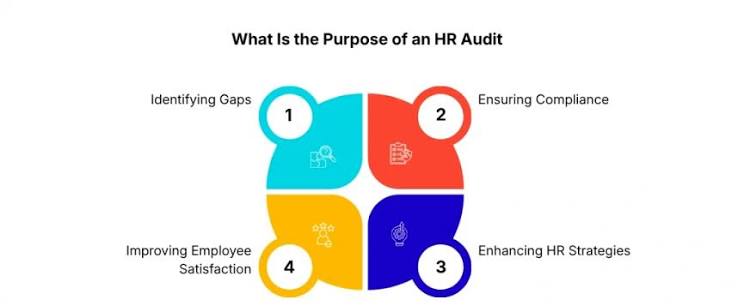
#PayrollOutsourcing #PayrollManagement #PayrollCompliance #HRCompliance #PayrollProcessing #StatutoryCompliance #HRIndia #BusinessGrowth #HRManagement #PayrollServices #KeralaBusiness #KochiBusiness #LevelUpHRSolutions

25Sep

Relieving Letter, Experience Letter and Settlement Documents: Understanding the Difference

By Afla KC , Digital Marketing Executive

Introduction

When an employee leaves an organisation, HR’s responsibility does not end with accepting the resignation.

The exit process involves several important steps, including notice-period management, handover, access removal, payroll closure, statutory updates, and the preparation of employment-related documents.

Among the most commonly discussed documents are the Relieving Letter, Experience Letter, and Full and Final Settlement documents.

Although these documents are often mentioned together, they serve different purposes.

A relieving letter confirms that an employee has been formally released from their responsibilities. An experience letter records the employee’s work experience with the organisation. Settlement documents, on the other hand, deal primarily with the financial and administrative closure of the employment relationship.

Understanding the difference is important for both HR teams and employees. It helps organisations maintain a professional exit process and ensures that employees receive the documentation they may need for future employment, background verification, financial records, or other purposes.

In this guide, we will explain what each document means, when it is issued, what information it generally contains, and how HR teams can manage the employee exit process more effectively.


What Is a Relieving Letter?

A Relieving Letter i

s a document issued by an employer confirming that an employee has been formally relieved from their duties.

It generally indicates that the employee has completed the required exit formalities and that their employment with the organisation has ended.

A relieving letter may contai

n:

  • Employee name

  • Designation

  • Employee ID

  • Date of joining

  • Last working day

  • Confirmation of being relieved

  • Reference to resignation, where appropriate

  • Company details

  • Authorised signatory

The document primarily focuses on the employee’s release from employment.


Why Is a Relieving Letter Important?

A relieving letter can be useful when an employee joins another organisation.

A new employer may request it as part of their employment verification process.

It can help confirm t

hat:

  • The employee worked for the previous organisation

  • The employee has formally left

  • The previous employment relationship has ended

However, the exact docu

mentation requirements can vary between employers.

A relieving letter should therefore not be confused with a document that describes the employee’s complete work experience.


What Is an Experience Letter?

An Experience Letter is a document that confirms an employee’s work experience with an organisation.

It generally focuses on the employee’s employment history and may mention:

  • Employee name

  • Designation

  • Department

  • Date of joining

  • Last working date

  • Duration of employment

  • Nature of role or responsibilities

  • Overall employment confirmation

An experience letter is particularly useful when an employee applies for another job and needs to demonstrate previous professional experience.


Relieving Letter vs Experience Letter

The easiest way to understand the difference is:

Relieving Letter = Confirms the employee has been formally released.

Experience Letter = Confirms the employee’s work experience with the organisation.

Although some organisations combine both into a single document, they are conceptually different.

For example, an experience letter may explain that an employee worked as a Marketing Executive from a particular date to another date.

A relieving letter may state that the employee was formally relieved from their duties on their last working day after completing the required exit process.


What Are Settlement Documents?

Settlement documents relate to the financial and administrative closure of an employee’s employment.

The most commonly used term is Full and Final Settlement (FnF).

When an employee leaves, the organisation needs to calculate the amounts payable to and recoverable from the employee.

Depending on the employee’s circumstances and company policies, the settlement may include:

  • Salary payable

  • Leave encashment, where applicable

  • Incentives

  • Bonus, where applicable

  • Reimbursements

  • Deductions

  • Notice-period recovery, where applicable

  • Advances

  • Other recoveries

  • Statutory deductions

The exact components depend on the employment contract, company policies, applicable laws, and the employee’s circumstances.


What Is Full and Final Settlement?

Full and Final Settlement is the process of closing the employee’s financial account with the organisation after the employment relationship ends.

The payroll team generally reviews:

Earnings

  • Salary for the final period

  • Eligible incentives

  • Leave encashment

  • Reimbursements

  • Other applicable payments

Deductions

  • Notice-period recovery, where applicable

  • Salary advances

  • Loans

  • Asset recovery

  • Statutory deductions

  • Other authorised deductions

The final amount is then calculated and processed according to the applicable company procedure and legal requirements.


Why Is Full and Final Settlement Important?

A properly managed settlement helps both the employer and employee close the employment relationship clearly.

For employees, it provides clarity about:

  • Amount payable

  • Deductions

  • Leave balance

  • Pending reimbursements

  • Other financial components

For employers, it creates a documented record of the financial closure of employment.

A clear settlement process can also reduce misunderstandings and disputes after an employee leaves.


Are Relieving and Experience Letters the Same as Full and Final Settlement?

No.

These documents serve different purposes.

DocumentPrimary PurposeRelieving LetterConfirms formal release from employmentExperience LetterConfirms employment experience and tenureFull & Final SettlementCloses financial dues and recoveriesSalary/Tax DocumentsProvide payroll or tax-related information

They may be issued around the same time, but they are not interchangeable.


What Information Should an HR Exit File Contain?

A well-maintained employee exit file may include:

  • Resignation letter

  • Resignation acceptance

  • Notice-period details

  • Handover confirmation

  • Last working day confirmation

  • Exit interview records

  • Asset-return confirmation

  • Access clearance

  • Relieving letter

  • Experience letter

  • Full and Final Settlement statement

  • Salary records

  • Applicable statutory records

  • Other relevant exit documentation

The exact documents will depend on the organisation’s policies and applicable legal requirements.


The Employee Exit Process

A structured exit process can make documentation easier.

Step 1: Receive Resignation

HR formally records the employee’s resignation.

Step 2: Confirm Notice Period

The applicable notice period is reviewed based on the employment contract and company policy.

Step 3: Plan Handover

The employee completes the required knowledge and responsibility transfer.

Step 4: Complete Clearance

HR and relevant departments confirm the return of company assets and completion of required formalities.

Step 5: Confirm Last Working Day

The organisation records the employee’s official final working date.

Step 6: Process Payroll

The payroll team calculates salary and other payable or recoverable amounts.

Step 7: Complete Full and Final Settlement

The final settlement is prepared and processed.

Step 8: Issue Employment Documents

The organisation issues applicable relieving, experience, and other documents according to its process.


What Should a Relieving Letter Include?

A professional relieving letter should generally be concise.

It may include:

Employee name

Designation

Employee ID

Date of joining

Last working date

Confirmation of relief

Authorised signatory

The document does not normally need to contain a detailed description of the employee’s responsibilities.

That information is generally more appropriate for an experience or employment certificate.


What Should an Experience Letter Include?

An experience letter may provide slightly more detail.

It can mention:

  • Employee’s full name

  • Position held

  • Department

  • Employment period

  • Key responsibilities, where appropriate

  • General statement regarding employment

  • Date of issue

  • Company details

  • Authorised signatory

Some organisations issue a simple experience certificate, while others provide a more detailed employment certificate.


What Should a Full and Final Statement Include?

A settlement statement should clearly show the relevant financial components.

It may include:

Earnings

  • Salary

  • Leave encashment

  • Incentives

  • Bonus

  • Reimbursements

Deductions

  • Statutory deductions

  • Notice-period recovery

  • Advances

  • Loans

  • Other authorised recoveries

Final Amount

The statement should clearly show the net amount payable or recoverable after applicable calculations.

Employees should be able to understand how the final amount was calculated.


When Should These Documents Be Issued?

There is no single universal timeline that applies identically to every organisation and situation.

The timing may depend on:

  • Company policy

  • Employment contract

  • Applicable labour laws

  • Completion of clearance

  • Payroll processing

  • Full-and-final settlement

  • Statutory requirements

HR teams should establish a clear internal process and communicate expected timelines to employees.

Avoid leaving employees uncertain about when they will receive their exit documentation.


Common HR Mistakes During Employee Exit

1. Treating All Documents as the Same

Relieving letters, experience letters, and settlement statements serve different purposes.

2. Incomplete Exit Records

Missing resignation acceptance, clearance, or settlement documentation can create future complications.

3. Delayed Communication

Employees should understand the exit process and expected timelines.

4. Incorrect Final Payroll

Salary, leave, incentives, recoveries, and deductions should be reviewed carefully.

5. Poor Documentation

Important exit records should be stored securely and systematically.

6. Inconsistent Processes

Different employees should not receive completely different exit treatment without a valid reason.


Common Employee Questions

Can an Experience Letter Replace a Relieving Letter?

Not necessarily.

An experience letter confirms employment experience, while a relieving letter generally confirms formal release from employment.

Some organisations may combine the two into a single document, but employees should check what documentation their next employer requires.

Is a Full and Final Settlement the Same as a Relieving Letter?

No.

Full and Final Settlement deals with financial closure. A relieving letter deals with the employee’s formal release from employment.

Can an Employee Request These Documents?

Employees can request relevant employment documents from their employer, subject to the organisation’s processes and applicable requirements.

Does Every Company Use Separate Documents?

No.

Some organisations issue separate relieving and experience letters, while others provide a combined employment or relieving-and-experience letter.


How HRMS Can Simplify Employee Exit Management

Employee exits involve multiple departments and several documents.

An HRMS can help organisations manage:

  • Resignation records

  • Notice periods

  • Exit approvals

  • Clearance

  • Asset tracking

  • Leave balances

  • Payroll calculations

  • Full-and-final settlement

  • Document generation

  • Employee records

A structured digital workflow reduces manual follow-ups and makes it easier for HR teams to track the status of each employee’s exit.


Employee Exit Checklist for HR Teams

Before closing an employee’s file, HR teams can check:

✓ Resignation received

✓ Resignation accepted

✓ Notice period confirmed

✓ Handover completed

✓ Company assets returned

✓ Access removed

✓ Leave balance verified

✓ Final salary calculated

✓ Statutory deductions reviewed

✓ Full and Final Settlement completed

✓ Relieving Letter prepared

✓ Experience Letter prepared

✓ Other applicable documents issued

✓ Exit records securely maintained

This checklist can help create a consistent employee exit process.


Why a Professional Exit Process Matters

An employee’s final experience with a company can influence how they remember the organisation.

A well-managed exit demonstrates professionalism.

Even when an employee is leaving for another opportunity, the organisation can maintain a positive relationship through:

  • Clear communication

  • Timely documentation

  • Accurate settlement

  • Respectful exit discussions

  • Proper handover

  • Professional closure

Former employees can also become future clients, business partners, referrals, or even potential rehires.

Therefore, employee offboarding should be treated as an important part of the overall employee experience.


Conclusion

Relieving Letters, Experience Letters, and Full and Final Settlement documents are all important parts of employee offboarding, but they serve different purposes.

A Relieving Letter primarily confirms that an employee has been formally released from their employment.

An Experience Letter records the employee’s professional experience and period of employment.

Full and Final Settlement documents deal with the financial closure of the employment relationship, including applicable earnings, deductions, recoveries, and other settlement components.

For HR teams, understanding these differences helps create a more structured and transparent exit process. It also reduces confusion for employees who may need these documents when joining a new organisation.

The best approach is to establish a standard exit checklist, clearly assign responsibilities, maintain accurate payroll records, and communicate timelines to employees. Using HRMS and payroll systems can further simplify document management and reduce manual errors.

Employee exits are a normal part of business operations. What matters is how professionally the organisation manages them.

A smooth exit process protects the company’s records, provides employees with appropriate documentation, and ensures that the employment relationship ends with clarity and professionalism.

A good employee journey should include a good beginning—and a professional ending.

24Sep

Employee Document Collection Checklist: What HR Should Verify Before Onboarding

By Nandana G.S , Digital Marketing Executive

Employee onboarding is more than introducing a new employee to the organization. It is also the stage where HR needs to establish accurate employee records, verify essential information, and complete the documentation required for payroll and compliance.

A well-structured document collection process can reduce data errors, prevent payroll issues, and make future HR audits much easier.

1. Personal Information

HR should collect and verify the basic information required to create the employee’s official record.

This may include:

  • Full name

  • Date of birth

  • Contact details

  • Current and permanent address

  • Emergency contact details

  • Other information required under the organization’s onboarding process

HR should ensure that important details are consistent across the documents provided.

2. Identity and Address Verification

Where required and appropriate, HR may collect documents for identity and address verification.

The organization should:

✔️ Collect only documents that are necessary ✔️ Verify information against the relevant records ✔️ Maintain documents securely ✔️ Restrict access to authorized personnel ✔️ Follow applicable privacy and data-protection requirements

HR should avoid collecting unnecessary personal information simply because it is part of an old checklist.

3. Educational and Professional Documents

For roles where qualifications are relevant, HR may verify:

  • Educational certificates

  • Professional certifications

  • Previous employment-related qualifications

  • Professional licenses, where applicable

The level of verification should depend on the role and the organization’s recruitment process.

4. Previous Employment Details

Where applicable, HR should document previous employment information such as:

✔️ Previous employer details ✔️ Designation ✔️ Employment period ✔️ Relevant experience ✔️ Relieving or experience documentation, where required ✔️ Previous employment information needed for payroll/tax purposes

These records can also help HR identify information required for salary and statutory processing.

5. Bank and Payroll Information

Accurate payroll information is essential before the first salary cycle.

HR/payroll should verify the information needed for salary processing, such as:

  • Bank account details

  • Account holder name

  • Required payroll declarations

  • Salary structure and approved compensation details

Incorrect bank or payroll information can result in payment delays and reconciliation issues.

6. PF and UAN Details

For employees covered under applicable EPF requirements, HR should check whether the employee already has a UAN and ensure relevant information is correctly recorded.

HR should:

✔️ Check for an existing UAN ✔️ Avoid unnecessary duplicate UAN creation ✔️ Verify relevant employee details ✔️ Ensure appropriate PF records are linked to the employment ✔️ Coordinate with payroll for accurate contribution processing

7. ESI and Other Statutory Information

Depending on applicability, HR may need to collect or verify information required for ESI, Professional Tax, Labour Welfare Fund, TDS, and other statutory processes.

The exact requirements can vary depending on the employee, establishment, location, salary, and applicable legislation.

Therefore, HR should maintain a state- and organization-specific onboarding checklist rather than using the same checklist for every business.

8. Employment Documentation

Before the employee officially starts, HR should ensure that key employment documents are completed.

These may include:

  • Offer letter

  • Appointment letter

  • Employment agreement, where applicable

  • Job description

  • Compensation details

  • Confidentiality or other agreements, where relevant

  • Employee handbook or policy acknowledgement

The employee should understand the key terms and conditions applicable to the employment.

9. Policy Acknowledgements

Employees should be informed about important workplace policies applicable to them.

Depending on the organization, this may include:

✔️ Code of conduct ✔️ Leave and attendance policy ✔️ POSH policy ✔️ Information security policy ✔️ Work-from-home policy ✔️ Disciplinary policy ✔️ Other company policies

HR should maintain evidence that relevant policies were communicated and acknowledged.

10. Emergency and Contact Information

Emergency contact information should be collected where necessary for workplace administration and employee safety.

HR should ensure that:

  • Contact details are accurate

  • Information is updated when necessary

  • Access is limited to appropriate personnel

11. Background Verification

If the organization conducts background verification, HR should ensure the process is handled consistently and in accordance with applicable requirements.

Depending on the role, verification may cover areas such as:

  • Employment history

  • Educational qualifications

  • References

  • Other role-specific checks

Any required consent and supporting documentation should be maintained appropriately.

12. Create a Standard Onboarding Checklist

Instead of collecting documents randomly, HR can create a standardized onboarding workflow:

Offer → Document Collection → Verification → Employment Documentation → Statutory Setup → Payroll Setup → Policy Acknowledgement → HRMS Entry → Onboarding Completion

Each stage should have a responsible person and a clear completion status.

Common Employee Document Collection Mistakes

HR teams often face problems when they:

❌ Collect documents without verifying them ❌ Request unnecessary personal information ❌ Create duplicate PF/UAN records ❌ Enter inconsistent employee data into HRMS and payroll ❌ Forget policy acknowledgements ❌ Keep incomplete onboarding files ❌ Store employee documents without proper access controls ❌ Fail to update records when employee information changes

Employee Onboarding Document Checklist

A practical checklist can cover:

CategoryWhat HR Should CheckPersonal DetailsName, DOB, contact and addressIdentityRequired identity verificationEducationRelevant qualificationsEmploymentPrevious employment informationPayrollBank and compensation detailsPFUAN/PF information, where applicableStatutoryESI, PT, TDS and other applicable detailsEmploymentOffer/appointment documentationPoliciesRequired policy acknowledgementsVerificationBackground checks, where applicableHRMSAccurate employee master data

How Level Up HR Solutions Can Help

At Level Up HR Solutions, we help businesses create more structured HR systems through HR documentation, employee record management, payroll compliance, statutory compliance, HR audits, and policy support.

A standardized onboarding documentation process helps businesses maintain accurate employee records from Day One and reduces avoidable HR and payroll errors.

Final Thoughts

Employee document collection should not be treated as a routine paperwork exercise. It is an important part of building a reliable employee record and compliance framework.

By collecting only necessary information, verifying it properly, maintaining documents securely, and connecting onboarding with payroll and statutory processes, HR teams can create a smoother and more organized employee experience.

The goal is simple: collect what is necessary, verify what matters, protect employee information, and maintain accurate records.

Level Up HR Solutions 📞 +91 8714805999 📧 info@leveluphrs.com 🌐 www.leveluphrs.com

#EmployeeOnboarding #HRDocumentation #EmployeeRecords #HRCompliance #OnboardingChecklist #PayrollCompliance #HRManagement #StatutoryCompliance #HRIndia #EmployeeOnboardingProcess #KeralaBusiness #KochiBusiness #LevelUpHRSolutions

23Sep

How Long Should Employers Keep Employee and HR Records?

by Naziha , Digital Marketing Executive

Employee records are an essential part of running a business. From the moment a candidate joins the organization until long after they leave, employers collect and manage a significant amount of information.

This may include employment contracts, payroll records, attendance details, tax documents, performance records, statutory compliance information, and exit documents.

However, an important question often creates confusion for employers and HR teams:

How long should employee and HR records actually be kept?

Keeping records for too short a period can create problems during an audit, inspection, tax assessment, employee dispute, or statutory inquiry. On the other hand, keeping personal information indefinitely can create unnecessary data management and privacy risks.

The right approach is to establish a structured HR records retention policy based on applicable labour laws, tax requirements, social security regulations, and legitimate business needs.

This guide explains the importance of HR record retention, the types of documents employers should maintain, and the key factors to consider when deciding how long records should be retained.


Why Is HR Record Retention Important?

Good record retention is not simply an administrative practice.

Employee and HR records can help organizations demonstrate compliance and protect themselves when questions arise.

Proper record retention can support businesses during:

  • Labour inspections

  • Statutory audits

  • Tax assessments

  • Employee disputes

  • Legal proceedings

  • PF and ESI reviews

  • Internal compliance audits

For example, if an employee disputes a salary payment made several years earlier, accurate payroll and attendance records can help the employer verify what actually happened.

Without proper records, even a correctly managed process may become difficult to prove.


What Types of Employee and HR Records Should Employers Keep?

HR records are created throughout the employee lifecycle.

A useful way to organize them is from hiring to exit.


1. Recruitment and Pre-Employment Records

Before an employee joins, employers may collect documents relating to the recruitment process.

These may include:

  • Job applications

  • Resumes or CVs

  • Interview records

  • Background verification documents

  • Reference check information

  • Employment eligibility documents

  • Educational qualification records

Not every document needs to be retained forever.

Employers should determine which records are required for compliance, potential disputes, or legitimate business purposes.

Candidate information should also be handled carefully, especially when a candidate is not ultimately hired.


2. Employment and Joining Documents

Once an employee joins, organizations generally create important employment records.

These may include:

  • Offer letter

  • Appointment letter

  • Employment agreement

  • Employee information form

  • Identity documents

  • Address details

  • Policy acknowledgements

  • Bank details

  • Emergency contact information

These documents help establish the employment relationship and should be securely maintained.


3. Payroll and Salary Records

Payroll records are among the most important documents employers need to retain.

They may include:

  • Salary registers

  • Payslips

  • Wage calculations

  • Attendance records

  • Overtime records

  • Bonus and incentive records

  • Salary revision documents

  • Payment records

Payroll documentation may be required for labour law compliance, tax purposes, statutory audits, and employee claims.


4. PF and ESI Records

Organizations covered by applicable social security requirements may need to maintain records relating to:

  • Employee registration

  • PF contributions

  • ESI contributions

  • Wage information

  • Monthly returns and filings

  • Contribution payment records

These records can become important during inspections, assessments, or compliance reviews.

HR and payroll teams should ensure that digital records are organized and easily retrievable.


5. Tax and TDS Records

Employers should also maintain records relating to employee tax processing.

These may include:

  • Employee tax declarations

  • Investment declarations

  • TDS calculations

  • Salary and income details

  • Form 16 information

  • Supporting tax-related records

The applicable tax laws may prescribe specific retention periods, so employers should avoid destroying these records simply because an employee has left the organization.


6. Attendance and Leave Records

Attendance records can be important for:

  • Payroll calculations

  • Leave management

  • Overtime verification

  • Employee disputes

  • Labour inspections

Records may include:

  • Daily attendance

  • Leave applications

  • Leave approvals

  • Absence records

  • Shift schedules

  • Work-from-home approvals, where applicable

These records should be retained according to the applicable requirements and organizational policy.


7. Performance and Training Records

HR departments may also maintain:

  • Performance reviews

  • Appraisal records

  • Training records

  • Development plans

  • Promotion documentation

  • Skill certifications

These documents can support employee development and help organizations maintain a history of employment-related decisions.

However, performance-related information should be handled confidentially.


8. Disciplinary and Grievance Records

Organizations should maintain appropriate records relating to:

  • Employee complaints

  • Grievances

  • Workplace investigations

  • Warning letters

  • Disciplinary action

  • Corrective measures

These records can be important if a workplace dispute develops later.

Access should be restricted because these documents often contain sensitive personal information.


9. Employee Exit Records

When an employee leaves the organization, HR should not simply delete their information immediately.

Important exit records may include:

  • Resignation letter

  • Resignation acceptance

  • Notice period records

  • Full and final settlement

  • Asset return documents

  • Exit interview records

  • Relieving letter

  • Experience certificate

  • System access revocation confirmation

These records can help resolve future questions relating to the employee’s employment and separation.


So, How Long Should HR Records Be Kept?

There is no single retention period that applies to every HR document.

The correct period depends on:

  • Applicable labour laws

  • Tax regulations

  • Social security requirements

  • Industry regulations

  • Contractual obligations

  • Limitation periods for potential claims

  • The organization’s legitimate business needs

For this reason, organizations should avoid using a single rule such as:

“Keep every employee document for five years.”

Different documents may be governed by different requirements.


A Practical HR Records Retention Framework

Instead of applying one retention period to everything, employers can create categories.

Recruitment Records

Keep for the period required to address recruitment-related legal or business requirements.


Employment Records

Retain throughout employment and for an appropriate period after separation.


Payroll Records

Retain according to applicable wage, tax, and accounting requirements.


Statutory Records

Follow the specific retention period required under the relevant law.


Tax Records

Follow applicable income tax and financial record retention requirements.


Employee Dispute Records

Retain until relevant disputes, investigations, or legal proceedings are resolved and any required retention period has passed.

This structured approach is more effective than applying one general timeline to all records.


Why Keeping Everything Forever Is Not the Best Solution

Some employers believe the safest option is to keep every document permanently.

However, indefinite retention can create risks.

The more personal information an organization stores, the greater the potential impact of:

  • Data breaches

  • Unauthorized access

  • Information misuse

  • Storage costs

  • Outdated information

A good retention policy should balance compliance requirements with data minimization and security.

Once a document is no longer required, organizations should consider secure deletion or destruction according to their retention policy and applicable requirements.


How to Create an HR Records Retention Policy

Every organization should have a clear HR records retention policy.

The policy should identify:

1. What documents are collected

Create categories for employee and HR records.


2. Why they are collected

Identify the legal, operational, or legitimate business purpose.


3. How long they should be retained

Specify the retention period based on applicable requirements.


4. Who can access them

Restrict access to authorized personnel.


5. Where documents are stored

Maintain a secure and organized storage system.


6. How documents are destroyed

Define a secure deletion or destruction process.


Digital Records Need a Retention Policy Too

Many organizations have moved from physical files to digital HR systems.

However, digitization does not remove retention responsibilities.

Employers should ensure that digital records are:

  • Properly organized

  • Securely stored

  • Protected from unauthorized access

  • Backed up appropriately

  • Easy to retrieve

  • Deleted securely when no longer required

A document stored in an employee’s personal email inbox is not an effective HR record management system.

Centralized HR platforms can help improve organization and access control.


Common HR Record Retention Mistakes

1. Having No Written Retention Policy

Without a policy, employees may store or delete documents inconsistently.


2. Applying the Same Retention Period to Every Record

Different documents may be subject to different requirements.


3. Deleting Records Immediately After an Employee Leaves

Former employees may still raise questions or claims after separation.


4. Keeping Sensitive Data Without a Purpose

Unnecessary data creates additional privacy and security risks.


5. Storing Records Across Multiple Unsecured Locations

Documents should not be scattered across personal computers, emails, messaging apps, and unprotected folders.


6. Forgetting About Digital Backups

Deleting a file from one system does not necessarily remove copies stored in backups.

Organizations should consider backup retention procedures as part of their overall policy.


A Simple HR Records Retention Checklist

Before deleting any employee or HR document, ask:

✔ Is there a legal requirement to retain this document?

✔ Is the document required for tax or statutory compliance?

✔ Could the document be relevant to an ongoing dispute or investigation?

✔ Has the applicable retention period expired?

✔ Is there a legitimate business reason to keep it?

✔ Does the document contain sensitive personal information?

✔ Is the document being securely deleted or destroyed?

This simple checklist can prevent accidental destruction of important records.


How HR Technology Can Help

Modern HR and document management systems can make record retention easier.

These systems may help organizations:

  • Centralize employee files

  • Control access permissions

  • Track document history

  • Set retention reminders

  • Maintain audit trails

  • Identify documents due for deletion

  • Reduce dependence on physical paperwork

However, technology should support a well-designed retention policy.

The organization must first determine what to retain, why to retain it, and for how long.


Final Thoughts

Employee and HR record retention is an important part of compliance, risk management, and good HR governance.

There is no universal answer to the question of how long every document should be kept. The appropriate retention period depends on the type of record and the laws and regulations applicable to the organization.

The best approach is to create a structured retention policy covering the entire employee lifecycle—from recruitment and hiring to employment, payroll, statutory compliance, and exit.

A strong HR records retention process helps organizations:

  • Stay prepared for audits and inspections

  • Support accurate payroll and statutory compliance

  • Manage employee disputes

  • Protect sensitive information

  • Reduce unnecessary data storage

In 2026, effective HR record management is not simply about keeping documents for as long as possible.

It is about keeping the right records, for the right reasons, for the right amount of time—and protecting them throughout their lifecycle.