
14May

Essential HR Documents Every Company Must Have


 Level Up HR Solutions

By Afla KC, Digital Marketing Executive

In today’s evolving business landscape, HR documentation is no longer optional—it is considered a legal and operational necessity. Without proper documentation, organisations may be exposed to compliance risks, employee disputes, and operational inefficiencies.

Therefore, it is essential for every company, regardless of size, to maintain a strong HR documentation framework. In this article, the most important HR documents are outlined along with their business impact and legal importance.

Why HR Documentation Matters

To begin with, HR documents are maintained to ensure compliance, consistency, and transparency within an organisation. Moreover, both employers and employees are protected from legal complications through proper documentation.

Additionally, when documentation is managed effectively:

  • Legal risks are reduced
  • Employee expectations are clarified
  • Internal processes are standardised

As a result, businesses can operate more efficiently and confidently.


1. Employment Contracts

First and foremost, employment contracts should be prepared for every employee. These documents are used to define:

  • Job roles and responsibilities
  • Salary structure and benefits
  • Terms and conditions of employment
  • Confidentiality clauses

Without a formal contract, misunderstandings may arise. Therefore, written agreements should always be maintained for all employees.


2. Employee Handbook

Next, an employee handbook should be developed and distributed. This document is regarded as the foundation of workplace culture and organisational policies.

Typically, it includes:

  • Company policies and code of conduct
  • Leave policies and working hours
  • Disciplinary procedures
  • Anti-harassment policies

Consequently, employees are provided with clear guidance regarding organisational expectations.


3. HR Policies and Procedures

In addition, detailed HR policies should be documented to ensure compliance with labour laws and workplace standards.

These policies generally cover:

  • Attendance and leave management
  • Payroll and compensation
  • Performance management
  • Grievance handling procedures

By implementing structured policies, consistency across departments can be ensured.


4. Payroll and Salary Records

Furthermore, accurate payroll records should be maintained for every employee. These documents are essential for financial tracking and statutory compliance.

They typically include:

  • Salary slips
  • Tax deductions (TDS)
  • Provident Fund (PF) contributions
  • Employee State Insurance (ESI) records

As a result, financial transparency is improved and compliance audits are simplified.


5. Employee Personal Files

Equally important, employee records should be securely maintained and regularly updated. These files usually contain:

  • ID proof and address details
  • Educational certificates
  • Offer letters and appraisal records
  • Emergency contact information

Proper documentation ensures that employee data remains organised and easily accessible when required.


6. Compliance and Statutory Documents

Moreover, statutory documents must be maintained in accordance with labour laws and government regulations.

These documents include:

  • Registration certificates
  • Labour law compliance records
  • Inspection reports
  • Licences and permits

Failure to maintain these documents may result in penalties. Hence, compliance records should be reviewed and updated regularly.


7. Performance and Appraisal Records

Additionally, employee performance records should be documented systematically.

These records help in:

  • Tracking employee growth
  • Supporting promotions and salary increments
  • Identifying training and development needs

Consequently, workforce planning and employee development can be managed more effectively.


8. Exit and Releasing Documents

Finally, exit documentation should be handled professionally and systematically. This process generally includes:

  • Resignation letters
  • Exit interview records
  • Full and final settlement documents
  • Experience and relieving letters

Proper exit documentation ensures that the employee lifecycle is completed smoothly and legally.


Common Mistakes to Avoid

However, despite understanding the importance of HR documentation, many businesses continue to make common mistakes such as:

  • Documents not being updated regularly
  • Lack of digital record management
  • Non-compliance with local labour laws
  • Improper documentation during employee exits

Therefore, these gaps should be addressed proactively to avoid operational and legal risks.


How Level Up HR Solutions Can Help

At Level Up HR Solutions, comprehensive HR documentation services are provided to help businesses remain compliance-ready, audit-ready, and operationally efficient.

Services include:

  • Complete HR documentation setup
  • Labour law compliance support
  • Payroll and employee record management
  • HR policy drafting and implementation

Conclusion

To conclude, HR documentation should not be viewed as mere paperwork—it is considered a strategic asset for business growth and legal protection. When the right documents are maintained properly, organisations become better equipped to manage risks, improve employee relations, and scale effectively.

Therefore, every company should review and strengthen its HR documentation system to ensure long-term business success.

13May

What’s REALLY Inside an Employee File?

By Nandana G S , Digital Marketing Executive , Levelup HR Solutions

Employee documentation is one of the most overlooked yet critical functions in any organisation. While businesses focus on hiring, payroll, and performance, the structure and completeness of employee files often receive minimal attention — until a compliance issue or dispute arises.

A well-maintained employee file is not just a record. It is a legal safeguard, a compliance requirement, and a foundation for effective HR management.

Why Employee Files Matter

Employee files are not administrative formalities. They serve three critical functions:

  • Legal protection — in case of disputes, terminations, or claims
  • Compliance readiness — for labour law inspections and audits
  • Operational clarity — for payroll, performance management, and internal decisions

If it is not documented, it is difficult to defend.

The Core Principle: Structure Over Storage

The problem is not that documents are missing. The problem is that they are unstructured.

A well-maintained employee file should be divided into clear sections, each serving a specific purpose.

1. Pre-Employment Documents

These are collected before or at the time of hiring.

Must include:

  • Resume / CV
  • Job application form (if applicable)
  • Interview evaluation records
  • Offer letter (signed copy)
  • Proof of identity (Aadhaar, PAN, Passport)
  • Address proof
  • Educational certificates
  • Previous employment documents (experience letters, relieving letters)

Why it matters: These documents validate the hiring decision and protect the company from misrepresentation or background-related disputes.

2. Employment Contract & Policy Acknowledgements

This is the legal foundation of employment.

Must include:

  • Appointment letter / employment contract
  • Job description (if separate)
  • Compensation structure (CTC breakup)
  • Signed policy acknowledgements (HR manual, code of conduct, IT policy, leave policy, etc.)
  • Non-disclosure agreement (NDA), if applicable

Why it matters: This section defines the terms of employment. Any ambiguity here becomes a dispute later.

3. Payroll & Statutory Records

This section is often incomplete in SMEs — and that creates compliance risk.

Must include:

  • PAN and bank account details
  • PF (UAN) details
  • ESI registration (if applicable)
  • Salary revision letters
  • Bonus / incentive documentation
  • Tax declarations and proofs
  • TDS computation summaries

Why it matters: Payroll is not just payment — it is a statutory process. Missing or inconsistent records can lead to penalties.

4. Attendance, Leave & Working Records

These records support payroll accuracy and compliance.

Must include:

  • Attendance records (biometric / digital logs)
  • Leave applications and approvals
  • Overtime records (if applicable)
  • Shift schedules (for applicable roles)

Why it matters: These documents support wage calculations and defend the organisation in case of wage or overtime disputes.

5. Performance & Appraisal Records

Performance documentation is critical — especially during promotions, increments, or terminations.

Must include:

  • KPI / KRA definitions
  • Performance reviews and appraisal forms
  • Increment letters
  • Promotion or role change letters
  • Performance improvement plans (PIP), if any

Why it matters: Decisions related to growth or termination must be backed by documented performance — not verbal assessments.

6. Disciplinary & Compliance Records

Most companies either avoid documenting this — or do it inconsistently.

Must include:

  • Warning letters
  • Show-cause notices
  • Investigation reports (if applicable)
  • Employee responses
  • Final disciplinary actions

Why it matters: Without proper documentation, disciplinary actions become legally weak and difficult to defend.

7. Asset & IT Access Records

This is often ignored — until assets go missing.

Must include:

  • Asset allocation records (laptop, phone, ID card, etc.)
  • IT access credentials (system access logs, where applicable)
  • Asset return acknowledgements

Why it matters: Protects company property and ensures accountability during exit.

8. Exit & Full-and-Final Settlement Records

The employee file is not complete until the exit is documented.

Must include:

  • Resignation letter or termination letter
  • Exit interview records
  • Notice period documentation
  • Full-and-final settlement details
  • Relieving letter
  • Experience certificate

Why it matters: Improper exit documentation is one of the most common causes of post-employment disputes.

Common Mistakes SMEs Make

1. Missing documents Offer letters unsigned, policies not acknowledged, or incomplete KYC documents.

2. No updates Salary revisions, promotions, and role changes not documented properly.

3. Scattered storage Documents across emails, WhatsApp, physical files, and desktops.

4. No version control Multiple versions of the same document with no clarity on which is final.

5. Ignoring exit documentation Files closed without proper settlement or documentation.

Manual vs Digital Employee Files

Manual files can work for very small teams. But they come with limitations:

  • Difficult to access
  • Prone to loss or damage
  • No audit trail
  • Hard to scale

Digital employee files provide:

  • Centralised access
  • Better security
  • Easy retrieval
  • Audit readiness
  • Scalability

The key is not just digitisation — but structured digitisation.

Best Practices for Maintaining Employee Files
  • Standardise file structure across all employees
  • Use checklists to ensure completeness
  • Keep documents updated in real-time
  • Maintain confidentiality and access control
  • Digitise with proper folder hierarchy and naming conventions
  • Conduct periodic audits of employee file

Closing Thought

An employee file is not just paperwork.

It is the documented story of the employment relationship — every decision, every change, every obligation.

Well-maintained employee files reduce risk, improve clarity, and strengthen compliance.

Poorly maintained files do the opposite — silently, until it is too late.

The difference is not in how many documents you have. It is in how well they are structured, maintained, and managed.

At Level UP HR Solutions, we help businesses build complete, compliant, and audit-ready employee documentation systems — both manual and digital.

12May

Is Your Company Ready for a Labour Inspection in 2026?

By, Rose Maria Francis

Digital Marketing Executive,

Level Up HR Solutions

Most businesses do not fail labour inspections because they intentionally break the law. They fail because they are unprepared.

A missing register. An outdated policy. An incorrect wage calculation.

Small gaps  with large consequences.

With increasing digitisation and stricter enforcement, labour inspections in 2026 are not just procedural — they are precise, data-driven, and documentation-focused.

This article outlines what inspectors typically look for, where SMEs go wrong, and how to ensure your business is fully prepared.

What Has Changed in Labour Inspections

Labour inspections today are no longer random, paper-based checks.

They are:

  • Data-driven — triggered by filings, complaints, or inconsistencies
  • Digitally supported — cross-verification with PF, ESI, and payroll records
  • Documentation-heavy — emphasis on records, not explanations

The expectation is simple: If it is not documented, it does not exist.

What Inspectors Typically Check

While requirements vary by establishment, most inspections focus on three areas:

1. Employee Documentation
  • Appointment letters issued and signed
  • Employee identity and KYC records
  • Attendance and leave records
  • Wage structure and salary breakup

Risk area: Missing or unsigned documents.

2. Payroll & Statutory Compliance
  • Salary payments aligned with minimum wage laws
  • PF and ESI registration and contributions
  • TDS deductions and filings
  • Bonus calculations and payments

Risk area: Incorrect calculations or delayed filings.

3. Registers & Records
  • Statutory registers (wages, attendance, overtime, etc.)
  • Leave records and holiday lists
  • Inspection registers
  • Digital or physical record maintenance

Risk area: Incomplete or outdated registers.

4. Policies & Workplace Compliance
  • Leave policy
  • Code of conduct
  • POSH compliance (Internal Committee, policy, records)
  • Working hours and overtime compliance

Risk area: Policies exist but are not implemented or documented.

Common Mistakes SMEs Make

1. “We’ll fix it if inspection happens” mindset Compliance cannot be created overnight.

2. Partial documentation Some employees fully documented, others not.

3. Payroll errors Incorrect PF, ESI, or bonus calculations.

4. No audit trail No record of updates, approvals, or changes.

5. Ignoring digital compliance Mismatch between filed data and internal records.

Manual vs Digital Readiness

Many SMEs still rely on:

  • Excel payroll
  • Physical registers
  • Scattered employee files

This creates risk during inspections.

Digitally structured systems provide:

  • Instant access to records
  • Accurate calculations
  • Audit-ready documentation
  • Consistency across all employees

The goal is not just digitisation — but organised, verifiable data.

A Practical Labour Inspection Checklist

If your company is inspection-ready, you should be able to confidently answer “yes” to all of the following:

  • Are all employee files complete and updated?
  • Are appointment letters issued and signed?
  • Are payroll records accurate and consistent with filings?
  • Are PF, ESI, and TDS properly calculated and filed?
  • Are statutory registers maintained and updated?
  • Are policies documented and acknowledged by employees?
  • Is your data consistent across systems and filings?

If the answer to any of these is “no” — there is a gap.

How to Prepare — The Right Approach

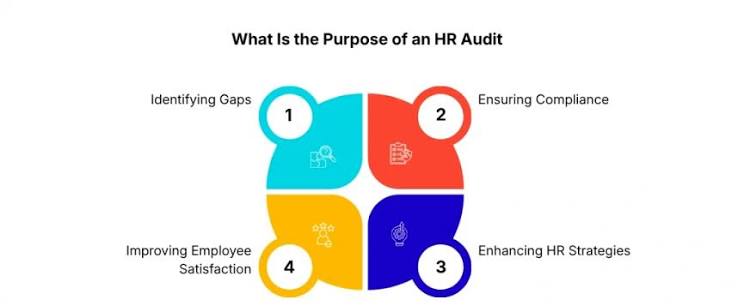
1. Conduct an internal HR audit Identify gaps before an inspector does.

2. Standardise documentation Ensure consistency across all employees.

3. Digitise with structure Centralised, accessible, and secure records.

4. Align payroll with compliance No manual approximations — only accurate calculations.

5. Train your HR/admin team Awareness is as important as documentation.

6. Review regularly Compliance is ongoing, not one-time.

The Cost of Being Unprepared

Labour inspections do not just result in penalties.

They can lead to:

  • Financial liabilities
  • Legal complications
  • Operational disruption
  • Reputation damage

In contrast, a well-prepared company handles inspections with confidence and clarity.

Closing Thought

Labour inspection readiness is not about fear. It is about discipline.

The businesses that pass inspections smoothly are not the ones scrambling at the last moment — they are the ones that treat compliance as a continuous process.

Because when everything is documented, updated, and aligned — inspection is no longer a risk. It is just a formality.

At Level UP HR Solutions, we help businesses audit, structure, and manage HR compliance systems to ensure they are always inspection-ready.

06May

2026 Labour Laws: Big Changes You Must Know

India’s new labour codes represent one of the most significant shifts in employment regulation in decades. While much of the discussion has focused on compliance and payroll restructuring, the deeper impact lies in how employee benefits are calculated, delivered, and experienced.

The changes go beyond legal reform. They redefine the balance between take-home salary and long-term financial security.

A Structural Shift in Compensation Philosophy

At the core of the new labour framework is a standardised definition of wages.

In most cases: Basic pay and dearness allowance must constitute at least 50% of total remuneration.

This single change has a cascading effect across all employee benefits because most statutory entitlements are calculated based on “wages.”

The result is a fundamental shift:

From flexible, allowance-heavy salaries To structured, benefit-linked compensation

1. Provident Fund: Higher Contributions, Stronger Retirement

Under the new wage definition, a larger portion of salary qualifies for provident fund calculations.

What changes:
  • Higher employee and employer PF contributions
  • Increased retirement corpus over time
  • Reduced flexibility to minimise PF through allowances

As the wage base increases, PF contributions rise proportionally.

Impact: Short-term take-home salary may reduce, but long-term financial security improves significantly.

2. Gratuity: Increased Value and Wider Coverage

Gratuity calculations are directly linked to wages. With higher basic pay:

  • Gratuity payouts increase
  • Long-term employees benefit more
  • Fixed-term employees may become eligible sooner (in some cases after one year)

Impact: Gratuity transitions from a distant benefit to a more meaningful financial component.

3. Take-Home Salary: Likely Reduction for Many Employees

One of the most immediate and visible changes will be in monthly income.

Because:

  • PF and gratuity contributions increase
  • Allowances are reduced or reclassified

Many employees may see lower in-hand salary despite unchanged CTC.

Impact: A shift from short-term liquidity to long-term savings.

4. Bonus and Overtime: Higher Calculation Base

Since bonuses and overtime are linked to wage definitions:

  • Bonus eligibility and calculations may increase
  • Overtime payments rise due to higher base wages

Impact: Employees benefit from more accurate and standardised compensation for extra work.

5. Social Security Expansion: Broader Employee Coverage

The new labour framework significantly expands social security coverage.

New inclusions:

  • Gig workers
  • Platform workers
  • Contract and fixed-term employees

Impact: More workers gain access to:

  • Insurance
  • Retirement benefits
  • Welfare schemes

This marks a shift toward a more inclusive labour ecosystem.

6. Health, Welfare, and Work Conditions

The Occupational Safety and Health Code introduces additional employee-focused benefits:

  • Mandatory health and safety standards
  • Annual health check-ups (in certain sectors)
  • Improved working conditions

Impact: Employee well-being becomes a compliance requirement, not just a policy choice.

7. Faster Settlements and Exit Benefits

Another practical improvement:

  • Full and final settlement timelines are reduced (in many cases to within 2 days)

Impact: Employees receive dues faster, improving trust and financial continuity.

8. Standardisation Across Benefits

One of the most important but less visible changes is standardisation.

Previously:

  • Different laws used different definitions of wages

Now:

  • A single definition applies across PF, gratuity, bonus, and other benefits

Impact:

  • Reduced ambiguity
  • Greater transparency
  • Easier enforcement
Who Gains and Who Feels the Pressure?
Beneficiaries
  • Long-term employees
  • Early-career professionals (higher retirement savings)
  • Gig and unorganised workers (new coverage)
Those Impacted
  • High earners (lower take-home pay initially)
  • Companies with allowance-heavy salary structures
  • Businesses unprepared for increased statutory costs (estimated 5–15% increase)
What This Means for Employers

For organisations, this is not just a compensation change—it is a systems and strategy shift.

Key actions include:

  • Redesigning salary structures
  • Recalculating benefit liabilities
  • Aligning HR documentation and payroll
  • Preparing for increased compliance scrutiny
Conclusion

The 2026 labour reforms redefine employee benefits in India.

They move the system toward:

  • Greater transparency
  • Stronger social security
  • Standardised compliance

But they also introduce trade-offs.

Lower take-home pay today In exchange for stronger financial security tomorrow

For businesses and employees alike, the question is no longer what is changing.

The 2026 labour law reforms are not just regulatory changes—they directly impact how employee benefits are structured, delivered, and governed.

Businesses that proactively realign their compensation and benefits policies will not only stay compliant but also build stronger employee trust and retention.

Getting these changes right requires a clear understanding of both the legal framework and your business model—that’s where structured HR expertise becomes critical.

The upcoming 2026 labour law changes will significantly impact how employee benefits are structured—from PF and ESIC contributions to gratuity, leave policies, and overall compensation design.

If your current policies are outdated or unclear, this is the right time to review and realign them.

If what we identify is something you’d like support with, we can help you implement the changes effectively. If you prefer to take the insights and execute internally, that’s entirely your choice.

05May

Update These HR Docs Before 2026 Hits

By, Rose Maria Francis

Digital Marketing Executive

Level Up HR Solutions

As India moves toward implementing its consolidated labour framework, much of the conversation has focused on payroll restructuring and cost implications. However, an equally criticala nd often overlooked area is HR documentation.

Under the new regime, compliance will not be assessed based on intent or internal understanding. It will be evaluated through documented evidence that is consistent, structured, and verifiable. For businesses, this represents a shift from informal or fragmented documentation practices to a system that must withstand regulatory scrutiny.

The Shift: From Documentation to Defensibility

The upcoming labour codes standardise definitions, expand coverage, and increase reliance on digital records. As a result, documentation is no longer a procedural requirement—it is a compliance asset.

In practical terms, this means:

  • Employment terms must align with statutory definitions
  • Payroll structures must match documented agreements
  • Records must be consistent across all compliance filings
  • Data must be traceable and readily accessible

Any inconsistency across these elements can trigger deeper inspection and potential liability.

Key HR Documents That Require Immediate Review

1. Appointment Letters

Appointment letters are often treated as basic onboarding documents. Under the new framework, they become legally significant.

They must clearly define:

  • Wage structure in line with statutory definitions
  • Employment classification (permanent, fixed-term, contractual)
  • Working hours and conditions
  • Leave entitlements
  • Termination and notice provisions

A mismatch between appointment terms and actual payroll practices can create immediate compliance exposure.

2. Employment Contracts

Generic or outdated employment contracts are no longer sufficient.

Contracts should be updated to reflect:

  • Role clarity and reporting structure
  • Compensation aligned with revised wage definitions
  • Statutory obligations and compliance clauses
  • Confidentiality, conduct, and dispute provisions

In the event of disputes or inspections, these contracts form the foundation of your legal and operational defence.

3. Salary Structure Documentation

The revised definition of wages introduces one of the most significant changes.

In most cases: Basic pay and dearness allowance must constitute at least 50% of total remuneration.

This requires:

  • Redesign of salary structures
  • Reclassification of allowances
  • Alignment of documentation with actual disbursements

Failure to reflect these changes accurately can lead to inconsistencies in provident fund, gratuity, and bonus calculations.

4. Wage Registers and Payroll Records

The emphasis on standardisation and traceability increases the importance of payroll documentation.

Businesses must ensure:

  • Accurate and up-to-date wage registers
  • Digitally maintained payroll records
  • Consistency across statutory filings (PF, ESI, tax)

Discrepancies between payroll data and statutory submissions are among the most common triggers for regulatory scrutiny.

5. Attendance and Working Hours Records

Informal tracking mechanisms will not meet compliance expectations under the new framework.

Required improvements include:

  • Reliable attendance systems
  • Proper recording of working hours and overtime
  • Documentation of shift patterns where applicable

These records must correlate directly with wage payments and statutory calculations.

6. Leave Policies and Records

Leave management must move from informal tracking to structured documentation.

This involves:

  • Clearly defined leave policies
  • Consistent application across employees
  • Proper maintenance of leave records

Inadequate documentation in this area can lead to disputes and compliance gaps.

7. Contractor and Vendor Documentation

Compliance exposure is no longer limited to direct employees.

Businesses must review:

  • Contractor agreements
  • Vendor compliance declarations
  • Payment and engagement records

Non-compliance within the vendor ecosystem can extend liability to the principal employer.

8. Digital Record Maintenance

A defining feature of the new labour framework is the shift toward digital compliance.

Organisations must ensure:

  • Secure and structured digital storage of records
  • Ease of retrieval during inspections
  • Consistency across systems and filings

Paper-based or fragmented systems increase the risk of incomplete or inconsistent data.

Common Risk Areas

Many organisations underestimate the risk not because of lack of awareness, but due to timing.

Typical assumptions include:

  • Documentation can be updated when required
  • Existing formats are largely sufficient
  • Minor adjustments will ensure compliance

In reality, by the time documentation is requested:

  • Inconsistencies are already visible
  • Historical gaps are harder to correct
  • Exposure has already increased
A Structured Approach to Preparation

Effective preparation requires a coordinated review across:

  • Documentation: Updating contracts, letters, and registers
  • Payroll: Aligning salary structures with statutory definitions
  • Compliance Records: Reconciling filings across PF, ESI, and tax
  • Processes: Strengthening attendance, leave, and employee lifecycle tracking
  • Vendors: Assessing third-party compliance

This is not a one-time exercise but a system-level alignment.

Conclusion

Under the 2026 labour framework, compliance will depend less on isolated filings and more on the consistency of your overall HR system.

Documentation will play a central role in that system—not as a formality, but as verifiable evidence of compliance.

Organisations that address these requirements proactively will not only reduce regulatory risk but also improve operational clarity and audit readiness.

Those that delay may find that the cost of correction—financial and operational—is significantly higher.

India’s labour law reforms aren’t just a legal shift—they’re a wake-up call for businesses to modernize their HR frameworks. If your HR documents haven’t been revisited recently, now is the time to act. Delays can lead to compliance risks, financial penalties, and operational disruptions.

Start with a simple audit. Update what matters. And ensure your policies reflect not just the law—but the future of work.

About Level UP HR Solutions Level UP HR Solutions supports organisations in aligning HR documentation, payroll structures, and compliance systems with evolving labour regulations.

29Apr

How to Handle Payroll During Employee Notice Periods — The Right Way


By Afla Kc – Digital Marketing Executive