02Jun

How to conduct a layoff with dignity

If you have been in management long enough, you know the statistics.

70% of employees who survive a layoff report a drop in morale and trust. But the damage isn’t just about productivity. It is about human dignity.

I have sat in that chair across the table. I have had to deliver the news that someone’s pay cheque is ending. It is awful. It is uncomfortable. But how you handle that thirty-minute conversation will define your reputation—and the company’s culture—for years.

Here is how to conduct a layoff with genuine dignity, not just corporate spin.

1. The “Why” must be bulletproof (and impersonal)

The worst layoffs feel arbitrary. Before you call the meeting, ensure you can answer one question without flinching: “Why me and not the person next to me?”

If the answer is “performance”, that is a firing, not a layoff. A layoff is a strategic elimination of a role.

  • Do: Blame the business strategy, the budget, or the market shift.
  • Don’t: Blame their performance. If you pivot to performance reviews in a layoff meeting, you are lying.
2. The Private Room & The “No Phone” Rule

Never do this over Slack, Zoom, or a Friday afternoon email.

Conduct the meeting in a private space where they can react without an audience. Ask for their phone before you speak (or ask them to put it away).

  • Why: No one wants to receive a “So sorry” text from a coworker while they are still processing the news. You control the narrative and the timing.
3. The 7-Minute Window

The brain stops processing information after about seven minutes of acute stress.

You have a very short window to land the most important facts. Do not ramble. Do not apologise for the weather. Say this:

Stop. Let the silence sit. Do not fill the void with “positive spin”.

4. Severance is the only language that matters

When someone is losing their livelihood, empathy is nice, but money is dignity.

They should not have to haggle or cry to get a fair deal. A dignified layoff includes the following:

  • A severance package that gives them breathing room (minimum 2-4 weeks per year served).
  • Outplacement services (resume help and coaching).
  • Continuation of benefits for a specific period.

If you cannot afford severance, be honest. But do not expect them to feel “valued” if you offer nothing.

5. The “What do I tell my team?” Script

The survivor’s guilt is real. When the laid-off employee walks out the door, they will wonder how you will talk about them.

Give them a joint script.

  • Wrong: “We had to let Sarah go to save costs.”
  • Right: “We eliminated Sarah’s role due to a strategic shift. She did excellent work here, and we are supporting her transition with a full severance package. I will personally write her a recommendation.”
6. The Recommendation Letter (Before they leave)

This is the gold standard of dignity.

Before their last day, ask them to send you a draft of a recommendation letter. Edit it and sign it. Give them a physical copy (or a PDF).

  • Why: Applying for a job while you are reeling from a layoff is terrifying. Taking the friction out of the “references” step is the greatest gift a leader can give.
What to avoid at all costs
  • The “Pizza Party” layoff: Do not lay people off on a Friday afternoon after a week of team building.
  • The Security Escort: Unless there is a threat of violence, walking them out like a criminal is cowardly. Let them gather their things privately.
  • Vague language: “Things just aren’t working out.” Be specific about the role, not the person.
The Bottom Line

A layoff is a surgical wound. It hurts, but it can heal cleanly.

Or it is blunt-force trauma. If you lie, ghost, or rush the process, that person will tell their story to every recruiter, every friend, and every future prospect. And they should.

Your brand is not your logo. It is how you treat people on their worst day.

Lead with honesty. Pay fairly. And walk them to the door with their head held high.

01Jun

Managing Gen Z: What They Actually Want

Level Up HR Solutions

By Afla KC, Digital Marketing Executive.

Let’s clear something up right now.

If you believe Gen Z employees are lazy, entitled, glued to their phones, or unwilling to “pay their dues”, you’ve been reading the wrong headlines.

Here’s what the data actually shows: Gen Z is the most pragmatic, financially anxious, and value-driven generation since the Silent Generation. They watched their millennial older siblings drown in student debt, burnout culture, and performative hustle. And they said, “No thanks.”

But here’s the kicker: when managed well, Gen Z is also incredibly loyal, brutally honest, and digitally brilliant. They will outwork anyone – provided they have a leader who respects their boundaries.

So what do they actually want? Let’s drop the stereotypes and get real.


The 5 Things Gen Z Actually Wants at Work

1. Radical Transparency (Even When It’s Uncomfortable)

Gen Z grew up with r

eview culture – Yelp, Reddit, and TikTok comment sections. They can smell a fake culture from three Zoom screens away.

What they want:

  • Salary ranges in every job description (no negotiation games).
  • Honest feedback about their performance, even if it’s negative.
  • Managers who admit when they don’t have an answer.

What doesn’t work: Vague corporate statements like “We value our people.” They want, “We have a 15% attrition problem, and here’s how we’re fixing it.”

2. Work-Life Integration (Not Separation)

Millennials fought for work-life balance – a clean line between a 9-to-5 and home. Gen Z knows that line no longer exists. They want integration: the freedom to go to a 3 PM dentist appointment and finish work at 8 PM without guilt.

What they want:

  • Output-based performance reviews (not face time).
  • Asynchronous communication – not every Slack message needs an instant reply.
  • Mental health days that don’t require a fake “stomach bug” excuse.

What doesn’t work: “unlimited PTO” that’s secretly discouraged. Or a manager who says “We’re flexible” but sends emails at 10 PM and expects replies.


3. Constant, Low-Stakes Feedback

Gen Z does not want to wait 12 months to hear they’re doing a good job. They also don’t want to be blindsided by a PIP.

What they want:

  • Real-time, micro-feedback: “Hey, that client email was perfect because you included X.”
  • The ability to give upward feedback without fear of retaliation.
  • Coaching, not criticism.

What doesn’t work: The “feedback sandwich” (compliment – critique – compliment). They see right through it. Also, silence. To Gen Z, silence equals “I’m doing terribly and no one will tell me.”


4. Purpose Beyond the Product

Every generation wants purpose. But Gen Z is differe

nt: they want the company’s actions to match its values – not just a rainbow logo in June.

What they want:

  • Evidence that the company actually reduces its carbon footprint (not just a sustainability PDF).
  • Paid volunteer days that are built into the workflow, not a once-a-year event.
  • Leaders who speak out on issues like mental health, housing, or student debt – even if it’s uncomfortable.

What doesn’t work: a diversity & inclusion statement on the w

ebsite with no Black or LGBTQ+ leaders in the C-suite. Greenwashing. Perform

ative activism.


5. Career Growth That Doesn’t Require Burnout

Here’s the iron

y:

Gen Z is ac

cused of not wanting to work hard. But actually, they’re terrified of working hard for nothing.

They watched millennials get promised pro

motions, work 60-hour weeks, and still get laid off. So now, Gen Z wants a clear, realistic path.

What they wan

t:

  • A transparent promotion rubric: “To go from Associate to Senior, you need these three skills.”
  • Lateral moves and skill-building, not just climbing the ladder.
  • Managers who ask, “Where do you want to be in 18 months? Let’s back-plan.”

What doesn’t work: “Just keep your head down and you’ll be rewarded.” That’s a ghost promise. Also, growth that looks like more work without more pay.


What You Need to Unlearn About Gen Z

Old assumption, new reality They’re entitled They have high standards because they’ve seen broken systemsThey can’t handle hard workThey won’t do pointless work – different thingThey’re always on their phonesThey’re using phones to automate, learn, and connectThey lack loyaltyThey’re loyal to people, not institutions – earn it daily


The Bottom Line

Gen Z is not a problem to be “fixed“. They are a mirror held up to your culture.

If you’re struggling to retain them, ask yourself:

  • Are you transparent or just performative?
  • Do you reward output or presence?
  • Do you give feedback weekly or annually?
  • Do your values show up in budgets, not just banners?

Manage Gen Z the right way, and you’ll get employees who:

  • Automate inefficient processes before you even ask.
  • Tell you the truth about your broken workflows.
  • Stay for years – because you treated them like humans, not resources.
29May

Employee Satisfaction Isn’t Employee Engagement

By Nandana G.S Level Up HR Solutions

In many organizations, employee engagement and employee satisfaction are often used interchangeably. However, this assumption is fundamentally flawed. While both concepts are related, they represent very different outcomes and business impacts.

Therefore, it is essential that this distinction is clearly understood—especially by HR leaders and business decision-makers.

What Is Employee Satisfaction?

Employee satisfaction refers to how comfortable and content employees feel in their workplace.

It is typically influenced by factors such as:

  • Salary and benefits
  • Work environment
  • Job security
  • Policies and perks

As a result, satisfied employees are generally happy with their conditions. However, satisfaction does not necessarily translate into performance or contribution.

What Is Employee Engagement?

Employee engagement, on the other hand, refers to the emotional commitment and involvement an employee has toward their work and the organization.

Engaged employees:

  • Take initiative
  • Go beyond assigned responsibilities
  • Actively contribute to business goals

Therefore, engagement is directly linked to performance, productivity, and growth.

The Key Difference

The distinction between satisfaction and engagement can be summarized as follows:

  • A satisfied employee may say: “I’m comfortable here.”
  • An engaged employee is more likely to say: “I want to contribute and make an impact.”

Consequently, satisfaction is passive, while engagement is active.

Why This Difference Matters

Many organizations invest heavily in improving satisfaction—through perks, benefits, and workplace facilities.

However, if engagement is not addressed:

  • Productivity may remain low
  • Innovation may be limited
  • Employees may stay, but not perform

As a result: businesses may struggle to achieve real growth despite having “happy” employees.

Common Misconceptions

Several misconceptions lead to confusion between the two concepts:

  • Higher salaries automatically create engagement ❌
  • Happy employees are always productive ❌
  • Perks and benefits drive long-term commitment ❌

In reality, these factors improve satisfaction but do not guarantee engagement.

What Actually Drives Engagement

To move beyond satisfaction, organizations must focus on deeper drivers:

✔️ Meaningful Work

Employees must feel that their work has purpose and impact.

✔️ Recognition and Appreciation

Consistent acknowledgment strengthens motivation and commitment.

✔️ Growth Opportunities

Learning and career progression are essential for sustained engagement.

✔️ Strong Leadership

Transparent and supportive leadership builds trust and alignment.

✔️ Open Communication

Employees must feel heard, informed, and involved.

The Risk of Focusing Only on Satisfaction

If organizations focus only on satisfaction:

  • Employees may become comfortable but disengaged
  • Performance may plateau
  • Accountability may decline

Therefore, satisfaction alone is not sufficient for business success.

How HR Can Bridge the Gap

HR must take a strategic approach to shift from satisfaction to engagement:

  • Design performance-driven systems
  • Align roles with organizational goals
  • Build recognition and feedback mechanisms
  • Train leaders to drive engagement

As a result: employees move from passive participation to active contribution.

Final Thoughts

In conclusion, while employee satisfaction ensures that employees are comfortable, employee engagement ensures that they are committed, productive, and aligned with business goals.

Therefore, organizations must not stop at making employees happy—they must focus on making them involved, motivated, and driven.

Because in the end: 👉 Satisfied employees stay. Engaged employees perform.

How Level Up HR Solutions Can Help

At Level Up HR Solutions, strategic HR frameworks are designed to help organizations move beyond satisfaction and build true engagement.

From performance management to employee experience design and leadership alignment, end-to-end solutions are provided to drive measurable results.

27May

Employee Engagement Hacks for Small Businesses

By Nandana G.S , Digital Marketing Executive , Level Up HR Solutions

Employee engagement is often associated with large organizations that have extensive resources, perks, and dedicated HR teams. However, this assumption is misleading. In reality, engagement is not driven by budget—it is driven by culture, leadership, and consistency.

Therefore, even small businesses with limited resources can build a highly engaged workforce by focusing on the right fundamentals.

Why Engagement Matters for Small Businesses

For small businesses, every employee plays a critical role. Consequently, disengagement can have a more immediate and visible impact.

When engagement is low:

  • Productivity is reduced
  • Employee turnover increases
  • Customer experience may suffer

On the other hand, high engagement leads to:

  • Stronger team collaboration
  • Better performance
  • Higher retention

Hence, investing in engagement is not optional—it is essential for growth.

The Biggest Misconception: Engagement Requires Money

Many small business owners believe that engagement requires expensive perks, bonuses, or large-scale initiatives.

However, research and practical experience show that employees value:

  • Recognition
  • Respect
  • Growth opportunities
  • Clear communication

These factors can be implemented with minimal or no financial investment.

High-Impact, Low-Cost Engagement Strategies
1. Build Strong Communication Practices

Firstly, clear and consistent communication must be established.

This can be achieved through:

  • Weekly team check-ins
  • Open discussions with leadership
  • Encouraging employee feedback

As a result: employees feel heard, valued, and connected.

2. Recognize and Appreciate Employees Regularly

Recognition does not need to be expensive to be effective.

Simple actions such as:

  • Public appreciation during meetings
  • Personalized thank-you messages
  • Highlighting achievements

can significantly boost morale.

Therefore: consistency matters more than cost.

3. Offer Growth and Learning Opportunities

Even without large training budgets, development can be supported.

Practical approaches include:

  • Internal knowledge-sharing sessions
  • Mentorship within the team
  • Assigning new responsibilities

Consequently: employees feel invested in and motivated to grow.

4. Create a Positive Work Environment

Workplace culture plays a major role in engagement.

This includes:

  • Respectful communication
  • Supportive leadership
  • A sense of belonging

Hence: a positive environment can be built without financial investment.

5. Provide Flexibility Where Possible

Flexibility is one of the most valued benefits today.

Even small businesses can offer:

  • Flexible working hours
  • Work-from-home options (where feasible)
  • Understanding of personal needs

As a result: employee satisfaction and loyalty are improved.

6. Involve Employees in Decision-Making

Employees feel more engaged when they are included in decisions.

This can be done by:

  • Asking for input on processes
  • Involving teams in problem-solving
  • Encouraging idea sharing

Therefore: ownership and accountability are increased.

7. Build Strong Manager-Employee Relationships

In small businesses, leadership accessibility is an advantage.

Managers should:

  • Have regular one-on-one conversations
  • Provide constructive feedback
  • Show genuine interest in employees

Consequently: trust and engagement are strengthened.

8. Celebrate Small Wins

Celebrations do not need to be large or expensive.

Examples include:

  • Team appreciation moments
  • Acknowledging milestones
  • Informal team gatherings

As a result: motivation and team spirit are maintained.

Common Mistakes Small Businesses Should Avoid

Even with good intentions, certain mistakes can reduce engagement:

  • Ignoring employee feedback
  • Being inconsistent in communication
  • Recognizing only top performers
  • Overloading employees without support

Hence: consistency and fairness must be maintained.

A Simple Engagement Framework for Small Businesses

To make implementation easier, a structured approach can be followed:

  1. Assess current engagement levels
  2. Identify key challenges
  3. Focus on 2–3 high-impact initiatives
  4. Implement consistently
  5. Collect feedback and improve
Final Thoughts

In conclusion, employee engagement is not determined by the size of the budget—it is shaped by the quality of leadership and workplace culture.

Small businesses, in fact, have a unique advantage: closer teams, faster communication, and more flexibility. When these strengths are effectively utilized, a highly engaged workforce can be built without significant financial investment.

Therefore, the focus should not be on spending more, but on doing the right things consistently.

How Level Up HR Solutions Can Help

At Level Up HR Solutions, tailored HR strategies are designed specifically for small and growing businesses.

From employee engagement frameworks to HR policy design and performance management systems, practical and cost-effective solutions are provided to drive real results.

26May

How HR Drives Real Employee Engagement

By, Nandana GS , Digital Marketing Executive , Levelup HR Solutions

Employee engagement is often discussed, but rarely built with intention. While initiatives such as team events and rewards programs are commonly implemented, sustainable engagement is achieved only when it is embedded into systems, leadership behavior, and everyday employee experience.

Therefore, HR must move beyond activities and focus on designing an engagement ecosystem—one that aligns people, processes, and purpose.

What a True Culture of Engagement Looks Like

A culture of engagement is not defined by perks; it is defined by how employees feel, behave, and contribute on a daily basis.

In a highly engaged organization:

  • Work is perceived as meaningful
  • Employees feel psychologically safe
  • Feedback flows in both directions
  • Accountability is shared, not enforced

As a result, discretionary effort is increased, collaboration is strengthened, and performance is improved.

The Business Case for Engagement (Why It Cannot Be Ignored)

Engagement is directly linked to measurable business outcomes. When engagement is low, the impact is often seen across multiple areas:

  • Higher attrition → increased hiring and training costs
  • Lower productivity → reduced output and efficiency
  • Poor collaboration → silos and communication gaps
  • Weakened employer brand → difficulty attracting talent

Conversely, when engagement is strong, organizations benefit from:

  • Higher retention rates
  • Improved performance consistency
  • Stronger innovation and ownership

Therefore, engagement must be treated as a strategic investment, not an HR initiative.

Core Pillars of Building an Engagement Culture
1. Leadership Alignment and Role Modeling

Engagement starts at the top. If leadership is not aligned, HR initiatives will fail to sustain impact.

It must be ensured that:

  • Leaders demonstrate transparency and accountability
  • Managers are trained to lead with empathy
  • Engagement metrics are linked to leadership performance

As a result: engagement becomes a leadership priority, not just an HR responsibility.

2. Purpose, Vision, and Meaningful Work

Employees must understand how their work contributes to the larger organizational vision.

However, in many organizations:

  • Goals are not clearly communicated
  • Roles lack clarity
  • Purpose is not reinforced

Therefore:

  • Organizational vision should be consistently communicated
  • Individual roles must be aligned with business outcomes
  • Purpose-driven communication should be integrated into daily operations
3. Structured and Continuous Communication

Communication must be consistent, transparent, and two-way.

Effective practices include:

  • Regular town halls and team check-ins
  • Open-door policies for leadership
  • Anonymous feedback channels

Consequently: trust is strengthened, and employees feel heard and valued.

4. Employee Experience (EX) Design

Engagement is shaped at every stage of the employee lifecycle—from hiring to exit.

HR must design experiences across:

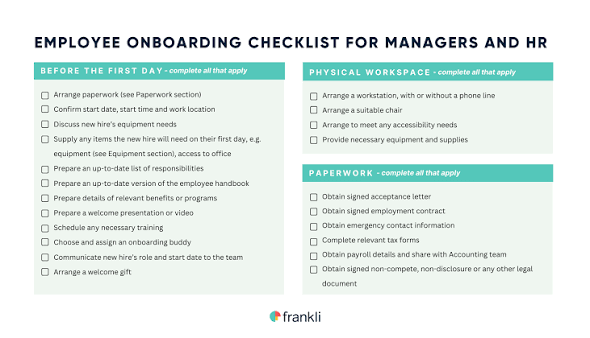
  • Onboarding → structured, welcoming, and informative
  • Development → continuous learning and growth
  • Performance management → fair, transparent, and goal-driven
  • Exit processes → respectful and insight-driven

As a result: consistency in experience leads to sustained engagement.

5. Recognition and Reward Systems

Recognition must be timely, specific, and aligned with organizational values.

However, it is often observed that recognition is:

  • Infrequent
  • Generic
  • Limited to top performers

Therefore:

  • Peer-to-peer recognition should be encouraged
  • Small wins should be celebrated
  • Recognition should be tied to behaviors, not just outcomes
6. Career Growth and Learning Opportunities

Lack of growth is one of the primary reasons for disengagement.

To address this:

  • Career paths must be clearly defined
  • Learning programs should be accessible
  • Internal mobility should be encouraged

Consequently: employees are more likely to stay invested in their roles.

7. Performance Management That Drives Engagement

Traditional performance systems often focus only on evaluation. However, modern systems must focus on development and alignment.

Best practices include:

  • Continuous feedback instead of annual reviews
  • Clear and measurable goal setting (OKRs/KPIs)
  • Development-focused discussions

As a result: performance becomes a driver of engagement rather than stress.

8. Work-Life Balance and Employee Well-being

Engagement cannot be sustained without well-being.

HR must ensure that:

  • Workloads are manageable
  • Flexible work options are considered
  • Mental health support is available

Therefore: a healthy workforce leads to consistent performance and engagement.

9. Building a Feedback-Driven Culture

Feedback must not only be collected but also acted upon.

Effective mechanisms include:

  • Pulse surveys
  • One-on-one check-ins
  • Exit interviews

However, the key differentiator is actionability.

As a result: employees trust that their voices lead to real change.

10. Data-Driven Engagement Strategy

Engagement must be measured, analyzed, and continuously improved.

Key metrics include:

  • Employee engagement scores
  • Retention and attrition rates
  • Internal mobility
  • Participation in feedback programs

Therefore: data should be used to refine strategies and drive decision-making.

Common Mistakes Organizations Must Avoid

Even well-designed strategies may fail due to execution gaps.

Frequent mistakes include:

  • Treating engagement as a one-time initiative
  • Ignoring middle management’s role
  • Failing to act on feedback
  • Over-reliance on surveys without strategy

Hence: consistency and accountability are critical.

A Step-by-Step Framework for HR Implementation

To build a sustainable engagement culture, the following structured approach should be adopted:

  1. Assess current engagement levels (surveys, feedback, data)
  2. Identify key gaps and pain points
  3. Define clear engagement objectives
  4. Design targeted initiatives aligned with business goals
  5. Train leadership and HR teams
  6. Implement and monitor engagement programs
  7. Continuously review and improve based on data
Final Thoughts

In conclusion, a culture of engagement is not created through isolated initiatives—it is built through intentional design, consistent leadership, and continuous improvement.

While many organizations focus on short-term activities, long-term success depends on embedding engagement into the DNA of the organization.

Therefore, HR must act as a strategic driver, ensuring that engagement is not only encouraged but systematically sustained.

How Level Up HR Solutions Can Support Your Organization

At Level Up HR Solutions, tailored HR strategies are developed to help organizations build strong, sustainable engagement cultures.

From employee experience design and performance management systems to leadership alignment and HR transformation, end-to-end support is provided to drive measurable outcomes.

25May

Missing HR Documents Can Cost Your Business Here’s Why

In an increasingly regulated business environment, HR documentation is not merely an internal requirement—it is a legal backbone. Every employee interaction, payroll transaction, and policy implementation is expected to be supported by verifiable records.

However, in many organizations, documentation is still treated as a secondary task. As a result, critical gaps are often discovered only during labour inspections, audits, or employee disputes.

Therefore, it is essential that the full impact of missing HR documents is clearly understood and systematically addressed.

The Evolving Compliance Landscape

Firstly, it must be acknowledged that labour law enforcement is becoming more structured, digitized, and evidence-driven. Authorities are increasingly relying on documented proof rather than verbal clarification.

In addition, under the upcoming labour law framework, standardization and transparency are being emphasized.

As a result:

  • Documentation is being reviewed more rigorously
  • Data inconsistencies are being flagged quickly
  • Compliance failures are being recorded systematically

Hence, even minor documentation gaps may lead to significant consequences.

Why HR Documentation Is Legally Critical

HR documentation serves multiple purposes simultaneously. It is not only used for internal management but also acts as legal evidence in case of disputes or inspections.

However, when documents are missing or incomplete:

  • Employment terms cannot be verified
  • Statutory compliance cannot be proven
  • Organizational decisions cannot be justified

Consequently, businesses may be placed in a vulnerable legal position.

Detailed Breakdown: The Real Cost of Missing HR Documents
1. Financial Penalties and Backdated Liabilities

When statutory records are not maintained, regulatory authorities may impose penalties. In addition, if discrepancies are identified, backdated liabilities may be calculated.

For example:

  • Incorrect wage records may lead to revised PF/ESI contributions
  • Missing bonus records may result in retrospective payouts

As a result: financial exposure may increase unexpectedly.

2. Labour Inspection Failures and Increased Scrutiny

During inspections, companies are expected to produce complete and accurate documentation within a limited timeframe.

However, if documents are:

  • Missing
  • Incomplete
  • Inconsistent

compliance failures may be recorded.

Consequently:

  • Fines may be imposed
  • Follow-up inspections may be scheduled
  • Regulatory scrutiny may increase
3. Employee Disputes and Legal Vulnerability

In the absence of proper documentation, employee claims may be difficult to contest.

Common scenarios include:

  • Disputes over salary structure
  • Claims related to overtime or leave
  • Termination-related conflicts

Without documented evidence:

  • Employer positions may be weakened
  • Legal proceedings may become prolonged

Therefore: documentation acts as the first line of defense.

4. Payroll Non-Compliance and Audit Risks

Payroll documentation is one of the most sensitive compliance areas. Even small inconsistencies may lead to serious implications.

Key risk areas include:

  • Misalignment between salary structure and payslips
  • Inaccurate statutory deductions
  • Lack of proper wage registers

As a result:

  • Financial audits may fail
  • Tax complications may arise
  • Compliance credibility may be affected
5. Operational Inefficiencies and Business Disruptions

When documentation is not properly maintained, significant time is spent locating, verifying, or recreating records.

Consequently:

  • Productivity may decrease
  • HR teams may become reactive rather than strategic
  • Critical decisions may be delayed
6. Reputational Risk and Loss of Business Credibility

Compliance failures do not only result in financial loss—they also impact brand reputation.

For instance:

  • Non-compliance records may affect investor confidence
  • Clients may question operational integrity
  • Employer branding may be weakened

Hence: documentation directly influences business credibility.

Commonly Missing or Mismanaged HR Documents

A pattern is often observed across organizations where specific documents are either missing or poorly maintained.

Employee Documentation
  • Identity and address proof
  • Educational and experience certificates
  • Signed employment contracts
  • Onboarding and exit documentation
Payroll and Statutory Records
  • Payslips and salary registers
  • PF, ESI, and bonus records
  • Overtime and wage registers
  • Tax and compliance filings
HR Policies and Agreements
  • Leave and attendance policies
  • Code of conduct
  • Disciplinary procedures
  • Employee acknowledgments
Compliance and Operational Records
  • Attendance logs
  • Leave records
  • Contractor agreements
  • Vendor compliance documents

Therefore, documentation must be both complete and consistently maintained.

Root Causes of Documentation Gaps

To effectively address the issue, the underlying causes must be identified.

In most organizations, gaps arise due to:

  • Over-reliance on manual systems
  • Lack of standardized processes
  • Infrequent policy reviews
  • Limited HR compliance training
  • Absence of regular audits

As a result: documentation quality becomes inconsistent over time.

A Structured Approach to Eliminate Documentation Risks

A systematic and proactive strategy must be implemented to ensure compliance readiness.

1. Conduct Periodic Documentation Audits

All HR records should be reviewed at regular intervals to identify gaps and discrepancies.

2. Transition to Digital Documentation Systems

Secure and centralized digital platforms should be used to improve accessibility and accuracy.

3. Standardize Documentation Templates

Uniform formats should be adopted across all HR processes to ensure consistency.

4. Ensure Legal Validation of Documents

All critical documents must be properly signed, acknowledged, and stored.

5. Train HR and Management Teams

Continuous training should be provided to ensure awareness of compliance requirements.

6. Monitor Compliance in Real Time

Dashboards and tracking systems should be implemented to monitor documentation status.

Final Thoughts

In conclusion, missing HR documents represent a hidden but significant business risk. While the consequences may not be immediately visible, they often surface during critical moments such as inspections, audits, or disputes.

Therefore, organizations that invest in structured documentation systems, proactive audits, and compliance-driven processes will be better positioned to mitigate risks and ensure long-term stability.

How Level Up HR Solutions Can Support Your Business

At Level Up HR Solutions, comprehensive HR documentation and compliance services are provided to help businesses eliminate risk and achieve full inspection readiness.

From detailed audits and policy drafting to payroll structuring and digital compliance systems, end-to-end solutions are delivered with accuracy and expertise.

21May

Is Your HR Documentation Ready for a Labour Inspection?

Level Up HR Solutions

By Afla KC, Digital Marketing Executive

As labour law enforcement evolves across India, authorities now conduct inspections with greater precision, transparency, and digital oversight. Because of this shift, HR documentation no longer functions as only a back-office activity—it has become a critical pillar of compliance.

However, many organisations still maintain inconsistent, outdated, or incomplete documentation. As a result, even businesses with good intentions may face penalties, legal risks, and operational disruptions during inspections.

To stay compliant, organisations need a structured and proactive approach.

The Changing Nature of Labour Inspections

Labour inspections continue to evolve through digitisation and centralised compliance systems. Authorities increasingly expect organisations to submit records electronically, while automated systems quickly flag inconsistencies.

Additionally, upcoming labour code reforms may strengthen enforcement standards and reduce tolerance for compliance failures.

As a result:

  • Authorities identify documentation gaps faster
  • Surprise inspections occur more frequently
  • Regulators impose penalties more consistently

Therefore, organisations should focus on continuous compliance rather than reactive preparation.

Why HR Documentation Is a High-Risk Area

HR documentation may appear administrative, but it serves as legal evidence during labour inspections. Inspectors evaluate documented proof rather than verbal explanations.

Despite this, organisations often encounter issues such as the following:

  • Policies created but never formally documented
  • Documents prepared but not signed
  • Records maintained but not regularly updated

Consequently, organisations face compliance failures even when teams follow internal practices informally.


Critical HR Documentation Mistakes

1. Incomplete Employee Master Files

Many organisations maintain fragmented employee records or fail to collect essential documentation.

Common gaps include:

  • Missing identity and address proof
  • Incomplete educational or experience certificates
  • Unsigned employment agreements
  • Incomplete onboarding documentation

As a result, businesses may struggle during employee verification processes and legal disputes.

2. Non-standardised offer and Appointment Letters

Organisations sometimes issue offer letters and appointment letters without proper legal structure.

Common issues include:

  • Unclear employment terms
  • Incomplete compensation breakdowns
  • Missing statutory clauses

Consequently, unclear documentation may create disputes and weaken employer-employee relationships.

3. Outdated or Non-Compliant HR Policies

Organisations should regularly review HR policies to align with labour laws and operational requirements.

Frequent concerns include:

  • Leave policies that fail to meet statutory requirements
  • Working hour policies that exceed legal limits
  • Missing disciplinary procedures or code of conduct updates

Therefore, outdated policies can expose organisations to compliance risks.

4. Payroll Documentation Errors

Payroll remains one of the most heavily scrutinised areas during inspections. Even minor inconsistencies can create compliance concerns.

Common payroll mistakes include:

  • Incorrect wage structures
  • Errors in PF, ESI, and bonus calculations
  • Missing payslip documentation
  • Mismatch between payroll records and bank transfers

As a result, organisations may face penalties and increased financial liabilities.

5. Poor Maintenance of Statutory Registers

Organisations must maintain statutory registers in prescribed formats. However, many businesses fail to update records consistently.

Critical registers include the following:

  • Attendance registers
  • Wage registers
  • Overtime records
  • Leave registers

Therefore, inaccurate or missing registers may directly impact compliance status.

6. Missing Employee Acknowledgments and Signatures

Documentation without employee acknowledgement often weakens legal enforceability.

Common concerns include:

  • Unsigned policy documents
  • Missing acknowledgment of company policies
  • No communication proof for policy updates

Consequently, organisations may struggle to enforce policies during disputes.

7. Weak Contractor and Vendor Compliance Documentation

Businesses engaging contract labour must maintain additional compliance records.

However, common gaps include:

  • Incomplete vendor agreements
  • Lack of contractor compliance verification
  • Undefined statutory obligations

As a result, principal employers may become liable for contractor non-compliance.


Essential HR Documents Checklist for Inspection Readiness

Organizations should maintain updated and accessible documentation, including:

Employee Documentation

  • Employee master file (KYC, qualifications, experience)
  • Offer letters and appointment letters
  • Employment agreements
  • Exit documentation and full-and-final settlements

Payroll and Statutory Records

  • Salary structures and payslips
  • PF, ESI, and bonus records
  • Wage and overtime registers
  • Tax documentation

HR Policies and Compliance Documents

  • Leave and attendance policies
  • Code of conduct
  • Disciplinary procedures
  • Workplace safety policies

Operational Records

  • Attendance logs
  • Leave records
  • Shift schedules
  • Contractor agreements and compliance documentation

Step-by-Step Approach to Inspection Readiness

1. Conduct HR Audits Regularly

Review documentation periodically to identify compliance gaps.

2. Implement Digital Documentation Systems

Replace manual processes with centralised digital platforms to improve accessibility and control.

3. Standardize Documentation Formats

Use consistent templates across departments to improve accuracy.

4. Train HR and Compliance Teams

Conduct regular compliance training to keep teams updated on labour regulations.

5. Perform Mock Labour Inspections

Run simulated inspections to strengthen readiness and response capabilities.


Final Thoughts

HR documentation will significantly influence labour compliance outcomes in 2026. While many organisations focus on policy creation, true compliance depends on maintaining accurate, complete, and verifiable records.

Businesses that strengthen documentation practices today can reduce compliance risks and stay inspection-ready tomorrow.

How Level Up HR Solutions Can Help

Level Up HR Solutions provides specialised HR compliance and documentation support to help businesses prepare for labour inspections confidently.

Services include:

  • HR audits
  • Policy drafting
  • Payroll structuring
  • Documentation compliance
  • Digital HR systems implementation

With the right compliance framework, businesses can reduce risks, strengthen operational efficiency, and stay prepared for evolving labour regulations.

18May

Biggest Labour Law Mistakes Companies Will Make in 2026

by, Manjima Madhu , levelup hr solutions.

As India moves closer to full implementation of the new labour codes, a wave of compliance challenges is expected to emerge. While regulations are being streamlined, the margin for error is also being reduced. Consequently, costly mistakes are likely to be made—not due to negligence, but due to lack of preparedness.

In this blog, the most critical labour law mistakes companies are expected to make in 2026 are outlined, along with practical insights to help businesses stay compliant and future-ready.

1. Misinterpretation of New Labour Codes

Firstly, one of the most common mistakes will be the misinterpretation of newly introduced labour laws. Although the codes have been simplified, ambiguity still exists in areas such as wage definitions, working hours, and compliance thresholds.

As a result, incorrect structuring of salaries and benefits may be implemented. Moreover, non-compliance penalties could be triggered unintentionally.

Therefore, it is essential that:

  • Legal updates are continuously monitored
  • HR teams are trained on code-specific interpretations
  • Expert consultation is sought before policy changes are executed

2. Improper Salary Structuring

Under the new wage code, a uniform definition of wages has been introduced. However, this change is often misunderstood.

Consequently, companies may:

  • Over-allocate allowances
  • Understate basic wages
  • Miscalculate statutory contributions

As a result, liabilities related to PF, gratuity, and bonuses may increase significantly.

Hence, it is recommended that:

  • Salary structures are reviewed and redesigned
  • Payroll audits are conducted regularly
  • Compliance-driven compensation models are adopted

3. Non-Compliance with Working Hour Regulations

Another critical area where mistakes will be made is in working hours and overtime compliance.

Although flexibility has been introduced, strict guidelines are still required to be followed. However, in many organizations, outdated attendance systems are still being used.

As a result:

  • Overtime may be underreported
  • Employee rights may be violated
  • Legal risks may increase

To prevent this:

  • Automated attendance systems should be implemented
  • Overtime policies must be clearly defined
  • Regular compliance checks should be conducted

4. Inadequate Documentation and Record-Keeping

In 2026, documentation will no longer be optional—it will be mandatory and scrutinized.

However, many companies still rely on incomplete or manual records. Consequently, during inspections, critical gaps may be identified.

Common issues include:

  • Missing employee records
  • Improper contract documentation
  • Lack of digital backups

Thus, it is advisable that:

  • Documentation is digitized
  • Employee files are standardized
  • Audit-ready systems are maintained at all times

5. Ignoring Gig and Contract Workforce Regulations

With the rise of gig and contract employment, compliance obligations have expanded.

However, this segment is often overlooked. As a result, companies may fail to:

  • Provide required benefits
  • Maintain proper agreements
  • Ensure statutory compliance

Therefore:

  • Contractual frameworks should be formalized
  • Vendor compliance must be monitored
  • Gig workforce policies should be aligned with legal requirements

6. Lack of Labour Law Audit Preparedness

Labour inspections are expected to become more structured and technology-driven in 2026.

Despite this, many organizations remain unprepared. Consequently, penalties, reputational damage, and operational disruptions may occur.

To mitigate risks:

  • Internal compliance audits should be conducted
  • Mock inspections can be implemented
  • HR compliance checklists must be updated regularly

7. Failure to Train HR and Management Teams

Finally, one of the most overlooked mistakes is the failure to upskill HR professionals and management teams.

Although policies may be updated, execution often fails due to lack of awareness.

As a result:

  • Incorrect decisions may be made
  • Compliance gaps may persist
  • Organizational risk may increase

Hence:

  • Regular training sessions should be conducted
  • Leadership should be aligned with compliance goals
  • External experts should be engaged when required

Final Thoughts

In conclusion, the transition into 2026 labour laws will not just be a regulatory shift—it will be a strategic transformation. While compliance may seem complex, proactive planning and structured implementation can significantly reduce risk.

Therefore, companies that act early will not only avoid penalties but also build stronger, more transparent workplace systems.

14May

Essential HR Documents Every Company Must Have


 Level Up HR Solutions

By Afla KC, Digital Marketing Executive

In today’s evolving business landscape, HR documentation is no longer optional—it is considered a legal and operational necessity. Without proper documentation, organisations may be exposed to compliance risks, employee disputes, and operational inefficiencies.

Therefore, it is essential for every company, regardless of size, to maintain a strong HR documentation framework. In this article, the most important HR documents are outlined along with their business impact and legal importance.

Why HR Documentation Matters

To begin with, HR documents are maintained to ensure compliance, consistency, and transparency within an organisation. Moreover, both employers and employees are protected from legal complications through proper documentation.

Additionally, when documentation is managed effectively:

  • Legal risks are reduced
  • Employee expectations are clarified
  • Internal processes are standardised

As a result, businesses can operate more efficiently and confidently.


1. Employment Contracts

First and foremost, employment contracts should be prepared for every employee. These documents are used to define:

  • Job roles and responsibilities
  • Salary structure and benefits
  • Terms and conditions of employment
  • Confidentiality clauses

Without a formal contract, misunderstandings may arise. Therefore, written agreements should always be maintained for all employees.


2. Employee Handbook

Next, an employee handbook should be developed and distributed. This document is regarded as the foundation of workplace culture and organisational policies.

Typically, it includes:

  • Company policies and code of conduct
  • Leave policies and working hours
  • Disciplinary procedures
  • Anti-harassment policies

Consequently, employees are provided with clear guidance regarding organisational expectations.


3. HR Policies and Procedures

In addition, detailed HR policies should be documented to ensure compliance with labour laws and workplace standards.

These policies generally cover:

  • Attendance and leave management
  • Payroll and compensation
  • Performance management
  • Grievance handling procedures

By implementing structured policies, consistency across departments can be ensured.


4. Payroll and Salary Records

Furthermore, accurate payroll records should be maintained for every employee. These documents are essential for financial tracking and statutory compliance.

They typically include:

  • Salary slips
  • Tax deductions (TDS)
  • Provident Fund (PF) contributions
  • Employee State Insurance (ESI) records

As a result, financial transparency is improved and compliance audits are simplified.


5. Employee Personal Files

Equally important, employee records should be securely maintained and regularly updated. These files usually contain:

  • ID proof and address details
  • Educational certificates
  • Offer letters and appraisal records
  • Emergency contact information

Proper documentation ensures that employee data remains organised and easily accessible when required.


6. Compliance and Statutory Documents

Moreover, statutory documents must be maintained in accordance with labour laws and government regulations.

These documents include:

  • Registration certificates
  • Labour law compliance records
  • Inspection reports
  • Licences and permits

Failure to maintain these documents may result in penalties. Hence, compliance records should be reviewed and updated regularly.


7. Performance and Appraisal Records

Additionally, employee performance records should be documented systematically.

These records help in:

  • Tracking employee growth
  • Supporting promotions and salary increments
  • Identifying training and development needs

Consequently, workforce planning and employee development can be managed more effectively.


8. Exit and Releasing Documents

Finally, exit documentation should be handled professionally and systematically. This process generally includes:

  • Resignation letters
  • Exit interview records
  • Full and final settlement documents
  • Experience and relieving letters

Proper exit documentation ensures that the employee lifecycle is completed smoothly and legally.


Common Mistakes to Avoid

However, despite understanding the importance of HR documentation, many businesses continue to make common mistakes such as:

  • Documents not being updated regularly
  • Lack of digital record management
  • Non-compliance with local labour laws
  • Improper documentation during employee exits

Therefore, these gaps should be addressed proactively to avoid operational and legal risks.


How Level Up HR Solutions Can Help

At Level Up HR Solutions, comprehensive HR documentation services are provided to help businesses remain compliance-ready, audit-ready, and operationally efficient.

Services include:

  • Complete HR documentation setup
  • Labour law compliance support
  • Payroll and employee record management
  • HR policy drafting and implementation

Conclusion

To conclude, HR documentation should not be viewed as mere paperwork—it is considered a strategic asset for business growth and legal protection. When the right documents are maintained properly, organisations become better equipped to manage risks, improve employee relations, and scale effectively.

Therefore, every company should review and strengthen its HR documentation system to ensure long-term business success.

11May

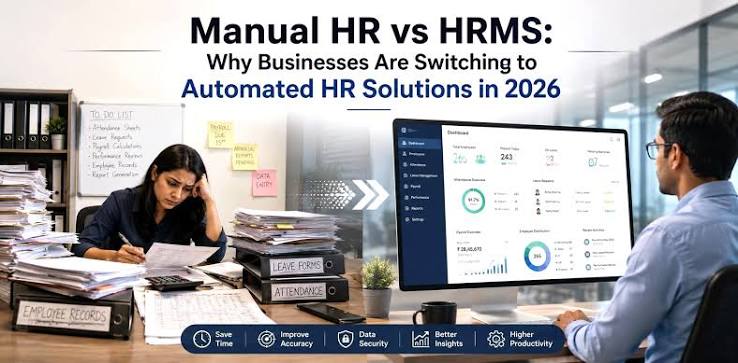
“Manual vs Digital HR Documentation: What’s Better?

by , manjima madhu , levelup hr solutions 

Paper files, spreadsheets, and handwritten registers have been the backbone of HR documentation for decades. They are familiar, tangible, and in many cases, still legally accepted.

Digital HR systems, on the other hand, promise speed, accuracy, accessibility, and scale.

Most Indian SMEs today are not choosing between the two. They are operating in an unstructured mix of both — and that is where the real problem begins.

This article explores the difference between manual and digital HR documentation, where each works, where each fails, and what growing businesses should adopt to stay compliant, efficient, and scalable.

Why HR Documentation Matters More Than You Think

HR documentation is not administrative overhead. It is the legal, operational, and financial backbone of your business.

Every appointment letter, attendance record, payroll register, leave tracker, and compliance filing serves three purposes:

  • It defines the employer-employee relationship
  • It supports statutory compliance
  • It protects the business in the event of disputes

Poor documentation does not fail loudly. It fails when you need it the most — during audits, inspections, or employee conflicts.

Manual HR Documentation — Where It Works, Where It Breaks

Manual systems include physical files, Excel trackers, printed registers, and handwritten logs.

Where manual documentation works

For very small teams — typically under 10 employees — manual systems can be sufficient.

They are:

  • Low-cost to maintain
  • Easy to set up
  • Familiar to non-technical users
  • Flexible without system constraints

For early-stage businesses, this simplicity is often enough.

Where manual documentation breaks down

The problems begin as soon as the business starts to grow.

1. Lack of standardisation Different formats, inconsistent data entry, and multiple versions of the same document create confusion.

2. Error-prone processes Manual calculations in payroll, leave tracking, and compliance registers increase the risk of mistakes.

3. Poor accessibility Physical files and scattered spreadsheets are difficult to retrieve, especially during audits or urgent decision-making.

4. No audit trail There is no clear record of who updated what and when — a major issue during disputes.

5. Compliance risk Labour laws require accurate, updated, and accessible records. Manual systems often fail under scrutiny.

Digital HR Documentation — The Real Advantages

Digital HR systems include HRMS platforms, cloud-based document storage, automated payroll systems, and compliance tools.

What digital systems do better

1. Centralised data management All employee records — contracts, payroll, attendance, leave — stored in one place.

2. Accuracy and automation Automated calculations reduce human error in payroll, TDS, and statutory filings.

3. Real-time access Documents can be accessed instantly, from anywhere, by authorised personnel.

4. Audit readiness Digital systems maintain logs, timestamps, and version histories — critical for compliance.

5. Scalability Whether you have 10 employees or 500, the system grows with you without breaking.

Where digital systems fail (if implemented poorly)

Digital is not automatically better. Poor implementation creates new problems.

1. Lack of structure Uploading documents without clear naming conventions or folder systems creates digital clutter.

2. Incomplete migration Half-manual, half-digital systems lead to duplication and confusion.

3. No policy alignment Technology without proper HR policies still results in inconsistent practices.

4. Low adoption If employees are not trained, even the best systems go unused.

Manual vs Digital — The Real Comparison

FactorManual DocumentationDigital DocumentationSetup CostLowModerateAccuracyLowHighAccessibilityLimitedInstantCompliance ReadinessWeakStrongScalabilityPoorExcellentAudit TrailNoneStrongEfficiencyTime-consumingAutomated

The conclusion is not complicated.

Manual systems are manageable. Digital systems are sustainable.

The Hybrid Trap Most SMEs Fall Into

Many businesses attempt a “partial digital” approach:

  • Attendance in biometric system
  • Payroll in Excel
  • Employee records in physical files
  • Policies in email attachments

This is not a hybrid system. It is a fragmented system.

Fragmentation creates:

  • Data mismatch
  • Duplicate records
  • Compliance gaps
  • Operational delays

If you are moving digital, move with structure — not in pieces.

When Should a Business Go Digital?

The right time is earlier than most founders think.

You should strongly consider digital HR documentation when:

  • Your team crosses 10–15 employees
  • Payroll processing becomes complex
  • Compliance filings increase
  • You hire across multiple roles or locations
  • You start facing documentation-related delays or errors

Waiting too long increases the cost and complexity of transition.

Building a Digital HR Documentation System That Works

The effectiveness of digital HR is not in the tool — it is in the structure.

1. Standardise documentation Create uniform templates for offer letters, contracts, policies, and HR forms.

2. Centralise storage Use a secure, cloud-based system with defined access controls.

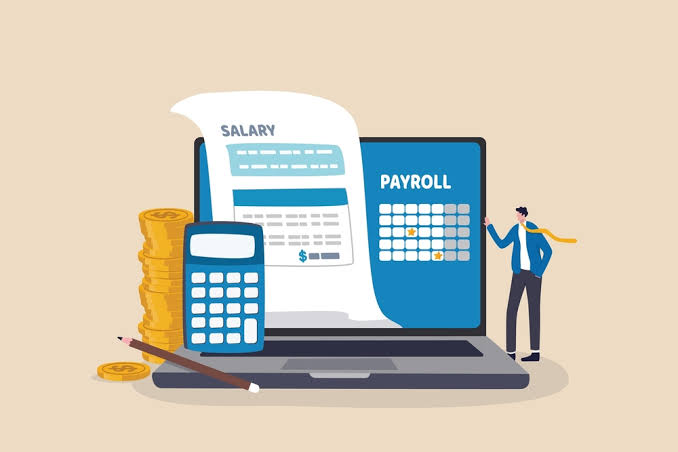
3. Automate payroll and compliance Ensure TDS, PF, ESI, and statutory registers are system-driven.

4. Define ownership Assign responsibility for maintaining and updating HR records.

5. Train your team A system is only as strong as its users.

6. Maintain documentation discipline Digital systems require consistency — naming conventions, version control, and regular audits.

Compliance Perspective — Why Digital Matters

From a statutory standpoint, documentation must be:

  • Accurate
  • Updated
  • Accessible
  • Verifiable

Digital systems significantly improve all four.

During inspections or audits, the difference is immediate:

Manual system: “Give me some time, I will find the file.”

Digital system: “Here is the document.”

That difference often defines how your business is perceived by regulators.

Closing Thought

This is not a debate about tradition versus technology.

It is a decision about control versus risk.

Manual HR documentation works — until it doesn’t. And when it fails, it fails at the worst possible time.

Digital HR documentation, when implemented correctly, brings structure, visibility, and reliability to one of the most critical functions in your business.

The businesses that scale smoothly are not the ones that work harder on HR documentation — they are the ones that build systems that work for them.

At Level UP HR Solutions, we help businesses transition from fragmented, manual documentation to structured, compliant, and scalable digital HR systems.